




How to Clean Your Eyes Safely and Maintain Healthy Eyes
By Dr. Poonam Rai +2 more

Medically reviewed by Dr. Poonam Rai
Last updated: Aug 17, 2026 Published on: Feb 11, 2026


Get,

to manage your symptom
Get your,

4 Cr+ families
benefitted

OTP sent to 9988776655



You’ve successfully subscribed to receive
doctor-approved tips on
Whatsapp

Get ready to feel your best.


Register to Avail the Offer
Send OTPBy continuing, you agree with our Privacy Policy and Terms and Conditions
Hi There,
Sign up on PharmEasy now!!


Trusted by 4 crore+ families

OTP sent to 9988776655
You have unlocked 25% off on medicines


Code: NU25

By Dr. Poonam Rai +2 more
Table of Contents
In today’s environment, especially with increased screen time, our eyes are more prone to dryness, redness, strain, and fatigue1. Pollution and airborne particles can further irritate the eyes, leading to itching, watering, or discomfort2. This makes eye hygiene an essential part of daily self-care.
One simple yet effective way to maintain eye hygiene is through proper eye cleaning. Simple, safe cleaning practices combined with healthy daily habits can go a long way in protecting your vision and keeping your eyes feeling fresh and healthy. In this article, we will discuss safe methods to clean your eyes and practical tips to maintain overall eye health.
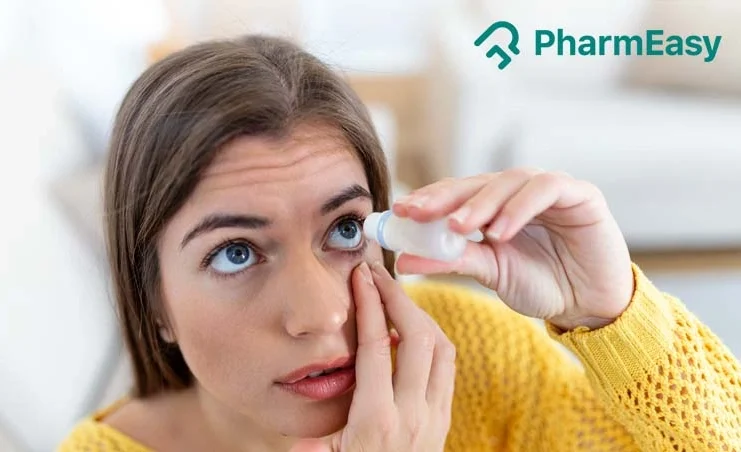
Did you know that our eyes are self-cleaning organs? This means they are naturally capable of cleaning themselves through the production of tears and the act of blinking3. A continuous layer of tears (produced by glands in and around the eyelids) spreads across the surface of the eye every time we blink. This tear film keeps the eyes moist, helps wash away dust and debris, and protects against infection3,4.
However, there might be times when the eyes may need a little extra help. Prolonged screen time, excessive eye strain, and exposure to dust or foreign particles can overwhelm this natural cleaning system, leading to irritation, dryness, or discomfort. In such situations, safe eye-cleaning practices could be beneficial. Gentle and proper eye cleaning helps remove irritants, reduces the risk of infections, and keeps the eyes feeling comfortable and clear5,6. Therefore, maintaining good eye hygiene is not just about immediate relief, it also supports long-term eye health.
Did You Know
Below is a simple, safe, and effective way to clean your eyes at home:
Note: Avoid rinsing or flushing your eyes with water too frequently throughout the day, as this can wash away natural tears. These tears are rich in electrolytes and essential nutrients that help nourish and protect the cornea, the front surface of the eye4. As a routine practice, washing the eyes once or twice a day is usually sufficient, unless there is irritation or a specific need for additional cleaning.
Here are safe, practical ways to clean your eyes for everyday situations you may encounter, like dust exposure, screen fatigue, contact lens care, and cleaning children’s eyes.

Dust, smoke, or tiny particles can irritate the eye surface and make your eyes feel uncomfortable.

Staring at screens for long periods reduces blinking and dries out the eyes, causing discomfort.
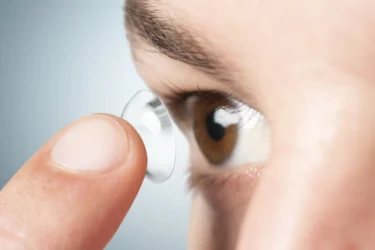
Contact lenses require careful cleaning and handling to protect your eyes from irritation and infection.

Children’s eyes are delicate and easily irritated by dust, discharge, or debris.
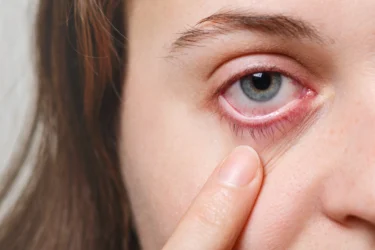
Redness or mild irritation may occur due to allergies or chemical irritants (such as those found in makeup products).
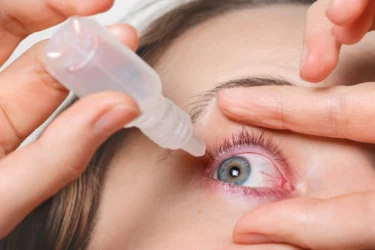
Redness accompanied by discharge, stickiness, or discomfort may indicate a mild eye infection such as conjunctivitis (pink eye).
When cleaning eyes, certain habits can actually make irritation or infection worse rather than better. Here are key things you should avoid while cleaning your eyes:
Taking care of your eyes goes hand in hand with looking after your overall health. The following eye care tips can help protect your vision and keep your eyes healthy in the long run:

Include plenty of dark, leafy green vegetables like spinach, kale, and collard greens in your diet, as they support eye health. Food items rich in omega-3 fatty acids16, such as salmon, tuna, walnuts, and flaxseed, also help maintain healthy eyes. In addition, vitamin A-rich foods like carrots and sweet potatoes play an important role in supporting good vision14,17.

Wearing sunglasses when outdoors helps shield your eyes from harmful ultraviolet (UV) rays, even on cloudy days. Choose sunglasses that block at least 99 to 100% of UVA and UVB radiation to reduce the risk of long-term eye damage15.

Prolonged screen use can cause eye strain and fatigue. Rest your eyes by following the 20-20-20 rule: every 20 minutes, look at something about 20 feet away for at least 20 seconds14.
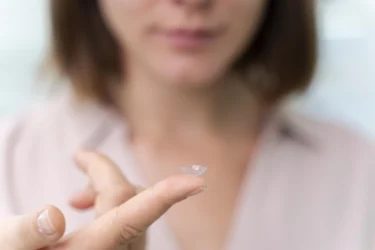
If you wear contact lenses, always wash your hands before handling them. Clean, disinfect, and replace lenses exactly as recommended to reduce the risk of eye infections5.
Also Read: Contact Lenses: Types, Uses, Safety, and Side Effects

Safety glasses or goggles should be worn during sports, home repairs, yard work, or activities where eye injury is possible. Protective eyewear helps prevent accidental eye trauma14,18.

Keeping laptops or mobile devices too close can strain the eye muscles and lead to fatigue. So, ensure your screen is at a comfortable distance (about 25 inches or an arm’s length away) to reduce eye strain9.

Eating a balanced diet and staying physically active supports not just your body but your eyes, too. A healthy lifestyle lowers the risk of conditions such as diabetes, high blood pressure, and high cholesterol, which can negatively affect vision over time18.

Smoking can harm eye health and increase the risk of conditions such as cataracts, macular degeneration, and optic nerve damage. Quitting smoking (or never starting) can significantly benefit your eyes14,18.
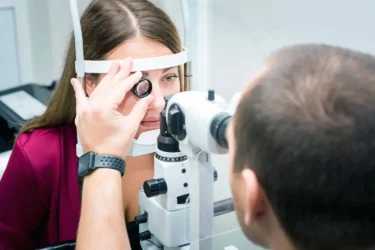
Routine comprehensive eye examinations help detect vision problems and eye diseases early, even before symptoms appear. Knowing your family’s eye health history can also help assess your risk for hereditary eye conditions14,18.
Most eye irritation is minor, but some symptoms need prompt medical care. Stay calm and seek help if you notice any of the following6:
Also Read: Importance of Eyes & Why We Should Take Care Of It
Your eyes are delicate, hardworking organs that deserve regular care and attention. While they are naturally equipped to clean and protect themselves, everyday factors like dust, pollution, screen time, and strain may sometimes slow down this system. Therefore, practising safe eye-cleaning habits, protecting your eyes from injury and irritation, and adopting healthy daily routines can go a long way in maintaining clear, comfortable vision.
It is also important to know when not to self-manage and when to seek medical help. Additionally, paying attention to warning signs and acting early can help prevent complications and protect long-term eye health.
Also Read: How to Take Care of Your Eyes?
A good eye care routine includes keeping your hands clean, avoiding frequent eye rubbing, taking regular breaks from screens, wearing sunglasses outdoors, eating a balanced diet, and getting routine eye check-ups6,14,18. These simple habits help protect your eyes from strain, irritation, and long-term damage.
Water is the best drink for eye health, as it helps keep the eyes hydrated19. Drinks rich in antioxidants, such as fresh fruit or vegetable juices, can also support overall eye health when consumed in moderation17.
Sufficient oxygen supply is needed to keep the eye cells healthy, and good blood circulation can help with this. Regular physical activity, frequent blinking, screen breaks, and spending time outdoors all help improve oxygen flow to the eyes and reduce strain9,20.
Foods high in sugar, salt, and unhealthy fats should be limited21. This is because they can contribute to conditions like diabetes, high blood pressure, and inflammation, which may affect eye health over time14.
Vitamins such as A, C, and E are important for maintaining healthy vision, while nutrients like lutein, zeaxanthin, and omega-3 fatty acids help protect the eyes from damage and support overall eye function17. However, these nutrients should ideally come from a balanced diet, and supplements should not be taken without consulting a doctor, as unnecessary or excessive supplementation may cause harm.
Fruits rich in vitamins and antioxidants, such as oranges, tangerines, grapefruit, lemons, cantaloupe and apricots, are especially beneficial for eye health17. They help protect the eyes and support long-term vision health.
1. Kaur K, Gurnani B, Nayak S, et al. Digital Eye Strain- A Comprehensive Review. Ophthalmol Ther. 2022;11(5):1655-1680. doi:10.1007/s40123-022-00540-9. Available from: https://pmc.ncbi.nlm.nih.gov/articles/PMC9434525/
2. Mandell JT, Idarraga M, Kumar N, Galor A. Impact of Air Pollution and Weather on Dry Eye. J Clin Med. 2020;9(11):3740. doi:10.3390/jcm9113740. Available from: https://pubmed.ncbi.nlm.nih.gov/33233863/
3. How Tears Work | National Eye Institute. Accessed February 3, 2026. Available from: https://www.nei.nih.gov/eye-health-information/healthy-vision/how-eyes-work/how-tears-work?
4. Facts About Tears – American Academy of Ophthalmology. Accessed February 3, 2026. Available from: https://www.aao.org/eye-health/tips-prevention/facts-about-tears
5. How to Prevent Pink Eye | Conjunctivitis (Pink Eye) | CDC. Accessed February 3, 2026. Available from: https://www.cdc.gov/conjunctivitis/prevention/index.html
6. Eye emergencies: MedlinePlus Medical Encyclopedia. Accessed February 3, 2026. Available from: https://medlineplus.gov/ency/article/000054.htm
7. Fastest human muscle | Guinness World Records. Accessed February 3, 2026. Available from: https://www.guinnessworldrecords.com/world-records/420629-fastest-human-muscle
8. All About Emotional Tears – American Academy of Ophthalmology. Accessed February 3, 2026. Available from: https://www.aao.org/eye-health/tips-prevention/all-about-emotional-tears
9. Digital Devices and Your Eyes – American Academy of Ophthalmology. Accessed February 3, 2026. Available from: https://www.aao.org/eye-health/tips-prevention/digital-devices-your-eyes
10. Sheppard AL, Wolffsohn JS. Digital eye strain: prevalence, measurement and amelioration. BMJ Open Ophthalmol. 2018;3(1):e000146. doi:10.1136/bmjophth-2018-000146. Available from: https://bmjophth.bmj.com/content/3/1/e000146
11. Eye Infections | Conjunctivitis | Stye | MedlinePlus. Accessed February 5, 2026. Available from: https://medlineplus.gov/eyeinfections.html
12. Conjunctivitis – StatPearls – NCBI Bookshelf. Accessed February 5, 2026. Available from: https://www.ncbi.nlm.nih.gov/books/NBK541034/
13. Eye burning – itching and discharge: MedlinePlus Medical Encyclopedia. Accessed February 5, 2026. Available from: https://medlineplus.gov/ency/article/003034.htm
14.Keep Your Eyes Healthy | National Eye Institute. Accessed February 3, 2026. Available from: https://www.nei.nih.gov/eye-health-information/healthy-vision/how-eyes-work/keep-your-eyes-healthy
15. Taking Care of Your Eyes | Vision and Eye Health | CDC. Accessed February 3, 2026. Available from: https://www.cdc.gov/vision-health/prevention/taking-care-of-your-eyes.html
16.Omega-3 fats – Good for your heart: MedlinePlus Medical Encyclopedia. Accessed February 5, 2026. Available from: https://medlineplus.gov/ency/patientinstructions/000767.htm
17. 36 Fabulous Foods to Boost Eye Health. American Academy of Ophthalmology. November 21, 2024. Accessed February 3, 2026. Available from: https://www.aao.org/eye-health/tips-prevention/fabulous-foods-your-eyes
18. Eye Care | Vision Care | MedlinePlus. Accessed February 3, 2026. Available from: https://medlineplus.gov/eyecare.html
19. Akkara JD, Kuriakose A. Commentary: Water, water everywhere; alters eye when you drink. Indian J Ophthalmol. 2022;70(4):1230-1231. doi:10.4103/ijo.IJO_3041_21. Available from: https://pmc.ncbi.nlm.nih.gov/articles/PMC9240575/
20. Zhang Q, Jiang Y, Deng C, Wang J. Effects and potential mechanisms of exercise and physical activity on eye health and ocular diseases. Front Med. 2024;11:1353624. doi:10.3389/fmed.2024.1353624. Available from: https://pubmed.ncbi.nlm.nih.gov/38585147/
21.WHO EMRO – Limit fat, salt and sugar intake. Accessed February 3, 2026. Available from: https://www.emro.who.int/nutrition/reduce-fat-salt-and-sugar-intake/reduce-fat-salt-and-sugar-intake.html
Disclaimer: The information provided here is for educational/awareness purposes only and is not intended to be a substitute for medical treatment by a healthcare professional and should not be relied upon to diagnose or treat any medical condition. The reader should consult a registered medical practitioner to determine the appropriateness of the information and before consuming any medication. PharmEasy does not provide any guarantee or warranty (express or implied) regarding the accuracy, adequacy, completeness, legality, reliability or usefulness of the information; and disclaims any liability arising thereof.
Links and product recommendations in the information provided here are advertisements of third-party products available on the website. PharmEasy does not make any representation on the accuracy or suitability of such products/services. Advertisements do not influence the editorial decisions or content. The information in this blog is subject to change without notice. The authors and administrators reserve the right to modify, add, or remove content without notification. It is your responsibility to review this disclaimer regularly for any changes.


Comments

Leave your comment...
You may also like























Comments