




Dark Lips: Causes, Home Remedies, Treatment & More
By Dr. Raina N. Nahar +2 more

Medically reviewed by Dr. Raina N. Nahar
Last updated: Apr 30, 2026 Published on: Feb 2, 2026


Get,

to manage your symptom
Get your,

4 Cr+ families
benefitted

OTP sent to 9988776655



You’ve successfully subscribed to receive
doctor-approved tips on
Whatsapp

Get ready to feel your best.


Register to Avail the Offer
Send OTPBy continuing, you agree with our Privacy Policy and Terms and Conditions
Hi There,
Sign up on PharmEasy now!!


Trusted by 4 crore+ families

OTP sent to 9988776655
You have unlocked 25% off on medicines


Code: NU25

By Dr. Raina N. Nahar +2 more
Table of Contents
Have you ever noticed lips becoming darker over time for some people and thought why? Yes, dark lips are a common concern many people face. They are usually noticed as dark patches or small dark spots on the lips. These colour changes appear on the surface of the lips and do not affect the inner areas of the lips, which are normally red or pink1,2.
The colour of lips can change for many reasons. It may include some normal body changes, skin irritation, hormonal changes, or using some medicines or products. Usually, dark lips are harmless, but since the lips and skin around them are always visible when we talk or smile, darkening of that area can affect how people feel about themselves3,4.
So, in this blog, let us explore what dark lips are, their causes, simple home remedies, dark lips treatment, and ways to prevent them.
Dark lips is a condition in which the lips appear darker or develop dark spots/areas on their surface. Medically, this is known as lip hyperpigmentation1. This happens mainly because the lips are highly exposed and have very little natural protection. They are constantly in contact with sunlight (UV rays), food, saliva, cosmetics, and products like tobacco, all of which can affect the delicate lip tissue over time and cause pigmentation changes4,5.
The area around the mouth, called the perioral region, is also highly exposed to environmental factors such as food, saliva, and cosmetic products. Pigmentation in this area is also commonly seen, especially in people with darker skin types.
Since the lips and the perioral area are always visible and play an important role in facial expressions and communication, pigmentation in these areas can sometimes cause emotional discomfort or distress for affected individuals. Moreover, in people with darker skin, extra pigmentation can sometimes hide skin irritation or inflammation1,4. Hence, lip pigmentation can become a cause of concern in some individuals.
There are several causes of dark lips. Let’s have a look at them in the following section.
Dark lips can happen due to many reasons. Lips are soft, delicate, and always exposed to sunlight and the chemicals we put on them. Along with this, some medicines, ageing, and habits like smoking can make lips darker. Here is how each of these factors can cause dark lips.
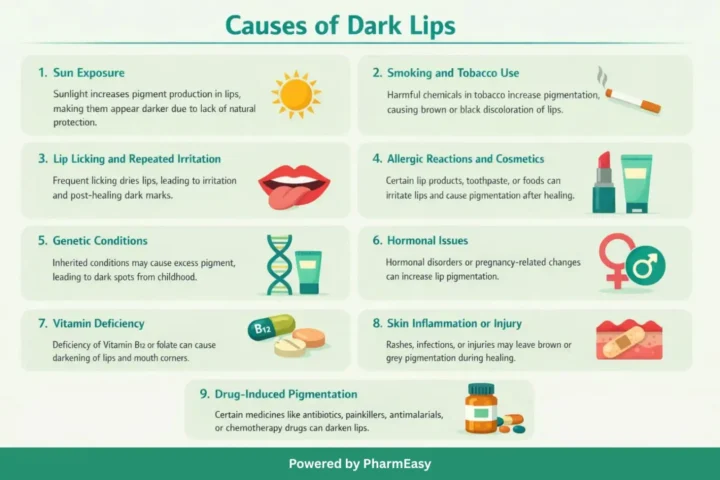
As we can see, dark lips can happen due to many reasons. However, some simple home remedies for dark lips may help reduce dark colour and keep the lips healthy.
Natural home remedies like aloe vera, lemon, and honey can help lighten dark lips gradually when used regularly.
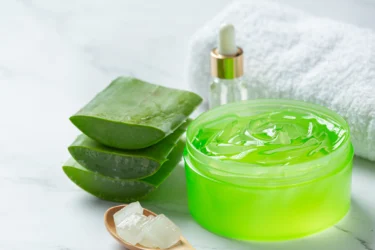
Aloe vera helps lighten dark lips because it contains aloesin, a natural compound that reduces melanin production in the skin. Aloesin works by blocking enzymes involved in pigment formation, which lowers skin darkening. With regular use, this reduction in melanin helps improve lip colour and lower pigmentation7.
How to apply: Apply a light layer of fresh aloe vera gel to your lips.
Duration: Leave it on until it dries completely.
Frequency: Once daily.
When results appear: Visible improvement may be seen in 4 weeks with consistent use8.
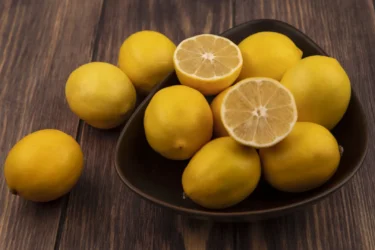
It helps lighten dark lips because it contains antioxidants such as hesperidin and vitamin C, which reduce melanin (dark pigment) production. These compounds slow down the activity of tyrosinase, an enzyme needed to produce melanin. By reducing this process, lemon helps to gradually reduce hyperpigmentation and improve lip colour7.
How to apply (Method 1): Before going to bed, slice a lemon and gently rub the juicy side over your lips. Rinse with cool water the next morning.
How to apply (Method 2): Dip a lemon piece in sugar and gently scrub your lips. Wash it off the next morning using lukewarm water.
Frequency: Once daily (scrub method 2-3 times a week).
When results appear: Results may be visible in about 30 days.
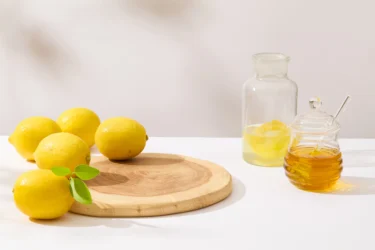
Honey helps dark lips because it has antioxidant and healing properties that may repair damaged skin and improve skin tone. It also moisturises the lips and supports skin healing, which can reduce dryness and pigmentation over time9.
How to apply: Mix 1½ teaspoons of fresh lime juice, 1 teaspoon of honey, and 1 teaspoon of glycerine in a small bowl. Gently apply this mixture to your lips before bedtime.
Duration: Leave it on overnight.
Frequency: Once daily.
When results appear: Noticeable improvement can be seen in a month or so.
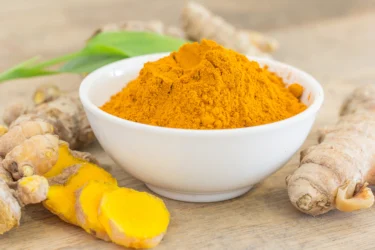
It is a golden spice, having antioxidant and anti-inflammatory properties. Its active compound, curcumin, can help reduce dark pigment by slowing melanin production10.
How to use: Mix 1 tablespoon of milk with turmeric powder to make a paste. Apply gently on lips for 5 minutes, then rinse with cool water and moisturise.
Frequency: 3-4 times a week.
Results: Lips may appear lighter and healthier in 4-6 weeks with regular use.
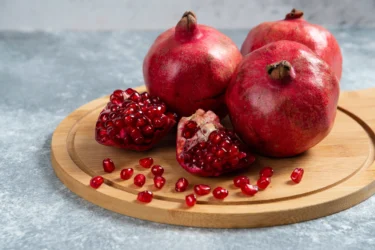
Pomegranate extract contains ellagic acid, which can reduce dark pigment by slowing melanin production and stopping extra pigment-making cells from growing11.
How to use: Mix 1 tablespoon of pomegranate seeds with 1 teaspoon rose water and 1 tablespoon fresh cream. Gently massage onto lips for 3 minutes, then rinse with cool water.
Frequency: Once daily.
Results: Lips may appear lighter and healthier with regular use over a few weeks.
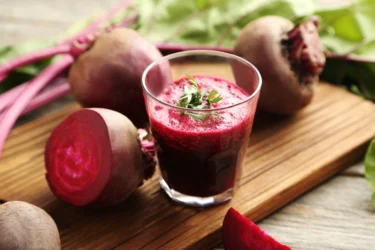
It has natural pigments, antioxidants, and vitamins that help moisturize, nourish, and protect lips while giving a subtle pink tint12.
How to use: Grind fresh beetroot into a fine paste. Apply gently to lips for 5-10 minutes, then rinse with cool water. After drying, apply a thin layer of petroleum jelly.
Frequency: Twice a week.
Results: Lips may look naturally pinker, softer, and healthier with regular use.
By using these home remedies for dark lips, you may notice some improvement in lip colour and keep your lips soft and healthy. However, research on their effectiveness is limited, and results can vary, and they should not be considered a substitute for professional medical advice.
Note: Always do a patch test before using any natural product on your skin. If any discomfort, redness, or swelling is noted, discontinue use and consult a doctor.
In this section, we will see how to get rid of dark lips through medical and dermatological treatment options. Besides managing the underlying issue, the following treatments can be undertaken after doctor’s prescription/done by an expert for lightening of lip colour.
Dark lips can often be prevented by taking care of them and avoiding habits that irritate or damage the lips.
Following these steps consistently can help prevent dark lips and maintain a healthy, natural appearance.
See a doctor if your lips get darker and:
Early check-ups can detect vitamin deficiencies, hormone issues, infections, or rare conditions that can cause dark lips3,4.
Dark lips are common and usually harmless. Most cases improve with proper care, hydration, sun protection, and natural home remedies for dark lips like aloe vera, lemon, or honey. Avoiding habits like lip licking, smoking, or irritants can avoid further darkening. For persistent or stubborn pigmentation, dark lips treatments such as topical creams, laser therapy, or vitamin supplementation may be necessary. If the colour stays, spreads, or causes pain, a doctor can check for vitamin deficiencies or health problems and help with treatments.
Also Read: Best Home Remedies For Dry Lips
A lack of vitamin B12 or folate can make your lips darker. This happens because your skin makes extra pigment when these vitamins are low. Taking B12 or folate, with a doctor’s advice, may help.
Dark lips turning pink again depends on the cause. With proper lip care, avoiding triggers, or medical treatments like creams or laser, the natural lip colour may slowly improve, but results may not be the same for everyone4.
Coconut oil is mainly helpful for moisturizing and softening lips. While it may improve the look of dry or dull lips, there is no strong medical evidence that it can reduce dark lip pigmentation18.
Most babies are born with normal-coloured lips. Dark lips at birth are uncommon. Rarely, small, pigmented spots may appear due to natural skin pigment or mild birth-related changes. These spots usually do not affect health and often fade over time19.
Dark lips can sometimes be linked to family traits. Some inherited conditions, like certain genetic syndromes, may cause lip pigmentation, but most dark lips are influenced by lifestyle, environment, or health rather than genes4,20.
Low vitamin B12, which can sometimes happen with low iron or poor nutrition, may lead to darker lips. This occurs because reduced vitamin levels allow the skin to make more pigment.
Your lips can look dark for several reasons. It might be normal body changes, pigmentation due to sun damage, certain medicines, irritation, low vitamins like B12 or folate, smoking, or other health issues4.
Disclaimer: The information provided here is for educational/awareness purposes only and is not intended to be a substitute for medical treatment by a healthcare professional and should not be relied upon to diagnose or treat any medical condition. The reader should consult a registered medical practitioner to determine the appropriateness of the information and before consuming any medication. PharmEasy does not provide any guarantee or warranty (express or implied) regarding the accuracy, adequacy, completeness, legality, reliability or usefulness of the information; and disclaims any liability arising thereof.
Links and product recommendations in the information provided here are advertisements of third-party products available on the website. PharmEasy does not make any representation on the accuracy or suitability of such products/services. Advertisements do not influence the editorial decisions or content. The information in this blog is subject to change without notice. The authors and administrators reserve the right to modify, add, or remove content without notification. It is your responsibility to review this disclaimer regularly for any changes.


Comments

Leave your comment...
You may also like











Comments