



A Complete Weight Loss Diet Plan for Beginners
By Dr. Mrunal Shirodkar +2 more

Medically reviewed by Dr. Mrunal Shirodkar
Last updated: Aug 12, 2026 Published on: Jan 21, 2026


Get,

to manage your symptom
Get your,

4 Cr+ families
benefitted

OTP sent to 9988776655



You’ve successfully subscribed to receive
doctor-approved tips on
Whatsapp

Get ready to feel your best.


Register to Avail the Offer
Send OTPBy continuing, you agree with our Privacy Policy and Terms and Conditions
Hi There,
Sign up on PharmEasy now!!


Trusted by 4 crore+ families

OTP sent to 9988776655
You have unlocked 25% off on medicines


Code: NU25

By Dr. Mrunal Shirodkar +2 more
Table of Contents
India is facing a rapidly escalating obesity crisis driven largely by unhealthy dietary patterns and sedentary lifestyles. It is affecting all age groups, including children, adolescents, and adults, and is eventually increasing the risk of long-term non-communicable diseases such as diabetes and hypertension1. Thus, addressing excess weight early through practical, sustainable dietary changes is critical for both individual health and national well-being.
For beginners, a simple, balanced diet plan to reduce weight provides a practical starting point to improve food choices, reduce excess calorie intake, and build healthy eating habits for long-term weight management. Therefore, through this article, we aim to guide beginners toward healthier food choices by outlining a practical and sustainable weight loss diet plan.


Answer a few quick questions to check eligibility.
Your response has been submitted.
Our team will contact you shortly.
A weight loss diet is a structured eating plan designed to reduce overall calorie intake so that the body uses more energy than it consumes. This leads to a gradual reduction in body weight. Such plans typically involve choosing foods and portion sizes that supply fewer calories than the body uses, while still providing necessary nutrients for health. These diets may involve modifications tailored to individual needs and may include adjustments in macronutrient composition (carbohydrates, proteins, fats) and food quality to support sustainable weight reduction2.
For weight reduction, dietitians combine calorie control with balanced nutrition and behaviour strategies, such as portion control, increased intake of fruits and vegetables, and reduced consumption of high-energy, low-nutrient foods to help individuals achieve meaningful and maintainable weight reduction2.
Note: Any ideal weight loss diet should aim for gradual, maintainable weight loss rather than extreme restriction.
A diet plan for weight loss works by influencing the body’s energy metabolism, which governs how food is converted into energy, stored, or used for essential physiological functions.
Digestion of food breaks it down into absorbable nutrients, which are then utilised by metabolic pathways to meet the body’s energy needs or stored as fat when intake exceeds demand.
So, when calorie intake is reduced through a diet plan for weight loss, the body adapts by using stored energy (primarily from fat tissue) to maintain vital functions. This leads to a reduction in body weight. And as weight loss progresses, the body undergoes metabolic adaptations, including changes in resting energy expenditure and hormonal responses that regulate appetite and energy use3.
These adaptations explain why sustained weight loss requires consistent dietary control and why gradual, balanced calorie reduction is more effective than extreme restriction.
Note: The interaction between digestion (nutrient absorption) and metabolism (energy utilisation and storage) determines the success and long-term sustainability of a weight loss diet. Therefore, weight loss outcomes can vary from person to person and are significantly influenced by individual factors such as age, sex, lifestyle habits, metabolic rate, and overall health status.
A healthy weight loss diet prioritises nutrient-dense, minimally processed foods that support satiety, metabolic health, and sustained energy intake. Here’s what you should include:
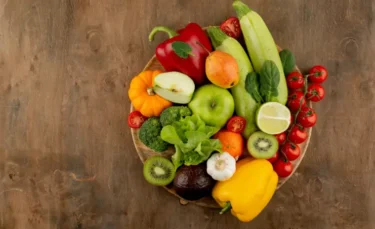
Fruits (such as blueberries, apples, pears, guavas, papayas, oranges and sweet lime, etc.) and vegetables (such as broccoli, cauliflowers, peppers, okra (ladyfinger), cluster beans (gavar), cabbage, yams (suran), etc.) are rich in fibre, vitamins, minerals, and antioxidants. These help increase fullness while keeping calorie intake low4,5.
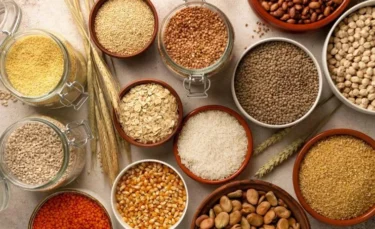
Foods such as brown rice, whole wheat, millets, and oats provide complex carbohydrates and dietary fibre. This supports better appetite control and glycaemic regulation4,6.
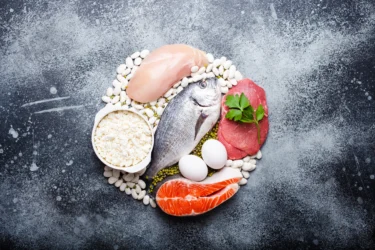
Pulses, legumes, eggs, fish, poultry, tofu, and low-fat dairy help enhance satiety and support metabolic rate. They also help preserve muscle mass during weight loss4,7.
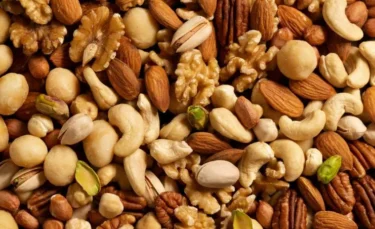
Nuts and seeds contribute essential fatty acids and improve diet quality8. However, they should be consumed in controlled portions.
Foods that are energy-dense and nutrient-poor can undermine weight loss by promoting excess calorie intake and metabolic dysfunction. Here is what you should avoid in a diet plan to reduce weight:
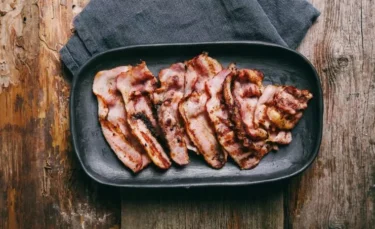
Packaged snacks, instant foods, processed meats, and ready-to-eat meals. Even some commonly perceived “healthy” options such as digestive biscuits and fruit yoghurts fall under this category9. These foods are typically rich in unhealthy fats, sugars, salt, and refined starches; therefore, carefully reading nutrition labels is of utmost importance.
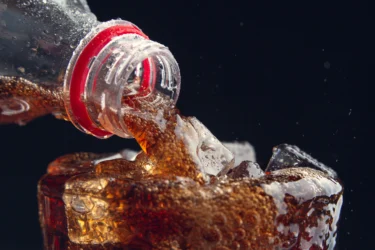
Soft drinks, packaged juices, and sweetened teas provide high calories with little satiety, contributing to weight gain10.
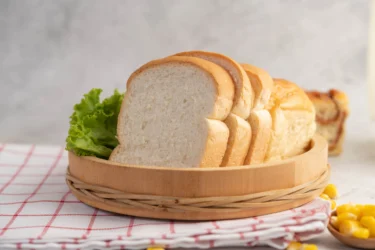
White bread, pastries, noodles, and confectionery rapidly raise blood glucose levels and increase hunger shortly after consumption11.

These foods are high in unhealthy fats and calories, making portion control difficult4.
A low-calorie diet involves consuming fewer calories per day, typically about 500 calories less than your daily requirement7. Based on this approach, we have developed a 7-day diet plan for weight loss tailored for vegans, vegetarians, and non-vegetarians12,14.
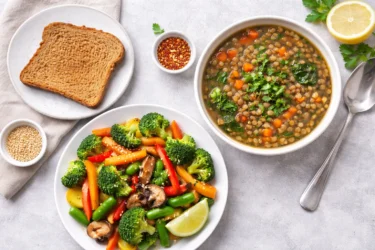
| Day | Breakfast | Lunch | Dinner |
| Day 1 | 1 cup plant milk + ¾ cup of vegetable oats | ½ cup cooked brown rice + 1 cup of beans + 1 cup vegetable salad | 1 slice of whole-grain toast + lentil soup + 1 cup stir-fried vegetables |
| Day 2 | 1 cup of soymilk with fruits/seeds + 1 slice of whole-grain toast | 1 whole-wheat roti + 1 cup of beans + 1 cup vegetable salad | ½ cup cooked quinoa + 1 cup legumes + 1 cup vegetable salad |
| Day 3 | 1 cup plant milk+ ¾ cup vegetable poha | ½ cup cooked millet khichdi + + 1 cup of beans + 1 cup vegetable salad | ½ cup cooked rice + 120 grams of tofu stir-fry + 1 cup vegetables |
| Day 4 | 1 cup plant milk + ¾ cups of chia pudding with fruits | ½ cup cooked brown rice + 1 cup dal + 1 cup vegetable sabzi | 1 slice of whole-grain toast + 1 cup beans + 1 cup roasted vegetables |
| Day 5 | 1 cup plant milk + 1 slice multi-grain toast with fruits | ½ cup cooked vegetable pulao + 1 cups beans + 1 cup vegetable salad | ½ cup cooked quinoa + lentil soup + 1 cup sauteed vegetables |
| Day 6 | 1 cup plant milk + ¾ cups vegetable upma | 1 whole grain wrap + hummus + 1 cup vegetable salad | ½ cup cooked rice + 1 cup dal + 1 cup steamed vegetables |
| Day 7 | 1 cup plant milk + ¾ fruit bowl with nuts | ½ cup cooked brown rice + 1 ½ cup mixed vegetable curry | 1 slice of whole-grain toast + 120 grams tofu + light vegetable soup |
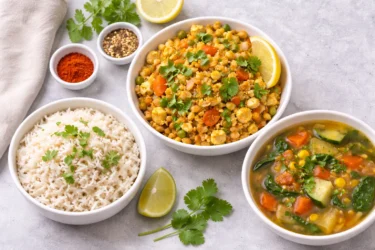
| Day | Breakfast | Lunch | Dinner |
| Day 1 | 1 cup low-fat milk + ¾ vegetable oats | ½ cup cooked brown rice + 1 cup paneer curry + 1 cup vegetable salad | ½ cup cooked rice+ 1 cup paneer bhurji + vegetable soup |
| Day 2 | 1 cup low-fat milk + 1 slice whole-grain toast + 1 cup of fresh fruits | 1 whole-wheat roti + 1 cup vegetable sabzi + 1 cup curd | ½ cup cooked quinoa + 120 grams paneer + 1 cup vegetable salad |
| Day 3 | 1 cup low-fat milk + ¾ cups poha | ½ cup millet khichdi + 1 cup curd + 1 cup vegetable salad | 1 whole-wheat roti + 120 grams paneer + 1 cup vegetable stir-fry |
| Day 4 | 1 cup low-fat milk + ¾ cup chia pudding | ½ cup cooked rice + 1 cup dal + 1 cup vegetable sabzi | 120 grams grilled paneer + 1 slice multigrain bread + vegetable soup |
| Day 5 | 1 cup low-fat milk + 1 slice multigrain toast | ½ cup cooked vegetable pulao + 1 cup beans + 1 cup raita | ½ cup cooked rice + lentil soup + 120 grams paneer cubes |
| Day 6 | 1 cup low-fat milk + 1 cup upma | 1 whole grain wrap + 120 grams paneer + 1 cup vegetables | 1 whole-wheat roti + 120 grams panner + 1 cup steamed vegetables |
| Day 7 | 1 cup low-fat milk + 1 slice multigrain toast + 1 fruit bowl | ½ cup cooked brown rice + 1 cup paneer curry + 1 cup vegetable salad | ½ cup cooked quinoa + 1 cup curd + 1 cup vegetable soup |

| Day | Breakfast | Lunch | Dinner |
| Day 1 | 1 cup low-fat milk + vegetable omelette (2 eggs) + 1 slice whole-grain toast | ½ cup cooked brown rice + 120 grams grilled chicken + 1 cup vegetable salad | ½ cup cooked rice + 120 grams grilled fish + vegetable soup |
| Day 2 | 1 cup low-fat milk + boiled eggs (2) + fruit | 1 whole-wheat roti + 1 cup chicken curry + 1 cup steamed vegetables | ½ cup quinoa vegetable bowl + 120 grams fish/beef/pork |
| Day 3 | 1 cup low-fat milk + egg bhurji (2 eggs) + ½ cup poha | ½ cup millet khichdi + 120 grams grilled chicken + 1 cup vegetable salad | 1 whole-wheat roti + 2 egg whites + 1 cup vegetable stir-fry |
| Day 4 | 1 cup low-fat milk + omelette (2 eggs) + fruit/seeds | ½ cup cooked brown rice + 1 cup dal + 120 grams fish curry | ½ cup cooked rice + 120 grams grilled chicken + vegetable soup |
| Day 5 | 1 cup low-fat milk + boiled eggs (2 eggs) + 1 slice multigrain toast | ½ cup vegetable pulao + 120 grams chicken/beef/pork | ½ cup cooked quinoa + 120 grams fish + lentil soup |
| Day 6 | 1 cup low-fat milk + scrambled eggs (1 egg) + ¾ cup upma | 1 whole grain wrap + 120 grams grilled chicken + 1 cup vegetables | 1 slice whole-grain toast + 2 egg whites + 1 cup steamed vegetables |
| Day 7 | 1 cup low-fat milk + boiled eggs (2 eggs) + fruit | ½ cup cooked rice + 120 grams fish curry + 1 cup vegetables | ½ cup brown rice + 120 grams grilled chicken + vegetable soup |
Note: You may include the following optional snacks if you feel hungry between meals, while staying within your daily calorie target13:
Only choose one option at a time and adjust portions as needed to maintain a calorie deficit.
Many people struggle with losing weight, not because of a lack of effort, but due to common mistakes that can slow progress or make the journey harder to sustain. Here are mistakes you should avoid15:
The rising burden of overweight and obesity highlights the urgent need for practical and sustainable dietary strategies for weight management. A well-planned diet for weight loss works by supporting healthy metabolism and digestion while creating a controlled reduction in calorie intake.
The 7-day meal plans presented for vegans, vegetarians, and non-vegetarians demonstrate how balanced nutrition, portion control, and food variety can be incorporated into daily eating patterns without extreme restriction. However, weight loss responses vary between individuals due to differences in metabolism, lifestyle, and health status. Additionally, avoiding common mistakes, such as crash dieting, skipping meals, and excessive reliance on sugary foods, along with regular physical activity, is essential for achieving and maintaining healthy weight loss.
Also Read: Weight Loss Patches: What are They, How They Work, Effectiveness & Myths
The 3 3 3 rule is a simple habit-based approach that encourages: 30 grams of protein per day, 3,000 steps of movement, and 3 litres of water daily. This may help promote portion control, regular eating patterns, hydration, and consistency, which are key factors for sustainable weight loss.
First, start by setting realistic goals and making small, sustainable changes. Then, focus on eating balanced meals, reducing portion sizes, limiting ultra-processed foods, and staying physically active3. Remember to maintain consistency rather than aiming for rapid weight loss results3.
Drinking water supports weight loss by reducing hunger, preventing overeating, and replacing sugary beverages16. Adequate hydration also supports digestion and metabolism, although it is important to keep in mind that water alone does not cause weight loss.
The most successful approach is a balanced, calorie-controlled diet combined with regular physical activity3. Always remember that sustainable habits, consistency, adequate sleep, and avoiding extreme diets are more effective than any other quick fixes.
Disclaimer: The information provided here is for educational/awareness purposes only and is not intended to be a substitute for medical treatment by a healthcare professional and should not be relied upon to diagnose or treat any medical condition. The reader should consult a registered medical practitioner to determine the appropriateness of the information and before consuming any medication. PharmEasy does not provide any guarantee or warranty (express or implied) regarding the accuracy, adequacy, completeness, legality, reliability or usefulness of the information; and disclaims any liability arising thereof.
Links and product recommendations in the information provided here are advertisements of third-party products available on the website. PharmEasy does not make any representation on the accuracy or suitability of such products/services. Advertisements do not influence the editorial decisions or content. The information in this blog is subject to change without notice. The authors and administrators reserve the right to modify, add, or remove content without notification. It is your responsibility to review this disclaimer regularly for any changes.


Comments

Leave your comment...
You may also like






















Comments