



Red Light Therapy: What It Is, Benefits, Uses & More!
By Dr. Ashish Bajaj +2 more

Medically reviewed by Dr. Ashish Bajaj
Last updated: Sep 11, 2026 Published on: Oct 11, 2023


Get,

to manage your symptom
Get your,

4 Cr+ families
benefitted

OTP sent to 9988776655



You’ve successfully subscribed to receive
doctor-approved tips on
Whatsapp

Get ready to feel your best.


Register to Avail the Offer
Send OTPBy continuing, you agree with our Privacy Policy and Terms and Conditions
Hi There,
Sign up on PharmEasy now!!


Trusted by 4 crore+ families

OTP sent to 9988776655
You have unlocked 25% off on medicines


Code: NU25

By Dr. Ashish Bajaj +2 more
Table of Contents
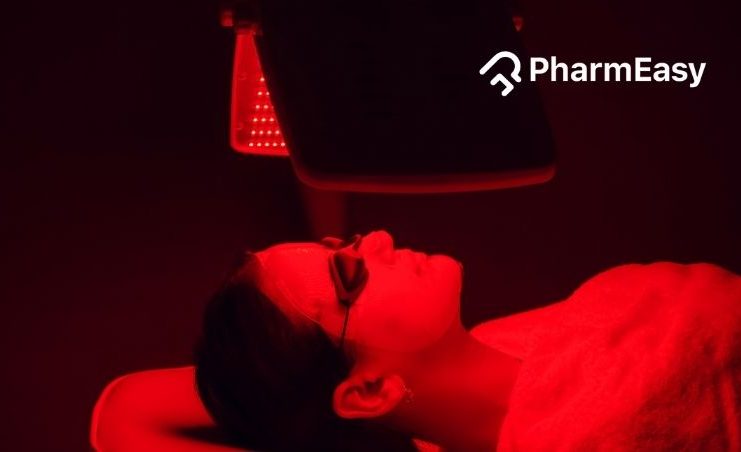
Ever think about using light for healing? That’s what red light therapy does. It helps fix many health and beauty issues. Medical and beauty fields are taking notice of this new treatment. It helps with skin problems, heals wounds, eases physical pain, and more.
In this blog, we’ll look at what red light therapy is, its past, how it works, and what its main uses are.
Did you know?
Red light therapy started with a Hungarian doctor named Endre Mester back in the 1960s. He found that laser light helped the healing of wounds on rats and boosted their hair growth. After that, people started using light therapy more often2. Now, red light therapy devices are common in hospitals, doctor’s offices, and wellness centers.
You may ask, how can light heal? The answer lies in red light therapy’s power. It goes deep into the tissues. The cells inside absorb and use the light energy for healing.
Low-level red light touches the mitochondria in your cells. These mitochondria make a key molecule called adenosine triphosphate (ATP). More ATP means more cell energy and better cell work plus revival. This improved action speeds up tissue repair and healing1.
Here’s a brief summary of how red light therapy works:
There are various types of red light used in therapy. The two main ones are visible red light and near-infrared light. The first has wavelengths between 620 and 750 nm. The second has longer wavelengths, between 750 and 1,200 nm. The type of light used depends on the depth of treatment required visible red light therapy is used for mild penetration and near-infrared light is used for deeper penetration3.
LED devices are often used to give red light therapy. They are safer than traditional lasers.
I strongly recommend that if you decide to buy a red light therapy device, be sure to cover your eyes, adhere to the manufacturer’s instructions, and take proper care of the equipment4.
Dr. Siddharth Gupta, B.A.M.S, M.D (Ayu)
More people are getting interested in red light therapy. Researchers are studying its uses for many health and beauty issues. Let’s dig into these studies.

Red light therapy is getting noticed for its ability to improve skin health. Here’s what it can do:
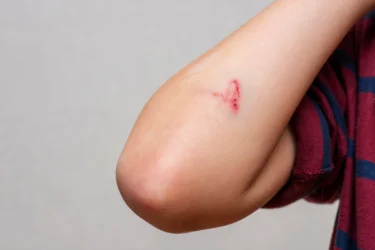
RLT can stimulate cell healing and revival, thus aiding in wound recovery. It does this by reducing inflammation, enhancing tissue regrowth and fostering new blood vessel formation5.

Another use of RLT is to help hair growth. Studies6 show that red light can touch hair follicles to address hair loss. It isn’t entirely clear how this happens yet. It might be about upping blood flow, collagen growth, or reducing inflammation.

Many people seek red light therapy for pain relief. RLT’s ability to stimulate cell repair and reduce inflammation may help eliminate discomfort from sports injuries, chronic diseases like arthritis and other long-term pain. Plus, RLT may be promising in helping bone recovery after injury7.
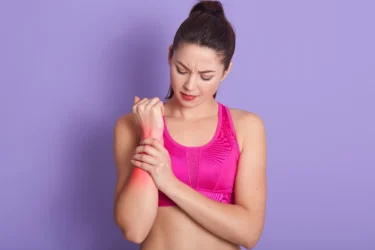
Bright light therapy has strong anti-inflammatory power. It could prove beneficial in managing inflammation and arthritis symptoms, such as pain, stiffness and swelling8.

Dental experts use red light therapy to relieve pain and inflammation from temporomandibular dysfunction, manage gum disease and to help tacklemouth sores9.
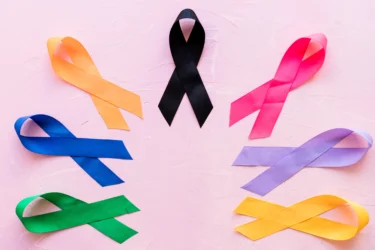
RLT could help address painful side effects from certain cancer cures. It can help with mouth or throat swelling and inflammation often seen in people receiving radiation for head and neck cancers.

Sun damage can hurt the skin’s looks and health. But RLT might be able to help. By speeding up skin repair and collagen production, RLT could be helpful in managing sun-damaged skin and lessen the appearance of fine lines and wrinkles10.
In my opinion, at least when used briefly and as instructed, the red light therapy (RLT) seems to be risk-free and has no known negative effects. In comparison to various topical skin healing, this therapy is less harsh, non-invasive, and harmful4.
Dr. Rajeev Singh, BAMS
Though generally safe and painless using RLT wrongly could have side effects. If you use it wrong or too much, you could potentially damage your skin or eyes, or cause lesions or burns.
For red light therapy at home, always follow the maker’s instructions. It’s even better if a healthcare provider can help. Also, remember that while RLT looks promising, more studies are needed to know it will always work and is safe long term.
Also Read: Squalane: What Is It, Uses, Benefits, Side Effects, & More
If red light therapy isn’t right for you, or you need more help, consider other methods. Acupuncture, anti-inflammatory diets, cognitive behavioral therapy, or other light therapies like blue light for acne could work under the consultation of a qualified healthcare professional11.
Ask your healthcare provider about the best mix of methods for your unique health needs.
Here’s an overview of potential alternatives:
You can get professional red light therapy in many places. Hospitals, doctor’s offices, wellness centers, spas and tanning salons often have it. Before you start RLT, talk to a doctor about treatment choices, how often to go, and expected benefits. They can show you the most reputable places for red light therapy.
Red light therapy is a remarkable and promising tool to help heal, lessen inflammation and help managemany beauty and health issues. While research continues to dig into its potential benefits and risks, it’s important to talk with a healthcare provider who knows about red light therapy. That way, you’ll use it safely and effectively.
Red light therapy isn’t a miracle cure, but with its many uses and little invasiveness, it’s a good choice for anyone looking for new treatments or adding to their current health routines.
How often you need red light therapy changes based on the issue being treated and how well you respond. Often, you should get treatments once a week for a month. After that, you might go for follow-ups based on what your healthcare provider advises.
Many doctors say red light therapy has potential benefits. Yet they want more research to know more about how it works and if it is safe for long term use. Your healthcare provider can best tell you if RLT is right for your special needs and guide you to trusted places for treatment.
You may lie in a full-body LED red light bed or pod or be treated by a professional with a device that’s outfitted with panels of red lights. During treatment, you will lie in the bed for a designated amount of time or a practitioner will “apply” the light device to a specific body part.
Yes, you can get FDA-cleared red light therapy devices for use at home. However, always ask your healthcare provider before starting any at-home RLT program to make sure you use it right and avoid potential risks.
Generally, red light therapy is safe for most. Yet, certain individuals like those with sensitive skin, diabetes, or who are pregnant, should talk to their healthcare provider before getting RLT. They can tell if the treatment is good for them.
Disclaimer: The information provided here is for educational/awareness purposes only and is not intended to be a substitute for medical treatment by a healthcare professional and should not be relied upon to diagnose or treat any medical condition. The reader should consult a registered medical practitioner to determine the appropriateness of the information and before consuming any medication. PharmEasy does not provide any guarantee or warranty (express or implied) regarding the accuracy, adequacy, completeness, legality, reliability or usefulness of the information; and disclaims any liability arising thereof.
Links and product recommendations in the information provided here are advertisements of third-party products available on the website. PharmEasy does not make any representation on the accuracy or suitability of such products/services. Advertisements do not influence the editorial decisions or content. The information in this blog is subject to change without notice. The authors and administrators reserve the right to modify, add, or remove content without notification. It is your responsibility to review this disclaimer regularly for any changes.
 1
1 
Comments

Leave your comment...
You may also like





















Comments