




How to Avoid Butt Acne: Strategies and Solutions
By Dr. Raina N. Nahar +2 more

Medically reviewed by Dr. Raina N. Nahar
Last updated: Sep 1, 2026 Published on: Oct 23, 2023


Get,

to manage your symptom
Get your,

4 Cr+ families
benefitted

OTP sent to 9988776655



You’ve successfully subscribed to receive
doctor-approved tips on
Whatsapp

Get ready to feel your best.


Register to Avail the Offer
Send OTPBy continuing, you agree with our Privacy Policy and Terms and Conditions
Hi There,
Sign up on PharmEasy now!!


Trusted by 4 crore+ families

OTP sent to 9988776655
You have unlocked 25% off on medicines


Code: NU25

By Dr. Raina N. Nahar +2 more
Table of Contents
Butt acne can be a discomforting and embarrassing issue, but it is pretty common. It is crucial to know that this type of acne is not like the acne on the face or other body parts. Most acne spots on the butt actually come from a skin condition called folliculitis. This affects hair follicles, not pores1.
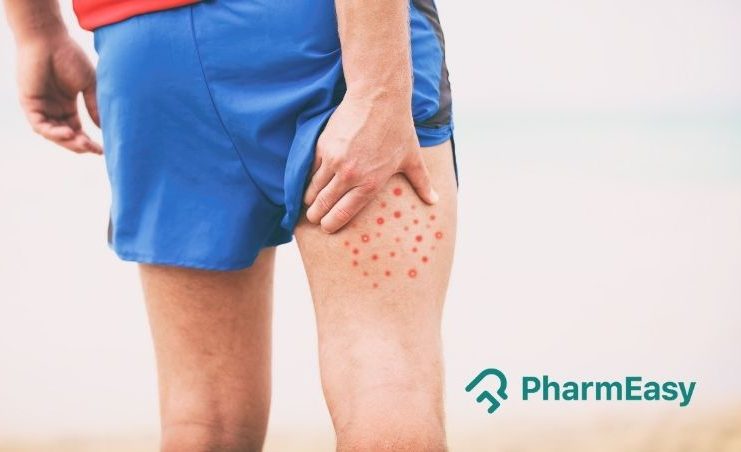
We will dig into the causes and signs of different butt skin conditions in this blog post. We will also share management methods, home remedies, and medical treatments that can manage butt acne well. Lastly, we will tell you what you should steer clear of for better results.
Did you know?
If you are wondering what causes butt acne, olliculitis, boils and carbuncles, keratosis pilaris, and contact dermatitis, are the main skin conditions that cause butt acne. Let us explore each butt acne cause in detail:
Folliculitis occurs when hair follicles are inflamed1. It is usually caused by bacteria, yeast, or fungi that live on the skin. Red bumps and pimples filled with pus are formed when these tiny organisms get stuck in hair follicles1.
A boil is a painful, pus filled bump that forms when a hair follicle is infected with bacteria, such as Staphylococcus aureus2. A group of boils that merge together are called a carbuncle2.
Keratosis pilaris is a harmless skin issue that causes small, rough bumps3. They happen when keratin, a type of protein, builds up and blocks hair follicles3.
Contact dermatitis happens when the skin touches an allergen or irritant4. It can lead to a red, itchy rash or small bumps4.
Curious about how to manage butt acne? Maintaining hygiene, wearing the right clothes, treating the skin well, and trying natural remedies may help control butt acne.
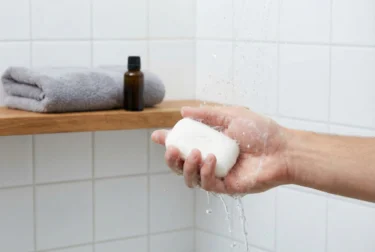
Having clean skin is key in helping folliculitis on the butt and other butt skin issues.
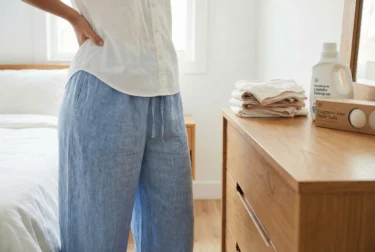
Want to know what helps with butt acne? Well, what you wear can help with butt acne. Keep your skin in good condition by following these tips:
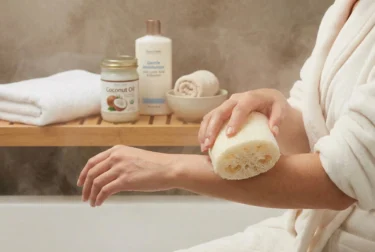
Help your skin stay healthy by incorporating these home remedies in your everyday routine:
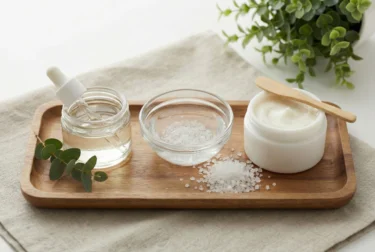
A lot of people feel better with the following butt acne home remedies:
One natural antimicrobial that might support skin pH balance is acetic acid, which is found in apple cider vinegar and even regular vinegar. Researchers found that acetic acid decreased the growth of bacteria on burn sites in one trial. In addition, they discovered that acetic acid reduced bacterial growth in test samples. The skin on the buttocks may remain clear by adding a cup of apple cider vinegar to a warm bath to help manage the germs that might cause folliculitis14.
Dr. Siddharth Gupta, B.A.M.S, M.D (Ayu)
Sometimes, you may need medical help to manage butt acne. The following management may be useful for butt pimples:
Benzoyl peroxide is a typical ingredient in medicines for managing acne. It’s often found in body washes and gels. It has germicidal and anti inflammatory properties, making it useful for treating folliculitis. Talk to your doctor before using benzoyl peroxide on your buttocks10,11.
Salicylic acid is a beta hydroxy acid. It helps reduce extra oils and peel off dead skin cells. It may unclog pores. Pre treated salicylic acid pads make spot-treating breakouts easy4,12.
Lactic acid, an alpha hydroxy acid, may smoothen rough or bumpy skin, and give an even tone13. It may also help reduce inflammation related to folliculitis. Applying lactic acid lotion every day may help improve skin texture and look.
If you have folliculitis, you might want to try the famous tea tree oil. It is a much liked and all natural skin care product that goes beyond beauty when it comes to its list of benefits. This essential oil seems to have antibacterial characteristics that might aid in keeping the skin clear and managing folliculitis causing germs15.
Dr. Rajeev Singh, BAMS
You should ask for medical help if you notice:
In these cases, a healthcare provider may prescribe antibiotics, retinoids, or other managment options to ease symptoms and manage complications.
The following things can make acne worse or make symptoms more severe:
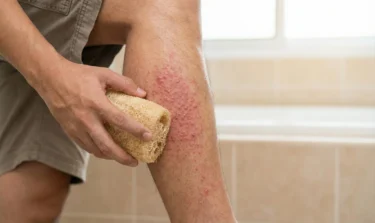
Over exfoliation and using rough tools, like loofahs or brushes with hard bristles, can irritate the skin and worsen acne. Use a soft cloth or nylon sponge to exfoliate gently.
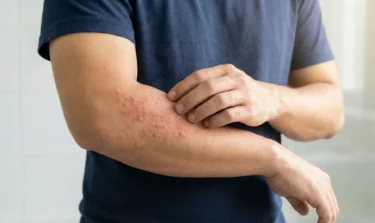
If laundry soap, fabric softeners, or dryer sheets cause an allergic reaction, avoid using these or use hypoallergenic ones4.
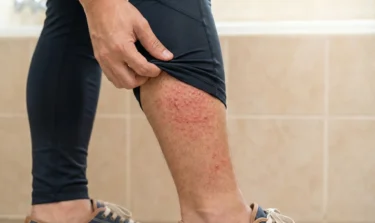
Tight clothes can trap sweat and bacteria, causing folliculitis. Wear loose clothes made of breathable fabrics like cotton, hemp, or linen. This allows your skin to breathe and reduces irritation5.
You now know what different skin problems can cause butt acne. You’ve also learned how to potentially reduce them. Remember that having good hygiene, wearing the right clothes, and using suitable skin products may greatly impact the health of your skin.
Sticking with a routine is key. By using the methods and solutions we talked about here, you may experience better acne control. So, take control of your skincare routine and manage butt acne. Always remember to keep your doctor informed when you take medications and if you feel the symptoms are worsening.
The length of a butt acne breakout may change based on factors such as the size of the breakout, how serious it is, and what caused the acne. With the right managment and steady care, light-to-moderate acne may be managed within a few weeks.
Benzoyl peroxide and salicylic acid, common ingredients in facial acne managment, may also reduce butt acne. However, sometimes face acne management methods may not work as well for the buttocks because of different causes. Always ask a healthcare provider before using facial acne treatments on your buttocks.
Regular exercise, balanced meals, and adequate hydration may lead to better overall skin health. Wearing loose, breathable clothes and keeping good hygiene, like showering right away after a workout, and using a mild exfoliator, may help the situation.
Exfoliating with a soft cloth or nylon sponge once or twice a week may help clean off dead skin cells. This helps hair follicles on the buttocks function well. Be careful not to overdo the exfoliation, as it may result in irritation and worsen acne.
While it may be impossible to promise that you can entirely avoid butt acne, following the right skincare routine, making lifestyle changes, and using suitable treatments may greatly reduce the chance of breakouts. Follow the strategies and solutions discussed here to reduce the occurrence of butt acne. Always ask a healthcare provider if new or worse symptoms occur.
To reduce butt acne scars, consider topical treatments with ingredients such as retinoids or alpha hydroxy acids to promote skin renewal. Additionally, procedures like laser therapy or microneedling can help improve the appearance of scars by stimulating collagen production.
Butt acne can occur due to factors like friction from clothing, sweat buildup, hormonal fluctuations, and clogged hair follicles. Poor hygiene practices or certain skincare products may also contribute to its development.
While diet isn’t a direct cause of butt acne, consuming a balanced diet and staying hydrated can promote overall skin health. Some individuals may find that certain foods trigger acne outbreaks.
Stress can exacerbate acne, including butt acne, by triggering hormonal changes that increase oil production and inflammation in the skin.
No, butt acne is not contagious. It is caused by factors such as bacteria, sweat, and skin irritation rather than being spread from person to person.
Hormonal changes, such as those during puberty, pregnancy, or menstrual cycles, can contribute to butt acne by increasing oil production and affecting skin cell turnover.
Disclaimer: The information provided here is for educational/awareness purposes only and is not intended to be a substitute for medical treatment by a healthcare professional and should not be relied upon to diagnose or treat any medical condition. The reader should consult a registered medical practitioner to determine the appropriateness of the information and before consuming any medication. PharmEasy does not provide any guarantee or warranty (express or implied) regarding the accuracy, adequacy, completeness, legality, reliability or usefulness of the information; and disclaims any liability arising thereof.
Links and product recommendations in the information provided here are advertisements of third-party products available on the website. PharmEasy does not make any representation on the accuracy or suitability of such products/services. Advertisements do not influence the editorial decisions or content. The information in this blog is subject to change without notice. The authors and administrators reserve the right to modify, add, or remove content without notification. It is your responsibility to review this disclaimer regularly for any changes.
 2
2 
Comments

Leave your comment...
You may also like











Comments