
Everyone knows the importance of daily exercise to keep health issues at bay. Some struggle with finding time for physical activity, while others find the cost of enrolling in gyms expensive. Truth be told, no one should have to pay a heavy price for wanting to be fit. Health is a basic right of every individual1.
This is when Yoga comes to the rescue as basic yoga practices can be done at home with minimal to no equipment. The practice of Yoga, which originated in India more than 2000 years ago, works on the mind as well as the body. The term Yoga itself is a derivative of the word ‘YUJ’ which means “to join” in Sanskrit. This term signifies the ‘joining’ of the physical body with the mind and soul2. The different physical postures (asanas) and breathing techniques (pranayama) in Yoga provide many health benefits.
There are many breathing exercises (pranayamas) in Yoga. One of them is Kapalbhati.
‘Kapal’ means ‘forehead’ or ‘skull’, while ‘bhati’ means shining. While most breathing techniques in Yoga place importance on controlling the muscles of inhalation, Kapalbhati, a fast-paced breathing exercise uses the abdominal muscles for active, fast, and forceful exhalations while the inhalations are effortless and passive. It thus reverses the pattern in which muscle control is exerted during the act of breathing (Vyutkrama)3.
Kapalbhati has a stimulating, cleansing, and heating effect on the body. It increases the heart beats and helps improve blood circulation and oxygen levels. It increases lung strength and function clearing the nasal passages of any congestion. It helps tone the muscles of the abdomen while providing good stimulation to the internal abdominal organs. It assists in improving concentration levels and exerts an overall relaxing effect3.
Did You Know?
To get optimum benefit from any pranayama (breathing technique), it is necessary to do it properly. Loose and comfortable clothing should be worn during this. Kapalbhati should be practiced on an empty stomach3. Follow the steps below to perform Kapalbhati effectively:
The best way to practice Kapalbhati is to have an empty stomach, as the posture involves putting pressure on your abdominal organs. Do remember that you must exhale actively and forcefully to achieve maximum benefits5.
Dr. Rajeev Singh, BAMS
Kapalbhati is one of the cleansing practices (shuddhi kriya) in Yoga. It is also referred to as the frontal brain purification technique. Some of the probable benefits of Kapalbhati are:
It is said that Kapalbhati is very beneficial for people with type 2 diabetes. The pressure in the abdomen created during forceful exhalations in Kapalbhati is said to help stimulate the pancreas to secrete insulin, which regulates blood sugar levels. Those who have prior experience in Kapalbhati may aim for five rounds of 120 strokes of Kapalbhati, as it may be beneficial in the management of Type 2 Diabetes7.
In one study, participants were told to do Kapalbhati, and their blood pressure was measured immediately afterward and then three minutes later. It showed that while the blood pressure increased immediately after performing Kapalbhati, three minutes later, the blood pressure showed a significant fall8.
This shows the potential benefit of Kapalbhati for those suffering from high blood pressure. Precaution must be taken by those with high blood pressure, as Kapalbhati is said to cause a significant increase in blood pressure. Those with high blood pressure must practice Kapalbhati under the supervision of a trained and experienced Yoga teacher.
Kapalbhati may be beneficial in combating obesity. A study9 of 60 overweight doctors, who practiced Kapalbhati six days a week for eight weeks, showed a reduction in weight and thickness of the abdominal skin fold. The probable reason for this is the forceful abdominal contractions. These contractions may stimulate receptors in the respiratory tract, gastrointestinal system internally and the abdomen externally.
This leads to simultaneous stimulation of certain parts of the brain that increase hormonal and metabolic activities in the body. With an increase in the basal metabolic rate, weight loss is said to occur along with a reduction in abdominal skin fold thickness.
Kapalbhati may potentially be useful to relax the mind and calm the person. It may be beneficial for people suffering from mood swings and minor anxiety issues. It may act as a mood enhancer and help in total relaxation. It may be beneficial for improving concentration levels. This asana may also play a role in the overall emotional well-being3.
Kapalbhati is said to increase the capacity of the lungs. Since the practice of Kapalbhati uses both abdominal and diaphragmatic muscles for breathing, it may help remove secretions from the bronchi and alveoli, so that there is more air in the lungs. It may also improve lung function and keep the nasal passages and sinuses congestion-free3.
Though Yoga asanas and pranayamas may be beneficial, one must not resort to yoga alone to combat any medical illness. Yoga is not an alternative to conventional treatment. For any disease condition, you must consult a qualified doctor who will examine you correctly and give appropriate advice.
Yoga must be practiced under the guidance of a qualified and experienced yoga teacher to avoid any injuries.
I will highly recommend practising kapalbhati if you wish to achieve radiant skin. Doing kapalbhati improves blood circulation, which will result in clear, youthful-looking and healthy skin5.
Dr. Siddharth Gupta, B.A.M.S, M.D (Ayu)
Also Read: Benefits of Chakrasana and How to Do It By Dr. Himani Bisht
Kapalbhati may not be suitable for people suffering from certain health issues, as it might prove to be harmful to them. A few contraindications related to Kapalbhati are:
For maximum benefit and to avoid any adverse incidences, Kapalbhati should be practiced under the guidance of a qualified Yoga teacher.
Also Read: Benefits of Padmasana and How to Do it By Dr. Himani Bisht
Kapalbhati is a quick-paced breathing exercise that has a cleansing effect on the body. It mainly focuses on having active exhalations and passive inhalation. The optimum benefits of Kapalbhati can be best enjoyed when done under the guidance of a qualified and trained yoga teacher.
Also Read: Benefits of Bhujangasana and How to Do It By Dr. Ankit Sankhe
Kapal’ means ‘forehead’ or ‘skull’, while ‘bhati’ means shining. So Kapalbhati literally means ‘shining forehead’. It is one of the cleansing processes of the front part of the brain (shatkarma) mentioned in the Gheranda Samhita-the most exhaustive book on Hatha Yoga written by Gheranda.
It stresses quick, vigorous exhalations and effortless passive inhalations. It reverses the pattern in which muscle control is exerted during the act of breathing (Vyutkrama).
While Kapalbhati may be done in any comfortable sitting position, it is recommended to sit in Vajrasana (kneeling pose), Sukhasana (easy, comfortable pose) or Padmasana (cross-legged Lotus pose).
Kapalbhati involves vigorous contractions of the abdominal muscles during exhalation. So, it is recommended that Kapalbhati be practised on an empty stomach.
Beginners can start with three rounds of Kapalbhati consisting of 20 breaths each. They can then gradually increase the rounds and the count.
Kapalbhati is a traditional purification or cleansing process. It is said to clear up the respiratory system by helping get rid of toxic matter and waste materials. This asana may help prevent allergies in the respiratory system.
Disclaimer: The information provided here is for educational/awareness purposes only and is not intended to be a substitute for medical treatment by a healthcare professional and should not be relied upon to diagnose or treat any medical condition. The reader should consult a registered medical practitioner to determine the appropriateness of the information and before consuming any medication. PharmEasy does not provide any guarantee or warranty (express or implied) regarding the accuracy, adequacy, completeness, legality, reliability or usefulness of the information; and disclaims any liability arising thereof.
Links and product recommendations in the information provided here are advertisements of third-party products available on the website. PharmEasy does not make any representation on the accuracy or suitability of such products/services. Advertisements do not influence the editorial decisions or content. The information in this blog is subject to change without notice. The authors and administrators reserve the right to modify, add, or remove content without notification. It is your responsibility to review this disclaimer regularly for any changes.
 22
22  3
3In our busy mechanical lives, exercise often takes a back seat. We often feel lazy and lethargic at the end of the day, skipping necessary physical exercise. As a result, we tend to fall prey to infections and other illnesses. Various texts state the prime goal of Ayurveda and yoga to be “Swasthasya Swastya Rakshanam, Aturasya Vikara Prashamanam”, which means ‘increasing good health and treating disease’. Many young and old people have found themselves opting for yoga with this very goal in mind. Yoga offers spiritual and moral growth and helps to manage many health issues. Yoga and asana positively impact our physiology and anatomy.
Bhujangasana, or the snake pose, is one of the popular yoga asanas1.
Bhujangasana has been particularly important in the Hatha Yoga stream as it helps all the body systems from a health perspective. Bhujangasana, the name is derived from the Sanskrit word ‘Bhujanga’, which means ‘snake’ or ‘serpent’, and ‘Asana’ means ‘posture’. Thus, it is referred to as the cobra pose, as it appears as the posture of a cobra with its hood raised1.
Bhujangasana may help to tone the abdomen and strengthen the spine, and most importantly, it also helps to improve blood circulation. Bhujangasana is a complete asana that strengthens both spiritual and physical health. It may have a beneficial effect on your back and improve digestion at the same time. It is also considered one of the best asanas to achieve a flat stomach1.
Did You Know?
Bhujangasana has four variations:
I have found that practising the Cobra Pose can potentially help in alleviating constipation. The pose involves gentle compression on the abdomen, which stimulates the digestive organs and enhances their functioning. This increased stimulation and movement of the digestive system may aid in relieving constipation by promoting bowel movements and improving overall digestion2.
Dr. Siddharth Gupta, B.A.M.S, M.D (Ayu)
We must follow proper techniques to perform the cobra pose to obtain maximum health benefits. It is essential to maintain firm legs and refrain from putting any strain or load on the lumbar region of the spine i.e. the lower back area. The steps to do the cobra pose are as follows1,2:
Be careful with your hand placement in the cobra pose. Make sure your hands are positioned correctly, next to your chest and under your shoulders, before lifting your head and chest from the floor. Incorrect hand placement can lead to injury, so be cautious and mindful during the pose2.
Dr. Rajeev Singh, BAMS
Bhujangasana is said to be a wholesome asana with several benefits that may help to manage health and enhance your spiritual level. Some of the potential benefits of bhugangasana are:
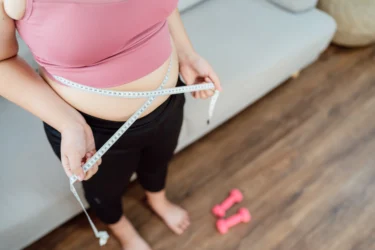
A big tummy is no one’s favorite and may cost you your self-esteem. Bhujangasana is believed to be amongst the best asanas that may help to achieve a washboard abdomen worth envying. The benefits of this asana may uplift physical appearance and beauty, as stretching the abdominal muscles may have some effect on flattening the abdominal area1. Bhujangasana is often included in yoga sequences for improving digestion and relieving constipation.
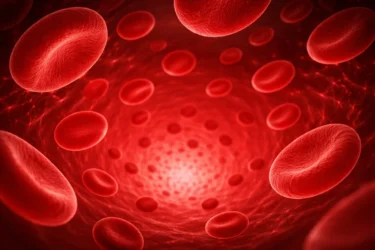
The key is to have good blood circulation to stay energized and active. Bhujangasana may mainly improve blood circulation. Practicing Bhujangasana can increase blood circulation and promote cardiovascular health. Good blood circulation helps the cells to receive sufficient oxygen and nutrients. Moreover, improved blood circulation might also improve hormonal balance1.

If you suffer from depression or anxiety, this may be great news! Practising Bhujangasana may help you overcome the effects of stress. In studies1, it has been found to be helpful in combatting the symptoms of stress like headaches, fatigue, and weakness. It may also have some effect on managing depression. Bhujangasana is beneficial for relieving stress and anxiety, and promoting relaxation and mental well-being. However, it is better to take expert advice if you have conditions like insomnia or migraine1.
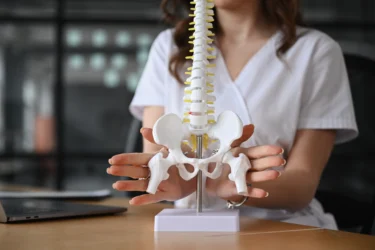
Bhujangasana may be helpful to give you back a reasonable extension. Thus, it might help strengthen your spine. The mechanism and steps involved in this asana are designed to stretch your lower and upper back. However, for people with chronic back pain, it is better to consult a doctor before trying bhujangasana1. Regular practice of Bhujangasana can improve flexibility and strengthen the spine.
Yoga practice may help develop the mind and body; however, it is still not an alternative to modern medicine. You must not rely on yoga alone to treat any condition. Please consult a qualified doctor who will be able to assess your condition correctly and advise accordingly. Moreover, it is necessary to practice and learn yoga under the supervision of a trained yoga teacher to avoid any injuries.
Ensure not to lock your elbows in Bhujangasana (cobra pose). Bent arms and relaxed shoulders are essential for maintaining proper alignment and avoiding strain. Stay mindful of your body and make adjustments as needed for better outcomes2.
Dr. Smita Barode, B.A.M.S, M.S.
Also Read: Benefits of Tadasana and How to Do It By Dr. Himani Bisht
Some contraindications related to Bhujangasana are:
With the guidance of a qualified and experienced yoga teacher/yoga expert, we can access and analyze the risk factors and continue to practice bhujangasana with precautions.
Also Read: Benefits of Chakrasana and How to Do It By Dr. Himani Bisht
Bhujangasana or cobra pose is a complete asana that helps one heal their body and spirituality. It has several benefits for the back, gluteus, body fat, and blood circulation. While practicing this pose, it is essential to maintain firm legs and refrain from putting any strain or load on the lumbar spine. One must practice this pose regularly with appropriate precautions and possibly under a trained yoga teacher to avoid any issues.
Also Read: Benefits of Padmasana and How to Do it By Dr. Himani Bisht
The name Bhujangasana is derived from the Sanskrit word ‘Bhujanga’, which means ‘snake’ or ‘serpent’, and ‘Asana’ means ‘posture’. It resembles the posture of a cobra that has its hood raised. It is a complete asana that may help both physical and mental health1.
Bhujangasana steps are: Lie down on your stomach while palms are placed near the shoulders. While breathing in, slowly raise your head, chest, and abdomen. Go one vertebra at a time. Your arms should be bent at the elbows. Now slowly arch your neck and look upward Press your navel and toes toward the floor. Hold the pose till comfortable. Breathe out and lower your abdomen, chest, and head. Repeat as guided by the trainer2.
You must practice bhujangasana under the guidance of a trained and experienced yoga teacher and follow his advice for the same number of repetitions and duration.
Bhujangasana is believed to be good for a flat stomach. It stretches the abdominal muscles; thus, it may help flatten the abdomen area1.
Bhujangasana improves blood circulation, and it may thus help cells of your body to receive sufficient oxygen and nutrients. Furthermore, improved blood circulation might support maintaining hormonal balance1.
Disclaimer: The information provided here is for educational/awareness purposes only and is not intended to be a substitute for medical treatment by a healthcare professional and should not be relied upon to diagnose or treat any medical condition. The reader should consult a registered medical practitioner to determine the appropriateness of the information and before consuming any medication. PharmEasy does not provide any guarantee or warranty (express or implied) regarding the accuracy, adequacy, completeness, legality, reliability, or usefulness of the information; and disclaims any liability arising thereof.
Links and product recommendations in the information provided here are advertisements of third-party products available on the website. PharmEasy does not make any representation on the accuracy or suitability of such products/services. Advertisements do not influence the editorial decisions or content. The information in this blog is subject to change without notice. The authors and administrators reserve the right to modify, add, or remove content without notification. It is your responsibility to review this disclaimer regularly for any changes.
12
6


