Vitamin D for Women – Daily Need, Normal Range, Deficiency & Solution
Introduction
Vitamin D, often called the “sunshine vitamin,” is produced by your body when your skin is exposed to sunlight. It is also found in certain foods, such as fish, eggs, soy products, and fortified dairy, as well as in supplements containing vitamin D. Vitamin D helps your body absorb calcium, which is essential for strong bones. But that’s not all, it also supports the immune system, helps keep muscles strong, may reduce inflammation, and may be associated with a lower risk of chronic conditions like heart disease, diabetes, and arthritis.
Vitamin D deficiency in women can lead to various health issues including bone fractures, muscle weakness, tiredness, and hair loss, and may also lead to changes in the sleep pattern. Globally, around 1 billion people have insufficient vitamin D levels, and over 40% of women of childbearing age are affected1. Vitamin D deficiency in women is observed across all age groups, from infants and adolescent girls to pregnant and breastfeeding mothers, as well as older women.1
In this article, we’ll explore how much vitamin D per day for women is needed, why it is important, vitamin D deficiency symptoms in women, and tips to increase your vitamin D levels through diet, sunlight exposure, supplements, and lifestyle habits.
Why Vitamin D Is Important for Women
Vitamin D for women is essential for their overall well-being. It plays a key role in many body functions throughout the different stages of life, from adolescence to pregnancy and menopause, as it1,3:
Supports calcium absorption to build and maintain strong bones
Helps prevent osteoporosis and bone fractures
Strengthens muscles, reducing the risk of falls and injury
Boosts immune system function
May help lower inflammation in the body
May reduce the risk of chronic conditions like heart disease, diabetes, and arthritis
Supports healthy cell growth
May offer protective benefits against certain cancers, including breast and colon cancer
May help regulate immune responses in conditions such as rheumatoid arthritis
May help protect against multiple sclerosis
During pregnancy, it may reduce the risk of high blood pressure, high blood sugar, and preterm birth
May support natural delivery and reduce the need for a Cesarean section
Helps meet the increased calcium demand during breastfeeding for both mother and baby
Helps maintain bone strength during and after menopause, when bone loss increases
Supports mood and mental well-being
May influence the regulation of the menstrual cycle
May play a role in weight management, although mechanisms are unclear
Vitamin D deficiency is underestimated in tropical countries like India despite more sunlight. Therefore, regularly measuring vitamin D levels once or twice a year is advisable12.
While our bodies can make vitamin D on their own when exposed to sunlight, several factors such as staying indoors, frequent use of sunscreen, having a darker skin tone, or living in places with limited sunlight can affect how much is produced. That’s why getting vitamin D through your diet or supplements is often necessary.
Vitamin D is a fat-soluble vitamin, meaning it’s stored in your body fat and liver and released as needed. However, its levels can decline over time without regular intake, so a steady intake of the vitamin is necessary to maintain healthy levels.
Your daily vitamin needs can vary based on your age and specific health needs. For example, older adults need more vitamin D to prevent bone loss, while pregnant and breastfeeding women require increased intake, depending on individual needs and their baseline levels, to support both their health and their baby’s development1,2.
The Recommended Dietary Allowance (RDA) of a nutrient is the average daily intake that meets the needs of most healthy individuals. Taking the right amount of the vitamin helps support strong bones, proper muscle function, and immunity without allowing your vitamin D levels to drop too low or rise too high2.
Here’s a simple guide to the RDA of vitamin D for different age groups and needs:
Infants (0 to 12 months): 10 micrograms (400 IU) of vitamin D per day for strong early bone development.
Children and Teenagers (1 to 18 years):15 micrograms (600 IU) per day to support growth and bone health.
Adults (19 to 70 years): 15 micrograms (600 IU) per day for overall health and bone strength.
Adults Over 70 Years: 20 micrograms (800 IU) per day as the body makes less vitamin D with age and bones become more fragile.
Pregnant and Breastfeeding Women:15 micrograms (600 IU) per day to support maternal health and baby’s development2.
Causes of Vitamin D Deficiency in Women
Many women do not realise that they are at risk of vitamin D deficiency as it can develop gradually and for a myriad of reasons. Here are some causes of deficiency of vitamin D in women:
Limited Sun Exposure: Spending most of your time indoors, wearing full-body coverings, or living in areas with limited sunlight can reduce the production of vitamin D1.
Frequent Use of Sunscreen: Although sunscreen protects the skin against harmful rays, it also blocks the UV rays necessary to produce vitamin D2.
Darker Skin Tone: Higher melanin levels in a darker skin tone reduce the production of vitamin D2.
Ageing: The skin of older adults becomes less efficient at making vitamin D. Older adults also get less sun exposure as they tend to spend more time indoors and may have lower dietary intake of vitamin D2.
Poor Diet: A diet low in vitamin D–rich foods, such as fatty fish, and vitamin D–fortified foods may lead to low vitamin levels over time2.
Breastfed Infants: Breast milk alone doesn’t provide enough vitamin D, so infants often need supplements unless they are given fortified formula or milk2.
Fat Malabsorption Disorders: Conditions like coeliac disease, Crohn’s disease, or liver problems make it harder to absorb fats that are necessary for vitamin D absorption, which can lead to a deficiency2.
Obesity: In overweight individuals, vitamin D can get stored in the body fat, making it less available for the body to use2.
Gastric Bypass Surgery: Surgeries like gastric bypass reduce the part of the intestine where vitamin D is absorbed, increasing the risk of deficiency2.
Menopause: Low levels of oestrogen during menopause can cause increased bone loss, increasing the risk of osteoporosis and fractures4.
Pregnancy and Breastfeeding: During pregnancy, the demand for calcium increases for the baby’s bone growth. As vitamin D helps absorb calcium, the need for vitamin D may also rise. Without adequate vitamin D, both mother and baby may face health issues such as low birth weight or weak bones. Breastfeeding moms may also be at risk of vitamin D deficiency, as their vitamin D levels may not meet both their own and their baby’s needs5.
By being aware of the causes of vitamin D deficiency, we can make informed choices about our lifestyle and diet to ensure our bodies get enough vitamin D.
Symptoms of Vitamin D Deficiency in Women
Vitamin D is essential for overall well-being, and a deficiency in this vital nutrient can lead to a variety of symptoms, many of which may be unnoticed initially. Vitamin D deficiency symptoms in women can range from mild, subtle symptoms to more serious ones over time, as follows:
1. Asymptomatic in Early Stages
Many women with vitamin D deficiency don’t show symptoms initially, making it hard to detect6.
2. Common Symptoms
Fatigue: A constant feeling of tiredness or low energy despite adequate rest6.
Muscle twitching: Involuntary muscle spasms or twitches, particularly in the arms and legs6.
Joint Pain: Discomfort in the knees, hips, or other joints6.
Mood Changes: May be associated with low mood or depression6.
3. Severe Deficiency Symptoms
Bone pain: Persistent aches and discomfort in the bones due to weakened bone structure6.
Joint pain: Pain in the joints, making movement and daily activities difficult6.
Muscle pain and weakness: Weakness or discomfort in the muscles, often leading to fatigue6.
Fragility Fractures: Fragile bones and increased risk of fractures6.
4. Chronic Deficiency Effects
Vitamin D deficiency can lead to weak bones in the long term, increasing the risk of fractures, especially in older and postmenopausal women4.
If you notice any of these symptoms, consult a healthcare provider immediately.
Youshould consider getting tested for vitamin D deficiency if you often feel tired, have weak muscles, or have aches in your bones or joints. You should also get tested if you’re pregnant, breastfeeding, or over the age of 50 years since your body needs higher levels during these stages of life6.Laboratory teststhat can be used for diagnosing vitamin D deficiency in women include:
Vitamin D Blood Test: The most common blood test to diagnose vitamin D deficiency is the 25-hydroxyvitamin D test, which checks the level of vitamin D in your body6.
Parathyroid Hormone (PTH) Test: Your body might make more PTH if you have low vitamin D levels. Therefore, PTH levels can be used to support the diagnosis of vitamin D deficiency6.
Calcium and Phosphate Tests: If your vitamin D deficiency is prolonged or severe, your calcium and phosphate levels can also drop, which can affect your bones and muscles6.
Alkaline Phosphatase (ALP) Test: Elevated ALP is typically associated with vitamin D deficiency and bone disorders. However, normal or low ALP levels do not rule out vitamin D deficiency7.
Bone Density Test (DXA Scan): A DXA (Dual-energy X-ray absorptiometry) scan measures bone mineral density (BMD) and can assess bone health. It can help assess bone loss that may result from long-term vitamin D deficiency8.
Health Benefits of Adequate Vitamin D in Women
Optimal vitamin D levels are essential for overall good health, promoting strong bones, and supporting vital body functions throughout life. Here are some key health benefits of healthy vitamin D levels in women:
Improves Bone Health: Vitamin D helps the body absorb calcium, which is important for strong bones. It prevents bone problems like rickets in kids and osteomalacia in adults, and it also protects older women from osteoporosis, a condition that weakens bones and increases the risk of fractures2.
Facilitates Growth and Repair: Vitamin D helps the body achieve the right levels of phosphate and calcium in your blood, both of which are important for healthy bone formation and repair2.
Prevents Muscle Cramps: Vitamin D helps prevent painful muscle cramps and spasms, which can happen when calcium levels are too low2.
Boosts Immune System: Vitamin D strengthens the immune system, helping the body fight off infections and stay healthy2.
Reduces Inflammation: It helps lower inflammation in the body, reducing the risk of chronic diseases like heart disease, diabetes, and arthritis2.
Regulates Blood Sugar: Vitamin D plays a role in controlling blood sugar levels, helping prevent issues like diabetes2.
Regulates Cell Growth and Reduces Cancer Risk: Vitamin D helps control the growth and function of cells throughout the body. Adequate vitamin D levels can reduce the risk of cancers like breast and colon cancer, by up to 50%3.
Reduces the Risk of Fractures: Higher doses of vitamin D (700-800 IU/day) reduce the risk of fractures by 23-43%, especially in older adults3.
Reduces Muscle Weakness: Vitamin D helps improve muscle strength, lowering the risk of falls in older women3.
May Prevent Multiple Sclerosis: Vitamin D may lower the risk of multiple sclerosis, an autoimmune disease that’s more common in women3.
Supports Autoimmune Health: Vitamin D helps regulate the immune system, which is useful in managing conditions like rheumatoid arthritis3.
Improves Mood: Vitamin D deficiency is linked to depression, and supplementation with vitamin D can improve mood4.
Though still under research13 there is a growing relation between low vitamin D levels and cardiovascular issues.
How to Boost Vitamin D and Prevent Vitamin D Deficiency?
If you’re looking to prevent vitamin D deficiency by increasing your vitamin D levels, incorporate these practices into your daily routine to help you maintain optimal levels:
1. Increase Sun Exposure
Step outside for 10–30 minutes a few times a week between 10 a.m. and 4 p.m. and let your face, hands, arms, and legs soak in the sunlight without applying sunscreen2.
2. Eat Vitamin D-Rich Foods
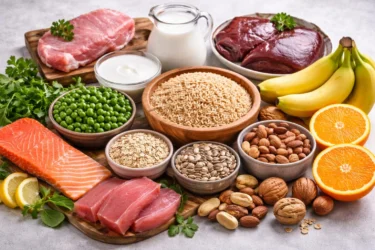
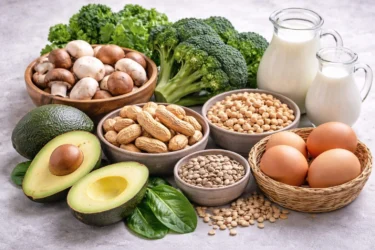
Add vitamin D-rich foods like fatty fish (salmon and tuna), egg yolks, fortified milk or cereal, mushrooms exposed to sunlight, and cod liver oil to your diet2.
3. Take Vitamin D Supplements
If you’re not getting enough vitamin D from food or sunlight, consider taking vitamin D2 or D3 supplements. Vitamin D3 is generally preferred over D2 for better absorption and efficacy. Consult with your doctor before you begin any supplements2.
Recommended supplementation is 400IU daily for those who have limited sun exposure according to ICMR13. But always discuss with your doctor before starting the supplements, dont self medicate.
While vitamin D deficiency often doesn’t cause noticeable symptoms, there are some signs that may indicate a deficiency. If you experience any of the following symptoms, you may need to consult a healthcare professional to determine whether you have a vitamin D deficiency:
Fatigue: Persistent tiredness or exhaustion that doesn’t improve with rest9.
Bone Pain or Achiness: Unexplained aches and pains in the bones or joints9.
Depression or Mood Changes: Feelings of sadness, irritability, or depression that seem out of the ordinary9.
Muscle Weakness: Difficulty lifting objects or feeling weak when performing everyday tasks9.
Loss of Appetite: A sudden or unexplained drop in appetite9.
Frequent Illness: Getting sick more often than usual or experiencing frequent infections9.
Vitamin D plays an important role in women’s health. Right from infancy to post-menopause, it’s essential for supporting strong bones, muscles, and immunity, and may even support mental health. Although vitamin D deficiency is common across all age groups and can lead to issues like tiredness, bone pain, and a higher risk of chronic diseases, it is manageable. Getting regular sun exposure, eating a balanced diet, and taking supplements when needed can help you steer clear of the potential issues associated with vitamin D deficiency. Since symptoms of vitamin D deficiency may often be silent, it’s better to get tested regularly if advised by your doctor or if you are at risk of deficiency, especially during pregnancy, breastfeeding, and after the age of 50 years. Take charge of your sunshine vitamin intake and ensure good health and overall well-being.
Yes, one can bring their vitamin D levels back to normal with vitamin-rich foods, supplements, and lifestyle changes6.
What happens if one doesn’t address vitamin D deficiency?
If left untreated for a long time, vitamin D deficiency can affect many body functions, primarily causing weak bones, bone pain, frequent fractures, and making you more prone to infections6.
Should I take vitamin D to lose weight?
No, vitamin D supplements alone won’t help you lose weight. However, maintaining a healthy weight may help improve your vitamin D levels naturally2.
Can too much vitamin D be harmful?
Yes, however, vitamin D toxicity is extremely uncommon. It usually occurs only when someone takes very high doses for a long time. A vitamin D level above 150 nmol/L is considered toxic11.
What is the safe upper limit for daily vitamin D intake?
The upper limit of vitamin D that is considered safe is 4,000 IU/day. Taking more than this regularly can increase the risk of side effects associated with vitamin D toxicity11.
Office of Dietary Supplements, National Institutes of Health. Vitamin D – Health Professional Fact Sheet [Internet]. National Institutes of Health; 2024 Aug [Cited 2025 Apr 16]. Available from: https://ods.od.nih.gov/factsheets/VitaminD-HealthProfessional/
Khadilkar SS. The Emerging Role of Vitamin D3 in Women’s Health. J Obstet Gynaecol India. 2013 Jun;63(3):147-50. doi: 10.1007/s13224-013-0420-4. Available from: https://pmc.ncbi.nlm.nih.gov/articles/PMC3696135/
Mei Z, Hu H, Zou Y, Li D. The role of vitamin D in menopausal women’s health. Front Physiol. 2023 Jun 12;14:1211896. doi: 10.3389/fphys.2023.1211896. Available at: https://pmc.ncbi.nlm.nih.gov/articles/PMC10291614/
Mulligan ML, Felton SK, Riek AE, Bernal-Mizrachi C. Implications of vitamin D deficiency in pregnancy and lactation. Am J Obstet Gynecol. 2010 May;202(5):429.e1-9. doi: 10.1016/j.ajog.2009.09.002. Available from: https://pmc.ncbi.nlm.nih.gov/articles/PMC3540805/
Kaur J, Khare S, Sizar O, et al. Vitamin D Deficiency. [Internet]. In: StatPearls. Treasure Island (FL): StatPearls Publishing; 2025 Jan [Updated 2025 Feb 15] [Cited 2025 Apr 16] Available from: https://www.ncbi.nlm.nih.gov/books/NBK532266/
Matsuo K, Mukai T, Furuya A, Suzuki S, et al. A Case of Vitamin D Deficiency without Elevation of Serum Alkaline Phosphatase in a Carrier of Hypophosphatasia. Clin Pediatr Endocrinol. 2013 Oct;22(4):73-6. doi: 10.1292/cpe.22.73. Available from: https://pmc.ncbi.nlm.nih.gov/articles/PMC3809733/
Krugh M, Langaker MD. Dual-Energy X-Ray Absorptiometry. [Updated 2024 May 20]. In: StatPearls [Internet]. Treasure Island (FL): StatPearls Publishing; 2025 Jan-. Available from: https://www.ncbi.nlm.nih.gov/books/NBK519042/
Fernandes MR, Barreto WDR Junior. Association between physical activity and vitamin D: A narrative literature review. Rev Assoc Med Bras (1992). 2017 Jun;63(6):550-556. doi: 10.1590/1806-9282.63.06.550. PMID: 28876433. Available from: https://pubmed.ncbi.nlm.nih.gov/28876433/
Grundmann M, von Versen-Höynck F. Vitamin D – roles in women’s reproductive health? Reprod Biol Endocrinol. 2011 Nov 2;9:146. doi:10.1186/1477-7827-9-146. Available from: https://pmc.ncbi.nlm.nih.gov/articles/PMC3239848/
Guo S, Gies P, King K, Lucas RM. Sun exposure and vitamin D status as Northeast Asian migrants become acculturated to life in Australia. Photochem Photobiol. 2014;90(6):1455-1461. doi: 10.1111/php.12349. Available from: https://onlinelibrary.wiley.com/doi/10.1111/nbu.12349
Disclaimer: The information provided here is for educational/awareness purposes only and is not intended to be a substitute for medical treatment by a healthcare professional and should not be relied upon to diagnose or treat any medical condition. The reader should consult a registered medical practitioner to determine the appropriateness of the information and before consuming any medication. PharmEasy does not provide any guarantee or warranty (express or implied) regarding the accuracy, adequacy, completeness, legality, reliability or usefulness of the information; and disclaims any liability arising thereof.
Links and product recommendations in the informationprovided here are advertisements of third-party products available on the website. PharmEasy does not make any representation on the accuracy or suitability of such products/services. Advertisements do not influence the editorial decisions or content. The information in this blog is subject to change without notice. The authors and administrators reserve the right to modify, add, or remove content without notification. It is your responsibility to review this disclaimer regularly for any changes.
2
A Complete Guide to Vitamins and Their Importance for the Human Body
Introduction
When we discuss ways to improve our health, we mostly talk about lifestyle changes and the need to exercise regularly. Although these approaches can help transform your health, we often forget how important a special group of nutrients is. We are referring to vitamins!
Vitamins are absolutely crucial for growth and maintaining good health. They function like minerals, with the main difference being that minerals are inorganic matter that we source from the earth and water, while vitamins are organic compounds found naturally in plants and animals1.
The word ‘vitamin’ is derived from two Latin words, ‘vita’ (meaning ‘life’) and ‘amine’ (referring to ‘amino acids’). Fun fact: Initially, vitamins were incorrectly thought to be amino acids.
Vitamin H, more commonly known as biotin, is part of the B complex group of vitamins. Vitamin H is needed for healthy skin, hair, and nails. It also helps the nervous system function properly.
Types of Vitamins, Their Sources, and Deficiency Symptom
There are 13 crucial vitamins, A, C, D, E, K, B1, B2, B3, B5, B6, B7, B9, and B12. They can be classified into two main types, as follows:
Fat soluble vitamins: These vitamins are stored in the fatty tissues of our bodies. Vitamins A, D, E, and K are the four fat soluble vitamins.
Water soluble vitamins: The other nine vitamins are soluble in water and cannot be stored in the body for long. As a result, they need to be consumed daily, and any excess is expelled from the body through urine1. Vitamin B12, although water-soluble, is an exception to the rule. It can be stored in the liver for years.
Let’s learn the food sources, functions, and deficiency symptoms of the 13 vitamins mentioned above.
Functions: Helps in red blood cell formation and nervous system function.
Deficiency Symptoms Include: Tingling in hands and feet, yellow skin, swollen tongue, mouth ulcers, anaemia, and depression8.
There are two more compounds that resemble vitamins and function like them without being labelled as vitamins:
Choline
Carnitine
The Need for Vitamin Supplements
People may fall short of getting adequate amounts of all essential vitamins due to a combination of dietary, lifestyle, and individual health factors. These factors include:
Some people could be fussy eaters who avoid certain foods due to taste or texture preferences.
Individuals following a vegetarian or vegan diet may miss out on certain vitamins, such as vitamin B12, which is mainly found in meat, fowl or eggs8.
Busy schedules may make it challenging to plan balanced meals consistently.
Some health conditions may lead to poor absorption of certain vitamins despite adequate dietary intake9.
In some cases, the amount of vitamins required by the body cannot be fulfilled through food alone.
In such situations, vitamin supplements may help support the body’s specific nutritional needs. However, you should consult a doctor before starting any vitamin supplements.
Vitamins B6, C and E along with micronutrients like zinc, selenium, iron and copper are important for maintaining a healthy immune system in an individual, repeated infections could be a warning sign of deficiency of these vitamins and micronutrients.
Taking multivitamins should always be done after consulting your doctor or nutritionist. Sometimes, vitamin supplements can cause side effects when consumed in excess or even if your body reacts adversely to the ingredients of a particular supplement. Constipation and stomach pain may occur initially (usually it resolves after a few days). Excess vitamin intake can also cause severe toxicity2. Read the ingredient list for any supplement you take to ensure that you are not allergic to anything in it. Also, if you have any pre-existing medical condition, you should inform your doctor before starting any new multivitamin supplement.
How to Measure Vitamin Levels?
If you think you may be experiencing symptoms of vitamin deficiency and are wondering how to check vitamin levels, these tests may need to be done after consulting your doctor:
Vitamin D test
Vitamin B12 test
A complete full body checkup including vitamin D and B12 levels
Master Full Body Checkup with vitamins
How to Interpret Test Results?
Identifying whether you have normal levels of vitamins is simple because your test results usually show columns for normal levels of vitamins and the levels in your system at the time of the test. This can help you identify if your vitamin levels are lower, higher or at par with the normal level.
For further clarity, you can ask your doctor to go over the reports.
Why is It Important to Test Vitamin Levels?
Sometimes vitamin deficiency symptoms do not show up until very late, and a test can work like a preventive healthcare check. It will let you know which vitamin you need to supplement with. Therefore, it is important to check your vitamin levels whether you are taking supplements or not.
Similarly, even if you are taking vitamin supplements, vitamin level checks are just as important to ensure that there isn’t too much of a particular vitamin in your system as that may lead to toxicity.
People with deficiencies can also take vitamin supplements but only if they are recommended by their doctor1.
Be mindful of your diet. A balanced diet is often sufficient to meet your daily requirement of different vitamins. Paired with a few healthy lifestyle choices, you can easily avert major vitamin deficiencies.
Eat balanced meals to maintain good vitamin levels and monitor them regularly with timely tests to avoid vitamin deficiency-related conditions.
Vitamins are vital for good health and proper functioning of the body, as they support growth, immunity, metabolism, and overall well-being. Maintaining a balanced diet rich in fruits, vegetables, whole grains, and protein sources along with healthy lifestyle habits can help avoid or manage most vitamin deficiencies. In some cases, regular monitoring of vitamin levels and taking vitamin supplements may be necessary. however, these steps should always be taken after consulting a doctor to avoid toxicity or side effects.
How do I know if I might have a vitamin deficiency without testing?
Symptoms such as persistent fatigue, frequent infections, hair loss, brittle nails, muscle pain, or mood changes can be early warning signs of vitamin deficiencies. However, these symptoms alone aren’t reliable, and blood tests should be done to give a clearer picture of your health.
Can I take multivitamins daily just to be on the safer side?
Taking multivitamin supplements without consulting your doctor may not be advisable. If you eat a well-balanced diet, supplementation may not be needed and could even cause toxicity over time, especially with fat-soluble vitamins like vitamins A, D, E, and K.
What are the most common vitamin deficiencies seen today?
Vitamin D and vitamin B12 deficiencies are extremely common these days due to indoor lifestyles and dietary patterns. Folate and vitamin C deficiencies may also occur with poor dietary variety.
Are natural food sources better than vitamin supplements?
Whole foods provide fibre, antioxidants and multiple nutrients that work together for better absorption. Supplements should ideally fill gaps and not replace a healthy diet.
How often should vitamin levels be tested?
For generally healthy individuals, testing once a year is usually sufficient. People on supplements or with diagnosed deficiencies may need more frequent monitoring as advised by a doctor.
Hanna M, Jaqua E, Nguyen V, Clay J. B Vitamins: Functions and Uses in Medicine. TPJ. 2022;26(2):89-97. doi:10.7812/TPP/21.204. Available from: https://pubmed.ncbi.nlm.nih.gov/35933667/
Kiani AK, Dhuli K, Donato K, et al. Main Nutritional Deficiencies. J Prev Med Hyg. 2022;63(2 Suppl 3):E93-E101. doi:10.15167/2421-4248/jpmh2022.63.2S3.2752. Available From: https://pubmed.ncbi.nlm.nih.gov/36479498/
Disclaimer: The information provided here is for educational/awareness purposes only and is not intended to be a substitute for medical treatment by a healthcare professional and should not be relied upon to diagnose or treat any medical condition. The reader should consult a registered medical practitioner to determine the appropriateness of the information and before consuming any medication. PharmEasy does not provide any guarantee or warranty (express or implied) regarding the accuracy, adequacy, completeness, legality, reliability or usefulness of the information; and disclaims any liability arising thereof.
Links and product recommendations in the informationprovided here are advertisements of third-party products available on the website. PharmEasy does not make any representation on the accuracy or suitability of such products/services. Advertisements do not influence the editorial decisions or content. The information in this blog is subject to change without notice. The authors and administrators reserve the right to modify, add, or remove content without notification. It is your responsibility to review this disclaimer regularly for any changes.







 2
2