Halim seeds, also known as garden cress seeds, are tiny reddish-brown seeds packed with nutrition and health benefits. Used for centuries in traditional medicine and cooking, they have been valued for their medicinal properties and rich nutrient profile.
These seeds come from Lepidium sativum, an edible herb belonging to the Brassicaceae family. Originally native to Egypt, the plant is now cultivated worldwide, including in India, where it is primarily grown in Madhya Pradesh, Gujarat, Rajasthan, and Uttar Pradesh. The plant produces light pink or white flowers and tiny seed pods, which are harvested for their seeds.
Halim seeds are also known by different names across regions, such as Holan, Chandrasura, Aliv seeds, and garden cress. With their impressive nutritional value, they have gained popularity as a superfood. Let’s explore the numerous health benefits these tiny seeds have to offer1.
Halim seeds are packed with the goodness of carbohydrates, proteins, fibers and minerals like calcium, phosphorus, zinc, etc. and phytochemicals like flavonoids, phenols, lectins, tannins, glycosides, etc. The nutritional components and bioactive components of Halim seeds are mentioned below:
Scientifically proven properties of Halim seeds include:
Based on my experience, I have found that the extract from halim seeds shows promising potential as an antifungal agent. It has been observed to effectively inhibit the growth of various fungal species. Halim seeds may possess strong antifungal properties, which could be beneficial in the management of fungal infections.
Dr. Siddharth Gupta, B.A.M.S, M.D (Ayu)
Some of the potential benefits of Halim seeds are described below:

Type 2 diabetes is a metabolic disorder characterised by hyperglycemia (an increase in blood glucose levels) with reduced or total loss of insulin (a hormone that regulates blood glucose in the body) function.
Qusti et al. conducted a study4 in 2016 to assess the effects of Halim seeds in diabetic rats. The study showed that Halim seeds showed a significant decrease in blood glucose levels. This effect was attributed to the inhibition of molecules which inhibit the insulin pathway. This indicates that Halim seeds may help in managing diabetes. However, we need more studies to support these claims in humans.

Strong bones reduce the risk of fractures and protect vital organs like the brain and heart from damage. To build strong bones and promote bone healing in fractures, calcium and Vitamin D play an important role.
Dixit et al. conducted a study1 on rats in 2020, stating that Halim seeds may positively impact bone health and help promote bone healing in case of fractures due to the presence of calcium and phosphorus in high amounts. This indicates that Halim seed consumption may have a positive impact on bone fractures, provided more human studies are done to support these claims.

Obesity is defined as an excessive or abnormal accumulation of fat in the body. A Body Mass Index (BMI)>25 kg/m2 is defined as overweight, and >30 kg/m2 is considered obese. Reducing body weight may help in managing obesity.
Dixit et al. conducted a study4 in 2020 to assess the effect of Halim seeds on obese rats; the study findings supported the use of Halim seeds for weight loss. This indicates that Halim seed consumption may help manage obesity by reducing weight. However, we need more studies to support these claims in humans.

Breast cancer is one of the most common cancers affecting women worldwide. Literature reviews support the use of dietary agents and a reduced risk of breast cancer.
Mahassni et al. conducted a literature review5 in 2013, stating Halim seeds contain phytochemicals like organo-sulfur compounds and phytosterols, which have antioxidant and anti-inflammatory effects and may inhibit cell multiplication, arrest the cancer cell cycle and cause apoptosis (cell death of cancer cells). This indicates that Halim seeds may exert an anti-cancer effect on breast cancer. However, there is limited evidence, and we need more studies to support these claims in humans.

Hyperlipidemia or hyperlipoproteinemia is defined as an increase in total cholesterol, a reduction in low-density lipoprotein or bad cholesterol and an increase in high-density lipoprotein or good cholesterol.
Yousef et al. conducted a study6 in 2014 to assess the effects of Halim seeds on hyperlipidemia; this study states that Halim seeds positively impacted lipid profiles. This effect is attributed to the inhibition of an enzyme, which aids the formation of cholesterol. This indicates that the consumption of Halim seeds may help manage hyperlipidemia. However, more studies should be conducted to claim these effects with more reliability.
In my practice, I have observed that halim seeds may exhibit significant antidiarrheal properties. It is believed to achieve this by inhibiting gastrointestinal propulsion and fluid secretion, resulting in a decreased frequency of bowel movements and reduced fluid loss.
Dr. Rajeev Singh, BAMS

Though there are studies that show the benefits of Halim seeds in various conditions, these are insufficient, and there is a need for further studies to establish the true extent of the benefits of Halim seeds on human health.
You must consult a qualified doctor before taking any herbal supplements. Do not discontinue or replace an ongoing treatment of modern medicine with an Ayurvedic/herbal preparation without consulting a qualified doctor.
According to a study9, it is stated that in addition to the nutritional components, Halim seeds also contain anti-nutrients like phytates and oxalates, which may interfere with the absorption of nutrients.
However, if you experience any adverse reactions to Halim seeds, it is advised to discontinue their intake and immediately contact a doctor or your Ayurvedic physician who has prescribed them. They will be able to guide you appropriately.
Also Read: Kayam Churna: Uses, Benefits, Side Effects and More
Consuming Halim seeds is okay if taken in moderate amounts. However, general precautions must be followed in the following conditions8:
The safety data regarding the use of Halim seeds in pregnant and breastfeeding women, the elderly and infants is limited; therefore, it is advised to take necessary cautions if you plan to add this herb to your dietary routine. It is advised to follow precautions and consume it in moderate amounts.
Consuming Halim seeds is contraindicated in the following situations:
Also Read: 14 Amazing Health Benefits of Pumpkin Seeds!
However, you must always seek the advice of your Ayurvedic physician about the possible interaction of Halim seeds with other drugs and follow the prescription thoroughly, as they will know your health condition and other medications you are taking8.
Also Read: Chia Seeds: Uses, Benefits, Side Effects, and More!
Yes, animal studies3 show that Halim seeds may help in weight loss. However, we need more studies to support these claims in humans. Therefore, it is advised to consult a doctor for proper treatment in case you have any weight-related issues.
The safety data regarding the use of Halim seeds in pregnancy is limited; therefore, it is advised to take necessary cautions if you plan to add this herb to your dietary routine. It is advised to consult a doctor for proper advice.
Yes, Halim seeds, due to their high iron content, may help in managing iron-deficiency anemia.
Disclaimer: The information provided here is for educational/awareness purposes only and is not intended to be a substitute for medical treatment by a healthcare professional and should not be relied upon to diagnose or treat any medical condition. The reader should consult a registered medical practitioner to determine the appropriateness of the information and before consuming any medication. PharmEasy does not provide any guarantee or warranty (express or implied) regarding the accuracy, adequacy, completeness, legality, reliability or usefulness of the information; and disclaims any liability arising thereof.
 36
36  5
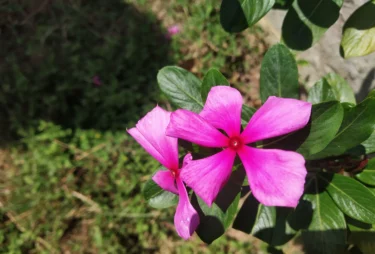
5Sadabahar or sadaphuli is a small shrub bearing purple, pink, or white flowers throughout the year and hence called “Sadabahar”. Natively called “periwinkle” in English Catharanthus roseus originated in Madagascar. This ornamental plant is cultivated throughout tropical and subtropical areas. Nearly 12 species are identified, out of which two are popular ground covers (a plant that grows over an area of ground). All the species bear single flowers and have opposite leaves. When the flowers are plucked, they exude a milky juice. The flowers bloom in March or April. Alba variety has white flowers, Atropurpurea has purple flowers, and Alboplena bears white flowers. Periwinkle is a rich source of medicinal compounds, and you need to know how nature has encapsulated love and care for all of us with this amazingly beautiful plant. Let us read more about the various health benefits Sadabahar leaves has to offer1.
Did you know?
Sadabahar leaves and flower petals are rich in flavonoids, alkaloids, carbohydrates and phytochemicals like vincristine, vinblastine, vincardine, etc. The nutritional components of Sadabahar leaves are mentioned below:
Nutritional value of Sadabahar leaves2
The Sadabahar plant might act as a “diuretic.” Taking Sadabahar might make the body less effective at eliminating lithium. Lithium levels may rise as a result, which may have various side effects. I suggest if you are on lithium, see your doctor before consuming Sadabahar in any form. You might need to adjust your lithium dosage.
Dr. Siddharth Gupta, B.A.M.S, M.D (Ayu)
Scientifically proven properties of Sadabahar include1:
Some of the potential benefits of Sadabahar are described as under:

Type-2 diabetes is a metabolic disorder characterized by derangements (abnormalities) in blood glucose levels, due to decreased insulin (a hormone that regulates blood glucose) response or insulin resistance. Nammi et al. conducted a study in 2003 to assess the effects of sadabahar leaf juice on diabetic rats. The findings of this study stated that sadabahar had an anti-diabetic effect, attributed to increased secretion of insulin from beta cells of the pancreas. This indicates that sadabahar leaves may help in managing diabetes. However, we need more studies to support these claims in humans3.

Hypertension is defined as systolic blood pressure >130 mm Hg and diastolic blood pressure>80 mm Hg. Sadabahar as an anti-hypertensive (causing a decrease in blood pressure) agent has been used in folklore medicine. Ara et al. conducted a study in 2009 in hypertensive rats fed sadabahar leaves extract. The results of this study supported the use of sadabahar to manage high blood pressure, indicating that it may positively impact blood pressure. However, we need more studies to ascertain these claims in humans4.

A literature review by Medina et al. In 2010 stated that sadabahar contains chemical compounds called alkaloids which are known to enhance cognitive function. This effect is attributed to the inhibition of an enzyme called phosphodiesterase enzyme. The inhibition of this enzyme increases the levels of bio-molecules known to regulate memory, learning, etc. This indicates that sadabahar can positively impact cognitive function5.

Androgenic Alopecia, or male pattern hair loss in men and female pattern hair loss in women, is a patterned and progressive hair loss. A review by Justin et al. was conducted in 2017, stating sadabahar may help manage androgenic alopecia. However, the exact mechanism behind this is unknown, and we need more scientific studies to claim these effects in humans6.

Vinca alkaloids are medicinal compounds obtained from the Madagascar periwinkle plant or sadabahar. Vinblastine, an important Vinca alkaloid, has anti-tumour activity and is widely used to manage testicular cancers. Vinorelbine, another alkaloid from sadabahar, finds use for managing breast cancers and osteosarcoma (bone cancer cells). This indicates that sadabahar may help manage cancers. However, the potent anticancer Vinca alkaloids are fully processed, and safety and toxicity are tested before use. We do not promote the use of sadabahar flowers or leaves for managing cancers7.
Though there are studies that show the benefits of Sadabahar in various conditions, but these are insufficient and there is a need for further studies to establish the true extent of the benefits of Sadabahar on human health.
Alzheimer’s disease (AD), a neurodegenerative illness of the central nervous system, affects 50–60% of people with dementia. It is distinguished by significant memory loss, emotional instability, and personality changes in later life. Studies have shown that the extracts of Sadabahar may aid in Alzheimer’s Disease as it has the potential to stimulate the nervous system. I suggest the consumption of Sadabahar with a doctor’s guidance and avoiding self-medication at all costs.
Dr. Rajeev Singh, BAMS
You must consult a qualified doctor before taking any herbal supplements. Do not discontinue or replace an ongoing treatment of modern medicine with an ayurvedic/herbal preparation without consulting a qualified doctor.
A few side effects related to the consumption of sadabahar include:
However, if you experience any adverse reactions to Sadabahar, it is advised to discontinue its intake and immediately contact a doctor or your Ayurvedic physician who has prescribed it. They will be able to guide you appropriately for your symptoms.
Also Read: Shankhpushpi: Benefits, Side Effects, Precautions & More!
Consuming Sadabahar is okay if taken in moderate amounts. However, general precautions must be followed in the following conditions:
Also Read: Sandalwood: Uses, Benefits, Side Effects & More!
However, you must always seek the advice of your Ayurvedic physician about the possible interaction of sadabahar with other drugs and follow the prescription thoroughly, as they will know your health condition and other medications you are taking3,9.
Also Read: Chitrakadi Vati: Uses, Benefits, Side Effects & More!
The scientific name of sadabahar is Catharanthus roseus1.
Depending on the colour of the flower, two-three varieties are known, these include Alba variety which has white flowers, Atropurpurea which has purple flowers and Alboplena bears white flowers1.
Yes, animal studies show that sadabahar has an anti-diabetic effect, attributed to increased secretion of insulin (a hormone that regulates blood glucose) from beta cells of the pancreas. However, we need more studies to support these claims in humans. Therefore, it is advised to consult a doctor for a proper treatment in case you suffer from diabetes3.
The safety data regarding the use of sadabahar in pregnancy and during breastfeeding is limited; therefore it is advised to take necessary cautions if you plan to add this herb to your dietary routine. It is advised to consult a doctor for proper advice11.
Loh et al. in 2008 stated that vincristine, an alkaloid derived from sadabahar can cause hair loss, constipation, hyponatremia (low sodium levels in the body) and peripheral neuropathy (nerve damage resulting in pain, weakness, etc). Additionally, the consumption of sadabahar petals or leaves in excess can result in unwanted effects like nausea, vomiting, headache and fever10.
Disclaimer: The information provided here is for educational/awareness purposes only and is not intended to be a substitute for medical treatment by a healthcare professional and should not be relied upon to diagnose or treat any medical condition. The reader should consult a registered medical practitioner to determine the appropriateness of the information and before consuming any medication. PharmEasy does not provide any guarantee or warranty (express or implied) regarding the accuracy, adequacy, completeness, legality, reliability or usefulness of the information; and disclaims any liability arising thereof.
Links and product recommendations in the information provided here are advertisements of third-party products available on the website. PharmEasy does not make any representation on the accuracy or suitability of such products/services. Advertisements do not influence the editorial decisions or content. The information in this blog is subject to change without notice. The authors and administrators reserve the right to modify, add, or remove content without notification. It is your responsibility to review this disclaimer regularly for any changes.
10
1Chicory, kasni, or kasani is a tuberous taproot with rosette leaves grown widely in the winter season, although it originated in Europe. In India, Uttar Pradesh and Gujarat account for the maximum cultivation of chicory. The three basic varieties of chicory include radicchio, Belgian endive and puntarelle. Cichorium intybus or chicory is popular owing to its culinary, medicinal, and nutritional qualities found in buds, leaves, and roots. As a herbal remedy, chicory has been used for hundreds of years and continues to be used even today. Let us learn more about chicory’s health benefits and the considerations you need to keep in mind if you’re planning to add chicory to your diet1.
Chicory contains a potpourri of nutrients ranging from carbohydrates, vitamins and minerals, proteins, vitamins, and minerals. Major Phytochemicals in chicory include tannins, coumarins, flavonoids, sesquiterpene lactones, etc. The nutritional chart of chicory is given in the table below.
Chicory shows numerous scientifically proven properties; some of which are mentioned below:
Some of the potential benefits of chicory are described below.
The use of dietary components’ inhibitory and protective effects on breast cancer has increased. For example, Henryk et al. conducted a study3 in 1999 to assess the effects of chicory on breast cancer. The study findings show a lower number of rats bearing tumours, indicating that chicory may have anticancer properties towards breast cancer. However, more studies should be conducted on humans to claim these effects.

Hyperuricemia (Increased production and reduced excretion of uric acid) can result in gout, a type of arthritis which is characterized by redness, pain, and tenderness of joints. Wang et al. conducted a study4 in 2017 that states that chicory may have the potential to reduce uric acid levels. The possible mechanism behind this is the inhibition of the xanthine oxidase enzyme (which converts xanthine to uric acid) and increases the excretion of uric acid. This indicates that the consumption of chicory may potentially manage gout. However, more studies should be done to ascertain these claims with more reliability.

Type-2 diabetes shows elevated blood glucose levels due to low insulin levels (a hormone that regulates blood glucose) or resistance to insulin. Literature studies5 show that chicory contains inulin (a dietary fibre)) which is known to manage blood glucose levels. Ning et al. conducted a study in rats in 2017 stating chicory inulin may exert an anti-diabetic effect; thus reducing blood glucose. This indicates that the consumption of chicory may help manage blood glucose. However, more studies need to be done to claim these effects in humans.
The use of soluble fibers like inulin and their potential to manage lipid profile has received considerable attention. Kim et al. conducted a study in rats in 1998, stating chicory influences the lipid profile and causes an increase in high-density lipoprotein (HDL) or good cholesterol and reduces low-density lipoprotein (LDL) or bad cholesterol. This indicates that chicory may have a positive impact on lipid profile. However, we need more human clinical trials to support these claims6.
Bone health can be improved by improving bone mass and mineral density. Literature studies show that dietary carbohydrates and fibers like inulin are known to improve calcium absorption, which may positively impact bone health. In addition, Marcel et al. conducted a study7 in 2002 to assess the effects of chicory inulin on bone mineral density in rats; the findings of this study suggested that chicory inulin increases bone mineral density. This indicates that the consumption of chicory may help improve bone mineral density and, therefore, has the potential to improve bone health. However, more studies should be conducted on humans to claim these results.

Though there are studies that show the benefits of chicory in various conditions, these are insufficient and there is a need for further studies to establish the true extent of the benefits of chicory on human health.
The main function of the liver is to clear toxins. However, it’s the liver that is more susceptible to toxicity induced by drugs and other chemicals. This toxicity can lead to various hepatic conditions. In such cases, antioxidant agents can reduce the toxicity of the liver. Chicory is a herb that has various medicinal properties including antioxidant properties. Therefore, chicory might help in reducing hepatic toxicity8.
Dr. Siddharth Gupta, B.A.M.S, M.D (Ayu)
You must consult a qualified doctor before taking any herbal supplements. Do not discontinue or replace an ongoing treatment of modern medicine with an ayurvedic/herbal preparation without consulting a qualified doctor.
In Ayurveda, Chicory is widely used for its medicinal uses. Due to its anti-inflammatory properties, it is primarily used to manage doshas like pitta and kapha. To this list, we can add many other inflammatory conditions9.
Dr. Rajeev Singh, BAMS
Cadot et al. in 2003 stated7 chicory can result in an allergic syndrome. The allergic reaction to chicory is manifested by oral, skin-related (urticaria or skin rash) and respiratory symptoms like asthma.
Other indications of the adverse reactions of the body to chicory are described below:
However, if you experience any adverse reactions to chicory, it is advised to discontinue its intake and immediately contact a doctor or your Ayurvedic physician who has prescribed it. They will be able to guide you appropriately for your symptoms.
Also Read: Almonds: Uses, Benefits, Side Effects By Dr. Rajeev Singh
Chicory consumption by children, adults and elderly is okay if taken in moderate amounts. However, general precautions must be followed in the following conditions:
Also Read: Dronapushpi (Leucas aspera): Uses, Benefits and Side Effects By Dr. Rajeev Singh
Chicory is known to interact with drugs used in diabetes, if you take chicory and the prescribed drugs together, this may cause your blood glucose to drop too low. Therefore, it is advised to monitor your blood glucose closely if you are taking chicory.
Therefore, you must always seek the advice of your Ayurvedic physician about the possible interaction of chicory with other drugs and follow the prescription thoroughly, as they will know your health condition and other medications you are taking.
Also Read: Sanjivani Vati: Uses, Benefits and Side Effects by Dr. Smita Barode
Chicory or Cichorium intybus is also known as kasni or kasani locally1.
The three basic varieties of chicory include radicchio, Belgian endive and puntarelle1.
Yes, chicory aids the regulation of ghrelin or the hunger hormone, and increases the feeling of satiety. Thus the consumption of chicory increases satiety, reduces overeating and may help in weight loss. However, scientific evidence supporting these claims is limited and we need further studies to ascertain these effects. Therefore, it is advised to consult a doctor for proper treatment in case you have any weight-related issues1.
Yes, inulin in chicory acts as a prebiotic and may help improve digestive health. Additionally, the presence of fibre stimulates gastric acid, improves bowel movements and may help relieve constipation. However, there is a need to conduct more studies to support these claims. It is recommended to consult a doctor for proper treatment in case you suffer from constipation1.
Cadot et al. in 2003 stated7 chicory can result in an allergic syndrome. The allergic reaction to chicory is manifested by oral, cutaneous (urticaria or skin rash) and respiratory symptoms like asthma. Chicory consumption in excess can also result in abdominal pain, flatulence, bloating and other digestive problems, due to a high content of fibre. Additionally, chicory can exaggerate gallstones. However, the exact mechanism behind this is unknown.
Disclaimer: The information provided here is for educational/awareness purposes only and is not intended to be a substitute for medical treatment by a healthcare professional and should not be relied upon to diagnose or treat any medical condition. The reader should consult a registered medical practitioner to determine the appropriateness of the information and before consuming any medication. PharmEasy does not provide any guarantee or warranty (express or implied) regarding the accuracy, adequacy, completeness, legality, reliability or usefulness of the information; and disclaims any liability arising thereof.
Links and product recommendations in the information provided here are advertisements of third-party products available on the website. PharmEasy does not make any representation on the accuracy or suitability of such products/services. Advertisements do not influence the editorial decisions or content. The information in this blog is subject to change without notice. The authors and administrators reserve the right to modify, add, or remove content without notification. It is your responsibility to review this disclaimer regularly for any changes.
12
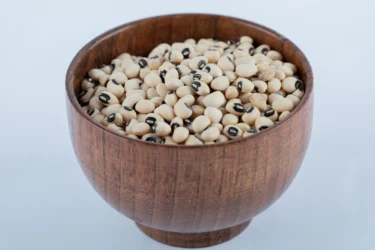
1Cowpea, an annual legume, is locally known as lobiya, crowder pea, coupe, southern pea, and black-eyed pea (due to a black scar or mark on its seed). Vigna unguiculata L. Walp. or cowpea, belongs to the Fabaceae family. Cowpea originated in Africa, although worldwide production has increased drastically over the past few years. In India, Uttar Pradesh is the leading producer of cowpeas, followed by Punjab, Haryana and Delhi. These are warm-season legumes (plants belonging to the Fabaceae family) with different varieties depending on the seed colour and type. A few of the varieties available in the market include brown eye, black eye, purple eye, crowder cowpeas etc. These are also called “hungry-season crop” as it was the first crop to be harvested before the cereal crops. Cowpeas leaves, fresh or dried seeds and pods containing seeds all are used as a nutritional component for livestock feed and the human diet. Let us learn more about the health benefits of adding cowpeas (dried seeds) to your dietary routine1.
Cowpeas are rich in proteins, fibers, vitamins like Vitamins A, C, E, and minerals like copper, iron, calcium, manganese, magnesium, sodium, etc. The nutrients present in 100g of cowpeas are mentioned below:
Scientifically proven properties of cowpeas include:
Some of the potential benefits of cowpeas are described as under:
Diabetes is a metabolic disorder characterized by increased blood glucose, and there has been growing interest in testing the potential of plant parts for managing diabetes. Barnes et al. conducted a study2 in 2015 that provides evidence of cowpeas as potential anti-diabetic agents. The anti-diabetic effect is attributed to the presence of cowpea protein molecules similar to insulin obtained from the pancreas of cows and pigs. This indicates that the consumption of cowpeas may manage diabetes. However, more human clinical trials should be conducted to ascertain these claims.

Hypertension or high blood pressure is defined as systolic blood pressure >130mmHg and/or diastolic blood pressure >80mmHg. Hypertension is majorly managed by the use of drugs called ACE inhibitors, which work by relaxing arteries and veins and reducing blood pressure. ACE is an enzyme (angiotensin-converting enzyme), which acts as a vasoconstrictor (substance that increases blood pressure). The inhibition of this enzyme will help reduce blood pressure. Renhart et al., 2014 conducted a study3 identifying a dipeptide from cowpeas with antihypertensive (blood pressure-reducing) properties similar to ACE inhibitors. Therefore, cowpeas may have the potential to manage high blood pressure, but we need more studies to assess these claims in humans.
Literature studies state cowpeas may help in improving the lipid profile. A study4 conducted by Frota et al. in 2015 showed that the consumption of cowpeas by 38 patients with high total cholesterol levels positively impacted their lipid profile. Consumption of cowpeas showed a reduction in total cholesterol, bad cholesterol and an increase in good cholesterol. This indicates that cowpeas may improve abnormal lipid profiles. However, studies including more patients should be conducted to increase the reliability of these results.
Broadly, undernutrition is categorized into stunting, underweight, wasting, and micronutrient-related deficiency. Indi et al. conducted a clinical trial5 in 2015 in Malawian children. Results show cowpeas, due to their high nutritional content, may help reduce stunting and improve children’s growth. This indicates that cowpeas may help improve undernutrition to an extent by reducing stunting and improving overall growth. However, we need more studies to be conducted globally to claim these results.

Osteoporosis is characterized by weak and brittle bones. It shows manifestations of lower back pain, fractures, and a stooped spine (hump-like structure). Although it is common in men and women, women after menopause are at an increased risk of osteoporosis due to a deficiency of hormones like estrogen. Yongsoon et al. conducted a study6 in 2013 to assess the effects of cowpeas on rat bones. The findings of this study showed that a diet containing cowpeas significantly improved bone mineral density and bone volume. These findings suggest that cowpeas can help in osteoporosis. However, to claim these effects in humans, we need more studies.

Though there are studies that show the benefits of cowpeas in various conditions, but these are insufficient and there is a need for further studies to establish the true extent of the benefits of cowpeas on human health.
I read an article that suggests you may maintain a healthy weight by eating cowpeas. Cowpeas are a good source of both soluble and insoluble fibre, which aids the body in controlling weight. Cowpeas’ high-quality, slow-digesting carbohydrates along with the protein also contribute to a feeling of satiety1.
Dr. Siddharth Gupta, B.A.M.S, M.D (Ayu)
You must consult a qualified doctor before taking any herbal supplements. Do not discontinue or replace an ongoing treatment of modern medicine with an ayurvedic/herbal preparation without consulting a qualified doctor.
Let me tell you the surprising facts about cowpeas. For men, a half-cup portion of cowpeas provides 40% of the daily required intake while for women, 52%. Cowpeas’ protein may contribute to an increase in energy levels.
Dr. Rajeev Singh, BAMS
A few side effects related to the consumption of cowpeas include:
However, if you experience any adverse reactions to cowpeas, it is advised to discontinue its intake and immediately contact a doctor or your Ayurvedic physician who has prescribed it. They will be able to guide you appropriately for your symptoms.
In my experience, a serving of cowpeas contains 13% of the daily recommended amount of vitamin A. By potentially defending your corneas, assisting your body in producing eye lubricant and supporting retina function, vitamin A enhances the health of your eyes.
Dr. Smita Barode, B.A.M.S, M.S.
Eating cowpeas is okay if taken in moderate amounts. However, general precautions must be followed in the following conditions:
Also Read: Shatavari (Asparagus): Uses, Benefits, Side Effects & More!
You must always seek the advice of your Ayurvedic physician about the possible interaction of cowpeas with other drugs and follow the prescription thoroughly, as they will know your health condition and other medications you are taking.
Also Read: Mushroom (Khumbi): Uses, Benefits, Side effects By Dr. Smita Barode
The scientific name of cowpeas is Vigna unguiculata L. Walp.
Depending on the seed colour and type, varieties available in the market include brown eye, black eye, purple eye, crowder cowpeas, etc.
Yes, cowpeas contain the amino acid tryptophan which helps in the formation of melatonin in the body. Melatonin may help improve sleep patterns and help in insomnia. However, more studies are needed to support these claims. Therefore, it is advised to consult a doctor for proper treatment in case you suffer from insomnia.
Yes, cowpeas are rich in fibre which helps in improving digestion and helps manage constipation. However, scientific evidence supporting this is limited and we need more studies to support these claims. It is recommended to consult a doctor for proper treatment in case you have constipation.
Ndubuaku VO et al. in 1989 stated that consumption of cowpeas can result in abdominal discomfort, vomiting, diarrhoea, indigestion, sleepiness, etc7.
Disclaimer: The information provided here is for educational/awareness purposes only and is not intended to be a substitute for medical treatment by a healthcare professional and should not be relied upon to diagnose or treat any medical condition. The reader should consult a registered medical practitioner to determine the appropriateness of the information and before consuming any medication. PharmEasy does not provide any guarantee or warranty (express or implied) regarding the accuracy, adequacy, completeness, legality, reliability or usefulness of the information; and disclaims any liability arising thereof.
Links and product recommendations in the information provided here are advertisements of third-party products available on the website. PharmEasy does not make any representation on the accuracy or suitability of such products/services. Advertisements do not influence the editorial decisions or content. The information in this blog is subject to change without notice. The authors and administrators reserve the right to modify, add, or remove content without notification. It is your responsibility to review this disclaimer regularly for any changes.
6
1Although, it is rightly said that ‘don’t judge a book by its cover’, it’s difficult not to be moved by the glowing face of a person. Beauty is just a higher form of health and healthy-looking skin is always considered beautiful. The basic aim of “Swasthavritta” is to keep a healthy person well by preventing sickness. Kumkumadi tailam, an ancient recipe, includes rare ayurvedic ingredients. High-quality saffron oil is called kumkumadi tailam. This special combination of oils and kumkumadi tailam promotes youthful and healthy-looking skin. Kumkumadi tailam might help to heal uneven skin, brighten skin and add radiance1.
Friendly Reminder: The information shared here is for educational purposes only and the reader should consult a registered medical practitioner before implementing any changes to their health routine.
The kumkumadi tailam is made of ingredients mixed in equal amounts (48gms each) given below2:
Other ingredients used are goat milk, sesame oil, Kesar and rose water Q.S.(quantity sufficient). These ingredients are mixed to finally obtain the ayurvedic preparation called kumkumadi tailam.
The potential properties of kumkumadi tailam are:
Some of the potential uses of kumkumadi tailam are discussed as follows.

When kumkumadi tailam is applied locally to the lips, it helps to dilate the blood vessels at the affected lip region. As a result, the active ingredient in the herb may easily penetrate the skin and enter the bloodstream through the capillaries at the affected lip areas1.
Nitin Jathar et al. (2020) conducted a study3 on 30 patients suffering from discoloured lips due to smoking. They were treated with kumkumadi tailam by applying it locally. This demonstrated improvement in the lip colour significantly. Since the primary dosha that may cause lip discolouration might be pitta, kumkumadi tailam might improve lip colour by relieving pitta1. This may indicate the potential of kumkumadi tailam in helping in improving lip discolouration. However, there is a need for more studies in this area. You must consult an Ayurvedic physician to understand the exact benefits of the herb for humans.
Let me tell you about the wonders of kumkumadi tailam. This magical oil can work wonders for your skin! It may act on the inflammation in the top layer of your skin, known as the epidermis. It has chemicals that may change how your skin cells called melanocytes and immune cells behave. By doing so, it might help lighten dark spots and hyperpigmentation2.
Dr. Smita Barode, B.A.M.S, M.S.

Many herbs present in the herbal preparation of kumkumadi tailam might have wound-healing properties and anti-inflammatory, antiviral and antibacterial characteristics. Combining these herbs might help stop bleeding in wounds and injuries, heal skin ulcers and expedite the regeneration of the tissue in wounds2. These benefits of this herb in the formulation need to be further evaluated by studies. You must consult a doctor before using any herb for its medicinal benefits.

Antioxidant, anti-inflammatory and anti-hyperpigmentation properties might be present in kumkumadi tailam. The formulation might also exhibit anti-ageing, skin hydration, anti-wrinkle, moisturising benefits and potential improvement in skin texture. Thus, using kumkumadi oil for the face can brighten skin, increase skin softness and decreases pigmentation making the skin radiant. It might also decrease the amount of melanin pigment released. Moreover, it may improve skin lustre while reducing the appearance of scars, dark circles under the eyes and hyperpigmentation1,2.
In my opinion, in addition to its potential benefits of kumkumadi tailam for dark spots and hyperpigmentation. It may also help help those struggling with patchy skin. This Ayurvedic formulation may help manage dryness and improve overall skin texture3.
Dr. Rajeev Singh, BAMS

One of the major kumkumadi oil ingredients is saffron. Golmohammadzadeh et al. (2010) studied4 that saffron present in kumkumadi tailam might have properties that can be used as a natural UV-absorbing agent. Thus, it might be used as sunscreen.
On regular applications, kumkumadi tailam may also remove the damage caused by prolonged sun exposure like sun tan, blemishes, dark spots, etc. However, the studies conducted on the exact benefits of this formulation are insufficient to prove its benefits. It is better to get professional advice from qualified doctors2.

Several other potential uses of kumkumadi tailam need to be studied further to prove its exact efficacy. Some of these are:
Though there are studies showing the kumkumadi tailam benefits in various conditions, these are insufficient and there is a need of further studies to establish the true extent of kumkumadi tailam on human health.
I would suggest giving kumkumadi tailam a try if you’re looking for a natural solution for acne. This ayurvedic product might be beneficial for certain skin disorders, specifically acne5.
Dr. Siddharth Gupta, B.A.M.S, M.D (Ayu)
To obtain kumkumadi tailam benefits for the skin, you may take some amount of the oil on your palms, and then gently rub it all over the skin regularly for clear and radiant skin. You may gently apply it on affected areas like lips using your fingers for targeted benefits. It is best to apply it before bedtime1,2.
You must consult a qualified doctor before taking any kumkumadi tailam supplements. Do not discontinue or replace an ongoing modern medical treatment with an ayurvedic/kumkumadi tailam preparation without consulting a qualified doctor.
Kumkumadi tailam is generally considered safe if used in the recommended dosages. Further, the local application of kumkumadi tailam on lips might not cause side effects such as allergic reactions, itching, etc. However, ayurvedic kumkumadi oil side effects cannot be completely denied as herbs may react differently in each person’s skin depending on their condition and body responses. Therefore, you must consult a qualified Ayurvedic doctor before using any herb for medicinal purposes2.
Also Read: Cardamom (Elaichi): Uses, Benefits, Side Effects and More!
Just like any remedy or treatment, general precautions need to be followed while using kumkumadi tailam. People should take extra precautions before giving them to children, the elderly and pregnant and lactating women. Please do not try to self-medicate with herbs. Ayurvedic herbs may have potential benefits, but it is advisable to consult a qualified Ayurvedic physician before their usage.
Also Read: Kalmegh: Uses, Benefits, Side Effects, Precautions & More!
The possibility of certain drugs reacting with herbs like kumkumadi tailam cannot be denied. Therefore, you must consult an Ayurvedic physician before using any herbal item in more than the prescribed quantities. Your Ayurvedic physician can appropriately modify the dosage and prescribe as per your current medications, conditions and requirements.
Also Read: Kodo Millets: Uses, Benefits, Side Effects, And More
Several Ayurvedic ingredients are mixed together to make the formulation called kumkumadi tailam. A few major ingredients of the kumkumadi oil are: Kumkuma, Usheera, Kaaleeya, Laksha, Yashtimadhu, Chandana, Nyagrodha, Padmaka, Neelotpala, Manjishta, etc1.
To prepare kumkumadi tailam, we first need to prepare a coarse powder of all herbs and soak them in water for a few hours. Further, a kwatha can be prepared by boiling this water with herbs until it is reduced to 1/4th of its volume. Then, this decoction can be filtered. Then you can prepare a herbal paste using herbs like Manjistha, Yashtimadhu, Mahua, Lac and Pattanga. Finally, this herbal paste, sesame oil and goat milk are mixed in a vessel, the mixture is boiled and simmered until the oil remains. Once this oil is taken out, we can mix a paste of saffron with rose water into this oil and preserve it in a glass bottle. This final preparation is called kumkumadi tailam2.
If consumed in the proper dosages, kumkumadi tailam is usually regarded as safe. Furthermore, patients may not have any negative side effects from the local application of kumkumadi tailam to their lips, such as allergic reactions, irritation, etc. It is better to consult your ayurvedic physician before using any herb for medicinal purposes.
Kumkumadi tailam might have properties that can be used as a natural UV-absorbing agent. It may also reverse sun damage to some extent. However, these properties have yet to be studied extensively. It would be best if you took advice from a qualified doctor before using it.
The herbs that combine to form kumkumadi tailam may be effective against bacteria, viruses and generalized inflammation in addition to healing of wounds. Combining these herbs may speed up the process of regeneration of wound tissue, stop untimely bleeding in wounds and heal skin ulcers. However, more studies should be conducted to better assess the advantages of using this herb in the formulation. Before utilising any herb for its therapeutic properties, you must visit a doctor.
Disclaimer: The information provided here is for educational/awareness purposes only and is not intended to be a substitute for medical treatment by a healthcare professional and should not be relied upon to diagnose or treat any medical condition. The reader should consult a registered medical practitioner to determine the appropriateness of the information and before consuming any medication. PharmEasy does not provide any guarantee or warranty (express or implied) regarding the accuracy, adequacy, completeness, legality, reliability or usefulness of the information; and disclaims any liability arising thereof.
Links and product recommendations in the information provided here are advertisements of third-party products available on the website. PharmEasy does not make any representation on the accuracy or suitability of such products/services. Advertisements do not influence the editorial decisions or content. The information in this blog is subject to change without notice. The authors and administrators reserve the right to modify, add, or remove content without notification. It is your responsibility to review this disclaimer regularly for any changes.
12
Thyme adds flavor to pasta sauces and enhances them with a delicate taste and smells like summer. It has greenish-grey leaves with a distinct aroma. The scientific name of Thyme is Thymus vulgaris L, and it belongs to the family Lamiaceae. It originates from Southern Europe and countries bordering the Mediterranean. Further, they are also found in many areas with temperate climates. The Greek term for Thyme is derived from the word “to fumigate,” which might refer to the fragrance produced by burning Thyme as incense in ancient Greek temples. Thyme oil consists of high concentrations of phenolic compounds1. Let us read more about thyme and its medicinal properties.
Thyme oil consists of high concentrations of phenolic compounds. Among other herbs, fresh thyme has the highest antioxidant activities. It is loaded with multiple phytonutrients, minerals, and vitamins essential for optimum health. The nutritional components of thyme are below1,2.
In my opinion, thyme might be a powerhouse of vitamins and nutrients. This rich nutrient profile may play a vital role in boosting the immune system and promoting overall health and well-being6.
Dr. Siddharth Gupta, B.A.M.S, M.D (Ayu)
Thyme has been studied for its numerous properties that are responsible for health benefits of thyme; some of these properties are mentioned below:
I encountered an interesting study indicating that thyme may offer potential benefits in reducing pain and muscular spasms associated with primary dysmenorrhea. The results suggest that thyme might be effective in alleviating the severity of pain during menstrual cramps7.
Dr. Smita Barode, B.A.M.S, M.S.
The phenolic compound thymol is present in thyme and responsible for its antioxidative activity. Some of the potential thyme benefits are as follows2:

Thyme is used in traditional medicine to treat bronchitis, whooping cough, and mucosal inflammation of the respiratory system. It is also said to have antispasmodic, bronchiolitis, and secretomotor qualities. Thyme bath oil is mentioned as a treatment for respiratory problems in the German Commission E study on herbal medicines. These medications may irritate the lungs, causing them to secrete mucus and move their cilia more quickly in the bronchial epithelia, which triggers a decongestive response1. However, Thyme medicinal uses might need further studies to establish its exact efficacy. If you have any respiratory issues, consult your doctor, and do not self-medicate.

Prasanth4 et al. 2014 and Saleh5 et al. 2015 analyzed the essential oils derived from thyme for their biological activity and chemical components. The volatile oils of thyme were also examined for their ability to suppress the growth of gram-negative and gram-positive bacterial strains. Further, according to Boruga3 et al. 2014, phenolic chemicals in thyme essential oil may have antibacterial activity2. However, more studies are needed to support these claims. If you have any infections, consult your doctor, and do not self-medicate.
Both in vitro and in vivo studies explained that thyme possesses phytochemicals influencing the ability to acquire knowledge and understanding through experience, senses, thought, and mood1. However, more studies are needed to support these findings and prove the use of thyme for brain benefits. If you have any brain-related issues, consult your doctor, and do not self-medicate.
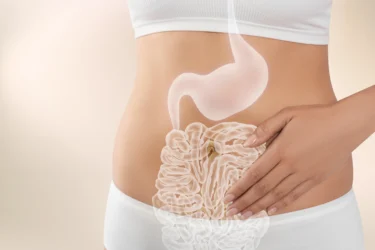
Traditional remedies have been prepared using thyme combinations to treat digestive tract issues. Very few studies have examined the exact effects of thyme on gastrointestinal tissues, and the results obtained from these studies are also inconsistent. The preclinical findings offer only preliminary proof of thyme advantages for the gastrointestinal tract and frequently vary in experimental design. Further, they employed various samples of thyme and thyme oil and selected thymol and carvacrol may be helpful for digestive tract ailments1. However, much more extensive research is required to state the above-mentioned potential uses. If you have any digestive-related issues, consult your doctor, and do not self-medicate.

Through my observations, I have noticed that thyme has been traditionally utilised for its healing properties, particularly in managing cuts, bruises, and scrapes. Products containing thyme might be applied topically to expedite the healing process, while consuming thyme may help reduce inflammation within the body6.
Dr. Rajeev Singh, BAMS
Though studies show the benefits of Thyme in various conditions, these are inadequate, and require more research is required to establish the benefits of Thyme on human health.
Thyme may be used in the following ways:
You must meet a doctor before taking Thyme in large quantities or any other herbal supplements. Likewise, consult a qualified doctor before discontinuing or replacing an ongoing modern medical treatment with an ayurvedic/herbal preparation.
There are no proper side effects related to thyme and its herbal combinations. The Council of Europe added it to its list of food items. Animal studies have also shown its safe usage for culinary purposes.
It is thus advisable to consult an Ayurvedic physician before using thyme for any medical benefits. Further, if you experience any adverse reactions to thyme, immediately contact a doctor or your Ayurvedic physician who has prescribed it. They will guide you appropriately for your symptoms.
A general precaution to be followed is to avoid health issues. Do not self-medicate, substitute, or discontinue any treatment, as it might have unknown effects.
GABAergic active constituents (reactions of these constituents might be stimulating or blocking neurotransmission) in thyme might enhance the effects of general anaesthetics. Further, if taken in higher amounts, the constituents of thyme can interact with drug-related enzymes and some medications. Although this is improbable at dietary amounts of intake, it is advisable to meet a doctor before taking any herb for its benefits1.
Also Read: Lemon (Nimbu): Uses, Benefits, Side effects By Dr. Smita Barode
Thyme comprises certain vitamins that are beneficial for us. The antioxidant benefits of vitamin A are responsible for thyme benefits for the skin, keeping mucous membranes healthy, and improving vision. Vitamin C destroys free radicals that cause inflammation and resists infectious diseases. Vitamin B6, present in the herb, acts as a stress buster. It also includes Vitamin K, Vitamin E, and folic acid2.
Thymol is one of the most significant essential oils present in thyme. It is well-known for its antifungal and antibacterial qualities2.
Regular consumption of thyme might help to reduce inflammation in several conditions. However, this effect needs to be further evaluated for conditions like arthritis.
It is generally considered safe to use Thyme for culinary and other purposes in small doses. Still, it might show some toxic effects at higher doses, as shown in animal studies. In addition, some studies also show that thyme products might have mild allergic reactions in humans on topical applications. Therefore, an Ayurvedic physician should be consulted for the use of thyme for health effects to understand its exact benefits and possible side effects.
Thyme can be used in multiple ways. Most popularly, Thyme is used as seasoning and spice in food preparations. Thyme essential oil might be used for its medicinal benefits, while thyme tea may help reduce inflammation. Thyme combinations can be used in many home remedies. You can also use the herb thyme for cough2. You must follow general precautions. It is advisable not to self-medicate, substitute, or discontinue any treatment, as it might have unknown effects.
Disclaimer: The information provided here is for educational/awareness purposes only and is not intended to be a substitute for medical treatment by a healthcare professional and should not be relied upon to diagnose or treat any medical condition. The reader should consult a registered medical practitioner to determine the appropriateness of the information and before consuming any medication. PharmEasy does not provide any guarantee or warranty (express or implied) regarding the accuracy, adequacy, completeness, legality, reliability or usefulness of the information; and disclaims any liability arising thereof.
Links and product recommendations in the information provided here are advertisements of third-party products available on the website. PharmEasy does not make any representation on the accuracy or suitability of such products/services. Advertisements do not influence the editorial decisions or content. The information in this blog is subject to change without notice. The authors and administrators reserve the right to modify, add, or remove content without notification. It is your responsibility to review this disclaimer regularly for any changes.
4
0Lotus seed is a quick snack to munch on while watching a movie. Lotus seed is also known as lotus nut or kamal seed. The scientific name of lotus seeds is Nelumbinis semen, derived from the lotus plant, Nelumba nucifera. It has been a functional food, medicine and vegetable for about 7000 years. There are two types of dried lotus seeds, one with white peel and the other with brown peel. Lotus seeds have been extensively produced and cultivated in India, Japan and China. Lotus food has been approved as food and medicine by ‘Ministry of Health of the People’s Republic of China’. Lotus seeds have fewer calories and are a host of nutrients; therefore, they play an essential part in the functions of the body1. Let us look at some of the health benefits of lotus seeds.
Did you know?
Lotus seeds may contain several bioactive compounds like alkaloids, glycosides, triterpenoids, flavonoids, polyphenols, polysaccharides, essential oils and many more. Below are the nutritional components of Lotus seeds:
Several studies have shown that lotus seed may have the following properties:
Beta-galactosidase, a compound found in lotus seeds, can break the lactose molecule of milk and make it lactose-free. From my experience, the combination of lotus seeds and milk may aid lactose-intolerant people7.
Dr. Siddharth Gupta, B.A.M.S, M.D (Ayu)
Some of the potential uses of lotus seed are:

Excess weight in the body is due to adipocytes (fat cells). A study1 by Achike et al. in 2011 showed that lotus seeds may inhibit the formation of fat cells and reduce the weight of the fat tissues. In addition, polyphenols found in lotus seeds may improve the lipid profile in the body. However, further studies are required to check if lotus seeds can help to manage weight. Therefore, you must consult your dietician before making any diet changes.
From my perspective, lotus seeds might be your ally in your weight loss journey. Studies9 suggest that the resistant starch from lotus seed has the potential to decrease the blood sugar level and hence may aid in managing weight.
Dr. Smita Barode, B.A.M.S, M.S.

Alzheimer’s disease is a neurodegenerative disorder which results in memory loss and other mental impairments. Lotus seeds may have neuro-protective effects i.e, it may protect the nerve cells from damage as in the case of Alzheimer’s disease. A study1 by Kim et al. in 2014 showed that proanthocyanidins in lotus seeds may reduce brain ageing and cognitive impairment. In addition, lotus seeds may reduce the risk of Alzheimer’s disease by decreasing the harmful free radicals and accumulation of unnecessary calcium. However, further studies are required to check if lotus seeds can be beneficial in improving the symptoms of Alzheimer’s disease. You must consult your doctor if you suspect any symptoms of Alzheimer’s disease.

A study1 by Sugimoto et al. in 2008 showed that bioactive compounds like saponins, flavonoids, alkaloids and tannins may help to reduce anxiety and depression. The alkaloids in lotus seeds may increase the time of sleep. Getting good sleep may help manage depression. However, these studies were conducted on mice. Further studies on humans are required to check if lotus seeds may be beneficial for anxiety and depression.

A study1 by Tang et al. in 2017 showed that lotus seeds may have anti-microbial properties. Lotus seeds may disrupt the structure and function of the plasma membrane. Additionally, lotus seeds may inhibit the growth of Salmonella sp., Staphylococcus aureus, Escherichia coli., Klebsiella sp., Shigella, and Pseudomonas sp. However, more studies are required to confirm if lotus seeds can be used for microbial infections. You must consult your doctor if you experience any microbial infection.
A study3 by Mani et al. in 2010 showed that lotus seed might be used in the case of type 1 and type 2 diabetes. Various minerals present in lotus seeds may be beneficial for diabetes. For example, zinc in lotus seeds reduces oxidative stress in type 1 diabetes patients and transports glucose to the cells in type 2 diabetes patients. Chromium may increase the number of insulin receptors and glucose metabolism, thereby decreasing blood glucose levels in type 2 diabetes patients. However, further studies are required to check if lotus seeds can help to reduce blood glucose levels. You must check your blood sugar levels regularly and consult your doctor in case of abnormal blood sugar levels.

A study4 by Poornima et al. in 2013 showed that lotus seeds might act against lung cancer. A bioactive compound, nepherine in lotus seed, may kill the cancer-causing cell (apoptosis) and inhibit their growth. However, further studies are required to check if lotus seeds may act against cancer. Therefore, you must consult your doctor if you suspect cancer instead of self-medicating.

A study5 by Chakravarthi et al. in 2009 showed that the flavonoids in the lotus seeds might help to relieve pain. Lotus seeds may inhibit the cyclooxygenase enzyme, which is responsible for releasing pain mediators. However, further studies are required to check if lotus seeds can help relieve pain. Therefore, you must consult your doctor if you experience prolonged pain.

A study6 by Rai et al. in 2006 showed that flavonoids in lotus seeds might be responsible for their antioxidant potential. The flavonoids may destabilize the harmful free radicals (molecules in the body) and reduce oxidative stress by removing the free radicals from the body. This would reduce the risk of several diseases like diabetes, heart disease, liver disease, etc1. However, more studies are required to check the antioxidant potential of lotus seeds.
Though studies show the benefits of lotus seed in various conditions, these are insufficient, and there is a need for further studies to establish the true extent of the benefits of lotus seed on human health.
You can consume lotus seeds in the following ways:
You must consult a qualified doctor before taking lotus seeds in large quantities or any herbal supplements. Likewise, do not discontinue or replace an ongoing modern medical treatment with an ayurvedic/herbal preparation without consulting a qualified doctor.
Lotus seeds are known as a rich source of a compound, phytosterol. I recently read an article suggesting regular consumption of lotus seeds as phytosterol helps to lower cholesterol levels. From my perspective, lotus seeds might be a saviour to help cope with heart diseases8.
Dr. Rajeev Singh, BAMS
Excessive consumption of lotus seed may cause the following side effects:
If you notice any allergic reaction to consuming lotus seed, seek immediate medical attention. First, consult your ayurvedic physician who has prescribed it to you; they will be able to identify the cause and treat it effectively.
Also Read: Fennel (Saunf) Seeds: Uses, Benefits, Side Effects, and more!
You must take the following precautions before consuming lotus seeds:
Consult your doctor before consuming lotus seeds if you have any pre-existing diseases.
Also Read: Flax seeds (Alsi): Research-Backed Health Benefits
Lotus seeds may interact with diabetic medicines like insulin. You must consult your doctor before you consume lotus seeds if you are on diabetic medicines.
Also Read: Lotus Stem: Uses, Benefits, Side Effects By Dr. Smita Barode
Lotus seeds may be used to relieve pain, manage weight and reduce blood sugar levels. It may be used to reduce depression and anxiety. Lotus seeds can be used for microbial infections, cancer and Alzheimer’s disease. Additionally, lotus seeds can be used to protect the liver1,6. You must consult your doctor if you suspect any of the mentioned conditions instead of self-medicating.
Yes, lotus seeds are used to manage weight. Lotus seeds may inhibit the formation of fat cells (adipocytes) and reduce the weight of the fat tissues1. However, you must consult your dietician before making any diet changes.
Lotus seeds may interact with diabetic medicines like insulin. You must consult your doctor before you consume lotus seeds if you are on diabetic medicines.
Lotus seeds can be consumed as cooked, uncooked, ripened or raw. Lotus seeds can be used as roasted or ground and boiled into syrups1. You must consult a qualified doctor before taking lotus seeds in large quantities. Do not discontinue or replace an ongoing treatment of modern medicine with an ayurvedic/herbal preparation without consulting a qualified doctor.
Excessive consumption of lotus seeds may cause side effects. If you are allergic to nuts and seeds, you may also be allergic to lotus seeds. Lotus seeds may cause constipation, flatulence and bloating. If you notice any allergic reaction to consuming lotus seed, seek immediate medical attention. First, consult your Ayurvedic physician who has prescribed it to you; they will be able to identify the cause and treat it effectively.
Disclaimer: The information provided here is for educational/awareness purposes only and is not intended to be a substitute for medical treatment by a healthcare professional and should not be relied upon to diagnose or treat any medical condition. The reader should consult a registered medical practitioner to determine the appropriateness of the information and before consuming any medication. PharmEasy does not provide any guarantee or warranty (express or implied) regarding the accuracy, adequacy, completeness, legality, reliability or usefulness of the information; and disclaims any liability arising thereof.
Links and product recommendations in the information provided here are advertisements of third-party products available on the website. PharmEasy does not make any representation on the accuracy or suitability of such products/services. Advertisements do not influence the editorial decisions or content. The information in this blog is subject to change without notice. The authors and administrators reserve the right to modify, add, or remove content without notification. It is your responsibility to review this disclaimer regularly for any changes.
12
1You would come across an Ashoka tree while walking in your building compound or on the streets. The Ashoka tree is considered sacred and legendary in India. In Sanskrit, Asoka or Ashoka means ‘without sorrow’. Ashoka is associated with several traditional beliefs and is sacred to the Hindu God of love, Kamadeva. It is believed that Gautama Siddhartha, the founder of Buddhism, was born under the Ashoka tree. The scientific name of the Ashoka tree is Saraca asoca, which belongs to the Caesalpinaceae family. Ashoka tree is native to India and is found all over India, especially in the Himalayas, Kerala, Bengal and the southern regions. The Ashoka tree has been used extensively in Ayurveda1. Let us look at some of the health benefits of the Ashoka tree.
Ashoka plants may contain several bioactive compounds like saponins, steroids, proteins, carbohydrates, tannins, glycosides, flavonoids, and many more1. Ashoka tree leaves and flowers may contain the following components:
Did you know that in Sri Lanka, the traditional medicine called Asokaristha is used to tackle menstrual disorders like menorrhagia? The key component of this medicinal preparation is the bark of the Ashoka tree. However, additional studies have been conducted to understand the scientific basis behind its effectiveness10.
Dr. Siddharth Gupta, B.A.M.S, M.D (Ayu)
Several studies have shown that the Ashoka tree may have the following properties:
Did you know that the bark of the Ashoka tree might aid various conditions like indigestion, dysentery, piles, irregular menstruation, and sores? And guess what? The dried flowers of the tree may be used in syphilis and haemorrhage11!
Dr. Rajeev Singh, BAMS
Some of the potential Ashoka tree uses are:
A study3 by Cibin et al. in 2012 showed that flavonoids from Ashoka tree flowers might reduce the number of tumours in skin cancer. This is because it may destabilise the free radicals (harmful molecules in the body) and reduce oxidative degradation of lipids (fats). Additionally, flavonoids from the Ashoka tree may reduce the enzymes like glutathione peroxide, catalase and ornithine decarboxylase, which may be responsible for causing skin cancer. However, these studies were conducted on animals; therefore, further studies on humans are required to check if the Ashoka tree can act against cancer. You must immediately consult your doctor if you suspect any symptoms of cancer.
A study2 by Shirolkar et al. in 2012 showed that catechins in Ashoka tree bark and leaves might show antimicrobial activity. The catechins may inhibit the growth of bacteria. It may act against infections caused by bacteria like E. coli, Pseudomonas aeruginosa, Staphylococcus aureas, and many more. However, further studies are required to check if the Ashoka tree may be beneficial for bacterial infections. Therefore, you must consult your doctor if you suspect any bacterial infection.
A study5 by Swamy et al. in 2013 showed that bioactive compounds like β-sitosterol and epicatechin in the Ashoka tree might reduce the risk of heart disease. Ashoka tree may reduce bad cholesterol levels by destabilizing the body’s free radicals (harmful molecules) and reduce oxidative degradation of lipids (fats). High cholesterol levels in the body may increase the risk of heart diseases; therefore, antioxidant activity may contribute to protecting the heart. However, further large-scale studies on humans are required to investigate if the Ashoka tree may be beneficial in reducing the risk of heart diseases. Therefore, you must immediately consult your doctor if you suspect any symptoms of heart disease.
A study4 by Gupta et al. in 2014 showed that the flavonoids like quercetin and gallic acid in the Ashoka tree may reduce inflammation caused in arthritis. The inflammation may be reduced by inhibiting the release of inflammatory cytokines (molecules in the body responsible for causing inflammation). However, further studies are required to check if the Ashoka tree may be beneficial for arthritis. Therefore, you must consult your doctor if you suspect arthritis instead of self-medicating.
A study6 by Maruthappan et al. in 2009 showed that flowers of the Ashoka tree might help to reduce stomach ulcers. The results suggested that the Ashoka tree may reduce lesions, inflammation and acid secretion to reduce stomach ulcers. However, these studies were conducted on animals; therefore, further large-scale studies on humans are required to check if the Ashoka tree may be beneficial for stomach ulcers. You must consult your doctor if you suspect ulcers.
A study7 by Mishra et al. in 2014 showed that bioactive compounds like phytosterol, flavonoids and saponins in the Ashoka tree might be beneficial for type II diabetes. These bioactive compounds may increase the secretion of insulin (a hormone that regulates blood sugar levels). Additionally, it may reduce blood sugar levels. However, further large-scale studies on humans are required to check if the Ashoka tree may be beneficial for diabetes. You must consult your doctor if you have abnormal sugar levels.
A study by Verma et al. in 2010 showed that intake of leaf extracts of the Ashoka tree may help to relieve pain. The bioactive compounds like tannins, triterpenoids, saponin, flavonoids and glycosides in the Ashoka tree might help to reduce pain. However, further studies are required to check if the Ashoka tree may be beneficial in reducing pain. Therefore, you must consult your doctor if you experience pain for a prolonged period.
A study9 by Gill et al. in 2017 showed that flavonoids and phenols in the Ashoka tree might help to reduce depression. These bioactive compounds may increase the antioxidants in the brain and reduce oxidative stress by destabilizing harmful free radicals. This may reduce the symptoms of depression. However, further large-scale studies on humans are required to check if the Ashoka tree may be beneficial for depression. Therefore, you must consult a doctor if you suspect symptoms of depression.
Though studies show the benefits of the Ashoka tree in various conditions, these are insufficient, and there is a need for further studies to establish the true extent of the benefits of the Ashoka tree on human health.
It’s interesting to note that the Ashoka tree might be beneficial in detoxifying the body and naturally purifying the blood. This may help to keep skin allergies away. It’s amazing how this natural remedy offers multiple benefits for overall well-being11!
Dr. Smita barode, B.A.M.S, M.S.
Various parts of the Ashoka tree can be consumed in the following ways1:
You must consult a qualified doctor before taking Ashoka tree in large quantities or any herbal supplements. Do not discontinue or replace an ongoing treatment of modern medicine with an ayurvedic/herbal preparation without consulting a qualified doctor.
Did you know that the Ashoka tree is like a superhero for your skin? Its root, bark, and seed extracts may have incredible powers to tackle a wide range of skin issues! From fighting off acne and eczema to reducing freckles and even enhancing skin complexion, this tree with its various parts might be a true skin saviour12.
Dr. Anuja Bodhare, B.A.M.S, M.D (Ayu)
Various natural preparations made from parts of the Ashoka tree has no specific side effects. However, if any reaction is noticed on using it, seek immediate medical attention. Consult your ayurvedic physician who has prescribed it to you; they will be able to identify the cause and treat it effectively.
Also Read: Shilajit: Uses, Benefits & Side Effects By Dr. Anuja Bodhare
The following precautions must be taken before consuming the Ashoka tree:
It is advised to consult your doctor before consuming a preparation made from parts of the Ashoka tree if you have any pre-existing diseases.
The Ashoka herb has special benefits for the endometrium (lining of the uterus) and uterine muscles. This might make it a helpful uterine tonic for addressing irregular menstrual cycles and avoiding miscarriages.
Dr. Ashok Pal, BAMS
Also Read: Rhubarb: Uses, Benefits, Side effects and More By Dr. Smita Barode
There is not enough evidence on the interaction of the Ashoka tree with other drugs. Further studies on the interaction of the Ashoka tree are required. Therefore, you must consult your doctor if you are on any other medication before consuming Ashoka tree.
Also Read: Atibala: Benefits, Side Effects, Precautions & More
There are several medicinal uses of Ashoka tree. Ashoka tree may act against cancer. It may be used for bacterial infections, arthritis, ulcers and depression. Ashoka tree may protect the heart and help to reduce blood sugar levels. Additionally, the Ashoka tree may help to relieve pain. However, you must consult your doctor if you experience symptoms of the mentioned conditions instead of self-medicating.
Various parts of the Ashoka tree can be consumed. The bark of the Ashoka tree can be powdered and consumed with honey. The decoction of the bark of the Ashoka tree can be consumed with milk. Ashoka tree can be consumed as ayurvedic medicines in the form of Asokarishta and Asokaghrita. However, you must consult a qualified doctor before using such preparations.
Pregnant and breastfeeding women should be careful before consuming any parts of the Ashoka tree. People with heart disease should also be careful before consuming any parts of the Ashoka tree. You should consult a doctor before consuming the leaf or flower of the Ashoka tree if you have any pre-existing diseases.
Various natural preparations made from parts of the Ashoka tree have no specific side effects. However, if any reaction is noticed on using it, seek immediate medical attention. Consult your ayurvedic physician who has prescribed it to you; they will be able to identify the cause and treat it effectively.
Ashoka leaves and flowers may contain bioactive compounds like tannins, steroids, proteins, carbohydrates, saponins, glycosides, flavonoids and many more.
Disclaimer: The information provided here is for educational/awareness purposes only and is not intended to be a substitute for medical treatment by a healthcare professional and should not be relied upon to diagnose or treat any medical condition. The reader should consult a registered medical practitioner to determine the appropriateness of the information and before consuming any medication. PharmEasy does not provide any guarantee or warranty (express or implied) regarding the accuracy, adequacy, completeness, legality, reliability or usefulness of the information; and disclaims any liability arising thereof.
Links and product recommendations in the information provided here are advertisements of third-party products available on the website. PharmEasy does not make any representation on the accuracy or suitability of such products/services. Advertisements do not influence the editorial decisions or content. The information in this blog is subject to change without notice. The authors and administrators reserve the right to modify, add, or remove content without notification. It is your responsibility to review this disclaimer regularly for any changes.
9
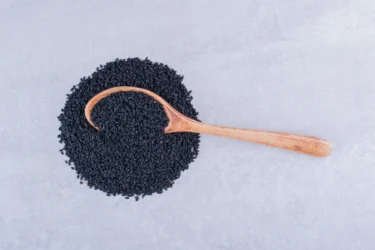
2There have been recipes of mustard seeds from 5000 years ago that recommend mustard seeds as an appetizer. The scientific name of brown mustard is Brassica juncea, which belongs to the family Brassicaceae or Cruciferae. Its common name includes Indian mustard, oriental mustard, and sarson. During the old times, mustard was used for snake or scorpion bites in Grece. Whereas leaves, seeds, and seed oil has been used for medicinal purpose in India and China. Let us look at some of the medicinal value of mustard seeds.
Mustard seeds may contain bioactive compounds like sterols, glucosinolates, and isothiocyanates1. Mustard seeds may also contain the following nutritional components:
Did you know?
Several studies have shown that mustard seeds are beneficial to humans, and a few properties of mustard seeds are:
Based on certain Ayurvedic literature I read, mustard seeds are mentioned as an ingredient in certain formulations used for specific purposes. These may be inducing vomiting, cleansing the cranial cavity, and administering decoction enemas. These formulations are typically recommended for conditions such as vomiting, mental disturbances, excessive gas, paleness, jaundice, and nasal congestion. It is believed that mustard seeds possess properties that might make them beneficial for addressing these issues12.
Dr. Siddharth Gupta, B.A.M.S, M.D (Ayu)
Some of the potential mustard seed uses are:
A study3 by Das et al. in 2022 showed that mustard seeds might have antioxidant activity. The antioxidant potential of mustard seeds may be due to glucosinolates and omega-3 fatty acids. These compounds may deactivate the free radicals (harmful molecules present in the body) and protect the body from various damages3.
A study4 by Bi et al. in 2015 showed that carotene and phenolic compounds in mustard seeds might be beneficial for diabetes mellitus. These compounds may release insulin from the pancreas and maintain normal glucose levels. Insulin is a hormone that helps to maintain normal blood sugar levels in the body4. Further studies are yet to be done to check if mustard seeds may be beneficial in the case of diabetes. Check your blood sugar levels regularly and consult your doctor in case of abnormal blood sugar levels.

A study5 by Ahmed et al. in 2020 showed that mustard seeds might be used for lung cancer. Glucosinolates in mustard seeds may inhibit the growth of cancerous cells and cause their death. It may also protect the DNA from damage5. However, more studies are yet to be done to see if mustard seeds may help against cancer. Cancer is a serious disease; therefore, you must consult your doctor immediately if you suspect any cancer symptoms. Do not self-medicate.
A study6 by Khan et al. in 2016 showed that mustard seeds might possess antibacterial and antifungal activity. Mustard seeds may inhibit the development of gram-positive and gram-negative bacteria like E. coli, B. subtilis, and Rhodococcus spp. In addition, mustard seeds may inhibit the activity of fungi like Aspergillus niger, Aspergillus flavus, and Trichoderma harzianum6. However, further large-scale studies are required to check if mustard seeds may act against bacterial and fungal infections. You must immediately consult your doctor if you suspect a bacterial or fungal infection.
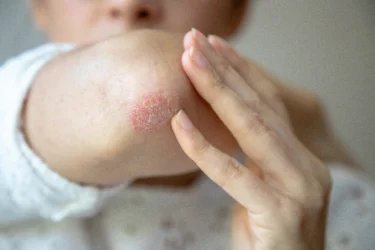
Psoriasis is an inflammatory autoimmune disease. A study7 by Yang et al. in 2013 showed that mustard seeds might fight against psoriasis. Mustard seeds may reduce inflammation caused by psoriasis7. However, more studies are required to check whether mustard seeds may benefit psoriasis. Therefore, you must consult your doctor if you suspect any symptoms of psoriasis.

A study11 by Avallone et al. in 2019 showed that mustard seeds might be beneficial to disorders related to the nervous system. Polyunsaturated fatty acids may be beneficial for diseases like Alzheimer’s disease and Parkinson’s disease3. However, further studies are required to check if mustard seeds may be beneficial for Alzheimer’s disease and Parkinson’s disease. Therefore, you must immediately consult your doctor for neurodegenerative disorders.

A study8 by Bhat et al. in 2013 showed that mustard seeds might help to reduce inflammation. Mustard seeds may inhibit the release of inflammatory mediators (molecules responsible for inflammation8. However, more studies are yet to be done to check the anti-inflammatory activity of mustard seeds. Therefore, you must consult your doctor if you suspect any inflammation.

A study8 by Bhat et al. in 2013 showed that mustard seeds might help to reduce pain. It may reduce pain by inhibiting the release of molecules responsible for inflammation and the COX enzyme (that causes pain). This property of mustard seeds was measured on Eddy’s hot plate model8. However, further studies are required to check if mustard seeds can reduce pain. Therefore, you must consult your doctor if you experience pain for a prolonged period.
Though studies show the benefits of mustard seeds in different conditions, these are insufficient, and need more studies to establish the true extent of the benefits of mustard seeds on human health.
One intriguing traditional use of mustard seeds that I have come across is their application in certain conditions such as tumours of the thyroid gland and lymphadenitis. In these cases, a paste made from mustard seeds along with other herbs is recommended for external application. This practice suggests that mustard seeds may have some unique properties that are believed to be beneficial in addressing these specific health concerns12.
Dr. Rajeev Singh, BAMS
According to Ayurveda, mustard seeds can be consumed in the following ways:
You must consult your doctor before taking mustard seeds in large quantities or any herbal supplements. Likewise, consult a qualified doctor before discontinuing or replacing an ongoing modern medical treatment with an ayurvedic/herbal preparation.
Also Read: Lemon (Nimbu): Uses, Benefits, Side effects By Dr. Smita Barode
From my knowledge and observations, I have noticed that mustard seeds may have a positive effect on relieving symptoms of rheumatic arthritis. Mustard seeds contain certain compounds that possess anti-inflammatory properties, that might help reduce inflammation in the joints and alleviate the associated pain. While this is an interesting finding, it is important to note that further research is needed to fully understand and validate the potential benefits of mustard seeds for rheumatic arthritis12.
Dr. Smita Barode, B.A.M.S, M.S.
Side effects of mustard seeds, according to Monsalve et al. in 2001, are reported as follows:
If you notice any reaction from mustard seeds, seek immediate medical attention. First, consult your ayurvedic doctor who has prescribed it; doctors can find the cause and treat it effectively.
The following precautions shall be taken before consuming mustard seeds:
It is advised to consult your doctor before consuming mustard seeds if you have any pre-existing diseases.
Mustard seeds may interact with the following drugs:
You must consult your doctor before consuming mustard seeds if you are undergoing medical treatment.
There are several medicinal uses for mustard seeds. It may be used against diabetes, cancer, psoriasis, fungi, and bacteria and act as an antioxidant. It may be used for neurodegenerative disorders like Alzheimer’s disease and Parkinson’s disease. Additionally, it may reduce pain and inflammation1,3,4,5,6,7,8. However, you must consult your doctor; if you experience any above symptoms, consult your doctor and do not self-medicate.
Mustard seeds may contain carbohydrates, proteins, sugars, and fats. It may contain minerals like iron, calcium, magnesium, phosphorus, sodium, potassium, selenium, copper, zinc, and manganese. Mustard seeds may contain vitamins like Vitamin A, B1, B2, B3, B5, B6, B9, C, E and K1,2.
Mustard seeds may cause urticaria (swollen, reddened, and itchy skin), eczema on the hands (skin becomes dry and itchy), asthma, rhinitis (runny nose), angioedema (swelling of the lower layer of skin), oral pruritis (itchy mouth), and wheezing with shortness of breath9. First, meet your ayurvedic doctor who has prescribed it to you; they will be able to identify the cause and treat it effectively.
Mustard seeds may interfere with antacids (used for acidity). It may also interact with warfarin (a drug used to avoid blood clots)10. You must consult your doctor before consuming mustard seeds if you are undergoing medical treatment.
Carotene and phenolic compounds in mustard seeds might be beneficial for diabetes mellitus4. However, consult your doctor in case of abnormal blood sugar levels.
Disclaimer: The information provided here is for educational/awareness purposes only and is not intended to be a substitute for medical treatment by a healthcare professional and should not be relied upon to diagnose or treat any medical condition. The reader should consult a registered medical practitioner to determine the appropriateness of the information and before consuming any medication. PharmEasy does not provide any guarantee or warranty (express or implied) regarding the accuracy, adequacy, completeness, legality, reliability or usefulness of the information; and disclaims any liability arising thereof.
Links and product recommendations in the information provided here are advertisements of third-party products available on the website. PharmEasy does not make any representation on the accuracy or suitability of such products/services. Advertisements do not influence the editorial decisions or content. The information in this blog is subject to change without notice. The authors and administrators reserve the right to modify, add, or remove content without notification. It is your responsibility to review this disclaimer regularly for any changes.
21
1Rambutan is a fascinating looking red spiky fruit with soft thorns in red, yellow, and green shades. It is also known as a hairy fruit. It is a tropical, ovoid shaped fruit with a red or yellow fruit wall. The Rambutan tree is originally from Malaysia, and its name is derived from the Malay word ‘rambut’ which means hair. Rambutan is popularly grown in India, Malaysia, Indonesia, Thailand, and some humid parts of the United States. The scientific name of rambutan is Nephelium lappaceum, and it belongs to the family Sapindaceae. Rambutan pulp, seeds and peel have several bioactive compounds that may benefit food, pharmaceuticals, medicine, and cosmetics advances1. Let us glance through some of the benefits of eating rambutan and experience the unique rambutan taste, characterized by its sweet and juicy profile with hints of floral notes.
Rambutan seeds, peel and pulp may contain several bioactive compounds like polyphenols, including ellagitannins, geraniin, corilagin, and ellagic acid. It may contain fatty acids like arachidonic acid, stearic acid, palmitic acid and many more1. Furthermore, Rambutan fruit may contain the following nutrients:
Did you know?
Several studies have shown that rambutan may have the following properties:
Rambutan seeds are roasted and eaten as snacks in the Philippines. Munching on these seeds as a morning or evening snack not only satisfies your taste buds but also offers rambutan benefits for health and well-being14.
Dr. Siddharth Gupta, B.A.M.S, M.D (Ayu)
Some of the potential rambutan benefits are:
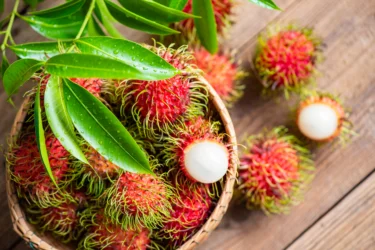
A study3 by Hernàndez et al. in 2017 showed that rambutan might be an antioxidant. The antioxidant potential of rambutan may be due to phytochemical compounds like phenols, flavonoids, corilagin, geraniin, and ellagic acid. These compounds may deactivate the free radicals (harmful molecules present in the body) and protect the body from various damages.
A study by Perumal et al. in 2020 showed that rambutan might act against breast, bone, cervical and liver cancer. The anticancer activity of rambutan may be due to bioactive compounds like flavonoids, alkaloids, tannins, terpenoids and other phenolic compounds like geraniin. Rambutan benefits may show apoptosis (kill the cancer cells) and inhibit their growth. However more studies are required to check if rambutan can be used against cancer. Cancer is a serious disease therefore, you must consult your doctor if you suspect cancer instead of self-medicating.

Rambutan is a delicious tropical fruit that might offer potential benefits for diabetes management. A study by Muhtadi et al. in 2016, conducted on rats, suggested that bioactive compounds found in rambutan, such as catechin, quercetin, polyphenols, geraniin, and tannins, could contribute to reducing blood sugar levels. These compounds may help inhibit glucose absorption by the cells and stimulate insulin secretion, potentially assisting in the maintenance of normal blood sugar levels. It’s important to note that this study was conducted on animals, and further research on humans is needed to confirm the potential rambutan benefits for diabetes. If you have diabetes it’s essential to monitor your blood sugar levels regularly and consult with your healthcare provider for appropriate guidance.

A study6 by Ahmad et al. in 2015 showed that geraniin in rambutan might have anti-viral activity and act against DENV-2 (dengue virus type-2). Geraniin may inhibit the attachment of the dengue virus to the body cells and may also interfere with a viral protein (E protein) to disrupt the infection process. However, further studies are required to check if rambutan may act against the dengue virus. Therefore you must immediately consult your doctor if you suspect any symptoms of dengue.
A study7 by Chingsuwanrote et al. in 2015 showed that the polyphenols in rambutan might reduce inflammation. The polyphenols may inhibit the secretion of TNFα, an inflammatory cytokine (molecules in the body responsible for inflammation). However, more studies are required to check if rambutan has anti-inflammatory properties.
A study8 by Phuong et al. in 2020 showed that bioactive compounds in rambutan, like tannins, corilagin, geraniins, and ellagic acid, may possess antibacterial activity. Various bioactive compounds have different ways of showing their antibacterial activity. Tannins may change the structure of the cell wall and cell membrane. Ellagic acid may attach to the cell wall and destabilize it. Corilagin may inhibit the growth of bacteria by disrupting cell permeability. However, more large scale studies are required to check the antibacterial effect of rambutan. Therefore you must consult your doctor if you suspect a microbial infection.

A study9 by Fang et al in 2018 suggested that rambutan fruit benefits might extend to lowering blood pressure. Specifically, geraniin found in rambutan may play a role in reducing blood pressure by decreasing the release of noradrenaline (a hormone that increases blood pressure) and relaxing tension in the blood vessels. Further research involving human subjects is needed to confirm these effects. It’s essential to consult your doctor if you have abnormal blood pressure instead of attempting self-medication.
Though studies show the benefits of rambutan in various conditions, these are insufficient, and there is a need for further studies to establish the true extent of the benefits of rambutan on human health.
Researchers are evaluating the anti-HIV, anti-dengue and anti-allergic properties of Rambutan. These activities have been observed during lab trials more research is needed to support these claims14.
Dr. Rajeev Singh, BAMS
Rambutan can be consumed in the following way:
You must consult a qualified doctor before taking large quantities of Rambutan or other herbal supplements. Likewise, do not discontinue or replace an ongoing treatment of modern medicine with an ayurvedic/herbal preparation without consulting a qualified doctor.
Rambutan side effects are reported as follows:
If you notice any reaction by consuming rambutan, seek immediate medical attention. First, consult your ayurvedic physician who has prescribed it to you; they will be able to identify the cause and treat it.
The following precautions can be taken before consuming rambutan:
It is advised to consult your doctor before consuming if you have any pre-existing diseases.
There is not enough evidence on the interaction of rambutan with other drugs. Further studies on the interaction of rambutan are required. Therefore you must consult your doctor if you are on any other medication before consuming rambutan.
Also Read: Nirgundi: Benefits, Uses, Side Effects & More!
Rambutan may cause nausea and vomiting, angioedema (swelling of the lower layer of skin), urticaria (swollen, reddened, and itchy skin), flushing of the skin (sudden redness of the skin), chest tightness, and wheezing11.
Bioactive compounds in rambutan, like catechin, quercetin, polyphenols, geraniin, and tannins, may help to reduce blood sugar5. However, you must check your blood sugar levels regularly and consult your doctor in case of abnormal blood sugar levels
Rambutan is considered safe, but pregnant and breastfeeding mothers shall take precautions before consuming rambutan12. Saponins and tannins are phytochemicals, and they are biologically active compounds. But in a few cases, saponins and tannins may be toxic to a few people. In addition, rambutan seeds may be narcotic (causes sleepiness and affects mood)13. It is advised to consult your doctor if you have any pre-existing diseases before consuming.
Rambutan seeds are generally not recommended for consumption as they can be bitter and potentially toxic. It’s advisable to consult with a healthcare professional for personalized guidance regarding your dietary choices and potential risks associated with consuming rambutan seeds.
While rambutan consumption is not commonly associated with sore throat, individual reactions may vary. If you experience a sore throat after consuming rambutan or suspect any adverse reactions, it’s advisable to consult with a healthcare professional for a personalized assessment and guidance.
Consuming rambutan is generally safe for most individuals. However, if you experience digestive discomfort, allergies, or any adverse reactions after consuming rambutan, it’s advisable to consult with a healthcare professional for a proper assessment and personalized guidance to determine the cause of the illness.
Rambutan is not a known food source that significantly increases uric acid levels. However, individual reactions can vary, and those with gout or uric acid concerns should consume it in moderation and monitor their own body’s response. If you have specific health concerns, consulting a healthcare professional is advisable for personalized guidance.
Rambutan should be avoided for dogs as it can pose a choking hazard due to its large seed and may not provide significant nutritional benefits for them. It’s best to consult with a veterinarian for guidance on safe and appropriate treats for your pet.
Rambutan is typically safe to eat, but for some individuals, overconsumption or sensitivity to certain compounds in the fruit might lead to stomach discomfort or pain. If you experience stomach pain after consuming rambutan, consult a healthcare professional to rule out any allergies or sensitivities and to ensure it aligns with your dietary choices.
While rambutan is generally not associated with causing constipation, excessive consumption or dietary factors could potentially lead to this issue in some individuals. If you encounter constipation after eating rambutan, consult a healthcare professional to assess your dietary choices and address any underlying causes.
Rambutan is not commonly linked to causing acne. However, an individual’s skin reactions can vary, and it’s possible that consuming rambutan, especially in excessive amounts, might lead to skin issues for some people. Consulting a healthcare professional or dermatologist can help identify any specific triggers and address potential skin concerns.
Rambutan is not a known cause of cough. Coughing can result from various factors such as infections, allergies, or irritants. If you experience persistent coughing after consuming rambutan, consult a healthcare professional to rule out any allergies or underlying respiratory issues.
There is no scientific evidence to suggest that rambutan can cause a miscarriage. However, during pregnancy, it’s crucial to be cautious about your dietary choices and consult a healthcare professional for guidance on safe and healthy eating practices to support a healthy pregnancy.
Rambutan consumption is generally safe, but excessive intake may lead to diarrhea in some individuals due to its natural sugars and dietary fiber. If you experience persistent or severe diarrhea after eating rambutan, consult a healthcare professional to assess any underlying issues and ensure proper hydration and dietary choices.
To eat rambutan, start by making a shallow cut around the circumference of the fruit’s skin, being careful not to cut too deep. Then, gently twist the fruit open, revealing the juicy flesh inside. Remove the seed and enjoy the sweet and slightly tangy fruit.
No, rambutan is not a tree nut. It is a tropical fruit belonging to the Sapindaceae family and is botanically related to lychee and longan. While it may trigger allergies in some individuals, it is not classified as a tree nut allergen.
Disclaimer: The information provided here is for educational/awareness purposes only and is not intended to be a substitute for medical treatment by a healthcare professional and should not be relied upon to diagnose or treat any medical condition. The reader should consult a registered medical practitioner to determine the appropriateness of the information and before consuming any medication. PharmEasy does not provide any guarantee or warranty (express or implied) regarding the accuracy, adequacy, completeness, legality, reliability or usefulness of the information; and disclaims any liability arising thereof.
Links and product recommendations in the information provided here are advertisements of third-party products available on the website. PharmEasy does not make any representation on the accuracy or suitability of such products/services. Advertisements do not influence the editorial decisions or content. The information in this blog is subject to change without notice. The authors and administrators reserve the right to modify, add, or remove content without notification. It is your responsibility to review this disclaimer regularly for any changes.
7