
Dandruff is also known as Seborrhoea which is an endogenous eczema of the oily areas of the scalp, and sometimes even the moustache, beard, and eyebrows. It is not a condition that can be permanently “cured”, in the traditional sense, nor is there a one-time solution. Rather, it is a chronic issue that tends to require ongoing management.
Home remedies may help with mild cases of dandruff. However, when the condition is severe, it is advised to seek medical treatment which can help manage this problem1.
Dandruff is more than just an aesthetic concern, it’s often the result of complex underlying factors, including the presence of a common scalp fungus. One of the primary causes is a yeast-like fungus called Malassezia, which naturally exists on the scalp. However, when it begins to grow excessively, it can lead to irritation, scalp damage, and severe dryness. Here are some of the factors that may contribute to the development of dandruff1,2:
Dandruff can be of various types, each presenting with distinct characteristics and requiring tailored treatment approaches. These include3,4,5:
Understanding the type of dandruff you have is crucial for effective care. Consult a skin doctor (dermatologist) to identify the exact type of dandruff and get the right treatment for long-lasting relief.
| Signs | Causes | Risk Factors |
| Flaky skin from scalp, eyebrows, shoulders | Skin irritants Oily skin Dry skin Skin conditions like psoriasis, eczema | Age: typically occurs in young adults and continues to middle age (may be lifelong) |
| Itchiness on the scalp | Reaction to harsh chemicals in hair products | Sex: Males are more likely to develop dandruff than females |
| Scaly skin with a crusty appearance (particularly in infants) | Malassezia yeast infection | Existing illnesses: HIV, Parkinson’s and diseases affecting the immune system may all increase the risk of developing dandruff |
If you’re looking for a more natural way to manage dandruff, there are many natural dandruff home remedies that may be beneficial.
However, it’s important to understand that achieving noticeable results requires more than simply applying a mixture to your scalp. You will need to gather the right ingredients (many of which may already be in your kitchen) and combine them in the proper ratios. Once prepared, each mixture should be applied following a recommended method to ensure maximum benefit.
Natural treatments can be a great option for mild dandruff and as part of a regular scalp care routine. While they may not offer a permanent “cure,” they can significantly reduce the visible signs of dandruff and help restore your confidence by keeping your scalp clean, calm, and flake-free6. If you’re wondering how to get rid of dandruff naturally, let us understand how regular care can maintain and keep the scalp inflammation free for longer.

ACV is said to be one of the best natural remedies to treat severe dandruff. However, there is a prescribed way in which you need to prepare the paste. Here are some easy steps you need to know for preparing ACV for dandruff4,5.
Preparation of ACV Solution:
Note: You should not excessively use ACV on your hair; daily application is not recommended. You may find it beneficial to use it once every two days for dandruff but ensure to seek prior guidance from a dermatologist.
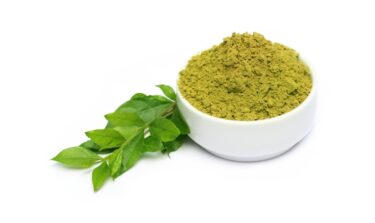
You may benefit from using henna for dandruff. Henna helps clean the scalp and softens hair. Here is how you can prepare the henna mix for your hair4.
Preparation of the Henna Mixture:
Henna needs to be prepared the right way and this mix has a prescribed manner in which it needs to be prepared so make sure you talk to a doctor before using this for your hair. A general guideline is as follows:
Note: Henna is natural and this is one simple way that may help you get rid of dandruff..
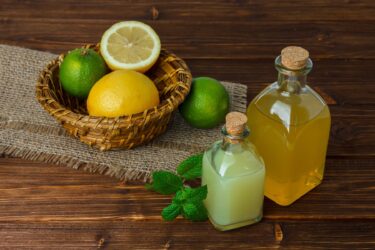
Coconut oil helps keep the hair nourished, and when this is mixed with a little lemon juice, it may help in reducing dandruff. Follow these simple tips with the advice of a dermatologist, to help with dandruff4,8.
Preparation of Coconut Oil with Lemon:
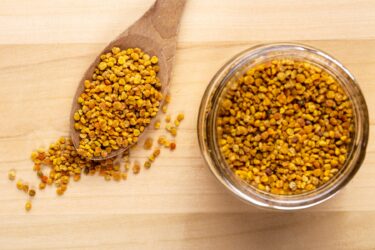
Fenugreek seeds or methi seeds are used to help reduce dandruff4,8.
Preparation of the Fenugreek Seeds Mixture:
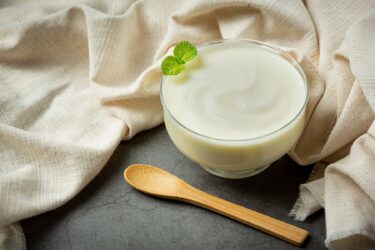
Curd applied to your hair may be effective to help with dandruff4.
Preparation of Curd for Dandruff:
Here are some easy tips to help with dandruff using curd. Here is how you do it.

Neem has beneficial properties that may help with dandruff. This herb is found in most shampoos as one of the main ingredients. If you’re seeking an effective dandruff treatment at home, incorporating neem into your routine can be a natural and convenient dandruff solution10.
Preparation of Neem Juice:
Here is how you prepare neem juice mix before applying it to your hair and this will help cure dandruff.
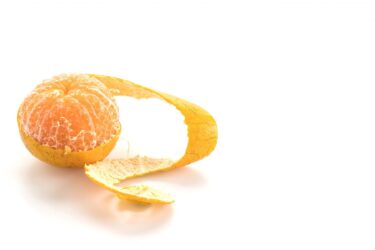
Orange peel is said to work well as a very good remedy for treating dandruff at home. But you need to keep in mind as for how you need to prepare this mix. Orange peel is said to contain calcium, magnesium, vitamin A and dietary fibres which are good for your body. Orange peel can be made as a mixture in the following manner and applied to your scalp and hair to help with dandruff4.
Preparation of the Orange Peel Mixture:
Note: Use it for least thrice a week to see results.

Vinegar has medicinal properties that can help remove fungus and this can be seen as an easy remedy to get rid of dandruff the easy way. This also helps in treating various skin related problems like acne and itchiness in the scalp4.
Preparation of the Vinegar Mixture:
Here are some easy steps that you need to keep in mind while preparing vinegar mix to get rid of dandruff.
Note: You can use this in the morning before you apply shampoo in your hair. Vinegar will help reduce the dryness and remove the itchiness that you are facing.
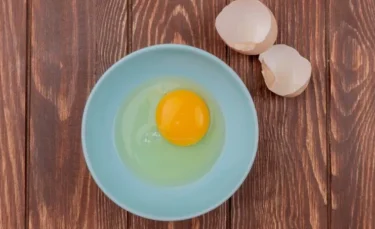
Egg yolk contains biotin which is a vitamin that helps with dandruff. Egg yolks can act as conditioners for your hair that can make it healthier9. For those seeking effective home remedies for dandruff, incorporating egg yolk into a hair care routine may provide a natural and nourishing solution.
Preparation of the Egg Yolk Mixture:
In order to prepare the egg yolk mixture, you will have to remove the white layer that surrounds the yolk. Always remember that the yolk is more beneficial than the white layer that surrounds it. Here are some simple steps that you need to follow when you are making egg yolks.
Note: You can follow this method to help with dandruff in the morning while having a bath or anytime as per your bath schedule. You may need to do this thrice a week to see results.
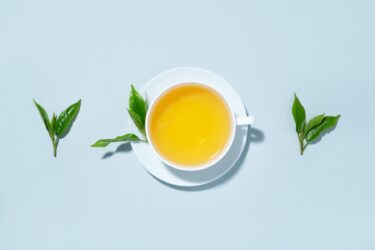
Green tea has antifungal properties and it is an antioxidant that can restore the health of the scalp7.
Preparation of Green Tea:
Note: This can be followed in the mornings when bathing.
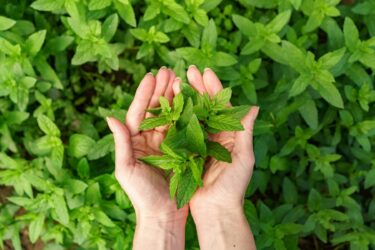
Basil leaves have antifungal and antibacterial properties that can help with dandruff. These leaves can also help your scalp become strong and stay healthy4,8.
Preparation of the Basil Leaves Paste:
Note: You need to incorporate this to your hair care routine as recommended by a doctor to observe results.
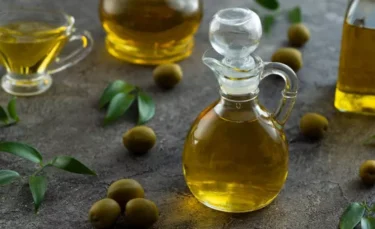
Olive oil may help strengthen the scalp, promoting overall hair health4,8.
Preparation of Olive Oil:
Note: You can also apply some olive oil before you go to bed. Wrap your hair with a towel and let it absorb overnight and wash the hair in the morning with shampoo.
Mouthwash have antifungal properties that can fight the yeast responsible for preventing the growth of this yeast8.
Preparation of the Mouthwash Solution:
Note: You can do this in the mornings during your shower.

Banana and ACV may help with dandruff. This is because bananas are rich in vitamin B which helps in improving blood circulation and keeps skin healthy, while, ACV is known for its fungicidal properties4.
Preparing the Mixture of Banana with ACV:
Note: You can use this method early mornings or in the night before having your shower.

Garlic has antifungal properties that may help reduce certain microbes that are responsible for causing dandruff4.
Preparation of the Garlic Paste:
Note: You may find it helpful to use this natural method for dandruff by using it in the mornings or in the night before you have a shower.
Simple dietary modifications can play an important role in reducing the appearance of dandruff. Ensure to consult a doctor before making any changes to your diet4.
Some dietary changes include:
Also Read: Natural Home Remedies for Open Pores
Getting rid of dandruff can be a burden, however, if you follow these simple steps on a day-to-day basis, you may find it helpful1.
Correct diagnosis and treatment by a dermatologist are crucial, as dandruff is often mistaken for other conditions such as psoriasis, which results from a fungal infection on the scalp. The use of appropriate antifungal shampoos or lotions recommended by a dermatologist is necessary for addressing dandruff, as home remedies alone may be inadequate.
Dr. Arpit Verma, MBBS, MD (Pharmacology)
Also Read: 8 Best Anti-Aging Foods to Look Younger
Dandruff can be effectively managed with the right care, whether through natural remedies or medical treatment. Understanding your scalp type and the right treatment is key to long-term relief and healthier hair. Always consult a doctor before trying anything new to make sure it is right for your situation.
Also Read: Effective Home Remedies For Frizzy Hair
Yes. While often overlooked, a scalp brush can help reduce dandruff in several ways:
– Removes buildup: Helps eliminate excess oil and dead skin cells that contribute to dandruff. Use the brush in small, circular motions to avoid tangling.
– Enhances shampoo effectiveness: Using a scalp brush while shampooing can improve cleansing and product absorption.
– Stimulates the scalp: Regular use (2 to 3 times per week) can improve blood circulation, promote hair growth, and strengthen hair shafts.
Dandruff can occur at any time of the year, but it is more common during the winter months when the scalp becomes itchy and dry, and itching can lead to flakes that build up and cause dandruff. To manage it, use a moisturising shampoo 2 to times a week, oil your scalp, and avoid heat styling, which can further dry out the scalp.
No, dandruff is not contagious. It is a non-infectious scalp condition caused by factors like genetics, an oily scalp, dry skin, or sensitivity to hair care products.
Yes. Stress doesn’t directly cause dandruff but can worsen existing scalp conditions by affecting the immune system and hormone levels. Managing stress can help improve scalp health.
Dandruff does not directly cause hair loss, untreated severe dandruff may lead to scalp inflammation, which can contribute to temporary hair shedding.
Dandruff can be effectively reduced through various methods:
– Using anti-dandruff shampoos containing active ingredients like pyrithione, zinc, or ketoconazole.
– Regularly washing the hair with a gentle shampoo to keep the scalp clean.
– Managing stress levels, as stress can worsen dandruff.
– Identifying and addressing any underlying scalp conditions.
– Practising good scalp hygiene and avoiding scratching to prevent scalp irritation.
Yes, curd can help remove dandruff. Its natural properties, such as lactic acid and probiotics, help soothe the scalp, reduce itchiness, and control dandruff when applied regularly as a hair mask or treatment.
There is no direct evidence linking dandruff to acne. Dandruff is primarily a scalp condition, while acne is associated with the skin’s oil glands and hair follicles. It’s advisable to consult a dermatologist for personalised advice.
There is no scientific evidence supporting the idea that dandruff causes the premature greying of hair. Greying is primarily influenced by genetics and age-related factors, while dandruff is a scalp condition related to the overgrowth of yeast and shedding of skin cells.
No, dandruff itself does not cause lice. Lice are typically spread through direct head-to-head contact or by sharing personal items like combs and hats. While dandruff and lice both affect the scalp, they have different causes and require distinct treatments.
Yes, dandruff can cause itching. The flakes and irritation associated with dandruff can lead to an itchy scalp, causing discomfort and the urge to scratch.
1. Australia H. Dandruff [Internet]. www.healthdirect.gov.au. 2023 [cited 2025 May 5]. Available from: https://www.healthdirect.gov.au/dandruff
2. Services D of H & H. Dandruff and itching scalp [Internet]. www.betterhealth.vic.gov.au. [cited 2025 May 5]. Available from: https://www.betterhealth.vic.gov.au/health/conditionsandtreatments/dandruff-and-itching-scalp
3. (PDF) AN OVERVIEW OF DANDRUFF AND NOVEL FORMULATIONS AS A TREATMENT STRATEGY. ResearchGate [Internet]. [cited 2025 May 5]; Available from: https://www.researchgate.net/publication/322931819_AN_OVERVIEW_OF_DANDRUFF_AND_NOVEL_FORMULATIONS_AS_A_TREATMENT_STRATEGY
4. Kronika Journal – ISSN:0023-4923 || Scopus Indexed Journal [Internet]. Kronika.ac. 2023 [cited 2025 May 5]. Available from: https://kronika.ac/wp-content/uploads/5-KKJ2356.pdf
5. Staff Dermatologists org. How to Get Rid of Dandruff: An Expert Guide — Dermatologists.org [Internet]. Dermatologists.org. 2023 [cited 2025 May 5]. Available from: https://www.dermatologists.org/dandruff/
6. Zaid AN, Jaradat NA, Eid AM, Al Zabadi H, Alkaiyat A, Darwish SA. Ethnopharmacological survey of home remedies used for treatment of hair and scalp and their methods of preparation in the West Bank-Palestine. BMC Complementary and Alternative Medicine [Internet]. 2017 Jul 5 [cited 2025 May 5];17(1). Available from: https://pmc.ncbi.nlm.nih.gov/articles/PMC5499037/
7. Chanchanok Nualsri, Nattaya Lourith, Mayuree Kanlayavattanakul. Development and clinical evaluation of green tea hair tonic for greasy scalp treatment. Journal of Cosmetic Science [Internet]. 2016 May [cited 2025 May 5];67(3):161–6. Available from: https://www.researchgate.net/publication/308149951_Development_and_clinical_evaluation_of_green_tea_hair_tonic_for_greasy_scalp_treatment
8. Gamage DGND, Dharmadasa RM, Abeysinghe DC, Wijesekara RGS, Prathapasinghe GA, Someya T. Ethnopharmacological Survey on Medicinal Plants Used for Cosmetic Treatments in Traditional and Ayurveda Systems of Medicine in Sri Lanka. Ullah R, editor. Evidence-Based Complementary and Alternative Medicine [Internet]. 2021 Jun 26 [cited 2025 May 5];2021:1–15. Available from: https://pmc.ncbi.nlm.nih.gov/articles/PMC8257331/
9. Jung J, Kwon KH. Rethinking of positive effects of eggs on hair in East Asia. Journal of Cosmetic Dermatology [Internet]. 2022 Nov 14 [cited 2025 May 5]; Available from: https://www.researchgate.net/publication/364366473_Rethinking_of_Positive_Effects_of_Eggs_on_Hair_in_East_Asia_A_Critical_Review
10. Sang SH, Gabriel Akyirem Akuwoah, Kai Bin Liew, Lee SK, Keng JW, Lee SK, et al. Natural alternatives from your garden for hair care: Revisiting the benefits of tropical herbs. Heliyon [Internet]. 2023 Nov 1 [cited 2025 May 5];9(11):e21876–6. Available from: https://www.ncbi.nlm.nih.gov/pmc/articles/PMC10685248/#:~:text=In%20recent%20years%2C%20there%20is
Disclaimer: The information provided here is for educational/awareness purposes only and is not intended to be a substitute for medical treatment by a healthcare professional and should not be relied upon to diagnose or treat any medical condition. The reader should consult a registered medical practitioner to determine the appropriateness of the information and before consuming any medication. PharmEasy does not provide any guarantee or warranty (express or implied) regarding the accuracy, adequacy, completeness, legality, reliability or usefulness of the information; and disclaims any liability arising thereof.
Links and product recommendations in the information provided here are advertisements of third-party products available on the website. PharmEasy does not make any representation on the accuracy or suitability of such products/services. Advertisements do not influence the editorial decisions or content. The information in this blog is subject to change without notice. The authors and administrators reserve the right to modify, add, or remove content without notification. It is your responsibility to review this disclaimer regularly for any changes.
 419
419  13
13Are you tired of using too many tissues for your issues with a runny nose? Do you want to be free of this runny nose? Then you have come to the right place. When there is mucous being discharged or dripping out of the nose, it is called a runny nose. It can be caused by the flu, a cold, colder outdoor temperature, or allergies. The inflammation of the nasal tissues is known as rhinorrhoea/rhinitis. You may experience a thin, mostly clear discharge in cases of rhinorrhoea or rhinitis1.
A runny nose can be caused by:
Congestion and runny nose are often seen together. Usually, the congestion goes away within a week1.
Congestion can also be caused by:
If you experience runny nose with watery eyes and other symptoms of allergy which recur every year in a particular season, you may be suffering from Seasonal allergic rhinitis, which may usually last for 2-3 weeks and should subside with medical interventions.
Dr. Ashish, M.B.B.S., M.D. in Clinical Pharmacology and Toxicology

There are several ways to drain the mucous from your sinuses and nose and relieve the symptoms. You can use the following methods to help you with your runny nose:
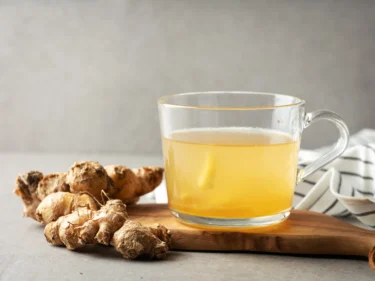
Hot liquids relieve congestion, soothe your nose and throat membrane, keep the body hydrated, and help fight viral infection. The following teas can be beneficial:

Like hot teas, hot soups clear the congestion, soothe the membranes and provide essential nutrients to the body to fight the illness. Chicken noodle soup is considered a worldwide classic hot soup. Other soups that can be taken are:
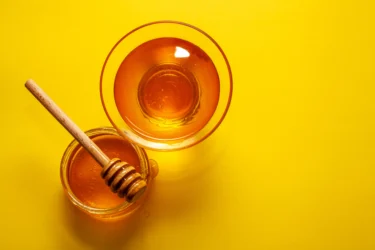
It is a natural remedy to manage a cough that might be accompanied by a runny nose. It has antibacterial properties that can fight infections. It is used in the following ways:
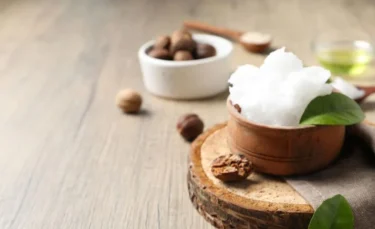
Shea butter can be applied to a child’s nose to relieve congestion. It is considered helpful for babies with a runny nose and is used in many African countries as their favourite remedy5.
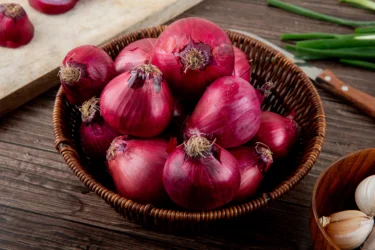
Onion peels can be placed on either side of the child’s bed. It is believed that onion absorbs germs and toxins and purifies the surrounding air to protect you from germs that could cause a runny nose.
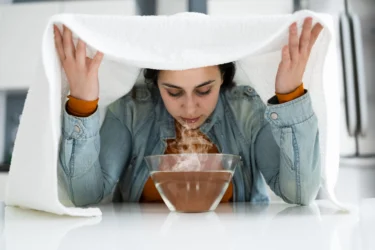
An herb called Mayani can be used. It smells like mint and is known for its expectorant (sputum expelling) properties. You can boil the Mayani leaves and inhale the steam. This might benefit you to get rid of a runny nose. It can also be substituted with menthol or eucalyptus oil in water.
Eat a spicy meal, the chemical in spicy foods, capsaicin, can help relieve a runny nose that is not caused by allergies. Capsaicin is the compound that gives chilli peppers their heat. While eating spicy foods, your runny nose may get worse at first, but in the long run, the heat will relieve your runny nose.
Dr. M.G. Kartheeka, MBBS, MD(Pediatrics)
Typically, a runny nose will go away on its own. However, you must seek medical help if you notice the following:
Also Read: Simple Home Remedies for Sneezing
When there is a discharge (mucous or clear) coming out of the nose, it is called a runny nose. It can be caused by the flu, cold, colder outdoor temperatures, or allergies. Mostly, a runny nose, congested nose, and stuffy nose go together. You might also experience sneezing, watery eyes, sore throat, cough, and sometimes fever. Several home remedies will help you get rid of a runny nose, including hot teas (ginger, cinnamon, lemon, passion fruit, and garlic), hot soups (vegetable, congee, chicken and vegetable, and lugaw), honey, shea butter, and onion. But if you notice unusual and severe symptoms, you must consult your doctor.
Also Read: 8 Home Remedies For Seasonal Allergies
A runny nose can be caused by flu, common cold, or sinus infection. Congestion and runny nose are often seen together, and therefore, congestion can also be caused by using nasal drops or sprays that were bought without a prescription for more than three days, hay fever (allergy caused by dust or pollen) or other allergies, nasal polyps, small objects in the nostril, vasomotor rhinitis, pregnancy, cold temperatures, and gustatory rhinitis1,2.
Yes, taking steam is considered a good remedy for runny nose.
Taking hot tea can be beneficial for a runny nose. Various teas are used worldwide, including ginger tea, cinnamon tea, lemon leaves tea, passion fruit and onion tea, garlic tea, and golden milk.
Yes, Neti pot is considered one of the home remedies for a runny nose1. A Neti pot is a container that removes the waste from your nose. It delivers a stream of salt water into your nose from one nostril, and the waste comes out from the other nostril.
Yes, turmeric is mixed in milk and is considered a good home remedy for a runny nose in India.
Disclaimer: The information provided here is for educational/awareness purposes only and is not intended to be a substitute for medical treatment by a healthcare professional and should not be relied upon to diagnose or treat any medical condition. The reader should consult a registered medical practitioner to determine the appropriateness of the information and before consuming any medication. PharmEasy does not provide any guarantee or warranty (express or implied) regarding the accuracy, adequacy, completeness, legality, reliability or usefulness of the information; and disclaims any liability arising thereof.
Links and product recommendations in the information provided here are advertisements of third-party products available on the website. PharmEasy does not make any representation on the accuracy or suitability of such products/services. Advertisements do not influence the editorial decisions or content. The information in this blog is subject to change without notice. The authors and administrators reserve the right to modify, add, or remove content without notification. It is your responsibility to review this disclaimer regularly for any changes.
11
Loose motions, often known as diarrhoea, are defined as loose, watery faeces (stools). If the loose stools occur three or more times in a single day, the individual is considered to have loose motions1. Loose motion can occur for various reasons, and they usually go away on their own after one to three days. However, you may need to go to the bathroom quickly when you have loose motions, which may occur more frequently than usual. Individuals may also feel bloated, have lower abdominal discomfort, and occasionally experience nausea.
Although most cases are self-limiting, complications such as dehydration, electrolyte imbalance, and even kidney failure may occur if not managed properly. To prevent this, it is essential to replenish fluids and electrolytes.
Loose motions can be classified as acute, persistent and chronic. The most common are acute loose motions, which last only one to two days with loose, watery diarrhoea2. This type does not require treatment and resolves itself typically after a few days. Persistent loose motions are diarrhoea that typically lasts for two to four weeks. Chronic loose motions last for longer periods of time, such as more than four weeks.
The most common causes of loose motions include:
In case of mild loose motions, a person may experience symptoms like:
In case of severe loose motions, a person may experience symptoms like:
To prevent dehydration, loose motions are treated by replenishing lost fluids and electrolytes. The individual may require medications to control the loose motions or treatment based on the disease condition. Adults with frequent bowel movements should drink water, fruit juices, sports drinks, caffeine-free sodas, and salty broths. Oral rehydration solutions should be provided to children with loose motions to restore lost fluids and electrolytes1. A few of the home remedies that will help to stop loose motions safely and naturally are:
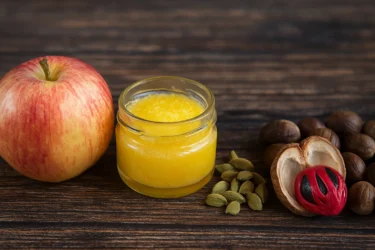
Cooking an apple with ghee, a pinch of cardamom and nutmeg and consuming this mix is helpful for the management of loose motions.
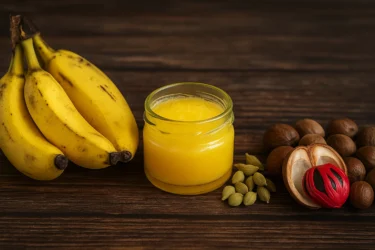
Mixing of one or two bananas with ghee, a pinch of cardamom and nutmeg is helpful for the management of loose motions by binding stools as it is rich in potassium content.
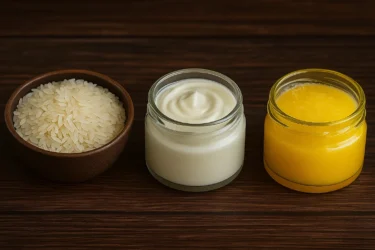
Eating cooked rice with yoghurt with ghee is also helpful for dealing with loose motions.
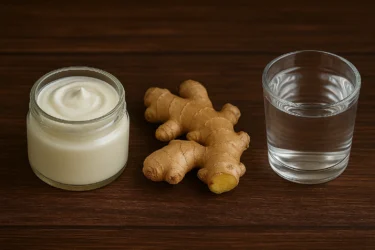
Mixing equal parts of water and yoghurt with freshly grated ginger is helpful for the management of loose motions.
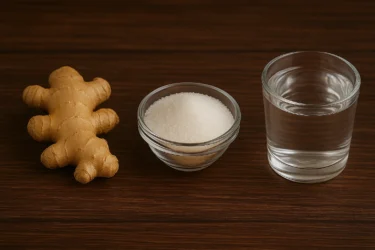
Consumption of ginger powder and raw natural sugar with warm water is helpful for loose motions.
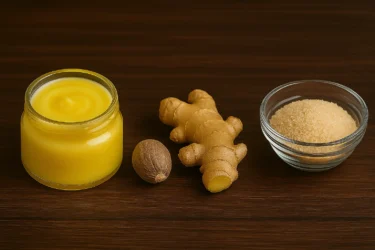
Consumption of a mixture of ghee, nutmeg, ginger powder and natural sugar, two to three times a day for two to three days, is helpful for the management of loose motions.
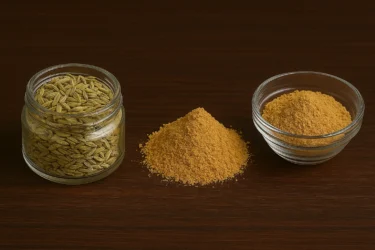
Chewing a mixture of fennel powder and ginger powder two to three times a day is a helpful remedy for loose motions.
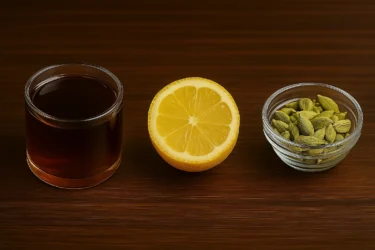
Drinking a cup of hot black tea with a pinch of lemon juice and a pinch of cardamom or nutmeg will help in the management of loose motions.
Self-administering antibiotics during episodes of loose motions is a common but incorrect practice. In cases of viral infections, antibiotics may not be necessary. It is advisable to consult a doctor for appropriate treatment and adhere to the recommended dietary precautions.
Dr. Arpit Verma, MBBS, MD (Pharmacology)
Also Read: Effective Home Remedies For Anal Fissure
The vast majority of mild loose motion situations do not necessitate medical intervention. These situations are self-limiting and resolve on their own without the need for medical intervention. The management of mild loose motions involve supportive therapy, which includes staying hydrated and eating bland diets. If you experience chronic loose motions, you should seek medical attention. For treatment of loose motions, consult a gastroenterologist (a doctor who treats digestive disorders). More severe types of loose motions may necessitate medical care.
Also Read: Home Remedies For Nausea By Dr. Rajeev Singh
Loose motions refer to frequent, watery stools, often caused by infection, food intolerance, or medication. While most cases resolve on their own, simple home remedies like ginger water, banana mixes, and black tea with nutmeg can help. If symptoms persist or worsen, seek professional care.
Also Read: Best Home Remedies For Gout
Yes, home remedies are available for loose motions. Simple home remedies that may help with loose motions include consuming yoghurt, ginger and water, rice, yoghurt and ghee, etc.
Viruses, bacteria and parasites from contaminated food or water, food intolerances, medicines, diseases of the gastrointestinal tract, malabsorption of food, radiation therapy and eating foods that upset the digestive system are the causative factors of loose motions1.
Yes, ginger tea is good for loose motions. Ginger tea can relieve cramps and pain associated with loose motions.
To stop loose motion quickly, focus on staying hydrated with clear fluids, follow a bland diet including bananas and rice, and consider probiotics to restore gut balance. Avoid triggering foods, caffeine and alcohol, and get sufficient rest. If symptoms persist or worsen, seek medical advice promptly.
Loose motion can range from mild to severe and is often a common symptom of gastrointestinal infections or food-related issues. In most cases, it resolves on its own without serious consequences. However, if accompanied by other concerning symptoms like dehydration, persistent high fever or blood in stools, it could indicate a more serious underlying condition and may require medical attention.
The duration of loose motion can vary depending on its cause and individual factors. In most cases, loose motion typically lasts for 1 to 3 days and resolves without medical intervention. However, if it persists for more than a few days or is accompanied by severe symptoms like dehydration or persistent fever, seeking medical advice is advisable to determine the underlying cause and appropriate treatment.
Yes, bananas can help stop loose motion due to their pectin content, which adds bulk to stools and aids in firming them up3. Additionally, bananas contain essential nutrients like potassium and electrolytes, which can help replenish lost fluids during diarrhoea. Including ripe bananas in your diet can be beneficial in managing loose motions.
Disclaimer: The information provided here is for educational/awareness purposes only and is not intended to be a substitute for medical treatment by a healthcare professional and should not be relied upon to diagnose or treat any medical condition. The reader should consult a registered medical practitioner to determine the appropriateness of the information and before consuming any medication. PharmEasy does not provide any guarantee or warranty (express or implied) regarding the accuracy, adequacy, completeness, legality, reliability or usefulness of the information; and disclaims any liability arising thereof.
Links and product recommendations in the information provided here are advertisements of third-party products available on the website. PharmEasy does not make any representation on the accuracy or suitability of such products/services. Advertisements do not influence the editorial decisions or content. The information in this blog is subject to change without notice. The authors and administrators reserve the right to modify, add, or remove content without notification. It is your responsibility to review this disclaimer regularly for any changes.
41
3The butterfly-shaped thyroid gland plays an essential role in regulating most of the metabolic processes of the body. Thermoregulation, influence over hormonal function, and weight management are just some of the important functions of this gland.
Those who suffer from thyroid problems can look at home remedies to deal with the issue more comprehensively, along with the medications prescribed by the doctor. It is essential to note that thyroid hormone-related disorders need to be treated by expert doctors sometimes, patients have to take medications for a prolonged period of time, even for the rest of their lives.
Before we get into home remedies, we need to cover the basic differences between hyperthyroidism and hypothyroidism based on their symptoms:
People suffering from hypothyroidism should avoid excessive consumption of cruciferous vegetables(cabbage, broccoli) and soy products; these foods contain goitrogens, which might interfere with the production of thyroxine hormone.
Dr. Nikhil Yadav, MBBS MD, CCEBDM
Also Read: Home Remedies For Strep Throat By Dr. Rajeev Singh
Based on these differences, you may get an idea of which form of thyroid issue you have, but always check with your doctor, who will recommend a thyroid test for a clear diagnosis.
Friendly Reminder: The information shared here is for educational purposes only, and the reader should consult a registered medical practitioner before implementing any changes to their health routine.
Did you know?
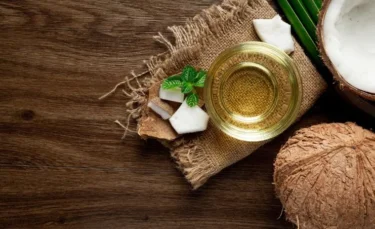
Coconut oil has medium-chain fatty acids that help in the better functioning of the thyroid gland. Coconut oil, specifically when taken in a non-heated form, helps lose weight, increases metabolism, and balances body temperature.
Unlike other types of oils, coconut oil has a high content of saturated fat. With the right combination of exercise and a properly balanced diet, coconut oil could be good for the thyroid glands.
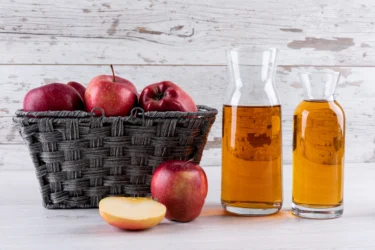
Apple cider vinegar helps in the balanced production and expression of some hormones to some extent. It might improve metabolism8
Apple cider vinegar might help regulate body fats, wash away toxins from the body, and absorption of nutrients. Apple cider vinegar can be added to water along with honey and can be taken every morning.

This is one of the easiest supplements for thyroid as it is easily available. Ginger is rich in essential minerals like potassium and magnesium, and might help to regulate inflammation, one of the primary causes of thyroid issues. It is easiest to have ginger tea.
It can also be used as an essential oil. If ginger is mixed with a carrier oil (coconut oil, for example) it can be applied to the body. Ginger oil can also be used via essential oil diffusers.

B vitamins are important for thyroid health, but they work in conjunction with other factors like iodine and selenium to support thyroid health. Including eggs, meat, fish, legumes, milk, and nuts in the daily diet might help with a steady supply of Vitamin B5.
Since the diet may not be able to meet the daily requirements, taking supplements will help.

The deficiency of vitamin D can contribute to thyroid problems. Since the body can produce it only when exposed to the sun, ensure that you get a minimum of 15 minutes of sunlight daily. An adequate vitamin D level will also lead to better calcium absorption and good immunity.
Some foods that are rich in Vitamin D are fatty fish like salmon and mackerel, dairy products, orange juice, and egg yolks4,1. If Vitamin D levels in the body are very low, supplements will be necessary. However, one must be cautious and consult with a doctor about dosage because too much vitamin in the body can be harmful.
Also Read: Home Remedies For Tonsillitis
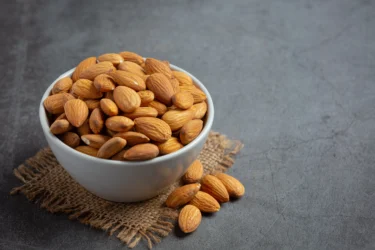
Most nuts are beneficial to the body in some way or another. Almonds might have a beneficial effect on thyroid function. They are a good source of protein, fibre, and minerals.
Almonds have selenium in small amounts, which is a healthy thyroid nutrient. It is also very rich in magnesium, which can keep the thyroid gland working very smoothly.
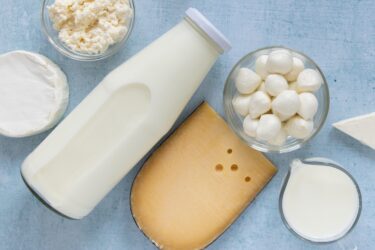
Milk, cheese, and yoghurt might be beneficial for the thyroid as they contain iodine1, a mineral that is essential for proper thyroid functioning. Consuming dairy products will also help with increasing vitamin levels, which in turn will help with thyroid problems.
Also Read: Home Remedies For Throat Infection By Dr. Siddharth Gupta

Mixed beans with kidney mung black and Soy Bean9 Healthy and Nutrition food concept style
Beans are a powerhouse of nutrition. They are rich in fibre, protein, essential minerals, and vitamins. Beans are rich in antioxidants and complex carbohydrates. Since beans are also very high in fibre, they might help with constipation, which is a common symptom of hypothyroidism.
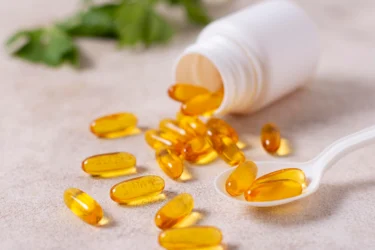
Another thing that might work in improper thyroid functioning could be taking iodine supplements. This becomes more important for those who are vegetarians and reside in areas with iodine insufficiency. These supplements restore the balance of iodine in the body and help with thyroid health. Supplementation should be done carefully under medical supervision to avoid excess iodine
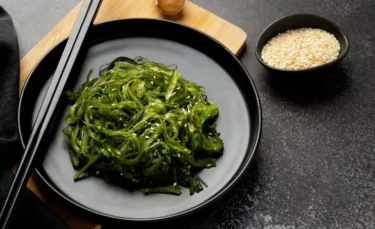
Seaweed is a type of very large algae that grows in saltwater and marshes. It typically contains high to very high concentrations of iodine. Iodine is an essential mineral required by the thyroid gland for the formation of thyroid hormones1.
However, please note that for both seaweed and iodine supplements, excessive amounts of iodine may itself result in poor thyroid function and goitre. Please check with your doctor before trying either of these out.

Needs to be changed to : Regular exercises have plenty of health benefits. This habit can help with managing thyroid hormone imbalances as well.
Discipline and focus are the keys to good thyroid health.
Also Reads: 8 Most Effective Foods To Fight Thyroid Disorders!
Over time, if hypothyroidism is left untreated, it can cause a number of health problems, such as obesity, joint pain, infertility, and heart disease7.
Weight gain or difficulty losing weight, constipation, dry skin, hair thinning, fatigue, enlarged thyroid, and hoarse feeling in your throat are some of the major warning signs for thyroid7.
If you have a thyroid hormone-related problem that is not treated in time, serious health complications can arise. An overactive thyroid (hyperthyroidism) can lead to a number of problems, including eye problems, such as bulging eyes, blurred or double vision, or even vision loss in the future6.
Testing for thyroid function typically does not require fasting. Thyroid blood tests, such as TSH, T3, and T4, can usually be done at any time of the day without the need for fasting. However, it is always best to follow your healthcare provider’s specific instructions.
Yes, thyroid disorders can cause headaches. Hypothyroidism and hyperthyroidism can both contribute to headache symptoms due to hormonal imbalances and their effects on the body’s systems. Proper management of thyroid conditions can help alleviate headache symptoms7.
Yes, thyroid disorders can affect menstrual periods. Hypothyroidism (underactive thyroid) and hyperthyroidism (overactive thyroid) can cause irregular menstrual cycles, heavier or lighter periods, and changes in cycle length due to hormonal imbalances. Proper treatment of thyroid conditions can help regulate menstrual cycles.
Yes, thyroid disorders can affect pregnancy. Both hypothyroidism and hyperthyroidism can impact fertility, pregnancy outcomes, and fetal development. Proper management and monitoring of thyroid levels are crucial for a healthy pregnancy. Ideally, thyroid hormone levels should be maintained in a healthy range well before conceiving7.
Yes, hyperthyroidism (an overactive thyroid) can cause weight loss due to an increased metabolic rate, leading the body to burn calories faster than usual. Conversely, hypothyroidism (an underactive thyroid) typically causes weight gain7.
Yes, thyroid disorders can cause hair loss. Both hypothyroidism and hyperthyroidism can disrupt the normal hair growth cycle, leading to thinning hair or hair loss. Proper treatment of the thyroid condition often helps restore normal hair growth7.
Yes, alcohol can affect thyroid function. Chronic alcohol consumption may interfere with thyroid hormone production and metabolism, potentially leading to thyroid dysfunction. It can also affect the gland’s ability to produce hormones, impacting overall thyroid health.
Thyroid disorders can often be managed effectively, but permanent cures are rare. Hypothyroidism typically requires lifelong treatment to control hormone levels. Hyperthyroidism might go into remission with effective medications for an appropriate time period. However, certain conditions like thyroiditis, may resolve on their own, and surgical options can provide a long-term solution for some thyroid issues.
Yes, thyroid patients can donate blood if their condition is well-managed and they meet all other eligibility criteria. It is important to ensure their thyroid levels are stable and they are not experiencing symptoms that could affect their ability to donate safely. Always check with the blood donation center for specific guidelines.
Yes, thyroid disorders can have a genetic component. Family history of thyroid conditions increases the likelihood of developing thyroid issues, suggesting a hereditary link. However, environmental factors and lifestyle choices also play significant roles in the development of thyroid diseases.
No, thyroid disorders are not contagious. They are medical conditions that result from various factors such as genetics, autoimmune issues, or environmental influences. Thyroid disorders cannot be transmitted from person to person like contagious diseases.
Disclaimer: The information provided here is for educational/awareness purposes only and is not intended to be a substitute for medical treatment by a healthcare professional and should not be relied upon to diagnose or treat any medical condition. The reader should consult a registered medical practitioner to determine the appropriateness of the information and before consuming any medication. PharmEasy does not provide any guarantee or warranty (express or implied) regarding the accuracy, adequacy, completeness, legality, reliability or usefulness of the information; and disclaims any liability arising thereof.
Links and product recommendations in the information provided here are advertisements of third-party products available on the website. PharmEasy does not make any representation on the accuracy or suitability of such products/services. Advertisements do not influence the editorial decisions or content. The information in this blog is subject to change without notice. The authors and administrators reserve the right to modify, add, or remove content without notification. It is your responsibility to review this disclaimer regularly for any changes.
476
24Many people suffer from fungal infections at least once in their lives. Poor hygiene, humidity and a warm climate are possible causes of fungal infections. Athlete’s foot, jock itch, and oral thrush are some common fungal infections affecting different parts of the body that may even occur repeatedly if you are prone to developing them. While over-the-counter medicines and antifungal creams are readily available in the market, a lot of fungi that cause these infections are already becoming resistant to some medications.
The good news is that most fungal infections respond well to certain home remedies and with increasing number of people looking for natural ways to deal with these infections nowadays, these simple methods can be of huge help. So, we’ve compiled a list of some commonly available home remedies that may help deal with fungal infections naturally, let us take a look at these in this blog. We’ll also discuss about the causes, symptoms and risk factors for fungal infection to help you manage this condition better.
Here are some common factors which make you susceptible to developing fungal infections:
Of millions of fungi species, only roughly 300 infect humans in any significant way. Here are a few common fungal infections and their causes1.
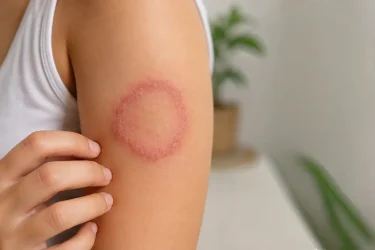
This infection presents as ring-shaped rashes on the body and limbs, causing itchiness. It is caused by fungi such as Microsporum, Trichophyton, Epidermophyton, and up to 40 other species.
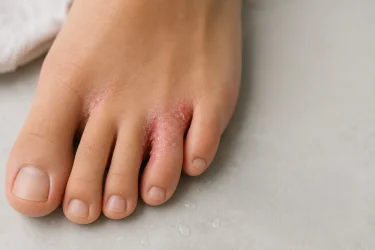
Similar to ringworm, athlete’s foot affects the feet, especially between the toes. It is characterized by red, scaly skin and is caused by fungi from the Dermatophyte group.
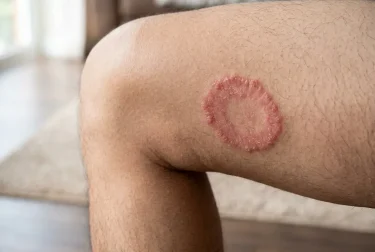
Common in men, jock itch occurs in the groin and thigh area. It appears as a red rash with itchiness that may worsen with exercise, and the skin may have a scaly appearance. This infection is also caused by the Dermatophyte group of fungi.
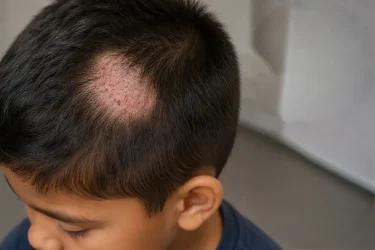
This infection affects the scalp and hair shafts, often seen in children. It can cause bald patches along with redness, tenderness, and sometimes pain. It is caused by fungi from the Dermatophyte group.
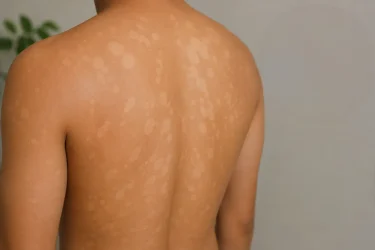
This condition is triggered by an overgrowth of Malassezia yeast, which is normally present on healthy skin. It results in oval patches on the skin, particularly on the chest, back, and arms, which are lighter or darker than the surrounding skin.
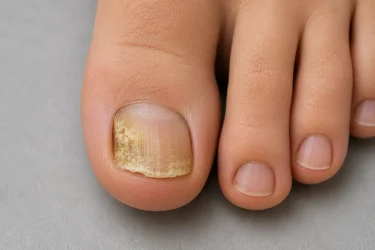
This infection occurs under the fingernails and toenails, leading to discolored and brittle nails, with an increase in nail thickness. It is primarily caused by Trichophyton, though many fingernail infections are due to Candida, a yeast-type fungus.
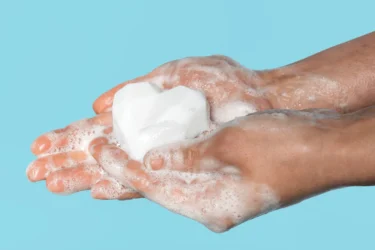
Ensure to clean the affected area with soap and water twice daily before you apply any home remedies or any other medication. This will control the spread of infection. While soap and water may not always be able to eliminate a fungal infection entirely, it helps to keep the spread down and lower the intensity of the infection.
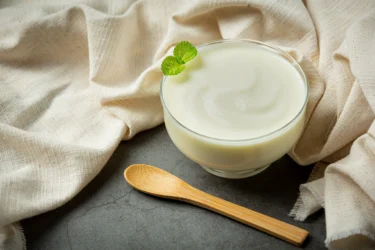
Yoghurt and other probiotics have an ample amount of good bacteria that help stave off many fungal infections. These fight off microbes that cause these infections2.
Fermented foods are another excellent source of probiotics. If these are not helping, you could use probiotic supplements that have more concentrated dosages of good bacteria. When considering supplements, its best to discuss with your doctor to understand the right type and dosage for your needs.
Apple cider vinegar is believed to have antifungal properties. You could mix two tablespoons in warm water and drink it up or dip a cotton ball in it and dab over your skin. Doing this thrice a day should produce beneficial results3.
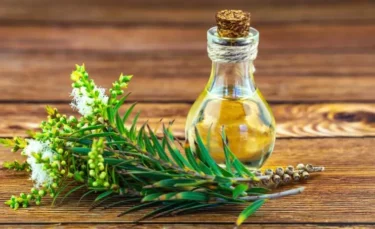
Tea tree oil is naturally antifungal and antibacterial. Mix it with any carrier oil like coconut oil or olive oil and dab over the infected area about three to four times a day. This can be an effective home remedy to treat fungal infections4.

In its unheated form, even coconut oil can work as a potent antifungal agent. Applying it over the skin makes it a good, safe topical medicine. Since it is easy on the skin, it is also useful to manage scalp ringworm. Using it over the skin three times a day, can show positive results.
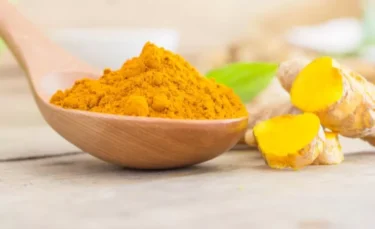
Turmeric is a potent antimicrobial and anti-inflammatory spice. Mix with a little water and apply over the infected area. This is one of the easiest home remedies for fungal infection as turmeric is present in all Indian kitchens across households. To get more health benefits out of turmeric, you can mix it with warm water, or have turmeric tea5.
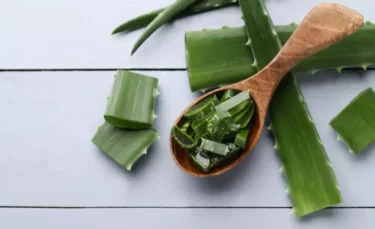
One of the most time-tested natural remedies to manage any skin infection is aloe vera. It not only help deal with the infection but also soothes and repairs skin damage5.
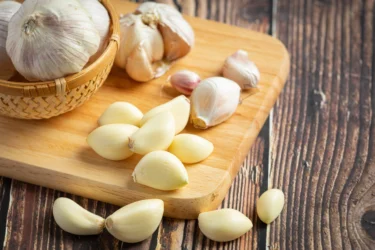
Garlic is one of the most potent antifungal and antimicrobial herbs. Those who eat garlic regularly are less susceptible to fungal infections. Crush a couple of garlic with some olive oil and make a paste. Apply to the infected area for about thirty minutes to soak in the benefits5.
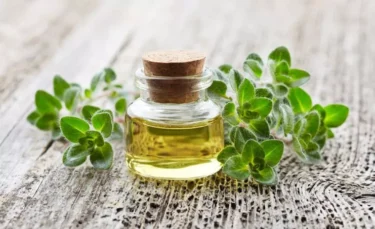
Another active antifungal agent is oregano oil. Mix a few drops with any carrier oil and dab on the affected area. You could also take oregano oil capsules orally, but discuss with a healthcare provider before consuming, especially if you have any medical conditions6.
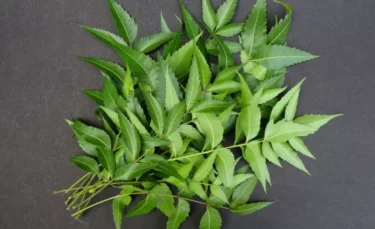
Neem leaves have effective antifungal properties and can be great for the skin. Washing the infected area with neem water helps in reducing fungal infections. To make neem water, boil neem leaves in water for 2 to 3 minutes5.
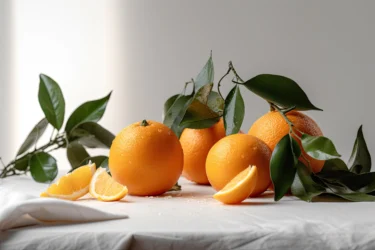
Vitamin C boosts our immune system. It protects our body from various infections. A good immune system also helps to treat fungal infections faster. Food sources rich in vitamin C include citrus fruits like lemons and oranges and vegetables like bell peppers and brocolli7.
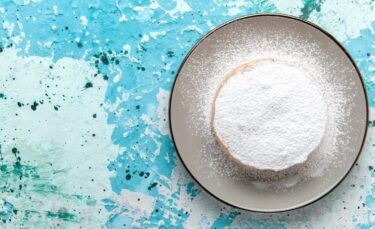
Baking soda can be useful in healing fungal infections like athlete’s foot. Applying baking soda powder on feet and the inside of shoes helps to absorb moisture and sweat. It thus avoids the infection from spreading8.
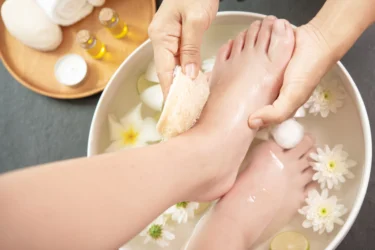
Hydrogen Peroxide also helps to heal Athlete’s Foot. Soaking feet in a solution made using equal parts of water and hydrogen peroxide can effectively destroy the fungus causing athletes’ feet9.
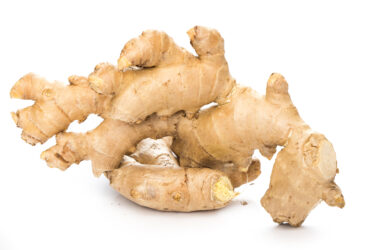
Gingerol present in ginger has potent antifungal properties. Adding ginger to our diet in the form of ginger tea effectively helps in managing fungal infections like Candida and even avoids their chances of occurrence5.
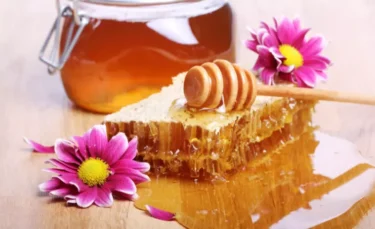
Using honey is also one of the easiest home remedies for dealing with fungal infections. It is anti-inflammatory and can also be effective in killing fungus and bacteria which are responsible for causing skin infections. Applying raw honey to the affected region is the best solution as it is loaded with healing properties.

Initial research10 has shown that grapefruit seeds extract has the healing power to treat fungal infections. It is especially found to be effective in oral candidiasis. To use these, mix a drop of the seed extract with a few drops of water and apply to the affected spot(s) twice a day.
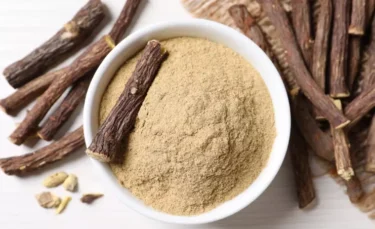
Licorice is naturally bestowed with anti-inflammatory and anti-microbial properties and is therefore perfect to take care of fungal infections. To use it, add powdered licorice to a cup of water and bring it to a boil. Let it simmer for a few minutes. Once it gets a paste-like consistency, let it cool and apply the mixture to the affected skin twice a day11.
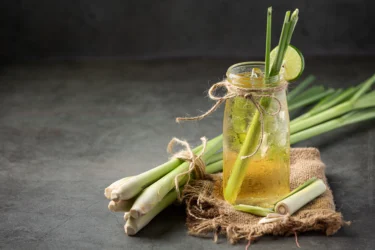
Lemongrass is also laden with anti-microbial properties so you can easily use it to deal with fungal infections as one of the home remedies. You need to mix lemongrass oil with a carrier oil and dab it on the affected region with a cotton ball or swab two times a day6!
Although studies have shown potential antifungal properties of these products, further large-scale trials are needed to confirm these. Remember, these remedies have to be followed regularly to achieve the desired results. Also, check for allergies to these before using them. And if there is no improvement with these home remedies, seek out medical attention for further treatment.
Dermatophytes which cause fungal infections have become very resistant to common antifungal drugs these days (due to the injudicious use of these drugs), I have observed many patients taking antifungal drugs for a longer period without getting benefits, therefore, one should be visiting his physician whenever they are suffering from fungal infections rather than self-medicating themselves with medicines for a longer period of time which could cause serious side effects.
Dr. Nikhil Yadav, MBBS MD,CCEBDM
For mild, localized skin infections (like athlete’s foot or ringworm), over-the-counter (OTC) topical creams are often effective. However, choosing the right active ingredient affects how quickly the infection clears12.
| Feature | Clotrimazole | Terbinafine |
| How it Works | Fungistatic: Slows the growth of fungi, allowing the body’s immune system to clear the infection. | Fungicidal: Directly kills the fungal cells outright. |
| Treatment Time | Requires 2 to 4 weeks of twice-daily application. | Many dermatophyte infections respond within 1–2 weeks, although the recommended duration depends on the infection site. |
| Cure Rate Data | 70% to 85% clinical cure rate. | 78% to 91% clinical cure rate. |
Note: Because Terbinafine works twice as fast, clinical data shows it has much higher patient compliance and lower relapse rates than Clotrimazole, as people often stop using creams the moment itching stops.
Most mild skin fungal infections improve with over-the-counter (OTC) creams. However, in some cases, you may need prescription treatment:
Note: Never apply over-the-counter creams containing steroids (like clobetasol or betamethasone) to a fungal infection. While they temporarily calm itching by suppressing your skin’s local immunity, they actually feed the fungus, causing it to multiply rapidly and spread deeper. This leads to a severe, treatment-resistant condition called Tinea Incognito that requires long-term medical care13.
The monsoon season brings a massive spike in fungal skin infections like athlete’s foot (tinea pedis), ringworm (tinea corporis), and jock itch (tinea cruris). The combination of high humidity, frequent rain, and stagnant water creates the ultimate breeding ground for fungi.
Also Read: Natural Home Remedies for Tooth Decay

Also Read: Easy Home Remedies for Wart Removal
You must consult a doctor if even after following home remedies, there is no improvement. Also, in some cases, prompt medical attention is required. These include:
The fact is, most fungal infections are easily curable with proper treatment, you may not even be aware you have a fungal infection. Self-examination goes a long way in identifying fungal infections early, especially if there are no other symptoms like itching or irritation.
Also Read: How HPV Can Lead to Cancers
Yes, fungal infections may occur during humidity. The fungi that cause this condition thrive in a wet environment, particularly skin, nails, and shoes. Even a little bit of sweat can lead to fungal infections so you must keep your skin clean and dry.
Some fungal infections can be contagious. They can spread from one person to another, which is why as soon as you develop signs or symptoms of a fungal infection, you must consult a doctor.
Yes, stress can weaken the immune system, making the body more susceptible to fungal infections like candidiasis and athlete’s foot. Additionally, stress may disrupt the balance of microorganisms on the skin and in the body, creating an environment conducive to fungal overgrowth.
Yes, fungal infections can make you sick, causing a range of symptoms depending on the type and severity of the infection. Common symptoms include fever, cough, skin rashes, fatigue, and respiratory issues. Seeking medical treatment is crucial to manage fungal infections effectively and prevent complications.
Yes, fungal infections can spread through direct contact with an infected person or object, as well as through airborne fungal spores. If left untreated, fungal infections can potentially spread to other parts of the body or to other individuals. Proper hygiene and timely treatment are essential to prevent the spread of fungal infections.
Fungal infections typically don’t cause lumps directly, but they can lead to inflammatory responses in the body that may result in swelling or nodules in affected areas. If a lump appears in conjunction with other symptoms of a fungal infection, it’s essential to seek medical evaluation for proper diagnosis and treatment.
Fungal infections can trigger allergic reactions in some individuals, particularly those with sensitivities to fungal spores or proteins. Symptoms may include respiratory issues like sneezing, coughing, or wheezing, as well as skin irritation or hives. Proper identification and treatment of fungal infections are essential to manage associated allergies effectively.
Using saltwater can help with fungal infections on the skin or nails because it has cleansing properties and can help dry out the affected area. But if the infection is severe or doesn’t improve, it’s best to see a doctor for proper treatment.
Vitamin C may support the immune system, which can help in combating fungal infections, but it’s not a direct treatment. Incorporating vitamin C-rich foods like citrus fruits and vegetables into your diet may aid overall health and immune function, potentially assisting in the body’s ability to fight off fungal infections. However, consult a healthcare professional for proper diagnosis and treatment of fungal infections.
Sun exposure can help in managing certain fungal infections, as sunlight has antifungal properties and can inhibit fungal growth. However, excessive sun exposure can also aggravate skin conditions, so it’s essential to balance sunlight exposure with proper sun protection measures and consult a healthcare professional for personalized advice on managing fungal infections.
Yes, fungal infections can cause itching, which is a common symptom, especially in conditions like athlete’s foot, jock itch, or ringworm. Itching is often accompanied by other symptoms like redness, rash, or flaking of the skin. Proper diagnosis and treatment are essential to alleviate symptoms and prevent the spread of fungal infections.
Disclaimer: The information provided here is for educational/awareness purposes only and is not intended to be a substitute for medical treatment by a healthcare professional and should not be relied upon to diagnose or treat any medical condition. The reader should consult a registered medical practitioner to determine the appropriateness of the information and before consuming any medication. PharmEasy does not provide any guarantee or warranty (express or implied) regarding the accuracy, adequacy, completeness, legality, reliability or usefulness of the information; and disclaims any liability arising thereof.
Links and product recommendations in the information provided here are advertisements of third-party products available on the website. PharmEasy does not make any representation on the accuracy or suitability of such products/services. Advertisements do not influence the editorial decisions or content. The information in this blog is subject to change without notice. The authors and administrators reserve the right to modify, add, or remove content without notification. It is your responsibility to review this disclaimer regularly for any changes.
989
107We all complain about dryness of the throat from time to time. A dry throat can be a result of a variety of health conditions, like allergic rhinitis (inflammation/swelling of the lining of the nose due to allergy), common cold, flu (influenza), tonsillitis (inflammation of the tonsils), sore throat (a viral or bacterial infection of the throat) strep throat, (bacterial infection of the throat) and fever. A dry throat can also be irritating and dry. Probable treatment depends upon the cause of your dry throat.
Did You Know?
The feeling of dryness in your throat can be caused due to the following reasons:
A dry throat can be caused due to a viral or bacterial infection. Viral and bacterial dry throat have different symptoms depending on the pathogen responsible. A dry throat can make swallowing painful. Itcan also be irritating and dry. It could be a symptom of strep throat, a regular cold, allergies, or any other upper respiratory tract infection1.
Allergic rhinitis is a group of symptoms that affect the nose. It is also called hay fever but is not caused by hay exposure, and it does not induce fever, contrary to what some people may think. Allergic rhinitis causes runny nose, sneezing, and itchy eyes2.
Common colds and flu are infections of the nose, throat, mouth, and lungs. They are caused by viruses. Cold and flu share many symptoms, but cold symptoms are milder and develop more slowly than flu symptoms.
Tonsillitis (lumps of tissue at the back of the throat). Tonsillitis is usually caused by a viral infection. However, bacterial infections like strep throat can also lead to tonsillitis3.
Dehydration is defined as a lack of adequate water in the body. Dehydration can happen if you don’t drink enough water or lose a lot of water quickly. Our bodies don’t produce enough saliva to wet our throats when dehydrated, resulting in a dry throat4.
A dry throat can lead to irritation and anxiety, many covid patients reported with the symptom of a dry throat, so home remedies might help initially. What I observed was a dry throat feeling waned off gradually, even without any intervention.
Dr. Nikhil Yadav, MBBS MD,CCEBDM
The conditions that cause a dry throat may also cause other symptoms, which vary depending on the cause. The symptoms are:
Home remedies to manage dry throat:

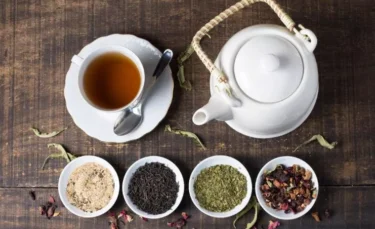
Saltwater6 helps manage dry throat due to its ability to kill bacteria. It also helps to release mucus and relieve discomfort. Salt can be mixed with warm water and used for gargling.
You can mix honey in warm water or tea and stir it well. Drink it several times a day or as and when required. Honey7 has natural antibacterial properties because it is effective in healing wounds, reducing inflammation, and providing pain relief.

Hot sauce is made using peppers. These peppers help manage inflammation and provide pain relief. A little amount of hot sauce in warm water can be taken as and when required.

Lemon juice with warm water can be taken several times a day or as and when required. Like saltwater and honey, lemon juice is good for dry throats because it can help break up mucus and provide pain relief. Furthermore, lemon juice8 is high in vitamin C, which can help to boost the immune system and give it more strength to fight off your infection.
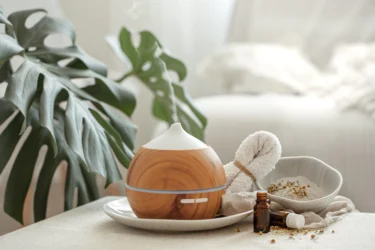
Dry air during winter can cause dry throat. A humidifier can help keep the air moist and provide additional relief11.

Sipping on warm fluids like tea and soups or taking cold liquids like ice water and popsicles soothe the throat. You can try both warm and cold to see what works best for you. Drinking liquids aids in clearing the passage, keeping things flowing, and preventing sinus infections.

You should put your head on a pillow and go to bed early. Physical rest for the body and voice can be beneficial to the throat. On the other hand, lying flat can cause swelling due to an increase in pressure at the back of your throat. To relieve pain and discomfort, try elevating the bed or sitting supported or in a chair instead.
Also Read: Natural Home Remedies for Diabetes By Dr. Rajeev Singh
You should seek medical help if you notice the following:
Also Read: Influenza B: What is It, Causes, Symptoms, Treatment & Prevention
A dry throat can have an underlying cause, probably an associated health condition. It is important to know the cause of dry throat to treat it. There are several at-home remedies that require some commonly found ingredients from the kitchen, which can help soothe a dry throat. But if your symptoms worsen, or present with any other health complications, seek immediate medical help.
A dry throat is a symptom of various conditions that make the throat feel dry and irritated. It can be a symptom of strep throat, the common cold, allergies, or other upper respiratory tract illnesses.
Drinking honey water, lemon water, gargling with salt water, and steam inhalation are some of the home remedies for dry throat. There are some herbal teas that you can use to manage dry throat. These include green tea, chamomile tea, peppermint tea, clove tea, and raspberry tea.
You can try drinking more water to get instant relief from a dry throat.
No, dry throat and sore throat are not the same. A dry throat is a symptom of a sore throat. Sore throat is the result of infection (either bacterial or viral). A sore throat can cause a feeling of dryness in the throat.
Disclaimer: The information provided here is for educational/awareness purposes only and is not intended to be a substitute for medical treatment by a healthcare professional and should not be relied upon to diagnose or treat any medical condition. The reader should consult a registered medical practitioner to determine the appropriateness of the information before consuming any medication. PharmEasy does not provide any guarantee or warranty (express or implied) regarding the accuracy, adequacy, completeness, legality, reliability, or usefulness of the information; and disclaims any liability arising thereof.
Links and product recommendations in the information provided here are advertisements of third-party products available on the website. PharmEasy does not make any representation on the accuracy or suitability of such products/services. Advertisements do not influence the editorial decisions or content. The information in this blog is subject to change without notice. The authors and administrators reserve the right to modify, add, or remove content without notification. It is your responsibility to review this disclaimer regularly for any changes.
23
3Tonsils are lumps of tissues present at the back of the throat. There are two of them present on each side of the throat. Tonsils are part of the immune system and are responsible for making antibodies and white blood cells to attack the germs inside the mouth. Tonsilitis is a condition characterised by inflammation (swelling) of the tonsils due to infection from either bacteria or viruses. It can occur in individuals of all age groups1. It is most common in children above two years of age. Adults can also get tonsilitis, but it is not very common.
Tonsillitis is not contagious, but the viruses or bacteria that cause it can be. Washing hands frequently can help prevent the spread of infection2.
Did you know?
Tonsilitis is caused due to bacterial or viral infection. The two types of tonsilitis are
Commonly presented as a sore throat, difficulty swallowing and painful lymph nodes, tonsillitis may subside on its own within a week or so after the symptoms arise with lots of fluids and rest. If not, it might require some intervention.
Dr Ashish Bajaj, M.B.B.S, M.D. in Clinical Pharmacology and Toxicology
People may experience slightly different symptoms of tonsilitis, but the most common symptoms of tonsilitis include:
Peritonsillar abscess (collection of pus around the tonsils) is a complication of tonsillitis and can present the following symptoms
The symptoms of tonsilitis may be similar to other health problems consult your doctor for a diagnosis4.
Here are some home remedies for alleviating the symptoms:

Sipping on warm drinks like tea and chicken soups can soothe the back of your throat. You can also try cold liquids like ice water or popsicles. The choice is subjective to what works best for your throat. You can try both warm and cold liquids and see what suits you the best5.

You can mix salt or baking soda in a glass of warm water. Gargle with this liquid as and when required. Avoid swallowing it. Salt is beneficial in reducing the swelling and irritation in the throat. Baking soda soothes the throat5.

Antihistamine (antiallergic) drugs can help reduce or relieve throat pain and prevent the worsening of sore throat. In addition, pain medications like ibuprofen and acetaminophen can help manage the pain5.
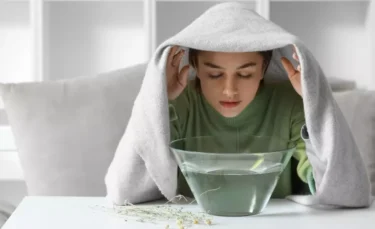
Inhaling steam can help clear the throat. Steam can also moisturize and soothe a sore throat. You can start by taking a hot shower, and when it gets steamy, you can breathe in the steam5.
Take sufficient rest by elevating the bed or sitting straight in a chair to alleviate the pain and discomfort. Avoid lying down flat as it can cause swelling due to increased pressure at the back of your neck5.

Honey has natural antibacterial properties, due to which it acts as a wound-healing agent. In addition, it offers pain relief and reduces swelling. Honey can also help fight off viral infections6.

You can mix lemon juice with a glass of warm water and drink this liquid for pain relief. Lemon juice can help break the mucus and provide pain relief. In addition, lemon juice contains vitamin C, which can boost the immune system and help the body in fighting off infection6.

There are different types of teas that can provide relief from a sore throat. Clove tea and green tea have antibacterial and anti-inflammatory benefits that help in fighting infections and provide relief. Raspberry, peppermint, and chamomile teas are great options for reducing inflammation (swelling) and pain. Peppermint tea can alleviate pain6.
Honey, thyme or lemon are often used by patients and are considered to be effective for tonsilitis. These remedies have very few side effects and we therefore propose to include them in the range of treatments that can be proposed as treatment for tonsillitis.
Dr. M.G. Kartheeka, MBBS, MD(Pediatrics)
Apple cider vinegar has some antibacterial properties, but it is not beneficial for sore throat and throat infections.

Please avoid using any essential oils to alleviate your symptoms as there is a lack of data to prove their efficacy and safety5.

Though there are studies that show the benefits of the given herbs and home remedies in this condition, these are insufficient and there is a need for further studies to establish the true extent of the benefits of these herbs and home remedies on human health. Thus, these should be only taken under the guidance and supervision of your Ayurvedic physician.
You should consult a doctor if you have:
You must not rely on home remedies for the treatment of this condition you should consult a qualified doctor for any advice for the condition.
Also Read: Doctor Approved Home Remedies For Vertigo
Inflammation of the tonsils (tonsillitis) can occur at any age throughout the lifetime but is less common in adults. Tonsillitis is the result of either a bacterial or viral infection, depending on which the treatment is initiated. Children are more likely to get tonsillitis and should receive timely help to relieve the symptoms. Many home remedies such as consuming honey with warm water, lemon with warm water and herbal teas provide relief from the symptoms of sore throat and tonsillitis and also help fight off the infection. But if your tonsillitis is painful and intervening with your daily activities, seek medical help.
Also Read: Home Remedies For Vomiting
Tonsillitis is most common in children out of all age groups. But it rarely occurs in children below the age of three3.
Tonsillitis does not cause any lasting or severe health problems. But there can be other complications like difficulty in breathing and abscess in the area of the tonsils3.
Most cases of viral tonsillitis can get cured on their own with fluids and rest. However, antibiotics are required to treat bacterial tonsillitis (strep throat)3. If your tonsillitis is not improving and causing problems, seek medical help.
Tonsillitis is not contagious, but the bacteria and viruses that cause it are highly contagious. Wash your hands frequently to prevent the spread of infection2.
Bacterial tonsillitis is also called strep throat. It is characterised by swelling of the tonsils due to a bacteria called Streptococcus3. You need to consult a doctor for the right diagnosis.
Viral tonsillitis may get cured on its own with plenty of rest and fluid intake, but strep throat or bacterial tonsillitis requires antibiotics for treatment. Consult with a doctor to get a proper diagnosis and treatment3.
Disclaimer: The information provided here is for educational/awareness purposes only and is not intended to be a substitute for medical treatment by a healthcare professional and should not be relied upon to diagnose or treat any medical condition. The reader should consult a registered medical practitioner to determine the appropriateness of the information and before consuming any medication. PharmEasy does not provide any guarantee or warranty (express or implied) regarding the accuracy, adequacy, completeness, legality, reliability or usefulness of the information; and disclaims any liability arising thereof.
Links and product recommendations in the information provided here are advertisements of third-party products available on the website. PharmEasy does not make any representation on the accuracy or suitability of such products/services. Advertisements do not influence the editorial decisions or content. The information in this blog is subject to change without notice. The authors and administrators reserve the right to modify, add, or remove content without notification. It is your responsibility to review this disclaimer regularly for any changes.
17
1Vomiting (throwing up) is the forceful emission of substances from the upper digestive system and stomach through the mouth. It is a reflex of the body to remove substances that might be harmful to the body1. Vomiting occurs when the stomach muscle walls contract and push a large volume of stomach substances upward that flows back into the throat and exits via the mouth or nose.
Vomiting is very common among babies and is not a huge issue to worry about; still, it can be severe if it causes too much loss of fluids, leading to dehydration in the baby. If the baby throws up immediately after eating, it is a severe issue2.
There are several causes of vomiting categorised as acute and chronic.
A few causes of sudden vomiting are severe, but the most common cause is viral gastroenteritis (infection of the digestive tract), which mostly goes away within 2 days without any specific treatment.
The conditions that can cause acute vomiting include5:
Functional vomiting and nausea (has no clear medical cause)
Vomiting is associated with a forceful contraction of the stomach muscles. Other symptoms that you may feel along with vomiting or that are associated with vomiting include7:
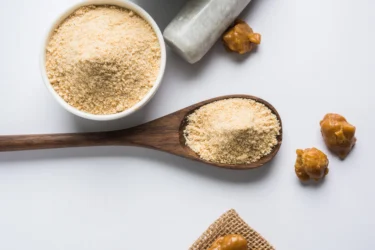
Asafoetida is helpful for digestion and can reduce the symptoms of vomiting and diarrhoea8. You can use a small amount of asafoetida powder, put it in a glass of warm water, and mix well. A small amount of asafoetida can be added to curry powder and daily foods to prevent vomiting and other digestive problems.

Cinnamon has a pleasant aroma and is considered one of the best choices for dealing with vomiting and nausea. For better results, cinnamon tea can be made2.
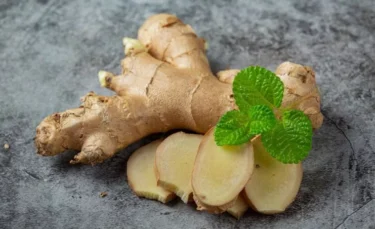
The root of ginger is used to manage a few stomach-related disorders, including vomiting. It is considered one of the most effective natural herbal remedies for vomiting2. Taking ginger tea or chewing ginger pieces can be beneficial for vomiting3.
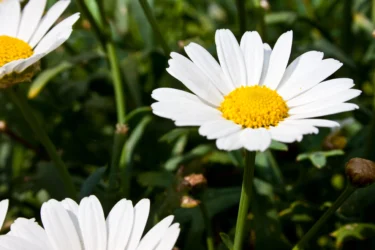
Chamomile is widely used in various cultures to manage stomach-related conditions2. It relaxes the digestive system and manages conditions like vomiting, nausea, indigestion, flatulence (gas), motion sickness, and anorexia (loss of appetite). Chamomile tea can be used to obtain its benefits4.
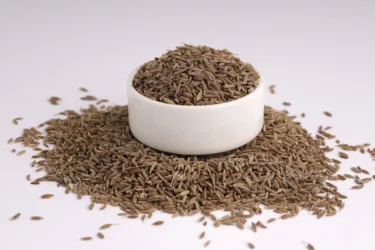
The powder and seeds of cumin are used to relieve nausea and vomiting. You can prepare cumin tea to prevent vomiting. You can take a few cumin seeds in a glass of water, let them mix, and then strain it; the solution obtained is cumin tea2.
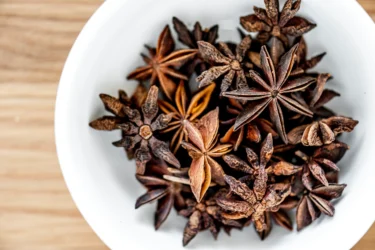
Anise tea can be helpful in dealing with nausea9. You can rub the anise seeds or pour a few anise seeds into boiling water and drink the tea.
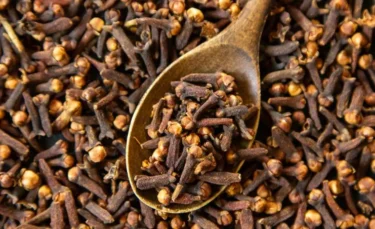
You can carry along a few clove flowers while travelling, and whenever you feel nauseous, you can eat a little clove to get rid of nausea10.
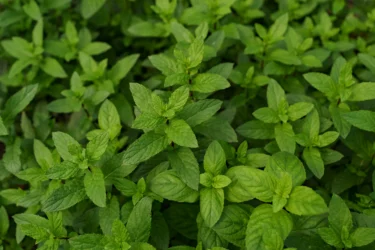
Peppermint soothes the stomach and is also one of the famous home remedies for vomiting11. It quickly reduces vomiting and nausea. You can inhale peppermint aroma for better results.

Lemon is known to manage vomiting and nausea. You can cut small pieces of lemon and keep them nearby so that their aroma can exhibit its beneficial effect2.
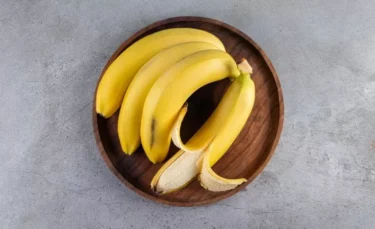
Banana, both raw and ripe, can be used for managing vomiting and diarrhoea. It also contains magnesium and potassium, which are required for the proper functioning of the digestive tract12.
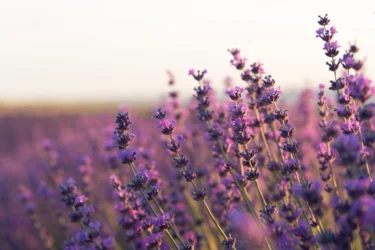
Lavender can reduce vomiting and nausea. It also controls fat digestion in the body. You can inhale lavender oil or put it in water and immerse yourself in it2.
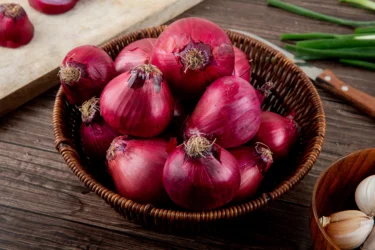
Onion is one of the best home remedies for vomiting. The juice of an onion can be used to deal with vomiting2.
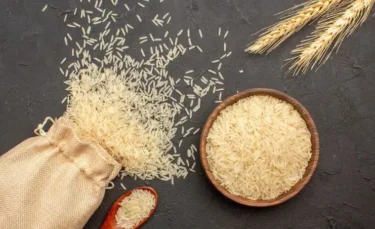
After boiling rice for a long time, the liquid obtained can be concentrated. Dilute the concentrated liquid with a little water. This diluted liquid can be drunk hot or after cooling. It can surprisingly relieve vomiting or nausea2.
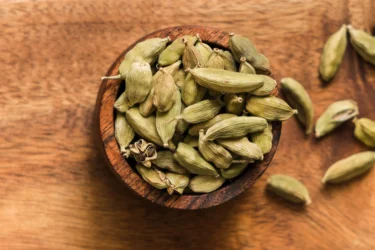
Cardamom is an aromatic seed and is known as one of the best home remedies for vomiting2. Cardamom oil can be inhaled to relieve nausea.
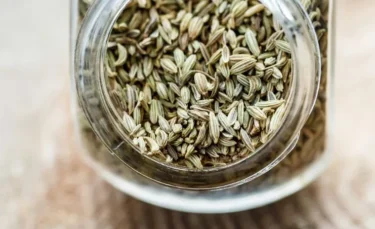
Fennel contains several bioactive compounds that help the stomach muscles and are helpful for nausea, bloating, and flatulence (gas)2. The powder of fennel can be used to get rid of vomiting6.
Also Read: Food Allergies: Symptoms, Types, Diagnosis & Home Remedies
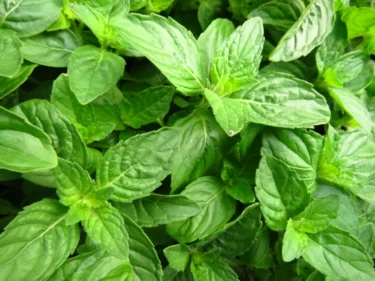
Basil has anti-spasmodic (relieves spasms of involuntary muscles) properties and is suitable for dealing with vomiting and diarrhoea2. You can drink basil tea to get rid of vomiting.
Also Read: Simple Tips You Can Follow for Heartburn Relief!
Usually, vomiting and nausea are not severe and are common. However, you should seek medical help if you have:
Also Read: Pneumonia Diet: What to Eat & Avoid During Recovery
Vomiting is the strong release of substances from the upper digestive tract and stomach through the mouth. Several home remedies like ginger, cumin, lemon, and basil can help you get rid of vomiting. Usually, vomiting and nausea are not severe and are common, but if your vomiting does not stop or causes other severe health effects, you must seek medical help.
Also Read: Natural Home Remedies For Stomach Ulcers
If you notice blood in your vomit, you should immediately seek medical help as it may indicate a serious condition.
Yes, ginger can be helpful to stop vomiting. The root of ginger is used to treat a few stomach-related disorders. Consuming ginger in the form of ginger tea or chewing ginger pieces can be beneficial for vomiting.
Yes, the fennel powder can be used to get rid of vomiting. Fennel contains several bioactive compounds that help the stomach muscles and are helpful for nausea, bloating, and flatulence (gas).
Yes, lemon is known to manage vomiting and nausea. The smell of lemon might help to stop vomiting.
Yes, the seeds and powder of cumin are well-known for managing vomiting and nausea. You can take cumin tea to prevent vomiting.
Yes, cinnamon has a pleasant aroma and is considered beneficial for dealing with vomiting and nausea. You can drink cinnamon tea to manage vomiting.
Disclaimer: The information provided here is for educational/awareness purposes only and is not intended to be a substitute for medical treatment by a healthcare professional and should not be relied upon to diagnose or treat any medical condition. The reader should consult a registered medical practitioner to determine the appropriateness of the information and before consuming any medication. PharmEasy does not provide any guarantee or warranty (express or implied) regarding the accuracy, adequacy, completeness, legality, reliability or usefulness of the information; and disclaims any liability arising thereof.
11
3Itching at the vagina can make women uncomfortable and create difficulty in concentrating on tasks. In addition, this vaginal itching can be a symptom of a more severe problem. For example, vaginitis is a terminology used to describe various disorders that cause the vagina to become inflamed and infected. Itching in the vagina can be a symptom of vaginitis1. There are various causes for your vagina to itch. Read on to find out more about the symptoms and causes of vaginal itching and how to take care of it.
There are different types of infections that may cause vaginal itching and irritation. Here, the vaginal itching is accompanied by vaginal discharge. The infections are:
Vaginal itching is mostly due to bacterial or fungal overgrowth. Maintaining proper hygiene of the intimate area helps to maintain the vaginal PH and prevents the overgrowth of microorganisms.
Dr. Nikhil Yadav, MBBS MD, CCEBDM
The symptom of vaginal itching involves itching on the skin of the vagina and the surrounding area (vulva). This symptom is sometimes accompanied by vaginal discharge2.
You can use warm coconut oil to ease vaginal irritation and itching. Tea tree oil can also be used by dropping a few drops in a warm water bath and soaking the pelvis area. Caution should be exercised while using tea tree oil as it might cause a burning sensation if used in large quantities3.
You can make the following changes in the diet to help manage vaginal itching:
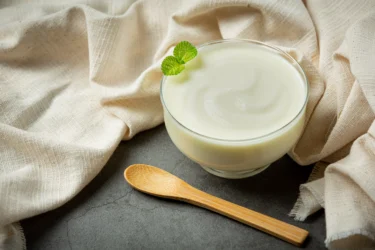
You can try yoghurt and probiotics that contain lactobacillus. There is some scientific evidence that yoghurt and probiotics containing lactobacillus can reduce vaginitis infections1.

Limiting sugary foods to prevent the growth of yeast is also recommended. You can ask your healthcare provider if this is something you can adopt1.
You can follow these measures to take care of your vagina and keep the area clean:

Maintaining sexual health is an important factor to help prevent catching or the spread of infections; you can maintain good sexual health by:

I always advise my patients to maintain proper hygiene and change their sanitary napkins every 4-5 hours to avoid itching and rashes. Failing to do so can cause discomfort and skin irritation.
Dr. Arpit Verma, MBBS, MD (Pharmacology)
Also Read: How to Stop Bad Period Smell: Research-Based Tips and Home Remedies
Also Read: Effective Home Remedies For Period Pain
Vaginal itching or itching at the site of the vagina and vulva can have many underlying causes. Some of them are lack of good hygiene habits, certain infections, the presence of irritant chemicals in products, and menopause. Suppose the itching is due to chemical irritants. In that case, you can improve the symptoms by avoiding the products that contain these chemicals. If the vaginal itch you are experiencing is due to infection by bacteria or fungi, you need to seek medical treatment.
Don’t be embarrassed to talk about your symptoms; talking to a healthcare provider will help you know and get rid of the cause and symptoms.
Also Read: Effective Home Remedies For PCOS
You can involve yoghurt and probiotics in your diet to help with vaginal itching. Apart from these diet changes, you can make some lifestyle changes and maintain sexual health and hygiene to prevent vaginal itching1,2.
Vaginal itching can be a symptom of health conditions like infections. If you have vaginal discharge, may have had exposure to sexually transmitted infections, or have fever or pain in the pelvis or belly area, you need to contact your healthcare provider2.
You need to follow good hygiene habits and maintain good sexual health. You need to also know how to properly clean the genital area while bathing or showering. You should also follow good toilet habits by wiping correctly after using the toilet, always from front to back and washing thoroughly before and after using the bathroom. Avoiding sugary foods in your diet will also help1,2.
Vaginal discharge is normal. The vagina produces a discharge that is either clear or slightly cloudy. During the menstruation period, the amount and consistency of the discharge may change. If you experience a sudden change in the colour, amount, odour, or consistency of discharge, you should contact your healthcare provider1,2.
If you experience other symptoms like vaginal discharge, pain in the pelvic area, or fever, along with vaginal itching, you should contact your doctor, as it can be a sign of infection2.
Disclaimer: The information provided here is for educational/awareness purposes only and is not intended to be a substitute for medical treatment by a healthcare professional and should not be relied upon to diagnose or treat any medical condition. The reader should consult a registered medical practitioner to determine the appropriateness of the information and before consuming any medication. PharmEasy does not provide any guarantee or warranty (express or implied) regarding the accuracy, adequacy, completeness, legality, reliability or usefulness of the information; and disclaims any liability arising thereof.
Links and product recommendations in the information provided here are advertisements of third-party products available on the website. PharmEasy does not make any representation on the accuracy or suitability of such products/services. Advertisements do not influence the editorial decisions or content. The information in this blog is subject to change without notice. The authors and administrators reserve the right to modify, add, or remove content without notification. It is your responsibility to review this disclaimer regularly for any changes.
30
2The skin uses sunlight to make vitamin D, which is essential for bone formation. People can take the vitamin D they need with only about 5 to 15 minutes of sun exposure two to three times a week1. The outer layer of the skin has cells that contain melanin. Melanin is a pigment responsible for protecting the skin from the sun’s ultraviolet (UV) rays. People get tan due to the overproduction of melanin, which is a result of UV exposure. This tan disappears when newer cells move to the skin surface, and tanned cells are shed off2. Skin tan is a sign of sun damage. There is no such thing as a healthy tan. Getting a tan provides no protection from sunburn and other skin damage3.
Exposure of the skin to ultraviolet (UV) radiation increases the production of melanin to protect the skin from damage. Melanin is the pigment responsible for imparting colour to the eyes, hair, and skin. The increase in melanin causes the skin to darken, which is referred to as tanning3.
UV rays are a type of radiation from the sun to the earth’s surface. The two forms of UV rays that reach the earth are UVA and UVB. UVB rays cause sunburn, whereas UVA rays travel deep into the skin and cause damage. Melanin is produced by the body to protect itself from UVA radiation. As a result, the skin becomes darkened, which is why you get tan1.
The main symptom of skin tan is skin tone darkening within 48 hours of sun exposure3.
Some of the home remedies for skin tan treatment are as follows:
Saffron provides protection from exposure to ultraviolet rays, which cause damage to the skin. Saffron acts as a natural sunscreen to protect from damage caused due to the sun. Saffron is also said to possess skin-lightening and tan lightening properties. It can be used with milk to lighten skin colour4. You can also put saffron as an ingredient in homemade face masks.

Grape seeds are rich in vitamin C and vitamin E. It stops hyperpigmentation due to increased melanin synthesis. By stopping melanin synthesis, it might provide skin-lightening effects4. The oil obtained by pressing grape seeds can be applied directly to the skin. You can also mix this oil with your face or body moisturiser and apply it to the skin.
Green tea provides protective benefits against skin damage caused due to ultraviolet rays exposure4. Tanning is also a sign of damage caused due to the sun. Green tea can be applied directly to the skin. You also can use green tea to make a facemask and apply it to the skin to get good results.

This herb is used as an ingredient in cosmetic formulations. It has antioxidant effects and anti-ageing properties. It is also used as a skin-lightening agent in hyperpigmentation. The skin-lightening effect might be beneficial to manage tan4.

Consumption of coffee may be beneficial in reducing skin damage due to sunlight (photodamage)5. You can also apply coffee to the skin by mixing it with your homemade face mask. Mixing coffee grounds with olive oil and applying it to the face in a circular motion will also give you good results.
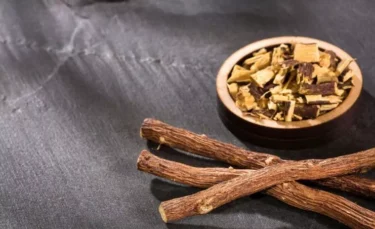
Liquorice root extract is a part of many cosmetic formulations meant for skin lightening. It imparts skin lightening effects by reducing the overproduction of melanin6. To use liquorice root for your skin, you can make liquorice root powder and apply it directly to the affected area.
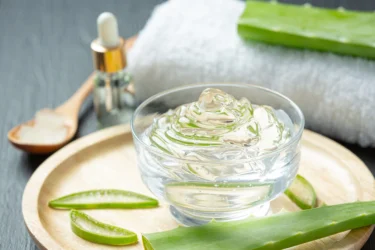
Aloe vera imparts protective benefits to the skin against ultraviolet radiation damage like tanning. It has antioxidant and free radical scavenging properties that are beneficial for the skin7. You can apply aloe vera gel directly to the skin to get the benefits.
You can also follow these steps to protect your skin from UV radiation and prevent the worsening of your skin tan.

Between 10 am to 4 pm, the sun’s rays are strongest. Avoid staying out during this time. It is important to know that you can still get sun exposure on cloudy days or in the shade1.

Use sunglasses that block UVA as well as UVB radiation. Sunglasses will also provide protection to the tender skin around the eyes from sun damage8.

You should use a broad-spectrum sunscreen that gives protection from both UVA and UVB radiation. The sunscreen should have a sun protection factor (SPF) of 15 or higher. In case of lighter skin tone, you can use sunscreen with an SPF 30 or higher. You need to apply sunscreen 20 to 30 minutes before going outside and reapply it every 2 hours1.

Wearing a hat with a broader brim made from lightly woven fabric will provide good sun protection. You can wear a hat that covers your face, ears, and the back of your neck. You can wear hats made of canvas8.
Avoiding direct sun exposure by using a scarf and UV-protected goggles are a good way of preventing tanning and eye damage. Using medicated sunscreens of SPF 30 before sun exposure helps in preventing tanning to some extent.
Dr. Nikhil Yadav, MBBS MD,CCEBDM

Wear long-sleeved shirts, long pants, and long skirts. Use clothes made from lightly woven fabric as it will provide good sun protection1.
Also Read: Dry Skin in Winters: Causes, Home Remedies & Prevention Tips
It is important to self-examine the skin once a month. In case of any new or changing spots or moles, you need to visit your health care provider and seek medical help as these might be signs of skin cancer1,2.
Also Read: Red Spots on Skin: Causes, Symptoms, Treatment and More!
Tanning is the skin’s response to UV exposure. The skin produces melanin to protect from damage caused due to UVB radiation. There is no such thing as a safe and healthy tan, and it does not make your skin glow. Home remedies are a convenient and safer way to get rid of tan. Saffron, green tea and coffee are some easily found products that make up for a good tan remedy. You can also protect your skin by limiting your sun exposure.
Also Read: Simple Home Remedies For Skin Whitening
Some natural remedies like saffron, green tea, coffee, aloe vera, beefsteak, grape seeds, and liquorice can be used to remove tan caused due to sun exposure. Saffron and liquorice have skin whitening properties that can help in tan removal4,6,7.
No, it is not safe to get an artificial tan as it involves overexposure to UVA radiation. Overexposure to UVA radiation can cause severe skin damage and increase the chances of skin cancer. Tanning is a sign of skin damage, and it will not protect your skin from sunburn or other damage1.
No, getting a tan does not provide protection to skin from sunburn or other skin damage3.
Tanning is the result of overexposure to ultraviolet radiation. There are several health risks associated with tanning, such as premature skin ageing, skin cancer, eye damage, and actinic keratosis (formation of thick and scaly patches of akin). It can also result in a weak immune system1.
Tanning itself does not cause cancer. Tanning is a sign of skin damage due to ultraviolet radiation. Skin cancer is a health risk associated with tanning. Overexposure to UV radiation can lead to skin cancer or melanoma1.
Disclaimer: The information provided here is for educational/awareness purposes only and is not intended to be a substitute for medical treatment by a healthcare professional and should not be relied upon to diagnose or treat any medical condition. The reader should consult a registered medical practitioner to determine the appropriateness of the information and before consuming any medication. PharmEasy does not provide any guarantee or warranty (express or implied) regarding the accuracy, adequacy, completeness, legality, reliability or usefulness of the information; and disclaims any liability arising thereof.
Links and product recommendations in the information provided here are advertisements of third-party products available on the website. PharmEasy does not make any representation on the accuracy or suitability of such products/services. Advertisements do not influence the editorial decisions or content. The information in this blog is subject to change without notice. The authors and administrators reserve the right to modify, add, or remove content without notification. It is your responsibility to review this disclaimer regularly for any changes.
3
2


