
“Let food be your first medicine and kitchen be your first pharmacy”. This saying acknowledges the importance of eating healthy and using fruits and vegetables for their health benefits. One fruit that has gained limelight due to its health benefits is the Acai berry. It is a small round berry (usually the size of a grape) obtained from the Acai palm Euterpe oleracea Martius. It is green when immature and ripens to a dark purple colour. This plant is native to south and Central America. In India, it is called ‘kallaa pazham’ and its cultivation is limited to Kerala. Mostly in other parts of India, freeze-dried powder or purées are available. Let us know more about the health benefits of this super berry1.
Acai berries are packed with the goodness of dietary fibres, proteins and minerals like potassium, calcium etc. They are rich in fatty acids, especially palmitic, oleic and linoleic acid. The phytochemicals in Acai berries include anthocyanins and proanthocyanidins. The nutritional Value of Acai berry is given below.
Acai berry shows numerous scientifically proven properties; some of which are mentioned below3:
Based on some research10, the consumption of acai berries might help improve cognitive function in patients suffering from dementia.
Dr. Siddharth Gupta, B.A.M.S, M.D (Ayu)
Some of the potential benefits of Acai berries are described below.

Non-alcoholic fatty liver disease (NAFLD) is one of the most predominant liver diseases worldwide. Phenolic compounds, especially those belonging to the anthocyanin class, may help manage NAFLD. Pirrozi et al. in 2020 conducted a review3 that stated that Acai berry, due to a high content of phenolic compounds, may help reduce fat accumulation in the liver and may potentially benefit NAFLD. However, these results are not proven in any animal or human study and should not be generalised for treating NAFLD in humans.
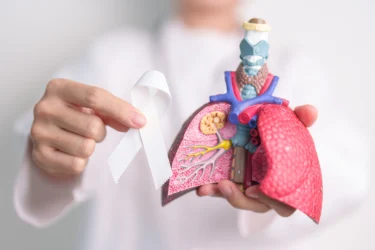
Over the past few years, the Indian system of medicine has been formulating different extracts from herbs and seeds for managing cancers of the lung, breast, etc. Martinez et al. conducted a study4 in 2018 that showed that extract from Acai berries showed a protective effect against lung cancer. Additionally, phytochemicals like anthocyanins reduce the spread of cancer to other parts of the body. This shows that Acai berries may have the potential to manage lung cancer. However, further research is needed to ascertain these claims as the scientific evidence available is insufficient to claim these results in human beings.
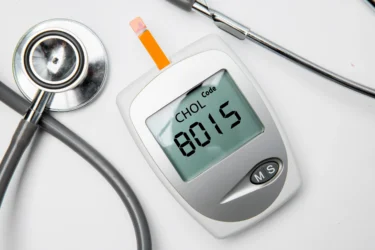
Hypercholesterolemia is elevated blood cholesterol levels and is considered a risk factor for heart disease. Melina et al. conducted a study5 in 2009 showing that Acai berry consumption potentially impacted cholesterol levels in an animal model. These astonishing results show the importance of Acai berry in lowering blood cholesterol and thus, its potential to exert a protective effect on the heart. However, we need human trials to support these claims.

Inflammation is a part of the body’s defence mechanism, which helps remove harmful and foreign substances from the body and helps in the healing process. Ulcerative colitis and Crohn’s disease are two conditions characterised by inflammation of the intestines, which are clinically shown as symptoms like abdominal pain, diarrhoea, fatigue, weight loss, etc. A study6 by Kim et al. in 2011 assessed the potential of Acai berries in intestinal inflammation. The presence of anthocyanins in Acai berries helped in reducing inflammation. Thus, it can be concluded that Acai berries may potentially manage inflammation and can be used to manage intestinal inflammatory diseases. However, we need more scientific evidence to support these claims in humans.

Blood glucose is the main sugar found in the blood and is produced by the breakdown of food that we eat. Udani et al. conducted a study7 in 2011 showing that Acai berry helps reduce blood glucose and improve insulin (a hormone that regulates blood glucose) sensitivity. These astonishing results show the importance of Acai berry in lowering blood glucose levels and thus, its potential to manage diabetes. However, we need human trials to support these claims.
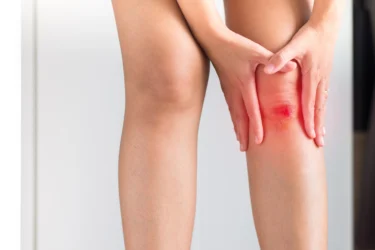
Though there are studies that show the benefits of Acai berry in various conditions, these are insufficient and there is a need for further studies to establish the true extent of the benefits of acai berry on human health.
According to some studies11, acai berry extracts might have some anti-oxidative effects due to the presence of some phenolic compounds, which might be beneficial in oral wound healing.
Dr. Rajeev Singh, BAMS
You must consult a qualified doctor before taking any herbal supplements. Do not discontinue or replace an ongoing treatment of modern medicine with an ayurvedic/herbal preparation without consulting a qualified doctor.
Data from the Natural Medicines comprehensive database from 2020 states that raw Acai berry juice consumption can lead to a disease known as American trypanosomiasis or Chagas disease. This only happens when Acai berry is contaminated with the parasite Trypanosoma cruzi. Chagas disease is characterised by the issues of the heart and digestive system.
However, if you experience any adverse reactions to Acai berries, it is advised to discontinue its intake and immediately contact a doctor or your Ayurvedic physician who has prescribed it. They will be able to guide you appropriately for your symptoms9.
Also Read: 8 Great Benefits of Sapota or Chikoo
Consuming Acai berry is okay if taken in moderate amounts. However, general precautions must be followed in the following conditions:
Also Read: Strawberry: Uses, Benefits, Side Effects By Dr. Smita Barode
However, you must always seek the advice of your Ayurvedic physician about the possible interaction of Acai berry with other drugs and follow the prescription thoroughly, as they will know your health condition and other medications you are taking.
Acai berry is a small round berry (usually the size of a grape) obtained from the Acai palm Euterpe oleracea Martius1.
In the market, Acai berry freeze-dried powder or purées are available1.
In India, Acai berry is called ‘kallaa pazham’.
Yes, Acai berries may help in weight loss5.
The Natural Medicines comprehensive database, 2020 states that raw Acai berry juice consumption can lead to a disease known as American trypanosomiasis or Chagas disease. This only happens when Acai berry is contaminated with a parasite Trypanosoma cruzi, Chagas disease is characterised by heart and digestive issues9.
Disclaimer: The information provided here is for educational/awareness purposes only and is not intended to be a substitute for medical treatment by a healthcare professional and should not be relied upon to diagnose or treat any medical condition. The reader should consult a registered medical practitioner to determine the appropriateness of the information and before consuming any medication. PharmEasy does not provide any guarantee or warranty (express or implied) regarding the accuracy, adequacy, completeness, legality, reliability or usefulness of the information; and disclaims any liability arising thereof.
Links and product recommendations in the information provided here are advertisements of third-party products available on the website. PharmEasy does not make any representation on the accuracy or suitability of such products/services. Advertisements do not influence the editorial decisions or content. The information in this blog is subject to change without notice. The authors and administrators reserve the right to modify, add, or remove content without notification. It is your responsibility to review this disclaimer regularly for any changes.
 2
2  0
0“Ayurveda, a most sacred science of life, is beneficial to humans both in this world and the world beyond”. Ayurveda focuses on improving human health and well-being through herbs and spices. One such herb which is of great significance is Madhunashini. Madhunashini is also known as meshashringi (Sanskrit), gurmar and merasingi (Hindi), vakundi, kavuli and kalikardori (Marathi), dhuleti and mardashingi (Gujarathi), Podapatri (Telugu) and Cherukurinja (Tamil). The scientific or botanical name of Madhunashini is Gymnema sylvestre and it belongs to the Asclepiadaceae family. It is a medicinal woody climber native to western and Central India, Australia, and tropical Africa. In India, it is widely grown in Bihar, Chhattisgarh Andhra Pradesh, Kerala, Karnataka, Uttar Pradesh, Madhya Pradesh, and West Bengal. The leaves, flowers, and root extracts have medicinal properties. Let us know more about the health benefits of this wonder plant1,2.
Madhunashini has nutrients like carbohydrates, proteins, and other phytochemical constituents like saponins, sterols, terpenoids, glycosides, alkaloids, resins, etc3.
Did you know?
Scientifically proven properties of Madhunashini include1:
Based on my experience, I have found that the leaf extract of madhunashini might have antiarthritic effects. The extract contains certain compounds that could potentially inhibit inflammation and reduce the release of pain-causing substances, which may help in managing arthritic symptoms8.
Dr. Siddharth Gupta, B.A.M.S, M.D (Ayu)
Some of the potential benefits of Madhunashini are described as under:

We can’t deny that diabetes is one of the most common diseases, showing an increasing trend worldwide. Even in their 20s, youngsters have complaints of high blood glucose levels because of unhealthy dietary choices and a sedentary lifestyle. A review1 by Kanetkar et al. in 2007 stated that Madhunashini exerts anti-diabetic effects due to the presence of gymnemic acids. The possible mechanism attributed is an increase in insulin secretion, a hormone that regulates blood glucose. Additionally, gymnemic acids help inhibit glucose absorption from the intestine and increase glucose utilization. This indicates that Madhunashini may help manage diabetes. However, more studies are needed to support these claims with greater reliability1.
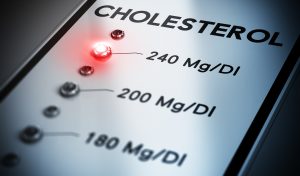
A lipid profile is a blood test that measures the number of triglycerides and cholesterol in the blood. An altered lipid profile is a risk factor for diseases like atherosclerosis, pancreatitis, etc. Eisenberg et al. 2003 conducted a study8 in rats. This study showed that Madhunashini leaf extracts could reduce serum triglycerides, low-density lipoprotein, total cholesterol, etc. This indicates that Madhunashini has the potential to correct an abnormal lipid profile. However, these results are based on animal studies and more studies are needed to claim these effects in humans4.

Obesity is a complex disease characterized by excess body fat, which can negatively affect health. Studies have supported the fact that using food sources in the right quantity and the use of complementary and alternative medicine like yoga and ayurvedic herbs may help in weight loss. A review4 conducted by Fabio et al. in 2013 stated that Madhunashini has the potential to manage obesity. This effect is attributed to inhibiting taste perception by gymnemic acids present in Madhunashini leaf and root extracts which may limit your food intake. This indicates that the Madhunashini may aid weight loss by decreasing the intake of calories. However, we need more studies to support these claims with greater reliability4,5.

Cancer is a disease in which cells of the body may multiply abnormally and form cancerous cells that may spread to other parts of the body. A review4 conducted by Fabio et al. in 2013 states that Madhunashini may help manage breast and lung cancer. The exact mechanism behind this effect is, however, still being determined. This indicates that Madhunashini may help with cancer. However, scientific evidence supporting these claims is limited. Therefore, we need more studies to support these claims4.

Many antibacterial agents in Ayurveda have been used for managing bacterial infections; one such agent is Madhunashini. A review4 conducted by Fabio et al. in 2013 stated that Madhunashini leaf extract might have antibacterial activity against bacteria like E.coli and Salmonella species. By killing these bacteria, Madhunashini may help manage urinary tract infections, diarrhoea, typhoid, etc. This indicates that it may help manage a wide range of bacterial infections. Additionally, it may also help in managing dental caries, usually caused by bacteria, and thus may help improve dental hygiene. However, there is no scientific study done on humans to support these claims4.
Though there are studies that show the benefits of Madhunashini in various conditions, these are insufficient, and there is a need for further studies to establish the true extent of the benefits of Madhunashini on human health.
In my experience, madhunashini extract may have potential benefits in wound healing. The extract contains flavonoids, which are known for their antioxidant properties. While further studies are needed, incorporating its extract in wound care may support the healing process8.
Dr. Rajeev Singh, BAMS
You must consult a qualified doctor before taking any herbal supplements. Do not discontinue or replace an ongoing treatment of modern medicine with an ayurvedic/herbal preparation without consulting a qualified doctor.
Did you know that the root bark of Madhunashini has been historically used as an emetic, expectorant, and analgesic for body aches? It has also been utilized as a traditional remedy for snakebites, with the root juice playing a role in its treatment8.
Dr. Smita Barode, B.A.M.S, M.S.
However, if you experience any adverse reactions to Madhunashini, it is advised to discontinue its intake and immediately contact a doctor or your Ayurvedic physician who has prescribed it. They will be able to guide you appropriately for your symptoms.
Also Read: Gokshuradi Guggulu: Uses, Benefits, Side Effects and more!
Consuming Madhunashini is okay if taken in moderate amounts. However, general precautions must be followed in the following conditions7:
Also Read: Vasaka (Malabar Nut): Uses, Benefits and Side Effects by Dr. Rajeev Singh
However, you must always seek the advice of your Ayurvedic physician about the possible interaction of Madhunashini with other drugs and follow the prescription thoroughly, as they will know your health condition and other medications you are taking7.
Also Read: Triphala: Uses, Benefits, Side Effects & More!
Madhunashini is also known as meshashringi (Sanskrit), gurmar and merasingi (Hindi), vakundi, kavuli and kalikardori (Marathi), dhuleti and mardashingi (Gujarathi), Podapatri (Telugu) and Cherukurinja (Tamil)1.
The scientific name of the Madhunashini plant is Gymnema sylvestre, which belongs to the Asclepiadaceae family1.
No, there are no interactions of Madhunashini with food7.
Yes, it is available in the market as Madhunashini tablet, capsules, extract, powder, paste, etc6.
Madhunashini in Tamil is known as Cherukurinja1.
Disclaimer: The information provided here is for educational/awareness purposes only and is not intended to be a substitute for medical treatment by a healthcare professional and should not be relied upon to diagnose or treat any medical condition. The reader should consult a registered medical practitioner to determine the appropriateness of the information and before consuming any medication. PharmEasy does not provide any guarantee or warranty (express or implied) regarding the accuracy, adequacy, completeness, legality, reliability or usefulness of the information; and disclaims any liability arising thereof.
Links and product recommendations in the information provided here are advertisements of third-party products available on the website. PharmEasy does not make any representation on the accuracy or suitability of such products/services. Advertisements do not influence the editorial decisions or content. The information in this blog is subject to change without notice. The authors and administrators reserve the right to modify, add, or remove content without notification. It is your responsibility to review this disclaimer regularly for any changes.
11
2The Indian system of medicine, i.e. Ayurveda, teaches us how to cherish mother nature. Ayurvedic herbs and spices play an important part in promoting health and wellness. One such herb which has gained limelight during these years is talmakhana, a special category of drugs classified under Rasayana. Talmakhana finds mention in ancient books like “Charak Samhita” and “Sushruta Samhita.” Talmakhana is the bitter seed obtained from the Asteracantha longifolia (L.) Nees. In the Unani system of medicine, these seeds are called talmakhana, whereas in Ayurvedic medicine, they are called kokilaksha (having eyes like kokila or Indian cuckoo). The other vernacular names of Talmakhana include Iksura (Sanskrit), Golmidi (Tamil), Ekharo (Gujarati) and Nirmuli (Malayalam). This plant is widely cultivated in India, Sri Lanka, Malaysia and Nepal. Let’s read more about the health benefits of talmakhana and some common considerations which you need to keep in mind before adding talmakhana to your diet1.
Talmakhana is packed with the goodness of minerals like sodium, magnesium, potassium, calcium, iron, chromium, copper, zinc, nickel, cadmium, etc. The nutritional chart of talmakhana is given below2.
Studies8 have revealed that Talmakhana may be used to tackle symptoms of gout. In my experience, Talmakhana is known for its caustic, bitter, aphrodisiac, tonic, sedative and anti-inflammatory nature that is used to manage blood disorders.
Dr. Siddharth Gupta, B.A.M.S, M.D (Ayu)
Talmakhana show numerous scientifically proven properties; some of which are mentioned below1:
Some of the potential benefits of talmakhana are described below:
Ever wondered what happens to the medicines like paracetamol once we eat it or what our body does with medicines? The liver is the organ responsible for converting these medicines into a non-toxic form that can be removed from the body. If the liver fails in its function, these drugs, like paracetamol, may accumulate in the body and can result in toxicity. Handa et al. conducted a study2 in 1999 to assess the effect of talmakhana on the liver. The findings of this study showed that talmakhana seeds had a hepato-protective effect against paracetamol poisoning in rats. The results of this study indicate that talmakhana may protect the liver against paracetamol poisoning. However, we need more scientific evidence to support these claims in humans.

Carcinogenesis is the abnormal and uncontrolled growth of cells, resulting in the formation of cancer. Over the past few years, the Indian system of medicine has been formulating different extracts from herbs and seeds like talmakhana for managing cancers. Ahmed et al. conducted an animal study3 in 2010 which showed that talmakhana seeds helped inhibit liver carcinogenesis in rats. This shows that talmakhana may have the potential to manage liver cancer. However, further research is needed to ascertain these claims as the scientific evidence available is insufficient to claim these results in human beings.
Blood glucose is the main sugar that is found in your blood. It comes from the food you eat and is the main energy source for the body. Fernando et al. conducted an animal study4 in 1991, showing that talmakhana stimulates the liver and muscles to take up glucose from the blood and store it as glycogen. These astonishing results show the importance of talmakhana in lowering blood glucose levels and thus, its potential to manage diabetes. However, we need human trials to support these claims.

Burkholderia pseudomallei are bacteria known to cause melioidosis or Whitmore’s disease. It is known to affect both humans and animals. This bacterium is found in contaminated food and water. The symptoms of melioidosis include fever, stomach, chest and joint pain, headache and weight loss. A review by Samy et al. in 2005 stated5 that talmakhana might help inhibit the growth of Burkholderia pseudomallei and reduce the infections caused by them. Thus, talmakhana is a potential antibacterial agent against Burkholderia pseudomallei. Traditionally, it has been used as a potent antibacterial agent against urinary tract infections. However, we need more scientific evidence to support these claims in humans.

Excessive fluid accumulation in the body or oedema can result in high blood pressure and heart problems like heart failure. A review carried out by Nagendra et al. in 2010 suggested that talmakhana can exert a diuretic effect1. This effect causes the kidneys to increase urine formation by removing excess fluid and salt from the body. This helps in reducing blood pressure and fluid overload leading to heart failure. Thus, talmakhana may help in managing high blood pressure and heart failure. Additionally, talmakhana may also help treat urinary stones. However, to support these claims in humans, more studies are required.

Though there are studies that show the benefits of talmakhana in various conditions, these are insufficient and there is a need for further studies to establish the true extent of the benefits of talmakhana on human health.
I read an article that suggests that Talmakhana may be used to relieve gallstones and kidney stones. The ‘ashmari’ property of Talmakhana is well known and makes Talmakhana a potential aid for managing gallstones8.
Dr. Rajeev Singh, BAMS
You must consult a qualified doctor before taking any herbal supplements. Do not discontinue or replace an ongoing treatment of modern medicine with an ayurvedic/herbal preparation without consulting a qualified doctor.
The side effects of talmakhana are minimal. Ajana et al. conducted a review6 in 2013 which stated that depending on the prakriti (human constitution), few individuals can be allergic to talmakhana and can show allergic reactions characterised by a runny nose, wheezing, rashes, etc.
However, if you experience any adverse reactions to talmakhana, it is advised to discontinue its intake and immediately contact a doctor or your Ayurvedic physician who has prescribed it. They will be able to guide you appropriately for your symptoms.
Consuming talmakhana is okay if taken in moderate amounts. However, general precautions must be followed in the following conditions:
Also Read: Ginseng: Uses, Benefits, Side Effects By Dr. Smita Barode
However, you must always seek the advice of your Ayurvedic physician about the possible interaction of talmakhana with other drugs and follow the prescription thoroughly, as they will know your health condition and other medications you are taking.
Also Read: Psyllium Husk (Isabgol): Uses, Benefits & Side Effects
Talmakhana is the bitter seed obtained from the plant Asteracantha longifolia (L.) Nees.
Yes, In the Unani system of medicine, the seeds of the plant Asteracantha longifolia are called talmakhana, whereas, in Ayurvedic medicine, they are called kokilaksha.
No, there are no benefits of talmakhana for hair growth.
It is advised to always purchase ayurvedic medicines which are assessed for their quality and efficacy. Check for the labels of these products and do not buy talmakhana seeds in loose, as these are adulterated with seeds of R.tuberosa, which is poisonous. The safety of talmakhana in elderly, children, pregnant and lactating women is not well-established. Therefore, necessary cautions must be taken. It is always advised to consult a physician if you plan to consume talmakhana.
The side effects of talmakhana are minimal. Ajana et al. conducted a review7 in 2013 which stated that depending on the prakriti (human constitution), few individuals can be allergic to talmakhana and can show allergic reactions characterised by a runny nose, wheezing, rashes, etc.
Disclaimer: The information provided here is for educational/awareness purposes only and is not intended to be a substitute for medical treatment by a healthcare professional and should not be relied upon to diagnose or treat any medical condition. The reader should consult a registered medical practitioner to determine the appropriateness of the information and before consuming any medication. PharmEasy does not provide any guarantee or warranty (express or implied) regarding the accuracy, adequacy, completeness, legality, reliability or usefulness of the information; and disclaims any liability arising thereof.
Links and product recommendations in the information provided here are advertisements of third-party products available on the website. PharmEasy does not make any representation on the accuracy or suitability of such products/services. Advertisements do not influence the editorial decisions or content. The information in this blog is subject to change without notice. The authors and administrators reserve the right to modify, add, or remove content without notification. It is your responsibility to review this disclaimer regularly for any changes.
2
0You’ve probably heard of this disclaimer on multiple occasions – ‘smoking is injurious to health’. What you may not immediately realise is the extent of the damage smoking can cause to your health and, most directly, your lungs.
Smoking is known to be the leading cause of preventable diseases and deaths globally. Nearly all forms of lung cancer, the top cause of cancer death in both men and women, can be attributed to smoking. Tobacco and tobacco-related products can damage the lungs’ ability to supply oxygen to the body. Other substances commonly found in cigarette smoke can cause permanent lung damage, even in small amounts.
A single puff of cigarette smoke contains upwards of 7,000 chemicals. Tobacco smoke contains over 70 known cancer-causing chemicals2. When you breathe these in, these toxins go deep into your lungs and can cause swelling, resulting in a host of other respiratory diseases.
Both tobacco and chemical substances found in cigarettes can change the cellular structure of the lungs. They can cause the elastic walls within the airways to break down – resulting in less functioning surface area in the lungs. Cigarettes can damage lung tissue, preventing them from functioning correctly. This can increase the risk of diseases caused by smoking, such as chronic bronchitis, emphysema, respiratory diseases, asthma and COPD (Chronic Obstructive Pulmonary Disease)1.
Nicotine in tobacco can also damage the ability of the respiratory system to filter out dust and dirt. This can lead to toxic substances passing through, resulting in lung congestion and the ‘smoker’s cough’.
A person who smokes throughout life is at high risk of developing a range of potentially fatal diseases owing to impaired lung function and breathlessness due to swelling and narrowing of the lung airways and excess mucus build-up. They are also prone to weakening the lungs’ clearance system, leading to the accumulation of toxic substances and causing lung irritation and damage. Further, they are also at an increased risk of lung infection, chronic bronchitis and heightened risk of asthma, along with permanent damage to air sacs3.
In the longer term, smoking is known to induce heart disease and stroke, in certain cases, it can cause ulcers of the digestive system and put smokers at increased risk of type 2 diabetes.
Most smokers are also likely to develop emphysema. The number of cigarettes you smoke and other lifestyle factors may impact the extent of the damage. If you’re diagnosed with either of these respiratory diseases – emphysema or chronic bronchitis, you run the risk of being diagnosed with chronic obstructive pulmonary disease (COPD).
Also Read: Does Smoking Really Affect Your Brain?
Smoking can affect a person’s health in other ways, too, harming almost every organ in the body. In most cases, it can result in a compromised immune system function, making you susceptible to many other illnesses. It can also lead to lower bone density (brittle bones), which increases the risk of broken bones and fractures. Smoking also leaves you at a higher risk of rheumatoid arthritis, heart disease and stroke, along with an increased risk for cataracts (clouding of the eye lenses).
Apart from respiratory diseases, other visible disorders include an increased risk of oral cancers, gum disease and tooth loss, premature ageing of the skin, bad breath and stained teeth and an increased risk for age-related macular degeneration, which can lead to blindness. Moreover, even your wounds may take longer to heal!
Also Read: 6 Simple Exercises to Improve Your Lung Health
It’s never too late to quit smoking. Within days of quitting smoking, lungs begin to repair themselves. In fact, just 12 hours after you quit, the amount of carbon monoxide in your blood drops to a much healthier level. More oxygen flows to your vital organs and you will be able to breathe better. In about 10 to 15 years, your risk of developing lung cancer reduces and may even become the same as a non-smoker4.
Also Read: How to Avoid Asthma Attacks During Winter
1. Centers for Disease Control and Prevention (US); National Center for Chronic Disease Prevention and Health Promotion (US); Office on Smoking and Health (US). How Tobacco Smoke Causes Disease: The Biology and Behavioral Basis for Smoking-Attributable Disease: A Report of the Surgeon General. Atlanta (GA): Centers for Disease Control and Prevention (US); 2010. 7, Pulmonary Diseases. Available from: https://www.ncbi.nlm.nih.gov/books/NBK53021/
2. National Cancer Institute. Harms of Cigarette Smoking and Health Benefits of Quitting [Internet]. Bethesda (MD): National Cancer Institute; reviewed 19 December 2017 [cited 2025 Sep 19]. Available from: https://www.cancer.gov/about-cancer/causes-prevention/risk/tobacco/cessation-fact-sheet
3. Varghese J, Muntode Gharde P. A Comprehensive Review on the Impacts of Smoking on the Health of an Individual. Cureus. 2023 Oct 5;15(10):e46532. doi: 10.7759/cureus.46532. PMID: 37927763; PMCID: PMC10625450. Available from: https://pmc.ncbi.nlm.nih.gov/articles/PMC10625450/
4. Centers for Disease Control and Prevention. Benefits of Quitting Smoking [Internet]. Atlanta (GA): CDC; updated May 15, 2024 [cited 2025 Sep 19]. Available from: https://www.cdc.gov/tobacco/about/benefits-of-quitting.html
Disclaimer: The information provided here is for educational/awareness purposes only and is not intended to be a substitute for medical treatment by a healthcare professional and should not be relied upon to diagnose or treat any medical condition. The reader should consult a registered medical practitioner to determine the appropriateness of the information and before consuming any medication. PharmEasy does not provide any guarantee or warranty (express or implied) regarding the accuracy, adequacy, completeness, legality, reliability or usefulness of the information; and disclaims any liability arising thereof.
Links and product recommendations in the information provided here are advertisements of third-party products available on the website. PharmEasy does not make any representation on the accuracy or suitability of such products/services. Advertisements do not influence the editorial decisions or content. The information in this blog is subject to change without notice. The authors and administrators reserve the right to modify, add, or remove content without notification. It is your responsibility to review this disclaimer regularly for any changes.
10
Almond oil is an edible, essential oil densely packed with a variety of nutrients that are beneficial for our health. If you are looking for a versatile oil, you must try almond oil. Almond oil is plentiful as the almond trees are cultivated as wild trees in the tropical forest and the cold and temperate regions of India, the Saharan plains, Iran, Turkey and Nepal. The oil is scientifically called Oleum amygdalae. It is prepared from two varieties of Prunus dulcis almonds, sweet and bitter. It is an oil composed of glycerine and oleic acid with a mild odour and a slightly nutty taste. Production of almond oil is an important business globally. Almond oil is produced through the separation processes of extraction and expression1,2. Let’s get to know more about this bountiful oil and how we can bring it to our home!
Did you know?
Almond oil has an abundant source of micronutrients and macronutrients. It contains bioactive compounds such as monounsaturated (MUFA) and polyunsaturated (PUFA) fatty acids, phytosterols, tocopherol and oleic acid. It is also enriched with alpha-tocopherol, beta-zoosterol and squalene4.
Nutritional value of Almond Oil per 100 grams3.
Almond oil has been used in complementary medicine systems for its immense health benefits. The following are a few properties of almond oil:
I recently read an article that says, with a high concentration of mono-unsaturated fatty acids, almond oil may assist with constipation and irritable bowel syndrome while also reducing the pace at which carbohydrates are absorbed in the stomach and improving insulin sensitivity5.
Dr. Siddharth Gupta, B.A.M.S, M.D (Ayu)
The following may be the potential benefits of eating almond oil:

Almond oil may help reduce the chances of developing heart disease. Almond oil may have antioxidant properties, eliminating free radicals and stopping bad cholesterol formation. Recent clinical trials by Jenkins et al. done in 2022 suggest that almond oil may show that when added to a daily diet, it may significantly reduce bad cholesterol and triglycerides and increase the blood levels of good cholesterol in healthy volunteers. It might enhance dyslipidaemia and endothelial function and reduce heart disease risk2,4. However, more studies are needed to conclude the benefits of almond oil for heart health. If you have heart problems, it is advisable to consult a doctor.

An animal model study4 (Al-Attar et al., 2020) found that the consumption of almond oil may normalize blood glucose. It may have a blood glucose-lowering effect related to reducing glucose absorption through the gut rather than altering insulin levels. This may be because of the lipid portion of the almond oil that may help decrease glucose levels. However, there is a requirement for research on humans to ensure that almond oil benefits diabetes. If you have diabetes, consult a doctor and get proper treatment.

Ayurveda describes many uses of almond oil for skin. Almond oil is used topically by aromatherapists, beauticians and masseuses due to its high vitamin E level. It contains oleic and linoleic acids, vitamin B and zinc that might support the nourishment of skin. A study2 done by Cantor et al. in 2006 found that almond oil may help enhance dry skin conditions such as eczema and psoriasis. Additionally, it may help soothe and revitalise the skin, boosting its tone and complexion. However, it’s best to consult a doctor before using it instead of self-medicating.

An animal study2,4 by Iwahashi 2001 et al. suggests that the inclusion of almond oil in a diet may help reduce the chances of colon cancer. It may have anti-proliferative effects that might control the spread of cancerous cells in the body. It might also help fight with breast cancer and colorectal cancer. The American practitioner, Cayce suggested the implementation of almond oil in the staple diet as it benefits people with colon cancer. Almond oil may also have free-radical scavenging activity that might help in cancer. More clinical studies may ascertain the benefits of almond oil for alleviating cancer in humans.

Almond oil may be used as a massage oil during aromatherapy. It may show a positive outcome on the quality of life of patients. According to Moradi et al., 2020, almond oil may help reduce stress, depression, anxiety and fatigue, as well as it may improve the sleep quality of an individual. Almond oil may be enriched with omega-3 fatty acids to help enhance memory functions1,4. However, more studies are needed to develop the benefits of almond oil for brain health. If you have any brain-related symptoms, take a medical consultation for an adequate line of treatment.
Though studies show the potential uses of almond oil in various conditions, these are insufficient, and there is a necessity for further studies to develop the scope of the benefits of almond oil on human health. Additionally, each person may respond differently to these herbs. It is essential to have a doctor’s advice before using almond oil for any medical condition.
I recently read an article suggesting that owing to the presence of several phytochemicals, including phytosterol, flavonoids, and polyphenols of phenolic acids, almond oil has shown to have antimutagenic and anticarcinogenic properties. This property may help with cancer6.
Dr. Rajeev Singh, BAMS
You may use almond oil as listed below:
You should consult a qualified doctor before having almond oil in large quantities. Do not discontinue or replace an ongoing modern medical treatment with an Ayurvedic/herbal preparation of almond oil without consulting an Ayurvedic physician. They will guide you with its best form and dosage per your health condition.
If you have a blocked ear canal due to earwax that doesn’t fall out on its own, I might suggest you try almond oil. Put 2 to 3 drops of almond oil in your ear 3 to 4 times a day for 3 to 5 days. However, it’s important to consult a doctor before trying this on your own7.
Dr. Smita Barode, B.A.M.S, M.S.
Despite the advantages of almond oil, it may cause certain side effects. Given below are a few side effects of almond oil:
Also Read: Badam Pisin (Almond Gum): Uses, Benefits, Side Effects & More
Having almond oil in controlled quantities might be safe. However, its consumption in larger amounts may cause harm. Therefore, it’s mandatory to keep the following precautions in mind:
Also Read: 7 Incredible Benefits Of Chia Seed Oil
More clinical research is required to know the interactions of almond oil with other drugs. Therefore, people should take medical advice from an Ayurvedic doctor. They will guide you toward the best way to have almond oil.
Also Read: Walnut Oil: Uses, Benefits, Side Effects By Dr. Smita Barode
Vitamins present in almond oil include vitamin E and vitamin K4.
Almond oil is scientifically referred to as Oleum amygdalae. It is prepared from sweet and bitter varieties of Prunus dulcis almonds. Almond oil is prepared as a glyceryl oleate (glycerine) with a mild odour and a slightly nutty taste2.
Yes. The health benefits of almond oil may be related to reducing high cholesterol levels. It may benefit heart health by decreasing bad cholesterol levels and increasing the levels of good cholesterol2.
According to the Ancient Chinese, Ayurvedic and Greco-Persian Medicine systems, almond oil may be used for managing dry skin conditions such as psoriasis. Almond oil may have moisturising and emollient properties that might help enhance skin condition, thereby providing soft and healthy skin2.
Disclaimer: The information provided here is for educational/awareness purposes only and is not intended to be a substitute for medical treatment by a healthcare professional and should not be relied upon to diagnose or treat any medical condition. The reader should consult a registered medical practitioner to determine the appropriateness of the information and before consuming any medication. PharmEasy does not provide any guarantee or warranty (express or implied) regarding the accuracy, adequacy, completeness, legality, reliability or usefulness of the information; and disclaims any liability arising thereof.
Links and product recommendations in the information provided here are advertisements of third-party products available on the website. PharmEasy does not make any representation on the accuracy or suitability of such products/services. Advertisements do not influence the editorial decisions or content. The information in this blog is subject to change without notice. The authors and administrators reserve the right to modify, add, or remove content without notification. It is your responsibility to review this disclaimer regularly for any changes.
5
2Aromatic herbs are being widely used, especially in rural areas. Eucalyptus is one such aromatic oil that has seen an increase in its use in developing countries.
Eucalyptus oil, also known as nilgiri oil, is an essential oil derived from the distillation of fresh leaves of Eucalyptus globulus and other species like E. polybractea, E. smithii, and E. viminalis, belonging to the family Myrtaceae. This tall evergreen tree is native to Tasmania and Australia. Further, it is found in Spain, the United States, Brazil, Portugal, North and South Africa, France, Southern Europe, and India. In India, it is majorly cultivated in Punjab and Haryana.
It is a straw-coloured or colourless fluid with a characteristic smell that may be described as camphor-like and pungent, and its taste is also said to be camphoraceous, followed by a cooling sensation. Let’s read about eucalyptus oil’s benefits and side effects1.
Did you know?
Eucalyptus oil is known for its wide variety of bioactive compounds. They are enlisted below:
Chemical constituents of Eucalyptus oil1.
A total of 0.26% of eucalyptus oil constituents are unknown.
Based on my experience, I have observed that eucalyptus oil might possess hepatoprotective properties. This means that it could potentially protect the liver from damage caused by certain toxins. It is believed to involve the presence of ursolic acid, a compound found in the leaves of Eucalyptus hybrid E. tereticomis. Ursolic acid is known to have antioxidant and anti-inflammatory properties, which may contribute to its ability to protect the liver cells from damage and promote their regeneration12.
Dr. Siddharth Gupta, B.A.M.S, M.D (Ayu)
Eucalyptus oil has many treasures hidden within it. Some of the properties of eucalyptus essential oil are1:
In my experience, I have observed that eucalyptus oil might be beneficial for relieving spasmodic throat troubles, such as in croup. When applied externally, it may help alleviate the spasms and provide relief12.
Dr. Rajeev Singh, BAMS
The potential benefits of eucalyptus oil for your health are:

In a study14 done by Moreira in 2001, eucalyptus oil may help in treating urinary tract infections. It may be used in an emulsion mixture with powdered gum arabic and water. This mixture may be given as urethral injections. However, a doctor should be consulted before using nilgiri oil1.
Eucalyptus essential oil has shown potential anti-diabetic properties. In a comparative study8 in 1998 by Gray, they observed the effects of eucalyptus for management of diabetes by partial restoration of pancreatic cells in rats. Further, Dey observed that eucalyptus citriodora showed potential anti-diabetic activity that was analogous to the standard diabetes drug Glibenclamide. Although, this won’t replace the medication prescribed by your doctor, you should consult a doctor before using eucalyptus oil for diabetes1,2.

Sonker et. al in a study9 in 2017 observed that eucalyptus oil may potentially relieve symptoms of respiratory diseases. It was reported in a study that major constituents of this essential oil may relieve coughing, stimulate breathing, relax the respiratory muscles and remove mucus. Further, it may help in sore throat, runny nose, cough, cold, asthma, bronchitis, sinusitis, and nasal congestion. Nilgiri oil can help in reducing the symptoms but should not be replaced with conventional treatment without consulting your doctor1.

In a study10 in 1994, Sarkar found sores, cuts, scrapes, abrasions, burns and wounds may be benefitted using eucalyptus leaf essential oil. It can be used in the form of an ointment or salve to potentially use on bug bites and stings. In a study by Sabo in 2019, extracts of eucalyptus species showed a probable reduction in the size of acetic acid-induced ulcers in rats. Therefore, it may be a possibility that eucalyptus oil can be used for wound healing. You should consult a doctor before using eucalyptus oil on your wounds1.

Maruyama11 in 2005 observed that aromatherapy massage potentially suppresses the inflammatory symptoms of oedema and neutrophil accumulation. This is because eucalyptus oil is volatile and hence, gets easily absorbed into the muscle and nerve. It has a property to reduce pain (analgesic). Eucalyptus may help in case of chronic pain along with conventional medication. Eucalyptus oil should not be traded for your medication without consulting your doctor1,2.

Other than the above-noted uses of eucalyptus, they are also some other eucalyptus oil uses and benefits, such as:
Though there are studies that show the benefits of the eucalyptus oil in various conditions, these are insufficient and there is a need for further studies to establish the true extent of benefits of eucalyptus oil on human health.
For both chemical and natural techniques, the chosen eucalyptus oil is a unique kind. An ingredient in the oil of lemon eucalyptus (OLE) is known to repel mosquitoes and other insects. I recommend the use of eucalyptus oil under the doctor’s supervision13.
Dr. Smita Barode, B.A.M.S, M.S.
Eucalyptus oil may be used in a number of ways to treat different conditions. Some ways to use eucalyptus oil are:
You must consult a qualified doctor before taking any herbal supplements. Do not discontinue or replace an ongoing treatment of modern medicine with an ayurvedic/herbal preparation without consulting a qualified doctor.
One essential component of various topical analgesics is eucalyptus. These include creams, salves, sprays, and other topical painkillers that you may apply straight to your skin. From my knowledge, eucalyptus oil works by creating a cool or warm sensation that may distract you from the pain, even if it is not the primary painkiller13.
Dr. Anuja Bodhare, B.A.M.S, M.D (Ayu)
Like most essential oils, eucalyptus oil also has many side effects. The most common eucalyptus oil side effects are:
Also Read: The Truth about Sunflower Oil: Is it Really Bad for You?
You now know that eucalyptus oil should not be consumed by itself. Some other precautions to be taken with eucalyptus oil include:
Also Read: 6 Simple Health Benefits of Essential Oils!
Eucalyptus is generally considered safe for topical use. However, it should never be consumed orally, especially without dilution with some other ingredients. It is considered toxic when consumed orally and may interact with your medications. Eucalyptus oil may affect the metabolic activity of the liver and thus, may disrupt the metabolism of certain drugs6.
If you are consuming any drug that may be metabolized by the liver, contact your general physician before using eucalyptus oil. For instance, 5-fluorouracil (5-FU) is a medication used to treat cancer. It was observed in an animal study that when eucalyptus oil is used on the skin caused an increase in the absorption of topical 5-FU. Further, some diabetic medication also interacts with eucalyptus oil3,6.
Also Read: Tea Tree: Uses, Benefits, Side Effects, and More!
Yes, the benefits of eucalyptus oil for cold are widely reported. It can be used via inhalation and cough drops. It has expectorant, antispasmodic and antiviral properties.
No, eucalyptus oil cannot be consumed orally, especially in large doses. It is usually consumed as a pharmaceutical product or can be used as a topical medication.
Yes, eucalyptus oil can be used for wounds like abrasions, burns, scrapes, cuts and sores. It can be applied as a salve.
Yes, eucalyptus oil can interact with other drugs that get metabolized by the liver as it affects the metabolism rate in the liver. For example, 5-fluorouracil sees an increase in absorption when used topically with eucalyptus oil.
No, children under the age of one should not be administered eucalyptus oil. Children may be administered eucalyptus oil only after referring to a general physician.
1. Rathva D, Parmar D, Upadhyay S, Upadhyay U. A Basic Review on Eucalyptus Oil. International Journal of Pharmaceutical Research and Applications [Internet]. [cited 2022 Nov 29];5(2):771–81. Available from: https://ijprajournal.com/issue_dcp/A%20Basic%20Review%20on%20Eucalyptus%20Oil.pdf?
2. Dhakad AK, Pandey V v., Beg S, Rawat JM, Singh A. Biological, medicinal and toxicological significance of Eucalyptus leaf essential oil: a review. J Sci Food Agric. 2018 Feb 1;98(3):833–48. Available from: https://pubmed.ncbi.nlm.nih.gov/28758221/
3. Dey B, De J, Ghatak S, Maiti K. Chemo-profiling of eucalyptus and study of its hypoglycemic potential. Integr Med Res. 2013;2(3):101-107. Available from: https://pmc.ncbi.nlm.nih.gov/articles/PMC3797882/
4. Sanches Abelan U, Savassa Pinto Cacoci RPh É, Elyan Azevedo Martins T, Mansanares Giacon V, Valéria Robles Velasco M, Rosana Ribeiro de Castro Lima C, et al. Potential use of essential oils in cosmetic and dermatological hair products: A review. J Cosmet Dermatol. 2021;00:1–12. Available from: https://pubmed.ncbi.nlm.nih.gov/34129742/
5. Chandorkar N, Tambe S, Amin P, Madankar C. A systematic and comprehensive review on current understanding of the pharmacological actions, molecular mechanisms, and clinical implications of the genus Eucalyptus. Phytomedicine Plus. 2021 Nov 1;1(4):100089. Available from: https://www.sciencedirect.com/science/article/pii/S2667031321000713#:~:text=It%20can%20be%20concluded%20that,the%20treatment%20of%20respiratory%20disorders.
6. Wang X, Zheng J, Shen Y, Ma H, Xie D. Efficacy and safety of inhaled essential oil for postoperative nausea and vomiting: a systematic review and meta-analysis. Pharmacol Res Perspect. 2023;11(4):e01198. doi:10.1002/prp2.1198. Available from: https://pmc.ncbi.nlm.nih.gov/articles/PMC10322318/
7. Eucalyptus Oil: Important information about eucalyptus oil [Internet]. Available from: https://www.medicines.org.uk/emc/files/pil.4843.pdf
8. Gray AM, Flatt PR. Antihyperglycemic actions of Eucalyptus globulus (Eucalyptus) are associated with pancreatic and extra-pancreatic effects in mice. J Nutr. 1998 Dec;128(12):2319–2323. doi: 10.1093/jn/128.12.2319. Available from: https://academic.oup.com/jn/article-abstract/128/12/2319/4724260?redirectedFrom=fulltext
9. Sonker P, Verma S, Gupta P. To study the pharmacological effect and beneficial effect of Eucalyptus globulus in different types of diseases. Int J Res Pharmacol Pharmacother. 2017;6(1):81–88. doi:10.61096/ijrpp.v6.iss1.2017.81-88. Available from: https://www.researchgate.net/publication/320979770_81_To_Study_the_Pharmacological_Effect_and_Beneficial_Effect_of_Eucalyptus_Globulus_in_Different_types_of_Diseases
10. Sarkar S N. Capillary permeability-increasing effect of Eucalyptus hybrid leaf and Seseli indicum seed oils in rabbit. Indian J Pharmacol. 1994;26(1):55–56. Available from: https://journals.lww.com/iphr/abstract/1994/26010/capillary_permeability_increasing_effect_of.12.aspx
11. Maruyama N, Sekimoto Y, Ishibashi H, Inouye S, Oshima H, Yamaguchi H, et al. Suppression of neutrophil accumulation in mice by cutaneous application of geranium essential oil. J Inflamm (Lond). 2005;2:1. doi: 10.1186/1476-9255-2-1. Available from: https://journal-inflammation.biomedcentral.com/articles/10.1186/1476-9255-2-1
12. Kesharwani V, Gupta S, Kushwaha N, Kesharwani R, Patel DKM. A review on therapeutics application of eucalyptus oil. Int J Herb Med. 2018;6(6):110–115. Available from: https://www.researchgate.net/publication/332370890_A_review_on_therapeutics_application_of_eucalyptus_oil
13. WebMD. 12 Ways to Use Eucalyptus Oil [Internet]. WebMD; 2025 [cited 2025 Nov 17]. Available from: https://www.webmd.com/vitamins-and-supplements/ss/slideshow-eucalyptus-oil-benefits-and-uses
14. Moreira MR, Cruz GMP, Lopes MS, Albuquerque AAC, Leal-Cardoso JH. Effects of terpineol on the compound action potential of the rat sciatic nerve. Braz J Med Biol Res. 2001 Oct;34(10):1337-1340. doi:10.1590/s0100-879×2001001000015. Available from: https://pubmed.ncbi.nlm.nih.gov/11593310/
15. Kumar KJ, Sreenivasan T, Vinayak N, Sreenivasan U. Eucalyptus oil poisoning. Indian J Crit Care Med. 2015;19(6):376-378. Available from: https://pmc.ncbi.nlm.nih.gov/articles/PMC4721170/
Disclaimer: The information provided here is for educational/awareness purposes only and is not intended to be a substitute for medical treatment by a healthcare professional and should not be relied upon to diagnose or treat any medical condition. The reader should consult a registered medical practitioner to determine the appropriateness of the information and before consuming any medication. PharmEasy does not provide any guarantee or warranty (express or implied) regarding the accuracy, adequacy, completeness, legality, reliability or usefulness of the information; and disclaims any liability arising thereof.
Links and product recommendations in the information provided here are advertisements of third-party products available on the website. PharmEasy does not make any representation on the accuracy or suitability of such products/services. Advertisements do not influence the editorial decisions or content. The information in this blog is subject to change without notice. The authors and administrators reserve the right to modify, add, or remove content without notification. It is your responsibility to review this disclaimer regularly for any changes.
5
0An organized fitness and diet regimen is required to maximize the benefits of the liposuction procedure and ensure that undesired fatty deposits do not form in your body again. It is critical to understand that liposuction isn’t a forever weight loss operation but rather a method of contouring or shaping certain regions of the body. Suction is used to remove excess fat from beneath the skin and if caution is not followed, the fat will most likely return.
In the absence of regular exercise and a nutritious, balanced diet, the fat will most certainly return. One research1 report released in the Journal of Clinical Endocrinology and Metabolism demonstrates the dangers of not exercising after surgery. Researchers2 from the University of So Paulo selected 36 healthy but sedentary women between the ages of 20 and 35. The women weren’t obese, but they all agreed to have 2.5 to 3 pounds of abdomen fat removed via liposuction.
Six months later, half of the women had acquired fat, primarily visceral fat, which collects surrounding organs deep inside the abdomen and is known to trigger metabolic alterations that raise the risk of coronary disease and diabetes. These women accumulated 10% more visceral fat than they had previously.
The other 50 % of the patients did not gain weight since they were randomly allocated to begin exercising post-surgery. While their peers remained sedentary following liposuction, these women began a four-month training plan that included both aerobic and weightlifting three to four times each week. Not only did the fat not return, but they also had little fat in their bodies overall. They were also more physically fit and had better insulin sensitivity.
Yes, liposuction can help you look the way you’ve always desired to; however, without exercise and a balanced diet, you’ll be back to where you started.
You should expect some inflammation and water retention just after liposuction, but this should go away in two to three weeks. Doctors advise against engaging in strenuous exercise. If you get standard liposuction, then you must wait three to five weeks, based on your susceptibility to aerobic activity. It cannot be overstated that liposuction isn’t a lifelong weight loss operation and depending on which area the treatment is performed on your body, you will require an activity routine to maintain it.
Toning exercises can indeed be steadily increased between two and three weeks after surgery. It is critical for the body to recover initially to achieve the finest surgical results. After six weeks, typically, liposuction patients are comfortable enough to engage in intense activities. To keep the fat off your abdomen, you must maintain a consistent aerobic and abdominal training routine. Running, cycling, swimming and aerobics are the finest cardio activities, but there are many additional basic abdominal exercises that anyone may incorporate into their fitness program after liposuction3.
You can undertake these exercises to support you in maintaining body weight after liposuction. Make sure you speak to your doctor before beginning any exercise regimen.

The first step that one should take is taking a 2–6-week hiatus from any rigorous “workout-like” activity. Stay comfortable at home, rest enough, and give your body some time to adjust to the new you. Begin cautiously after a month and a half of relaxation. Start with stretches that target your core stability and your legs. It will take some time to build up your muscular resistance and flexibility. Hold the positions for longer than usual and gradually increase the time4.

This will help activate the limbic system. It is also vital to ease into this exercise gradually after a break of 2-3 months. Work up a sweat on the treadmill and slowly increase the pace or intensity from week to week5.

Yoga is an excellent technique to align your mind and body. Given your recent physical changes, getting back in sync with your body should be a top priority. Begin with slower, more meditative kinds of yoga before returning to your power yoga regimen. After surgery, you require yoga to maintain body weight, not to lose body weight6.

You should not stay inactive for too long since fat will develop in the places you recently had it removed from. Before you hit the gym after 6-7 weeks, go on walks or jog a little to refresh your mind and help your body feel as though it’s going back to routine (do this even a week after surgery).

In the initial few days after surgery, moderate aerobic exercise (mostly walking) is advised. The essential thing to remember during recuperating is to respond to the body’s cues and not force yourself past your unique level of comfort. You may steadily resume your regimen and at the six weeks point, you’ll be able to resume maximum-impact activities like running, swimming, or outdoor cycling.

Resistance training that does not involve the medically treated area of the body can be undertaken as early as the second week of surgery. Resistance routines, like sit-ups, squats, etc., should be introduced into the system with utmost care and attention towards how the body reacts. If resistance training causes pain, pressure, or discharge, stop immediately and consult a doctor. Resistance workouts can be started as permitted around operative areas once incisions have healed well and bruises have faded, typically about six weeks after surgery.
You may be concerned that if you do not maintain your exercise routines, you may lose your strength and physical stamina. However, you must remember that exercise right after liposuction can aggravate swelling and discomfort, making recovery time even longer.
If you want to resume exercising, start with lighter workouts and avoid running, cycling, or dancing for the first month after liposuction. Instead, go for mild weight-training routines. The use of gym equipment and machines that produce pressure around the treatment region should be avoided.
Before you begin engaging in exercise, discuss with your doctor your health condition and follow his/her advice to avoid any health complications.
Disclaimer: The information provided here is for educational/awareness purposes only and is not intended to be a substitute for medical treatment by a healthcare professional and should not be relied upon to diagnose or treat any medical condition. The reader should consult a registered medical practitioner to determine the appropriateness of the information and before consuming any medication. PharmEasy does not provide any guarantee or warranty (express or implied) regarding the accuracy, adequacy, completeness, legality, reliability or usefulness of the information; and disclaims any liability arising thereof.
Links and product recommendations in the information provided here are advertisements of third-party products available on the website. PharmEasy does not make any representation on the accuracy or suitability of such products/services. Advertisements do not influence the editorial decisions or content. The information in this blog is subject to change without notice. The authors and administrators reserve the right to modify, add, or remove content without notification. It is your responsibility to review this disclaimer regularly for any changes.
6
0With an increase in the number of people suffering from different diseases affecting the lungs, nebulisers have gained more popularity due to their benefits. Nebulisers are extremely helpful devices for people suffering from different conditions of the lungs, e.g. infections of the lungs, COPD, cystic fibrosis, bronchitis, bronchiectasis, pneumonia etc. While most people are familiar with the concept of an inhaler, nebulisers are slowly catching on. Nebulisers must be used as prescribed by a doctor1. These devices can also help to deliver salt water mist (medical grade) to airways in order to loosen the mucous plugs and ease expectoration( coughing out mucous). In this article, we discuss what a nebulizer is, what it does and why you should consider one.
A nebuliser is a small portable device that runs electronically, turning liquid medication into a mist. The patient then needs to breathe in the aerosol thus created through a mouthpiece. The mist, when inhaled, travels directly to the lungs, ensuring better absorption of the medication and a more effective outcome of your ongoing treatment.
The nebuliser has four major parts:
The nebuliser machine functions by forcing air through the nebuliser chamber, wherein the liquid medication needs to be poured2. This forced air turns the medicine into a mist that comes out through the mouthpiece or the mask by making its way through the connected tube. The medication should be inhaled for about 10-15 minutes or until the medication has evaporated completely. This instruction will be given to you by your doctor.

A nebuliser can be recommended to you by your doctor in case your respiratory condition is of severe nature. The machine helps to clear the airways effectively and fast because the liquid medication directly reaches the lungs and acts better. A nebuliser is helpful in the following ways3:
Cleaning the non disposable nebuliser masks and nebuliser as per company guidelines is very important in long term usage as colonization of bacteria in the nebulisers are very common.
Dr. M.G. Kartheeka, MBBS, MD(Pediatrics)

The two most common types of nebulisers .available on the market are:
If you have a disposable nebulizer, discard it after one time use. If you have a reusable nebulizer, clean it after each use and try to remove the moisture as much as possible.
Dr. Ashish Bajaj, M.B.B.S., M.D in Clinical Pharmacology and Toxicology

While there are many brands selling nebulisers in the market, the PharmEasy Nebuliser (PEN-002) can also be a good choice for you if you are on the lookout for affordable, safe and accurate medical devices. The PharmEasy Nebuliser has been designed with the latest RespiRight technology that atomises liquid medication into five types of particles. This ensures that the medication not only reaches the lungs effectively, minimising wastage but travels quickly, within minutes!
The device is also easy to handle, easy to clean and comes with a child and paediatric mask. The PharmEasy Nebuliser has received FDA approval and is known for its ability to help people with respiratory conditions such as COPD, asthma, cystic fibrosis, bronchitis, pneumonia, chronic cough and many others. If you have someone in your family who suffers from chronic respiratory trouble, you can speak to a doctor and consider investing in the PharmEasy Nebuliser. The device is affordable, convenient to use and suitable for people of all ages.
For the safety and well-being of your loved ones who suffer from respiratory conditions, talk to your doctor about having a nebuliser in the house and the medicines that can be used with it. At home- nebulisers can come to your aid if the problem worsens or requires frequent nebulisation. Breathing difficulty should not be ignored. Always consult a doctor for the diagnosis of the condition and follow the treatment prescribed.
Disclaimer: The information provided here is for educational/awareness purposes only and is not intended to be a substitute for medical treatment by a healthcare professional and should not be relied upon to diagnose or treat any medical condition. The reader should consult a registered medical practitioner to determine the appropriateness of the information before consuming any medication. PharmEasy does not provide any guarantee or warranty (express or implied) regarding the accuracy, adequacy, completeness, legality, reliability, or usefulness of the information; and disclaims any liability arising thereof.
Links and product recommendations in the information provided here are advertisements of third-party products available on the website. PharmEasy does not make any representation of the accuracy or suitability of such products/services. Advertisements do not influence the editorial decisions or content. The information in this blog is subject to change without notice. The authors and administrators reserve the right to modify, add, or remove content without notification. It is your responsibility to review this disclaimer regularly for any changes.
3
1The gall bladder is an organ on the right side of the abdomen and is located below the liver. It stores the digestive juice (bile) secreted by your liver, which is then released into the small intestine to help break down fats. Cholelithiasis is the medical term for gallstones, which are solid deposits formed in the gall bladder. These occur in a range of sizes and can be single or multiple in number.
The symptoms of gall bladder stones may include abdominal pain, indigestion, back pain, fever, and vomiting1. In case you experience any of these symptoms for over a few hours or repeatedly, consult your doctor for diagnosis and treatment.
Remember, diet can play an important role in managing the symptoms of many conditions, including gall bladder stones. So, what should you eat and what foods should you avoid when you have gall bladder stones?
As a doctor, I advise individuals with gallstones to incorporate foods rich in vitamin B and iron into their diet. Some examples may include whole grains, dark leafy greens like spinach and kale, and sea vegetables. These nutrient-rich foods may provide essential vitamin B and iron, which are important for maintaining overall health.
Dr. Anuja Bodhare, B.A.M.S, M.D (Ayu)
A healthy diet may not help to fight all the symptoms of gall bladder stones or save you from surgery; however, it may help avoid worsening of the symptoms. This article aims to provide a guideline on what foods you should include in your diet to help reduce the stress on your gall bladder. We recommend consulting a doctor and a nutritionist for an appropriate meal plan.
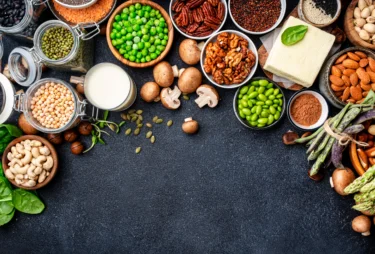
It is common knowledge that plant-based foods such as fruits and vegetables are rich in nutrients, which are essential for the body to stay healthy and functional. They also provide an ample amount of vitamins, minerals, and antioxidants. These antioxidants help remove toxins and free radicals produced by natural processes and processed food. A build-up of toxins can break down the body’s natural balance and cause cell damage. Plant-based foods offer the nutrition needed to get better and help reduce the stress on the digestive system2. Another advantage is that plant-based foods decrease the risk of cholesterol, which may help manage gallbladder stones associated with cholesterol.
As a piece of advice that I consistently offer to patients with gallstones, I recommend basing their meals on starchy carbohydrates such as bread, pasta, rice, and potatoes. By focusing on these wholesome carbohydrates, individuals with gallstones may create a nourishing and gallstone-friendly diet that promotes good health that contributes to a better you9!
Dr. Smita Barode, B.A.M.S, M.S.

Including a source of protein that is low in saturated fat might help lower the levels of bad cholesterol in our bodies. Red meat, a good source of protein, is high in fat, which can put stress on the gall bladder. Thus, choosing lean protein sources might help you manage the symptoms of gall bladder stones. Some common options are:
You should avoid dairy products and also processed meats as they generally have higher salt content. According to a study published in the database of the National Institutes of Health, a higher intake of vegetable protein might help lower the risk of gall bladder conditions3.
Based on my personal experience, I have found a great way to add more fruits to a gallstone-friendly diet. I recommend including fruits like bananas, berries, or a handful of dried fruit in your breakfast cereal. By doing so, you may enjoy a delicious and nutritious start to your day while ensuring you incorporate the benefits of fruits into your diet.
Dr. Rajeev Singh, BAMS
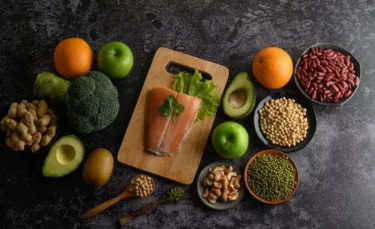
Fibre is essential for good digestive health and enhances the movement of food through our gut. Thus, fibre-rich foods help lower the production of secondary bile acids, which can help decrease the stress on the gall bladder. According to a study published in the National Library of Medicine, a high-fibre diet helped decrease the production of biliary sludge (thick bile that can form gallstones)4. An increase in the amount of this sludge means an increase in the risk of gall bladder diseases. Thus, people who follow a fibre-rich diet might be at a reduced risk of gallbladder stones. It also suggests that a fibre-rich diet might offer relief to people affected with gall bladder stones. Some sources of fibre are:-
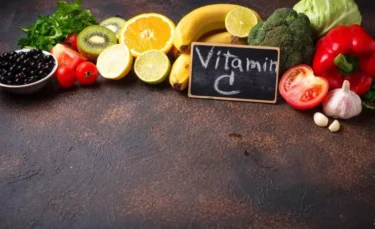
According to a hospital case study published by the National Library of Medicine, vitamin C, magnesium, and folate can help reduce the risk of gall bladder diseases and improve your gall bladder health5. Some sources high in vitamin C are:-
As part of a gallstone-friendly diet, I may suggest incorporating healthy fats such as fish oil. It may help support the regular contraction and emptying of the gallbladder8.
Dr. Siddharth Gupta, B.A.M.S, M.D (Ayu)
Now that we know about what foods we should include in our diet for a healthy gall bladder, let us look at foods we should avoid.

Unrefined carbohydrates are considered to be healthy and some sources, like whole grains and cereals, can provide essential nutrients. However, refined carbohydrates are more difficult to digest and may increase the risk of gall bladder diseases6. Some carbohydrates that you need to steer clear of are:-

The bile produced in the gall bladder helps dissolve fats. However, it is difficult to break down saturated and trans fats, which may add to the stress on the gall bladder2. Some major sources of unhealthy fats are:-

Despite taking precautions, in some cases, the gallbladder may still need to be removed. Removal of the gall bladder does not have any serious adverse effects on the body’s digestive system. However, other body systems will take time to adjust, during which the individual must make certain dietary changes to accommodate the body’s condition. Some common tips include:-
Always be sure to consult your doctor if you have nausea and pain.
Also Read: Top Non Dairy Calcium Rich Foods to Add to Your Daily Diet
The management of gall bladder stones primarily depends on adopting a balanced, plant-based diet with lean proteins, fibre-rich foods, and adequate vitamin C. Removing refined carbohydrates and unhealthy fats from your diet may help you avoid further stone formation. After gall bladder removal, eating smaller, lighter meals and allowing your digestive system time to adjust may help support faster recovery and long-term digestive health.
Also Read: Home Remedies for Gallbladder Stones
It is important to adopt a diet that puts less stress on the digestive system and is rich in fibre to help promote digestion. Refer to the article for detailed guidelines.
Avoid oily and deep-fried foods. Anything that triggers indigestion or bloating must be avoided.
Some common drinks that you can safely consume while you have gallstones are apple cider vinegar, apple juice, peppermint tea, turmeric tea, buttermilk and water. You should avoid drinks like caffeine that can further upset your digestive system.
The best way to get rid of pain due to gallbladder stones is by the surgical removal of the gallbladder. Other ways can be the medicines advised by your doctor.
Disclaimer: The information provided here is for educational/awareness purposes only and is not intended to be a substitute for medical treatment by a healthcare professional and should not be relied upon to diagnose or treat any medical condition. The reader should consult a registered medical practitioner to determine the appropriateness of the information and before consuming any medication. PharmEasy does not provide any guarantee or warranty (express or implied) regarding the accuracy, adequacy, completeness, legality, reliability or usefulness of the information; and disclaims any liability arising thereof.
Links and product recommendations in the information provided here are advertisements of third-party products available on the website. PharmEasy does not make any representation on the accuracy or suitability of such products/services. Advertisements do not influence the editorial decisions or content. The information in this blog is subject to change without notice. The authors and administrators reserve the right to modify, add, or remove content without notification. It is your responsibility to review this disclaimer regularly for any changes.
59
6The liver, gallbladder, and the ducts associated with the two organs comprise the human biliary system. The biliary system functions include producing and storing bile. Bile originates in the liver and is refined and stored in the gallbladder. One of its main functions is the digestion of fats in the food. When you are not eating, the bile is stored in the gallbladder, where it also becomes concentrated. When you eat, the gallbladder contracts to release the stored bile into the small intestine.
Sudden intense spasm or pain on the upper right side of the abdomen or back, usually after an evening meal, nausea, and vomiting signal that all may not be well with your gallbladder. The pain may last for a few minutes to a few hours2.
Gallstones are the most common cause of problems in the gallbladder. They are hard nuggets of usually cholesterol or bilirubin2, and their size can range from as small as a grain of sand to as large as a golf ball. There may be a single gallstone or multiple ones3.
Stones in your gallbladder are of three types cholesterol, pigment, mixed gallstones3.
Gallbladder stones are formed due to:
There is no established reason yet as to why some people have excess of these chemicals and others do not1,2.
There are only a few specific risk factors identified for gallstone formation. These include:
A study corroborates that women are at higher risk of gallbladder stones due to pregnancy and sex hormones. Secretion of biliary cholesterol is associated with oestrogen, a group of hormones which play a vital role in aiding the reproductive development in women and maintaining normal sexual health. This results in supersaturation of bile with cholesterol, making it prone to the formation of stones4. A study on “Lifestyle and Gallstone Disease” concluded that heaviness or obesity in the abdominal region, lack of physical activity and high intake of foods rich in saturated fats were the most common risk factors for gallstones5.
The traditional risk factors for gallstone disease are the four “F’s: female, fat, forty, and fertile,” with many studies supporting the known risk factors for gallstone disease.
Dr. M.G. Kartheeka, MBBS, MD
In a majority of cases, there may be no symptoms associated with gallstones1 however, they may be detected on ultrasound examination6. If the gallstones block the bile duct, it can cause pain3.
Here are some of the symptoms and complications that may indicate the presence of gallbladder stones:
When gallstones block the biliary duct, you start feeling the pain3. The prevalence of gallstones in the female population in some parts of North India is 5.59%8.
Complications of untreated gallstones include:
Because all gallstones might not need surgery and there is no guidance on how big a stone should be to get operated on, complications and the patient’s health conditions are determining factors.
Dr. Ashish Bajaj, M.B.B.S. M.D. in Clinical Pharmacology and Toxicology
If you notice any of the above-mentioned symptoms or your symptoms seem to be getting worse, you need to consult a doctor right away.
There is no established evidence yet that home remedies are an effective treatment for gallstones. They may, however, provide some symptomatic relief and may help maintain the status quo. We will discuss some exclusive home remedies, along with some natural remedies that may also be tried at home to support good digestive health and gallbladder health.
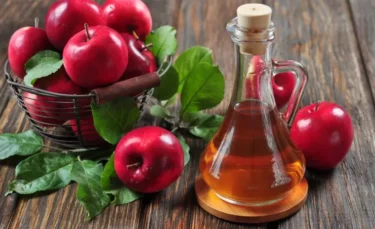
A mixture of apple juice and apple cider vinegar may be useful as a cleanser. Apple cider vinegar is known to have some health benefits, but its efficacy in gallstones is not medically established. Consumption of large amounts of apple juice is not advisable for those with diabetes, hypoglycaemia (low blood sugar), and stomach ulcer.
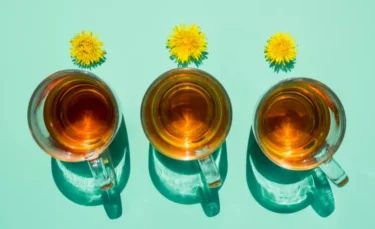
This flower, also called Singhparni in India, was traditionally known as an effective home remedy for problems of the gallbladder, liver, and bile ducts. It is believed to encourage the production of bile, which is then stored in the gallbladder. Dandelion products may be used for gallstones9.
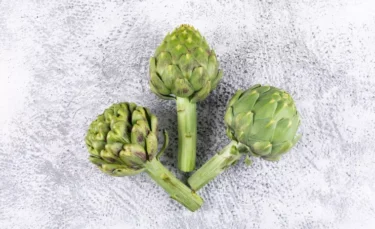
Artichoke has a compound called cholagogue, which is known to assist the production of bile and aid the functioning of both the liver and the gallbladder (cholagogue and choleretic properties)10. You may cook it in various ways to your taste or buy it as a supplement.
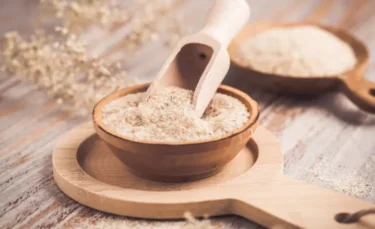
Psyllium husk or isabgol is a popular remedy used for regularising bowel movements in India. It is believed to avoid the formation of cholesterol gallstones11.
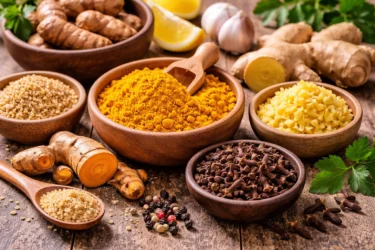
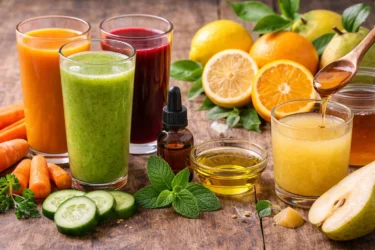
Although these home remedies are believed to help with gallstones, it is important to consult your doctor before using anything new.
Gallbladder stones may not always be symptomatic however, if you experience any symptoms associated with gallbladder stones, you should consult a doctor immediately. Prompt medical evaluation and early diagnosis and treatment are essential for avoiding complications from untreated gallbladder stones. Although some lifestyle and dietary changes may support gallbladder health, they may not be able to remove the stones.
Also Read: Simple Home Remedies For Pinworms
Applying a towel soaked in warm water or a heating pad or hot water bottle to the pain-affected area may help reduce your gallbladder pain. In case of severe pain, a doctor will prescribe you medicines for pain relief.
Left untreated, you increase the risk of your gallstone blocking your bile duct. This block may gradually lead to inflammation and infection in your bile duct, inflammation of the gallbladder, and even cause pancreatitis. Untreated gallstones may also increase the risk of jaundice and cancer of the gallbladder.
If you have gallstones, you should avoid:
Fatty foods, such as fried chicken, French fries, potato or banana chips, chanachur/dalmut.
Full-fat milk, butter, cheese, cream, ice cream.
Fatty meats like pork, mutton and beef.
Bacon, ham, sausage and any other processed meat.
Alcohol.
Cheese sauces, mayonnaise, salad dressings and dips with cream content.
Disclaimer: The information provided here is for educational/awareness purposes only and is not intended to be a substitute for medical treatment by a healthcare professional and should not be relied upon to diagnose or treat any medical condition. The reader should consult a registered medical practitioner to determine the appropriateness of the information and before consuming any medication. PharmEasy does not provide any guarantee or warranty (express or implied) regarding the accuracy, adequacy, completeness, legality, reliability or usefulness of the information; and disclaims any liability arising thereof.
Links and product recommendations in the information provided here are advertisements of third-party products available on the website. PharmEasy does not make any representation on the accuracy or suitability of such products/services. Advertisements do not influence the editorial decisions or content. The information in this blog is subject to change without notice. The authors and administrators reserve the right to modify, add, or remove content without notification. It is your responsibility to review this disclaimer regularly for any changes.
46
4


