
Few things feel worse than falling ill after enjoying your favourite meal. Unfortunately, this is sometimes the reality when food is not prepared or stored properly. Discomfort such as abdominal discomfort, nausea, or general digestive upset can follow, leaving you feeling unwell and drained.
While there is no instant fix for this kind of discomfort, there are simple, everyday habits that may help support your recovery and overall well-being during such times.
What many people do not realise is that some of the ingredients commonly found in their kitchen might be helpful in managing mild digestive discomfort. For example, cumin seeds, often used in cooking, may have properties that support digestion and soothe the stomach when included as part of a balanced routine1.
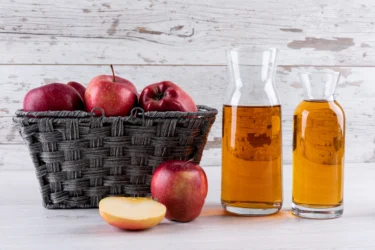
Apple cider vinegar is known to have antibacterial properties and may support digestive health. Some people include it as part of their home routine during periods of digestive discomfort2.
Tips on How to Consume: Add two tablespoons of apple cider vinegar to a glass of lukewarm water and drink it away. This may help stabilise the body as you recuperate from the condition.

Rich in potassium and fibre, bananas are easy to digest and make for a reliable, quick, healthy option for food poisoning3.
Tips on How to Consume: Consume one whole, ripe banana daily, or prepare a banana shake and consume it twice every day.
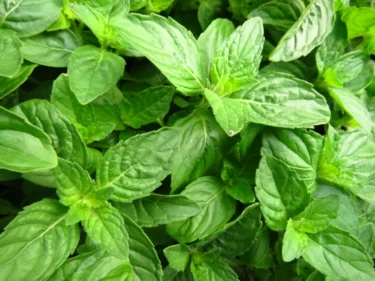
Basil has several health benefits. Its antimicrobial properties can alleviate the discomfort caused by food poisoning4.
Tips on How to Consume: Consume the juice of basil mixed with a teaspoon of honey, or chew on some basil leaves along with cardamom. The combination of cardamom and basil help to ease food poisoning symptoms.
I recommend including toast in your diet if you’re dealing with food poisoning. Toast is a low-fibre food option that may help firm up your stool, making it easier on your digestive system11.
Dr. Smita Barode, B.A.M.S, M.S.
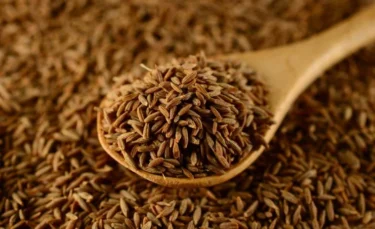
The seeds of this flavourful herb can help reduce stomach inflammation and ease abdominal discomfort caused by food poisoning5.
Tips on How to Consume: Add one teaspoon of cumin seeds to a cup of boiling water. Additionally, add some freshly extracted coriander juice to it with a pinch of salt. Allow it to cool down until it is lukewarm and then drink it.
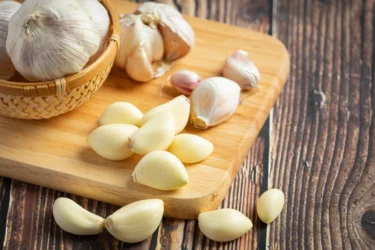
Packed with antibacterial, antifungal, and antiviral properties, garlic is certainly one of the most nutritive ingredients available. One of the many benefits of garlic is that it helps detoxify your system, thus contributing to digestive wellness6.
Tips On How to Consume: Chew on a fresh garlic clove or mix the crushed cloves of garlic with a teaspoon of honey before consuming.
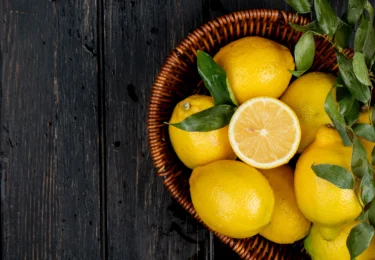
Lemons are a great source of Vitamin C. It helps to keep you hydrated and relieves discomfort in the digestive system. Moreover, lemon helps in detoxification, which in turn, keeps your system clean and healthy from within7.
Tips On How to Consume: Squeeze out half a lemon into a glass of lukewarm water. Add a teaspoon of honey to it and consume. Drinking this water 2-3 times a day can speed up recovery from food poisoning.
Also Read: 13 Immunity-Boosting Foods To Build A Healthy Life
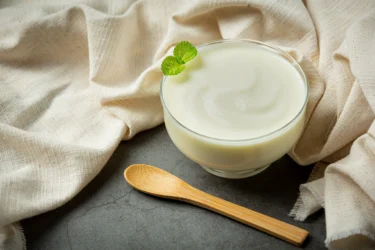
The antimicrobial and antibacterial properties of yoghurt make it an ideal food to eat. Consuming yoghurt helps to combat bacteria, which causes food poisoning. When combined with fenugreek seeds, it has a soothing effect on your stomach, the concoction provides prompt relief from abdominal discomfort8,9.
Based on my observations, when dealing with food poisoning, opting for a nourishing choice like broth and whole-wheat crackers might be highly beneficial. Broth, with its sodium and water content, may aid in rehydration, helping to replenish lost fluids. Meanwhile, the crackers might provide some bulk to your stools, easing your digestive discomfort13.
Dr. Siddharth Gupta, B.A.M.S, M.D (Ayu)
The BRAT Diet, comprising bananas, rice, applesauce, and toast, is often used in the early stages of recovery from food poisoning because these foods are bland, easy to digest, and gentle on an irritated stomach15. However, it is low in nutrients and should be phased out gradually as symptoms improve to restore a balanced diet.
After experiencing food poisoning, it is important to give your body the care and support it needs to recover. In addition to choosing gentle foods, here are some steps that may help speed up your recovery:
As a doctor, I highly recommend that you always check for the word ‘pasteurised’ on the containers of milk, yoghurt, cheese, and other dairy products. Pasteurisation is a crucial process that may help eliminate harmful bacteria and pathogens, ensuring the safety of these products10.
Dr. Anuja Bodhare, B.A.M.S, M.D (Ayu)
Oral Rehydration Solution (ORS) helps prevent and treat dehydration caused by vomiting and diarrhoea17 during food poisoning. It replaces lost fluids and essential electrolytes and is recommended by health authorities for home use in mild cases.
Probiotics may help restore healthy gut bacteria after food poisoning and can support recovery from diarrhoea. They are not a treatment for acute infection but may be used as supportive care once vomiting has reduced and the stomach can tolerate food16.
Food poisoning affects both children and adults, but the approach to care can differ due to variations in immunity, hydration needs, and risk of complications.
| Aspect | Kids | Adults |
| Hydration | Frequent small sips; high dehydration risk; ORS is often recommended | Regular fluid intake; ORS may be helpful if significant fluid loss occurs |
| Food approach | Very simple foods: banana, rice water, toast | Soups, soft proteins, cooked vegetables |
| Monitoring symptoms | Lethargy, dry mouth, sunken eyes, reduced urination, absence of tears when crying, or unusual irritability | Monitor for dehydration, persistent vomiting, worsening diarrhoea, dizziness, or inability to maintain fluid intake |
| Medical attention | Seek medical care if vomiting or diarrhoea lasts more than 24 hours | Consult a doctor if symptoms are severe, persistent, or not improving |
Note: Infants, young children, older adults, pregnant women, and people with weakened immune systems may be at higher risk of complications from food poisoning and should be monitored closely.
Now that you know which foods may support your recovery from food poisoning, it’s equally important to avoid those that could make your symptoms worse. Start by eliminating the food that initially caused the discomfort. Then, focus on consuming food that is hygienic and safely prepared. It is advisable to avoid fried, spicy, or heavily seasoned foods, including junk food, as well as caffeinated drinks, alcohol, dairy products, and nicotine. Additionally, avoid of fruit juices, as they may irritate the stomach. While fibre is an essential part of a healthy diet, it is best to limit high-fibre foods during recovery, as they can put extra strain on your digestive system.
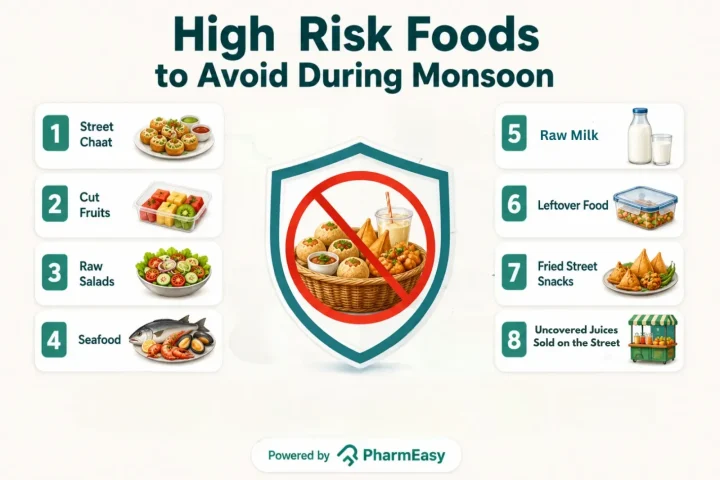
During the monsoon season, high humidity and poor storage conditions increase the risk of bacterial growth in food. Certain commonly consumed items are more likely to cause food poisoning if not prepared or handled hygienically:
Adding oatmeal to your diet might be really helpful. Oatmeal is low in fibre, making it a suitable choice when you are recovering from an upset stomach12.
Dr. Rajeev Singh, BAMS
Food poisoning often occurs after consuming food that may be contaminated or handled improperly. During such times, it may be helpful to avoid certain types of foods that are more difficult to digest or may irritate the stomach. Items such as dairy products, spicy or heavily processed foods, fried snacks, and raw or unwashed fruits and vegetables are best limited while experiencing digestive discomfort. Opting for lighter, well-cooked meals may support overall digestive comfort. It is always advisable to consult a healthcare professional for appropriate dietary guidance, especially if symptoms continue or worsen.
Also Read: Simple Home Remedies For Indigestion
Seek medical attention immediately if symptoms are more serious than mild food poisoning or if they do not improve with basic care. Symptoms like:
If any of these signs are present, it may not be simple food poisoning and requires a proper doctor’s consultation.
Also Read: 11 Surprising Health Benefits Of Coriander Leaves You Should Know
Recovering from food poisoning requires both careful food choices and adequate rest for your digestive system. By opting for easily digestible, hydrating, and bland foods, you can help support your recovery. Additionally, it is crucial to avoid foods and drinks that could further irritate your stomach or prolong discomfort. While natural remedies and home care can offer relief, it is always important to consult a healthcare professional if symptoms persist or worsen. Taking these steps can help you recover more comfortably and return to your regular routine when you’re ready.
Also Read: 10 Best Types of Tea to Relieve Cough and Cold
Yes, plain roti can be eaten during recovery from food poisoning if it is easy to digest and does not worsen symptoms. Start with small portions and choose simple, low-fat foods until your stomach feels better.
Focus on staying hydrated, eating easily digestible foods, and gradually reintroducing a balanced diet. Foods containing probiotics, such as curd or yoghurt, may help restore healthy gut bacteria after recovery.
There is no proven way to “flush out” food poisoning quickly. The priority is to prevent dehydration by drinking fluids and allowing the body to recover while following your healthcare provider’s advice.
Curd may be beneficial during recovery because it contains probiotics that can support gut health. However, if you have ongoing vomiting, severe diarrhoea, or dairy intolerance, it may be better to wait until symptoms begin to improve.
Yes, plain idlis are generally considered a good option during recovery from food poisoning because they are soft, light, and easy to digest. Avoid spicy chutneys or oily accompaniments until your digestive system has settled.
Disclaimer: The information provided here is for educational/awareness purposes only and is not intended to be a substitute for medical treatment by a healthcare professional and should not be relied upon to diagnose or treat any medical condition. The reader should consult a registered medical practitioner to determine the appropriateness of the information and before consuming any medication. PharmEasy does not provide any guarantee or warranty (express or implied) regarding the accuracy, adequacy, completeness, legality, reliability or usefulness of the information; and disclaims any liability arising thereof.
Links and product recommendations in the information provided here are advertisements of third-party products available on the website. PharmEasy does not make any representation on the accuracy or suitability of such products/services. Advertisements do not influence the editorial decisions or content. The information in this blog is subject to change without notice. The authors and administrators reserve the right to modify, add, or remove content without notification. It is your responsibility to review this disclaimer regularly for any changes.
 51
51  8
8


