




10 Best Types of Tea to Relieve Cough and Cold
By Dr. Malavika Athavale +2 more

Medically reviewed by Dr. Avinav Gupta
Last updated: Aug 7, 2026 Published on: Feb 1, 2022


Get,

to manage your symptom
Get your,

4 Cr+ families
benefitted

OTP sent to 9988776655



You’ve successfully subscribed to receive
doctor-approved tips on
Whatsapp

Get ready to feel your best.


Register to Avail the Offer
Send OTPBy continuing, you agree with our Privacy Policy and Terms and Conditions
Hi There,
Sign up on PharmEasy now!!


Trusted by 4 crore+ families

OTP sent to 9988776655
You have unlocked 25% off on medicines


Code: NU25

By Dr. Malavika Athavale +2 more
Table of Contents
Winter often brings an increase in flu cases, accompanied by symptoms such as sore throat, cold, cough, and body aches. During such times, many find comfort in resting under a warm blanket, often with a favourite television series playing in the background. Yet, one simple home remedy deserves special mention: a hot cup of tea.
A warm cup of tea is widely regarded as a natural throat soother with potential antiviral properties. This is why it has long been a favourite home remedy passed down through generations. Warm tea may help relieve a sore throat, reduce inflammation, and ease nasal congestion.
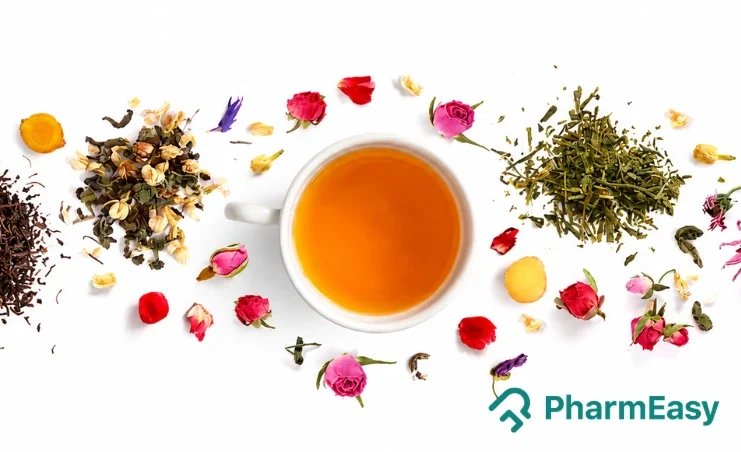
Staying well-hydrated is essential when battling the flu, and tea can contribute to maintaining fluid intake. During flu season, it is helpful to keep a variety of teas on hand. Certain herbal and traditional teas may contain compounds that support the immune system and help the body combat harmful germs1.
Adding a few drops of honey not only enhances the flavour but may also act as a natural cough suppressant, offering further relief2.
Drinking tea may be beneficial when experiencing a cough, as it is believed to support the immune system’s natural response and aid recovery. Warm tea can help soothe a sore throat and provide temporary relief from coughing, with some individuals finding it as comforting as certain over-the-counter remedies. In addition, tea may assist in loosening mucus, helping the body to clear congestion more effectively. Many types of tea are also traditionally valued for their medicinal properties, particularly their anti-inflammatory and soothing effects, which may help ease cold and cough symptoms1,2. However, while tea can offer symptomatic relief, it should not be considered a substitute for professional medical advice or treatment.

Honey tea, typically made by mixing raw honey with warm water, is a natural remedy often used to ease the symptoms of coughs and colds. It may help soothe a sore throat by reducing internal inflammation and providing a gentle, calming effect. Research2 suggests that raw honey can act as a natural cough suppressant and may help decrease mucus production. Additionally, adding a few drops of honey to herbal tea may assist in loosening phlegm, relieving throat discomfort, and reducing the severity and duration of a cough3. While it can offer symptomatic relief, honey tea should be used as a supportive measure and not as a substitute for medical treatment.

Lemon-based teas such as lemon balm tea or lemongrass tea all have a high concentration of vitamin C and antioxidants. Research3 shows that vitamin C boosts your immune system and protects you from flu symptoms. For best flavours and results, brew several cups of lemon-based teas and drink for an entire day to support your immunity.
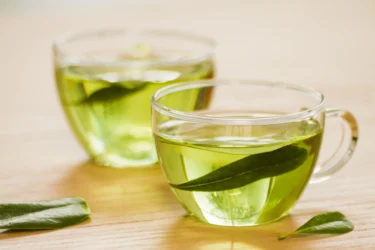
Green tea, derived from the leaves of the Camellia sinensis plant, is considered one of the healthiest types of tea. It has a mildly sweet, earthy flavour and is rich in antioxidants and polyphenols, which may support overall health. These compounds are believed to help reduce inflammation, combat harmful bacteria, and strengthen the immune system4. Green tea may also offer relief from cough symptoms. To prepare, steep loose leaf green tea in hot water for around five minutes using a tea strainer. For added soothing effects, a dash of raw honey can be stirred in before drinking.
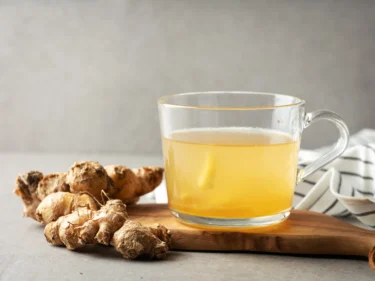
Ginger tea is a popular choice, especially during the winter months, and is valued not only for its warming flavour but also for its potential health benefits. Ginger contains natural anti-inflammatory and antioxidant properties, which may help reduce symptoms of the flu. It may also soothe an irritated throat and airways caused by coughing. Certain compounds in ginger are believed to help relax the airway muscles and reduce the intensity of a cough, making it a comforting remedy during cold and flu season5.
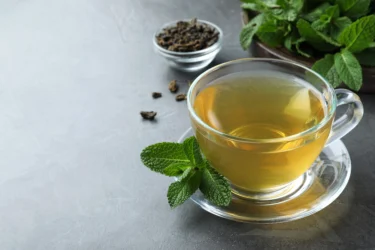
Peppermint tea can offer soothing relief when you are feeling unwell. Peppermint leaves contain menthol, which is known for its antimicrobial, antioxidant, and anti-inflammatory properties. Drinking peppermint tea may help to calm an irritated throat, suppress coughing, and ease symptoms of congestion by clearing blocked sinuses, thereby making breathing easier. To prepare, add fresh peppermint leaves to boiling water, allow them to steep for about five minutes, then strain before drinking6.
Also Read: 12 Best Remedies to Say Goodbye to Your Dry Cough
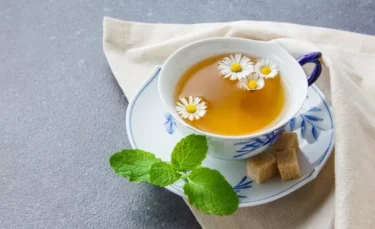
Chamomile tea, made from dried chamomile flowers, contains flavonoids known for their soothing and calming properties. It is particularly effective when consumed at night due to its mild tranquillising effects. During episodes of cough, cold, or sore throat, chamomile tea may help reduce inflammation and ease throat discomfort. Additionally, it may promote restful sleep and help relieve mild symptoms of anxiety or low mood7.

Echinacea is a well-known herbal remedy traditionally used to support respiratory health and reduce the risk of coughs and colds when taken as a supplement. This purple-flowered plant is believed to possess anti-inflammatory properties that may help strengthen the immune system and potentially shorten the duration of cold or flu symptoms. Brewing echinacea as a tea offers a pleasant and natural way to enjoy its potential protective benefits8.
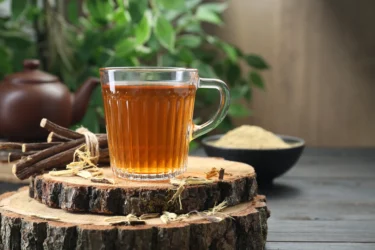
Liquorice root tea is made from the root of the liquorice plant and is known for its unique flavour slightly bitter and salty with sweet undertones. Traditionally, it has been used to help manage various ailments due to its antiviral and antibacterial properties, which may support the body in fighting colds and coughs by inhibiting the growth of harmful bacteria and viruses.
However, certain precautions should be taken. Pregnant women are advised to avoid liquorice root, and excessive consumption may lead to adverse effects such as elevated blood pressure or a drop in potassium levels. It is therefore best enjoyed in moderation and under medical guidance if necessary9.

Dark berries of the elderberry plant are rich in antioxidants because of the presence of polyphenol in them. The syrups and extracts from the elderberry have shown an ability to shorten the time spent sick with the cold or flu10.
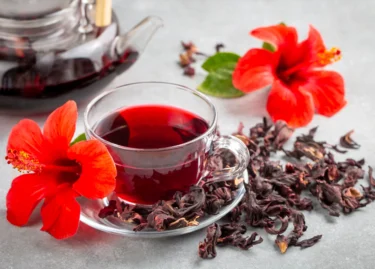
Hibiscus tea is a herbal tea packed with vitamin C and antioxidants. It may help to support the immune system and contribute to a quicker recovery from flu symptoms11.
Although many teas on the market are labelled as herbal teas, it is important to choose them carefully. Popular options include honey tea, peppermint tea, and liquorice root tea. Drinking the appropriate tea may support recovery; however, if symptoms persist for more than three weeks, it is essential to consult a medical professional.
Not all teas are caffeine-free, and being aware of this can help you choose the right tea for the right time of day, especially when rest is important during illness12.
Teas that contain caffeine:
Caffeine-free herbal options:
Timing advice:
Herbal teas are often considered gentle, but during pregnancy, extra care is needed because some herbs may not be suitable. The following is general guidance, and individual needs can vary13.
Teas may be suitable during pregnancy (in moderation):
Teas to use with caution or avoid during pregnancy:
General guidance:
For people managing diabetes, the tea itself is usually not the concern; the added sweeteners are. With a few simple adjustments, most of these teas can be enjoyed as part of a balanced diet.
Opting for low-sugar, unsweetened herbal teas is a practical and lifestyle-friendly way to enjoy warm, soothing drinks while keeping blood sugar in mind.
in India, several traditional herbal preparations are commonly used at home to find comfort during coughs and colds. These remedies are deeply rooted in everyday practice and are valued for their soothing, warming qualities.
These traditional preparations are widely enjoyed for symptomatic comfort, but they are supportive measures and not a replacement for medical care. If symptoms persist for more than three weeks or worsen, it is important to consult a doctor.
Also Read: Hibiscus Tea: Uses, Benefits, Side Effects By Dr. Smita Barode
While tea is not a cure for coughs or colds, it may help provide comforting and supportive relief through its soothing, hydrating, and immune-boosting properties. Choosing the right tea during flu season may ease symptoms and support the body’s natural recovery process.
Also Read: Influenza A: What is It, Causes, Symptoms, Treatment & Prevention
There is no set limit for the number of cups of tea to drink during a cough and cold. It is advisable to listen to your body and consume tea as needed to stay hydrated and help relieve symptoms. However, moderation is key, excessive caffeine intake should be avoided.
Some teas, like black tea or caffeinated teas, may cause dehydration, which can worsen cold symptoms. It’s best to consume herbal teas without caffeine to stay hydrated and support the body during a cold.
Yes, ginger tea is known for its anti-inflammatory and antibacterial properties, making it a beneficial choice for cough and cold relief. It may help reduce throat inflammation, lessen coughing, and provide comfort during colds.
Peppermint contains menthol, which can help open up airways and relieve congestion. It also possesses antimicrobial properties that could support the body in fighting infections. Drinking peppermint tea can provide soothing relief during coughs and colds.
Yes, teas like ginger tea, chamomile tea, and green tea have anti-inflammatory properties that can help reduce inflammation and ease symptoms of a cold such as congestion and sore throat.
Disclaimer: The information provided here is for educational/awareness purposes only and is not intended to be a substitute for medical treatment by a healthcare professional and should not be relied upon to diagnose or treat any medical condition. The reader should consult a registered medical practitioner to determine the appropriateness of the information and before consuming any medication. PharmEasy does not provide any guarantee or warranty (express or implied) regarding the accuracy, adequacy, completeness, legality, reliability or usefulness of the information; and disclaims any liability arising thereof.
Links and product recommendations in the information provided here are advertisements of third-party products available on the website. PharmEasy does not make any representation on the accuracy or suitability of such products/services. Advertisements do not influence the editorial decisions or content. The information in this blog is subject to change without notice. The authors and administrators reserve the right to modify, add, or remove content without notification. It is your responsibility to review this disclaimer regularly for any changes.
 89
89  2
2Comments

Leave your comment...
You may also like






















Comments