




Saunf Water (Fennel Water): Benefits, Side Effects, How to Make It & More
By Dr. Mrunal Shirodkar +2 more

Medically reviewed by Dr. Mrunal Shirodkar
Last updated: Mar 18, 2026 Published on: Feb 10, 2026


Get,

to manage your symptom
Get your,

4 Cr+ families
benefitted

OTP sent to 9988776655



You’ve successfully subscribed to receive
doctor-approved tips on
Whatsapp

Get ready to feel your best.


Register to Avail the Offer
Send OTPBy continuing, you agree with our Privacy Policy and Terms and Conditions
Hi There,
Sign up on PharmEasy now!!


Trusted by 4 crore+ families

OTP sent to 9988776655
You have unlocked 25% off on medicines


Code: NU25

By Dr. Mrunal Shirodkar +2 more
Table of Contents
In many Indian households, the solution to common problems, like indigestion, bloating, etc, starts within the kitchen itself. One such simple home care solution is saunf or fennel water, a drink that has been chosen for generations. Saunf water, which is prepared by soaking or boiling fennel seeds, is widely known to soothe stomach issues such as indigestion, gas trouble and cramps1.
Across India the fennel or saunf water is known by different names: saunf pani in Hindi, sombu thanni in Tamil, saunf neeru in Telugu, badishep pani in Marathi, and perunjeerakam vellam in Malayalam. Still, its purpose remains the same, supporting gut health, hydration, and maintaining overall wellness1. With growing interest in home care and natural products, fennel water is gaining popularity even in modern wellness routines for the proposed health benefits it offers. This simple, easy-to-prepare herbal drink can comfortably make its way into today’s health focused lifestyle.
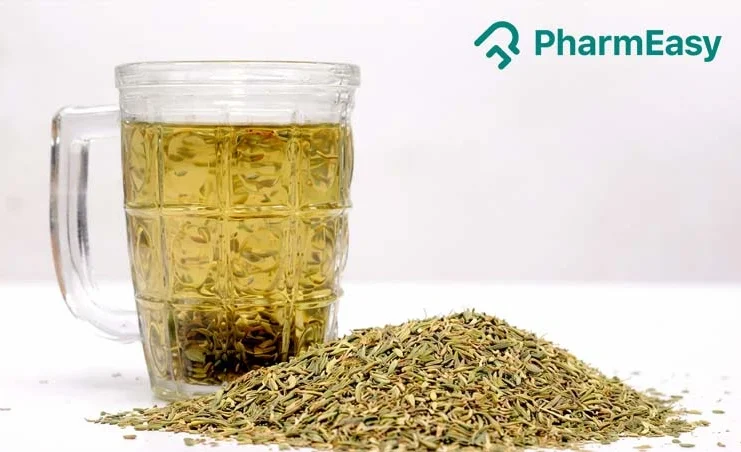
In this article we will discuss more on saunf water its health benefits, key nutrients, preparation methods, and the possible side effects. So, let’s get started!
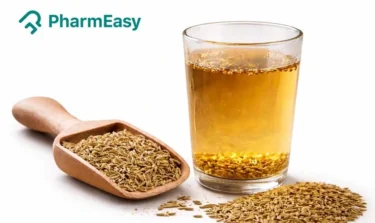
Fennel/Saunf water is a natural, caffeine-free herbal infusion. This is made either by soaking 1 or 2 teaspoons of fennel seeds in a glass of water or by boiling these in water. It may be consumed warm or at room temperature and is usually consumed in the morning on an empty stomach. Fennel water is said to support digestion, reduce bloating, and provide a cooling effect to the body, when consumed in moderation. It has many nutrients, such as antioxidants, vitamins and minerals, which make it beneficial for consumption1. We will discuss its nutritional profile in the next section.
Fennel seeds are known to be rich in several nutrients, such as fibre, minerals, vitamins, etc. Drinking its water might help you in many ways. Following is a table showing the key nutrients found in fennel seeds:
Key nutrients in dried fennel seeds per 100 g2
| Nutrient | Amount |
| Energy | 31 kcal |
| Fat | 0.2 g |
| Protein | 1.24 g |
| Carbohydrate | 7.3 g |
| Total Dietary Fibre | 3.1 g |
| Calcium | 49 mg |
| Potassium | 414 mg |
| Sodium | 52 mg |
| Iron | 0.73 mg |
| Phosphorus | 50 mg |
| Magnesium | 17 mg |
| Zinc | 0.2 mg |
| Vitamin C | 12 mg |
| Vitamin B6 | 0.047 mg |
| Riboflavin B2 | 0.032 mg |
| Thiamine B1 | 0.01 mg |
| Niacin B3 | 0.64 mg |
| Folate | 27 μg |
| Vitamin A | 48 μg |
| Vitamin E | 0.58 mg |
| Vitamin K | 62.8 μg |
| Moisture | 90.21 g |
Following are the potential uses of important nutrients found in fennel. These might also be beneficial when you consume it by making a fennel infusion.
Saunf water is rich in nutrients that may make it beneficial for managing various health issues. Listed below are some key saunf water benefits.

Fennel water might help reduce bloating. It might help in regulating the movement of smooth muscles of the intestine, thereby reducing the intestinal gas. It may also help improve digestion and soothe the stomach, thereby help manage other gastrointestinal issues like acidity and stomach pain1,3.

Fennel water or tea, which are said to be rich in several nutrients, may help manage weight by giving a feeling of fullness. When consumed regularly, it might help reduce appetite and boost metabolism, thereby contributing to weight management3.

Fennel has diuretic action thus, fennel water may help in detoxification by removing the harmful products and cleansing the body. This might help the internal organs, like the liver, to stay away from toxins, chemicals or oxidative stress.
Fennel seeds are found to be beneficial in managing blood pressure, blood sugar, insulin resistance and cholesterol2. Owing to these, fennel water may help reduce the development or worsening of metabolic syndrome, which in turn might reduce the chances of occurrence of heart disease, diabetes and stroke6.
Fennel seed water might be helpful in keeping the body hydrated and cool, giving a refreshing sensation, especially during summer)1.

Fennel water might help improve overall menstrual health in women. It might promote menstruation and improve menstrual flow, as fennel is found to have oestrogenic properties. It might also reduce pain or other symptoms during menstruation and the menopause transition period1,2.
Fennel water might help to increase the quantity of breast milk. It might improve volume and fat content in the milk. Fennel infusion might also help in reducing breast inflammation, mainly in lactating mothers7. However, it is best to discuss with your gynaecologist before consuming it as a galactagogue (substance that increases milk production) as it may have some adverse reactions.

Fennel water, known to have anti-inflammatory and antiseptic properties, may help reduce skin irritation and inflammation and aid in managing acne. It might also help improve skin tone, reduce hyperpigmentation and delay skin aging, by reducing the oxidative stress3.
Note: While there are many studies for the health benefits for fennel seeds, it is important to understand that long-term human research specifically in relation to fennel water benefits is still limited. Although, the overall benefits remain the same, it’s ideal to consume this infusion in moderation for best results. Never replace your ongoing medications (for BP, sugar, cholesterol, etc.) with fennel water.
Saunf water is very easy to prepare. Following are some methods which you may follow.
Along with understanding fennel water benefits, it is also important to know how to incorporate it into your routine. Here are some ways you may try.
Though saunf water may be helpful in many ways, some studies have reported adverse reactions related to it. Following are some saunf water side effects.

As fennel water might cause some side effects, people should take precautions before consuming it. Here’s who should be careful while taking fennel water.
Also Read: Detox Water for Weight Loss: Benefits, How to Use & Best Ways to Drink It
Fennel water is a refreshing drink packed with several nutrients. It is a natural coolant and digestive aid, balances female hormones and supports weight management, along with other wellness benefits. Consistent intake can help you get the desired results but moderation in consumption is important as sometimes it might cause some uncommon side effects. Thus, if you are planning to incorporate fennel to your routine diet, it’s ideal to consult your doctor first, especially if you have any medical conditions, are pregnant or lactating.
Also Read: 11 Incredible Health Benefits Of Fennel Seeds (Saunf)
Yes, you may drink fennel water daily, as it is known to have digestive and other health benefits1. But moderation is the key. If you have any allergic issues, take any medicines, are hormone-sensitive, pregnant or lactating, it’s better to consume fennel products only once you check with your doctor7,10,11.
Saunf water may not directly reduce belly fat, but it may contribute to managing weight by improving digestion, boosting metabolism and reducing appetite3. Moreover, following a regular exercise routine and healthy diet are more important for weight management that any natural product alone.
Saunf water is generally considered safe for pregnant women, as it might not cause any birth defects. Still, it’s better to avoid giving saunf water to them, as it is known to have oestrogenic activity, which may lead to hormonal imbalance10. Your gynaecologist can advise you best you on this based on your situation.
Saunf water is traditionally used for infants and children to aid in digestive issues. It is shown to reduce the impact of colic (excessive crying, mainly due to tummy discomfort) in infants and children1,2. But do not forget that infants under 6 months should only be fed breast milk13. Also, if your child is allergic to carrots, celery, or other plants in the Apiaceae family, please avoid giving them saunf water, as it might cause cross-allergic reactions7. So, it’s best to consult a paediatrician if your baby cries even after he/she is fed and shows signs of discomfort.
Disclaimer: The information provided here is for educational/awareness purposes only and is not intended to be a substitute for medical treatment by a healthcare professional and should not be relied upon to diagnose or treat any medical condition. The reader should consult a registered medical practitioner to determine the appropriateness of the information and before consuming any medication. PharmEasy does not provide any guarantee or warranty (express or implied) regarding the accuracy, adequacy, completeness, legality, reliability or usefulness of the information and disclaims any liability arising thereof.
Links and product recommendations in the information provided here are advertisements of third-party products available on the website. PharmEasy does not make any representation on the accuracy or suitability of such products/services. Advertisements do not influence the editorial decisions or content. The information in this blog is subject to change without notice. The authors and administrators reserve the right to modify, add, or remove content without notification. It is your responsibility to review this disclaimer regularly for any changes.


Comments

Leave your comment...
You may also like




















Comments