



Thinking About the Pegan Diet? Here’s What You Should Know
By Dr. Malavika Athavale +2 more

Medically reviewed by Dr. Malavika Athavale
Last updated: Mar 2, 2026 Published on: Nov 2, 2023


Get,

to manage your symptom
Get your,

4 Cr+ families
benefitted

OTP sent to 9988776655



You’ve successfully subscribed to receive
doctor-approved tips on
Whatsapp

Get ready to feel your best.


Register to Avail the Offer
Send OTPBy continuing, you agree with our Privacy Policy and Terms and Conditions
Hi There,
Sign up on PharmEasy now!!


Trusted by 4 crore+ families

OTP sent to 9988776655
You have unlocked 25% off on medicines


Code: NU25

By Dr. Malavika Athavale +2 more
Table of Contents
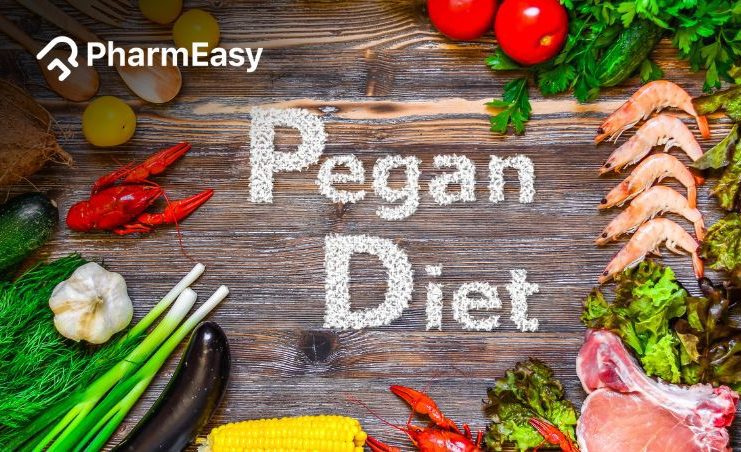
Many people are on the hunt for the ideal diet that fits their body, goals, and likes when striving for a healthier way of life. The Pegan diet is a fresh and unique eating approach that seeks to offer the best bits of two popular diets: Paleo and vegan. Does this one-of-a-kind blend actually bring noteworthy health gains? We’ll find out in this article!
Through this detailed blog, we’ll delve into the concept and key principles of the Pegan diet. Also, we will cover the foods to munch and ditch, the potential pros and cons, a sample Pegan meal plan, and finally, answer some common questions about the diet. Come and join us to figure out if the Pegan diet is right for you!
Did you know?
Dr. Mark Hyman crafted the Pegan diet as a mix of the Paleo and vegan diets1.”Peganism” aims to find a middle ground between these two dietary approaches. About 66% of the Pegan diet is plant-based foods, and the rest 33% is top-notch animal proteins1.
The Pegan diet tries to provide a perfect combo of Paleo and vegan diets by majorly focusing on nutrient-rich whole foods1. It stays away from highly processed foods, refined carbs, bad fats, additives, and toxins. It also cuts out most grains, beans, and dairy. As Pegan eat some animal proteins, you can think of the diet as a plant-focused twist of Paleo or an altered version of the vegan eating plan1.
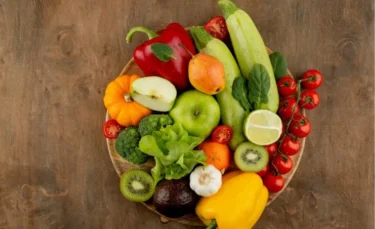
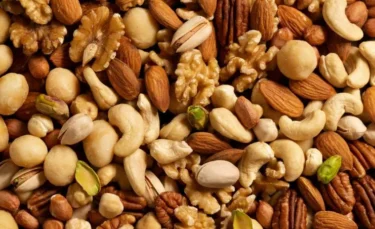
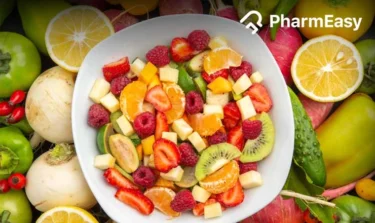
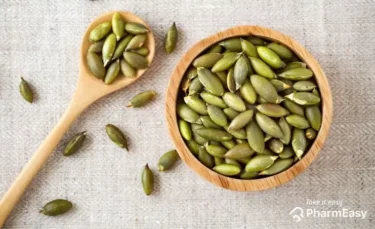
The Pegan diet, rooted in both Paleo and vegan diet rules, has its own guidelines designed for long-term use. It centres on whole foods, especially vegetables (mostly those with low starch or ranking low on the glycemic index, such as broccoli, carrots, peas, and tomatoes ), fruits, nuts (e.g., almonds, pistachios, and walnuts), seeds (e.g., chia, flax, and pumpkin), healthy fats, grass-fed meats (e.g., beef, chicken, and pork), fish high in fats and low in mercury (e.g., salmon, herring, and cod), eggs, and occasionally, gluten-free grains (e.g., quinoa, brown rice, oats, and amaranth). It restricts or avoids certain food groups that may affect blood sugar levels, inflammation, and gut health1. You can have sugar when on the Pegan diet, but only as an occasional treat.
A Pegan diet puts a variety of nutrient-packed whole foods on your plate. These can help boost your overall health1. Let us take a good look at the main food groups and choices under this eating plan:
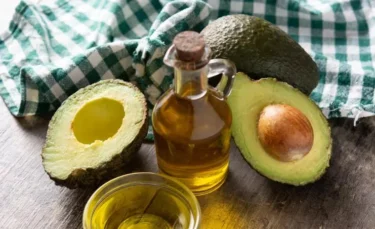

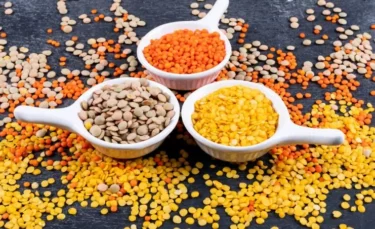
An additional benefit of Pegan diet is that it excludes processed foods and sweets. These foods typically don’t have much nutrient value. Furthermore, eating sugary foods might increase your appetite, which may result in overeating and unintended weight gain2.
Dr. Siddharth Gupta, B.A.M.S, M.D (Ayu)
The Pegan diet suggests not eating certain food groups and processed items. Here’s what needs to be cut down or avoided while following this eating plan:
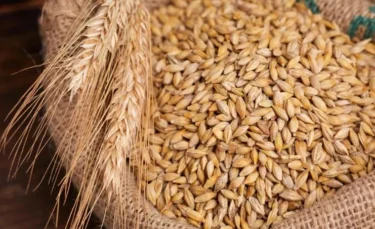
Since the Pegan diet gets a lot from Paleo diet rules, it usually suggests cutting out grains with gluten, like wheat, barley, and rye2. These grains could cause tummy issues and inflammation in some people, mainly those with gluten sensitivities or celiac disease9.

The Pegan diet suggests avoiding high-sugar fruits such as bananas, pineapples, and watermelon, and going for low-sugar fruits1,2 like berries, will keep your blood sugar level normal, especially for those who need to keep their blood sugar in control.

Dairy is not allowed in the Pegan diet due to possible inflammatory, allergenic, and hormonal impacts. This includes milk, cheese, and yogurt made from cow’s milk2. Organic sheep or goat dairy products can be allowed at times as a treat.

Fish with lots of mercury, like tuna, swordfish, and king mackerel, should be avoided to minimise exposure to toxic substances. Instead, choose low-mercury options like salmon, trout, sardines, and herring2.

The Pegan diet stresses fresh, unprocessed foods. That means processed and packaged items, artificial ingredients, and other chemical additives need to be off your shopping list2.

To help control blood sugar and reduce inflammation, added sugars such as white sugar 1,2, corn syrup, and even natural sweeteners like honey or maple syrup should be used seldom and in small quantities.

Bad processed vegetable oils like soybean, canola, corn, and sunflower oils are not advised on the Pegan diet. Instead, choose healthier fats found in olive oil, avocado oil, nuts, and seeds1,2.

Artificial colourings, flavourings, preservatives, and other additives are avoided10.
Due to their perceived impact on blood sugar and/or inflammation in your body, most of these foods are not allowed.
Several foods and food groups are limited or avoided in the Pegan diet. However, it is somewhat flexible. Limited amounts of banned foods may be allowed occasionally.
The Pegan diet, focusing strongly on nutrient-rich whole foods, might offer several health benefits:

The Pegan diet can help back a healthy eating pattern packed with nutrients by focusing on a wide mix of fruits, veggies, lean proteins, and healthy fats1. This may help in keeping away and help manage long-term health problems such as heart disease, type 2 diabetes, and certain kinds of cancer1,2.
In my experience, the Pegan diet may lower inflammation and blood sugar levels in the body, which may lower your chance of developing some chronic illnesses like heart disease and type 2 diabetes2.
Dr. Smita Barode, B.A.M.S, M.S.

Eating fibre-rich fruits, vegetables, nuts, and seeds provides prebiotic fibre to back a healthy gut ecosystem1. A balanced and diverse gut microbiota is linked to various good health results, such as better immune function, improved mental health, and controlled weight11.

With its focus on anti-inflammatory foods like fruits, vegetables, and omega-3-rich fish, as well as cutting out potential triggers of inflammation like gluten and dairy, the Pegan diet might help to bring down long-term inflammation in the body. This is a key element in the build-up of many long-term health issues1.

The Pegan diet is naturally low in refined carbs and sugars, which can add to unwanted weight and unstable blood sugar levels1. By focusing on nutrient-rich whole foods, those who follow the diet may see that it supports healthy weight control and makes them feel fuller.
In my opinion, if you’re looking for a weight loss diet plan, you can consider a Pegan diet. You will consume an abundance of fruits and vegetables if you closely adhere to this diet. These foods are typically low in calories and high in fibre, vitamins, and minerals2.
Dr. Rajeev Singh, BAMS
Despite the possible benefits, a few worries regarding the Pegan diet should be noted, as follows:
Some of the rules set by the Pegan diet, mainly avoiding whole grains, beans, and dairy products, might not be needed for most people. Consuming them in moderation is recommended1. In fact, these food groups have well-recognized health benefits. Their full removal could lead to a lack of nutrients if we don’t swap them for something else1.
Following a Pegan diet as suggested, with a strong reliance on organic produce, grass-fed meats, and sustainably sourced seafood, could be quite costly and may not be doable for everyone2,10. Also, the ban on processed foods could make going out to eat and socializing tough, and cause confusion in the long run, regarding what to eat and what not to10.
Although the Pegan diet encourages choosing sustainably sourced animal products, it still promotes the eating of meat, but in moderate amounts. Critics argue that a more plant-centred approach, like a mostly vegetarian or vegan diet, would be eco-friendlier and more last longer.
To help you kick-start your Pegan diet, here is a sample meal plan for a week:
The Pegan diet is a cross between the Paleo and vegan diets. It offers a unique eating plan that puts the focus on whole foods, fresh fruits and vegetables, nuts, seeds, and mindfully sourced proteins. Its possible benefits include keeping long-term health problems away, backing gut health, lowering inflammation, and managing weight. However, the Pegan diet also comes with potential worries, including seemingly needless restrictions, possible nutrient deficiencies, and worries about ease of access and sustainability.
Ultimately, choosing to follow the Pegan diet depends on personal likes and life conditions, along with a thoughtful look at the pros and cons. It’s important to talk with your healthcare provider or a registered dietitian before making big changes to your eating habits.
Also Read: OMAD Diet: What It Is, How It Works, Benefits, and Side Effects
The Pegan diet may not be fit for everyone due to changing individual nutritional needs, likes, and budget constraints. Before starting any new diet, chat with a healthcare professional or registered dietitian to see if it matches you.
Move to the Pegan diet slowly by gradually eating plant-based foods, healthy fats, and lean proteins while reducing the intake of grains, dairy, and beans. This lets your body adapt to the new eating pattern and helps you figure out how these changes affect your overall well-being.
Some people with certain health issues, such as diabetes or celiac disease, may find the Pegan diet useful as it stresses on low-sugar fruits and cuts out gluten. However, always chat with a healthcare provider or registered dietitian before making major changes to your diet, especially when handling a health issue.
To ensure you get all the needed nutrients while following the Pegan diet, aim to eat a range of nutrient-dense whole foods, plan your meals well, and watch your serving sizes. If you’re worried about certain nutrient deficiencies, chat with a healthcare provider or registered dietitian to discuss if adding certain supplements might be good.
Eating out while following the Pegan diet could be hard but still doable with thoughtful planning and picking. Go for eateries that offer easy options and choose dishes that stick to the Pegan rules, such as plant-based salads with lean protein, grilled seafood or meat dishes filled with veggies, or simple stir-fries made with minimal oil and without processed elements.
No in-depth studies have looked at the health effects and possible benefits of the Pegan diet. Experts say more evidence is needed before they can determine its health value for you.
Disclaimer: The information provided here is for educational/awareness purposes only and is not intended to be a substitute for medical treatment by a healthcare professional and should not be relied upon to diagnose or treat any medical condition. The reader should consult a registered medical practitioner to determine the appropriateness of the information and before consuming any medication. PharmEasy does not provide any guarantee or warranty (express or implied) regarding the accuracy, adequacy, completeness, legality, reliability or usefulness of the information; and disclaims any liability arising thereof.
Links and product recommendations in the information provided here are advertisements of third-party products available on the website. PharmEasy does not make any representation on the accuracy or suitability of such products/services. Advertisements do not influence the editorial decisions or content. The information in this blog is subject to change without notice. The authors and administrators reserve the right to modify, add, or remove content without notification. It is your responsibility to review this disclaimer regularly for any change


Comments

Leave your comment...
You may also like


















Comments