




Mosquito Bites on Babies: Home Remedies, Treatment, and Prevention
By Dr. Anmol Batra +2 more

Medically reviewed by Dr. Anmol Batra
Last updated: Feb 19, 2026 Published on: Feb 19, 2026


Get,

to manage your symptom
Get your,

4 Cr+ families
benefitted

OTP sent to 9988776655



You’ve successfully subscribed to receive
doctor-approved tips on
Whatsapp

Get ready to feel your best.


Register to Avail the Offer
Send OTPBy continuing, you agree with our Privacy Policy and Terms and Conditions
Hi There,
Sign up on PharmEasy now!!


Trusted by 4 crore+ families

OTP sent to 9988776655
You have unlocked 25% off on medicines


Code: NU25

By Dr. Anmol Batra +2 more
Table of Contents
Mosquito bites are very common in babies, and in most cases, they are harmless and heal on their own. However, it is natural for many parents to worry about the discomfort it may cause to their little ones, or worse, if it may lead to severe allergies or any infection that mosquito bites can spread1.
In this blog, we will explore different modalities to identify the signs and symptoms of mosquito bites in babies, how to reduce or prevent irritation, and how to treat mosquito bite marks on babies.
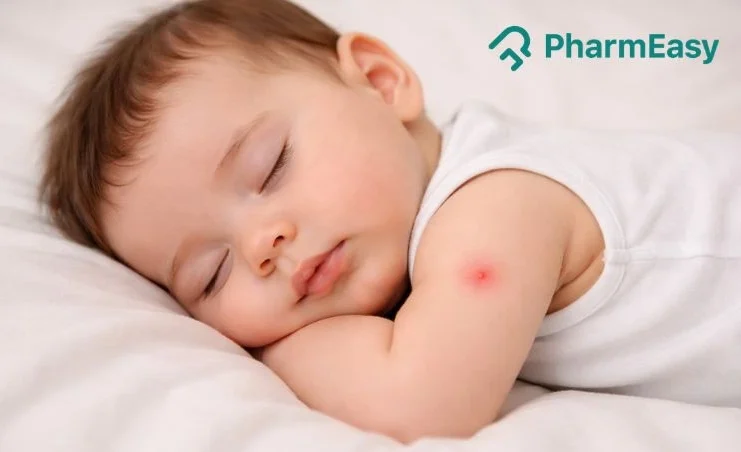
Babies have very delicate, sensitive skin and a developing immature immune system. Hence, babies and young children show an increased risk of allergic reactions to mosquito bites which show up as redness and swelling2,3. Studies4 have also found baby skin to be thinner and softer than adults.
All these factors combined may cause small mosquito bites on babies to appear more noticeable compared to adults.
The typical signs and symptoms noticed in mosquito bites include5,6,7:
It is also important to identify whether the marks are caused by mosquito bite or rash. The differences between mosquito bite and rashes include6,7,8:
| Mosquito Bite | Rash | |
| Appearance | Individual raised bumps | Flat or clustered patches |
| Central dot | Usually present | Usually absent |
| Itchiness | Common | Variable |
| Spread | Localised spread | May spread over large areas |
Sometimes, a more severe allergic reaction to mosquito bite known as Skeeter syndrome may occur which may cause the development of blisters, fever, and large swelling around the mosquito bite. If your child is facing any of these symptoms, it is important to consult your doctor and get prompt medical care1,5.
Mosquito bites are usually harmless, and in babies, they generally cause red, itchy bumps due to an allergic reaction to the mosquito’s saliva. The most commonly noticed symptoms in babies include itchiness and discomfort, which can cause them to scratch the affected area excessively and make them irritable. However, excessive scratching should be avoided as it may cause painful bruising especially if the baby’s nails are not properly trimmed.
While his local irritation generally settles on its own soon, parents should not be casual about mosquito bites, as some mosquito bites can carry more serious risks9.
Certain mosquitoes can transmit dangerous diseases such as malaria, chikungunya, Japanese encephalitis, dengue, Zika, and West Nile virus. In rare cases, these infections may lead to severe complications, including encephalitis, meningitis (inflammatory condition affecting the membranes surrounding the brain and spinal cord), or developmental problems like microcephaly9,10.
Rarely, babies may also develop an allergic reaction to a bite leading to the development of large swelling, fever and blisters around the bite. Since mosquitoes can spread such serious diseases, it is important to protect babies from bites and seek medical advice if your child develops fever, rashes, or other concerning symptoms after a bite1,9.
If your baby has been bitten by a mosquito, you should6,7:
Besides the measures mentioned above, there are some natural remedies that you can try for mosquito bites on babies.
Home remedies commonly used include:
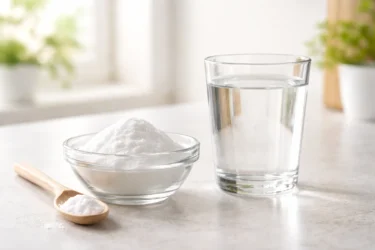
Application of a mixture of baking soda and water can help with mosquito bites. Baking soda or sodium bicarbonate, is alkaline, which helps neutralize the pH of the bite area, reducing irritation and itchiness12. You can make a paste by mixing one spoon of baking powder (sodium bicarbonate) with a small amount of water until it forms a smooth paste, apply this to the affected area (mosquito bite and surrounding skin), leave it for ten minutes and wash7.
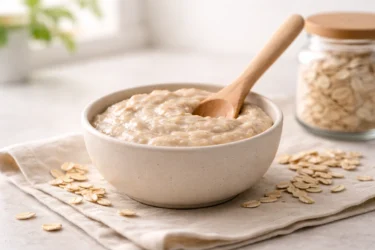
Studies13 have shown that avenanthramides, the primary component of oats, act as potent anti-inflammatory agents and may help to reduce itchiness, which supports the application of oatmeal on irritated skin. Moreover, oatmeal forms a gentle protective barrier over the bite, improves hydration, and provides antioxidant effects, which may help restore the skin barrier and promote faster recovery.

When applied to the affected area, aloe vera has a soothing effect, thereby reducing itchiness. Moreover, aloe vera has been shown to have anti-inflammatory, antimicrobial, and skin-healing effects14. Due to these properties, aloe vera gel may help reduce inflammation due to mosquito bite and promote healing.
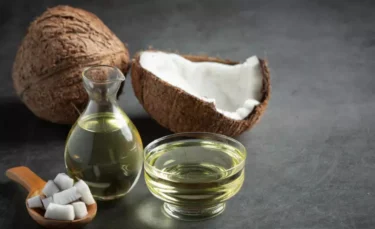
Gently massaging coconut oil onto mosquito bite marks may help soothe irritated skin and reduce redness due to its natural anti-inflammatory and moisturizing properties. Studies have shown that coconut oil can support skin barrier repair while calming inflammation15. Moreover, coconut oil can act as a natural mosquito repellent, reducing the incidence of mosquito bites when applied to the skin16.
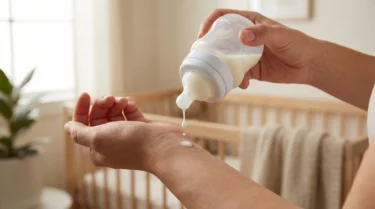
Breast milk is a simple, no cost, easily available natural remedy that may be tried for a variety of skin conditions in babies. Breast milk is rich in immunoglobulins and may help reduce inflammation and itchiness when applied to the affected region in babies17.
These simple home remedies for mosquito bites in babies can provide temporary relief, but it is important that parents always monitor the bite area for signs of infection or worsening symptoms.
You can protect and reduce the risk of mosquito bites on babies by following these simple steps18,19:
By following these simple tips, you can reduce the risk of mosquito bites.
Also Read: Baby Diaper Rash: Causes, Types, Treatment & Home Remedies
You should consider taking your baby to the doctor if symptoms from a mosquito bite persist or do not improve over time. Moreover, if your child develops additional symptoms such as a rash, fever or chills, headache, muscle or joint pain, or unusual tiredness, it is important to seek immediate medical treatment5.
If your child is facing any of these signs or symptoms, it may suggest a mosquito-borne illness. Consulting your doctor early can help ensure an accurate diagnosis, timely treatment, and reduce the risk of complications.5
Mosquito bites in babies are common and usually harmless, often causing temporary redness, swelling, and itching due to their sensitive skin. While most bites heal on their own with simple care, it’s important for parents to recognise typical mosquito bite marks, differentiate them from rashes, and watch for any warning signs of infection or illness. Gentle treatments, appropriate home remedies, and doctor-recommended medications may help relieve discomfort, while preventive measures such as protective clothing, mosquito nets, and baby-safe repellents can significantly reduce the risk of future bites. It is important to seek medical advice promptly if your baby shows signs and symptoms such as fever, rashes, unusual tiredness or other concerning signs.
Most mosquito bite marks are harmless and naturally fade over time as the skin heals. Protect the skin and avoid scratching to reduce the risk of scars6,7.
Mosquito bites typically itch for a few days, and some babies may show stronger visible reactions. However, the bite usually resolves within some days (approximately 3-4 days)6,7.
Babies often have stronger immune reactions to mosquito saliva, so their skin can swell more, appear redder, and itch intensely. This reaction is part of the normal inflammatory response4.
While there are no studies to show the effectiveness of breast milk in reducing mosquito bites, breast milk offers antibacterial and anti-inflammatory properties. It is important to consult your doctor and understand what treatment may be suitable for your child20.
Bites usually fade as the skin heals. Simple treatments to remove mosquito bites include keeping the area clean, application of cold compress and use of topical antihistamines (as per your doctor’s recommendation)6.
Most mosquito bites are harmless and heal naturally. However, mosquitoes can transmit diseases (dengue, malaria, Zika, etc.), and cause severe allergic reactions or infections which may require prompt medical evaluation9.
Disclaimer: The information provided here is for educational/awareness purposes only and is not intended to be a substitute for medical treatment by a healthcare professional and should not be relied upon to diagnose or treat any medical condition. The reader should consult a registered medical practitioner to determine the appropriateness of the information and before consuming any medication. PharmEasy does not provide any guarantee or warranty (express or implied) regarding the accuracy, adequacy, completeness, legality, reliability or usefulness of the information; and disclaims any liability arising thereof.
Links and product recommendations in the information provided here are advertisements of third-party products available on the website. PharmEasy does not make any representation on the accuracy or suitability of such products/services. Advertisements do not influence the editorial decisions or content. The information in this blog is subject to change without notice. The authors and administrators reserve the right to modify, add, or remove content without notification. It is your responsibility to review this disclaimer regularly for any changes.


Comments

Leave your comment...
You may also like





















Comments