




Plantar Fasciitis Stretches: Best Exercises, Benefits & How to Do Them
By Dr. Naresh Chandra Singh +2 more

Medically reviewed by Dr. Naresh Chandra Singh
Last updated: Aug 25, 2026 Published on: Jan 22, 2026


Get,

to manage your symptom
Get your,

4 Cr+ families
benefitted

OTP sent to 9988776655



You’ve successfully subscribed to receive
doctor-approved tips on
Whatsapp

Get ready to feel your best.


Register to Avail the Offer
Send OTPBy continuing, you agree with our Privacy Policy and Terms and Conditions
Hi There,
Sign up on PharmEasy now!!


Trusted by 4 crore+ families

OTP sent to 9988776655
You have unlocked 25% off on medicines


Code: NU25

By Dr. Naresh Chandra Singh +2 more
Table of Contents
Waking up should be the best part of your day, but for a lot of us, it starts with a sharp pain the second our feet hit the floor. It’s that annoying, stabbing pain in your heel that makes you limp toward the kitchen or hold onto the wall just to get moving. If you’ve ever found yourself limping through those first few steps of the morning, you’re definitely not alone and this condition is known as Plantar Fasciitis.
In this blog, we will break down exactly what plantar fasciitis is, the common risk factors that trigger it, and the most effective exercises to find relief. By understanding how this condition develops and implementing targeted stretches, you can reduce inflammation and take the first steps toward a pain free recovery.

If you have been wondering ‘What is plantar Fasciitis?’, then here is the answer for you:
Plantar fasciitis is one of the common reasons for heel pain that stems from the plantar fascia, a tough band of tissue stretching across the sole of your foot. This tissue acts as a natural shock absorber that connects your heel to your toes and provides the essential tension needed to support your arch every time you push off the ground.
When this band becomes overstrained, irritated, or inflamed, the resulting discomfort is known as plantar fasciitis1.
Plantar fasciitis typically develops when the supportive tissue in your foot is overstretched, overused, or damaged let’s see what causes plantar fasciitis:
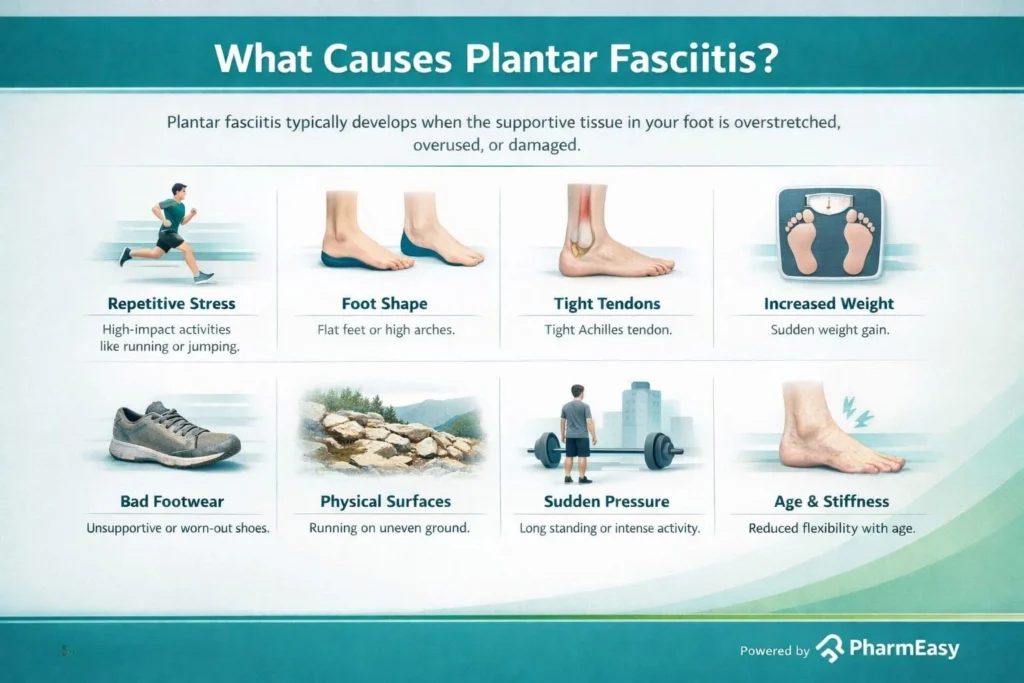
Since plantar fascia is the shock absorber of your foot, knowing these causes is the vital first step toward successful recovery. Identifying exactly what is straining this tissue allows you to move beyond temporary relief, ensuring long-term healing and mobility
While individual experiences can vary, the most frequently reported plantar fasciitis symptoms include pain and stiffness centred in the bottom of the heel that can range from a dull ache to a sharp, stabbing feeling.
Pain can often increase in following conditions:
Discomfort may set in slowly over weeks or months, though it can also appear immediately after a bout of intense exercise2.
Stretching exercises are considered to be one of the most effective nonsurgical treatments for improving pain and overall functional impairment of the foot and ankle. Following are some of the benefits of Plantar fasciitis stretches:

Regular stretching restores flexibility in the foot arch and ankle3. Better mobility makes walking, standing, and daily activities less painful.
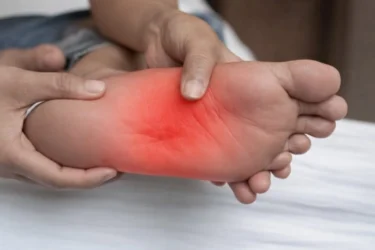
When tissue is stretched, the fibroblasts (the primary cells in connective tissue) flatten and spread out. This physical change signals the cell to stop producing pro-inflammatory chemicals, thereby lowering inflammation and pain4.

Stretching helps strengthen the feet and calf muscles which helps in better stabilisation of feet5.

Stretching helps alleviate severe pain typically felt during the first few steps in the morning or after long periods of rest5.
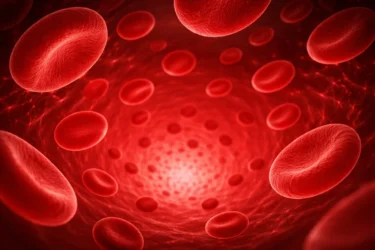
Daily passive stretching improves blood flow by helping blood vessels widen more easily and stimulating the growth of new capillaries6.

Stretching exercises for plantar fasciitis offer superior long-term benefit when compared to alternative interventions like custom orthotics, night splints, and corticosteroid injections5.
In short, stretching exercises are simple, accessible and a cost-effective way to deal with plantar fasciitis pain.
Implementing a consistent stretching routine is a highly effective way to alleviate pain and improve the flexibility of plantar fascia and the surrounding muscles. Here are some best stretches for plantar fasciitis:
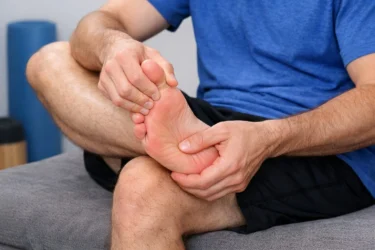
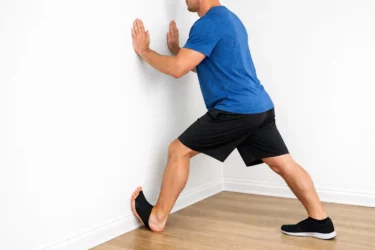

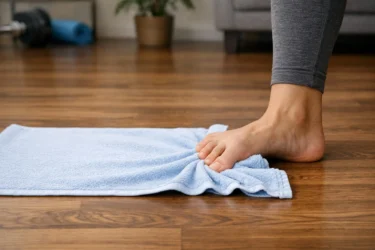

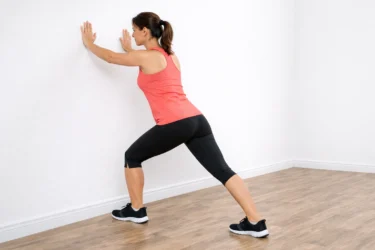
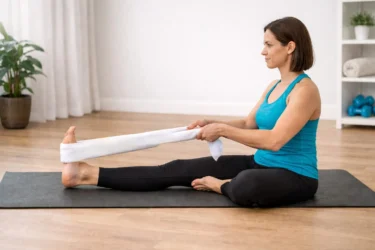
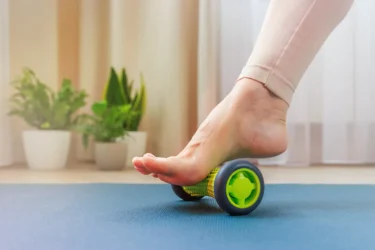
To make plantar fascia exercises a habit, integrate them into your existing daily routine, such as immediately after waking up or before meals and use visual reminders like sticky notes or small rewards to maintain consistency.
Note: It’s ideal to consult a physiotherapist to know which stretching exercises are best for you and perform under their guidance, especially when you’re doing for the first time, to understand the right positioning and movements and avoid any injury.
Stretching is one of the most beneficial things you can do for your mobility but doing it incorrectly can lead to injury or actually make your muscles tighter. Take care of the following while do these exercises:
Ultimately, prioritizing consistent practice and proper form over extreme intensity is the most effective way to achieve lasting flexibility and keep your body injury free.
Contact your healthcare provider if you experience any of the following symptoms:
Neglecting proper care can prolong recovery and intensify pain. Over time, chronic damage to the plantar fascia may develop, severely limiting your mobility and comfort. Seeking timely medical advice is essential for effective treatment and long-term relief.
Dealing with plantar fasciitis is definitely a painful thing, but the good news is that you have a lot of control over your recovery. The secret is simply staying consistent. By implementing these stretches into your daily life, like right after you wake up or while you are relaxing on the couch, you can calm that inflammation and build stronger, happier feet. Healing does not happen over a night, but small, steady steps make all the difference. Just listen to what your body is telling you, stick with your routine, and soon you may be able to have a comfortable walk.
Yes, even though stretching alone can significantly alleviate plantar fasciitis, it is most effective when used as part of a broader recovery plan. Regularly stretching the calf muscles and plantar fascia reduces the strain on your heel, allowing the inflamed tissue to heal more efficiently. To ensure a full recovery, experts suggest pairing these exercises with supportive arch inserts and proper rest to prevent further irritation2.
The fastest way to heal plantar fasciitis involves a combination of consistent stretching of the calf and plantar fascia alongside wearing supportive footwear or orthotics to reduce strain. You should also make use of RICE (Rest, Ice, Compression, Elevation) method and consider physical therapy to address the underlying biomechanical issues2.
You can alleviate plantar fasciitis at home by performing targeted stretches like the plantar fascia stretch, wall toe stretch, toe curls using a towel etc. These exercises effectively massage the tissue and reduce inflammation, providing self-guided relief from foot pain7,8,9.
To heal plantar fasciitis in children, the primary focus is on conservative management, a combination of rest, supportive tools, and specific exercises. Since a child’s foot is still developing, surgery and steroid injections are rarely used and are generally avoided unless all other options fail13.
Disclaimer: The information provided here is for educational/awareness purposes only and is not intended to be a substitute for medical treatment by a healthcare professional and should not be relied upon to diagnose or treat any medical condition. The reader should consult a registered medical practitioner to determine the appropriateness of the information and before consuming any medication. PharmEasy does not provide any guarantee or warranty (express or implied) regarding the accuracy, adequacy, completeness, legality, reliability or usefulness of the information; and disclaims any liability arising thereof.
Links and product recommendations in the information provided here are advertisements of third-party products available on the website. PharmEasy does not make any representation on the accuracy or suitability of such products/services. Advertisements do not influence the editorial decisions or content. The information in this blog is subject to change without notice. The authors and administrators reserve the right to modify, add, or remove.


Comments

Leave your comment...
You may also like























Comments