Last updated: Aug 18, 2026Published on: Jan 15, 2026
Table of Contents
Introduction
The arrival of a newborn brings a lot of joy along with many concerns in parents’ lives. They often worry about how to take care of newborn baby, ensure good hygiene and keep them healthy. From feeding and bathing to ensuring cleanliness and comfort, proper care is essential for a newborn’s healthy growth and development1. It is also quite natural for many parents to face challenges with newborn baby care. This article will discuss the importance of proper hygiene, essential baby care tips, and key dos and don’ts of newborn care to help make your parenting journey easier.
Why is Proper Baby Hygiene Important?
Proper baby hygiene plays a vital role in ensuring a newborn’s overall health and well-being. Here are some reasons why baby hygiene is important.
Advertisement
1. Lowers the Chances of Infections
Newborns have weak immune systems compared to those of adults. Hence, they are highly susceptible to infections2. Proper hygiene is essential to reduce the infant’s exposure to several microorganisms that cause infections. One of the easiest ways to reduce the chances of infections in your newborns is by washing your hands3. Regular hand washing before caring for your baby reduces the transmission of germs. Washing your baby’s feeding equipment like bottles can also help protect against infections4.
2. MaintainsSkin Health
Infant hygiene greatly influences a baby’s skin health. Improper care causes sweat, dirt, saliva, urine, and bacteria to accumulate on your infant’s body, and may lead to skin irritation, discomfort, and even infections. Cleansing helps keep the skin healthy and free of these irritants. Appropriate care and good hygiene practices like cleansing and the use of emollients might reduce your baby’s chances of getting diaper rash and infections5.
3. Helps Provide Comfort and Sleep
Babies feel comfortable and relaxed when they are clean and dry. Following good hygiene practices like using clean clothing, fresh diapers, and regular bathing makes them feel comfortable as it keeps the skin free of sweat, urine, and dirt5. Babies also tend to sleep better when they are clean and fresh. Proper sleep is essential for their physical and brain development6.
4. Promotes Oral Health
Cleaning your baby’s gums even before their teeth arrive helps remove the milk residue and reduces the chances of bacterial buildup in the mouth7. Hence, maintaining good oral hygiene right from the beginning reduces the chances of oral infections and promotes good oral health.
5. Avoids Stomach Issues
Your baby’s gut and immune systems are still developing and vulnerable during the newborn stage, and they are innately connected. Maintaining proper hygiene and avoiding exposure to microbes at this stage is very important, as this can affect their gut health and immune system development8.
How to Take Care of a Newborn Baby?
Since newborn babies are vulnerable to infections and diseases, diligent newborn care at home is important. Here are a few ways in which you can maintain hygiene and keep your baby safe.
Advertisement
1. Oral Hygiene
A baby’s oral hygiene matters even before their teeth appear. A healthy oral care routine can reduce tooth decay in your infants. Here are some tips you can follow.
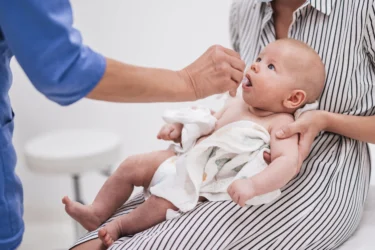
Clean your infant’s gums after every feed: Cradle your baby with one hand; take a wet, clean washcloth and wrap it around the index finger of your other hand and carefully massage their gums with it9.
Do not let your baby sleep with a bottle in their mouth9.
Do not test the bottle’s temperature with your mouth, share spoons or other utensils, or clean a pacifier or bottle nipple by putting it in your mouth, as this can cause gum or tooth infection in your baby. This can help avoid the bacteria that cause cavities in the teeth from spreading to your baby9.
2. Bathing and Body Hygiene
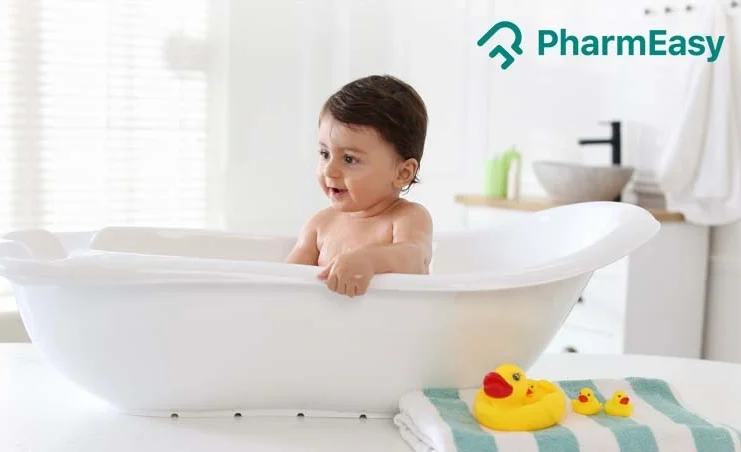
Bathing and cleansing your baby are important, as they help reduce the irritation caused by sweat, saliva, dirt, and urine5. Here are some tips you can follow while bathing your baby.
Bathing Tips:
Place your baby on your knees or a mat, remove all their clothes except the vest and diaper, and wrap a towel around them10.
Use a wet cotton ball to clean one eye from the nose outward. Clean the other eye in the same manner with a fresh cotton ball10.
Using fresh cotton balls, clean your baby’s ears, face, neck, and hands. Then dry them gently. Do not use cotton buds to clean ears10.
Remove their nappy and clean the bottom and the genital area using water and cotton wool. Dry well, especially between skin folds, and put on a fresh nappy. Keep the umbilical cord area clean and dry. Do not wash it unless it is dirty.
Interact with your baby while bathing them, as it helps them feel safe and recognise your voice10.
Do not bathe them if they are just fed, tired or hungry1.
Do not add cleansers to bathwater or use lotions or medicated wipes. If needed, use only a mild, non-perfumed soap5.
Be careful while selecting bathing products for your baby5.
3. Baby Nail Care
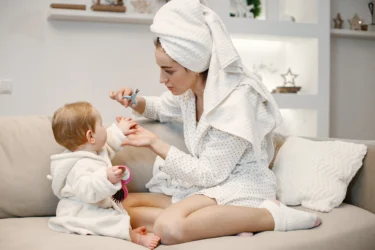
Image Source: freepik.com
It is important to keep your baby’s nails trimmed to avoid infections from nail bites, ingrown toenails, and pinworm eggs11. Here are some simple tips that you can follow to keep your baby’s nails hygienic.
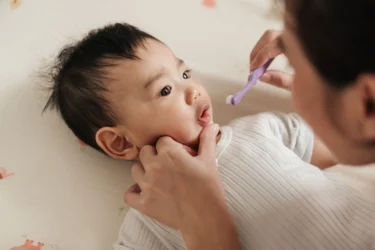
First clean the dirt beneath their nails using a soft nail brush or a washcloth11.
You can use a soft emery board, baby nail clippers, or blunt-nosed toenail scissors to trim their nails12 .
Be careful while using clippers or scissors as they can cause accidental cuts to your baby’s fingertips12.
You can trim their nails soon after bathing them, but the best time to do it is while they are asleep12.
Additional Tips:
Trimming your baby’s nails is not easy as they move a lot. Early and regular trimming; distracting them with singing, a toy, or a game; or letting them get familiar with the nail clippers can make your work easier11.
Since your baby’s fingernails grow quickly, it is recommended to trim them twice a week. Toenails usually grow slowly, hence trim them only once or twice a month12.
If your baby’s fingers are cut accidentally, immediately rinse them with cold water, and apply a cotton pad to stop the bleeding11. If you think the cut is deep, take them to a child specialist.
4. Diaper Hygiene and Care
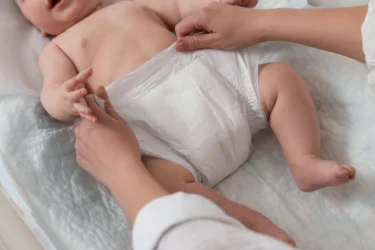
Changing their diaper is very important for your baby as wearing the same diaper for a long time may cause diaper rash (diaper dermatitis)13. Here are some simple tips that you can follow while changing your baby’s diaper.
Lay your baby on a diaper changing surface and remove their diaper slowly. Clean their diaper area using fresh wipes; always wipe from front to back. Keep the soiled diaper out of the baby’s reach14.
Place the used wipes along with the dirty diaper to be disposed of as appropriate14.
Apply diaper cream if needed, put on a fresh diaper, and dress your baby14.
Do not forget to wash your baby’s hands at the end14.
Additional Tips:
Change your baby’s diaper immediately after it gets wet. For newborns, it is recommended to change diapers every 2 hours in the day13.
Use super-absorbent, breathable disposable diapers as these can reduce contact with excess moisture and irritants compared to cloth diapers, reducing the chances of diaper rash13.
Avoid wipes with alcohol or fragrance as these can irritate your baby’s skin. Avoid traditional soaps, as they are highly alkaline; instead, use cleansers with a low (slightly acidic) pH13.
After changing the diaper, clean the diaper-changing surface with a damp cloth and disinfect the area14. This reduces the risk of contamination from any spills and protects your baby.
If the baby has pooped in the cloth diaper, discard the poop in the toilet, place the diaper in the cloth diaper pail or trash can, and wash your hands thoroughly14.
5. Feeding Hygiene
Doctors usually recommend starting breastfeeding within 1 hour of childbirth15. There are some important things you should keep in mind before starting breast or formula feeding.
While breastfeeding, first wash your hands thoroughly. Then hold your baby close to your body with their head and body in a straight line and fully supported, facing the breast with their nose opposite the nipple15.
If you are feeding the baby expressed breast milk, wash your hands and sit comfortably, holding a clean container under your breast. Now place the thumb and finger around your nipple, and squeeze gently to release milk15. Always use a clean container to collect and store breast milk.
Additional Tips:
If you are formula feeding your baby, clean the bottles after every feed. Start by washing your hands, then separate the bottle parts and rinse them with hot or cold running water. Wash the bottle parts using a clean brush and soap. Rinse them well again under running water and then let them air dry. At any point during washing, do not put the bottle parts in the sink. The wash basin and cleaning brush should be used exclusively for washing baby bottles and cleaned frequently (after every use if your baby has a weakened immune system)16.
You can also sanitise your baby’s bottle. Put bottle parts in a pot and fill it with water. Heat the pot. Once it starts boiling, let it boil for 5 minutes. Then take out the parts with clean forceps16. You can also sanitise them by microwaving.
Air dry, assemble the bottle parts and then store them in a clean and closed kitchen shelf16.
6. Sleep Hygiene
For a newborn’s sleep hygiene, a safe, consistent, and calming environment is important. This may help reduce the risk of SIDS (sudden infant death syndrome) in babies17. Following are some baby care tips that you can use to ensure safe sleep for your baby.
Let them sleep on a flat, firm surface with no soft items like pillows, toys, or extra bedding near them. The safest place to sleep is alone in a crib, cradle, or bassinet17.
At least for the first 6 months, let your baby sleep in your bedroom17.
To reduce the risk of SIDS, keep your baby’s sleep area smoke-free17. Breastfeeding is also believed to reduce the risk of SIDS.
Additional Tips:
Never let your baby sleep on waterbeds, air mattresses, sofas, armchairs, or any soft or padded surfaces17.
Do not let your baby sleep in swings, bouncers, strollers, car seats, or highchairs, or dress them in a coat while sleeping. These may cause breathing difficulties, suffocation, and overheating in babies17.
Be cautious while sharing a bed with your baby, as they can get trapped between you and the wall, fall from a height, or get suffocated on soft bedding17.
Dress them with simple, fitted sleepwear when putting them to sleep17.
While taking care of your baby, it is important to know what you should do and what you should not. Understanding these helps reduce confusion and ensures proper care for your newborn. Below are the dos and don’ts of newborn care.
Dos of Newborn Care
Start feeding your baby within one hour of giving birth15. They should be breastfed exclusively for the first 6 months.
Wash your hands thoroughly before you start breastfeeding.
Keep the umbilical cord area clean and dry.
Skin-to-skin contact:Keep your baby on your chest for skin-to-skin contact; this will make them feel comfortable15.
Keep your baby away from sick people and crowded places.
Watch for signs of fever or illness and take them to a child specialist if necessary15.
Proper newborn baby care and hygiene practices are essential for a baby’s healthy growth, comfort, and protection from infections. By following proper hygiene practices, along with safe feeding and sleep routines, you can ensure a safe and caring environment for your newborn. Regular care and prompt medical advice might help your baby stay healthy and support their development.
Do not pull or remove your baby’s (umbilical cord) stump even if it is hanging. It will naturally dry and fall off within 5 to 15 days after birth. Until then, do not bathe your baby in a tub full of water19.
How do I know if my newborn’s belly button or stump is infected?
Signs of infections at the stump area include a foul smell, yellow fluid discharge, and redness and swelling around the stump19. Poor feeding, high temperature (100.4°F or greater), tiredness, weak and loose muscles are the signs of serious infections. Immediately consult a doctor if you see these signs in your baby19.
Why is skin-to-skin contact important?
Skin-to-skin contact plays a key role in the early essential newborn care techniques developed by WHO. It keeps the baby’s temperature stable, stimulates their immune system, makes the first breastfeeding easy, strengthens bonding, and can lower the mother’s risk of postpartum depression20.
What are the 5 cleans for newborns?
The “5 cleans” which should be following to reduce the chances of blood infections in infants include clean hands, clean cord tie, clean cord, clean surface, and clean cutting instrument21.
Kuti BP, Ogunlesi TA, Oduwole O, Oringanje C, Udoh EE, Meremikwu MM. Hand hygiene for the prevention of infections in neonates. Cochrane Database of Systematic Reviews. 2019 May 2;5(5). Available from: https://pmc.ncbi.nlm.nih.gov/articles/PMC6497128/
Telofski LS, Morello AP, Mack Correa MC, Stamatas GN. The Infant Skin Barrier: Can We Preserve, Protect, and Enhance the Barrier? Dermatology Research and Practice. 2012; 2012:1–18. Available from: https://pmc.ncbi.nlm.nih.gov/articles/PMC3439947/
Tham E, Schneider N, Broekman B. Infant Sleep and Its Relation with Cognition and growth: a Narrative Review. Nature and Science of Sleep [Internet]. 2017 May. Available from: https://www.ncbi.nlm.nih.gov/pmc/articles/PMC5440010/
Segù M, Baroni L, Bertuzzi F, Preda C. Oral hygiene practices in nurseries (0-3 years) in the cities of Pavia and Vigevano. Frontiers in Oral Health [Internet]. 2023 Jan 18 [cited 2023 Mar 23];3. Available from: https://pmc.ncbi.nlm.nih.gov/articles/PMC9889866/
Zhang H, Zhang Z, Liao Y, Zhang W, Tang D. The Complex Link and Disease between the Gut Microbiome and the Immune System in Infants. Frontiers in Cellular and Infection Microbiology [Internet]. 2022 Jun 15;12. Available from: https://pmc.ncbi.nlm.nih.gov/articles/PMC9241338/
Wesner E, Vassantachart JM, Jacob SE. Art of prevention: the Importance of Proper Diapering Practices. International Journal of Women’s Dermatology [Internet]. 2019 Sep;5(4):233–4. Available from: https://pmc.ncbi.nlm.nih.gov/articles/PMC6831759/
World Health Organization. Breastfeeding, Care, Preventive Measures and Treatment for the Newborn [Internet]. www.ncbi.nlm.nih.gov. World Health Organization; 2015. Available from: https://www.ncbi.nlm.nih.gov/books/NBK326679/
Patel AB, Simmons EM, Rao SR, Moore J, Nolen TL, Goldenberg RL, et al. Evaluating the Effect of Care around Labor and Delivery Practices on Early Neonatal Mortality in the Global Network’s Maternal and Newborn Health Registry. Reproductive Health [Internet]. Available from: https://pmc.ncbi.nlm.nih.gov/articles/PMC7708898/
Disclaimer: The information provided here is for educational/awareness purposes only and is not intended to be a substitute for medical treatment by a healthcare professional and should not be relied upon to diagnose or treat any medical condition. The reader should consult a registered medical practitioner to determine the appropriateness of the information and before consuming any medication. PharmEasy does not provide any guarantee or warranty (express or implied) regarding the accuracy, adequacy, completeness, legality, reliability or usefulness of the information; and disclaims any liability arising thereof.
Links and product recommendations in the informationprovided here are advertisements of third-party products available on the website. PharmEasy does not make any representation on the accuracy or suitability of such products/services. Advertisements do not influence the editorial decisions or content. The information in this blog is subject to change without notice. The authors and administrators reserve the right to modify, add, or remove













































Comments