




How to Increase Your Metabolism Naturally
By Dr. Vishesh Bharucha +2 more

Medically reviewed by Dr. Vishesh Bharucha
Last updated: Oct 16, 2026 Published on: Dec 19, 2025


Get,

to manage your symptom
Get your,

4 Cr+ families
benefitted

OTP sent to 9988776655



You’ve successfully subscribed to receive
doctor-approved tips on
Whatsapp

Get ready to feel your best.


Register to Avail the Offer
Send OTPBy continuing, you agree with our Privacy Policy and Terms and Conditions
Hi There,
Sign up on PharmEasy now!!


Trusted by 4 crore+ families

OTP sent to 9988776655
You have unlocked 25% off on medicines


Code: NU25

By Dr. Vishesh Bharucha +2 more
Table of Contents
Have you ever wondered why the same foods you ate effortlessly in your teenage years now seem to “sit” in your stomach a little longer, or why losing even a couple of kilos feels harder than it used to? You are not alone!
Metabolism (the process your body uses to convert food into energy) naturally slows down with age as the body loses muscle mass and other tissues1,2. In fact, it is believed that the energy you spend in your resting state (known as resting energy expenditure (REE)) begins to decline by 1 to 2% per decade as you grow older2.

Adding to this, the load of busy schedules, stress, irregular eating habits, and long hours of sitting! So, it is no surprise that many people feel their digestion and energy levels are not what they used to be1.
The good news? A slow or sluggish metabolism is not permanent. In this article, we will answer your queries, such as how to boost metabolism, improve digestion, and feel more energetic with simple, science-backed lifestyle changes.

Answer a few quick questions to check eligibility.
Your response has been submitted.
Our team will contact you shortly.
Metabolism is the sum of all chemical reactions happening inside our body cells that keeps us alive. These reactions help our body convert the food we eat into energy, support vital functions, and allow growth, repair, movement, and overall development. Metabolism also involves processes that don’t directly produce energy, such as creating DNA, hormones, and other vital components needed for cell function3.
All of these metabolic processes rely on enzymes that are special proteins that help carry out chemical reactions in the body through two processes (catabolism and anabolism). Catabolism produces energy and basic building blocks, while anabolism uses that energy to create new molecules3.
A key part of metabolism is your metabolic rate, which refers to how quickly your body produces and uses energy3. The basal metabolic rate (BMR) is the minimum amount of energy your body needs to function at rest, just to keep your heart beating, lungs working, and cells alive4.
Note: Everyone’s BMR is different because it is influenced by many factors, including age, sex, genetics, body composition, physical activity, and certain medical conditions3. This is the reason why some people naturally burn energy faster than others.
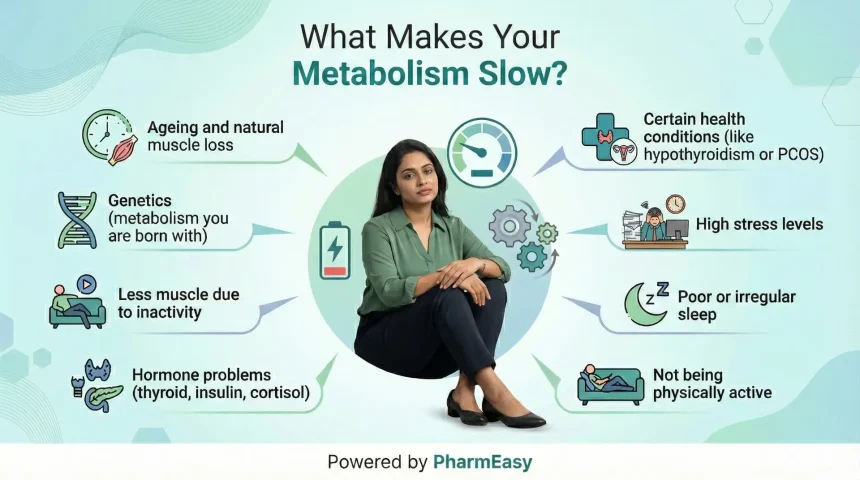
A slow metabolism does not happen overnight. It is usually the result of several lifestyle, biological, and health-related factors. Here are some of the most common reasons your metabolic rate may decline:
If you are wondering how to improve metabolism with natural food items, we are here to help. Certain everyday foods, such as the following, contain natural compounds that can gently boost your metabolism:

Caffeine (a key ingredient in coffee) temporarily raises REE. This helps your body use more fat when it needs energy. However, actual fat oxidation is modest and varies based on exercise and individual metabolism. Also, caffeine does not reliably promote significant fat loss on its own, and its effects may diminish with habitual use. Most adults should also avoid excessive intake, with around 400 mg/day considered a common safe upper limit.

Green tea contains catechins that combine with caffeine and slightly increase fat oxidation. This helps your body burn slightly more calories and fat. However, these benefits are small (and observed in short-term studies) and very high-dose extracts can upset the stomach.

Capsaicin (the compound that makes chillies spicy) can slightly increase heat production and calorie burn. Even small amounts added to meals may help. However, higher doses may be uncomfortably spicy for many, so moderation is the key.

Cocoa contains natural stimulants and antioxidants (such as caffeine and theobromine) that may help your body burn a few extra calories. But try and choose high-cocoa sugarfree dark chocolate and keep portions small because of excess calories.

Ginger may support metabolism by promoting thermogenesis (heat production) and the breakdown of fat. This suggests it may provide mild metabolic benefits, making it a healthy addition to a balanced diet. However, human evidence is limited, so ginger should not be taken in excess.

Apple cider vinegar may influence fat metabolism, showing potential benefits on body weight, satiety, and fat oxidation. However, more research is needed before definitive conclusions can be drawn, so it should be taken in moderation.

Cinnamaldehyde, a compound that gives flavour to cinnamon, may slightly raise energy expenditure and help control appetite. Small dietary amounts are generally safe (prefer Ceylon cinnamon to avoid excess coumarin from cassia varieties)12.
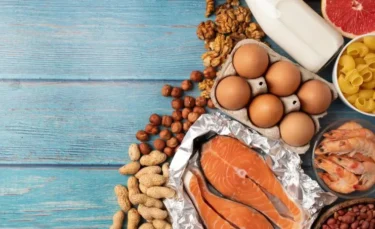
Protein-rich foods play a key role in supporting metabolism because protein has a higher thermic effect of food, meaning the body uses more energy to digest and metabolise it compared to carbohydrates or fats. Protein also helps preserve lean muscle mass, which is important for maintaining resting metabolic rate during weight loss. So, including foods such as eggs, fish, lean meat, poultry, dairy, pulses, legumes, and soy products can help support metabolic function as part of a balanced, calorie-controlled diet13.

These vegetables contain unique plant compounds that may support fat burning and overall metabolic health. However, human data is limited, but these veggies are nutrient-dense and safe to include regularly12.
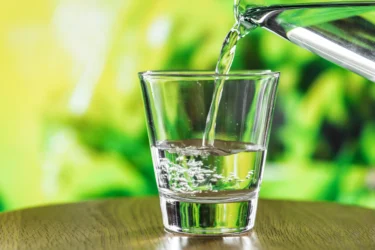
Adequate water intake supports metabolism by increasing energy expenditure and promoting fat oxidation. Studies show that drinking water can temporarily boost metabolic rate through heat generation, as the body expends energy to warm and process the fluid14. Thus, regular water consumption can aid metabolic function and support weight management as part of a healthy diet.
Note: These metabolism boosting foods can gently support your metabolism, but they work best when eaten in moderation. Overconsuming caffeine or spicy foods that increase metabolism can cause discomfort, and relying too heavily on any single food will not lead to major changes.
Thinking about how to increase metabolism with exercise? Let us walk you through it.
Just a few smart exercise choices, such as the ones below, can make a big difference in how your body burns energy:

Brisk walking increases your heart rate, boosts calorie burn, and helps reduce fat. Plus, it is safe for all fitness levels and easy to maintain long term15.

Jogging as well as running raises your energy expenditure modestly, which keeps your metabolism elevated for a few hours (even after the workout). It improves insulin sensitivity and supports cardiovascular health17.

HIIT creates a strong afterburn effect, meaning your body continues burning calories even after the session ends. It improves fat oxidation, endurance, and metabolic markers such as blood pressure and insulin resistance13,16.

Strength training builds muscle and muscle burns more calories than fat (even at rest). So, increasing lean mass can help raise BMR slightly. Strength training also improves insulin sensitivity, glucose metabolism, and the ability to perform daily physical activities, which is essential for long-term metabolic health15.

Cycling is a great aerobic workout that increases calorie burn and improves lower-body muscle strength15,19.

Swimming engages almost every major muscle group while providing a full-body calorie burn. It improves cardiorespiratory fitness and enhances flexibility20.
Your daily habits play a major role in how efficiently your body uses energy, making lifestyle choices key to maintaining a healthy metabolism. Thus, it is important to adopt healthy lifestyle habits, such as the following, to support a well-functioning metabolism and improve overall health.
Improving metabolism is not about quick fixes but about creating sustainable, health-promoting habits.
Metabolism boosting foods such as green tea, coffee, chilli peppers, and other options provide small but meaningful boosts in energy expenditure and help regulate appetite and boost metabolism. Building on this foundation, regular physical activity plays an equally essential role. Complementary habits such as consistent meal timing, quality sleep, avoiding smoking, and limiting alcohol further strengthen metabolic balance.
Together, these nutrition and activity strategies support long-term metabolic efficiency, reduce the risk of chronic disease, and promote overall health and vitality.
Metabolism can begin improving within a few weeks of consistent lifestyle changes such as eating a balanced diet, exercising regularly, staying hydrated, and getting good sleep24. Building muscle through strength training creates more lasting changes, which may take 4 to 8 weeks to show measurable effects25.
Yes, metabolism naturally slows as you age due to loss of muscle mass, hormonal changes, reduced physical activity, and changes in cellular processes1,2,5. However, strength training, good nutrition, and regular activity can significantly counteract this decline15,21.
Some options (like green tea extract, caffeine, or capsaicin) may offer small, temporary metabolic boosts, but their effects are modest. They cannot replace exercise, balanced nutrition, or sleep12. Please keep in mind that many supplements also lack strong long-term evidence, and some may have side effects if consumed in excess.
You can assess your metabolism through blood tests like a basic metabolic panel (BMP) or a comprehensive metabolic panel (CMP). These tests measure important markers such as blood glucose, electrolytes, kidney function, liver enzymes, and protein levels, which together show how your body processes energy, handles nutrients, and maintains metabolic balance. They are commonly used to detect metabolic issues or monitor overall metabolic health26,27.
A slow metabolism can be due to low muscle mass, ageing, hormonal issues (thyroid, insulin resistance, PCOS), sedentary lifestyle, chronic stress, poor sleep, inconsistent eating patterns or genetics1,11. Often, multiple factors combine, but most are modifiable with diet, exercise, and proper medical evaluation.
The 2 2 2 method often refers to a simple habit-building approach for healthier metabolism:
2 litres of water/day, 2 servings of fruits or vegetables/day, 2 walking sessions/day
This method is more of a wellness guideline than a scientifically validated metabolic protocol.
Disclaimer: The information provided here is for educational/awareness purposes only and is not intended to be a substitute for medical treatment by a healthcare professional and should not be relied upon to diagnose or treat any medical condition. The reader should consult a registered medical practitioner to determine the appropriateness of the information and before consuming any medication. PharmEasy does not provide any guarantee or warranty (express or implied) regarding the accuracy, adequacy, completeness, legality, reliability or usefulness of the information; and disclaims any liability arising thereof.
Links and product recommendations in the information provided here are advertisements of third-party products available on the website. PharmEasy does not make any representation on the accuracy or suitability of such products/services. Advertisements do not influence the editorial decisions or content. The information in this blog is subject to change without notice. The authors and administrators reserve the right to modify, add, or remove content without notification. It is your responsibility to review this disclaimer regularly for any changes.


Comments

Leave your comment...
You may also like






















Comments