



Soybean: Uses, Benefits, Side Effects By Dr. Rajeev Singh
By Dr Rajeev Singh +2 more

Medically reviewed by Dr Rajeev Singh
Last updated: Aug 18, 2026 Published on: Sep 16, 2022


Get,

to manage your symptom
Get your,

4 Cr+ families
benefitted

OTP sent to 9988776655



You’ve successfully subscribed to receive
doctor-approved tips on
Whatsapp

Get ready to feel your best.


Register to Avail the Offer
Send OTPBy continuing, you agree with our Privacy Policy and Terms and Conditions
Hi There,
Sign up on PharmEasy now!!


Trusted by 4 crore+ families

OTP sent to 9988776655
You have unlocked 25% off on medicines


Code: NU25

By Dr Rajeev Singh +2 more
Table of Contents
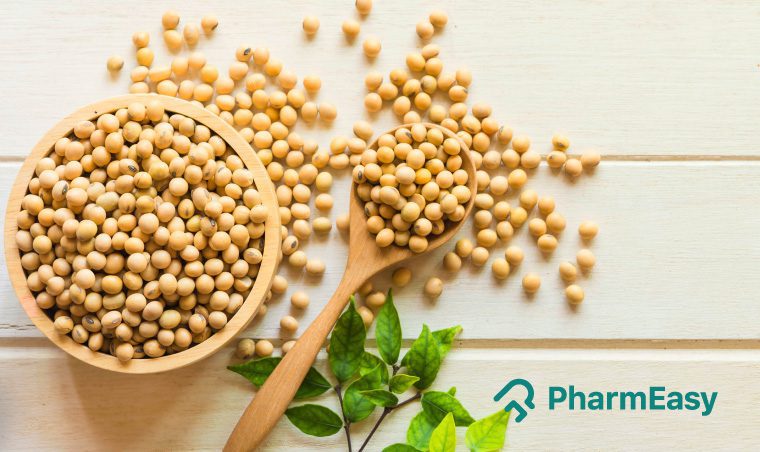
Soybean is a legume that is a nutritionally, and economically important crop considered one of the major sources of oil. The scientific name of soybean is Glycine max and around 5000 years ago China cultivated it for the first time. Soya beans are a rich source of proteins, vitamins, minerals, low saturated fats, and fibers. The presence of these many biologically active compounds made use of the soybean in the pharmaceutical industry to make medicine and other dietary products1. Soybean is cultivated as the major oil seed crop and let us discuss the importance and health benefits of soybeans.
Did You Know?
Soybean contains a variety of nutrients that are given as follows:
The constituents present in soybeans may have the following properties:
Some of the potential uses of soybeans have been described as follows:
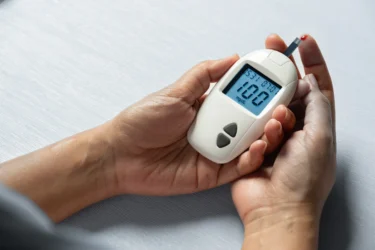
Soybean may act as an antidiabetic agent and may help in reducing renal disorders. Soybeans may help in reducing the increased protein content by replacing animal proteins with soybean plant proteins. Soybean plant protein may help in renal hyperfiltration and may reduce renal disease in diabetes type 2. Soybeans contain isoflavonoids and stigmasterol which may act as antidiabetic agents by targeting glucose transporters1,2. However, consult your doctor for a proper diagnosis in case of high blood sugar.
Regular intake of soybeans as a part of a regular diet may reduce the risk of cancer. The constituent of soybean that may be responsible for its anti-cancer effect is isoflavone. Soybean may be used for breast, prostate, and colon cancer due to its anti-proliferative properties (property of inhibiting the growth of cancerous cells). However, further studies are required to check the effect of soybeans on cancer in humans3. Cancer is a serious disease therefore, it is essential to get it diagnosed and go for proper treatment instead of self-medication.
Soybeans are comprised of chemicals, saponins, which are believed to have an anticancerous potential. Besides other health benefits, soybeans may offer protection against cancer6.
Dr. Siddharth Gupta, B.A.M.S, M.D (Ayu)
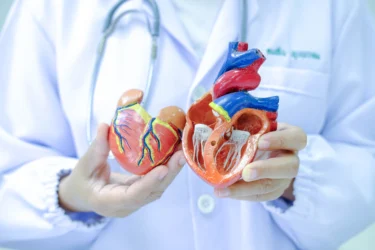
The diseases that affect the heart and the blood vessels are cardiovascular diseases. Coronary heart disease, coronary artery disease and hypertension are a few examples of cardiovascular disease. Isoflavone and phytosterols, present in soybean may play a major role in cardiovascular diseases by lowering cholesterol levels3. Heart diseases can be dangerous therefore, if you should get diagnosed, get proper medical help and special precautions shall be taken if you have a history of heart disease.
Soybeans are an important part of the diet of Japanese people. The ratio of heart diseases in Japanese people is low, which can be attributed to the isoflavones present in the soy diet consumed by them in large amounts9.
Dr. Anuja Bodhare, B.A.M.S, M.D (Ayu)
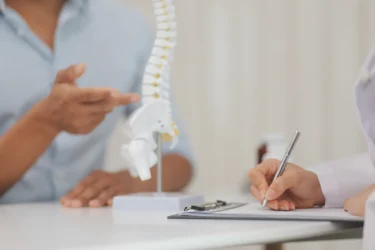
Osteoporosis refers to weaker, brittle bones and joints, which generally happens in older women. Isoflavones in soybean may be used for osteoporosis as they may maintain bone mineral density3. However, further studies are required to check the effect of soybean on osteoporosis in humans. You must consult your doctor if you are experiencing joint pain and take proper treatment instead of self-medicating.
Soybeans have plenty of nutrients which make your bones stronger such as calcium, magnesium, phosphorus, vitamin D, proteins. This makes soybeans particularly good for the bones7.
Dr. Rajeev Singh, BAMS

Soybean is a good source of protein and regular intake of soybeans in your diet may help in taking less food in humans which, may help in lowering obesity. Studies in animals and humans have shown that soy proteins may reduce body weight and body fat mass3. However, you must consult a nutritionist before making any changes in your diet.
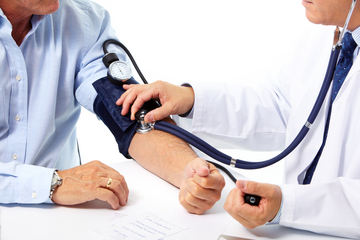
The high protein content of soybeans may help maintain proper blood pressure. Soy protein is generally hypotensive that is, it may help to reduce blood pressure4. However, further studies are required to check the effect of soybeans on lowering blood pressure in humans. You must check your blood pressure and consult a doctor if your blood pressure is not within the normal range.
The intake of soybeans may play a role in keeping blood sugar levels under control during pregnancy. The isoflavones in soy products are implicated in the regulation of glucose metabolism, keeping blood glucose levels within normal range8.
Dr. Smita Barode, B.A.M.S, M.S.

Isoflavones present in soybeans may help to improve overall skin health. Soybeans may increase collagen synthesis, a protein that may improve the skin elasticity, and water-holding capacity of the skin, reducing pigmentation, and wrinkles4. However, you must consult a doctor if you see any abnormality in your skin instead of self medicating.

Soybean may be beneficial in managing depression and Isoflavones present in soybean may have anti-depressant properties. Studies have shown that the consumption of soybeans may reduce depressive symptoms4. However, further studies are required to check the anti-depressant properties of soybeans. You must consult a psychiatrist if you have depression or depressive symptoms.
Though there are studies that show the benefits of soybeans in various conditions, these are insufficient and there is a need for further studies to establish the true extent of the benefits of soybeans on human health.
Soybeans can be eaten as a part of the diet and cooked before eating. Soybeans are used in the preparation of soups, salads, and stews.
You must consult a qualified doctor before taking soybeans in large quantities. Likewise, do not discontinue or replace an ongoing modern medical treatment with an ayurvedic/herbal preparation without consulting a qualified doctor.
Also Read: Tofu: Uses, Benefits, Side Effects By Dr. Smita Barode
The side effects of soybeans may include:
Also Read: Food Allergies: Symptoms, Types, Diagnosis & Home Remedies
The following precautions shall be taken before consuming soybean:
Soybeans seem to be a perfect food for vegetarians, but you should be cautious of the harmful effects of soybeans in certain conditions like allergy to soy products, pregnancy, thyroid disease or breast cancer10.
Dr. Ashok Pal, BAMS
Also Read: Rajma (Kidney Beans): Uses, Benefits, Side Effects By Dr. Rajeev Singh
Soybean may interact with levothyroxine (which is a medication used to treat hypothyroidism)4.
You must consult your doctor before consuming soybeans if you are undergoing medical treatment.
Also Read: Besan: Uses, Benefits, Side Effects By Dr. Rajeev Singh
Soybean may be used to treat diabetes, cancer, cardiovascular diseases, weight management, lowering blood pressure, improving skin health and manage depression1,3,4.
Side effects of soybeans may include allergy, constipation and diarrhoea5.
Soybean may help to reduce body weight and body fat due to the presence of a high number of proteins3.
No, there are no studies that show the use of soybean for acne.
The advantages of soybean include its uses in the treatment of diabetes, cancer, cardiovascular diseases, weight management, lowering blood pressure, improving skin health and managing depression1,3,4. Its disadvantages include its side effects like allergy, constipation and diarrhoea5.
Disclaimer: The information provided here is for educational/awareness purposes only and is not intended to be a substitute for medical treatment by a healthcare professional and should not be relied upon to diagnose or treat any medical condition. The reader should consult a registered medical practitioner to determine the appropriateness of the information and before consuming any medication. PharmEasy does not provide any guarantee or warranty (express or implied) regarding the accuracy, adequacy, completeness, legality, reliability or usefulness of the information; and disclaims any liability arising thereof.
Links and product recommendations in the information provided here are advertisements of third-party products available on the website. PharmEasy does not make any representation on the accuracy or suitability of such products/services. Advertisements do not influence the editorial decisions or content. The information in this blog is subject to change without notice. The authors and administrators reserve the right to modify, add, or remove content without notification. It is your responsibility to review this disclaimer regularly for any changes.
 29
29  1
1Comments

Leave your comment...
You may also like
















Comments