
Yoga has been a popular practice for centuries, but its popularity has exploded in a few decades. With so many different styles and benefits, it’s no wonder why people of all age groups and backgrounds are turning to yoga. The practice of yoga can produce a physiological state opposite to the flight-or-fight response and brings a sense of balance and union between the mind and body1.
Whether you’re looking to improve your physical fitness, reduce stress, or connect with your spiritual side, there are many reasons to try yoga. Yoga often sees the practice of asanas, but where to begin? In this post, we’ll briefly introduce one of the asana, Parivrtta trikonasana and some tips on getting started.
Did you know?
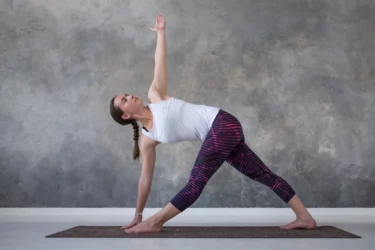
Parivrtta trikonasana is also known as the revolved triangle pose or twisted triangle pose. The word is derived from Sanskrit words “Parivrtta”, meaning revolved or turned back, “trikona”, meaning triangle, and “asana”, meaning pose or posture. This asana is a counter pose to Uttihita trikonasana2.
Parivrtta trikonasana must be done properly for maximum health benefits. One may perform parivrtta trikonasana in the following manner:
Practising yoga can be quite beneficial for both physical and mental health. Practising certain yoga poses can give you relief from various health conditions like diabetes. Some studies show that practising parivrtta trikonasana might have beneficial effects on diabetes as this asana might reduce blood glucose levels.
Dr. Siddharth Gupta, B.A.M.S, M.D (Ayu)
Some benefits of this pose are as follows:
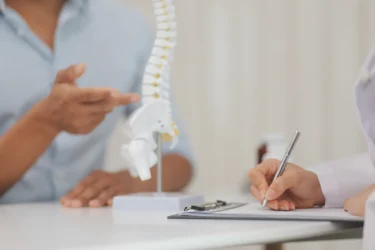
Decreased bone mineral density (BMD) can increase the risk of osteoporosis, a condition which is characterised by weak or brittle bones. Lu et al. conducted a study3 in 2005 to assess the effect of yoga on osteoporotic bone loss. The yoga intervention included several asanas, one of which was Parivrtta trikonasana. Ten years of yoga practice with asanas like Parivrtta trikonasana showed an increase in bone mineral density. Thus, the practice of Parivrtta trikonasana may improve bone mineral density, but should not be considered as an alternative to modern medicine. Kindly consult a doctor for proper treatment. Additionally, it is advised to practice this asana under the supervision of a qualified trainer3.
Regular yoga practice can help increase spinal flexibility. Malgorzata et al. conducted a study4 in 2015 to assess the effect of yoga intervention on spinal flexibility. The yoga intervention included several yoga asanas, one of which was Parivrtta trikonasana. 20 weeks of yoga intervention with asanas like Parivrtta trikonasana showed an improvement in spinal muscle flexibility and mobility regardless of age. Thus, the practice of asanas like Parivrtta trikonasana may help in improving spinal flexibility; however, one should not consider this asana as an alternative to modern medicine. Kindly consult your doctor for proper treatment. Additionally, it is recommended to practice this asana under the supervision of a qualified trainer4.
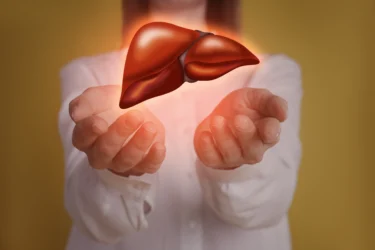
The liver plays an important role in detoxifying and removing toxins from the body. Yoga asanas may help stimulate the liver. Rathore et al. conducted a literature review5 on yoga postures and their anatomic correlation. The summary of this review supports the fact that the practice of parivrtta trikonasana helps in flushing the liver contents and thus accelerates the removal of toxins from the body. The possible mechanism behind this is the unilateral contraction of the internal oblique muscle, which is part of the abdominal wall. Thus, the practice of this asana may aid the detoxification process by the liver. However, no studies have been conducted yet to support these claims. It is therefore recommended not to rely on this asana alone and consult a doctor for proper treatment. Additionally, one should practice this asana under the guidance of a qualified trainer5.
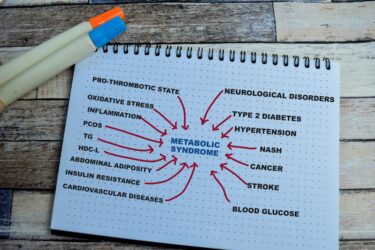
A patient is said to be suffering from metabolic syndrome if he has three or more out of the following five cardiovascular risk factors.
Gowda et al. presented a case report6 in 2016 of a 50-year-old male patient who was suffering from metabolic syndrome. The patient underwent six weeks of yoga intervention, which included several asanas, one of which was Parivrtta trikonasana. The intervention showed a positive impact on metabolic syndrome, and all the clinical parameters were in the normal range. Thus, the practice of Parivrtta trikonasana may help in improving metabolic syndrome. However, there are no clinical studies conducted so far to support these claims. So, it is recommended to kindly consult a doctor for proper treatment and not rely on this asana alone. Additionally, one should practice this asana under the supervision of a qualified trainer6.
Note- The above-mentioned benefits of Parivrtta trikonasana are not proven in any human study yet, and are based on a literature search entirely.
Yoga practice may help develop the mind and body; however, it is still not an alternative to modern medicine. Therefore, you must not rely on Yoga alone to treat any condition. Instead, please consult a qualified doctor who will be able to assess your condition correctly and advise accordingly. Moreover, it is necessary to practice and learn Yoga under the supervision of a trained yoga teacher to avoid any injuries.
Often elderly people find it difficult to fall asleep or have good quality sleep. It is been observed that elderly people who practice yoga like parivrtta trikonasana daily might have better sleep quality. They might fall asleep quickly, sleeps without disturbances and feel energetic after waking up9.
Dr. Rajeev Singh, BAMS
Conditions where Parivrtta trikonasana should be performed with caution are:
Conditions, where Parivrtta trikonasana is contraindicated, include:
Also Read: Benefits of Parivrtta Parsvakonasana and How to Do It by Dr. Himani Bisht
Parivrtta trikonasana is also known as the revolved triangle pose or twisted triangle pose. The word is derived from the Sanskrit words “Parivrtta”, meaning revolved or turned back, “trikona”, meaning triangle, and “asana”, meaning pose or posture. This asana is a counter pose to Uttihita trikonasana. The practice of this asana may help in improving bone mineral density, metabolic syndrome, spinal flexibility, and the detoxification process of the liver. Additionally, this asana may help in improving balance, concentration, blood circulation to vital organs, and the breathing process.
Also Read: Benefits of Utthita Trikonasana (Extended Triangle Pose) and How to Do it By Dr. Ankit Sankhe
Parivrtta trikonasana is also known as the revolved triangle pose or twisted triangle pose. The word is derived from the Sanskrit words “Parivrtta”, meaning revolved or turned back, “trikona”, meaning triangle, and “asana”, meaning pose or posture. This asana is a counter pose to Uttihita trikonasana1.
One should continue to stay in the wheel pose for about 30-60 seconds, or as long as is comfortable2.
First, stand in Tadasana, take a deep breath, and with a jump, spread your legs sideways. Now, with the palms facing down, raise your arms sideways. Start by turning your right foot 90 degrees right and your left foot 60 degrees to the right. Ensure the left leg is stretched and tightened at the knee. Breathe out and rotate the trunk and the left leg towards the right, i.e., in the opposite direction, so as to bring your left palm near the outer side of your right foot. Next, stretch your right arm and bring it in line with the left arm, and look at the right thumb above. Ensure the knees remain firm. Stay in this position for half a minute. Next, breathe in and lift your left arm and rotate your trunk back to the original position.
Breathe out and repeat this asana with the opposite side2.
The practice of this asana may help in improving bone mineral density, metabolic syndrome, spinal flexibility, detoxification process of the liver. Additionally, this asana may help in improving balance, concentration, blood circulation to vital organs, and breathing process3,8.
1. Woodyard C. Exploring the therapeutic effects of yoga and its ability to increase quality of life. Int J Yoga [serial online] 2011 [cited 2022 Nov 10]; 4:49-54. Available from: https://pubmed.ncbi.nlm.nih.gov/22022122/
2. B.K.S. Iyengar. Light on Yoga. The bible of Modern Yoga-Its Philosophy and practice-by the world London: Thorsons.1966;108-109. Available at: https://www.academia.edu/41608993/Bks_iyengar_light_on_yoga
3. Lu YH, Rosner B, Chang G, Fishman LM. Twelve-Minute Daily Yoga Regimen Reverses Osteoporotic Bone Loss. Top Geriatr Rehabil. 2016 Apr;32(2):81-87. doi: 10.1097/TGR.0000000000000085. Epub 2015 Nov 5. PMID: 27226695; PMCID: PMC4851231. Available at: https://www.ncbi.nlm.nih.gov/pmc/articles/PMC4851231/
4. Grabara M, Szopa J. Effects of hatha yoga exercises on spine flexibility in women over 50 years old. J Phys Ther Sci. 2015 Feb;27(2):361-5. doi: 10.1589/jpts.27.361. Epub 2015 Feb 17. PMID: 25729168; PMCID: PMC4339138. Available at: https://www.ncbi.nlm.nih.gov/pmc/articles/PMC4339138/
5. Rathore M, Trivedi S, Abraham J, Sinha MB. Anatomical Correlation of Core Muscle Activation in Different Yogic Postures. Int J Yoga. 2017 May-Aug;10(2):59-66. doi: 10.4103/0973-6131.205515. PMID: 28546675; PMCID: PMC5433114. Available at: https://www.ncbi.nlm.nih.gov/pmc/articles/PMC5433114/
6. Gowda S, Mohanty S, Saoji A, Nagarathna R. Integrated Yoga and Naturopathy module in management of Metabolic Syndrome: A case report. J Ayurveda Integr Med. 2017 Jan-Mar;8(1):45-48. doi: 10.1016/j.jaim.2016.10.006. Epub 2017 Mar 16. PMID: 28318814; PMCID: PMC5377479. Available at: https://www.ncbi.nlm.nih.gov/pmc/articles/PMC5377479/
7. Indian Yoga Association. Parivrtta Trikonasana and benefits [Internet]. Posted 2016 Nov 26 [cited 2026 Jan 8]. Available from: https://www.indianyogaassociation.com/blog/parivrtta-trikonasana-and-benifits.html
8. School, N.Y. (2020) Parivrtta trikonasana (revolved triangle pose): How to do it and its benefits, Nada Yoga School Blog. Available at: https://www.nadyoga.org/blog/parivrtta-trikonasana-revolved-triangle-pose/ (Accessed: November 15, 2022).
9. Bankar MA, Chaudhari SK, Chaudhari KD, et al. Impact of long-term yoga practice on sleep quality and quality of life in the elderly. J Ayurveda Integr Med [Internet]. 2013 Jan-Mar;4(1):28–32 [cited 2026 Jan 8]. Available from: https://pmc.ncbi.nlm.nih.gov/articles/PMC3667430/
Disclaimer: The information provided here is for educational/awareness purposes only and is not intended to be a substitute for medical treatment by a healthcare professional and should not be relied upon to diagnose or treat any medical condition. The reader should consult a registered medical practitioner to determine the appropriateness of the information and before consuming any medication. PharmEasy does not provide any guarantee or warranty (express or implied) regarding the accuracy, adequacy, completeness, legality, reliability or usefulness of the information; and disclaims any liability arising thereof.
Links and product recommendations in the information provided here are advertisements of third-party products available on the website. PharmEasy does not make any representation on the accuracy or suitability of such products/services. Advertisements do not influence the editorial decisions or content. The information in this blog is subject to change without notice. The authors and administrators reserve the right to modify, add, or remove content without notification. It is your responsibility to review this disclaimer regularly for any changes.
 1
1  0
0Yoga is popular throughout the globe and rightly so! Yoga can be done by people of all ages and sexes. No expensive exercise equipment or fancy sportswear is required for one to start practicing Yoga. You just have to wear comfortable clothes, roll out your yoga mat and get going! That’s what adds to its universal acceptance.
Yoga can be used as a preventive measure to maintain health and also as a form of treatment for many ailments. In fact, it is one of the most effective drug-free systems of treatment in the world. Regular practice of asanas gives benefits beyond just the physical body. It helps a person emotionally and spiritually too1,2.
Kukkutasana is one such yoga asana that imparts multiple benefits.
Kukkutasana, also called the cock or cockerel pose, is a popular yoga asana where the final posture resembles the shape of a cock. The word Kukkutasana is derived by joining two Sanskrit words, Kukkut meaning cock or rooster and Asana which means posture.
In Kukkutasana pose, the hip joint is bent and turned outwards, knees are bent and face towards the outer side, ankles are bent downwards and the feet are inverted. The back is kept straight except at the region of the neck where slight curve forms as the neck is bent forward. The shoulder joint is straightened fully and kept close to the body while the elbows are internally rotated. Padmasana is the preparatory pose for this asana.
In the book ‘Asana Pranayama Mudra Bandha’, which is globally considered to be one of the most organized books on Hatha Yoga, Kukkutasana is categorised under the ‘Padmasana group of asanas’ as the preparatory pose for Kukkutasana is Padmasana. This asana has so many benefits that the ancient Yogis have described practicing the Cock posture to be much more advantageous than the practice of eating a Cock2,3!
Did You Know?
To obtain the maximum health benefit from any asana, it must be performed in a systematic stepwise manner. The same applies to Kukkutasana as well. The steps to do Kukkutasana are as follows2:
Over 80% of neck difficulties worldwide are due to issues in neck muscles, ligaments, and discs due to improper neck posture and regular neck mishaps. Researchers have found that regular practice of Kukkutasana, along with other yoga asanas, may relieve neck pain. Kukkutasana is believed to create the feeling of levitation and develop the arm and shoulder muscles4.
Dr. Siddharth Gupta,B.A.M.S, M.D (Ayu)
Kukkutasana is said to be an asana that has beneficial effects for the physical body as well as for the spirit. Some of the potential benefits of Kukkutasana are2:

It is said to help remove excess fat from the arms. Practising this asana regularly may help strengthen the hands, forearms, shoulders and elbows. It is said to especially help those suffering from crooked arms and cramps and trembling of hands. Since the entire body weight is taken on the hands, this asana may potentially increase the blood circulation in the arms and help tone the biceps and triceps. It may also help in stretching the upper limb muscles especially the flexor ulnaris muscle, which helps in bending the wrist2.
While the practice of Kukkutasana helps improve upper limb strength, one must not depend on this asana alone to improve the power of the arms and hands. If you suffer from weakness of the upper extremities, please consult your doctor for it.
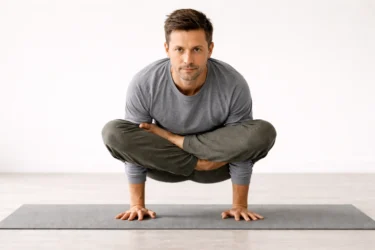
Practicing this asana is believed to increased blood flow to the chest that helps stretch, strengthen and tone the chest muscles. In turn, this may help in the optimum delivery of nutrients to them, thus helping them grow in size. Those having a narrow and weak chest, might thus benefit from practising Kukkutasana regularly2.
While this yoga asana may benefit those with weak and narrow chests, it is advisable to consult your medical practitioner if you are having weakness of the chest region. Do not rely on Kukkutasana alone for the same.
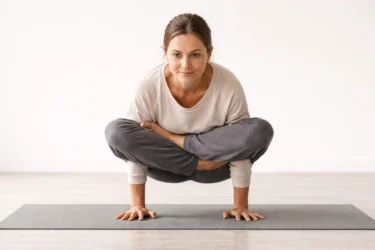
The muscles of the front and the inner side of the thigh help straighten the knee joint while those on the front side of the legs help in bending the ankle upwards and straightening the toes. All these muscles get stretched while performing this asana. The muscle responsible for folding the toes (second to fifth toes) also gets stretched. This is believed to help in the unrestricted blood flow to these parts, thus strengthening and toning them. Practicing this asana also helps in relaxing the lower limbs2.
Though Kukkutasana is believed to be helpful for strengthening various muscles of the lower limb, it is recommended that you consult a doctor if you are suffering from weakness of legs.

While the practice of Yoga may be beneficial for physical, mental and spiritual development, one must not depend on Yoga alone to cure any medical condition. If you are suffering from any disease condition, please consult a qualified medical practitioner who will be able to examine you and advise appropriate treatment. Moreover, yoga must be learned and practiced under the supervision of an experienced yoga teacher to avoid any injuries.
Researchers have found that a person may lead a path of virtues that is free from social ills and temptations like fraud and deceit by engaging in yogic activities, which offer such mind and body-relieving experiences. Therefore, I strongly recommend the regular practice of yoga asanas like Kukkutasana, Makarasana, and others since they may help people maintain a healthy physical and psychological outlook5.
Dr. Rajeev Singh, BAMS
Also Read: Benefits of Hanumanasana (Monkey Pose) and How to Do it By Dr. Himani Bisht
Some contraindications related to Kukkutasana are:
Some precautions that must be taken while practicing Kukkutasana are as follows:
Kukkutasana, like any asana, must be done under the guidance of a trained and qualified Yoga expert, who can assess your risk factors and help you practice it with appropriate precaution.
Also Read: Benefits of Upavistha Konasana (Seated Straddle Pose) and How to Do it By Dr. Ankit Sankhe
Kukkutasana or cock/cockerel/rooster pose is a full body asana that helps one physically as well as spiritually. It has many benefits for the arms, hands, legs and thighs. Its regular practice is also said to help a person reach higher levels of consciousness. One must practice this asana regularly, preferably under the guidance of a trained Yoga teacher, to avoid any injuries.
The name Kukkutasana is derived from the Sanskrit word ‘Kukkut’, which means cock, and ‘asana’ means posture. It is named so since the final posture resembles a cock. It is a wholesome asana that has physical as well as spiritual benefits2.
Kukkutasana is a strenuous asana and is generally not recommended for those who suffer from heart ailments. If you are having a heart condition, consult your doctor before you start practising this asana3.
Kukkutasana must be practised under the supervision of a trained and experienced yoga teacher who can guide you regarding the number of repetitions and the duration.
Practising Kukkutasana regularly is said to dissolve fat in the abdominal region. Thus, it may be beneficial to reduce belly fat and achieve a flat stomach2.
Kukkutasana helps improve the blood flow to the muscles that get stretched while performing the asana, which may in turn help in providing more nourishment to those areas2.
Disclaimer: The information provided here is for educational/awareness purposes only and is not intended to be a substitute for medical treatment by a healthcare professional and should not be relied upon to diagnose or treat any medical condition. The reader should consult a registered medical practitioner to determine the appropriateness of the information and before consuming any medication. PharmEasy does not provide any guarantee or warranty (express or implied) regarding the accuracy, adequacy, completeness, legality, reliability or usefulness of the information; and disclaims any liability arising thereof.
Links and product recommendations in the information provided here are advertisements of third-party products available on the website. PharmEasy does not make any representation on the accuracy or suitability of such products/services. Advertisements do not influence the editorial decisions or content. The information in this blog is subject to change without notice. The authors and administrators reserve the right to modify, add, or remove content without notification. It is your responsibility to review this disclaimer regularly for any changes.
As ancient Indian texts teach us, Yoga is the “union of body, breath and mind”. The spiritual culture has now spread to every corner of the Earth. The traditions of Yoga span geographically and over centuries, but they all share one common thread. Connecting with oneself through Yoga is one way to lead a more peaceful and rewarding life1. Sometimes, it takes a lot of other poses and adjustments before reaching the one that feels the best. It’s the same with life’s ups and downs; we take two steps forward. Balance is not just a pose or state; it’s a way of life.
Yoga often sees the practice of asanas, one of which is Uttana mandukasana. Let us look at some exciting features and benefits of Uttana mandukasana.
Did you know?
Uttana mandukasana is also known as the stretched-up frog posture. The name has roots in the Sanskrit language, “Uttana” meaning upright, “Manduka” meaning frog and “Asana” meaning pose or posture. In English, the name translates to an upright frog pose. Uttana mandukasana also resembles an upright frog, hence the name. This asana is a variant of mandukasana/frog pose. The preparatory pose for Uttana mandukasana is Vajrasana (Thunderbolt pose), and the follow-up pose is Balasana (Child’s pose)2.
Uttana mandukasana must be done properly for maximum health benefits. One may perform Uttana mandukasana in the following manner:
Some benefits of this pose are as follows:
Cervical spondylosis is a neurodegenerative disorder of the cervical spine. Neck and spinal exercises and various asanas like Uttana mandukasana help strengthen the muscles and may help relieve mild to moderate pain in conditions like cervical spondylosis. However, these claims are not proven in any study. Therefore, kindly consult a doctor for proper treatment of Cervical Spondylosis. Uttana mandukasana should not be considered a treatment prescription. Additionally, it is recommended to perform this asana under the guidance of a qualified trainer4.
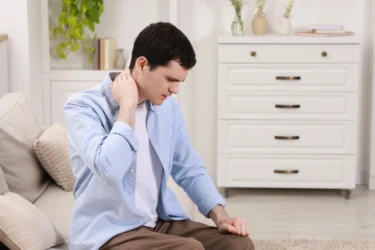
Text neck syndrome or Forward head posture (FHP) is a condition which is caused because of repetitive stress in the neck region due to long-term use of computer devices or smartphones. This condition can result in shoulder and neck pain, headaches and thoracic kyphosis (hunchback). Pranayamas and Yogasanas like Uttana mandukasana may help provide symptomatic relief from Text neck syndrome. However, limited studies are available that support the benefits of Uttana mandukasana for managing Text Neck Syndrome. Kindly consult a doctor to rectify Text neck syndrome. Uttana mandukasana should not be considered a treatment prescription. Additionally, it is recommended to perform this asana under the guidance of a qualified trainer6.

The practice of asanas like Uttana mandukasana stretch and tone several muscles of the body and keep the entire system in radiant health. Uttana mandukasana when performed along with other Pranayamas may help revitalize the body and mind, leaving an individual calm and refreshed. However, further studies are required to confirm these claims. It is recommended to consult a doctor in case of any stress related issue, and not rely on this asana alone. Additionally, it is advised to perform this asana under the supervision of a qualified trainer5.
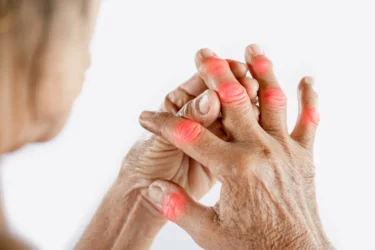
Arthritis is a clinical condition characterized by joint swelling, stiffness and pain around joints. Uttana mandukasana may help people with arthritis by improving the joint flexibility and function. However, further studies are required to confirm these claims. Therefore, it is recommended to consult a doctor for proper treatment of arthritis; do not consider Uttana mandukasana as an alternative to modern medicine. Additionally, it is advised to perform this asana under the guidance of a qualified trainer5.
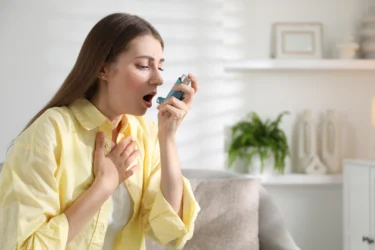
Asthma is characterized by chronic inflammation of the airways. Bhatt et al. conducted a study7 in 2019 on 32 patients to check the efficacy of yoga intervention on asthma. The yoga intervention included several asanas, including Uttana mandukasana and pranayamas. The results supported the practice of yoga may be beneficial for asthma. Thus, Uttana mandukasana, when performed along with other asanas and pranayamas, may benefit asthmatics. However, the claims need to be studied further. Kindly consult your doctor if you have asthma or complaints of breathlessness. One should not rely on Uttana mandukasana for the treatment of asthma. Additionally, it is advised to perform this asana under the supervision of a qualified trainer7.
Judging from my observations, Uttana Mandukasana may also help promote healthy flow of blood in the arteries, veins, and capillaries throughout the body. Thus, regular practice of Uttana Mandukasana may contribute to establishing a harmonious and balanced blood flow, supporting overall cardiovascular health10.
Dr. Smita Barode, B.A.M.S, M.S.
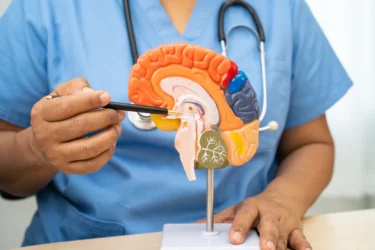
Nagendra et al. conducted a study8 on 30 young individuals to assess the outcome of yoga intervention on cognitive skills. The yoga intervention included several asanas, one of which was Uttana mandukasana. Results supported that yoga asanas like Uttana mandukasana improved cognitive functions like attention, neural activity, cognitive function and performance enhancement. Thus, it may be possible that upright frog pose can help improve cognitive function. However, such studies need to be done on a larger scale to ensure these claims. Hence, it is recommended to consult a doctor in case of impaired cognition and not rely on this asana alone. Additionally, one should perform this asana under the guidance of a qualified trainer8.
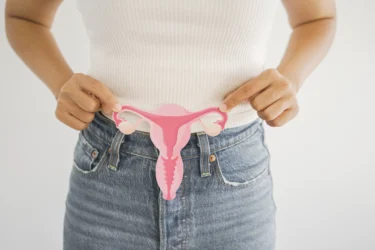
Yoga practice may help develop the mind and body; however, it is still not an alternative to modern medicine. Therefore, you must not rely on Yoga alone to treat any condition. Instead, please consult a qualified doctor who will be able to assess your condition correctly and advise accordingly. Moreover, it is necessary to practice and learn Yoga under the supervision of a trained yoga teacher to avoid any injuries.
From my perspective, practising Uttana Mandukasana may contribute to developing a more resilient and slender waist. However, it is important to maintain a consistent yoga practice and combine it with a balanced diet and overall healthy lifestyle for optimal results10.
Dr. Siddharth Gupta, B.A.M.S, M.D (Ayu)
Also Read: Benefits of Hasta Uttanasana (Raised Arms Pose) and How to Do it By Dr. Ankit Sankhe
Conditions where the upright frog pose is to be done cautiously:
Conditions where Uttana mandukasana is contraindicated are:
As I have seen it, Uttana Mandukasana might be particularly beneficial for individuals with a displaced navel, especially when it is displaced upwards. This yoga pose may bring relief from the discomfort associated with a displaced navel. However, it is always advisable to consult with a qualified yoga instructor for personalised guidance and to ensure the pose is suitable in your specific condition10.
Dr. Rajeev Singh, BAMS
Also Read: Benefits of Uttanpadasana (Raised Leg Pose) and How to Do it By Dr. Ankit Sankhe
Uttana mandukasana is also known as the stretched-up frog posture due to its resemblance to an upright frog. This asana is a variant of the Mandukasana/Frog pose. The name has roots in Sanskrit words, “Uttana”, meaning upright, “Manduka” meaning frog and “Asana”, meaning pose or posture. In English, the name translates to an upright frog. Performing this asana may help in managing cervical spondylosis, asthma, stress and arthritis and possibly help improve cognition.
Also Read: Benefits of Siddhasana (Accomplished Pose) and How to Do it by Dr Himani Bisht
Uttana mandukasana is the upright frog pose. In Sanskrit, “Uttana” means upright, “Manduk” means frog and “asana” means pose. Therefore, Uttana mandukasana translates to Upright frog pose in English2.
Uttana mandukasana can provide several benefits beyond the mat; this asana may help in managing cervical spondylosis, asthma, text neck syndrome, stress, arthritis and help improve cognition4,8.
First, sit in Vajrasana (sit in a kneeling position with your hips on the heels and your toes pointing behind you; ensure your big toes should touch each other). Now, spread the knees wide apart. Raise the left arm, fold it from the elbow, swing it back above the right shoulder, and place the palm on the right shoulder blade. In a similar manner, fold the right arm and place it on the left shoulder blade. Hold this position for a while and then come back slowly in a reverse manner and relax the whole body2.
Pregnant or menstruating women, and people with disability in hip joint and knee, back or shoulder pain should avoid doing this asana4.
1. Mehra P, Anand A, Nagarathna R, Kaur N, Malik N, Singh A, Pannu V, Avti P, Patil S, Nagendra HR. Role of Mind-Body Intervention on Lipid Profile: A Cross-sectional Study. Int J Yoga. 2021 May-Aug;14(2):168-172. doi: 10.4103/ijoy.IJOY_51_20. Epub 2021 May 10. PMID: 34188391; PMCID: PMC8191221. Available from: https://www.ncbi.nlm.nih.gov/pmc/articles/PMC8191221/
2. 21 June INTERNATIONAL DAY OF YOGA INTERNATIONAL DAY OF YOGA Common Yoga Protocol, Ministry of Ayurveda, Yoga & Naturopathy, Unani, Siddha and Homoeopathy (AYUSH) [Internet] 4th Revised Edition, May 2019. [Cited: 2022 Sep 10] Available from: https://mea.gov.in/images/pdf/common-yoga-protocol-english.pdf
3. Kaivalyadhama S.M.Y.M.Samiti. Gheranda Samhita.Chapter II.3rd revised edition;53. Available at: https://terebess.hu/keletkultinfo/lexikon/Gheranda-Samhita.pdf
4. Yogic Management of Cervical Spondylosis. Morarji Desai National Institute of Yoga. 2019;4. Available at: https://mantrayogameditation.org/wp-content/uploads/2019/12/THERAPHY-FOR-CERVICAL-SPONDILISIS.pdf
5. The National Council of Educational Research and Training. (NCERT). Yoga for a healthy way of living; Unit-3: Yoga for Health Promotion. Noida: ; 2021 Available at: https://cbseacademic.nic.in/web_material/Curriculum21/publication/srsec/Yoga_XII_Unit3.pdf
6. S. Lakshmi Kandha et al. Yoga for management of text neck Syndrome. Journal of Advances and Scholarly Researches in Allied Education [JASRAE] (Vol:19/ Issue: 4) DOI: 10.29070/JASRAE. Available at: https://ignited.in/index.php/jasrae/article/view/13948
7. Bhatt et al. THE ROLE OF YOGA THERAPY IN THE MANAGEMENT OF BRONCHIAL ASTHMA (TAMAKA SHWASA). Asian Journal of Pharmaceutical and Clinical Research. (Vol.12/Issue:12) Available at: https://innovareacademics.in/journals/index.php/ajpcr/article/view/35407
8. Nagendra H, Kumar V, Mukherjee S. Cognitive behavior evaluation based on physiological parameters among young healthy subjects with yoga as intervention. Comput Math Methods Med. 2015;2015:821061. doi: 10.1155/2015/821061. Epub 2015 Feb 11. PMID: 25759746; PMCID: PMC4339827.Available at: https://www.ncbi.nlm.nih.gov/pmc/articles/PMC4339827/
9. School of yoga. UTTANA MANDUKASANA – UPRIGHT FROG POSE.2016 Available at: https://schoolofyoga.in/yoga-asana/uttana-mandukasana
10. Brahmachari D. Yogāsana Vijñāna: The science of yoga. Bombay: Asia Publishing House. Available from: https://www.indianculture.gov.in/ebooks/yogasana-vijnan-science-yoga
Disclaimer: The information provided here is for educational/awareness purposes only and is not intended to be a substitute for medical treatment by a healthcare professional and should not be relied upon to diagnose or treat any medical condition. The reader should consult a registered medical practitioner to determine the appropriateness of the information and before consuming any medication. PharmEasy does not provide any guarantee or warranty (express or implied) regarding the accuracy, adequacy, completeness, legality, reliability or usefulness of the information; and disclaims any liability arising thereof.
Links and product recommendations in the information provided here are advertisements of third-party products available on the website. PharmEasy does not make any representation on the accuracy or suitability of such products/services. Advertisements do not influence the editorial decisions or content. The information in this blog is subject to change without notice. The authors and administrators reserve the right to modify, add, or remove content without notification. It is your responsibility to review this disclaimer regularly for any changes.
0
Physical activity is an important part of self-care. Physical activities like bike riding, hiking or running are a few great ways to become active. However, the modern-day routine has kept us so occupied that spending time outside has become difficult. Thanks to yoga, we can engage in physical activity and improve our health in the comforts of our homes. Yoga is meant for everyone, and it is a sound base for carrying out all other activities. Yoga has over 5000 years of history and has been a timeless tradition since Rig Veda1. Yoga teaches several body postures that might benefit various parts of the body. In this blog, we bring a Yoga pose, the Virasana pose. Let us discuss the benefits of the Virasana pose, its technique and more.
Virasana yoga is a traditional seated pose or kneeling pose. It is similar to the preparatory pose- Vajrasana (thunderbolt pose). However, in Virasana, you sit in between your feet, whereas in Vajrasana, you sit on your feet. Virasana is derived from the Sanskrit name in which “Vira” means hero or brave person, and asana means pose or posture; hence, it is also known as hero pose yoga. In hero asana, one needs to kneel on the floor, knees closer to each other with feet wide open and buttocks seated between the feet, keeping the spine straight and hands placed on the thighs1.
The benefits of Virasana yoga might help with problems such as acidity, indigestion, diabetes and high and low blood pressure. It may strengthen the spine, hips, pelvis, legs, thighs, ankles and knees1.
Virasana variations may include the following:
Did You Know?
You may practise Vajrasana (thunderbolt posture) as a preparatory pose for Virasana. Below are the Virasana steps that you may follow:
According to what I’ve noticed, Virasana might be like tapping into a secret power that helps you find balance in your mind. It may give your brain a boost, making your concentration supercharged. And that’s not all! It may also open the door to a whole new level of awareness, allowing you to explore the hidden depths of your mind4.
Dr. Siddharth Gupta, B.A.M.S, M.D (Ayu)
The benefits of Virasana may be observed when performed regularly for a few weeks. The following are a few hero pose benefits:

Improper digestion might affect day-to-day functions. Regular practice of Virasana yoga might aid in the digestion process. Virasana yoga may strengthen your abdomen, activating digestive organs and relieving you from stomach problems like indigestion and acidity1. Hence, practice of Virasana may boost your digestive system.
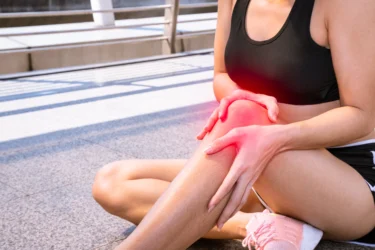
The Virasana pose might benefit your knees. While performing hero asana, your quadriceps (thigh muscles) and upper leg muscles may get stretched, which might help in knee bending. Your thighs are pushed inward, which puts a lot of pressure and twisting on your inner knee, strengthening your knees and relieving any knee pain1,3.

When lifting your toes or raising the arches is hard, you might have tightness in the ankle muscles. Therefore, stretching the ankles is necessary. Hero pose yoga might relieve ankle tightness. It might help build stronger feet arches by freeing the actions of the tightened ankle muscles3.

Yoga practice may help develop the mind and body; however, it is not an alternative to modern medicine. Therefore, one should not rely on yoga alone to treat any condition. Instead, consult a qualified physician who will be able to assess the situation correctly and advise accordingly. Furthermore, it is essential to practice yoga under the supervision of a professional trainer to avoid injuries.
Guess what? I’ve got the perfect yoga pose for all you busy thinkers out there! It’s called Virasana, and it might be like a protector for your mind. You know those times when your thoughts are racing all over the place and you just can’t seem to catch a break? Well, Virasana might swoop in to save the day! It may help bring clarity and precision to your thinking process4.
Dr. Rajeev Singh, BAMS
Virasana should be practised with precautions and the risk may include the following:
With the guidance of a trained yoga master, you can assess and analyse the risk factors and continue to practise Virasana with precautions.
Let me highlight another fantastic benefit of Virasana. You know those days when you feel like you’re dragging yourself around, lacking energy and motivation? Well, Virasana may help banish your lethargy during those times5.
Dr. Smita Barode, B.A.M.S, M.S.
Virasana yoga is a traditional seated yoga pose in which one kneels on the floor with feet wide open and sits between the feet, with the spine held straight and hands rested on the thighs. Virasana variation include Supta Virasana, Parivrtta Virasana and Adho Mukha Virasana. This asana may help with problems such as indigestion, acidity, diabetes and high and low blood pressure. Hero pose may also strengthen the pelvis, legs, spine, hips, knees, thighs, and ankles. However, practice the Virasana pose with the assistance of a trained yoga instructor for better results.
Also Read: Benefits of Malasana (Garland Pose) and How to Do it
Virasana yoga is a seated yoga pose. In Virasana, “vira” means hero and asana mean pose; hence, it is also called hero pose yoga. In this asana, one kneels on the floor with feet wide open and sits between the feet, keeping the spine straight and hands resting on the thighs1.
Virasana variations include Supta Virasana (reclining hero pose), Parivrtta Virasana (twist in hero posture) and Adho Mukha Virasana (sitting relaxation)1.
The tips for performing hero pose yoga include using a cushion or folded blanket to support your feet, calves and buttocks and staying in the position for longer. If you are a beginner, you may practise the hero pose on a firm mattress to get steady support. Use a non-slippery yoga mat. You may practise Virasana yoga after a meal to aid in better digestion1.
People with knee, hip, spine or ankle injuries are not recommended to perform the Virasana pose as it might lead to further complications1.
You may hold the Virasana pose for three to seven minutes in a single practice to get its maximum benefits1. You may extend the time if you feel comfortable sitting in this position.
Disclaimer: The information provided here is for educational/awareness purposes only and is not intended to be a substitute for medical treatment by a healthcare professional and should not be relied upon to diagnose or treat any medical condition. The reader should consult a registered medical practitioner to determine the appropriateness of the information and before consuming any medication. PharmEasy does not provide any guarantee or warranty (express or implied) regarding the accuracy, adequacy, completeness, legality, reliability or usefulness of the information; and disclaims any liability arising thereof.
Links and product recommendations in the information provided here are advertisements of third-party products available on the website. PharmEasy does not make any representation on the accuracy or suitability of such products/services. Advertisements do not influence the editorial decisions or content. The information in this blog is subject to change without notice. The authors and administrators reserve the right to modify, add, or remove content without notification. It is your responsibility to review this disclaimer regularly for any changes.
1
Yoga is an ancient mind-body practice that originated in India. It aims at the improvement of both physical and psychological well-being. In addition, yogasanas give the physical and mental stability and strength required to maintain a posture. Janu shirshasana is one of the seating position yoga. It has several benefits for health. It may aid in digestion and enhance liver and kidney functions. It might also help strengthen the muscles of the stomach. This position is a beginner-level yogasana1,2. Let us read and find out more about janu shirshasana.
Janu shirshasana is also called head-to-knee pose yoga. In the Sanskrit language, janu means the knee, sirsa means the head and asana means posture. Adho mukha svanasana, supta padangusthasana and baddha konasana are the preparatory poses for janu shirshasana yoga. There are 27 variations of the janu shirshasana pose. Some variations of janu shirshasana are revolved head to knee pose (parivrtta shirshasana), janu shirshasana C (head on knee pose C), janu shirshasana B (head on knee pose B), head on knee pose with blanket bolsters and many more. Let’s know more about the process of janu shirshasana. People who have practiced janu shirshasana can start practicing parivrtta shirshasana (revolved head-to-knee pose) as a follow-up pose.
Did You Know?
In my view, incorporating Janu Shirshasana into your routine might be worth a try. Did you know that this yoga pose might have some unexpected benefits? It might actually lend a helping hand in managing hernia and enlargement of testicles8.
Dr. Smita Barode, B.A.M.S, M.S.
The following are the benefits of janu shirshasana:
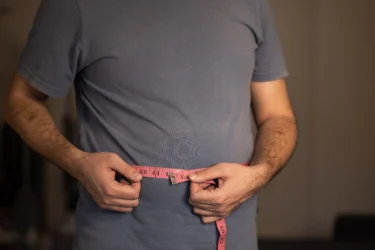
Obesity is India is on the rise. People suffering from obesity can practice yoga from the comfort of their home. Practising janu shirshasana has been associated with the stretching of abdominal muscles. This posture may also help manage spikes in blood sugar levels and body mass index2. However, consult a doctor for obesity-related concerns and consider their opinion before trying any new exercise and poses. Also, it is best to practise the asana under the guidance of an expert.

A study3 by Khedikar et al., 2018 proved that yoga asanas such as janu shirshasana and pranayama effectively manage diabetes. This yoga exercise may improve insulin sensitivity and lower blood sugar levels. Insulin sensitivity is the body’s sensitivity to the effects of insulin. Thus, you may use yoga practice to manage blood sugar levels. However, do not use it as an alternative treatment, strictly adhere to doctor’s advice and follow the treatment protocol. It is best to visit a doctor for better outcomes.
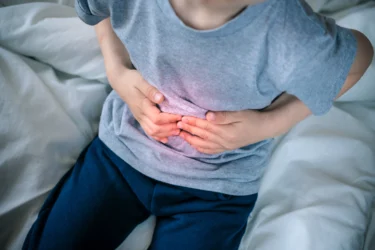
Gastritis is a condition that causes deterioration and inflammation of the stomach lining. Beeram et al., 2020 proved the positive effect of yoga therapy, including janu shirshasana, on gastritis4. It showed that janu shirshasana through vestibular stimulation could improve gastritis by lowering stress and inhibiting heparinase (HPA). HPA is responsible for inflammation. Stress is one of the major contributors to gastritis. Therefore, you may use shirshasana to improve gastritis symptoms. However, it should be used as an adjuvant therapy along with medication prescribed by your doctor. It is important to seek medical help for gastritis.

Irritable bowel syndrome (IBS) is a complex disease characterised by abdominal pain and abnormal bowel habits. Evans et al., 2014 studied the effect of yoga, such as janu shirshasana, on irritable bowel syndrome5. The results showed janu shirshasana was effective in lowering the intensity of IBS symptoms like pain, fatigue and distress while improving the sleep quality. However, you must see a doctor for better outcome and to avoid any complications.

Lymphedema is a condition that occurs in breast cancer patients. Swelling of arms and fatigue are common symptoms of lymphedema. Saraswathi et al., 2021 proved that yoga therapy, including janu shirshasana, may be effective against breast cancer symptoms6. Yoga therapy lowered symptoms such as pain, depression and exhaustion. It might also positively affect the quality of life (QOL) and mood. However, the result of Janu Shirshasana on breast cancer needs to be explored. Please consult the doctor to avoid complications.
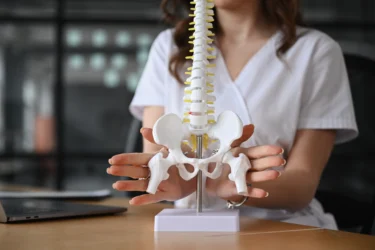
Janu shirshasana is a forward bending position where your spinal muscles get stretched. The muscles on the side of the back may also get stretched. As a result, the spinal muscles may strengthen2. However, please visit a doctor for proper therapy and try this under the supervision of a trainer.
As per my observations, Janu Shirshasana is a yoga pose that might do wonders for your hamstrings and hip joints. When you practice this pose, it may gently stretch your hamstring muscles, making them more flexible. At the same time, it also might help increase the flexibility of your hip joints7.
Dr. Siddharth Gupta, B.A.M.S, M.D (Ayu)
Yoga practice may help develop the mind and body; however, it is still not an alternative to modern medicine. You must not rely on yoga alone to treat any condition. Please consult a qualified doctor who will be able to assess your condition correctly and advise accordingly. Moreover, it is necessary to practice and learn yoga under the supervision of a trained yoga teacher to avoid any injuries.
In my opinion, practising Janu Shirshasana might also improve the circulation of blood in your body. As you assume this pose, gentle stretching and bending may help increase the blood flow to your legs and hips. Moreover, Janu Shirshasana might be particularly recommended for those who have rigid or less flexible bodies8.
Dr. Rajeev Singh, BAMS
Also Read: Benefits of Dwikonasana (Double Angle Pose) and How to Do it By Dr. Himani Bisht
With the guidance of a qualified and experienced yoga teacher/yoga expert, we can assess and analyse the risk factors and continue to practice the exercise with precautions.
Also Read: Benefits of Katichakrasana (Standing Spinal Twist Pose) and How to Do it By Dr. Ankit Sankhe
Janu shirshasana, or head-to-knee pose, is a forward-bending pose yoga. It has several benefits, such as stretching and strengthening the spine and stomach muscles. You may also practice this asana for managing diabetes, cancer, irritable bowel syndrome and gastritis. However, if you feel any stomach or back pain while performing janu shirshasana, please consult a doctor.
Also Read: Benefits of Viparita Karani (Leg Up The Wall Pose) and How to Do it By Dr. Himani Bisht
No, however, more research is needed to determine the effects of janu shirshasana on hair growth. So, kindly consult a doctor for a detailed diagnosis and treatment for hair related issues.
No, however, further studies are required to determine the effects of janu shirshasana on the skin. Hence, please consult the doctor for health results.
Janu shirshasana stretches your hamstrings and groin area, enhancing their flexibility and may allow comfortable childbirth. In addition, it may help pregnant women who suffer from sleeplessness, a common occurrence throughout pregnancy. Janu shirshasana might also prepare your stomach muscles for contractions during childbirth1. However, pregnant women should practice this pose under the supervision of a trained professional to avoid any risks. Also, make sure to consult a doctor before trying any exercise or pose.
No. Although, more research is required to determine the effect of janu shirshasana on vision.
No. However, before performing janu shirshasana, please see your doctor and practise this asana under the supervision of an experienced yoga trainer.
Disclaimer: The information provided here is for educational/awareness purposes only and is not intended to be a substitute for medical treatment by a healthcare professional and should not be relied upon to diagnose or treat any medical condition. The reader should consult a registered medical practitioner to determine the appropriateness of the information and before consuming any medication. PharmEasy does not provide any guarantee or warranty (express or implied) regarding the accuracy, adequacy, completeness, legality, reliability or usefulness of the information; and disclaims any liability arising thereof.
Links and product recommendations in the information provided here are advertisements of third-party products available on the website. PharmEasy does not make any representation on the accuracy or suitability of such products/services. Advertisements do not influence the editorial decisions or content. The information in this blog is subject to change without notice. The authors and administrators reserve the right to modify, add, or remove content without notification. It is your responsibility to review this disclaimer regularly for any changes.
1
1Yoga is a mind-body therapy. It generally has three primary effects; it increases self-awareness of our inner perspective, encourages physical and mental health, and aids in recovery from a specific disease. Yoga teaches us the truth through the use of our body and mind. Yogasanas can increase the coordination between mind and body. Siddhasana is one such beginner-level asana having several benefits, such as enhancing blood circulation and stretching the lower back muscles1,2. Let’s read and find out more about siddhasana.
Siddhasana is made of two words, siddha, which means perfect, and asana, meaning pose. This is why it is also known as the perfect pose or the accomplished pose. It is called an accomplished pose since it might liberate people from their struggles. It can also be referred to as liberation pose or muktasana since it may give liberty2.
Did You Know?
The process of siddhasana is as follows2:
Let me tell you about a remarkable posture called Siddhasana. When you practice this pose, it potentially redirects the flow of blood to your lower spine and abdomen, giving a toning effect to these areas. It might work wonders for the lumbar region of your spine, the pelvis, and the abdominal organs. Not only that, but it may also help in balancing your reproductive system2.
Dr. Rajeev Singh, BAMS
The following are the siddhasana benefits
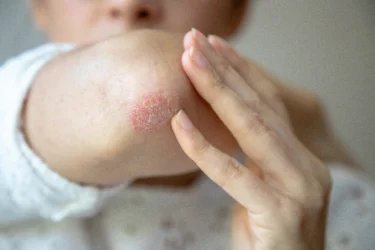
Psoriasis is an inflammatory skin condition that has remissions and relapses. According to Singh et al. (2015), yoga positions such as siddhasana help reduce inflammation in the body1. It is also stated that it might reduce stress and maintain immune system balance. This can help with the management of psoriasis. However, kindly see a doctor for proper treatment. It is best to try this under the supervision of a trainer.
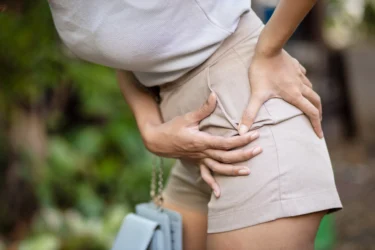
Lack of hip movement can cause all sorts of problems in everyday life. Therefore, it is advised to take care of hip movements and flexibility to avoid restrictions in movement. As per a study3 conducted by Gurmule et al., 2019, siddhasana could help strengthen the ligaments (which connect tissues to bones and joints) of hip joints. Siddhasana might also help by stretching the joint muscles and increasing flexibility. However, more research is needed to prove the effects of siddhasana on the hip joints in the elderly or people suffering from hip problems. Therefore, if you are suffering from hip joint issues, please consult a doctor before trying siddhasana in this condition.

Kaushal, 2016 studied4 that yoga asanas such as siddhasana can be a remedial measure to manage stress, tension and anxiety. It may affect and modify stress reactions and a person’s attitude toward stress. It may also boost self-esteem and a sense of well-being. This may promote peace and relaxation. However, you should visit a doctor for better outcomes and to avoid severe problems.
In my view, Siddhasana might go beyond the physical benefits and offer so much more. It may be suited for the advancement and development of not just your physical power, but also your spiritual and mental powers. It may provide a platform for you to tap into your inner strength and unlock your full potential7.
Dr. Smita Barode, B.A.M.S, M.S.
Khadkutkar et al., 2012 showed that yoga practices such as siddhasana could effectively manage a digestive disorder called amalpitta, caused by hyperchlorhydria (increased production of acids). Amalpitta is the result of a faulty diet and lifestyle. Siddhasana and other poses may help improve the excretion and digestion process. Enhanced digestion might improve the balance of pitta in the stomach5. However, you may consult a physician for diagnosis and treatment. It is better if you do it under the guidance of your trainer.
Pal et al., 2013 showed that siddhasana and other poses might effectively regulate blood pressure. After three months of yoga practice, there was a decrease observed in systolic blood pressure in the subjects. Systolic blood pressure is the pressure exerted by the blood on the walls of the arteries6. This indicates the possible role of siddhasana in managing blood pressure. However, do not rely on siddhasana alone, as more research is needed to evaluate the extent of its effectiveness. So, kindly see a doctor for proper treatment. It is best to try this under the supervision of a trainer.

In a study6 by Pal et al. published in 2013, siddhasana and other yoga poses effectively improved breath hold time (BHT) and oxygen consumption. This might help improve breathing. It also stated that yoga poses might increase anaerobic power, producing energy even with low use of oxygen to perform work with maximum speed. As a result, it might help improve the respiratory function of the individual. Even so, you must consult a doctor for proper diagnosis and treatment.
Some other benefits of siddhasana are as follows:
Yoga practice may help develop the mind and body; however, it is still not an alternative to modern medicine. You must not rely on yoga alone to treat any condition. Please consult a qualified doctor who will be able to assess your condition correctly and advise accordingly. Moreover, it is necessary to practice and learn yoga under the supervision of a trained yoga teacher to avoid any injuries.
In my opinion, Siddhasana might have a fascinating effect on our body and mind. When you practice Siddhasana, it may guide the energy from the lower psychic centres upward along your spine, creating wonderful stimulation in your brain. As a result, it might help to calm and soothe your entire nervous system2.
Dr. Siddharth Gupta, B.A.M.S, M.D (Ayu)
With the guidance of a qualified and experienced yoga teacher/yoga expert, we can access and analyse the risk factors and continue to practice exercise with precautions.
Also Read: Benefits of Parsvakonasana (Side Angle Pose) and How to Do it By Dr. Ankit Sankhe
Siddhasana is a beginner-level yoga pose stimulating supernatural abilities in individuals. Seating posture yoga, siddhasana, might be effective in improving blood circulation in the lower spinal region or lower portions of the body. In addition, it might help in the management of stress and anxiety. Kindly consult the doctor if you experience unpleasant symptoms while practising the siddhasana. Try to perform this pose under the guidance of the trainer.
No. However, more research is needed on siddhasana to determine its effect on hair growth. However, please consult a doctor for hair related issues.
Yoga, such as siddhasana, impact nervous system regulation and physiological system functioning and improve psychological well-being. It can also enhance physical fitness (e.g., strength, flexibility, and endurance). So, it might be helpful in pregnancy7. However, more study is required to prove the effects of siddhasana on pregnancy.
No, although more research is needed to prove the effects of siddhasana on cancer. Kindly consult a doctor.
No, although more research is needed to prove the effect of siddhasana on cancer. Kindly consult a doctor if you suspect any cancer-related symptoms.
Siddhasana may help to tone the spinal region. It may also stretch the spinal muscles. Even so, you might consult the doctor for better health outcomes.
Disclaimer: The information provided here is for educational/awareness purposes only and is not intended to be a substitute for medical treatment by a healthcare professional and should not be relied upon to diagnose or treat any medical condition. The reader should consult a registered medical practitioner to determine the appropriateness of the information and before consuming any medication. PharmEasy does not provide any guarantee or warranty (express or implied) regarding the accuracy, adequacy, completeness, legality, reliability or usefulness of the information; and disclaims any liability arising thereof.
Links and product recommendations in the information provided here are advertisements of third-party products available on the website. PharmEasy does not make any representation on the accuracy or suitability of such products/services. Advertisements do not influence the editorial decisions or content. The information in this blog is subject to change without notice. The authors and administrators reserve the right to modify, add, or remove content without notification. It is your responsibility to review this disclaimer regularly for any changes.
0
1Yoga is a true mind-body exercise. Yoga poses, breathing exercises and meditation all help to connect the mind with the body. Kundalini yoga posture is one type of yoga that includes chanting, singing, breathing exercises, and asanas. It is considered to lead people to spiritual freedom. It is located in men between the excretory and urinary organs. In females, it is located in the base of the uterus, in the cervix1. Let us read much more interesting things about kundalini yoga in detail.
Kundalini is derived from the Sanskrit word ‘kundala’, which means ‘coiled’ or ‘circular’. Kundalini is a hidden energy that remains dormant within the body. It is well known as the power that lies in the muladhara chakra and takes the shape of a coiling serpent. It is a form of divine energy located at the base of the spine. The kundalini awakens by practicing pranayama, bandha, asanas, mudra, and meditation. It is coiled up like a serpent, and its awakening is said to feel like an electric current passing through the spine. Life can become full of positivity and energy as the kundalini awakens. A person’s psychic, physical, and emotional capacities may change due to kundalini awakening. It might grow gradually or suddenly. Kundalini yoga is a pose that can help awaken the kundalini. The movements of kundalini yoga are called as kundalini yoga kriyas1.
Did You Know?
The steps of kundalini yoga meditation are as follows:
The following are the benefits of kundalini yoga:
Mild cognitive impairment (MCI) is when memory loss occurs and thinking ability may decline. MCI may lead to serious issues, such as Alzheimer’s or other brain diseases. Eyre et al., 2016 proved that kundalini yoga was effective against MCI3. It showed that kundalini yoga showed an effect on cognitive functions which are the mental processes that make us focus on things, make a plan or do multiple tasks. It may also help improve mood. However, please do not rely on kundalini yoga because it may not help to get rid of MCI on its own. So, kindly see a doctor for proper treatment. It is best to try this under the supervision of a trainer.
Based on my experience and research, I recommend trying Kundalini Yoga as a supplementary treatment for post-treatment Lyme disease syndrome (PTLDS). PTLDS refers to the condition where some patients continue to experience symptoms like fatigue, musculoskeletal pain, and cognitive difficulties for six months or longer after Lyme disease. Kundalini Yoga is safe, accessible, and cost-effective, with participants reporting positive effects on symptoms7.
Dr. Rajeev Singh, BAMS
Aravena et al., 2017 proved the effect of kundalini yoga on stress management4. The cortisol hormone controls the functioning of stress-related physiological systems. Kundalini yoga may help lower cortisol levels. It may also lower the risk diseases such as hypertension, anxiety, and depression caused by stress. However, you may consult a specialist for diagnosis and treatment of any stress related symptoms. It will be best if you practice it under the guidance of your trainer.
Based on what I’ve observed, people who participated in Kundalini Yoga sessions showed improvements in various psychological aspects. They reported reduced anxiety and stress levels, enhanced mental well-being and better physical fitness8.
Dr. Siddharth Gupta, B.A.M.S, M.D (Ayu)
Aggression is a harmful social interaction born out of anger that can bring harm to others or self. A study6 by M Yuvraj, 2020 compared the effects of kundalini yoga and pranayama on selected psychological variables of aggression in school boys. According to the findings, aggression in school boys had dramatically decreased after 3 months of kundalini yoga practice. Furthermore, the same study found that the academic performance of school boys had also improved. However, the promising results of kundalini yoga on aggression need to be explored further. Consulting a specialist or a physician might help you make better choices.

Hongasandra et al., 2017 investigated the benefits of kundalini yoga and other yoga postures in diabetic patients5. Yoga therapy has been proven to be useful in controlling blood sugar levels. In the study, kundalini yoga was reported to reduce the levels of Hb1AC. HbA1c (glycated hemoglobin) measures blood sugar levels during the past two or three months. Therefore, kundalini yoga may help manage diabetes. However, diabetes is a serious condition; it can cause severe side effects. So, please consult the doctor for better health results.
Yoga practice may help develop the mind and body; however, it is still not an alternative to modern medicine. You must not rely on yoga alone to treat any condition. Please consult a qualified doctor who will be able to assess your condition correctly and advise accordingly. Moreover, it is necessary to practice and learn yoga under the supervision of a trained yoga teacher to avoid any injuries.
Also Read: 8 Health Benefits Of Vajrasana!
With the guidance of a qualified and experienced yoga teacher/yoga expert, we can assess and analyze the risk factors and continue to practice exercise with precautions.
Kundalini yoga is a type of yoga that involves pranayama, meditation, mudra, asana, and bandhas. The practice of Kundalini Yoga consists of the awakening of the resting Kundalini Shakti. It may help with diabetes and stress management. However, if you experience unpleasant symptoms while practicing this yoga, please consult a doctor.
No, as there is no evidence suggesting kundalini yoga for skin benefits. More research is needed to prove the effects of kundalini yoga on skin diseases. Kindly consult a doctor.
No. However, further research is required to prove whether kundalini yoga is helpful in hair growth.
Kundalini yoga might be helpful in the management of stress, depression and anxiety. Cortisol is a stress hormone that lowers the function of serotonin (a mood-elevating hormone). Kundalini yoga may help reduce the cortisol levels associated with stress4. However, these effects need to be confirmed by further research. Kindly consult a doctor for better health results.
No, however, more studies are required to determine the effects of kundalini yoga on cancer. Please consult a doctor for health results.
No. However, for better health outcomes, please visit a doctor and do this posture under the guidance of a yoga trainer.
Disclaimer: The information provided here is for educational/awareness purposes only and is not intended to be a substitute for medical treatment by a healthcare professional and should not be relied upon to diagnose or treat any medical condition. The reader should consult a registered medical practitioner to determine the appropriateness of the information and before consuming any medication. PharmEasy does not provide any guarantee or warranty (express or implied) regarding the accuracy, adequacy, completeness, legality, reliability or usefulness of the information; and disclaims any liability arising thereof.
Links and product recommendations in the information provided here are advertisements of third-party products available on the website. PharmEasy does not make any representation on the accuracy or suitability of such products/services. Advertisements do not influence the editorial decisions or content. The information in this blog is subject to change without notice. The authors and administrators reserve the right to modify, add, or remove content without notification. It is your responsibility to review this disclaimer regularly for any changes.
3
Yoga is the art and science of healthy living. Practicing yoga helps to eliminate all forms of pain, resulting in freedom in all aspects of life. It can be a key to a life filled with health and happiness. Yoga poses help connect the rhythm of our breathing to the movement of the body and changes in mind. Of all the yoga poses, ardha chakrasana is one of the standing postures that have multiple benefits, like stretching or strengthening the spinal muscles and improving the balance of the body1. Let’s read and find out more about ardha chakrasana.
Ardha chakrasana is also called half wheel pose or ardha urdhva dhanurasana (upward bow pose)1.
Ardha chakrasana is a combination of three Sanskrit words, ardha means half, chakra means wheel (ardha chakra means half wheel), and asana means position1. We can also perform this pose differently, including ardha chakrasana with raised arms and ardha chakrasana while on the back. In the former pose, we can extend the arms and can take the support of the wall to maintain balance. As a preparatory pose, kati sakti vikasaka (fast forward and backward bending) is done. To practice this, inhale while bending backwards and exhale while bending forward.
Did You Know?
Ardha chakrasana should be performed empty stomach, early in the morning. The process of ardha chakrasana is as follows:
Ardha chakrasana might help in reducing menstrual pain as it increases blood circulation and provides strength to the muscles8.
Dr. Siddharth Gupta, B.A.M.S, M.D (Ayu)
A study3 was conducted by Gupta et al., 2020 to determine the effect of a yoga-based exercise program (YBEP) on people with type 2 diabetes mellitus. The study showed that yoga postures such as ardha chakrasana helped improve Hb1AC levels in individuals and maintain blood sugar levels. HbA1c is an indicator that shows blood sugar profile for the previous two or three months. As a result, it may be helpful against diabetes. However, more studies may be necessary to determine ardha chakrasana benefits on diabetes. So, you should do this yoga under the guidance of a trainer.

Chronic low back pain (CLBP) is due to an imbalance of weak muscles and poor posture. Tekur et al., 2010 studied4 the effects of yoga, such as ardha chakrasana, in CLBP patients. It showed that yoga therapy, including ardha chakrasana, lowered the intensity of pain and disability. The same study also showed that it enhanced spinal flexibility. As a result, it might be effective in the management of CLBP. However, you should visit a doctor for better outcomes and to avoid severe problems. In addition, it is better if you do this pose with the guidance of a trainer.
Obesity is a condition in which unhealthy levels of fat get accumulated in the body. It can increase the risk of various diseases such as diabetes and heart disease. Das et al., 2020 showed that ardha chakrasana and other yoga postures effectively manage obesity5. Ardha chakrasana may help burn excess fat by creating pressure on the stomach. Even so, more research is in need to prove the effects of ardha chakrasana on obesity. Kindly consult the doctor.

Nelson et al., 2018 demonstrated the efficacy of yoga asanas in managing cervical cancer. According to the results, yoga poses like ardha chakrasana can help cancer patients with symptoms such as fatigue and poor sleep. It also helped lower cancer-related stress6. However, as cancer is a severe condition, kindly consult the doctor for proper treatment.

Shukla et al., 2015 carried out 12 weeks of yoga therapy in patients with heart disease. The results showed that yoga therapy, including ardha chakrasana, effectively managed blood pressure and heart rate. It might help reduce the risk of heart diseases such as heart attack and heart failure7. However, do not rely entirely on ardha chakrasana as it might not be able to alleviate heart disease. Kindly consult the doctor for better outcomes.
Depression is a mood disorder in which there is a decrease in the levels of two mood-elevating hormones, serotonin and norepinephrine. Cortisol may play a crucial role in depression as it is a hormone released in response to stress. Cortisol may also lower the function of serotonin. Yoga, such as ardha chakrasana, might help reduce the cortisol levels in the body. Thus, it might be effective in depression, managing stress and improving mood. It might also be effective in blocking negative thoughts. Even so, more research is needed to determine the effects of ardha chakrasana on depression. Please consult the doctor for a proper diagnosis and treatment.
Some other benefits of ardha chakrasana are as follows:
Yoga practice may help develop the mind and body; however, it is still not an alternative to modern medicine. You must not rely on yoga alone to treat any condition. Please consult a qualified doctor who will be able to assess your condition correctly and advise accordingly. Moreover, it is necessary to practice and learn yoga under the supervision of a trained yoga teacher to avoid any injuries.
Ardha chakrasana should be avoided if a person has high blood pressure. It should also be avoided by people with ulcers, hernia, or spine injury. It is not recommended for pregnant women as performing it creates pressure on the developing baby8.
Dr. Rajeev Singh, BAMS
With the guidance of a qualified and experienced yoga teacher/yoga expert, we can access and analyse the risk factors and continue to practice exercise with precautions.
Also Read: Benefits of Siddhasana (Accomplished Pose) and How to Do it by Dr Himani Bisht
Ardha chakrasana, or half-wheel pose yoga, is a beginner-level yoga pose. This standing posture yoga has several benefits, such as reducing the risk of heart disease, managing obesity, diabetes, etc. It may also be effective in strengthening and stretching the spinal muscles. However, if you feel pain in any part of the body while doing this pose, please consult the doctor. It is better if you do this pose under the guidance of a trainer.
No, however, more studies are required to determine the effects of ardha chakrasana on hair growth. Please consult the doctor for a proper consultation.
No, although more research is needed to prove the impact of ardha chakrasana on vision. Kindly consult a doctor for a detailed consultation for any vision related problems.
No, however, further research is required to prove the effect of ardha chakrasana on AD. Please consult a doctor for diagnosis and treatment.
No, although you must consult a doctor to avoid complications. It is better if you try this pose under the guidance of a trainer.
Ardha chakrasana may be effective in stretching and strengthening the spinal muscles. It may alleviate the CLBP4. However, kindly consult a neurologist or any other professional for diagnosis and treatment.
Disclaimer: The information provided here is for educational/awareness purposes only and is not intended to be a substitute for medical treatment by a healthcare professional and should not be relied upon to diagnose or treat any medical condition. The reader should consult a registered medical practitioner to determine the appropriateness of the information and before consuming any medication. PharmEasy does not provide any guarantee or warranty (express or implied) regarding the accuracy, adequacy, completeness, legality, reliability or usefulness of the information; and disclaims any liability arising thereof.
Links and product recommendations in the information provided here are advertisements of third-party products available on the website. PharmEasy does not make any representation on the accuracy or suitability of such products/services. Advertisements do not influence the editorial decisions or content. The information in this blog is subject to change without notice. The authors and administrators reserve the right to modify, add, or remove content without notification. It is your responsibility to review this disclaimer regularly for any changes.
4
1It doesn’t matter if you are a beginner or an expert. Yoga has something to offer to everyone from day one! People perform yoga for different reasons, for inner peace, healing, or fitness goals. There is a pose to suit every need. Yoga is so much more than a workout. It combines postures, deep relaxation, meditation, and breathing exercises1.
The aim of the practice of yoga is self-realization. The word Yoga is derived from a Sanskrit word, which means ‘to join’ or ‘to unite’ The yogic scriptures say that yoga leads to the joining of individual consciousness to the universal consciousness2. If you want to learn more about Supta Vajrasana, a variation of the traditional Vajrasana pose, keep reading!
Did You Know?
The word asana is a Sanskrit word that means pose or posture. Vajrasana is mentioned in the texts of Gheranda Samhita. To achieve Vajrasana, one should place the heels on either side of the anal region and tighten the thighs like a Vajra. In Hathayoga Pradipika, Vajrasana is mentioned as the synonym of Siddhasana3. Supta Vajrasana is a variation of the Vajrasana pose. This pose is suitable for women who struggle with menstrual pain. It is an excellent exercise to increase blood flow in the internal organs like the kidney, pancreas and liver4. The Supta Vajrasana also strengthens the muscles of the back, neck and chest region3.
The Supta Vajrasana is a type of Vajrasana. So, to start with this pose; you need to sit in the Vajrasana pose. Begin by following these steps:
When you set a routine incorporating certain yoga asana which includes breathing exercises (pranayama), and stretching techniques (asanas like supta vajrasana and kapalbhati), it might help you with weight reduction and chronic anxiety9.
Dr. Rajeev Singh, BAMS
Yoga offers many benefits for the body and mind. However, ensure you perform the pose correctly, following all the necessary precautions. Beginners need to complete the pose under the supervision of any instructor or teacher. This will help you perform the pose better and get the maximum benefits.
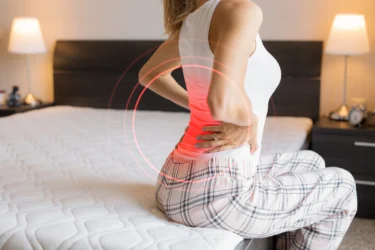
With our rapid lifestyle, we often face many health issues. Muscle pain has become a common problem for many of us. This is why more and more people are taking up yoga to stay healthy and fit. Supta Vajrasana yoga pose is known to strengthen the back, neck and chest muscles3. It might also help with back pain because it involves stretching of the back7. So it might be a good pose for people whose job involves sitting in one place all day.

Good blood circulation is very essential for a healthy body. Performing Supta Vajrasana might be an excellent choice to enhance blood flow in internal organs like the kidneys, liver and pancreas4.
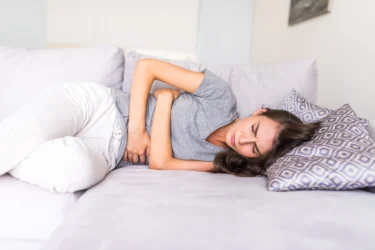
Many women struggle with abdominal pain when they are menstruating. This is an issue that is often neglected, and women struggle a great deal because of it. Yoga might be a good choice for women who want to get rid of this pain in the comfort of their homes. Supta Vajrasana helps stretch the pelvis and abdomen, making the uterus healthy. Also, it might help with menstrual problems like back pain7. However, if your pain does not improve with these home remedies, make sure to consult with your healthcare provider or a gynaecologist.
Also Read: Benefits of Markatasana (Monkey Pose) and How to Do it By Dr. Ankit Sankhe
Yoga practice may help develop the mind and body; however, it is still not an alternative to modern medicine. Therefore, you must not rely on yoga alone to treat any condition. Instead, please consult a qualified doctor who will be able to assess your situation correctly and advise accordingly. Moreover, it is necessary to practice and learn yoga under the supervision of a trained yoga teacher to avoid any injuries.
Based on some published studies, premature ejaculation is one of the reasons for the unsatisfied and unfavourable sexual life amongst many couples. In such cases, practising sitting yoga asana is highly beneficial. Supta vajrasana is a type of sitting yoga asana. Therefore, supta vajrasana might be beneficial in managing premature ejaculation8.
Dr. Siddharth Gupta, B.A.M.S, M.D (Ayu)
During the initial stages, it is best to perform the exercise under the supervision of a yoga practitioner or an expert. You need to keep some things in mind before doing the Supta Vajrasana.
With the guidance of a qualified and experienced yoga teacher/yoga expert, we can access and analyze the risk factors and continue to practice exercise with precautions.
Also Read: Benefits of Kandharasana (Shoulder Pose) and How to Do it By Dr. Ankit Sankhe
Yoga is an excellent way to stay healthy and fit, as it can be performed in the comforts of your home. Supta Vajrasana is a variation of the sitting pose of Vajrasana. This Asana is good for increasing blood circulation in vital organs like the liver, kidney and pancreas. It might also help strengthen the neck, back and chest muscles. Women who struggle with menstrual pain can also do Supta Vajrasana to alleviate the pain. However, an important thing to note is that it should not be performed in case of an asthma attack or any significant knee or abdominal surgery. If you are a beginner, complete the pose under the guidance of a trained professional. It will help you do the pose correctly and get the best out of it.
Also Read: Benefits of Chaturanga Dandasana (Four Limbed Staff Pose) and How to Do it By Dr. Ankit Sankhe
The number of sets mainly depends on your ability to do the pose. As a beginner, you start by doing once. Then, as you practice the pose, you can easily repeat the pose one to three times. However, try not to overdo the pose, as it can badly affect your body. Also, if you are doing the pose for the first time, make sure to do it under the guidance of a trained professional.
People usually hold the pose for about 30 seconds to three minutes. Beginners can hold the pose for 30 seconds. You can hold the posture for up to three minutes with regular practice4. However, try not to overdo the pose the first time you try it, or else you may injure yourself.
Supta Vajrasana might help you improve blood circulation to vital internal organs of the body. It might also help strengthen the back, neck and chest muscles. Women who deal with menstrual pain may also benefit from it. However, if you are suffering from health issues, talk to a healthcare provider first. Also, if you are performing the pose for the first time, make sure to do it under the supervision of a yoga trainer.
Avoid doing the Supta Vajrasana if you have had any recent knee or abdominal surgery. Also, avoid doing the pose if you had an asthma attack and suffer from pain in the lumbar spine region5. If you are a beginner, do the pose under the supervision of a trained individual.
1. Introduction to Yoga – Harvard Health [Internet]. [cited 2022 Oct 12]. Available from: https://www.health.harvard.edu/exercise-and-fitness/introduction-to-yoga-copy
2. Yoga: Its Origin, History and Development [Internet]. [cited 2022 Oct 12]. Available from: https://www.mea.gov.in/search-result.htm?25096/Yoga:_su_origen,_historia_y_desarrollo
3. Sharma DrD. Review and Importance of Vajrasana in Daily Life. Int J Res Appl Sci Eng Technol [Internet]. 2021 Feb 28 [cited 2022 Oct 12];9(2):230–3. Available from: https://www.researchgate.net/publication/349672709_Review_and_Importance_of_Vajrasana_in_Daily_Life
4. Supta Vajrasana – The Diamond Pose, in recline | Benefits | Learn Yogasanas Online | Yoga and Kerala [Internet]. [cited 2022 Oct 12]. Available from: https://www.keralatourism.org/yoga/standing-postures/supta-vajrasana
5. Supta Vajrasana [Internet]. [cited 2022 Oct 12]. Available from: https://www.yogaindailylife.org/system/en/level-4/supta-Vajrasana
6. Benefits of the Supta Virasana Iyengar Yoga Asana [Internet]. [cited 2022 Oct 12]. Available from: https://www.simplyyoga.com.au/2016/10/21/supta-virasana-supine-hero-pose/
7. Shri Sridharan YS, Deepak Professor of Physiology KK, Thakur JS, Nesari Director T, Ravindra Professor of Physiology N, Basavaraddi Director I v, et al. Yoga Vijnana (The Science and Art of Yoga) Editorial Board Advisory Board Editor-in-Chief Executive Editor. Half Yearly Journal of MDNIY. 2021;1(2). Available from: https://www.scribd.com/document/669013913/Yoga-Vijnana-Vol-1
8. Patil PJ, Makwana J. Premature ejaculation and yoga. 2013 [cited 2025 Dec 21]. Available from: https://www.academia.edu/3982396/Premature_Ejaculation_and_yoga
9. Dhananjai S, Sadashiv, Tiwari S, Dutt K, Kumar R. Reducing psychological distress and obesity through Yoga practice. Int J Yoga. 2013 Jan–Jun;6(1):66–70. doi:10.4103/0973-6131.105949. PMID:23439736; PMCID: PMC3573546. Available from: https://pmc.ncbi.nlm.nih.gov/articles/PMC3573546/
Disclaimer: The information provided here is for educational/awareness purposes only and is not intended to be a substitute for medical treatment by a healthcare professional and should not be relied upon to diagnose or treat any medical condition. The reader should consult a registered medical practitioner to determine the appropriateness of the information and before consuming any medication. PharmEasy does not provide any guarantee or warranty (express or implied) regarding the accuracy, adequacy, completeness, legality, reliability or usefulness of the information; and disclaims any liability arising thereof.
Links and product recommendations in the information provided here are advertisements of third-party products available on the website. PharmEasy does not make any representation on the accuracy or suitability of such products/services. Advertisements do not influence the editorial decisions or content. The information in this blog is subject to change without notice. The authors and administrators reserve the right to modify, add, or remove content without notification. It is your responsibility to review this disclaimer regularly for any changes.
4
1The Sun Salutation, or suryanamaskar, is a yoga practice that comes from the worship of the sun. It comprises a series of twelve asanas. According to yoga literature, while doing suryanamaskar, all muscles of the body experience stretch and pressure. Out of the twelve asanas, the eighth position yoga is adho mukha svanasana. This asana has several benefits, such as improving blood circulation and stretching the muscles of the arms, spine, legs, shoulders, and inner thighs1,2. Now, we will discuss the process of the adho mukha svanasana.
Adho mukha svanasana is also referred to as the downward-facing dog pose, downward dog pose or bent-head dog pose3. It is the forward bending position.
Adho Mukha Svanasana is derived from Sanskrit. Here adho means down, mukha means face, svana refers to dog, and asana is a posture or position. This pose is similar to that of a dog facing downward. Hence it is known as Adho Mukha Svanasana. It comes into the class of ‘prone postures3. Let’s read about the process of adho mukha svanasana.
The process of adho mukha svanasana is as follows:
Did You Know?
Some of the benefits of adho mukha svanasana are as follows:

One of the best yoga positions to lower high blood pressure is adho mukha svanasana. As it boosts blood flow to the brain, this forward-bending position may allow the heart rate to slow down. This feature may be good to fight the factors contributing to excessive blood pressure. It may also help reduce stress by calming the body and the central nervous system4. However, please do not rely on adho mukha svanasana because it may not help to get rid of hypertension on its own. So, kindly see a doctor for proper treatment. It is best to try this under the supervision of a trainer.
Chronic low back pain (CLBP) is due to an imbalance of weak muscles and poor posture. Colgrove et al., 2019 studied4 that the downward-facing dog position may help strengthen the arms, legs and lower body in people with CLBP. It may also stretch the chest, back, calves and feet and relieve lower back pain. This might help increase strength and flexibility. As a result, adho mukha svanasana may be beneficial for CLBP5. However, you should visit a doctor for better outcomes and avoid severe problems.

Phadke et al.,2014 claimed1 that suryanamaskar yoga such as adho mukha svanasana can alleviate stress, anxiety and depression. Additionally, the regulation of breath used in suryanamaskar has a calming effect on the nervous system and calms the mind1. But, the result of adho mukha svanasana in improving mental health needs to be explored. Please consult the doctor to avoid complications.
The principles of deep relaxation, surrender, and letting go that are cultivated in Adho Mukha Savasana can be applied to daily life. It teaches practitioners to find moments of stillness, calmness, and restoration amidst the chaos of everyday activities7.
Dr. Siddharth Gupta, B.A.M.S, M.D (Ayu)
Chronic Pelvic Pain (CPP) is a condition in which you may have pain below your chest and above your hips that lasts for an extended period. Alison et al., 2017 studied6 the benefits of adho mukha svanasana and other yoga positions in women with CPP.t may aid in reducing pelvic floor dysfunction, which may include constipation and promote deep breathing, awareness and relaxation, all of which may assist in lowering CPP. However, you must see a doctor for better outcomes and to avoid any complications.
Tendonitis is when pain and inflammation occur in the tendons, the connections between the muscles and the bones. It can occur in the area near the ankles and wrists. The book ‘The Yoga Beginner’s Bible’, by Morello2, 2015, demonstrated that adho mukha svanasana might help manage tendonitis. While doing the adho mukha svanasana, the heels are pressed on the ground. It might help stretch the calf muscles2. Even so, you must consult a doctor for proper diagnosis and treatment.
Some other benefits of dog pose yoga are as follows:
Yoga practice may help develop the mind and body; however, it is still not an alternative to modern medicine. You must not rely on yoga alone to treat any condition. Please consult a qualified doctor who will be able to assess your condition correctly and advise accordingly. Moreover, it is necessary to practice and learn yoga under the supervision of a trained yoga teacher to avoid any injuries.
While in Adho Mukha Savasana, the body experiences a complete stretch from the fingertips to the toes. It elongates the spine, stretches the hamstrings, releases tension in the shoulders, and provides an overall sense of openness and length8.
Dr. Rajeev Singh, BAMS
With the guidance of a qualified and experienced yoga teacher/yoga expert, we can access and analyse the risk factors and continue to practice exercise with precautions.
Also Read: Benefits of Agni Mudra and How to Do it By Dr. Ankit Sankhe
Adho mukha svanasana is a forward bending type of position. It may help stretch the muscles of the legs, hands, calves and inner thighs. This is a rejuvenating pose. It might help strengthen the muscles and improve the blood supply to the brain. Even so, you may avoid this asana if you feel pain in the body while practising it; kindly consult the doctor.
Also Read: Benefits of Bhastrika Pranayama (Bellow’s Breath) and How to Do It By Dr. Ankit Sankhe
No, although more research is needed to prove the effects of adho mukha svanasana or downward facing dog pose on skin. Kindly consult a doctor.
No, however, more studies are required to determine the effects of downward facing dog pose or adho mukha svanasana for hair growth. Please consult the doctor for health results.
No. However, please consult the doctor for diagnosis and treatment.
No, but more research is needed to prove the effects of adho mukha svanasana on Alzheimer’s disease.
Adho mukha svanasana improves blood circulation in the head. It may also help increase oxygen saturation levels. This might help the lungs and heart to become stronger6. Even so, you might consult a doctor for better health outcomes.
Disclaimer: The information provided here is for educational/awareness purposes only and is not intended to be a substitute for medical treatment by a healthcare professional and should not be relied upon to diagnose or treat any medical condition. The reader should consult a registered medical practitioner to determine the appropriateness of the information and before consuming any medication. PharmEasy does not provide any guarantee or warranty (express or implied) regarding the accuracy, adequacy, completeness, legality, reliability or usefulness of the information; and disclaims any liability arising thereof.
Links and product recommendations in the information provided here are advertisements of third-party products available on the website. PharmEasy does not make any representation on the accuracy or suitability of such products/services. Advertisements do not influence the editorial decisions or content. The information in this blog is subject to change without notice. The authors and administrators reserve the right to modify, add, or remove content without notification. It is your responsibility to review this disclaimer regularly for any changes.
3
0


