
Yoga techniques are effective therapy for stress. Performing yoga asanas regularly may help maintain your overall health. Ardha chandrasana is one such asana that might have potential benefits for human health. ‘Chandra’ means moon, while Ardha chandrasana is also known as the half-moon pose, and it is part of Chandra namaskar. Chandra namaskar (moon salutations) is fundamental to the yogic method and can be performed simply. It is advised that one should learn Surya namaskar before attempting Chandra Namaskar. Since it was incorporated into the initial asana group, this dynamic set of asanas is not regarded as a standard component of hatha yoga methods1,3. After the Ashwa Sanchalanasana, the Ardha chandrasana is performed for proper results. Let us discuss the Ardha chandrasana health benefits.
The Bihar school of yoga, founded in the 1960s in India, originally published the sequence of Chandra namaskar in “Asana Mudra Pranayama Bandha” in 1969, which included Ardha chandrasana pose or half-moon yoga pose in Chandra namaskar. It is added into the sequence of Chandra namaskara at positions 5 and 11 in the first round and positions 19 and 25 in the second round. This pose highlights the connection to lunar energies created by the preparatory vision. Additionally, the subtle chanting of mantras during Chandra namaskara is associated with Lunar energies1.
To perform Ardha chandrasna yoga pose, you may follow the following steps:
Did You Know?
Ardha chandrasana is best done when the moon is visible in the evening or at night on an empty stomach, or at dawn at the time of the full moon1.
I would suggest adding Half Moon Pose to your exercise routine if you’re looking to strengthen your gluteal muscles. In a study conducted on 31 participants, it was discovered that Half Moon Pose and Warrior III Pose may activate the muscles in the buttocks (gluteus maximus and gluteus medius) majorly. However, interestingly, males and inexperienced individuals showed higher activation in the gluteus medius relative to their female and experienced counterparts5.
Dr. Siddharth Gupta, B.A.M.S, M.D (Ayu)
The Ardha chandrasana benefits are potentially helpful for various conditions and issues, some of these are as follows:

Numerous yogic methods, including asana, pranayama, mudras, and others, can help any person with their psychological issues. Additionally, methods like yoga, relaxation, and interpersonal counselling significantly impact lowering anger or increasing calmness. Rao (1995) stressed the importance of yoga to human well-being in his studies. According to Tripathy (2017), the Chandra namaskar sequence of flowing yoga postures, which includes Ardha chandrasana, reduces the amount of aggression in adolescent students and might help them cope with tension, stress, or worry2. If you have any aggression-related issues consult your doctor and perform this Ardha chandrasana under proper guidance.

Sengupta (2014) studied4 the Ardha chandrasana benefits and other yoga systems during the second trimester. It was found in their studies that Ardha chandrasana may reduce pressure from the lower belly by strengthening the spine, ankles, and thighs; opening the hips; stretching the groin, hamstrings, calves, and shoulders. Further, this asana may also improve balance and calms the mind. However, pregnant women should be trained by the yoga teacher to do this asana.

Tripathy (2018), in another study3, observed that the Ardha chandrasana, along with other asanas trained in Chandra namaskar, have some physical benefits. These benefits are that the pose stretches and strengthens the thigh muscles, pelvis, calves, and ankles, the entire lower body. Thus, it may also increase flexibility before childbirth.
Also Read: Benefits of Upavistha Konasana (Seated Straddle Pose) and How to Do it By Dr. Ankit Sankhe
Some other benefits Ardha chandrasana, when repeated regularly in combination with Chandra namaskar, may have the following benefits:
Yoga training may develop the mind and body interaction; however, it is not an alternative to modern medicine or ayurveda treatment. You must not rely on yoga alone to treat any diseases or conditions. Please consult a qualified doctor who can assess your situation correctly and advise accordingly. Moreover, it is necessary to train and learn yoga under the supervision of a trained yoga teacher to avoid any injuries.
I would advise that before attempting Ardha Chandrasana, it’s important to note that these poses may not be suitable for individuals with back injuries. If you have a history of back issues or are currently experiencing any discomfort or pain in your back, it’s best to consult with a qualified yoga instructor or healthcare professional before practising these poses6.
Dr. Rajeev Singh, BAMS
Every yoga asana must be done with proper care under the supervision of experts. Some risks involved with Ardha chandrasana are common with Chandra namaskar:
With the guidance and support of a qualified and experienced yoga teacher/yoga expert, we can assess and take the risk factors and continue to train Ardha chandrasana with precautions.
In my perspective, Ardha Chandrasana might offer a wonderful stretch to various parts of the body, including the neck, shoulders, back, and chest. This stretching action may also help relieve feelings of congestion and tightness in these areas6.
Dr. Smita Barode, B.A.M.S, M.S.
Also Read: Benefits of Kukkutasana (Cockerel Pose) and How to Do it By Dr. Ankit Sankhe
Ardha chandrasana, performed in combination with Chandra namaskar, is a wonderful yoga pose. It might carry the potential benefits of yoga that enhance your health, mind, body, and soul. It might be beneficial for students to manage their aggression, strengthen muscles in people who regularly do this pose, and comfort women during pregnancy. It may activate spinal nerves, help maintain body balance, boost confidence, and maintain overall health. However, it may be avoided if you suffer knee or ankle pain.
Also Read: Benefits of Sukhasana (Easy Pose) and How to Do it By Dr. Himani Bisht
Ardha chandrasana might be considered beneficial for adolescent health. It might help them manage aggression and might help them to cope with feeling tension, stress, or worry2.
We can start the half-moon pose with an empty stomach in the evening or at night, particularly on a moon night. It may also be performed at dawn during a full moon1.
Ardha chandrasana may benefit our overall health by strengthening the abdomen, spine, and pelvic region. It might help you to expand your chest and shoulders. It might also have a positive impact on your digestion. It may help you reduces anxiety and depression, relieve stress, and improves balance and body coordination1.
Before performing Ardha chandrasana as a part of Chandra namaskar, you must take a few moments to prepare the body and mind. Further, it is suggested to perform Surya namaskara before attempting Chandra namaskara poses. Finally, Ardha chandrasana is performed after ashwa sanchalanasana. It may be considered a preparatory pose for Ardha chandrasana1.
Beginners must do this pose only two to three rounds of Ardha chandrasana or Chandra namaskar. They must perform simple steps for performing Ardha chandrasana. To begin with, you must take a deep breath in, then lift both arms upwards while keeping the shoulder width apart. Now lift the chin, gaze up, and arch the back.
Disclaimer: The information provided here is for educational/awareness purposes only and is not intended to be a substitute for medical treatment by a healthcare professional and should not be relied upon to diagnose or treat any medical condition. The reader should consult a registered medical practitioner to determine the appropriateness of the information and before consuming any medication. PharmEasy does not provide any guarantee or warranty (express or implied) regarding the accuracy, adequacy, completeness, legality, reliability or usefulness of the information; and disclaims any liability arising thereof.
Links and product recommendations in the information provided here are advertisements of third-party products available on the website. PharmEasy does not make any representation on the accuracy or suitability of such products/services. Advertisements do not influence the editorial decisions or content. The information in this blog is subject to change without notice. The authors and administrators reserve the right to modify, add, or remove content without notification. It is your responsibility to review this disclaimer regularly for any change
 1
1  0
0Yoga is an age old method of asanas (poses or postures) and pranayamas (breathing techniques). This yoga offers physical and mental benefits for all age groups. Yoga finds root in the Sanskrit word “Yuj” meaning union or to join. Mind body fitness involves muscular activity and a focus on awareness of self, energy, and breathing. Yoga is more like an art than a restricted workout routine, which believes that healing comes from within. Regular yoga training may help you feel better from head to toe. This section will highlight one asana called Konasana1,2. Let us discuss the Konasana and its health benefits.
Konasana is also known as the sideway bending pose or the angle pose yoga. The word is derived from the Sanskrit words “Kona” meaning angle, and “asana” meaning pose or posture, translating to the angle pose in English. This posture has two variations, Konasana I and Konasana II both involve sideways stretching using both hands3.
Konasana must be done properly for maximum health benefits. One may perform Konasana in the following manner:
Did you know?
Konasana benefits are as follows:
Diabetes (Type I and Type II) is a metabolic disorder or issue characterized by elevated blood glucose levels due to reduced synthesis or resistance of a hormone called insulin which regulates blood glucose. A study by Mahapure et al. in 2015 stated that yogasanas like Konasana might help reduce blood glucose levels. It is assumed that a side stretch during Konasana may result in alternate abdominal contractions and relaxations, which may result in increased secretion of insulin (the hormone that regulates blood glucose). Additionally, Konasana may help reduce oxidative stress, which is important in diabetic complications. This indicates that Konasana may help in managing diabetes. However, this asana should not be considered an alternative to modern medicine. Kindly consult a doctor for proper treatment. Additionally it is advised to exercise this asana under the supervision of a qualified trainer4.
Hypertension or high blood pressure has no noticeable symptoms, but if left untreated, it may become a risk factor for many other diseases. Lack of exercise and inactivity can lead to hypertension. Yoga may reduce high blood pressure. Along with pranayamas (breathing techniques), a few selected yogasanas, like Konasana, are prescribed for managing hypertension. Thus asanas like Konasana may positively impact blood pressure, but this asana should not be considered an alternative to modern medicine. Kindly consult your doctor for the proper treatment of hypertension. Additionally, it is recommended to perform this asana under the supervision of a qualified trainer5.
According to what I’ve observed, regular practice of Konasana might support clearer and healthier skin. It may help with frequent boils and managing pimples on the skin6.
Dr. Siddharth Gupta, B.A.M.S, M.D (Ayu)
A brain attack damages the brain due to the blockage of the blood supply. It has been found that the Konasana may improve blood circulation to the brain and help manage and may reduce the risk of stroke. The Health Ministry of India approves the Konasana and its potential for preventing stroke. This indicates that the Konasana may positively impact stroke. However, it is recommended not to rely on this asana alone and consult a doctor for proper stroke treatment. Additionally, one should perform this asana under the guidance of a qualified trainer3,5.

Regularly performing different yogasanas and pranayamas may help in reducing the symptoms of depression. Asanas like Konasana are approved by the Ministry of health and Family Welfare, India, for managing depression. Thus, the Konasana may help in alleviating depressive symptoms. However, it is advised to consult a doctor for proper treatment of depression and not rely on this asana alone. Additionally, one should perform this asana under the supervision of a qualified trainer5.
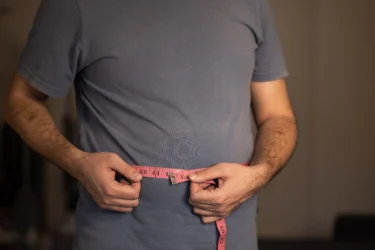
Obesity is the accumulation of more body fat which may increase the risk of several diseases. It is now evident that regular yoga (Konasana) may positively impact obesity by reducing body weight and excess body fat. The Ministry of Health and Family Welfare approved the Konasana for managing obesity. However, one should not consider this asana an alternative to modern medicine. Kindly consult your doctor for proper treatment. Additionally, it is recommended to exercise this asana under the supervision of a qualified trainer5.

Asanas like Konasana is approved by the Ministry of Health and Family Welfare, India, for managing asthma. This sideway stretch may help in opening chest muscles and improving breathing. Thus, the Konasana may positively impact asthma. It may not help in clinically treating asthma but may provide symptomatic relief. However, it is advised to consult a doctor for proper treatment of asthma and not rely on this asana alone. Additionally, one should follow this asana under the supervision of a qualified trainer5.
Also Read: Benefits of Sarpasana (Snake Pose) and How to Do it By Dr. Himani Bisht
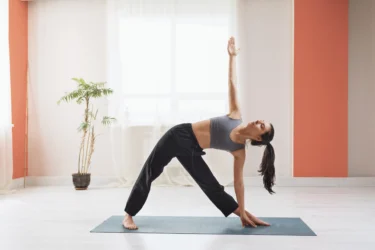
The above-mentioned benefits of Konasana are not yet proven in any human study and are based on a literature search.
Yoga exercise may help develop the mind and body it is not an alternative to modern medicine or treatment. You Should not rely on Yoga alone to treat any condition. Instead, please consult a qualified doctor who can assess your condition and advise accordingly. However, it is necessary to perform and learn Yoga under the supervision of a yoga master to avoid any injuries.
In my view, Konasana may have potential benefits for increasing height. By practising this yoga asana, you engage in a deep side stretch and twist, which may enhance overall body flexibility and alignment. However, it’s important to note that individual results may vary, and maintaining a healthy lifestyle with proper nutrition is essential for optimal growth and development6.
Dr. Smita Barode, B.A.M.S, M.S.
Also Read: Benefits of Shashankasana (Rabbit Pose) and How to Do it By Dr. Himani Bisht
Conditions, and contraindications of Konasana, include3:
It is advised to perform Konasana under the guidance of a qualified trainer. Additionally, this asana should not be considered a substitute for modern medicine.
I may provide you with a beneficial tip. Practising Konasana slowly and mindfully may offer relief from sciatica. However, always remember to listen to your body and consult a healthcare professional if needed6.
Dr. Rajeev Singh, BAMS
Konasana yoga is also known as the sideway bending pose or the angle pose yoga. The word is derived from the Sanskrit words “Kona” meaning angle, and “asana” meaning pose or posture, translating to the angle pose in English. This asana may positively impact diabetes, asthma, hypertension, obesity, stroke, and depression. Additionally, Konasana may help tone and strengthen side muscles, improve digestion, and relieve constipation and back pain.
Also Read: Benefits of Vakrasana (Spinal Twist Pose) and How to Do it By Dr. Himani Bisht
Konasana is also known as the sideway bending pose or the angle pose. The word is derived from the Sanskrit words “Kona” meaning angle, and “asana” meaning pose or posture, translating to the angle pose in English3.
Konasana yoga has two variations, Konasana I and Konasana II; both involve sideways stretching using both hands3.
First, roll out a mat and stand in Tadasana. Ensure your body is aligned from head to toe, your feet are placed at shoulder level, and your neck is straight. Take a deep breath and proceed. Next, slowly raise your right arm over the head, up in the sky, and bend your upper body to the right meanwhile, the left hand will be placed sideways, touching the left thigh. Keep the legs and hips fixed only curve the spine sideways, giving it a side stretch. Continue to hold this position for six seconds. Next, exhale and return to the original position. Repeat the above steps with the left arm. This sequence completes one round of Konasana3.
Regular training in this asana may help in reducing diabetes, hypertension, asthma, stroke, and depression and managing obesity. Further, this asana may help strengthen the side muscles, relieve constipation, and improve digestion4,5.
People with hypertension and other cardiac complaints, spinal or neck injuries, and pregnant women should avoid doing this asana3.
Disclaimer: The information provided here is for educational/awareness purposes only and is not intended to be a substitute for medical treatment by a healthcare professional and should not be relied upon to diagnose or treat any medical condition. The reader should consult a registered medical practitioner to determine the appropriateness of the information before consuming any medication. PharmEasy does not provide any guarantee or warranty (express or implied) regarding the accuracy, adequacy, completeness, legality, reliability, or usefulness of the information; and disclaims any liability arising thereof.
Links and product recommendations in the information provided here are advertisements of third-party products available on the website. PharmEasy does not make any representation of the accuracy or suitability of such products/services. Advertisements do not influence the editorial decisions or content. The information in this blog is subject to change without notice. The authors and administrators reserve the right to modify, add, or remove content without notification. It is your responsibility to review this disclaimer regularly for any changes.
1
0The National Institute of Health classifies yoga as a complementary and alternative medicine that can provide holistic care to people suffering from various ailments. Yoga is an old tradition (3000 years old) that promotes physical, mental, emotional, and spiritual health1. Yoga asana includes yoga asanas, conscious breathing, meditation, and cleansing kriyas1. Most people perform physical postures called yoga asanas. They provide strength and flexibility to their body while creating self-awareness, a sense of calmness, and well-being. One such asana with incredible health benefits is katichakrasana. Let us look at its health benefits and steps to practice it!
The asana katichakrasana is known as the standing spinal twist pose. In English, the word ‘Kati’ means waist, ‘chakra’ means wheel or circular motion, and ‘asana’ means pose, so it means waist rotation. The standing spinal twist pose is a simple standing yoga posture that stretches the waist and makes it more flexible2.
You can do katichakrasana yoga in the following way2:
Weight loss may be ascribed to asanas like Surya Namaskara, Ardha Kati Chakrasana, Pada Hastasana, etc. In my experience, regular practice of these postures may control lipid metabolism, and calorie expenditure by muscles and soft tissue, and also may reduce fat storage.
Dr. Siddharth Gupta, B.A.M.S M.D (Ayu)
Some of the interesting facts about katichakrasana:
I recently read an article8 which suggests that the regular practice of a modification of Katichakrasana, Ardha Katichakrasana during the first trimester of pregnancy may help in reducing the complications and risks.
Dr. Rajeev Singh, BAMS
Some of the katichakrasana benefits are as follows:

Diabetes is a medical condition in which blood sugar levels are high because of the poor body’s capabilities to use it. Additionally, many people go into depression because of not being able to manage sugar levels. A study by Raja et al. in 2018 found that depression and sugar control can effectively be managed using Nadi Suddhi pranayama and katichakrasana3. The regular exercise of katichakrasana may enhance glycemic control in Type 2 diabetes mellitus. However, you must not substitute yoga with ongoing medications as more studies are required to check katichakrasana benefits in type 2 diabetes. Therefore, you must consult your doctor and seek treatment accordingly.
Pregnant women undergo hormonal imbalances and body changes that might impact their mental health, causing anxiety and discomfort. A study by Vijaylakshmi and Jaya in 2021 found that yoga asanas such as katichakrasana, Ashwini mudra, and deep relaxation practices from the 28th week of pregnancy till the baby’s delivery can reduce pregnancy anxiety and discomfort. The study says that it may result in better mother and child health4 . However, more research is required to understand katichakrasana’s benefits on pregnancy. So, if you feel discomfort during pregnancy, you should consult a doctor and seek treatment accordingly.
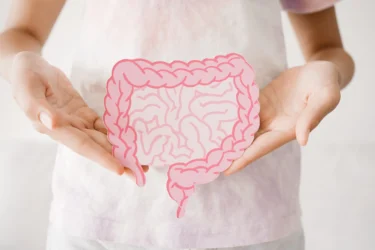
Katichakrasana is a part of shankhprakshalana kriya, which may help clean the intestine. A study by Mashyal et al. in 2014 showed that the shankhprakshalana kriya leads to deep stimulation of basic reflexes resulting in the cleaning of the intestine. It is then followed by a deep relaxation resulting in better intestinal health5. However, more research is required to understand the benefits of the cleansing kriyas and katichakrasana. So, if you have any intestinal discomfort, you should consult a doctor and seek treatment accordingly.
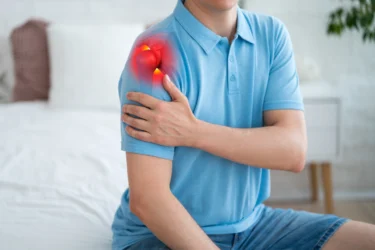
Frozen shoulder results in pain and stiffness in the shoulder joint affecting its range of movement. A study by Tegta and Thankur 2022 found that pranayama and asanas such as katichakrasana can increase blood supply to the joint and surrounding muscles and restore joint movement6. However, more research is required to understand how katichakrasana benefits frozen shoulder. So, if facing this issue, you should consult a doctor and seek treatment accordingly.
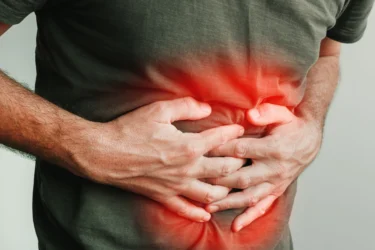
Constipation is a digestive issue that leads to difficulty in the passage of bowel movements causing discomfort, acidity, headache, and loss of appetite. A study by Thapliyal and Pooja in 2022 showed that yoga asanas such as katichakrasana can effectively manage constipation and related symptoms7. However, more research is required to understand the standing spinal twist yoga benefits, so you must consult a doctor if you have constipation.
Yoga may help develop the mind and body, but it is not an alternative to modern medicine or ayurveda. You must not rely on or depend on yoga to treat any condition or disease. Instead, please consult or visit a qualified doctor who can assess your condition and advise accordingly. Furthermore, it is necessary to practice and learn yoga under the supervision of a yoga teacher to avoid any injuries or damage.
Also Read: Benefits of Ardha Matsyendrasana (Half Fish Pose) and How to Do it By Dr. Himani Bisht
The risks associated with katichakrasana yoga are as follows:
With the guidance of a qualified yoga teacher/yoga expert, we can assess the risk factors and continue to practice katichakrasana with precautions.
Also Read: Benefits of Sukhasana (Easy Pose) and How to Do it By Dr. Himani Bisht
The asana katichakrasana is also known as the spinal twist pose. In English, the word ‘Kati’ means waist, ‘chakra’ means wheel or circular motion, and ‘asana’ means pose, so it means waist rotation. Katichakrasana may improve muscle strength and flexibility of the shoulder, abdomen, and spinal muscles. It may benefit patients with type 2 diabetes, constipation, frozen shoulders, and intestinal discomfort. People with a hernia, recent abdominal surgery, slipped disc, and spinal issues should not perform the katichakrasana pose. Katichakrasana may help pregnant women relieve their pregnancy-associated anxiety and discomfort. However, pregnant mothers, people with heart conditions, and spondylitis must be cautious and consult a doctor before doing katichakrasana. It will help if you do this pose under the guidance of a professional yoga trainer.
Also Read: Benefits of Rudra Mudra and How to Do it By Dr. Ankit Sankhe
Standing spinal twist yoga may reduce blood sugar, relieve constipation, reduce pregnancy anxiety, and manage frozen shoulders and intestinal discomfort. However, you must consult your doctor for symptoms of such diseases instead of self-medicating.
In English, the word ‘Kati’ means waist, ‘chakra’ means wheel or circular motion, and ‘asana’ means pose, so it means waist rotation2.
You can do triyak bhujangasana or udarakarshanasana after katichakrasana. You can also perform Shavasana and end the yoga session.
Katichakrasana may help pregnant women relieve their pregnancy-associated anxiety and discomfort4 . However, pregnant mothers must be cautious and consult a doctor before doing katichakrasana.
People with a hernia, recent abdominal surgery, slipped disc, and spinal issues should not perform the katichakrasana pose.
Disclaimer: The information provided here is for educational/awareness purposes only and is not intended to be a substitute for medical treatment by a healthcare professional and should not be relied upon to diagnose or treat any medical condition. The reader should consult a registered medical practitioner to determine the appropriateness of the information and before consuming any medication. PharmEasy does not provide any guarantee or warranty (express or implied) regarding the accuracy, adequacy, completeness, legality, reliability or usefulness of the information; and disclaims any liability arising thereof.
2
1Yoga is not only about physical health, but it also focuses on spiritual health. It says that our body has seven main chakras. They are spinning wheels of energy running along the spine. These chakras are connected to the person’s physical, mental, and emotional well-being1. Each chakra correlates with different physical abilities, expressions, types of health, and psychological states of the mind. Therefore, balancing these chakras is important. It can be achieved through yoga postures as they can positively influence our body, mind, and emotions1. Certain powerful yoga poses can stimulate these chakras, and one such pose is dwikonasana or dual angle pose. Let us look at the steps to do dwikonasana and its incredible health benefits.
In English, ‘DWI’ means dual, ‘Kona’ means angle, and ‘asana’ means pose, so dwikonasana is a dual-angle or two-angle pose. It is also known as the two-triangle pose. Dwikonasana is a standing pose that opens the chest by loosening the chest muscles and nerves. It also stretches the muscles of the shoulders, back, hips, and arms. It improves the flexibility of the shoulder joints and back muscles2. Dwikonasana awakes Anahata (heart) chakra, the spiritual point for love, compassion, and understanding2.
You can do dwikonasana yoga in the following way2:
Some of the interesting facts about the dwikonasana are:
Among the many benefits, practising dwikonasana might have potential benefits in improving posture and lung capacity. This is because it involves the strengthening of upper back muscles along with the shoulder and chest muscles8.
Dr. Siddharth Gupta, B.A.M.S, M.D (Ayu)
Some of the dwikonasana benefits are as follows:
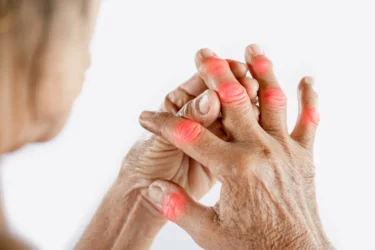
Rheumatoid arthritis is an inflammatory condition affecting body joints, causing pain, swelling, and bone erosion. A study3 by Badsha et al. in 2009 in a pilot study of 8 weeks found that incorporating raj yoga asanas such as dwikonasana and others can significantly reduce disease symptoms and improve treatment outcomes. However, more studies are required to understand the full extent of dwikonasana benefits. Therefore, yoga should not be used as a substitute for ongoing medications. It is best to consult with a doctor if you have rheumatoid arthritis.

Frozen shoulders are a medical condition with painful and stiff shoulder joints making arm movement difficult. A study4 by Jain et al. in 2019 found that a set of standing yoga asanas, including dwikonasana, performed by people with frozen joints, can improve muscle flexibility and tone. Further, this may reduce pain and improves the range of movement. However, more studies are required to check if dwikonasana can alone benefit frozen joints or not. Further, you must consult your doctor if you have a rigid joint.
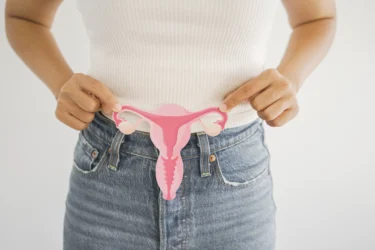
Polycystic ovarian syndrome is women’s most common hormonal disorder, causing excess weight gain, facial hair, irregular menstrual cycle, and stress. A study5 by Ratnakumari et al. in 2018 found that yoga postures like dwikonasana, when combined with naturopathy, can significantly improve reproductive functions and balance hormone levels. It may provide holistic care to PCOS patients. However, more research is required to understand dwikonasana benefits, so you should consult a doctor if you have polycystic ovarian syndrome.
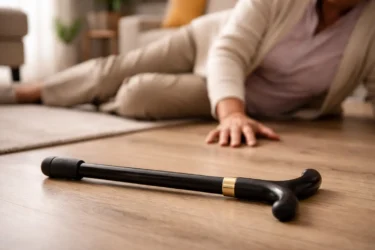
Older people are more prone to fall-related injuries. A study6 by Keay et al. in 2018 on 50 participants involved in a 3-month yoga program. In this standing pose, such as dwikonasana, breathing exercises, and meditation showed that yoga could prevent fall injuries by improving balance and mobility. However, more research is required to understand the dwikonasana benefits. So, you should consult a doctor for body imbalance in older people and seek treatment accordingly.

A study7 by Dhotre et al. in 2019 showed that yoga practices, including breathing exercises, mudras, and yoga postures such as dwikonasana, provide effective relief in bronchitis symptoms. However, more research is required to understand the dwikonasana pose yoga benefits, so you must consult a doctor if you have bronchitis.
Yoga practice may help develop the mind and body, but it is still not an alternative to modern medicine. Therefore, you must not depend on yoga alone to treat any condition. Instead, please consult a qualified doctor who can assess your condition and advise or suggest accordingly. Further, it is necessary to perform and learn yoga or asana under the supervision of a trained yoga teacher to avoid any injuries.
I have observed that, during pregnancy, women often feel increased tension between shoulder plates and neck muscles. I would highly recommend practising dwikonasana in such cases. Dwikonasana might help you with reducing tension and stiffness between the shoulder plates and the neck muscles8.
Dr. Rajeev Singh, BAMS
Also Read: Benefits of Supta Virasana (Reclining Hero Pose) and How to Do it By Dr. Himani Bisht
The risks associated with the dwikonasana yoga pose are as follows:
With the guidance of a qualified and experienced yoga teacher/yoga expert, we can assess the risk factors and continue to practice dwikonasana with precautions.
Also Read: Benefits of Vyaghrasana (Tiger Pose) and How to Do it By Dr. Himani Bisht
In English, ‘DWI’ means dual, ‘Kona’ means angle, and ‘asana’ means pose, so dwikonasana is a dual-angle or two-angle pose. The major benefits of this asana are that it may relieve bronchitis, manage weight, reduce polycystic ovarian syndrome (PCOS), improve body balance, aid in the treatment of frozen shoulders, release anxiety, and strengthen muscles of shoulders, chest, and back, and upper arms. Dwikonasana also stimulates the heart or Anahata chakra, the spiritual point for love, compassion, and understanding. People with shoulder injury or pain, severe back pain, spinal injury, and recent surgeries of the abdomen or shoulder should not perform the dwikonasana. People with heart conditions, spondylitis, and pregnant women must be cautious and consult a doctor when doing dwikonasana. You must do this pose under the guidance of a professional yoga trainer.
Also Read: Benefits of Utkatasana (Chair Pose) and How to Do it By Dr. Himani Bisht
Dwikonasana may relieve bronchitis, weight management, reduce polycystic ovarian syndrome (PCOS), improve body balance, aids in the treatment of frozen shoulders, release anxiety, and strengthen the shoulders, chest, and back muscles and upper arms. However, you must consult your doctor for symptoms of such diseases instead of self-medicating.
In English, ‘DWI’ means dual, ‘Kona’ means angle, and ‘asana’ means pose, so dwikonasana is a dual-angle or two-angle pose.
Dwikonasana may stimulate the Anahata or heart chakra of the body.
Dwikonasana helps in achieving hormonal balance in the PCOS condition. It may improve reproductive function, reduce weight, relieve anxiety, and provide holistic health care to women having PCOS5.
People with shoulder injury or pain, severe back pain, spinal injury, and recent surgeries of the abdomen or shoulder should not perform the dwikonasana.
Disclaimer: The information provided here is for educational/awareness purposes only and is not intended to be a substitute for medical treatment by a healthcare professional and should not be relied upon to diagnose or treat any medical condition. The reader should consult a registered medical practitioner to determine the appropriateness of the information before consuming any medication. PharmEasy does not provide any guarantee or warranty (express or implied) regarding the accuracy, adequacy, completeness, legality, reliability, or usefulness of the information; and disclaims any liability arising thereof.
Links and product recommendations in the information provided here are advertisements of third-party products available on the website. PharmEasy does not make any representation of the accuracy or suitability of such products/services. Advertisements do not influence the editorial decisions or content. The information in this blog is subject to change without notice. The authors and administrators reserve the right to modify, add, or remove content without notification. It is your responsibility to review this disclaimer regularly for any changes.
Over half of the world’s population is suffering from mental and physical issues. To overcome all these issues, yoga is the best remedy. Yoga can relax and calm your mind and help to enhance body function. Yoga is the mastery of controlling your body and mind. According to Pancha Kosha, balanced yoga therapy can balance mind-body disturbances by using mind-body-breathe techniques that include practising yoga postures along with controlled breathing1. There are powerful yoga poses that may help to achieve a healthy body and mind. One such pose is the vyaghrasana or tiger pose. Let us look at the steps to do vyaghrasana and its incredible health benefits!
The asana vyaghrasana is known as the tiger pose or tiger asana. In English, ‘vyaghra’ means tiger, and ‘asana’ means pose. The tiger pose is a dynamic yoga posture that warms up the body. In this, the body movements are coordinated with the breath, providing deep relaxation to the mind and body. The Tiger pose yoga improves the spine’s flexibility and strengthens the abdomen, back, legs, hips, and buttock muscles2.
Did You Know?
You can do vyaghrasana yoga in the following way2:
As per my observations, poor posture has become quite common due to a sedentary lifestyle. These might result in excessive load on the lumbar spine, inadequate muscular endurance, an imbalance of the hip extensor, back injuries and lower extremity instability. In my experience, regular practice of Vyaghrasana may reduce pain while enhancing spine stability and function6.
Dr. Siddharth Gupta, B.A.M.S, M.D (Ayu)
Some of the Vyaghrasana benefits are as follows:

Irritable bowel syndrome is a disorder relating to the stomach and the intestine that causes abdominal pain, bloating, and discomfort, leading to headaches, anxiety, and depression. A study1 by Kavuri et al. in 2015 found that yoga practices that include breathing techniques and asanas, such as vyaghrasana, may reduce irritable bowel disease1. However, more studies are required to understand the full extent of vyaghrasana’s benefits. Therefore, yoga should not be used as a substitute for ongoing medications. It is best to consult with a doctor if you have irritable bowel syndrome (IBS).

Type 1 diabetes is a genetic condition in which there is the destruction of insulin-producing cells of the pancreas. Insulin is used to control the levels of blood sugar level. A study3 by Maurya et al. in 2020 showed that performing a yoga regime that includes vyayama, cleansing processes, and regulated breathing helped type 1 diabetes patients. The study showed that yoga postures such as vyaghrasana restore pancreatic cells, improve blood supply to muscles, and enhance insulin secretion that controls blood sugar levels3. However, more studies are required to check if vyaghrasana can alone benefit type 1 diabetes or not. Therefore, you must consult your doctor if you have diabetes.

Premature ejaculation is a sexual disorder in young males that causes early ejaculation before the person’s wish or after penetration. A study4 by Mamidil et al. in 2013 showed that performing regular yoga postures such as vyaghrasana may improve ejaculatory control, muscle tone, and blood flow to pelvic and perineal muscles among men4. However, more research is required to understand how vyaghrasana benefits premature ejaculation. So, if you are facing this issue, you should consult a doctor and seek treatment accordingly.
Depression is a mental health problem affecting millions of people around the world. A study5 by Kim et al. in 2022 on single mothers with depression found that those who have participated in a total of 8 yoga sessions consisting of asana yoga, including vyaghrasana and meditation once a week for 120 minutes, may lower the depression symptoms5. It may also reduce anxiety and promote mental calm. However, more research is required to understand tiger pose yoga benefits. You must consult a doctor if you have depression.
Yoga practice may help develop the mind and body; however, it is still not an alternative to modern medicine. Therefore, you must not rely on yoga alone to treat any condition. Instead, please consult a qualified doctor who can assess your condition and advise accordingly. Moreover, it is necessary to practice and learn yoga under the supervision of a trained yoga teacher to avoid any injuries.
In my experience, Vyaghrasana may strengthen the muscles in the back and the core and relieve pregnancy-related back discomfort. However, I strongly recommend that pregnant ladies first consult their doctors and practice this yogasana only under an expert’s supervision7.
Dr. Rajeev Singh, BAMS
The risks associated with tiger pose yoga are as follows:
With the guidance of a qualified and experienced yoga teacher/yoga expert, we can assess the risk factors and continue to perform vyaghrasana with precautions.
The asana vyaghrasana is also known as the tiger pose. In English, ‘vyaghra’ means tiger, and ‘asana’ means posture. Vyaghrasana may improve muscle strength, spinal flexibility, and postural balance. It may benefit patients with depression, type 1 diabetes, irritable bowel syndrome, weak core muscles, and premature ejaculation. People with a hernia, weak writs, slipped disc, joint pain, spinal injuries, migraine, severe cervical pain, lower back pain, and conditions of thighs, knees, and hips should not do the vyaghrasana pose. Pregnant mothers, people with heart conditions, and spondylitis must be cautious and consult a doctor when doing vyaghrasana. You must do this pose under the guidance of a professional yoga trainer.
Tiger asana yoga may have benefits like decreasing depression, type 1 diabetes, irritable bowel syndrome, and avoiding premature ejaculation. However, you must consult your doctor if you have symptoms of any such diseases instead of self-medicating.
In English, the word ‘vyaghra’ means tiger, and ‘asana’ means pose, so vyaghrasana is also called tiger pose.
Vyaghrasana may stimulate the sacral chakra of the body2.
The vyaghrasana variations are Athena vyaghrasana-Raised tiger position; Vyaghrasana, foot touching head; Vyaghrasana, foot resting on the head and Eka hasta vyaghrasana (Handed tiger position).
People with a hernia, weak wrist, slipped disc, joint pain, spinal injuries, migraine, severe lower back pain, cervical pain, conditions of hips, thighs, and knees, and those who recently had surgeries on the back, neck, chest, abdomen, or legs should not perform vyaghrasana pose.
1. Kavuri V, Raghuram N, Malamud A, Selvan SR. Irritable Bowel Syndrome: Yoga as Remedial Therapy. Evidence-Based Complementary and Alternative Medicine. 2015;2015:1–10. Available From: https://www.ncbi.nlm.nih.gov/pmc/articles/PMC4438173/
2.Swami Satyananda Saraswati. Asana, Pranayama, Mudra, Bandha. Yoga Publications Trust; 1973.Available from: https://ia800404.us.archive.org/21/items/llvg_asana-pranayama-mudra-and-bandha/asana-pranayama-mudra-and-bandha.pdf
3. Maurya S, Kumar DIR, Singh DA, Nagaratna DR. Development and Validation of a Yoga Module for Adolescents with Type 1 Diabetes. Global Journal of Medical Research [Internet]. 2020 Aug 15 [cited 2022 Dec 27];20(F9):47–55. Available from: https://medicalresearchjournal.org/index.php/GJMR/article/view/2237/6-Development-and-Validation_JATS_NLM_xml
4. Mamidi P, Gupta K. Efficacy of certain yogic and naturopathic procedures in premature ejaculation: A pilot study. International Journal of Yoga. 2013;6(2):118. Available From: https://www.ncbi.nlm.nih.gov/pmc/articles/PMC3734637/
5. Kim S-J, Lee Y-H. Effectiveness of yoga training programs to reduce depression and improve the resilience of single mothers. Journal of Exercise Rehabilitation. 2022 Apr 26;18(2):104–9. Available From: https://www.e-jer.org/journal/view.php?number=2013600930
6. Rathore M, Trivedi S, Abraham J, Sinha MB. Anatomical correlation of core muscle activation in different yogic postures. Int J Yoga. 2017 May–Aug;10(2):59–66. doi:10.4103/0973-6131.205515. PMID:28546675; PMCID:PMC5433114. Available from: https://pmc.ncbi.nlm.nih.gov/articles/PMC5433114/
7. Yoga in Daily Life. Vyaghrasana (The Tiger). Yoga in Daily Life – The System [Internet]. 2014 (updated). Available from: https://www.yogaindailylife.org/system/en/level-3/vyaghrasana
Disclaimer: The information provided here is for educational/awareness purposes only and is not intended to be a substitute for medical treatment by a healthcare professional and should not be relied upon to diagnose or treat any medical condition. The reader should consult a registered medical practitioner to determine the appropriateness of the information and before consuming any medication. PharmEasy does not provide any guarantee or warranty (express or implied) regarding the accuracy, adequacy, completeness, legality, reliability or usefulness of the information; and disclaims any liability arising thereof.
Links and product recommendations in the information provided here are advertisements of third-party products available on the website. PharmEasy does not make any representation on the accuracy or suitability of such products/services. Advertisements do not influence the editorial decisions or content. The information in this blog is subject to change without notice. The authors and administrators reserve the right to modify, add, or remove content without notification. It is your responsibility to review this disclaimer regularly for any change
1
0Modern technology has made our life sedentary. Most of us are glued to laptops, smartphones and other gadgets, which is putting us at risk of developing obesity, high blood pressure, high cholesterol, type II diabetes and heart diseases1.
Nowadays, the most common problem faced by men and women of all ages is neck pain and backache because of long hours of incorrect sitting posture, especially in front of the screen. It can further affect the spine’s alignment or stiffness in the surrounding muscles.
The issues can be resolved by adding a certain amount of physical activity to your lifestyle. The easiest way is to try practising hatha yoga. It includes easy physical postures combined with breathing exercises that improve strength, flexibility, and overall body health2. Hatha yoga has many poses, and one such effective pose is tiryaka tadasana or palm tree yoga. Let us look at how tiryaka tadasana can help us achieve a healthier body!
Did You Know?
The asana tiryaka tadasana is known as the swaying palm tree pose because of its posture. In English, the word ‘tiryaka’ means oblique, ‘tada’ means palm or mountain and ‘asana’ means pose, so it may also be called as an oblique mountain pose or palm tree pose. It is also known as parsva urdhva hastasana or upward salute side bend pose. The palm tree asana is a variant of the tadasana pose in which the body is bent on the sides. It is an excellent stretching pose that adds flexibility in the shoulder, spine and waist region3.
You can do tiryaka tadasana in the following manner3:
Some of the tiryaka tadasana benefits are as follows:
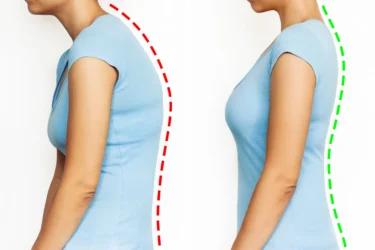
Body balance is important to stay stable in an upright position or while doing other movements. A study2 by Prado et al. in 2014 showed that when men aged 25-55 years, when engaged in 60-minute hatha yoga sessions three times a week for five months, improved their body posture and balance control. The study also showed that it might improve motor coordination and specific movement. Tiryaka tadasana, when performed with other hatha yoga asanas, may benefit the body’s postural balance control and may manage vestibular diseases2. However, more studies are required to check the effect of tiryaka tadasana; therefore, you should consult a doctor if you have postural issues.
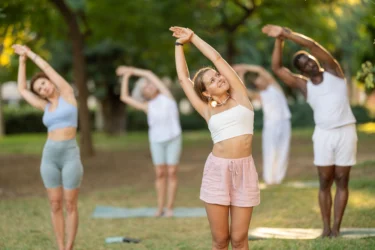
Flexibility is the ability of the body to be able to move one or more joints of the body within their optimal range. A study4 by Grabara et al. in 2015 showed that the practice of hatha yoga for 90 minutes a week for 20 weeks had increased the mobility of spinal joints and flexibility of the hamstring muscles in women 50-79 years of age. Tiryaka tadasana being a part of hatha yoga asana, may improve spine flexibility4. However, more studies are required to check if tiryaka tadasana can alone benefit spinal flexibility. Therefore, you must consult a doctor if you experience reduced spinal flexibility.
From what I have observed so far, Triyaka Tadasana is like a special version of Tadasana that might do something really cool for your waist. It may give it a nice massage, loosens up those muscles, and give them a good workout. Plus, it might help your body balance out the right and left groups of muscles that help you stand up straight. So, it’s like a double charm for your waist and posture3!
Dr. Siddharth Gupta, B.A.M.S, M.D (Ayu)
The most common reason for back pain is muscle tension. A study5 by Crow et al. in 2015 showed that when you do yoga, your body muscles loosen up, muscle tension and pain reduces. The study shows that hatha yoga may be enough for back pain related to poor posture and stress. It may also improve body awareness, pain acceptance and coping mechanisms5. However, more research is required to understand tiryaka tadasana’s benefits, so you should consult a doctor if you experience back pain because of other medical conditions.
Tiryaka tadasana is a part of shankhprakshalana kriya, which the yoga practitioner uses to cleanse the intestine. A study6 by Mashyal et al. in 2014 showed that the shankhprakshalana kriya involves deep stimulation of basic reflexes that result in the cleaning of the intestine. It is then followed by a deep relaxation that results in better intestinal health and may regulate bowel movements6. However, more research is required to understand the exact benefit of the cleansing kriyas and tiryaka tadasana. So, if you have any intestinal discomfort, you should consult a doctor and seek treatment accordingly.

Yoga practice may help develop the mind and body; however, it is still not an alternative to modern medicine. Therefore, you must not rely on yoga alone to treat any condition. Instead, please consult a qualified doctor who can assess your condition and advise accordingly. Moreover, it is necessary to practice and learn yoga under the supervision of a trained yoga teacher to avoid any injuries.
Based on my experience, I have observed that Triyaka Tadasana might be a superhero pose for your abs. It may help tone and strengthen those rectus muscles, giving you a nice and firm core. But that’s not all. It also might work wonders for your spine by clearing any congestion and restoring its energy8.
Dr. Rajeev Singh, BAMS
You must avoid this pose if you have the following conditions:
Pregnant women shall be careful while performing tiryaka tadasana and must practice under the supervision of a qualified yoga expert.
With the guidance of a qualified and experienced yoga teacher/yoga expert, we can assess and analyse the risk factors and continue to practice tiryaka tadasana with precautions.
Also Read: Benefits of Utthita Parsvakonasana and How to Do it By Dr. Himani Bisht
The asana tiryaka tadasana is also known as the swaying palm tree pose. In English, ‘tiryaka’ means oblique, ‘tada’ means palm or mountain and ‘asana’ means posture. The palm tree asana may stimulate the mooladhara (root chakra) and manipura (solar plexus) of the body. Tiryaka tadasana may improve muscle strength, spinal flexibility and postural balance. It may be beneficial for patients who have back pain, intestinal problems, high blood pressure, obesity and postural disorders. People with a hernia, slipped disc, sciatica, spinal injuries and severe cervical and back pain should not do the palm tree pose. Pregnant women must be cautious when doing tiryaka tadasana. It would be best if you did this pose under the guidance of a professional yoga trainer.
Also Read: Benefits of Ardha Halasana (Half Plough Pose) and How to Do it By Dr. Ankit Sankhe
Tiryaka tadasana may be beneficial for patients who have back pain, intestinal problems, high blood pressure, irregular bowel movement, obesity and postural disorders. However, you must consult your doctor if you have symptoms of any such diseases instead of self-medicating.
Tiryaka tadasana is a part of shankhprakshalana kriya that cleanses the intestine and regulate bowel movement. However, you must consult your doctor if you have any symptoms of intestinal disorder6.
Tiryaka tadasana may stimulate the mooladhara (root chakra) and manipura (solar plexus) of the body3.
Tiryaka tadasana is also known as swaying palm tree pose, palm tree yoga, oblique mountain pose and parsva urdhva hastasana or upward salute side-bend pose.
People with a hernia, slipped disc, sciatica, spinal injuries, severe cervical pain, or severe headache, and those who recently had surgeries on the back, neck, chest, abdomen or legs should not perform tiryaka tadasana pose.
1. Dhuli K, Naureen Z, Medori MC, Fioretti F, Caruso P, Perrone MA, et al. Physical activity for health. J Prev Med Hyg [Internet]. 2022 Oct 17 [cited 2026 Jan 8];63(2 Suppl 3):E150–E159. Available from: https://pmc.ncbi.nlm.nih.gov/articles/PMC9710390/#:~:text=In%20addition%2C%20physical%20inactivity%20not,particularly%20on%20the%20Mediterranean%20diet.
2. Kasse C, Prado E, Raso V, Scharlach R. Hatha yoga on body balance. International Journal of Yoga. 2014;7(2):133. Available from: https://www.ncbi.nlm.nih.gov/pmc/articles/PMC4097898/
3. Swami Satyananda Saraswati. Asana, Pranayama, Mudra, Bandha. Yoga Publications Trust; 1973. Available from: https://www.yogkulam.org/books/Asana.pdf
4. Grabara M, Szopa J. Effects of hatha yoga exercises on spine flexibility in women over 50 years old. Journal of Physical Therapy Science [Internet]. 2015;27(2):361–5. Available from: https://www.ncbi.nlm.nih.gov/pmc/articles/PMC4339138/
5. Crow E, Jeannot E, Trewhela A. Effectiveness of Iyengar yoga in treating spinal (back and neck) pain: A systematic review. International Journal of Yoga. 2015;8(1):3. Available From: https://www.ncbi.nlm.nih.gov/pmc/articles/PMC4278133/
6. Mashyal P, Raghuram N, Bhargav H. Safety and usefulness of Laghu shankha prakshalana in patients with essential hypertension: A self controlled clinical study. Journal of Ayurveda and Integrative Medicine [Internet]. 2014 [cited 2022 Dec 23]; 5(4):227. Available from: https://www.ncbi.nlm.nih.gov/pmc/articles/PMC4296435/
7. Yang K, James KA. Yoga, as a transitional platform to more active lifestyle: a 6-month pilot study in the USA. Health Promotion International. 2014 Dec 18;31(2):423–9. Available from: https://academic.oup.com/heapro/article/31/2/423/1750098
8. Jagadish KRI. Nature’s Way: A Guide to Health Through Yoga and Herbal Remedies. New Delhi (India): India Research Press; 2007. Available from: https://books.google.co.in/books?id=genPwF_AnZUC&pg=PA419&lpg=PA419&dq=tiryaka+tadasana#v=onepage&q=tiryaka%20tadasana&f=false
Disclaimer: The information provided here is for educational/awareness purposes only and is not intended to be a substitute for medical treatment by a healthcare professional and should not be relied upon to diagnose or treat any medical condition. The reader should consult a registered medical practitioner to determine the appropriateness of the information and before consuming any medication. PharmEasy does not provide any guarantee or warranty (express or implied) regarding the accuracy, adequacy, completeness, legality, reliability or usefulness of the information; and disclaims any liability arising thereof.
Links and product recommendations in the information provided here are advertisements of third-party products available on the website. PharmEasy does not make any representation on the accuracy or suitability of such products/services. Advertisements do not influence the editorial decisions or content. The information in this blog is subject to change without notice. The authors and administrators reserve the right to modify, add, or remove content without notification. It is your responsibility to review this disclaimer regularly for any change
1
2Yoga has emerged as a foundation and a building block for improving physical and mental well-being. This ancient practice originated years ago in India and is composed of physical, mental and spiritual disciplines. The components of yoga include pranayamas, breathing techniques and asanas or body postures. There are nearly 19 different yoga types and 66 asanas or postures; one such asana is Utthita trikonasana. Anchoring your daily yoga practice with utthita trikonasana will help you reap the benefits of yoga. Here’s what you need to know about utthita trikonasana1.
Did You Know?
Utthita trikonasana, commonly known as the extended triangle pose, is derived from three Sanskrit words, “utthita,” meaning extended, “tri,” meaning three and “kona,” meaning angle. This translates to an extended triangle posture because this yoga posture creates three angles. Tadasana is the preparatory pose for utthita trikonasana. Any standing pose asana can be performed as a follow-up pose for utthita trikonasana2.
Utthita trikonasana must be done properly for maximum health benefits. One may perform Utthita trikonasana in the following manner2:
Studies have revealed that in a comparison done before and after the yoga pose Utthita trikonasana, there was a considerable reduction in the desire to smoke. I strongly recommend the regular practice of Utthita trikonasana with precautions to avoid any adverse effects and enjoy the maximum benefits out of it9.
Dr. Siddharth Gupta, B.A.M.S, M.D (Ayu)
Some benefits of this pose are as follows:
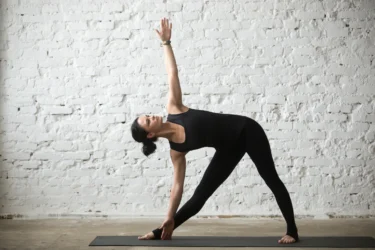
Literature reviews support that yogasanas like Utthita trikonasana can help increase spinal flexibility. Malgorzata et al. conducted a study3 in 2015 to assess the effect of yoga interventions like utthita trikonasana on general health. Twenty weeks of the regular practice of utthita trikonasana showed an improvement in spinal muscle flexibility and mobility regardless of age. Thus, the practice of asanas like utthita trikonasana may help improve spinal flexibility; however, one should not consider this asana as an alternative to modern medicine. Kindly consult your doctor for proper treatment of any issue related to the spine. Additionally, it is recommended to practice this asana under the supervision of a qualified trainer3.
Rheumatoid arthritis is a chronic disease affecting the joints of hands and feet and is characterized by joint pain, inflammation, and tenderness. Subhadra et al. conducted a study4 in 2013 to assess the health benefits of a six-week practice of yogasanas like utthita trikonasana. The findings of this study showed that utthita trikonasana helped reduce pain, provided symptomatic relief and improved the quality of life in subjects with rheumatoid arthritis. Thus, the practice of asanas like utthita trikonasana may positively impact rheumatoid arthritis, but the practice of this asana should not be considered an alternative to modern medicine. Kindly consult your doctor for the proper management of rheumatoid arthritis. Additionally, it is recommended to practice this asana under the supervision of a qualified trainer4.
Literature supports the practice of yoga asanas may help manage depression by promoting mental calmness. Yong et al. conducted a study5 in 2022 to assess the effect of yogasanas like utthita trikonasana on depression in single mothers. The practice of utthita trikonasana helped in reducing depression-related symptoms by increasing self-awareness and positive emotions. Additionally, this asana may help reduce stress and anxiety. Thus, yogasanas like utthita trikonasana might positively impact depression. However, it is recommended not to rely on this asana alone and consult a doctor for proper treatment of depression. Additionally, one should practice this asana under the guidance of a qualified trainer2, 5.

Neurodegenerative diseases are characterized by progressive loss of neurons. Literature studies have shown that the practice of certain asanas may help manage neurodegenerative diseases. Charlene et al. presented a case study6 in 2011 of a patient with a rare type of neurodegenerative disease called AML (adreno-myeloneuropathy) characterized by paralysis, weakness and stiffness in lower limbs. The efficacy of a 10-month yoga intervention, including pranayamas and different asanas like utthita trikonasana was studied in the patient. Results supported yogic postures like utthita trikonasana, and other pranayamas helped improve the patient’s balance, walking and intellectual intuition. However, the results of this case study should not be generalized to other individuals or disease conditions, as more research is needed in this area. You should consult a doctor for proper treatment and not rely on this asana alone. Additionally, it is advised that a practitioner performs this asana under the guidance of a qualified trainer6.

Literature studies support that the practice of certain yogasanas, like utthita trikonasana, may positively impact menstrual health. Garima et al. conducted a review7 in 2022 to assess the effect of yogasanas like utthita trikonasana on menstruation. The findings of this review supported the fact that the practice of Utthita trikonasana may help relieve excessive bleeding, bloating and abdominal cramps during menstruation. Thus, yogasanas like utthita trikonasana might positively impact menstrual health. However, it is recommended not to rely on this asana alone and consult a doctor for proper treatment of any menstrual abnormalities. Additionally, one should practice this asana under the guidance of a qualified trainer performs this asana under the guidance of a qualified trainer7.
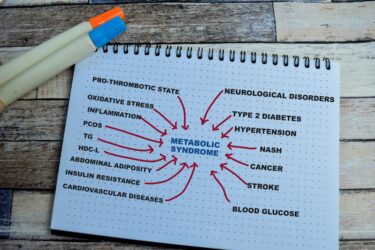
Metabolic syndrome is characterized by elevated blood pressure, blood glucose, obesity and abnormal lipid profile. Siu8 et al. conducted a study in 2015; the results of this study stated that yogasanas like utthita trikonasana helped reduce blood pressure and blood glucose and correct abnormal lipid profile. This indicates that utthita trikonasana may positively impact metabolic syndrome. However, it is advised to consult a doctor for proper treatment of metabolic syndrome and not rely on this asana alone. Additionally, one must perform this asana under the supervision of a qualified trainer8.
Also Read: Benefits of Kurmasana (Tortoise Pose) and How to Do it by Dr. Himani Bisht
Note: The above-mentioned benefits of utthita trikonasana are not proven in any human study yet, and are fully based on a literature search.
Yoga practice may help develop the mind and body; however, it is still not an alternative to modern medicine. Therefore, you must not rely on Yoga alone to treat any condition. Instead, please consult a qualified doctor who will be able to assess your condition correctly and advise accordingly. Moreover, it is necessary to practice and learn Yoga under the supervision of a trained yoga teacher to avoid any injuries.
Due to its promise of potential advantages and minimal hazards for the mother and foetus, prenatal yoga and mindfulness have become more popular in recent years. Yoga and mindfulness practices including Utthita trikonasana have numerous advantages throughout the gestational process, staving off and relieving the common discomforts of pregnancy and childbirth preparation, and inducing calmness and overall emotional wellbeing10.
Dr. Rajeev Singh, BAMS
Utthita trikonasana should be performed with caution in 2
The safety of this asana in elderly, children and pregnant women is not well established. So, it is advised to take caution and always perform it under the guidance of a qualified trainer.
Utthita trikonasana is contraindicated in the following cases2:
Also Read: Benefits of Supta Padangusthasana and How to Do it By Dr. Himani Bisht
Utthita trikonasana, commonly known as the extended triangle pose, is derived from three Sanskrit words, “utthita,” meaning extended, “tri,” meaning three, and “kona,” meaning angle. This translates to an extended triangle posture because this yoga posture creates tri (three) angles. Tadasana is the preparatory pose for utthita trikonasana. Any standing pose asana can be performed as a follow-up pose for utthita trikonasana. The practice of this asana may positively impact rheumatoid arthritis, anxiety, stress, depression, menstruation, metabolic syndrome and neurodegenerative diseases like AML. Additionally, this asana may help improve digestion, body posture, back pain and reduce fatigue, etc.
Also Read: Benefits of Baddha Padmasana (Bound Lotus Pose) and How to Do it By Dr. Himani Bisht
Utthita trikonasana, commonly known as the extended triangle pose, is derived from three Sanskrit words, “utthita,” meaning extended, “tri,” meaning three, and “kona,” meaning angle. This translates to an extended triangle posture because this yoga posture creates tri (three) angles2.
Tadasana is the preparatory pose for utthita trikonasana2.
First, stand in Tadasana. In this pose, your body is in a straight, aligned position. Next, exhale slightly, jump and place your legs a few feet apart, so the left leg is at an angle of 90° to the right leg. Now, raise both arms parallel to the floor sideways (in a straight line with the shoulders) with your palms facing down. Next, bending from the hip joint, stretch your right arm and place it near the right leg. Now, stretch your left arm and try to gaze at it. This is the final position which is to be maintained for 5-10 breaths. Return to the initial position and relax. Repeat this posture by alternating the position of the legs2.
The practice of this asana may positively impact rheumatoid arthritis, depression, stress, anxiety, menstruation, metabolic syndrome and neurodegenerative diseases like AML. Performing this asana may improve digestion, fatigue, body posture and help reduce back pain3,8.
The practice of utthita trikonasana is contraindicated in people with high or low blood pressure, any injuries or recent surgeries.
Disclaimer: The information provided here is for educational/awareness purposes only and is not intended to be a substitute for medical treatment by a healthcare professional and should not be relied upon to diagnose or treat any medical condition. The reader should consult a registered medical practitioner to determine the appropriateness of the information and before consuming any medication. PharmEasy does not provide any guarantee or warranty (express or implied) regarding the accuracy, adequacy, completeness, legality, reliability or usefulness of the information; and disclaims any liability arising thereof.
Links and product recommendations in the information provided here are advertisements of third-party products available on the website. PharmEasy does not make any representation on the accuracy or suitability of such products/services. Advertisements do not influence the editorial decisions or content. The information in this blog is subject to change without notice. The authors and administrators reserve the right to modify, add, or remove content without notification. It is your responsibility to review this disclaimer regularly for any change
0
0Yoga, rooted in Indian origin, has gained the limelight over the few years for its numerous health benefits. This 5000-year-old discipline was developed to unite mind and body. There are different forms of yoga but the purpose remains the same. Some yoga styles may be vigorous and intense, while others may be relaxing and meditative. Whatever type, yoga is always a great option for strengthening and stretching the body, focusing the mind and relaxing the spirit. Yoga focuses on asanas (poses) and pranayamas (breathing); one such asana is kandharasana. Here’s what you need to know about kandharasana1.
Did you Know?
Kandharasana, or shoulder pose yoga, is a yoga posture lifting the spine. The name is rooted in Sanskrit words ‘kandha’, meaning shoulder and ‘asana’, meaning ‘pose or posture’. Chakrasana is the preparatory pose for kandharasana. Any forward bending posture can be performed as a follow-up pose for kandharasana. In chakrasana, the back is arched, the head is lifted from the ground, and the whole body weight is supported on both the hands and legs. Whereas in kandharasana, the head rests on the ground, the chest and buttocks are raised, and the body weight is supported on the shoulders2,3.
Kandharasana must be done properly for maximum health benefits. One may perform Kandharasana in the following manner3:
When you perform Kandharasana, your back muscles arch upwards that might promote healing. By stretching yourself to your body’s limits, this asana might help in decreasing vertebral disc problems and back pain7.
Dr. Rajeev Singh, BAMS
Some benefits of this pose are as follows:

Cardiac health, or the health of the heart and blood vessels, is central to overall health. It plays an important role in pumping oxygen and nutrient-rich blood to different body parts. Poor cardiac health can be a risk factor for developing cardiac diseases. A study4 conducted by Divya et al. in 2016 stated that the practice of Kandharasana may help reduce heart rate and blood pressure. Additionally, practising it may help improve the heart’s ability to function during mild-moderate intensities. Therefore, Yogasanas like Kandharasana may positively impact cardiac health. However, Kandharasana should not be considered an alternative to modern medicine. Kindly consult a doctor for proper treatment of any cardiac disorders. Additionally, it is advised to practice this asana under the supervision of a qualified trainer4.
Obesity is the accumulation of body fat; if not controlled, it may become a risk factor for many diseases. Divya et al. conducted a study4 in 2016 to assess the health benefits of yoga interventions like kandharasana on obesity. The findings of this study showed that 41 days of practice with Kandharasana significantly reduced body weight and body mass index (BMI). Thus, the practice of asanas like Kandharasana may positively impact obesity, but the practice of this asana should not be considered an alternative to modern medicine. Kindly consult a doctor for the proper management of obesity. Additionally, it is recommended to practice this asana under the supervision of a qualified trainer4.

Menstruation or periods is natural vaginal bleeding that occurs as a part of a woman’s monthly cycle when no pregnancy occurs. Garima et al. conducted a review5 in 2022 to assess the effect of yogasanas like kandharasana on menstruation. The summary estimates of this review supported that the practice of kandharasana may help normalize menstruation. Thus, yogasanas like kandharasana might positively impact menstrual health. However, it is recommended not to rely on this asana alone and consult a doctor for proper treatment of any menstrual abnormalities. Additionally, one should practice this asana under the guidance of a qualified trainer5.

Lungs, a pair of air-filled organs located on either side of the chest, are responsible for supplying the body with oxygen and removing carbon dioxide. Along with other respiratory system organs (nose, mouth, airways, windpipe, etc.), the lungs help us breathe. Divya et al. conducted a study4 in 2016 to assess the effect of yoga interventions on the respiration system. Forty-one days of practicing yoga asanas like kandharasana increased the amount of oxygen in the body, thus improving breathing. Thus, the practice of kandharasana may positively impact the respiratory system, but the practice of this asana should not be considered an alternative to modern medicine. So, kindly consult a doctor for proper treatment of any respiratory issues, and do not rely on this asana alone. Additionally, one should practice this asana under the supervision of a qualified trainer4.

Hyperlipidemia is the elevation in lipid components like triglycerides, total cholesterol and reduced levels of high-density lipoprotein. A study4 by Divya et al. in 2015 stated that the practice of yogasanas like kandharasana resulted in a significant decrease in total cholesterol, triglycerides, and bad cholesterol. Additionally, kandharasana improved the level of good cholesterol in the body. This indicates that yogasanas like kandharasana may have a positive impact on hyperlipidemia. However, it is advised to consult a doctor to manage hyperlipidemia and not rely on this asana alone. Additionally, it is recommended to practice this asana under the supervision of a qualified trainer4.
The thyroid gland helps regulate different body functions like metabolism, growth and development by releasing thyroid hormones in the blood. Iodine is an important element required for the synthesis of thyroid hormone. Iodine deficiency can result in a decreased synthesis of thyroid hormone; this condition is called hypothyroidism. A review6 done by Mohan et al. in 2022 stated that yogasanas like kandharasana might help manage hypothyroidism. Kandharasana activates the throat chakra (vishuddha chakra), which may improve the functioning of the thyroid gland and increase iodine availability in the body. This indicates that kandharasana may positively impact hypothyroidism. However, further studies need to be done to support these claims. Therefore, it is advised to consult a doctor for proper treatment of hypothyroidism and not rely on this asana alone. Additionally, one must perform this asana under the supervision of a qualified trainer6.
Note- The above-mentioned benefits of kandharasana are not proven in any human study yet, and are based on a literature search.
Yoga practice may help develop the mind and body; however, it is still not an alternative to modern medicine. Therefore, you must not rely on Yoga alone to treat any condition. Instead, please consult a qualified doctor who will be able to assess your condition correctly and advise accordingly. Moreover, it is necessary to practice and learn Yoga under the supervision of a trained yoga teacher to avoid any injuries.
I would highly recommend that you should perform Kandharasana either before or after any forward-bend position. Kandharasana usually acts as a preparatory pose for chakrasana. To avail maximum benefits, you can do three rounds of kandharasana or more according to your level of physical fitness7.
Dr. Siddharth Gupta, B.A.M.S, M.D (Ayu)
Conditions, where kandharasana should be performed with caution are:
Conditions, where kandharasana is contraindicated include3:
Also Read: Benefits of Markatasana (Monkey Pose) and How to Do it By Dr. Ankit Sankhe
Kandharasana, or shoulder pose yoga, is a posture lifting the spine. The name is rooted in Sanskrit words ‘kandha,’ meaning shoulder, and ‘asana,’ meaning ‘pose or posture.’ Chakrasana is the preparatory pose for kandharasana. Any forward bending posture can be performed as a follow-up pose for kandharasana The practice of this asana may help improve lipid profile, menstrual cycle, breathing, manage obesity and improve cardiac health. Additionally, this asana may help improve digestion, strengthen shoulders, improve postural stability and may provide relief from back pain, stress and anxiety.
Also Read: Benefits of Tiryaka Tadasana (Swaying Palm Tree Pose) and How to Do it By Dr. Himani Bisht
Kandharasana, or shoulder pose yoga, is a posture lifting the spine. The name is rooted in Sanskrit words ‘kandha,’ meaning shoulder, and ‘asana,’ meaning ‘pose or posture.’ Chakrasana is the preparatory pose for kandharasana. Any forward bending posture can be performed as a follow-up pose for kandharasana. In chakrasana, the back is arched, the head is lifted from the ground, and the whole body weight is supported on both the hands and legs. Whereas in kandharasana, the head rests on the ground, the chest and buttocks are raised, and the body weight is supported on the shoulders1.
Chakrasana is the preparatory pose for kandharasana2.
First, lie flat on your back on a mat. Next, take a deep breath and bend your knees, and place your feet flat on the mat with your heels touching your buttocks. Ensure your feet and knees are hip-width apart. Now, try to touch the ankles with your hands. This is the starting position. Next, slightly raise your buttocks and try to arch the back upward. Slowly lift your chest as high as possible, and avoid straining and moving the feet or shoulders. In this final position, your body will be supported by the head, neck, shoulders, arms, and feet. Breathe slowly and deeply and hold this pose for as long as possible. Breathe out and return to the initial position, and practice for four-five rounds3.
The practice of this asana may help improve lipid profile, breathing, cardiac health, and menstrual cycle and manage obesity and hypothyroidism. Additionally, this asana may help improve digestion, reduce stress and anxiety, relieve back pain, strengthen shoulders and improve postural alignment2,6.
The practice of Kandharasana is known to activate the third eye chakra (Ajna chakra), crown chakra (Sahasrara chakra), solar plexus (Manipura chakra) and throat chakra (Vishuddha chakra).
Disclaimer: The information provided here is for educational/awareness purposes only and is not intended to be a substitute for medical treatment by a healthcare professional and should not be relied upon to diagnose or treat any medical condition. The reader should consult a registered medical practitioner to determine the appropriateness of the information before consuming any medication. PharmEasy does not provide any guarantee or warranty (express or implied) regarding the accuracy, adequacy, completeness, legality, reliability, or usefulness of the information; and disclaims any liability arising thereof.
Links and product recommendations in the information provided here are advertisements of third-party products available on the website. PharmEasy does not make any representation of the accuracy or suitability of such products/services. Advertisements do not influence the editorial decisions or content. The information in this blog is subject to change without notice. The authors and administrators reserve the right to modify, add, or remove content without notification. It is your responsibility to review this disclaimer regularly for any changes.
1
0Isn’t it thought-provoking that yoga does not change how we see things; it transforms the person who sees? Yoga relies on your own body to strengthen it, and it uses the body to heal the body. This is what makes yoga different from other exercises. Other exercises primarily focus on external equipment and induce stress on the body. The most significant aim of yoga is to create a deep sense of unity with all living forms and compassion within1. Like other therapies, yoga alone is not the solution to any health issue, but in conjunction with different treatment approaches, yoga has the potential to offer greater well-being.
Yoga often sees the practice of asanas, one of which is Rajakapotasana or the pigeon pose. Let us look at some exciting features and benefits of Rajakapotasana.
Did You Know?
Rajakapotasana, or the pigeon pose, is one of the seated back-bending asanas (posture). It is also known as Eka pada Rajakapotasana. The term “Rajakapotasana” is derived from the Sanskrit words “Raja”, meaning king, “kapota”, meaning pigeon and “asana”, meaning seat or posture. In this pose, the chest is pushed forward like a strutting pigeon, hence the name. This asana is the second level of Kapotasana and is also known as Ek pada Rajakapotasana (one-legged king pigeon pose). In the 20th century, Krishnamacharya’s pupils described this pose for the first time2.
Rajakapotasana must be done properly for maximum health benefits. Therefore, one may perform this asana in the following manner:
It might be challenging for novices to maintain square hips in the pigeon stance. From my knowledge, if your back hip hurts, you need to correct your posture. You should feel a stretch in your front hip. In the Rajakapotasana stance, your shin should be parallel to the front of your mat. You will experience stress in your knee or ankle if your shin is not parallel. If the pressure irritates your knees, keep a soft cloth beneath your knee and thigh. It will aid with knee protection9.
Dr. Smita Barode, B.A.M.S, M.S.
The classic pigeon pose is known to provide several benefits beyond the mat, which are described as under:
Neurodegenerative disorders are characterized by progressive loss of neurons. Charlene et al. presented a case study4 in 2014, of a 61-year-old male patient with AML (adrenomyeloneuropathy), a rare type of neurodegenerative disorder; characterized by demyelization of nerve cells along the spinal cord resulting in paralysis and weakness, stiffness in lower limbs. The efficacy of a 10-month yoga intervention, including pranayamas and different asanas like Rajakapotasana, was studied in the patient. Results supported yogic postures like the pigeon pose and other pranayamas helped improve the patient’s balance, walking and intellectual intuition. However, the results of this case study should not be generalized to other individuals or disease conditions as more research is needed in this area. You should consult a doctor for proper treatment and not rely on this asana alone. Additionally, it is advised that a practitioner performs this asana under the guidance of a qualified trainer4.
Studies show that yoga helps stimulate the parasympathetic nervous system to aid the functioning of the autonomic nervous system. So-Jung Kim et al. conducted a study5 in 2022 on single mothers to verify the effectiveness of yoga intervention in managing depression. The yoga intervention consisted of five asanas, including Rajakapotasana. It is observed that people with depression have spines curled forward as they usually bend their heads. So, therefore breathing is not smooth in these individuals due to the tilt of the chest. Rajakapotasana causes the chest to expand; thus, yoga asanas like Rajakapotasana may help manage depression. However, do not rely on this asana alone if you experience major episodes of depression. It is recommended to consult a physician in such cases. Additionally, one should perform these asanas under the supervision of a qualified trainer5.

Several studies have supported the use of yoga intervention to modify cardiac risk factors like blood pressure. Parco et al. conducted a study6 in 2015, to examine the effects of one year yoga intervention on cardiovascular risk factors like blood pressure. The yoga intervention included several asanas along with Rajakapotasana Systolic blood pressure tended to improve following the yoga intervention. Thus, Rajakapotasana, when performed along with other pranayamas and asanas, may help manage high blood pressure; but should not be considered a substitute for modern medicine. Consult a doctor if you have any health issues. It is advised to practice this asana under the supervision of a qualified trainer6.

Rajakapotasana may help enhance muscular strength and flexibility. Caren Lau et al. conducted a study7 in 2015 to assess the effect of yoga intervention on muscular strength and flexibility. This yoga intervention which included Rajakapotasana had a favourable impact on muscular flexibility, strength. Even then, it can only be said it might help in improving our muscle strength. However, this asana must not be considered an alternative to modern medicine. Kindly consult a doctor if you have any muscular abnormalities. Additionally, a practitioner must perform this asana under the guidance of a qualified trainer7.
Rajakapotasana is believed to increase the range of motion in the hips. Additionally, it might make the muscles that support the lower back and hips stronger. By allowing the muscles and tendons that surround the spine to stretch, the pigeon stance may also aid with lower back discomfort. Extending the piriformis muscle may also aid with the relief of sciatica9.
Dr. Siddharth Gupta, B.A.M.S, M.D (Ayu)
Rajakapotasana may help stimulate the kidney and liver meridians through the inner groin. The lumbar arch stimulates the urinary bladder meridian, which rectifies disorders of the urinary system8. Thus, Rajakapotasana, when performed along with other pranayamas and asanas, may help in the healthy functioning of the groin area as well as the kidney, liver and bladder; but should not be considered a substitute for modern medicine. Consult a doctor if you have any health issues. It is advised to practice this asana under the supervision of a qualified trainer6.

Yoga practice may help develop the mind and body; however, it is still not an alternative to modern medicine. Therefore, you must not rely on Yoga alone to treat any condition. Instead, please consult a qualified doctor who will be able to assess your condition correctly and advise accordingly. Moreover, it is necessary to practice and learn Yoga under the supervision of a trained yoga teacher to avoid any injuries.
Conditions in which performing Rajakapotasana is contraindicated are:
Despite the many advantages of the Rajakapotasana stance, there are a few faults you should steer clear of in order to maximise your gains and lower your chance of injury. Rajakapotasana opens up the hips deeply. If you don’t warm up beforehand and your hips are stiff, you might risk being hurt. I suggest you be sure to perform light hip openers and stretches before trying the Rajakapotasana9.
Dr. Rajeev Singh, BAMS
Rajakapotasana, or the pigeon pose, is one of the seated back-bending asanas (posture). It is also known as Eka pada Rajakapotasana. The term “Rajakapotasana” is derived from the Sanskrit words “Raja”, meaning king, “kapota”, meaning pigeon and “asana”, meaning seat or posture. In this pose, the chest is pushed forward like a strutting pigeon, hence the name. This asana may help improve blood circulation and strengthen the reproductive system. In addition, it opens and stretches thighs, hips, chest, and quadriceps and improves flexibility; it stimulates the urinary bladder meridian, which rectifies urinary system disorders.
Also Read: Benefits of Sarpasana (Snake Pose) and How to Do it By Dr. Himani Bisht
Rajakapotasana is the pigeon pose. Raja means king, Kapota means pigeon and asana meaning pose. Therefore, Rajakapotasana translates to pigeon-pose in English2.
Rajakapotasana yoga pose may improve depression, neurodegenerative disorders, and blood pressure. This asana may help improve blood circulation and strengthens the reproductive system, opens and stretches thighs, hips, chest, and quadriceps and improves flexibility; it stimulates the urinary bladder meridian, which rectifies disorders of the urinary system4,8.
People having sciatica, disc disorders, and injuries of neck, shoulder, knee and pelvis should abstain from performing Rajakapotasana2.
After entering into the pigeon pose, one should try to hold the pose for about a minute2.
Pregnant women or people with knee, ankle or leg injuries and suspected sciatica should avoid this pose.
1. Shroff FM, Asgarpour M (2017) Yoga and Mental Health: A Review. Physiother Rehabil 2: 132. doi:10.4172/2573-0312.1000132. Available from: https://www.researchgate.net/publication/316946652_Yoga_and_Mental_Health_A_Review
2. B.K.S. Iyengar.Light on Yoga.The bible of Modern Yoga-Its Philosophy and practice-by the world London: Thorsons.1966;108-109. Available at: https://philpapers.org/rec/IYELOY
3. G. V. Tagare, trans., The Skanda Purana, vol. 5 (Delhi: Motilal Banarsidass, 1994), p. 83. Available at: https://www.holybooks.com/wp-content/uploads/The-Skanda-Purana-Part-1.pdf
4. Muhammad CM, Moonaz SH. Yoga as Therapy for Neurodegenerative Disorders: A Case Report of Therapeutic Yoga for Adrenomyeloneuropathy. Integr Med (Encinitas). 2014 Jun;13(3):33-9. PMID: 26770098; PMCID: PMC4684133. Available at: https://www.ncbi.nlm.nih.gov/pmc/articles/PMC4684133/#b14-33-39
5. Kim SJ, Lee YH. Effectiveness of yoga training programs to reduce depression and improve resilience of single mothers. J Exerc Rehabil. 2022 Apr 26;18(2):104-109. doi: 10.12965/jer.2244110.055. PMID: 35582689; PMCID: PMC9081409. Available at: https://www.ncbi.nlm.nih.gov/pmc/articles/PMC9081409/
6. Siu PM, Yu AP, Benzie IF, Woo J. Effects of 1-year yoga on cardiovascular risk factors in middle-aged and older adults with metabolic syndrome: a randomized trial. Diabetol Metab Syndr. 2015 Apr 30;7:40. doi: 10.1186/s13098-015-0034-3. PMID: 26000038; PMCID: PMC4440276. Available at: https://www.ncbi.nlm.nih.gov/pmc/articles/PMC4440276/
7. Lau C, Yu R, Woo J. Effects of a 12-Week Hatha Yoga Intervention on Cardiorespiratory Endurance, Muscular Strength and Endurance, and Flexibility in Hong Kong Chinese Adults: A Controlled Clinical Trial. Evid Based Complement Alternat Med. 2015;2015:958727. doi: 10.1155/2015/958727. Epub 2015 Jun 8. PMID: 26167196; PMCID: PMC4475706. Available at: https://www.ncbi.nlm.nih.gov/pmc/articles/PMC4475706/
8. Andi Céline Martin, YOGA’S EFFECT ON QUALITY OF LIFE AND PSYCHOLOGICAL DISTRESS IN KEY CAREGIVERS OF CANCER SURVIVORS. 2012. Available at: https://dalspace.library.dal.ca/bitstream/handle/10222/15398/Martin_Andi_MSc_KINE_August_2012.pdf?sequence=1&isAllowed=y
9. WebMD. How to do pigeon yoga pose. WebMD; [cited 2025 Dec 20]. Available from: https://www.webmd.com/fitness-exercise/how-to-do-pigeon-yoga-pose
Disclaimer: The information provided here is for educational/awareness purposes only and is not intended to be a substitute for medical treatment by a healthcare professional and should not be relied upon to diagnose or treat any medical condition. The reader should consult a registered medical practitioner to determine the appropriateness of the information and before consuming any medication. PharmEasy does not provide any guarantee or warranty (express or implied) regarding the accuracy, adequacy, completeness, legality, reliability or usefulness of the information; and disclaims any liability arising thereof.
Links and product recommendations in the information provided here are advertisements of third-party products available on the website. PharmEasy does not make any representation on the accuracy or suitability of such products/services. Advertisements do not influence the editorial decisions or content. The information in this blog is subject to change without notice. The authors and administrators reserve the right to modify, add, or remove content without notification. It is your responsibility to review this disclaimer regularly for any changes.
1
2“The longest journey of any individual is the journey inwards”. Yoga wants people to focus on their inner awareness. Surya Namaskar is a series of twelve yoga asanas performed in a dynamic and breath-synchronized manner. Form, energy and rhythm are the three main components of Surya Namaskar. In addition, the twelve asanas are believed to give rise to “Prana”, the subtle force that stimulates the body. When performed in a sequential, steady and rhythmic manner in synchronization with the circadian rhythm (sleep-wake cycle), the rhythm of the cosmos is reflected in these asanas1. One such asana in the Surya Namaskar series is Pranam asana, also known as the praying pose. Let us look at some exciting features and benefits beyond the mat of the praying pose.
Did You Know?
Pranam asana, also called the praying pose, is the entering/starting pose of Surya namaskar (Sun salutation). The name has roots in the Sanskrit word “Pranama” (pay respect) and “asana” (posture/pose). It is also called the praying pose because, in this asana, hands are held together in “Anjali mudra” or namaskar. This asana, which is part of the Surya namaskar series, was propagated by the King of Aundh, Late Shri. Balasaheb Pant (1920s) and later by Shri Krishnamacharya and Sri K V Iyer2.
Following are the steps to perform Pranam asana correctly to avail of maximum benefits:
As far as my knowledge goes, the immune system plays a crucial role in defending the body against disease-causing agents. One interesting observation is that when the Pranam Asana is combined with other steps of Suryanamaskar, it may potentially enhance the efficiency of the immune system. This may contribute to better immunity supporting your ability to protect against infections and illnesses8.
Dr. Rajeev Singh, BAMS
This classic namaskar asana pose is known to provide several benefits to the mind and body, which are described as under:

Kawaljeet et al. conducted a study3 in 2010 to assess the effect of a six-week consistent Surya namaskar practice for female students in the age group of 17-25 years. A significant improvement was seen in the flexibility, muscular endurance and posture of these participants. Yoga postures like Pranam asana may help improve postural alignment when practised as a part of Surya Namaskar4. However, please do not rely on Pranam asana alone in case of any suspected postural issues. So, kindly see a doctor for proper treatment. It is best to practice this under the guidance of a trainer.
Subhash et al. conducted a study4 in 2018 on 60 obese individuals to assess the effect of Surya Namaskar on obesity. Six weeks of regular Surya Namaskar practices showed a significant reduction in Body Mass Index, systolic and diastolic blood pressure, total cholesterol and LDL-cholesterol (bad cholesterol). Findings supported that Pranam asana can have a positive impact on obesity when practised as part of the Surya Namaskar series5. However, you should not rely on Pranam asana alone. You must consult your doctor for proper treatment of obesity. Additionally, it is advised to practice this asana under the supervision of a qualified trainer.

Mullerpatan et al. conducted a study9 in 2013 to assess muscle activity while performing the 12 poses of Surya Namaskar. Results found that different asanas cause the activation of several muscles of the upper and lower body. The Prayer pose, when performed with other poses of Surya namaskar causes activation of many muscles of the body.6 However, in case of any MSD (muscular system disorder) it is recommended to consult a physician for proper treatment and do not rely on Pranam asana alone. In addition, it is advised to perform this yoga under the guidance of a qualified trainer.
Dr. C.A. Kayelarasi et al. in 2019 conducted a study6 to assess the effect of yogasanas like Pranam asana on fat content in 40 subjects with non-alcoholic fatty liver disease, which is the accumulation of fat in the liver. The findings from abdominal sonography revealed decreased fat and restoration of liver function, which could be attributed to Pranam asana performed along with other postures of Surya Namaskar7. However, Pranam asana alone should not be considered a substitute for modern medicine. Consult a doctor if you have any hepatic (liver) disease, and perform this asana only under the guidance of a qualified yoga trainer.

Yoga practice may help develop the mind and body; however, it is still not an alternative to modern medicine. Therefore, you must not rely on Yoga alone to treat any condition. Instead, please consult a qualified doctor who will be able to assess your condition correctly and advise accordingly. Moreover, it is necessary to practice and learn Yoga under the supervision of a trained yoga teacher to avoid any injuries.
According to what I’ve observed, Pranam Asana may offer several benefits. One of its primary advantages is that it might help establish a state of concentration and calmness. By assuming this pose, you may prepare your mind and body for your busy day ahead2.
Dr. Siddharth Gupta, B.A.M.S, M.D (Ayu)
The general risks associated with the prayer pose include:
Note- It is always recommended to perform the asanas under the guidance of a qualified and experienced teacher. Please consult a doctor or yoga specialist while performing the asanas in the above-listed conditions.
Also Read: Benefits of Rajakapotasana (King Pigeon Pose) and How to Do it By Dr. Himani Bisht
Pranam asana, also called the praying or prayer pose, is one out of the twelve asanas of Surya Namaskar (sun salutation). The name has roots in the Sanskrit word “Pranama” (pay respect) and “asana” (posture/pose). This asana pays homage to the Sun, the source of all life forms.
This is the entering position of Surya Namaskar, which is entered in a standing position, standing firmly on the ground. Bring the hands close to the Anahata chakra (heart’s centre). The mantra enchanted during this asana is the “Om Mitray Namaha”. The praying pose helps in improving posture, helps prevent diabetes and obesity, helps to reduce anxiety and stress and revitalizes the mind and body.
Pranam asana is derived from the Sanskrit words “Pranam” (to pay respect) and “asana” (pose)2. Hence, it is essentially termed the prayer pose.
It is advised not to eat anything before practising Pranam asana as it is followed by other poses which involve stretching and squatting, which may put pressure on the stomach and can lead to consequences like vomiting.
Following are the steps involved while performing Pranam asana:
Stand upright with your feet held together. Close your eyes.
Bring your hands together in “Anjali Mudra” (Namaste position) near the Anahata chakra (Heart’s centre).
Focus on your breathing.
Repeat this asana during the first and last step of Surya Namaskar2.
The praying pose might help in improving posture, may help prevent diabetes and obesity, may help reduce anxiety and stress, and might revitalize the mind and body. It can improve the breathing process and think along with possible help in spiritual healing, etc4,7.
In a series of twelve poses of Surya Namaskar, Pranam asana is performed twice i.e., during the first and last step (Step 1 and Step 12).
Disclaimer: The information provided here is for educational/awareness purposes only and is not intended to be a substitute for medical treatment by a healthcare professional and should not be relied upon to diagnose or treat any medical condition. The reader should consult a registered medical practitioner to determine the appropriateness of the information and before consuming any medication. PharmEasy does not provide any guarantee or warranty (express or implied) regarding the accuracy, adequacy, completeness, legality, reliability or usefulness of the information; and disclaims any liability arising thereof.
Links and product recommendations in the information provided here are advertisements of third-party products available on the website. PharmEasy does not make any representation on the accuracy or suitability of such products/services. Advertisements do not influence the editorial decisions or content. The information in this blog is subject to change without notice. The authors and administrators reserve the right to modify, add, or remove content without notification. It is your responsibility to review this disclaimer regularly for any changes.
1
1


