Stomach pain is usually a localized ache that has happened to all of us. Usually, stomach cramps and discomfort indicate digestive disorders. But the intermittent colicky pain that occurs sometimes, can alarm you. If you have been witnessing this kind of pain over a long period of time, then it is time you visit the doctor, especially if your stomach pain is accompanied by symptoms like nausea and vomiting.
In this blog, we will discuss 6 common causes behind stomach pain that comes and goes. It is important to understand these causes and know when to seek immediate medical attention to avoid risk of any complications
Here are a few likely causes behind recurring stomach pain:
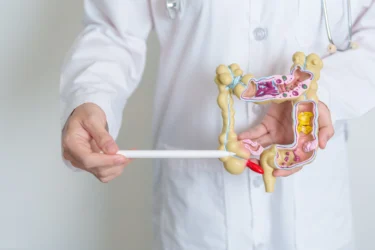
Sometimes the appendix, an abdominal organ, can get inflamed causing a condition called appendicitis, which could lead to stabbing pains that intensify and ebb. The pain usually originates around the umbilicus and migrates to the right lower quadrant, and it typically intensifies and persists. There might be other symptoms like bloating, vomiting, fever, loss of appetite, and rebound tenderness. The symptoms usually develop rapidly over a few hours. Appendix rupture can cause serious medical emergencies like peritonitis and sepsis, so you must seek immediate medical attention1.
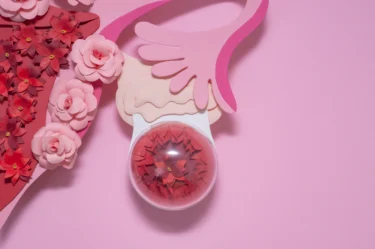
These commonly cause sharp, dull, aching, or sudden, often localized to the lower abdomen or pelvis. Many women have ovarian cysts, which are usually harmless. But sometimes they enlarge, and this is when they trigger pain.
In such cases, the epicentre of the pain is in the lower abdomen or pelvis, usually on one side,. You may also notice bloating and a sensation of pressure in your stomach2. You can use hot compresses as a temporary measure to deal with the pain. While warm compresses can ease mild discomfort, they should not be used as a substitute for medical evaluation in the case of sudden or severe pain, as urgent intervention may be needed for complications like torsion or rupture.
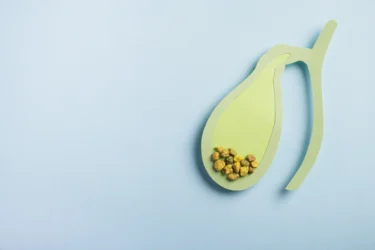
Sometimes bilirubin or cholesterol accumulates to form stone shaped objects inside your gallbladder. They may even obstruct the cystic duct (from the gallbladder) or common bile duct (if the stone travels farther), and this causes colicky, steady, or severe right upper quadrant or epigastric pain3. Other indicators of gallstones are a yellowish tinge in the eyes, nausea, vomiting, sweating and fever. While some herbs may soothe mild dyspepsia, they do not treat gallstones and may delay proper care. In fact, peppermint can sometimes worsen symptoms by relaxing the sphincter of Oddi.
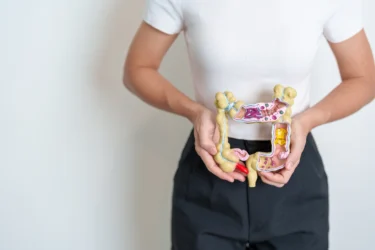
In Irritable Bowel Syndrome (IBS), you may experience pain in your stomach after meals. Or the pain might appear during specific times of the day. Although, IBS cannot be diagnosed solely based on symptoms after meals; it requires clinical evaluation and ruling out other conditions. Other symptoms of this disorder are pain accompanying defecation, the presence of mucus in faeces, diarrhoea4, and flatulence.
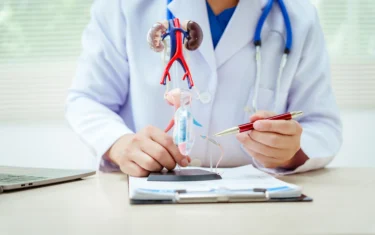
UTIs are a common, painful and bothersome disease. Usually, the bladder is a common site of infection, but actually, any section of the tract can become infected. Not only does it trigger pain in the abdomen, but you might also feel a burning sensation when you urinate5.
In my experience the major causes of abdominal pain in children are behavioural, lymph nodes in intestines and worms. All should be evaluated and treated by a paediatrician.
Dr. M.G. Kartheeka, MBBS, MD(Pediatrics)
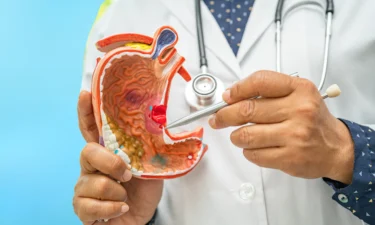
This ulcer develops on the lining of your stomach. Prolonged usage of specific medicines such as NSAIDs (painkillers) and infections like H-pylori can cause ulcer formation6. They can cause a constant burning sensation in your abdomen. Some ulcers may heal spontaneously but usually they require medical treatment to ensure healing and prevent complications like bleeding or perforation.
Children, especially in the early ages, frequently suffer from stomach aches. If their stomach ache is accompanied by weight loss, diarrhoea, vomiting, fever, you should always consult a paediatrician to diagnose the cause and provide the treatment for the same.
Dr. Ashish Bajaj, M.B.B.S., M.D. in Clinical Pharmacology and Toxicology
If you face any of these signs while dealing with abdominal pain then don’t wait any longer. Consult a doctor immediately!
Also Read: Dysentery: Causes, Symptoms, Treatment, And Home Remedies
Unless you are facing any of the above-mentioned symptoms, your abdominal pain will most likely go away without the need for any special medical treatment. However, here are a few ways you can deal with abdominal pain yourself at home to reduce the pain:
Also Read: Right-Sided Abdominal Pain: Understanding Causes and Treatment Options
Ignoring abdominal pain that comes and goes can lead to medical complications in the future, you really should consult a doctor to find out if any one of the above-mentioned disorders is at the root of your stomach ache. Some of them need immediate medical treatment. Don’t wait till the symptoms become even more prominent because the longer you wait, the longer it will take for you to heal completely.
Also Read: Natural Home Remedies for Ear Pain
Yes, stress might cause stomach pain. When under stress, the body releases hormones that can disrupt the digestive system, leading to symptoms like stomach pain, nausea, or indigestion.
Yes, constipation can cause stomach pain as it leads to the accumulation of stool in the intestines, which can cause cramping and discomfort in the abdominal region. This pain can range from mild to severe depending on the extent of constipation.
Yes, back pain can sometimes lead to stomach pain. Conditions such as spinal issues or muscle strains in the back can radiate discomfort to the abdomen, causing secondary stomach pain or discomfort. However, it’s essential to consult a healthcare professional for a proper diagnosis and treatment.
Yes, dehydration can cause stomach pain as it can lead to reduced blood flow to the stomach lining, causing irritation and discomfort. Additionally, dehydration can slow down digestion, resulting in constipation, which can also contribute to stomach pain.
Yes, gas can cause stomach pain as it can accumulate in the digestive tract, leading to bloating, cramping, and discomfort. Excessive gas production from factors like certain foods, swallowing air, or underlying digestive conditions can exacerbate stomach pain.
Yes, pregnancy can cause stomach pain due to various factors such as hormonal changes, stretching of the uterus, and pressure on surrounding organs as the foetus grows. Common causes include round ligament pain, constipation, and gas, but severe or persistent pain should be evaluated by a healthcare provider.
Haemorrhoids typically don’t directly cause stomach pain, as they are swollen veins in the rectum or anus. However, severe cases or complications like thrombosis can lead to discomfort that may radiate to the lower abdomen. It’s crucial to consult a healthcare professional for proper diagnosis and treatment of any abdominal pain.
Stomach pain after sex isn’t always normal. While some mild discomfort can happen due to muscle movements, if it’s severe or keeps happening, it’s essential to see a doctor to find out why.
Yes, stomach pain can be a symptom of menstruation, commonly known as menstrual cramps or dysmenorrhea. These cramps result from the uterus contracting to shed its lining, causing discomfort in the lower abdomen. However, if the pain is severe or accompanied by other concerning symptoms, it’s advisable to consult a healthcare provider.
Disclaimer: The information provided here is for educational/awareness purposes only and is not intended to be a substitute for medical treatment by a healthcare professional and should not be relied upon to diagnose or treat any medical condition. The reader should consult a registered medical practitioner to determine the appropriateness of the information and before consuming any medication. PharmEasy does not provide any guarantee or warranty (express or implied) regarding the accuracy, adequacy, completeness, legality, reliability or usefulness of the information; and disclaims any liability arising thereof.
Links and product recommendations in the information provided here are advertisements of third-party products available on the website. PharmEasy does not make any representation on the accuracy or suitability of such products/services. Advertisements do not influence the editorial decisions or content. The information in this blog is subject to change without notice. The authors and administrators reserve the right to modify, add, or remove content without notification. It is your responsibility to review this disclaimer regularly for any changes.
 21
21  4
4High heels are often associated with style, confidence, and elegance, and many women choose heels to complete their look. While wearing heels occasionally may not cause significant harm, frequent or prolonged use can gradually affect different parts of the body, starting from the feet and moving upward.
Over time, the altered posture and uneven weight distribution caused by high heels can place extra strain on joints, muscles, and tendons. Understanding how heels influence the body can help you make more informed footwear choices.

The feet bear the entire weight of our body and their joints and ligaments are prone to wear and tear. High heels can add pressure to the feet by altering the way of walking, shifting the weight forwards and causing strain on the ball of the feet and increasing risk of injuries. They can cause severe discomfort and pain in the heels, toes, arch and soul of the feet1. Moreover, it is found that continuous wearing can lead to deformities in the feet such as hallux valgus (deviation of the big toe towards other toes)2.
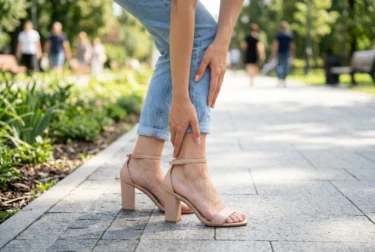
The ankle joint is greatly affected by high heels. High heels can cause shortening of calf muscles and stiffening of Achilles tendon (the tendon in the ankle that connects the calf muscle and heel bone) with regular usage3. This can affect natural movement and causes pain when regular footwear is worn. Constant pressure on the tendon can strain the tendon, causing inflammation and increasing the risk of injuries. Moreover, the continuous strain on the ankles, makes them more susceptible to arthritis4,5.
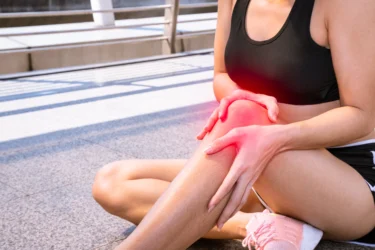
High heels can have a significant impact on the knees causing pain and discomfort along with changes in walking pattern. Walking with high heels can lead to excessive pressure and wearing of knee cartilage (the cushioning in our joints) and reduction in the inner joint space of knees. The change in knee alignment and increased strain on the knee joint with continuous use of heels can cause pain, stiffness, and increase the risk of knee osteoarthritis6.

High heels can cause constant strain on hip muscles leaving them in a contracted state causing pain and altered posture. Due to the changed walking patterns with heels, the range of motion at hip joint is reduced, causing a change in posture with forward shifting of pelvic bone. Constant use can lead to weakening of hip muscles causing discomfort and may affect balance7.

Heels can limit the natural motion of our feet, shifting the center of gravity forwards thereby causing postural changes for compensation that can lead to spinal discomfort. Wearing high heels may also compress the vertebrae, strain the back muscles, and lead to back pain8.
Discomfort caused by high heels tends to develop gradually, which is why many people overlook early warning signs. Mild pain or stiffness after wearing heels is often dismissed as normal especially when it subsides after rest. Women may at times bear the discomfort as a price for the aesthetic appeal they offer1. Over time however, repeated stress on the feet and joints can lead to persistent issues.
Another reason heel-related problems go unnoticed is that symptoms may not appear immediately while wearing the shoes. Pain, tightness, or numbness often become more noticeable after the heels are removed or when other footwear are worn, making it harder to link the discomfort directly to footwear. In addition, many people adapt their walking style subconsciously to stay balanced in heels, masking strain until it begins to interfere with daily activities.
Because these changes happen slowly, individuals may continue wearing heels despite ongoing stress on muscles, tendons, and joints, increasing the risk of long-term discomfort or injury.
Occasional discomfort after wearing high heels may be common, but persistent or worsening symptoms are not normal and should not be ignored. Continuing to wear heels despite ongoing pain can increase the risk of long-term foot and joint problems.
You should consider stopping heel use and seeking medical advice if you experience:
If these symptoms continue even after reducing heel use, it is advisable to consult an orthopaedic specialist or podiatrist. Early evaluation can help identify underlying issues such as tendon tightness, joint stress, or nerve involvement and prevent further complications.
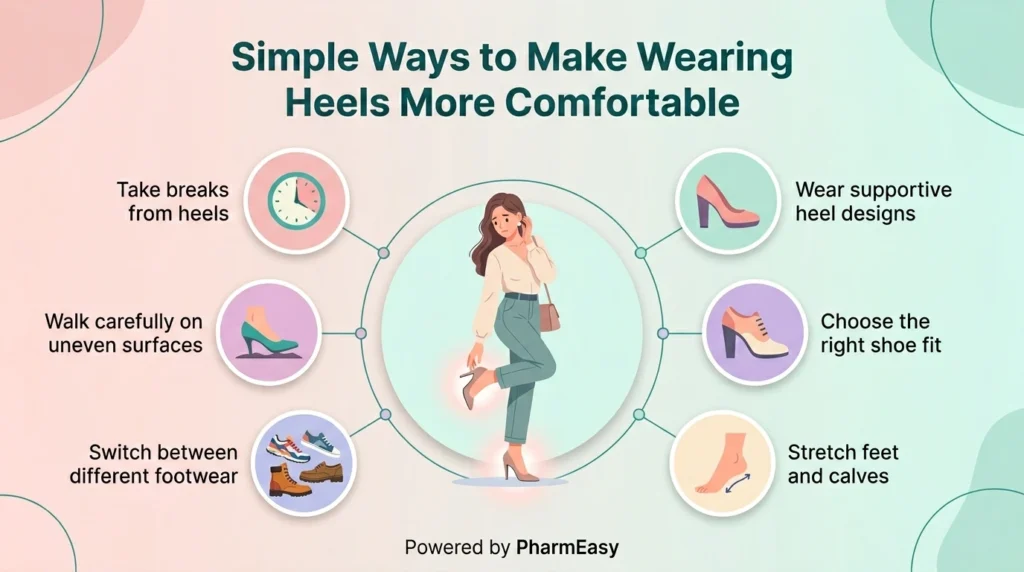
Wearing heels for extended periods places sustained pressure on the feet and joints. Taking breaks or switching to supportive footwear during the day allows muscles and tendons to relax and recover, reducing cumulative strain.
Heels with a wider base, cushioned insoles, and proper arch support offer better stability and distribute weight more evenly. Such designs can help reduce pressure on the forefoot and improve overall balance while walking. A heel height of about 3.5-4.5cm is generally considered appropriate to wear9.
Ill-fitting heels or narrow toe boxes can compress the toes and surrounding nerves. Selecting shoes that fit well and allow adequate toe movement can help minimise discomfort, numbness, and pressure-related pain.
Gentle stretching of the calves, ankles, and feet after wearing heels can relieve muscle tightness and improve flexibility. Regular stretching may also reduce stiffness when transitioning back to flat footwear.
Avoid wearing heels every day and alternate with comfortable shoes on consecutive days whenever possible. Rotating between heels and comfortable, supportive shoes helps distribute stress across different muscle groups and reduces overuse injuries.
Uneven or slippery surfaces can increase strain and affect balance while wearing heels. Choosing stable ground and slowing down while walking can help reduce the risk of falls and joint stress.
Also Read: Sprained Ankle: What Is It, Causes, Symptoms & More
While high heels can be a part of your wardrobe, wearing them daily may increase the risk of foot, joint, and back problems over time. Choosing supportive footwear for routine use and limiting heels to occasional wear can help reduce strain on the body and support long-term musculoskeletal health.
From a health perspective, a low heel height of about 2–4 cm (1–1.5 inches) is generally considered the safest. This height provides slight elevation without significantly altering posture or placing excessive stress on the feet, ankles, and spine. Extremely flat footwear and very high heels can both disrupt natural foot mechanics, so moderate elevation with good arch support is usually the most comfortable option for everyday wear.
Wearing heels does not permanently change body shape, but frequent use can influence posture and muscle balance over time. High heels push the pelvis forward, tighten the calf muscles, and increase the curve of the lower back. With prolonged and regular wear, these changes may affect walking patterns and muscle flexibility, although most effects are reversible when heel use is reduced.
High heels are often discouraged because they shift body weight forward, placing increased pressure on the forefoot and altering natural alignment. This can strain the ankles, knees, hips, and lower back. Long-term or daily use may increase the risk of foot pain, joint stress, tendon tightness, and posture-related discomfort, particularly in individuals with existing musculoskeletal issues.
After knee replacement surgery, wearing high heels is usually not recommended, especially in the early recovery phase. Heels can place extra stress on the knee joint and affect balance, increasing the risk of strain or injury. If heel use is considered later on, it should be limited to low, stable heels and only after clearance from an orthopaedic specialist or physiotherapist.
Pregnant women are generally advised to avoid wearing high heels. During pregnancy, changes in body weight, posture, and balance increase the risk of falls. Heels can further strain the lower back and feet, which are already under added stress. Comfortable, supportive footwear with a low heel and good grip is usually a safer choice throughout pregnancy.
Heels with a wider base, such as block heels or wedges, generally offer better stability than narrow stilettos. Shoes with cushioning, arch support, and ankle straps can also reduce strain. However, no heel is entirely risk-free if worn for long durations.
Yes, narrow or high heels can compress nerves in the forefoot due to increased pressure and restricted toe space. This may lead to symptoms such as tingling, numbness, or burning sensations, particularly after prolonged standing or walking.
Yes, discomfort due conditions such as flat feet, plantar fasciitis, or arthritis may worsen with continued heel use. Elevated heels can increase pressure on sensitive areas and aggravate pain, making supportive footwear a better option for individuals with known foot problems.
Occasional heel use is unlikely to cause lasting harm in individuals without existing foot or joint issues. Problems are more commonly associated with daily or prolonged wear. Allowing adequate recovery time between wearing heels helps reduce stress on muscles and joints.
Disclaimer: The information provided here is for educational/awareness purposes only and is not intended to be a substitute for medical treatment by a healthcare professional and should not be relied upon to diagnose or treat any medical condition. The reader should consult a registered medical practitioner to determine the appropriateness of the information and before consuming any medication. PharmEasy does not provide any guarantee or warranty (express or implied) regarding the accuracy, adequacy, completeness, legality, reliability or usefulness of the information; and disclaims any liability arising thereof.
Links and product recommendations in the information provided here are advertisements of third-party products available on the website. PharmEasy does not make any representation on the accuracy or suitability of such products/services. Advertisements do not influence the editorial decisions or content. The information in this blog is subject to change without notice. The authors and administrators reserve the right to modify, add, or remove content without notification. It is your responsibility to review this disclaimer regularly for any changes.
1