A head full of healthy, lustrous hair is what all of us desire as our crowning glory. The silky, cascading hair that we see in advertisements often makes us daydream about doing those celebrity-like hair flips. But achieving that dream comes with the challenge of constant maintenance. Moreover, hair loss makes this uphill task even more challenging. As a part of the natural hair growth cycle, it is normal to lose around 100 hair strands per day and in most cases, they grow back1. However, sometimes we may lose more hair than that and it doesn’t grow back, leading to visible hair loss.
Did you know?
Hair loss can occur due to a variety of reasons, such as:
Note: Always inform your doctor about any past allergies to medications.
Depending on the cause of hair loss and the individual’s hair type, people may experience different patterns of hair loss. Some common symptoms are as follows:
People all over the world are obsessed with their hair and hair treatments, leading to the development of various products for hair, ranging from hair oils, tonics, anti-dandruff shampoos, to serums, lotions, etc. With so many claims, it becomes tough to choose the right routine for your hair. Below are a few tried, tested, researched and easy home remedies for you to try, with easily available ingredients.
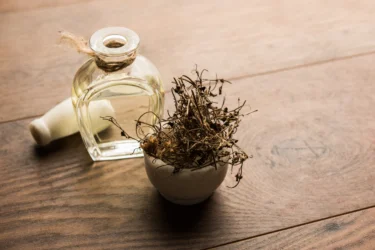
Bhringrajhas been used in Ayurveda for centuries. It promotes hair growth by enlarging the hair follicle. When the extracted juice is both consumed and applied to the scalp, it can lead to the darkening of hair. It helps reduce hair fall and stimulates hair growth, which is why it is commonly used in various over-the-counter herbal formulations, such as hair growth-promoting oils6.

Onion is known to contain the mineral zinc, which helps avoid dandruff. It also reduces scalp oil production, thus helping to control hair loss. Onion is beneficial for people suffering from patchy baldness. It can be rubbed onto the scalp until the area turns slightly red, followed by the application of honey2. Onion can also be squeezed and juiced along with some ginger and mixed with oils like (olive, castor, and aloe) before applying to the scalp3.

Onion and garlic belong to the same botanical family and contain similar compounds. The exact mechanism and efficacy of their action are not known, and more research is required. However, a few studies7 conducted on humans showed that garlic is effective for hair regrowth. Garlic can be used by crushing it and mixing it with yogurt before applying it to the scalp. Garlic oil can also be used for scalp application.

Capsicum contains bioactive compounds called capsaicin and isoflavone, which stimulate the production of growth hormones in the hair follicles, thus promoting hair growth2. We can use capsicum by smashing it, mixing it with olive oil and vinegar, and applying it to the scalp. This is believed to support hair growth.
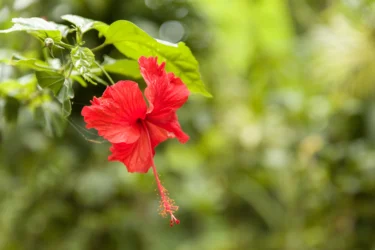
Hibiscus-containing formulations are being used to promote hair growth. In studies8, it was found that both hibiscus leaves and flowers possess hair growth-promoting properties. This effect is achieved due to the hair follicle enlarging the property of the hibiscus. The flower extract can be applied to hair by soaking it in warm water.
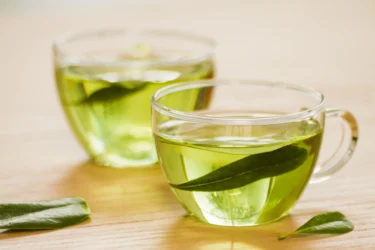
In animal studies9, it was found that green tea (Camila sinensis) helps reduce hair loss and promote hair regrowth. It is already used as a home remedy in some parts of the world for hair growth. The leaves can be soaked in warm water and then applied to the hair and scalp.

Amla, also known as Indian gooseberry, has been used for ages to obtain long and thick hair. Amla promotes the growth of hair by increasing the growth of skin cells in the scalp by improving the iron metabolism. Iron metabolism plays an important role in providing oxygen to the hair. As a result, amla is frequently used in various herbal formulations, ointments and oils.
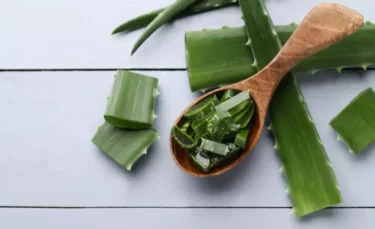
Aloe vera contains complex proteins that are similar to keratin, the protein that forms our hair. It is effective in strengthening the hair follicles, thus preventing hair loss and promoting hair growth. It is effective against dandruff and moisturizes hair too10. Therefore, aloe vera juice can be applied to the hair, left in, massaged, or sprayed on to work as a conditioner. Aloe vera oil can also be applied by mixing it with other oils.

Studies have not yet found the exact mechanism of action of banana, but it is seen that banana has hair growth-promoting properties. The unripe banana fruit has shown greater beneficial effects than the ripe fruit11. The fruit can be smashed, boiled for 10 minutes, and then mixed with olive oil before being applied to the hair. The banana peel can also be applied to the hair to promote hair growth.
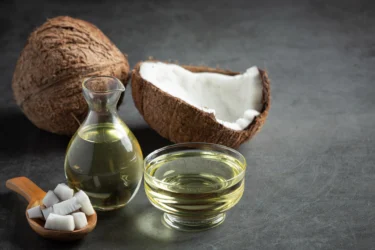
Applying coconut oil to hair is an age-old tradition in India. Coconut oil adds shine to the hair, acts as a conditioner, and helps prevent the loss of proteins. It also protects the hair from damage and promotes hair regrowth7. Coconut oil can be applied directly to the hair and massaged into the scalp.
One should avoid washing hair with hard water (from borewells etc), Long term use of hard water for washing hair is one of the causes of hair loss which can be prevented by using water low in mineral concentration for washing hair.
Dr. Nikhil Yadav, MBBS MD, CCEBDM
Also Read: Effective Home Remedies For Frizzy Hair
Here are a few signs to look out for. If you notice these, a doctor must be consulted.
If you’re facing any side effects from the given medications or treatments, do let your doctor know. Talk to your doctor about the use of topical hair growth serums depending on the root cause of your hairfall. Serums containing Redensyl and Procapil have shown effective results for some types of hair loss12. Results depend on the underlying cause of hair loss.
Also Read: Natural Home Remedies For Grey Hair
Hair plays a significant role in being a tool of confidence for many people. Preventing hair loss and promoting hair growth for obtaining healthy hair can be easily done using various home remedies. So, give these home remedies a try to regrow lost hair and achieve healthy, long, shiny, and thick hair.
Also Read: Home Remedies to Help Reduce Dandruff Naturally
Yes. On an average, we lose about 100 strands of hair daily, which regrow. If there is a loss of more hair than the regrowth, then it is referred to as hair loss1.
Yes. It is seen in studies7 that coconut oil may help in hair growth, prevent damage to hair and also acts as a conditioner.
Yes. Capsicum has compounds which promote the growth of hair. It can be smashed and mixed with oil and applied to the scalp.
Yes. Regrowth of hair is seen on application of garlic to the scalp in patients with alopecia. It can be smashed and mixed with yoghurt to be applied to the scalp.
Disclaimer: The information provided here is for educational/awareness purposes only and is not intended to be a substitute for medical treatment by a healthcare professional and should not be relied upon to diagnose or treat any medical condition. The reader should consult a registered medical practitioner to determine the appropriateness of the information and before consuming any medication. PharmEasy does not provide any guarantee or warranty (express or implied) regarding the accuracy, adequacy, completeness, legality, reliability, or usefulness
 31
31  5
5Do you feel like a balloon in your stomach? This is because you have the issue of stomach bloating! And if you are looking for some home remedies to help with your bloating, then yes, you have visited the right place. Bloating is a condition that causes the abdomen to feel tight and full, as well as the stomach to appear swollen1. The feeling of bloating can range from slightly uncomfortable to extremely painful. It usually goes away in some time, but it can be a recurring issue for some people2.
Excessive intestinal gas is the most common cause of bloating2. Other common causes of bloating include the following:
Bloating can sometimes be caused by more serious medical conditions that include:
It might be a serious problem if your bloating is accompanied by abdominal pain, cramps, nausea or vomiting. Persistent bloating that doesn’t improve with lifestyle changes, such as eating smaller meals or avoiding certain foods, may also point to a more serious issue.
Dr Ashish Bajaj, M.B.B.S M.D. in Clinical Pharmacology and Toxicology
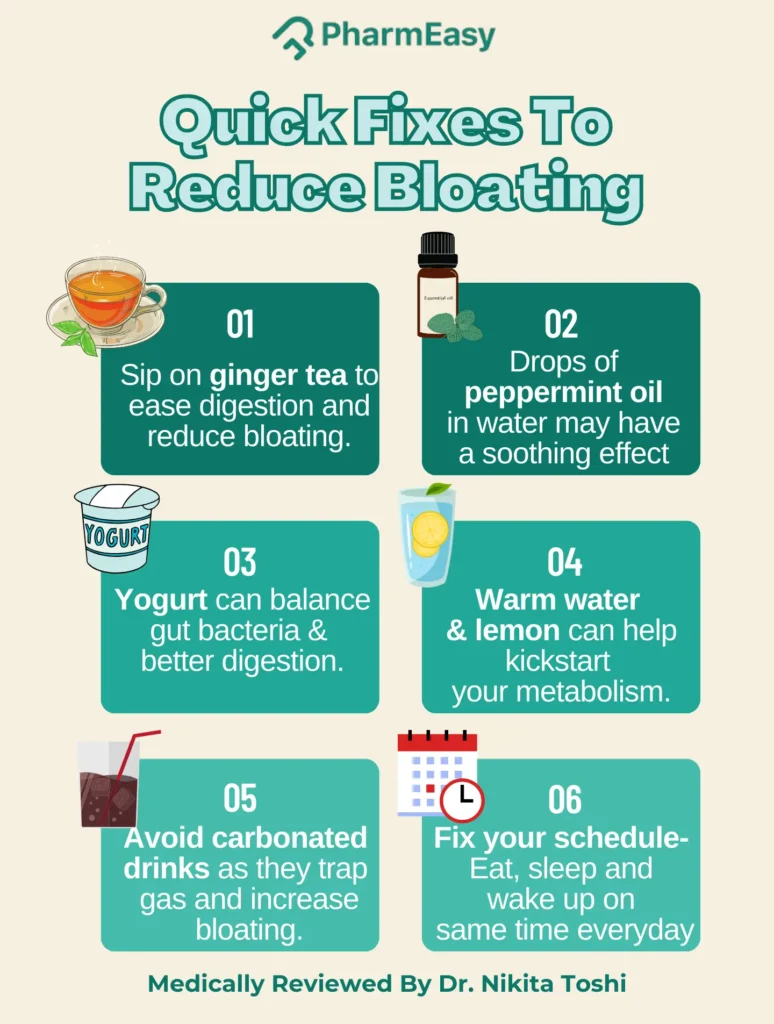
The following are some of the home remedies that may help you relieve bloating:

Herbal teas may aid in digestion and relieve gas. Some of the herbal teas that might benefit you for bloating are chamomile, peppermint, turmeric, ginger, and fennel tea. Dandelion tea may help to relieve water retention, thereby reducing bloating2.
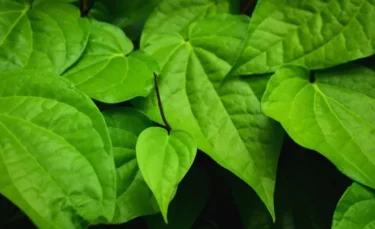
According to Ayurveda, pan is a post-meal digestive stimulant4. You can chew betel leaves after meals; this can help with digestion. It may stimulate the secretion of digestive juices, relieve constipation and aid in reducing stomach bloating5.
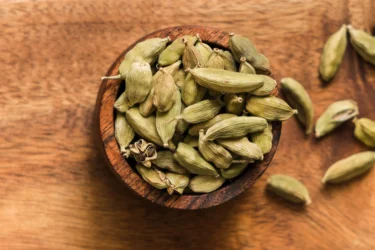
Traditionally, cardamom was used as a stomachic (helps digestion and promotes appetite), anti-flatulent (prevents gas accumulation) and for managing indigestion6. You can take some cardamom, shunti (dry ginger), and rock salt and make a fine powder of it. You can take this with warm water. This might be helpful in bloating and indigestion5.
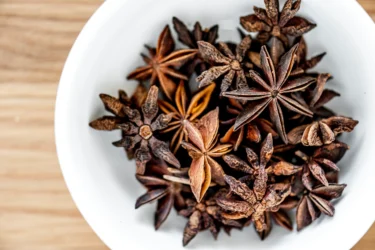
The star anise fruit acts as a carminative (to relieve gas from the intestine) and is used for indigestion and to relieve bloating7. You can take some anise powder and mix it with honey. It helps with digestive issues like bloating, flatulence, stomach pain, and colic (abdomen pain)5. The fruits of this tree are also used for making tea and might be helpful in stomach bloating and indigestion.

Ginger is an essential dietary agent that has carminative properties. It has been used for a long time to manage digestive issues like bloating, constipation, indigestion, discomfort, etc8. You can prepare ginger tea by adding ginger to the water and boiling it. This may help manage stomach bloating.
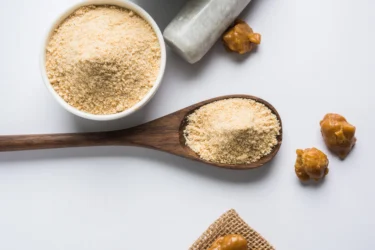
Hing is a popular ingredient in several foods. Its health benefits are that it helps to reduce bloating, menstrual pain, and indigestion9. You can take warm water with some hing in it. This may help with bloating.
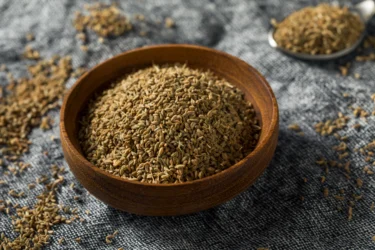
In Iran, ajwain has been used as an herbal remedy for a variety of gastrointestinal conditions, including bloating. It also has anti-inflammatory properties that also might be beneficial for bloating10. You can chew some ajwain seeds. You can also boil some ajwain in water, allow it to cool and then drink it.
Also Read: Natural Home Remedies For Constipation By Dr. Siddharth Gupta
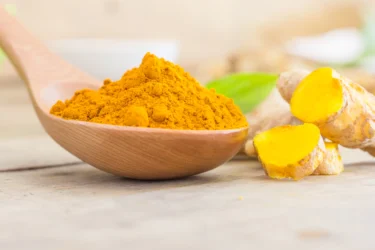
Turmeric is considered one of nature’s most potent healing agents. It acts as a digestive stimulant as well as a carminative. It is added to a variety of dishes to improve digestion and reduce gas and bloating. You can take turmeric as a dry powder mixed in plain water or buttermilk, which is highly beneficial for stomach issues11.
It is essential to educate patients on the benign course of this disorder, to establish long-term care and expectations for treatment. If red flag signs like unintentional weight loss, persistent vomiting, or dysphagia are present, further evaluation is recommended.
Dr. M.G. Kartheeka, MBBS MD(Pediatrics)
For more tips to reduce bloating CLICK HERE
Also Read: Natural Home Remedies for Loose Motion
Seek medical help if your stomach bloating:
You must also seek medical help if you notice other symptoms along with bloating, like:
Also Read: Natural Laxatives: Your Guide to Safe and Effective Remedies for Constipation
Bloating is a common experience and a very unpleasant feeling. However, it can be managed using some of the above-mentioned tips that may help to prevent stomach bloating from worsening. Additionally, home remedies such as herbal teas, elaichi, pan, star anise, ginger, hing, ajwain, and turmeric may be beneficial in reducing bloating. However, if the bloating persists for more than a week and you have other symptoms, which are worsening your condition, then in such cases, you must consult your doctor.
Also Read: 5 Instant Home Remedies For Gastric Problem
Yes, turmeric is an excellent healing agent and acts as a carminative and digestive stimulant. You can mix turmeric powder in plain water or buttermilk; this helps manage bloating11.
If you have been experiencing stomach bloating for more than a week, you must seek medical help2. There could be some condition that is causing the bloating. Your doctor will examine you properly and will suggest you the treatment accordingly.
Yes, herbal teas may help you to get rid of bloating. Herbal tea includes chamomile, peppermint, turmeric, ginger, and fennel. Even dandelion tea may help relieve bloating caused by water retention2.
Yes, ajwain has been used as a herbal remedy for various gastrointestinal conditions, including bloating. It has anti-inflammatory properties as well10. You can chew some ajwain seeds and boil some ajwain in water, allow it to cool and then drink it.
Yes, hing has several health benefits and also helps in reducing bloating9. You can mix some hing in warm water and drink it. This could help you manage your bloating problem.
1. Abdominal bloating. [Internet]. MedlinePlus National Library of Medicine. 2022. Available from: https://medlineplus.gov/ency/article/003123.htm
2. Bloated Stomach [Internet]. Cleveland Clinic. 2021. p. 1–13. Available from: https://my.clevelandclinic.org/health/symptoms/21740-bloated-stomach
3. Bloating [Internet]. American Academy of Family Physicians. 2021. p. 1–4. Available from: https://familydoctor.org/condition/bloating/
4. Toprani R, Patel D. Betel leaf: Revisiting the benefits of an ancient Indian herb. South Asian J Cancer. 2013 Jul-Sep;2(3):140–141. doi: 10.4103/2278-330X.114120. PMCID: PMC3892533. PMID: 24455591. Available from: https://pmc.ncbi.nlm.nih.gov/articles/PMC3892533/
5. AYUSH. Ayurveda Offering Herbal Healing [Internet]. 1–128 p. Available from: https://agritech.tnau.ac.in/horticulture/pdf/Aayush_AyurvedaOffering_HerbalHealing.pdf
6. Sengottuvelu S. Cardamom (Elettaria cardamomum Linn: Maton) Seeds in Health [Internet]. Nuts and Seeds in Health and Disease Prevention. Elsevier Inc.; 2011. 285–291 p. Available from: https://www.researchgate.net/publication/286335251_Cardamom_Elettaria_cardamomum_Linn_Maton_Seeds_in_Health
7. Gonzalez-Stuart AE, McCallum RW. Medicinal Plants Used for Digestive Disorders- What the Gastroenterologist Needs to Know. Pract Gastroenterol [Internet]. 2015;39(9):12–25. Available from: https://practicalgastro.com/wp-content/uploads/2019/11/Medicinal-Plants-for-Digestive-Disorders-What-Gastroenterologist-Needs-to-Know.pdf
8. Nikkhah Bodagh M, Maleki I, Hekmatdoost A. Ginger in gastrointestinal disorders: A systematic review of clinical trials. Food Sci Nutr [Internet]. 2019 Jan 1 [cited 2022 Mar 25];7(1):96. Available from: https://www.ncbi.nlm.nih.gov/pmc/articles/PMC6341159/
9. Shahrajabian MH, Sun W, Cheng Q. Asafoetida, Natural Medicine for Future. Curr Nutr Food Sci [Internet]. 2021;17(9):922–6. Available from: https://www.ingentaconnect.com/content/ben/cnf/2021/00000017/00000009/art00005
10. Yazdian M, Agah S, Minaii B, Ansari R, Hosseini H, Vazifekhah S, et al. Evaluation of Efficacy of Carum Copticum on Gaseous Symptoms in Patients With Abdominal Bloating. Int J Biosci [Internet]. 2014;5(9):372–8. Available from: https://www.cabidigitallibrary.org/doi/full/10.5555/20153063575
11. Bhowmik D, Chiranjib, Kumar KPS, Chandira M, B. Jayakar. Turmeric: A Herbal and Traditional Medicine. Sch Res Libr [Internet]. 2009;1(2):86–108. Available from: https://www.researchgate.net/profile/Debjit-Bhowmik-3/publication/268268687_Turmeric_A_Herbal_and_Traditional_Medicine/links/5552dedf08aeaaff3bf001f1/Turmeric-A-Herbal-and-Traditional-Medicine.pdf
Disclaimer: The information provided here is for educational/awareness purposes only and is not intended to be a substitute for medical treatment by a healthcare professional and should not be relied upon to diagnose or treat any medical condition. The reader should consult a registered medical practitioner to determine the appropriateness of the information and before consuming any medication. PharmEasy does not provide any guarantee or warranty (express or implied) regarding the accuracy, adequacy, completeness, legality, reliability or usefulness of the information; and disclaims any liability arising thereof.
Links and product recommendations in the information provided here are advertisements of third-party products available on the website. PharmEasy does not make any representation on the accuracy or suitability of such products/services. Advertisements do not influence the editorial decisions or content. The information in this blog is subject to change without notice. The authors and administrators reserve the right to modify, add, or remove content without notification. It is your responsibility to review this disclaimer regularly for any changes.
4
1Burning feet, a common complaint from your grandparents or even parents, should not be ignored. While it may seem harmless, it may be due to an underlying medical condition. It is referred to as burning feet syndrome or Gierson-Gopalan Syndrome. Although it is a common complaint, historically it has received very little medical attention1.
Characterised by heaviness and a burning sensation in the legs, it can be due to various unrelated medical conditions. The heat and pain felt may not only be restricted to the soles of the feet, but may also involve the top of the feet, ankles, and even the lower leg.
A wide range of conditions can be responsible for burning feet syndrome, such as:
The following are a few symptoms experienced along with burning feet:
As burning of feet can be due to various factors, treating the underlying cause is the preferred course of action. A few home remedies can help you ease the pain and discomfort. They are as follows:
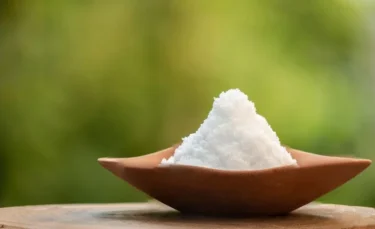
Epsom salt is a natural source of magnesium sulfate2. It is commonly used by people when taking foot baths. We can make use of it by adding some Epsom salt to water and soaking your feet in it for a few minutes each day.
Note: The use of Epsom salt increases the risk of damage to feet in patients with diabetes. Therefore, please check with your doctor before using it if you have diabetes.

Soaking your feet in cold water provides temporary relief from the pain and burning sensation. In addition to soaking feet in cold water, drinking a lot of water is helpful too.

Ginger has various medicinal properties and is used widely in Ayurveda. Ginger extract is soluble in water and oil, and when applied to the skin, it is readily absorbed. Ginger has anti-inflammatory properties, and this might be the reason for its pain-relieving effects. It may be used for the treatment of burning feet as well, owing to this anti-inflammatory property3.
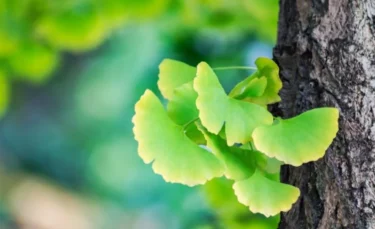
Gingko is an herb, and it has protective properties towards the nerves. It was found to be effective in treating conditions like dementia and focal cerebral ischemia (decreased blood flow to parts of the brain). This nerve-protecting action of Ginkgo is due to its anti-inflammatory, antioxidant and certain enzyme inhibiting properties. It can help with burning feet, associated with damage to peripheral nerves4.
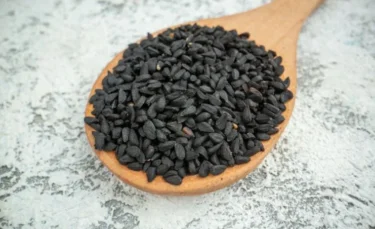
One of the reasons for the occurrence of burning feet is diabetes; black cumin is found to decrease blood sugar. It also increases the availability of insulin. This effect is extremely beneficial for the nerves in the feet. In animal studies, black cumin was also found to reduce pain, however, further research in humans is required to prove this4.
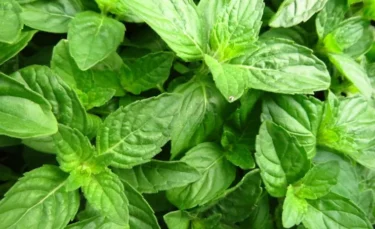
The scientific name of holy basil is Ocimum sanctum. It has been used in India for a long time to treat many diseases. In a study, it was found that Tulsi is effective in reducing pain in the legs caused by sciatica. It is also effective in reducing pain caused due to peripheral nerve damage, which is a common cause of burning feet4.

Commonly known as bitter apple, Citrullus colocynthis, is used to relieve pain. It has pain-relieving and anti-inflammatory properties. In various studies, it was found that bitter apple is effective in relieving pain in painful diabetic polyneuropathy (PDPN; nerve damage due to diabetes). When bitter apple was applied to the area, it offered pain relief4.
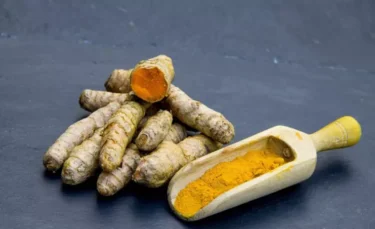
Turmeric has properties which are helpful against inflammation (anti-inflammatory), infections (antibiotic) and neutralises free radicals present (antioxidant). This is due to the presence of a bioactive compound called curcumin in turmeric. Studies have shown that it is effective against diseases of the nerves and neurons and also prevents their development4. We can use it by making a thick paste and applying it as a pack, and by including it in our diet.
Also Read: Why Do My Feet Sweat So Much: Understanding the Causes and Solutions
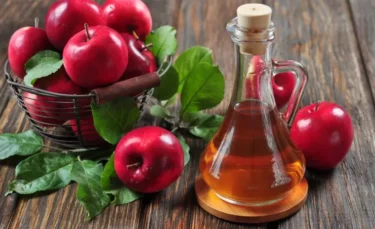
Adding apple cider vinegar to warm water and soaking our feet in it is said to provide relief from burning feet. There is no scientific evidence backing it, but it has been widely used by people around the world.
Also Read: Natural Home Remedies for Swollen Legs
As burning feet may be an indicator of a serious disease, kindly seek immediate medical attention if the burning, redness or numbness in the feet does not subside with self-care methods and home remedies. A doctor can run some tests to diagnose the condition and devise a treatment plan for you.
Also Read: Best Home Remedies for Uric Acid By Dr. Siddharth Gupta
Burning feet may be experienced due to various conditions. Whatever the cause may be, the pain and discomfort can be relieved by the use of a few home remedies. However, the underlying cause must be determined and treated. Self-care is the key to relieving burning feet on a daily basis.
Also Read: Simple Home Remedies for Tongue Ulcers
No, the burning caused due to burning feet syndrome cannot be relieved by the use of a moisturiser.
Burning feet due to burning feet syndrome is not reported to be caused due to hot weather. It is mainly caused due to the damage of the nerves in the peripheral region (peripheral neuropathy), closer to the skin, as seen in various conditions like diabetes, compression of nerves in tarsal tunnel syndrome etc1.
Ginger has anti-inflammatory properties and provides pain relief. In various studies, it was found that ginger can be applied to relieve muscle pain; therefore, it might be useful in healing burning feet3.
Yes. Black cumin, also called kalonji, reduces blood sugar, and diabetes is one of the causes of burning feet. Thus, kalonji can be used to treat burning feet syndrome4.
No, there are no reports of the occurrence of burning feet due to cataract.
Disclaimer: The information provided here is for educational/awareness purposes only and is not intended to be a substitute for medical treatment by a healthcare professional and should not be relied upon to diagnose or treat any medical condition. The reader should consult a registered medical practitioner to determine the appropriateness of the information and before consuming any medication. PharmEasy does not provide any guarantee or warranty (express or implied) regarding the accuracy, adequacy, completeness, legality, reliability or usefulness of the information; and disclaims any liability arising thereof.
77
4If you suffer from the need to scratch or pick at your eyes, you are not alone. Having itchy eyes is a very common problem. The scientific name for itchy eyes is ocular pruritis. Itchy eyes are a common problem, usually caused by some allergy or dry eye syndrome. You can also have itchy eyelids, usually at the base of eyelashes, and swollen eyes or eyelids1. Knowing the cause of the itchy eyes will help you utilise the most effective remedy. For example, if your itchy eye is due to an allergy, getting rid of the trigger causing the allergic response will be the most effective way to manage the itchy eye2.
Allergy is the most common cause of itchy eyes. An allergy can be triggered by pollen, animal fur, dust, mites, makeup, or eyedrops. Some of the specific causes of itchy eyes are:
While washing eyes with cold water is soothing, it shouldn’t be done excessively. It could induce eye dryness and further discomfort. Twice or thrice a day is fine.
Dr. Gitanjali Sharma Bose, MBBS, MS Ophthalmology
Apart from the itchy feeling, itchy eyes can cause other symptoms like:
You can relieve yourself of itchy eyes by following these home remedies. Home remedies for itchy eyes are given as follows:

You can make a paste of Aparajita flowers with milk. Applying this paste over the closed eyes helps relieve conjunctivitis. Conjunctivitis is a common cause of itchy eyes. Aparajita has anti-inflammatory properties, which help reduce inflammation and swelling3,4.
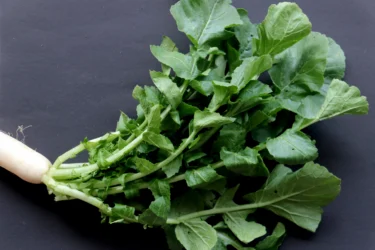
You can use fresh leaves of radish to make juice. Consuming this juice is considered good for eye health. It helps by relieving the burning sensation and itching in the eyes4.
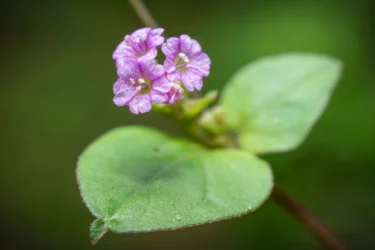
The leaves of Punarnava can be used to make a fine paste. You can apply this paste over closed eyes. It gives a cooling sensation to the eyes, which might improve eye irritation and itching. Punarava is effective in managing eye diseases. Punarnava leaves juice can also be used topically for the eyes to manage diseases like conjunctivitis that might cause itchiness4,5.
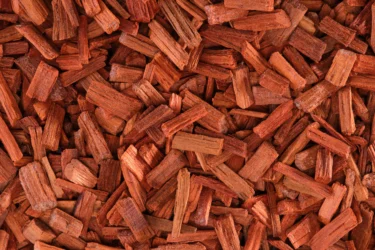
Sandalwood has anti-inflammatory (swelling-reducing) activity. It also helps in dealing with eye infections that might cause itchy eyes. You can use sandalwood to make a decoction. Cool this decoction and use it to wash your eyes4,6.
Over the counter eye drops for itchy eyes are notorious for having steroids. Some allergic eye conditions tend to recur every year, especially during March- April. It is a form of conjunctivitis and is best to consult your eye doctor for the same and not use over these counter remedies.
Dr. Gitanjali Sharma Bose, MBBS, MS Ophthalmology

When dealing with a mild case of allergic itching, you can use a cold cloth or a cold compress over the eyes to ease the discomfort of itching. You can also try splashing your eyes with cold water1.

If your eye itching is due to some particles or dust in your eyes, you can remove it from your eyes by using warm water or saline solution1.

To get relief from itchy eyes, you can follow these protective measures to avoid exposure of eyes to external particles:
You can reach out to a doctor or healthcare provider if you experience:
Also Read: 8 Home Remedies For Seasonal Allergies
Itchy eyes are a common condition, which mainly occurs due to allergic reactions, and sometimes due to dry eye syndrome. Getting rid of the allergen that causes eye itchiness is the best way to relieve itchy eyes. However, for this, you can get help from a doctor. In this case, you can consult your doctor for a treatment plan that works best for you. Using a cold compress and washing the eyes with cold water are some simple yet effective home remedies to relieve itchy eyes. You can also use herbal remedies like sandalwood and radish leaves.
If the home remedies don’t work and your symptoms don’t get better, you need to contact your healthcare provider.
There are many effective remedies to manage itchy eyes at home. You can try a cold compress with an ice pack or damp cloth to ease the discomfort of itching. You can splash your eyes with cold water to get rid of itchy eyes. Some herbal remedies include using Chandan (sandalwood), radish leaves, aparajita (Clitoria) leaves, and punarnava leaves, which can be used to relieve the symptoms of an itchy eye1,3,6.
You can try avoiding things that can irritate the eyes, such as dry air, pollen, wind, chemicals, cigarette smoke, dust, and strong smells. Avoiding these things might help prevent itchy eyes in the future. If your itchy eye is due to an allergen, avoiding the trigger might also help prevent itchiness in the eye. For this, you can get in touch with a doctor to get an assessment1.
Allergy is the most common cause of eye itchiness. Many people are allergic to environmental factors like dust, pollen, animal fur, or dust mites. You can consult a doctor to get the assessment1.
Eye itchiness is a common problem that mostly occurs due to certain allergies. Getting rid of the allergen can help you deal with eye itchiness. However, if your itchy eyes do not improve, or you experience symptoms like pain, difficulty keeping your eyes open, blurred vision, swollen eyes, and pain when facing light, you should visit a doctor and get medical help1.
Some people might experience reactions to certain anti-allergy medications and develop itchy eyes1. If you feel like your medication is giving you an itchy eye, contact your healthcare provider as they will be able to guide you about the next course of action.
1. Itchy eyes – causes, treatment and self-help. health direct [Internet]. [cited 2022 Apr 28]. Available from: https://www.healthdirect.gov.au/itchy-eyes
2. Why Are My Eyes Itchy? Answers From an Expert. Johns Hopkins Medicine [Internet]. [cited 2022 Apr 28]. Available from: https://www.hopkinsmedicine.org/health/wellness-and-prevention/why-are-my-eyes-itchy-answers-from-an-expert
3. Oguis GK, Gilding EK, Jackson MA, Craik DJ. Butterfly Pea (Clitoria ternatea), a Cyclotide-Bearing Plant With Applications in Agriculture and Medicine. Frontiers in Plant Science [Internet]. 2019 May 31 [cited 2022 Apr 28];10. Available from: https://pubmed.ncbi.nlm.nih.gov/31191573/#:~:text=The%20perennial%20leguminous%20herb%20Clitoria,source%20of%20an%20eco%2Dfriendly
4. Ayush Division. Ayurveda offering Herbal healing. Available from: https://esic.gov.in/attachments/publicationfile/7d11b02e5abb4717d53b4ce05efabd21.pdf
5. Bhowmik D, Sampath Kumar KP, Srivastava S, Paswan S, Sankar A, Dutta D. Traditional Indian Herbs Punarnava and Its Medicinal Importance. Journal of Pharmacognosy and Phytochemistry [Internet]. 2012;1(1). Available from: https://www.researchgate.net/publication/285176083_Traditional_Indian_Herbs_Punarnava_and_Its_Medicinal_Importance
6. Choudhary S, Chaudhary G. Sandalwood (Santalum Album): Ancient Tree With Significant Medicinal Benefits. International Journal of Ayurveda and Pharma Research [Internet]. 2021;9(4). Available from: https://ijapr.in/index.php/ijapr/article/view/1895
Disclaimer: The information provided here is for educational/awareness purposes only and is not intended to be a substitute for medical treatment by a healthcare professional and should not be relied upon to diagnose or treat any medical condition. The reader should consult a registered medical practitioner to determine the appropriateness of the information and before consuming any medication. PharmEasy does not provide any guarantee or warranty (express or implied) regarding the accuracy, adequacy, completeness, legality, reliability or usefulness of the information; and disclaims any liability arising thereof.
Links and product recommendations in the information provided here are advertisements of third-party products available on the website. PharmEasy does not make any representation on the accuracy or suitability of such products/services. Advertisements do not influence the editorial decisions or content. The information in this blog is subject to change without notice. The authors and administrators reserve the right to modify, add, or remove content without notification. It is your responsibility to review this disclaimer regularly for any changes.
2
2Mouth ulcers can sometimes occur on your tongue and give you tongue ulcers. These ulcers are usually red or yellow in colour and can be quite painful to live with. Tongue ulcers are quite common and usually go away on their own within a week or two. Tongue ulcers are not usually signs of serious health conditions, but are uncomfortable1,2. People with tongue ulcers find it difficult to eat and drink anything.
The exact cause of tongue ulcers is unknown, but some factors may contribute to the development of these ulcers, including:
If you have tongue ulcers, you might experience
Tongue ulcers are a common condition but can cause immense discomfort on a day-to-day basis. However, you can try these home remedies to control them and ease the discomfort.
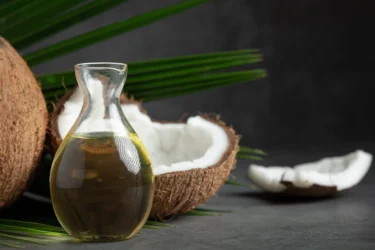
You can apply coconut oil to tongue ulcers. Coconut oil, when applied to the affected area, forms a protective barrier on the ulcer. It is highly effective as it speeds up the healing process of damaged tissues. It is also effective against the bacteria that cause ulcers3. You can put coconut oil directly on the affected area to rapidly get rid of the tongue ulcer.
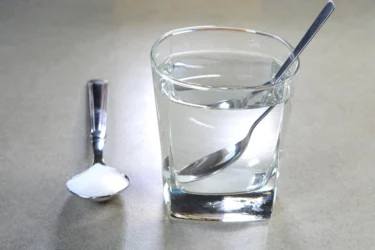
Frequently rinsing your mouth with warm salt water aids in healing ulcers1. You can mix some salt in warm water and use it as a rinse.

Honey is known to possess wound-healing benefits. It speeds up the healing process and can be used as an effective agent for the treatment of ulcers. Honey is non-irritant, readily available, and an easy-to-use remedy for ulcers4. To use honey, you can rub some honey directly on the affected area a few times a day. In addition, you can sip on honey by adding it to a cup of tea.

Chamomile can be used as a local application to treat bacterial diseases of the mouth. Chamomile reduces the healing time of ulcers induced by stress5. To use chamomile, you can brew chamomile tea and use it as a mouth rinse. You can also drink chamomile tea with honey to double the benefits.
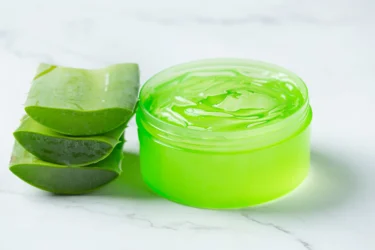
Aloe vera gel is known to promote healing in damaged tissues and accelerate the healing process6. You can apply aloe vera gel on the tongue ulcer to hasten its healing. You can also drink aloe vera juice to help treat the ulcer.
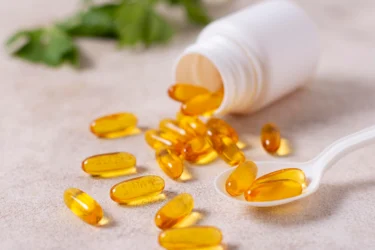
Ulcers on the tongue can also form as a result of a deficiency of certain minerals and vitamins. Taking those vitamins and minerals as dietary supplements may help with tongue ulcers. For example, supplementing with vitamin B12 and iron might help with oral ulcers1.

You can manage your ulcers on your own by avoiding triggers that cause ulcers. For example, eating spicy, acidic or rough foods, drinking very hot or acidic drinks, using toothpaste that contains sodium lauryl sulfate, and eating chewing gum should be avoided. It will benefit the ulcer by providing benefits like
Also Read: Natural Home Remedies for Leg Pain
Tongue ulcers can affect anyone. However, you should seek medical help from your doctor if you have:
Also Read: Easy Home Remedies for Wart Removal
Tongue ulcers are simply painful sores that form on the tongue. Tongue ulcers are usually red or yellow in colour. These ulcers are common, heal on their own, and usually do not indicate anything serious. You can use some household substances like honey, aloe vera, and coconut oil to get relief and to hasten the healing. Tongue ulcers don’t usually require medical intervention. Still, if you have symptoms such as fever, diarrhoea, very large ulcers, ulcers spreading to other parts of your mouth or ulcers lasting more than 3 weeks, you should contact your doctor.
Also Read: Natural Home Remedies For Stomach Ulcers
No, tongue ulcers by themselves do not generally indicate anything serious. Tongue ulcers are common and self-healing. However, if you have tongue ulcers that last longer than three weeks, new ulcers appearing before the old ones heal, fever, diarrhoea, pain that does not go away with medication, ulcers spreading to other parts of your mouth, or abnormally large ulcers, you should contact your doctor because it could be a sign of something more serious.
There is no known way to completely prevent ulcers. However, you can reduce your risks by eating a rich and healthy diet (fruits and vegetables), using a soft-bristle toothbrush to avoid tissue injury, brushing your teeth twice daily to maintain oral hygiene, and visiting the dentist for cleaning and checkups.
Yes, rinsing the mouth with warm saltwater might help improve the tongue ulcers by acting as a healing aid.
Yes, you can apply coconut oil to tongue ulcers. Applying coconut oil creates a protective barrier, accelerates healing, and fights bacteria causing ulcers. Coconut can be applied directly to the affected area.
If your tongue ulcer does not heal within three weeks, you should consult your doctor.
You can apply honey directly to the affected area. Honey is effective in managing ulcers as it speeds up the healing process.
1. Mouth ulcers [Internet]. nhs.uk. 2022 [cited 4 May 2022]. Available from: https://www.nhs.uk/conditions/mouth-ulcers/
2. Institute for Quality and Efficiency in Health Care (IQWiG). Overview: Canker sores (mouth ulcers) [Internet]. Cologne (Germany): InformedHealth.org; 2006– [updated 2022 Oct 17; cited 2025 May 16]. Available from: https://www.ncbi.nlm.nih.gov/books/NBK546250/
3. Vala GS, Kapadiya PK. Medicinal Benefits of Coconut Oil. International Journal of Life Sciences Research. 2014;2(4):124–6. [Internet]. 2022 [cited 4 May 2022]. Available from: https://www.researchgate.net/publication/268805677_Medicinal_benefit_of_coconut_oil
4. Ylmaz N, Nlsbet Ö, Nlsbet C, Ceylan G, Hoşgör F, Dede ÖD. Biochemical Evaluation Of The Therapeutic Effectiveness Of Honey In Oral Mucosal Ulcers. Bosnian Journal of Basic Medical Sciences [Internet]. 2009 [cited 2022 Apr 25];9(4):290. Available from: https://pubmed.ncbi.nlm.nih.gov/20001994/
5. McKay DL, Blumberg JB. A review of the bioactivity and potential health benefits of chamomile tea (Matricaria recutita L.). Phytother Res [Internet]. 2006 Jul [cited 2022 Apr 25];20(7):519–30. Available from: https://pubmed.ncbi.nlm.nih.gov/16628544/
6. de Freitas Cuba L, Braga Filho A, Cherubini K, Salum FG, Figueiredo MAZ de. Topical application of Aloe vera and vitamin E on induced ulcers on the tongue of rats subjected to radiation: clinical and histological evaluation. Supportive Care in Cancer 2015 24:6 [Internet]. 2015 Dec 23 [cited 2022 Apr 25];24(6):2557–64. Available from: https://link.springer.com/article/10.1007/s00520-015-3048-3
Disclaimer: The information provided here is for educational/awareness purposes only and is not intended to be a substitute for medical treatment by a healthcare professional and should not be relied upon to diagnose or treat any medical condition. The reader should consult a registered medical practitioner to determine the appropriateness of the information and before consuming any medication. PharmEasy does not provide any guarantee or warranty (express or implied) regarding the accuracy, adequacy, completeness, legality, reliability or usefulness of the information; and disclaims any liability arising thereof.
24
Itchy skin, also referred to as pruritus, is a common experience that may occur across all age groups. It is typically described as an uncomfortable sensation that creates the urge to scratch. This sensation can be localised to a specific area or felt more broadly across the body.
Itchy skin is not usually a severe problem. It is generally self-manageable and subsides within a few weeks. However, if your skin becomes itchy, a rash may develop. You may experience severe itching even without any rash or any other symptoms.
Persistent scratching may compromise the skin’s natural barrier, which plays a vital role in protecting the body from external elements. As a result, the skin may become more vulnerable to environmental irritants. Ongoing itching may also contribute to discomfort during daily activities and may even affect rest or sleep1.
Itchy skin due to food allergies can be a medical emergency and the presentation can range from mild to severe. These symptoms may include sneezing, itchy eyes, swelling, rash, hives, stomach cramps, nausea, vomiting, and difficulty in breathing. Seek immediate medical care when you observe these symptoms.
Dr Ashish Bajaj, M.B.B.S, M.D. in Clinical Pharmacology and Toxicology
Itching is usually caused by histamine in the body, which is a chemical substance released in the body during immune reactions1,2. Histamine may cause symptoms of redness and itching which can be associated with skin damage, dryness, rashes, and insect bites.
Itchy skin can be caused by various factors, including1,3:
In addition to the persistent urge to scratch, itchy skin may sometimes be accompanied by other visible signs. These can include:
In certain environments, such as ponds or lakes, some individuals may experience what is commonly referred to as swimmer’s itch. This reaction may occur due to exposure to microscopic organisms in natural water sources, which can lead to mild skin irritation in some cases. It may present as tiny red spots or occasionally with raised areas on the skin.
Itchy skin is usually not a severe problem, and you may be able manage it with some home-based care.

Seasonal changes are often associated with increased skin dryness, which may contribute to the sensation of itchiness in some individuals. Maintaining skin hydration with the regular use of a suitable moisturiser may help support the skin’s natural moisture balance2,3.
Applying moisturiser after a lukewarm shower, ideally within 3 to 5 minutes, may help retain moisture by forming a protective barrier. When selecting a moisturiser, formulations that include ceramides may be beneficial, as ceramides are known to support the skin’s barrier function and help minimise moisture loss.

Using a cold compress, such as a chilled, damp cloth or an ice pack wrapped in a towel, may provide a soothing sensation to areas of skin discomfort3,4. The cooling effect may help reduce the urge to scratch and support overall skin comfort, especially when applied gently to affected areas.
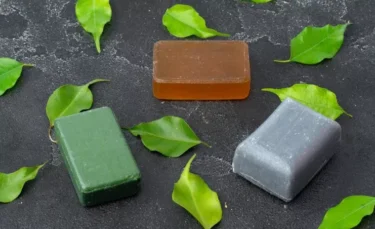
Frequent use of certain soaps and detergents may expose the skin to ingredients that can be harsh or drying. Opting for milder, fragrance-free products may help reduce the likelihood of skin discomfort. Choosing gentler formulations may support the skin’s natural balance and enhance overall comfort5.

Avoid using fabrics like wool and synthetics, as these materials can make your skin itchy6. Opting for cotton clothes and cotton bed sheets will help reduce the symptoms of itchy skin.
Research10 findings suggest that colloidal oat extracts demonstrate direct anti-oxidant and anti-inflammatory activities, which may help explain their supportive role in providing their dermatological benefits when using topical formulations such as colloidal oatmeal skin protectant lotion.
Dr. M.G. Kartheeka, MBBS, MD(Pediatrics)
A well-balanced diet plays an important role in supporting skin health. Some studies11 suggest that low levels of certain nutrients, such as vitamin A, may be associated with skin dryness or discomfort. Foods naturally rich in vitamin A include sweet potatoes, leafy greens, and tomatoes. Topical formulations containing vitamin A derivatives (such as retinoids) are also commonly used in skincare routines, though one should consult a dermatologist before use.
Dr Ashish Bajaj, M.B.B.S, M.D. in Clinical Pharmacology and Toxicology
While some natural remedies are popularly used for skin care, certain ingredients may not be suitable for dry or sensitive skin and could potentially cause discomfort. The following should be used with care or avoided in some cases:
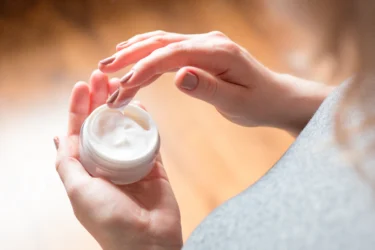
Avoid moisturisers with fragrances (perfumes) and dyes. These perfumes and dyes can cause the skin to become itchy rather than providing relief7,8. Use moisturisers that do not have chemicals like dyes and fragrances.
Although aloe vera is commonly used to soothe sun-exposed skin, some products may contain preservatives or added fragrances to enhance shelf life, which could potentially irritate sensitive skin. Additionally, there is limited scientific evidence supporting its role in managing general skin discomfort7,8.

Apple cider vinegar is acidic and can worsen itching9. Therefore, using vinegar to relieve itchy skin should be avoided.
Also Read: Effective Uses & Benefits of Aloe Vera!
You need to contact your doctor if you notice any of these situations:
Also, consult your doctor if you notice these symptoms in addition to itchy skin:
These symptoms might be a sign that you may require immediate medical help.
Also Read: Wonderful Home Remedies for Skin Tightening
Itchy skin is a common concern that may improve within a few weeks with simple care measures such as regular moisturising and the use of cold compresses. These approaches may help support skin comfort and hydration. However, if the discomfort persists or begins to interfere with your daily life, it is advisable to seek guidance from a healthcare professional.
Also Read: Natural Home Remedies for Swollen Legs
Several simple measures may help support skin comfort and hydration when experiencing mild itchiness. These include applying a moisturiser within 3 to 4 minutes after a lukewarm shower, using a cold compress, choosing mild, fragrance-free soaps and detergents, and wearing soft, breathable fabrics such as cotton. These practices may help maintain the skin’s moisture balance, especially during periods of dryness.
Yes, itchy skin is normal. Everybody experiences itchy skin at some point during their life. However, if the itchiness is occurring all over your body and does not resolve with general self-care, it may be a sign that further evaluation is needed and is advisable to consult a doctor.
Itching is caused by histamine release. Histamine is a chemical substance involved in’ our body’s immune response. Histamine causes the redness, itching, and rashes that you may experience with damaged skin, dry skin, and insect bites. If you are experiencing constant itching that does not go away, you should visit your doctor.
No, apple cider vinegar will not help get rid of itchy skin. The acidic nature of apple cider vinegar is not suitable for itchy skin, and it may even worsen it. Use gentler remedies instead, like a moisturiser and cold press using a damp cloth.
Choosing healthy skincare habits might help you avoid itchy skin. Healthy skin care habits include taking a nutritious diet, drinking plenty of water, moisturising correctly to keep the skin from drying out, washing and bathing with warm water, protecting the skin from excessive damage, and using a good sunscreen. Following these habits will assist you in taking care of your skin and avoiding itchy skin.
Disclaimer: The information provided here is for educational/awareness purposes only and is not intended to be a substitute for medical treatment by a healthcare professional and should not be relied upon to diagnose or treat any medical condition. The reader should consult a registered medical practitioner to determine the appropriateness of the information and before consuming any medication. PharmEasy does not provide any guarantee or warranty (express or implied) regarding the accuracy, adequacy, completeness, legality, reliability or usefulness of the information; and disclaims any liability arising thereof.
13
4There might be days you experience sudden, intense pains or a profound, steady ache all over the body. No matter your age, there may have been some odd posture that you sat in for long hours as a result of which you are experiencing muscle pain1. If you are searching for remedies to manage your body pain, then you have come to the right place. In this blog, you will find various home remedies that might help you ease out your body pain and get you going.
Body pain can occur due to one or a combination of more than one of the following factors:
Did you know?
Body pain is itself a symptom of some underlying condition. You may experience body pain as:
You might also notice other symptoms along with body pain like:
Some common and useful home remedies for body pain are:
Ginger has been used as a medicinal rhizome in India and China for more than 25 centuries. It has antioxidant and anti-inflammatory properties that are useful for treating disease conditions. In several human studies, ginger was found to be very helpful in healing body pain. A study showed that daily consumption of ginger lowers muscle pain. Ginger also eases pain during menstruation2. You can take some ginger, cut it, and boil it in water. Later, drain out the ginger pieces and enjoy the tea.

Cinnamon has anti-inflammatory properties. Extreme physical activity or exercise can cause an inflammatory response that causes muscle soreness and damages the cells. A human study was conducted on sixty healthy women (13 to 25 years), where cinnamon was tested for its effectiveness in muscle soreness. It was found to lower muscle soreness; therefore, it might be helpful in relieving body pain3. You can put some cinnamon in water, let it boil, and drink the decoction. You can also add honey to it.
Turmeric has been used for thousands of years for various medicinal purposes. It has anti-inflammatory and analgesic (painkiller) effects that may be useful in various types of pain4. The tribal people of West Bengal apply the paste of turmeric rhizome on the body to treat body pain5. You can add a little turmeric powder to warm water or boil a turmeric rhizome in water. You can drink the solution to reap the benefits of this age-old Ayurvedic remedy.

Several studies have reported that cold compression works as a pain killer. Cold slows down the transfer of signals from sensory nerves and prevents the transmission of pain to the brain. Therefore, it might be beneficial in relieving body pain6. You can massage the affected area with an ice pack or ice cubes. Alternatively, a cold shower might do the trick in case of generalized body pain!
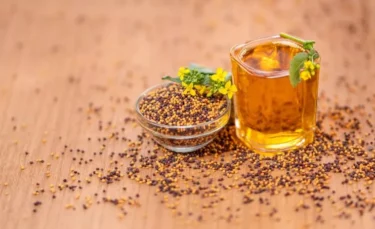
Mustard seeds are effective in curing body aches as they contain selenium, a mineral that helps in combating joint pain. Therefore, mustard oil can benefit body pain. You can use mustard oil with some salt to massage the painful area.

Who knew eating cherries can be not just fun, but medically beneficial too? Cherry is found to be beneficial for chronic pain and inflammatory diseases like gout, arthritis, and fibromyalgia. It has anti-inflammatory and antioxidant properties that might be beneficial in relieving body pain7. You can enjoy sipping on a glass of some cherry juice too at the end of a long day to ease out body pain.
You can also try these tips to lower body pain:
You must seek medical help if your body pain continues to be unrelenting, or if you notice the following symptoms:
Also Read: Home Remedies For Back Pain By Dr. Siddharth Gupta
Every individual experiences body pain. It becomes harder to work or do anything if you have body pain. Although you can try some of the above-mentioned home remedies to ease your body pain1. If your body pain becomes severe and chronic, you must consult your doctor. If you have any doubts, always confirm with your doctor about the correct way, dosage and duration of prescribed medicine to reduce the chances of any side effects.
Also Read: Effective Home Remedies for Swollen Legs
Yes, you can use cinnamon to relieve body pain. It has anti-inflammatory properties and lower muscle soreness in a human study3. Therefore, it might help reduce body pain. You can boil some cinnamon in water and drink the solution. Also, you can add honey to it.
Yes, ginger might benefit you with body pain. It has antioxidant and anti-inflammatory properties and is very helpful in healing pains2. You can drink ginger tea. To make ginger tea boil some ginger in water.
Yes, turmeric might be helpful in relieving body pain. It has anti-inflammatory and analgesic effects that may be useful in various types of pain4. You can add some turmeric powder to warm water or boil some turmeric rhizome in water. Drinking this solution might help relieve body pain.
Yes, you can use a cold compress for body pain. It has analgesic properties and blocks the transmission of pain signals to the brain6. Therefore, a cold compress might benefit you for body pain; you can massage the affected area with an ice pack or ice cubes.
Every individual experiences body pain. You can try some home remedies that might help you manage body pain. However, if your body pain becomes severe or chronic1, do not self-medicate and consult your doctor. Excessive and frequent intake of painkillers may have potential side effects, especially for people with serious liver or kidney disease.
Yes, stress and tension are some of the most common causes of body pain. However, if the pain becomes severe, you must consult your doctor1. They will recommend you treatment if needed. Rest and meditation might be handy home remedies till then.
1. Muscle Pain [Internet]. Cleveland Clinic. 2021. Available from: https://my.clevelandclinic.org/health/symptoms/17669-muscle-pain
2. Irfan S, Ranjha MMAN, Zahra SM, Mahmood S, Mueen-ud-din G, Alam MQ, et al. A Critical Review on Pharmaceutical and Medicinal Importance of Ginger. ACTA Sci Nutr Heal [Internet]. 2019;3(1):78–82. Available from: https://www.researchgate.net/publication/338361864_A_Critical_Review_on_Pharmaceutical_and_Medicinal_Importance_of_Ginger
3. Mashhadi NS, Ghiasvand R, Askari G, Feizi A, Hariri M, Darvishi L, et al. Influence of ginger and cinnamon intake on inflammation and muscle soreness endued by exercise in Iranian female athletes. Int J Prev Med [Internet]. 2013;4(Suppl 1):S11-5. Available from: https://www.ncbi.nlm.nih.gov/pmc/articles/PMC3665015/
4. Razavi BM, Ghasemzadeh Rahbardar M, Hosseinzadeh H. A review of therapeutic potentials of turmeric (Curcuma longa) and its active constituent, curcumin, on inflammatory disorders, pain, and their related patents. Phyther Res. 2021;35(12):6489–513. Available at: https://pubmed.ncbi.nlm.nih.gov/34312922/
5. Corti L. Nonpharmaceutical Approaches to Pain Management. Top Companion Anim Med [Internet]. 2014 Mar;29(1):24–8. Available from: https://linkinghub.elsevier.com/retrieve/pii/S1938973614000063
6. Mhapsekar DT. To Study the Beneficial Effect of Mustard Oil and Salt Massaging With OralProphylaxis in Patients With Gum Diseases. NIH US Natl Libr Med [Internet]. 2017; Available from: https://clinicaltrials.gov/ct2/show/NCT02638740
7. Kuehl KS. Cherry Juice Targets Antioxidant Potential and Pain Relief. In: Medicine and Sport Science [Internet]. 2013. p. 86–93. Available from: https://www.karger.com/Article/Abstract/341965
8. Dahlhamer J, Lucas J, Zelaya C, Nahin R, Mackey S, DeBar L, Kerns R, Von Korff M, Porter L, Helmick C. Prevalence of chronic pain and high-impact chronic pain among adults — United States, 2016. MMWR Morb Mortal Wkly Rep. 2018 Sep 14;67(36):1001–1006. doi:10.15585/mmwr.mm6736a2. Available from: https://www.cdc.gov/mmwr/volumes/67/wr/mm6736a2.htm
Disclaimer: The information provided here is for educational/awareness purposes only and is not intended to be a substitute for medical treatment by a healthcare professional and should not be relied upon to diagnose or treat any medical condition. The reader should consult a registered medical practitioner to determine the appropriateness of the information and before consuming any medication. PharmEasy does not provide any guarantee or warranty (express or implied) regarding the accuracy, adequacy, completeness, legality, reliability or usefulness of the information; and disclaims any liability arising thereof.
Links and product recommendations in the information provided here are advertisements of third-party products available on the website. PharmEasy does not make any representation on the accuracy or suitability of such products/services. Advertisements do not influence the editorial decisions or content. The information in this blog is subject to change without notice. The authors and administrators reserve the right to modify, add, or remove content without notification. It is your responsibility to review this disclaimer regularly for any changes.
18
We have all experienced a red, itchy eye at some point in our lives. A red eye is generally used to describe irritated, red, and bloodshot eyes. Eye redness can be painful and extremely uncomfortable. A red eye is the first sign of eye inflammation1. Red eyes may be relatively harmless and can easily improve with home remedies. However, if the red eye is accompanied by swelling, eye pain, light sensitivity, or blurry vision, you must immediately seek medical help. A red eye is the result of a reaction to something that irritates your eye. It can affect one or both eyes and might appear suddenly or progress with time; it can be due to eye injury or an allergic reaction to some foreign substance that entered your eyes2.
Red eyes can occur due to several reasons. Sometimes, they can occur even due to daily habits like staring at your computer screen for too long without any break or wearing contact lenses for a prolonged hours. Other causes of red eyes include the following underlying conditions:
Red eyes is a common symptom but Eye infection and foreign body should be ruled out by consulting an Ophthalmologist.
Dr. M.G. Kartheeka, MBBS, MD(Pediatrics)
Redness of eyes is itself a symptom as a result of some irritation. Signs and symptoms that may accompany a red eye include:
Red eyes are very common and can be caused by allergies, viral infections, or dry eyes. But sometimes they are the result of more serious conditions that need medical attention. If they persist with a change in vision, consult your ophthalmologist.
Dr. Ashish Bajaj, M.B.B.S., M.D. in Clinical Pharmacology and Toxicology
There are various home remedies for red eyes that you can use before rushing to a doctor. Sometimes gently washing the eyes, resting them, lightly massaging the eyelids, or using a compress for closed eyes might be enough to settle redness of eyes2. Here are some hacks that you can use as home remedies for red eyes:

A warm compress might be beneficial for a red eye1. You can place a damp, warm cloth over your eyes for a few mins. For this, soak a clean cloth in warm water and remove all the excess water from the cloth. Then place this damp cloth over your eyes and let it rest until the cloth becomes cool3.
Placing a cold compress over closed eyelids might be beneficial to lessen eye redness2. You can soak a cloth in cold water and apply it gently over your eyes. You can also freeze a wet cloth and gently apply it over your eyes till it gets warm. The cold water reduce the inflammation along with providing a cooling effect.
Take a few fresh leaves of punarnava and grind them into a fine paste. Now, apply this paste over closed eyes. This gives a cooling effect to the eyes4, and may be beneficial for reducing the inflammation and redness of eyes.
When we work on the computer screen for too long, our blinking rate tends to decrease. That results in eye dryness that could manifest as red, fatigued eyes. Therefore I always recommend computer professionals to take frequent screen breaks.
Dr. Gitanjali Sharma Bose, MBBS, MS Ophthalmology
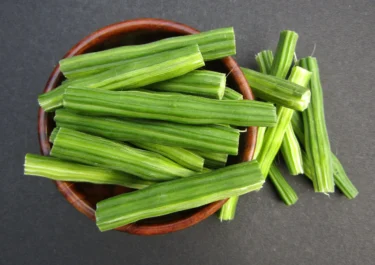
The leaves of the drumstick tree are mainly used for cooking and medicinal purposes, as they are rich in antioxidants and other nutrients. The tree has anti-inflammatory properties and may be beneficial in eye problems5. You can take the leaves of the drumstick tree and grind them to make a fine paste. You can apply this paste around closed eyes4. The anti-inflammatory properties of drumstick might be beneficial to alleviate the redness.

Aparijita, also called butterfly pea, is widely used as a medicinal plant in Indonesia. It is believed to have beneficial effects on health, particularly in conjunctivitis. It contains anthocyanins (flavonoid pigment found in plants) that might be a potential antibacterial agent6. Also, the tree has anti-inflammatory properties7, which might help reduce inflammation. You can smash aparajita flowers with cow milk. Apply this paste over closed eyes4. The anti-bacterial and anti-inflammatory properties might help quickly overcome an eye infection and lower the inflammation.
You can also try these to get rid of a red eye:
If redness is accompanied by pain, watering or photophobia, one must avoid self- treating it and immediately consult an ophthalmologist.
Dr. Gitanjali Sharma Bose, MBBS, MS Ophthalmology
Also Read: Simple Home Remedies For Puffy Eyes
You must seek medical help when you:
Also Read: Effective Home Remedies for Body Pain
Inflammation of the eye is the cause of a red eye. The eye inflammation may be relieved using some common home remedies easily available in your kitchen or garden compound. You can use home remedies like warm and cold compresses, or a paste of punarnava, shigru, and aparijita. These home remedies might help you get rid of red eyes. However, it is advisable to consult your doctor if the redness lasts beyond 1 or 2 days, or new symptoms develop.
Also Read: Natural Home Remedies for Food Poisoning
Red eyes can occur due to several reasons; it can be the smallest cause (contact lenses) to some severe conditions (blepharitis, allergies, dry eyes, glaucoma, conjunctivitis, eye injury). It can also be caused due to whitening eye drops, excessive alcohol use, or smoking2.
Red eyes can occur due to several reasons, some serious, but most of them are nothing to be alarmed about. If the symptoms continue for more than 1 to 2 days, you must seek medical help and get an accurate diagnosis8.
If the redness does not alleviate within 1-2 days8, you must seek medical help from a general phyisician or an ophthalmologist, who is a specialist eye doctor, as there might be some underlying medical condition responsible for the redness of your eyes.
Yes, you can use a warm compress for red eyes1. For this, soak a clean washcloth in warm water, remove all the excess water from the cloth, lay this damp cloth over your eyes, and let it rest3.
Yes, a cold compress may be used to relieve the redness in your eye2. You can soak a cloth in cold water or freeze a wet cloth and gently apply it over your eyes.
Home remedies for subsiding the redness in the eyes include warm or cold compresses, paste of punarnava leaves, or shigru leaves, or aparijita flower with cow milk1,7.
If you experience red eyes for more than 1-2 days, along with symptoms like nausea and vomiting, headache with confusion or blurred vision, rings around lights, an eye injury, have vision changes, eye pain, sensitivity to light, greenish or yellowish discharge from your eye, or any foreign body in your eye8, you must immediately seek medical help.
Yes, there are chances that the redness in your eye is due to a contact lens3. Avoid using contact lenses for too long and consult your doctor if the redness doesn’t settle in a 1-2 hours.
1. Cronau H, Kankanala RR, Mauger T. Diagnosis and management of red eye in primary care. Am Fam Physician. 2010;81(2):137–44. Available at: https://pubmed.ncbi.nlm.nih.gov/20082509/
2. Red Eye [Internet]. Cleveland Clinic. 2018. p. 1–9. Available from: https://my.clevelandclinic.org/health/symptoms/17690-red-eye
3. Gudgel dan T. Pink Eye Home Remedies [Internet]. American Academy of Opthalmology. 2021. Available from: https://www.aao.org/eye-health/diseases/pink-eye-quick-home-remedies
4. AYUSH. Ayurveda Offering Herbal Healing [Internet]. 1–128 p. Available from: https://agritech.tnau.ac.in/horticulture/pdf/Aayush_AyurvedaOffering_HerbalHealing.pdf
5. Vergara-Jimenez M, Almatrafi MM, Fernandez ML. Bioactive components in Moringa oleifera leaves protect against chronic disease. Antioxidants. 2017;6(4):1–13. Available at: https://www.ncbi.nlm.nih.gov/pmc/articles/PMC5745501/
6. Anthika B, Kusumocahyo SP, Sutanto H. Ultrasonic Approach in Clitoria ternatea (Butterfly Pea) Extraction in Water and Extract Sterilization by Ultrafiltration for Eye Drop Active Ingredient. Procedia Chem. 2015;16(6):237–44. Available from: https://www.researchgate.net/publication/289998595_Ultrasonic_Approach_in_Clitoria_ternatea_Butterfly_Pea_Extraction_in_Water_and_Extract_Sterilization_by_Ultrafiltration_for_Eye_Drop_Active_Ingredient
7. Mukherjee PK, Kumar V, Kumar NS, Heinrich M. The Ayurvedic medicine Clitoria ternatea-From traditional use to scientific assessment. J Ethnopharmacol. 2008;120(3):291–301. Available at: https://pubmed.ncbi.nlm.nih.gov/18926895/
8. Eye Redness [Internet]. MedlinePlus Medical Encyclopedia. 2020. p. 1–4. Available from: https://medlineplus.gov/ency/article/003031.htm
Disclaimer: The information provided here is for educational/awareness purposes only and is not intended to be a substitute for medical treatment by a healthcare professional and should not be relied upon to diagnose or treat any medical condition. The reader should consult a registered medical practitioner to determine the appropriateness of the information and before consuming any medication. PharmEasy does not provide any guarantee or warranty (express or implied) regarding the accuracy, adequacy, completeness, legality, reliability or usefulness of the information; and disclaims any liability arising thereof.
Links and product recommendations in the information provided here are advertisements of third-party products available on the website. PharmEasy does not make any representation on the accuracy or suitability of such products/services. Advertisements do not influence the editorial decisions or content. The information in this blog is subject to change without notice. The authors and administrators reserve the right to modify, add, or remove content without notification. It is your responsibility to review this disclaimer regularly for any changes.
7
0Food poisoning, also called foodborne illness, occurs when we consume food that has been contaminated by microbes. These microorganisms can contaminate the food during any part of their processing journey till it reaches us and causes illness. Food poisoning is not necessarily caused by outside food, it can also occur when food is incorrectly handled or cooked at home. The symptoms of food poisoning can begin within a few hours of eating contaminated food. It may resolve without any treatment as well in mild cases, which is often the case, but sometimes in severe cases, a person might require hospital admission too4.
Most often, food poisoning is seen in a large group of people who have all consumed the same contaminated food. It can also occur in individuals. Food poisoning is mainly the result of contamination of food, which can occur due to :
Some of the most commonly experienced symptoms by people suffering from food poisoning are2, 5:
The symptoms of food poisoning can range from mild to very serious, depending on the type of microorganisms we get infected by and each body’s individual defense system2. A few home remedies for food poisoning are as follows:

As vomiting is one of the common symptoms experienced, rehydration becomes very important2. Oral rehydration solution (ORS) can also be prepared at home by adding sugar and salt to a bottle of clean drinking water as per WHO guidelines. This homemade electrolyte-rich solution should be sipped every few minutes and should be used up within a day. Adding a pinch of cinnamon to coconut water and consuming it is also helpful for vomiting.

Lemon juice can be consumed by people when they experience food poisoning. It can be consumed by taking one glass of drinking water and squeezing half a lemon into it. It is a refreshing liquid and seems to make one feel better after consuming it.

Apple cider vinegar is another popular home remedy being used for food poisoning. Add a few spoons of apple cider vinegar to a glass of water and consume two to three times a day to reap its benefits.
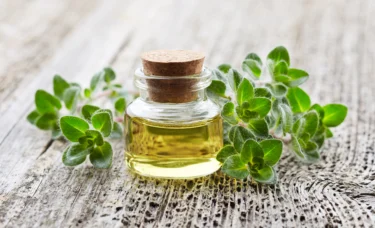
This is one of the more uncommon remedies used, but it is quite effective. Oregano oil or thyme oil, one of these two oils can be used. These oils seem to provide relief from the discomfort caused by food poisoning. To use it, we must add a few drops of the oil to water and consume it one to two times a day. How or why this works is not very clear.
Bananas are extremely helpful in restoring lost electrolytes during diarrhoea. Therefore, it is used to treat food poisoning as well. Some people consume a banana by mixing it with curd, for better effects, but it can be consumed directly as well. It provides relief from symptoms, energises us, and replenishes lost salts.
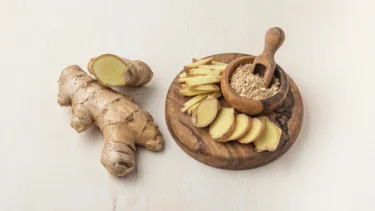
Ginger (adrak) has been used in ayurveda for centuries to relieve vomiting, loss of appetite, and diarrhoea. A basin is made using amlaki and black gram around the navel. To this, the juice of fresh ginger is added once daily and retained for some time, to treat diarrhoea. As a cure for vomiting, ginger juice must be mixed with lemon juice and consumed fresh3. We can mix ginger (juice) in warm water and add honey to it as well. These home remedies are not just safe and natural, but also very tasty.
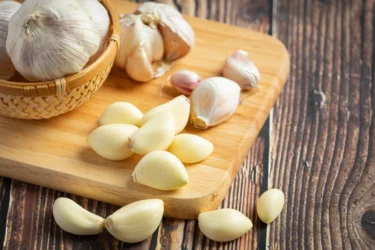
Swallowing fresh cloves of garlic with water is said to have beneficial effects on our bodies, as garlic acts like a cleansing agent. If consumed in a juice form, garlic is said to be even more effective, that is, if the pungent odour can be tolerated by you! It is said to be effective in the case of food poisoning.
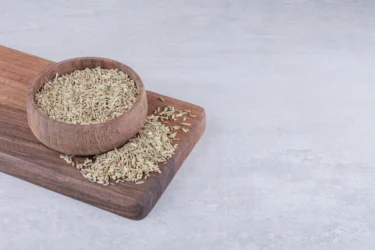
To use jeera as a remedy for food poisoning, we can take a little bit of jeera in water and boil it. After it boils, we can add a little coriander juice and salt to taste. This liquid preparation can be consumed a few times a day safely.
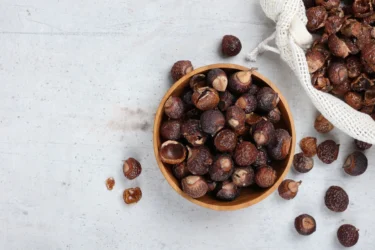
It is also known as Risht (in Hindi) or Indian soapnut, and it is used in ayurveda as a remedy for food poisoning. To use it, we need to soak a few of these aristhtaka seeds in a bottle of water and consume the water. This is said to reduce the poisoning3.

The following remedies are also recommended for use for diarrhoea in Ayurveda:
Also Read: Everything You Need to Know About the Hepatitis A Vaccine
It is wise to visit your doctor or a local healthcare provider if the following symptoms are noticed:
Also Read: Causes Behind Recurring Stomach Pain
Food poisoning is a common condition occurring as a result of eating food that has been contaminated by microorganisms; it can certainly be the source of a lot of discomfort. It can be quite unsettling with symptoms of nausea, vomiting, diarrhoea, and fever. It drains the body of vital water and minerals. Therefore, home remedies for food poisoning mainly consist of replenishing our body and relieving the distress. Rest and proper nutrition are what will help you regain your strength and eliminate the disease-causing germs.
Also Read: Natural Home Remedies for Open Pores
Food poisoning can cause dehydration, which may cause dizziness. Make sure to increase your water intake and consume oral rehydration syrup (ORS) if you feel dizzy.
Food poisoning mainly affects the stomach and causes diarrhoea, vomiting, etc2. It is not reported to have any effects on the kidney.
Puffed rice/popped rice, locally called poha, can be soaked in water. It is known to be effective in relieving vomiting.
There is no evidence stating that loss of hair is caused due to food poisoning. More evidence in the form of research is required to correlate the two.
1. MADDOCK EC. Food poisoning. Pharm J [Internet]. 1947;104(4344):87. Available from: https://medlineplus.gov/ency/article/001652.htm
2. Food Posisoning Symptoms [Internet]. CDC.gov. 2022 [cited 6 May 2022]. Available from: https://www.cdc.gov/foodsafety/symptoms.html
3. AYUSH. Ayurveda Offering Herbal Healing [Internet]. 1–128 p. Available from: https://www.esic.nic.in/attachments/publicationfile/7d11b02e5abb4717d53b4ce05efabd21.pdf
4. National Institute of Diabetes and Digestive and Kidney Diseases. Definition & facts of food poisoning. National Institute of Diabetes and Digestive and Kidney Diseases. 2025 [cited 2025 May 14]. Available from: https://www.niddk.nih.gov/health-information/digestive-diseases/food-poisoning/definition-facts
5. Department of Health & Human Services. Food poisoning – prevention. Better Health Channel. [cited 2025 May 14]. Available from: https://www.betterhealth.vic.gov.au/health/healthyliving/food-poisoning-prevention
Disclaimer: The information provided here is for educational/awareness purposes only and is not intended to be a substitute for medical treatment by a healthcare professional and should not be relied upon to diagnose or treat any medical condition. The reader should consult a registered medical practitioner to determine the appropriateness of the information and before consuming any medication. PharmEasy does not provide any guarantee or warranty (express or implied) regarding the accuracy, adequacy, completeness, legality, reliability or usefulness of the information; and disclaims any liability arising thereof
50
2When you take long flights or car rides, you might notice a slight swelling in your legs, especially in the ankles and feet1. This swelling, caused due to fluid retention in tissues, is called oedema. It is the effect of gravity that makes it more noticeable in the foot, ankle, and legs, but it can occur in any part of the body1. When our feet get swollen, all we can do is temporarily manage the pain and discomfort. Moreover, mild swelling generally disappears on its own.
There is a wide range of reasons that can cause swelling of the legs. From lifestyle choices to certain normal physiological conditions, to a few serious medical conditions, one or more reasons may be responsible for it. Some of them are as follows:
The signs that indicate the presence of oedema are:
We can adopt certain lifestyle and home remedies that help in the reduction of swelling and management of pain and discomfort experienced due to swollen legs.

Massaging the swollen area without application of too much pressure or causing pain, but with firm strokes upwards towards the heart, has been found to be helpful2. This helps in draining the excess fluid build-up by directing the fluid toward the heart and preventing it from pooling in the feet.
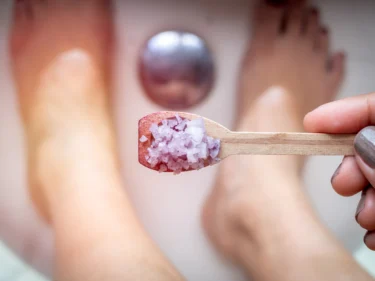
There are tons of people who testify that the use of Epsom baths relieves swelling of the legs. The exact mechanism is unknown, but it is seen that soaking legs in water with dissolved Epsom salt brings down the swelling by supplementing magnesium through the skin. Being an easily available ingredient, it is cost-effective, easy to use, and nearly risk-free. Therefore, it is a hack recommended even by doctors.
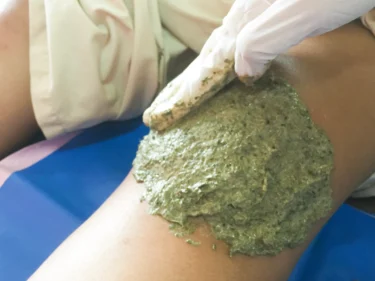
Ayurvedic pastes, which are applied to our body, are called lepas, and some of them help relieve swollen legs. A semisolid paste made by adding the herbs punarnava, ginger, and deodar (cedar) can help reduce swelling in the feet3.

In this Ayurvedic treatment, oil is poured on the body and massaged. In this method, a decoction (dashamoola katha) is used to reduce the swelling5.

Essential oils such as peppermint, lavender, helichrysum, marjoram, eucalyptus, and chamomile can be used to reduce swelling6. We can use it by adding 2-3 drops of it to a hot water bath and soaking the swollen legs in it for 10 minutes or until the water turns cold. Essential oils can also be used to massage the legs. Before using it for massage, the essential oil should be diluted by the addition of another oil, like coconut oil.

Certain Ayurvedic herbs are used for the reduction of swellings. Herbs such as arjuna, punarnava and adraka (ginger) can be used in the form of powders, pastes, decoctions, juices, and herbal wines in doses as directed by an Ayurvedic physician.

Constantly standing or sitting in a place or specific position may cause or worsen the swelling in the legs. This effect can be countered by increasing your activity and movement. As we exercise the muscles of the leg, the retained fluid gets pumped back to the heart, reducing the swelling. Even slight movement of legs and knees every few minutes may help7.

Yoga poses, like the ones involving lying on the floor with raised legs leaning against the wall, might help reduce swelling in the legs8. Simply elevating the leg above the level of our heart using pillows as props for a few hours a day, or while lying down, is helpful. By doing this, we help our legs, with a little assistance from gravity, to restore circulation and drain the built-up fluid.

Wearing compression socks, gloves, or stockings is recommended by doctors after the swelling has gone down to prevent swelling in the future. These socks gently squeeze our legs and improve blood circulation, thus reducing pain and preventing the recurrence of swelling. They are not to be too tight and should be worn only till they provide comfort to you.

A deficiency of magnesium can lead to water retention and swelling. Therefore, including magnesium-rich food in your diet can help reduce swelling of the legs. Some magnesium-rich foods are:

Our body retains and tries to conserve what it lacks. Decreased water in the body can lead to water retention and swelling. By increasing your water intake, encourage your body to flush out water and with it, the mineral sodium. Sodium loves water and takes away all the excess water with it. Therefore, gulping a lot of water helps reduce fluid retention and swelling of the legs4.
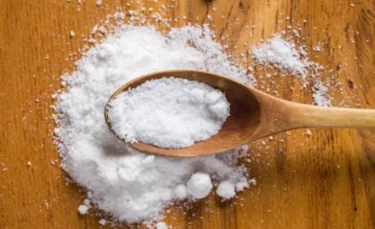
Having salt is tricky. Too much or too little can cause a lot of trouble. Increased salt intake can lead to water retention, but before coming to conclusions, we must consult our physician to know if this is the actual cause. After being absolutely sure, the necessary changes as per the doctor’s recommendation can be made4.
NOTE: We must take extra care of our feet by wearing comfortable shoes and avoiding getting cuts or wounds when they are swollen. This is to prevent the worsening of the situation, as snugly fit shoes disrupt circulation to the foot and wounds take longer to heal, becoming prone to infections4.
Also Read: Natural Home Remedies for Diabetes By Dr. Rajeev Singh
Seek medical help under the following circumstances:
Also Read: Best Home Remedies for Uric Acid By Dr. Siddharth Gupta
Swellings in the legs can be due to various reasons, it can be due to just standing or sitting for a long duration or an indicator of diseases of the heart, lungs, etc. Thus, remedies for these also range widely. We can adopt a few lifestyle changes and take care of our feet by performing simple methods like massages, elevation, compression socks, water baths, etc., to manage swollen feet. These simple home remedies can prove to be a game-changer for you in day-to-day life.
Also Read: The Best Home Remedies For Hernia
There are several reasons why you can experience swelling in your feet. While heart disease is a probable cause, it is not the only reason. You should consult a physician to be sure4.
Yes, essential oils help reduce swelling. Oils like lavender oil, peppermint oil, etc., can be used4.
Mild swelling of the legs is commonly seen in pregnancy as the uterus exerts pressure on the blood vessels of the lower parts of the body. However, if sudden or severe swelling of the legs is noticed, a doctor should be consulted4.
Disclaimer: The information provided here is for educational/awareness purposes only and is not intended to be a substitute for medical treatment by a healthcare professional and should not be relied upon to diagnose or treat any medical condition. The reader should consult a registered medical practitioner to determine the appropriateness of the information before consuming any medication. PharmEasy does not provide any guarantee or warranty (express or implied) regarding the accuracy, adequacy, completeness, legality, reliability or usefulness of the information; and disclaims any liability arising thereof.
68
5