




Vasavaleha: Benefits, Uses, Side Effects, Precautions & More!
By Dr Ashok Pal +2 more

Medically reviewed by Dr Ashok Pal
Last updated: May 22, 2026 Published on: Mar 16, 2022


Get,

to manage your symptom
Get your,

4 Cr+ families
benefitted

OTP sent to 9988776655



You’ve successfully subscribed to receive
doctor-approved tips on
Whatsapp

Get ready to feel your best.


Register to Avail the Offer
Send OTPBy continuing, you agree with our Privacy Policy and Terms and Conditions
Hi There,
Sign up on PharmEasy now!!


Trusted by 4 crore+ families

OTP sent to 9988776655
You have unlocked 25% off on medicines


Code: NU25

By Dr Ashok Pal +2 more
Table of Contents
Vasavaleha is an effective Ayurvedic formulation for respiratory tract illnesses like asthma, bronchitis, and chronic cough. Vasa is an effective treatment for respiratory conditions such as asthma, cough, and bronchitis. In addition to volatile oils, Vasa has a chemical similar to bromhexine chloride, which is why it works so well as an expectorant.
Vasa is utilized chiefly for its roots, leaves, and flowers. Vasa works as an expectorant, which loosens the sticky phlegm and makes it easier to expel it from the chest and air passages. It relieves asthma attacks by reducing bronchial tree irritation and spasm. It also helps manage pharyngitis and persistent cough by soothing the throat1.
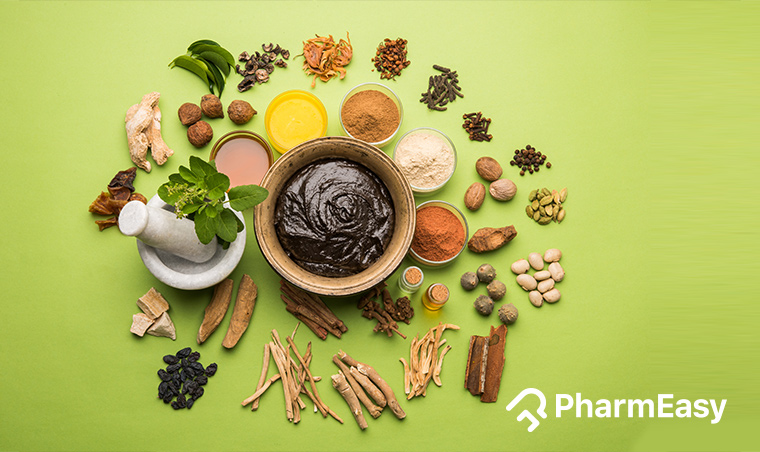
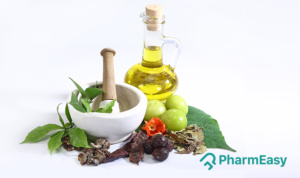
Vasavaleha is a mixture of different ayurvedic herbs. Vasavaleha ingredients include:
There are various potential vasavaleha uses, including:
Vasavaleha consists of various herbal plants that have medicinal properties. One of them is Pippali which helps in improving immunity. As Pippali is a part of Vasavaleha, the use of Vasavaleha might be useful in boosting immunity6.
Dr. Siddharth Gupta, B.A.M.S, M.D (Ayu)


Vasavaleha has shown antimicrobial activity against various microbial strains like Escherichia coli, Pseudomonas aeruginosa, Klebsiella pneumonia, Salmonella typhimurium, and Staphylococcus aureus2.


Pippali present in vasavaleha has been proven to have strong anti-hyperglycemic properties, that is, it reduces blood sugar levels; anti-lipid peroxidative, and antioxidant properties when given orally in rats3.

Vasa leaf powder present in vasavaleha significantly prevents and treats ulcers of the stomach or duodenum walls2.
Please note that some of the benefits and traditional uses of vasavaleha discussed above need to be studied and researched more to establish the real extent of the vasavaleha benefits, as the information available is insufficient.
Some studies show that Vasavaleha might be beneficial for managing COVID-19. COVID-19 is characterised by an itchy throat with a dry cough. As Vasavaleha is a potent medicine in managing respiratory diseases, it has potential benefits against COVID-19 signs and symptoms7.
Dr. Rajeev Singh, BAMS
Vasavaleha is a paste-like semisolid formulation. It can be taken with milk or warm water1.
Your Ayurvedic physician will prescribe you the dose and form according to your medical condition.
Vasavaleha is safe to use in humans. It shows no documented side effects. There isn’t enough credible information to show if vasavaleha is safe or what the potential adverse effects are when it’s used as medicine2.
Vasavaleha is a combination of vasa and pippali. Piperine in pippali lowered blood sugar levels in some studies. Indian long pepper could interact with diabetes medications causing blood sugar levels to drop too low. If you take Indian long pepper, keep a watchful eye on your blood sugar levels. The doses of your diabetic medications might need adjustments4.
Pippali present in vasavaleha may increase the amount of propranolol absorbed by the body. Taking propranolol with Indian long pepper may increase the drug’s effects and adverse effects5.
Also Read: Ginkgo Biloba (Maidenhair Tree): Uses, Benefits, Precautions and More!
Vasavaleha is a well-known Ayurvedic formulation traditionally used to support respiratory health and manage conditions such as cough, asthma, bronchitis, rhinitis, and throat irritation. Its combination of herbs like Vasa, Pippali, Madhu, and Goghrita contributes to its antimicrobial and antioxidant properties. In addition to respiratory benefits, Vasavaleha may also offer supportive effects for immunity, heart health, ulcers, and blood sugar management. However, several traditional uses and preliminary studies highlight that more scientific research is needed to confirm its effectiveness and safety in various health conditions. It is important to use Vasavaleha under the guidance of a qualified Ayurvedic practitioner, especially for pregnant women, people with diabetes, and individuals taking other medications, to avoid possible interactions and ensure safe usage.
Also Read: Behada (Bibhitaki): Uses, Benefits, Side Effects & More!
Vasa: Vasa is beneficial in treating bronchitis, asthma, cough, TB, intestinal worms, skin illnesses, dental problems, inflammation of the gums, and bleeding gums.
Shakara: It has the potential to help with digestion and stress symptoms. Amla and misri are used in combination to treat a compromised immune system and chronic exhaustion. It also aids in the cleansing of internal organs by increasing bile production.
Pippali: Pippali is a potent Rasayana plant utilised as a longevity extender in Ayurveda. In addition, it’s used to treat hiccups, improve blood circulation, treat piles, and treat fever, as well as being a hair tonic.
Gogharita: It treats various ailments, including snehan, nasya, allergic rhinitis, burning sensations, and bodily aches or heaviness caused by weakness or muscle laxity.
Goghrita boosts intelligence and can treat a variety of wounds and burns, speeding up healing and reducing burning sensations1.
Vasa, a primary component of vasavaleha, is used to treat shwasa, rajayakshma (tuberculosis), raktapitta, shotha (oedema), and jwara (fever), among other ailments. The bitter alkaloids in the plant, vasicine and vasicinone, have a bronchodilatory (opening up of tiny airways in the lungs) action. In addition, pippali in vasavaleha increases bioavailability, which aids in the formulation’s anti-asthmatic effectiveness by allowing it to stay in the bloodstream for a more extended period6.
There isn’t enough safety data available on vasavaleha for use in pregnancy. Please consult a physician before the use of vasavaleha during pregnancy.
There aren’t enough clinical studies done on the use of vasavaleha during breastfeeding. Please consult your physician before using vasavaleha during breastfeeding.
No, vasavaleha has no beneficial effects on hair and skin. There is no evidence of using vasavaleha to enhance the quality of hair or skin.
Disclaimer: The information provided here is for educational/awareness purposes only and is not intended to be a substitute for medical treatment by a healthcare professional and should not be relied upon to diagnose or treat any medical condition. The reader should consult a registered medical practitioner to determine the appropriateness of the information and before consuming any medication. PharmEasy does not provide any guarantee or warranty (express or implied) regarding the accuracy, adequacy, completeness, legality, reliability or usefulness of the information; and disclaims any liability arising thereof.
Links and product recommendations in the information provided here are advertisements of third-party products available on the website. PharmEasy does not make any representation on the accuracy or suitability of such products/services. Advertisements do not influence the editorial decisions or content. The information in this blog is subject to change without notice. The authors and administrators reserve the right to modify, add, or remove content without notification. It is your responsibility to review this disclaimer regularly for any changes.
 20
20 
Comments

Leave your comment...
You may also like



















Comments