
Urinary tract infection (UTI) is an infection affecting any part of the urinary system, commonly the bladder or kidneys1. In elderly people, UTI is one of the most common infections and is responsible for about 25% of all infections in this age group2.
UTIs in elderly individuals may be recurrent or resistant to antibiotics. It may present with unclear symptoms, which can cause a delay in diagnosis. These factors can affect treatment and may lead to complications1,3. This blog will help you better understand how UTIs affect the elderly and what steps you may take to avoid them.
UTI can affect the upper part of the urinary tract, which includes the kidneys and ureters (the tubes that connect the kidneys to the bladder), or the lower part, which includes the bladder and urethra (the tube that carries urine out of the body) or both.
Most commonly, it affects the bladder, which is called cystitis. It can also affect the urethra, which is called urethritis. Infection from lower urinary tract can spread to the kidneys, called pyelonephritis4.
In general, UTIs are more common in women because they have a shorter urethra, which makes it easier for bacteria to enter the bladder. In elderly women, due to changes occurring because of low oestrogen levels, the risk of UTIs further increases4. Elderly males too are at risk of encountering infections, particularly of upper urinary tract (pyelonephritis), mostly those having systemic conditions like diabetes5.
With other risks like associated medical issues, hospital-acquired infections, and antibiotics-resistant UTIs, older individuals may get serious problems like sepsis, where the infection spreads in the blood and needs hospital care3,4. Additionally, UTI symptoms in elderly people can be hard to notice because they are not always clear. Instead of the usual pain or burning while passing urine, they may feel weak, tired, or confused. As these symptoms may also be due to other health issues, they need be evaluated properly. Thus, older individuals should be aware of what to watch out for and get treatment early to avoid UTI complications1.
UTIs occur more often in elderly individuals due to the body changes that occur with age. The immune system gets weaker with age, and the natural defence mechanisms, like being able to fully empty the bladder, having slightly acidic urine, and making immune proteins, do not work as well2,6.
Particularly in older women, when the oestrogen levels also go low, changes like vaginal dryness (vaginal atrophy) and pushing out of bladder (prolapse) can occur. These can lead to holding of urine in the bladder, which promotes bacterial growth, increasing the risk of UTI. It also reduces the good bacteria (Lactobacillus) which fight against bacteria causing UTI. In elderly males, issues like prostate enlargement may occur, which lead to urinary stasis in bladder and cause infection2,7.
Moreover, some older people may use a tube, like a catheter, to pass urine, especially if hospitalised. Bacteria can stick to the tube and form a layer called a biofilm. This makes the bacteria much harder to kill with antibiotics and harder for the body’s immune system to fight. It may also block urine flow, which helps the bacteria to grow, increasing risk of a UTI2.
All these can lead to elderly individuals encountering UTIs more frequently.
The symptoms of UTI may vary depending on the type, whether it is lower UTI or upper UTI.
In some older people, there are no signs or symptoms, but bacteria are present when tested in the urine. This is called asymptomatic bacteriuria and usually does not need treatment.
When the infection is in the lower part of the urinary system, the signs of UTI in elderly commonly seen are:
In upper UTIs, the symptoms can include
Sometimes, older people may not show typical urinary symptoms but may have vague signs like confusion, sleepiness, or changes in behaviour (especially in those with dementia or stroke)1,8.
If you notice these symptoms, you need to consult a doctor as soon as possible to get the right treatment.
UTI in the elderly usually happens when any organisms such as bacteria, virus, or fungi, enter and infect the urinary tract. The most common cause is by the bacteria E. coli, which normally lives in the gut but can cause problems when it reaches the bladder. Klebsiella, Enterobacter, and Proteus are other bacteria which can cause a UTI.
Bacteria like Pseudomonas and Enterococcus are commonly seen in people who develop UTIs during hospital stays or while using urinary catheters. In many elderly people, these infections are harder to treat because the bacteria may resist common antibiotics9.
Fungal urinary tract infections, mainly caused by Candida species, are increasingly seen in elderly patients due to common risk factors like diabetes, antibiotic use, and urinary devices10.
Viruses rarely cause UTIs in healthy people but those with weak immunity, like after an organ transplant, can get urinary infections from viruses such as BK virus and adenovirus11.
Most commonly UTI in older people is due to bladder not emptying completely. This is common in men with an enlarged prostate. In women, this may be seen in those having weak bladder muscles, nerve problems (neurogenic bladder), or prolapse. These changes cause urine to stay in the bladder and promote bacterial growth. Hospitalization and use of urinary catheters are other important causes of bacterial entry into the bladder2,12,13.
There are certain factors that predispose elderly individuals to UTI. These are discussed in the next section.
I have noticed in my practise that a very common cause of UTI in eldery is the frequent use of adult diapers for longer periods of time. Please remember that changing of diapers at regular intervals is the key to prevent UTI in patients who is bed ridden and caregivers must pay attention to this.
Dr. Kathak Shah, MBBS, DDV, Fellowship in Lasers & Aesthetics, Fellowship in Dermatosurgery
Older adults are at higher risk of UTIs due to various medical, physical, or lifestyle-related factors such as1,2:
If UTI is not treated at the right time, early in the disease, it can lead to serious, even life-threatening problems. Older adults have a higher risk of complications from UTIs, which include:
In elderly adults, diagnosing UTI may be challenging, especially if they already have ongoing urinary problems not caused by an infection. That is why doctors may look for signs of UTI in elderly people, along with lab results and overall health, to confirm the infection. It includes:
UTIs in the elderly are usually treated with antibiotics, which is chosen based on the type of bacteria found in urine, along with other supportive treatment given.
Antibiotics work by fighting against the bacteria responsible for causing UTIs, including E. coli, Proteus, or Klebsiella. Before starting antibiotics, a urine culture test is taken, and based on that, the antibiotic is decided2,18. The common antibiotics used include:
The symptoms are monitored closely and if it does not improve in 2 days, other antibiotics may be used. When the antibiotics do not respond, doctors go for other antibiotics which are given via IV line and may need hospitalisation in some cases and given for 10 to 14 days in complicated cases. In people who get recurrent UTIs, low-dose daily antibiotics may be suggested, also keeping in mind the side effects and the risk of antibiotic resistance4,12.
If a urinary catheter is present, it should be removed or changed if it is causing the infection. Hydration is also important because when you drink plenty of fluids, it helps to flush out bacteria faster.
In my opinion, the popular anti diabetic medications like Dapagliflozin, Empagliflozin should be avoided in elderly above 70 years of age as its mechanism to reduce blood sugar levels is by removing sugars from the urinary tract thus increasing chances of infections23.
Dr. Kathak Shah, MBBS, DDV, Fellowship in Lasers & Aesthetics, Fellowship in Dermatosurgery
By doing some simple lifestyle changes, you can help avoid the risk of getting a UTI:
You should see a doctor if you experience any of these UTI symptoms in the elderly22:
Also Read: Top Balance Exercises for Seniors to Improve Stability
UTI is common in elderly, but it can become serious if not treated early. Recognising the symptoms and consulting a doctor promptly is key. They will do supportive tests and start antibiotics to fasten better results. Also, simple measures like drinking enough water, clearing bladder completely and maintaining good hygienic practices in your daily routine can help avoid the risk of UTIs and its consequent complications in elderly individuals.
Also Read: Falls in the Elderly: Life expectancy, Causes, Prevention, & Safety Tips
Cranberry juice or supplements may help by preventing UTI-causing bacteria from sticking to the bladder wall, reducing the chance of infection. But you must consult with the doctor to take this.
Getting a UTI once does not mean it will always return. But in older adults, especially those with diabetes, cancer, or weak immunity, there is a chance of getting it again3.
Not always, but these products can disturb healthy vaginal bacteria, which may increase your risk of getting a UTI, especially with frequent use.
Circumcision may lower the risk, but it does not fully prevent UTIs. Other factors like hygiene, immunity, and health still play a role18.
Disclaimer: The information provided here is for educational/awareness purposes only and is not intended to be a substitute for medical treatment by a healthcare professional and should not be relied upon to diagnose or treat any medical condition. The reader should consult a registered medical practitioner to determine the appropriateness of the information and before consuming any medication. PharmEasy does not provide any guarantee or warranty (express or implied) regarding the accuracy, adequacy, completeness, legality, reliability or usefulness of the information; and disclaims any liability arising thereof.
 1
1 
Did you know that urinary tract infections are more common in women than men because they have a shorter urethra? Shockingly but unfortunately, it’s true. The urethra, which is the tube that carries the urine outside, is shorter in women and closer to the anus. This is an area where the common causative organism of urinary tract infection, the bacteria E. coli, resides. The urinary tract infection (UTI) is a prevalent infection of the urinary system and typically involves the urethra (infection is called urethritis), urinary bladder (infection is called cystitis) or kidneys (infection is called polynephritis). Your doctor might prescribe you medicines to deal with urinary tract infections. Read along to learn more about it1.
Did you know?
The urinary tract includes the urethra and bladder. Any infection by micro-organisms involving this tract is called urinary tract infection (UTI). Usually, bacteria are the micro-organisms involved in UTIs. The infection may also affect the ureters and might infect the kidneys1.
UTI is associated with irritation (inflammation) and redness of the urinary tract lining. The following symptoms may be experienced by a person having a UTI:
Other symptoms that you might notice if you have a UTI are:
Research is being conducted worldwide to discover natural and safe methods to treat diseases. Limited evidence is present regarding the use of natural products for urinary tract infections. Home remedies for urinary tract infections discussed here must be backed up by more research to prove their effectiveness. However, some of the herbs having the potential to be helpful for UTIs are described below.

Cranberry juice might help against urinary tract infections. It has been used for the treatment of UTIs for centuries. The use of cranberry juice in UTIs is due to its potential antibacterial property. Cranberry juice has many bioactive compounds (flavonoids, anthocyanins, organic acids, etc.), which might result in the excretion of hippuric acid. Thus, Hippuric acid being a potent antibacterial agent might play a role in bringing down the bacterial count against bacteria causing UTIs. However, more research is required to prove these claims. Kindly consult a doctor before use2.
What I have observed is that regular consumption of cranberry juice or hibiscus tea by women who were suffering from repeated attacks of uti reduced the frequency of uti in them. Other factors like good hygiene are equally important.
Dr. Nikhil Yadav, MBBS MD, CCEBDM
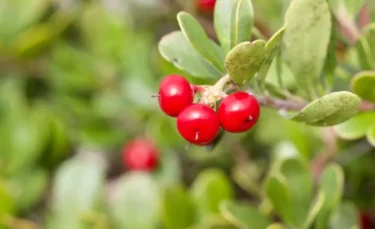
Bearberry is also known as Arctostaphylos uva-ursi or upland cranberry. The leaves of this plant might exhibit potent antibacterial properties. It might be a potent herb for bladder infections. It might specifically have antibacterial activity against E. coli, which is known to be the primary causative agent of UTIs. It contains a compound, arbutin, which might be responsible for its diuretic (increased urine production and excretion) and astringent (acidic or bitter) property, which might be helpful against UTIs. However, more research is necessary to prove these effects2.

It is known that cinnamon might have an action against the bacteria causing UTIs in long- term catheter users. This activity might be due to its potential effect of preventing the bacteria from coating the urinary tract. Therefore, cinnamon might be an effective natural remedy for UTIs. However, more research is required to prove such claims. Kindly do not self-medicate2.
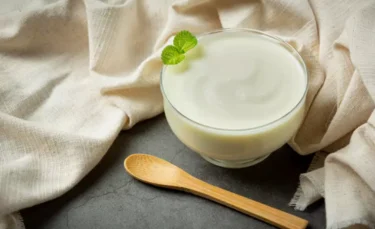
Probiotics are gut-friendly bacteria that might be helpful against UTIs as well. They might be helpful against UTIs. They mainly contain bacteria such as Lactobacillus, which apparently adhere to the wall of the urinary tract, thus forming a barrier against the UTI causing bacteria. However, more research is required to state the use of probiotics for UTIs2.
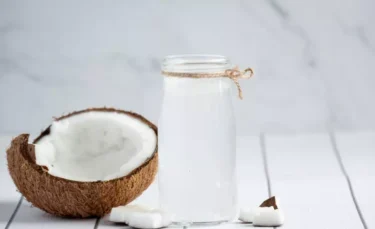
Narikela or coconut has many benefits in many different forms. It is known as narial, coconut palm and many other names in various parts of India. Drinking coconut water regularly might be helpful for those suffering from UTI and to enhance urinary health in general. It acts as a diuretic (facilitates urine formation and urination). It might help in flushing the kidneys too. However, more research is required to ascertain these effects3.
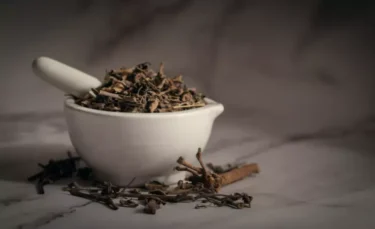
Punarnava (Boerhaavia diffusa) belongs to the family Nyctaginaceae. It is also known as horse puselene and Hog weed in English. It might be helpful in recurrent urinary tract infections. Your Ayurvedic physician might prescribe you a decoction containing the leaves of Punarnava, Tribulus (Gokshura) and coriander for UTIs. This decoction might also be helpful in treating pain or burning sensation felt during urination in people not having UTIs. However, these claims need to be backed up by more research. Kindly do not self-medicate3.

Asparagus is also known as satavar or satavari. It is also referred to as Satmull or Satamuli. It belongs to the family Asparagaceae and has the scientific name Asparagus racemosus. The root powder of this herb might be helpful for this disease. Your doctor might recommend using of the root powder of asparagus at night for UTIs. However, more research will be required to ascertain such claims3.

Your doctor might recommend that you increase the intake of fluids, especially water. This habit might be helpful in urinary tract infections as it might help fight against bacterial infection. Therefore, you should be drinking the daily recommendation of six to eight glasses of water. However, please note that urinary tract infection is a condition that needs to be diagnosed and treated by a doctor. Kindly consult a doctor as soon as possible for proper diagnosis and treatment, do not reach conclusions on your own1.
Though studies show the benefits of the given herb and home remedies in the condition, these are insufficient. There is a need for large-scale human studies to establish the true extent of the benefits of these home remedies on human health. Thus, these should only be taken with caution and never as a substitute for medical treatment.
Also Read: Simple Home Remedies for Frequent Urination
You should seek medical advice if you are experiencing the symptoms of urinary tract infection, as mentioned above. You should revisit your doctor if your UTIs symptoms get worse. The worsening of symptoms might indicate the need for a change in the treatment plan. Immediate medical help should be sought if one or more of the following symptoms are experienced:
A urinary tract infection can spread to various other parts of your body, but timely treatment can prevent this. Therefore, you should visit a doctor as soon as you notice the symptoms of a urinary tract infection1.
You must not rely on home remedies alone for the treatment of UTIs. You should consult a qualified doctor for any advice if the condition does not improve with home remedies.
Also Read: Best Home Remedies For Hangover
Urinary tract infection is an infection of the urinary tract (urethra, bladder, etc.). It is more common in women than men because they have a shorter urethra. This infection is mainly caused by a bacteria called E. coli. Pain in the flank, burning sensation and smelly and cloudy urine, etc., might be noticed if you have a UTI. A few natural products might act as home remedies for urinary tract infections, such as cranberry juice, cinnamon, bearberry, coconut water, etc. However, more research is required to ascertain the potential of these possible home remedies for urine infection. Moreover, UTI can be a severe condition if not treated properly and must be diagnosed and treated by a doctor.
Also Read: Effective Home Remedies For Vaginal Dryness
The possible home remedies for urine infection, including cranberry juice, coconut water, cinnamon, bearberry, etc., might potentially help against UTIs. However, more research is required to prove such claims. Moreover, you should consult a doctor and not rely on home remedies for UTIs1,3.
Cranberry juice might have a potential antibacterial property and might help against UTIs. Therefore, cranberry juice might help for UTI treatment at home. However, more research is required. So, ensure that you consult a doctor for the proper diagnosis and treatment of UTIs2.
You should consult a doctor who might prescribe you medicines and suggests ways to help with UTIs. Kindly do not self-medicate. Always consult a doctor for health-related issues.
Cinnamon might potentially help against urine infections in patients using catheter for a long time. Therefore, it might be helpful for urinary tract infections. However, more research is required to prove such claims. Kindly consult a doctor for UTIs. Do not self-medicate2.
Yes, drinking coconut water might be helpful to flush out the excess bacteria by possibly increasing urine production. However, more research is necessary for this. Kindly consult a doctor3.
1. Urinary Tract Infections [Internet]. Cleaveland Clinic. [cited 2022 Jul 13]. Available from: https://my.clevelandclinic.org/health/diseases/9135-urinary-tract-infections
2. Das S. Natural therapeutics for urinary tract infections, a review. Futur J Pharm Scciences [Internet]. 2020;2. Available from: https://www.ncbi.nlm.nih.gov/pmc/articles/PMC7498302/
3. AYUSH. Ayurveda Offering Herbal Healing [Internet]. 1–128 p. Available from: https://www.esic.nic.in/attachments/publicationfile/7d11b02e5abb4717d53b4ce05efabd21.pdf
Disclaimer: The information provided here is for educational/awareness purposes only and is not intended to be a substitute for medical treatment by a healthcare professional and should not be relied upon to diagnose or treat any medical condition. The reader should consult a registered medical practitioner to determine the appropriateness of the information and before consuming any medication. PharmEasy does not provide any guarantee or warranty (express or implied) regarding the accuracy, adequacy, completeness, legality, reliability or usefulness of the information; and disclaims any liability arising thereof.
Links and product recommendations in the information provided here are advertisements of third-party products available on the website. PharmEasy does not make any representation on the accuracy or suitability of such products/services. Advertisements do not influence the editorial decisions or content. The information in this blog is subject to change without notice. The authors and administrators reserve the right to modify, add, or remove content without notification. It is your responsibility to review this disclaimer regularly for any changes.
17
4


