
Yoga has been around for ages. It is only in recent years that interest in it has been renewed. The ease of exercise that Yoga offers is the reason for this new-found interest not only because of the holistic benefits of Yoga alone.
Practicing yoga does not require heavy expensive equipment nor does it require a specialized space (like a gym). It can be done at home, in comfortable clothes, with only a mat. What makes yoga even more attractive is the adaptability that it offers to a beginner. Practically, any yoga pose can be modified to suit a beginner.
Matsyasana is one such interesting yoga asana that can be done in the comfort of your home, with only a yoga mat.
Matsyasana is a popular yogic asana. In the word ‘Matsyasana’, Matsya means Fish in Sanskrit. It is named so since the final posture that the body assumes in this asana resembles a fish. Hence Matsyasana is also called a Fish pose1.
Yoga asanas, when done properly using the proper techniques in a systematic matter, not only help in obtaining the maximum health benefit but also help in reducing the incidence of any injury.
The steps to do Matsyasana are as follows:
Matsyasana has an interesting story attached to it, which makes for an enjoyable read.
Based on what I have observed over the years, practising Matsyasana can bring about various physical benefits for your body. This yoga pose involves stretching and opening the rib cage, hips, and abdominal cavity, which might lead to increased flexibility and improved range of motion7.
Dr. Rajeev Singh, BAMS
The potential benefits of Matsyasana are as follows:

Diabetes is a complex condition mainly presenting as excess glucose in the blood and urine, as the hormone insulin, needed to metabolize sugar is deficient. It needs to be managed with an integrative treatment approach using exercise, medicines and diet. An inverted pose like Matsyasana may help stimulate the pancreas helping in insulin release and eventually in controlling the rising blood and urinary sugar levels. It may also help improve the blood circulation to the pancreas2.
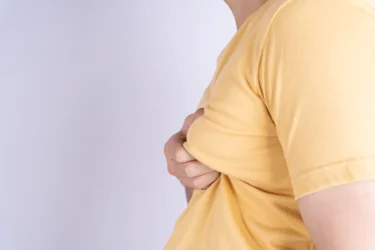
Gynaecomastia is the medical term for the unusual development of one or both breasts in males. Though commonly seen in men who are overweight at puberty, it can also occur in older overweight men. It can be caused due to hormonal changes or the intake of medicines containing estrogen (the female hormone). Matsyasana may help in reducing the amount of fat in the chest region which may make it appear leaner. It may also help reduce cholesterol deposits in the chest region and overall weight loss5.
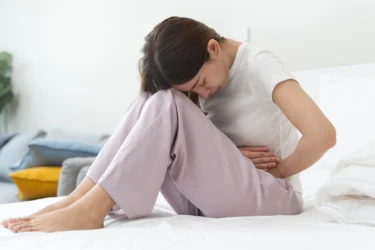
Dysmenorrhoea means painful periods without any underlying pathological cause. Primary dysmenorrhoea or menstrual cramps begin when the periods start with the pain usually occurring in the lower abdomen and radiating to the upper part of the thighs and the lower back. It may also be associated with loose motions, nausea, headache, and stress. Practising Matsyasana regularly may improve the flexibility and strength of the back and the pelvic muscle floor, thus benefitting the management of primary dysmenorrhoea6.
I have observed that practising Matsyasana might help in coping with stress and anxiety. This yoga pose involves deep breathing and gentle stretching, which can have a calming effect on the mind and body. It is believed that the stretching of the chest and opening of the heart area in Matsyasana stimulates the relaxation response and helps to release tension, promoting a sense of peace and relaxation7.
Dr. Siddharth Gupta, B.A.M.S, M.D (Ayu)
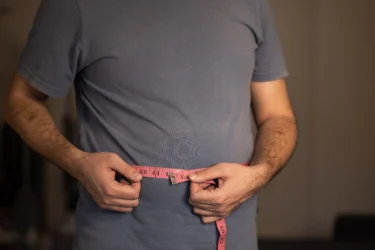
Obesity means having excess body fat and is not limited to being overweight. The incidence of obesity is rising rapidly due to incorrect dietary habits and lack of exercise. Matsyasana is a pose that may help combat obesity. Practising Matsyasana regularly may help reduce fat deposits in the thighs and belly as it involves stretching of the abdominal and inner thigh muscles.

Though practicing yoga is beneficial for the mind as well as the soul, it should not be resorted to as the sole treatment option for any medical condition. If you are suffering from any health issues, you must consult a qualified medical practitioner who can assess, examine, and treat you appropriately. Also, it is necessary to practice any form of Yoga under the guidance of a trained yoga expert to prevent any sort of injuries.
Also Read: Benefits of Savasana (Corpse Pose) and How to Do it By Dr. Ankit Sankhe
There are some risks related to practising Matsyasana and one must take adequate precautions in certain situations:
Under the supervision of a qualified and experienced yoga teacher, who can understand your risk factors, you may practice Matsyasana with the necessary precautions.
Also Read: Benefits of Mandukasana (Frog Pose) and How to Do it By Dr. Himani Bisht
Matsyasana or fish pose is an asana that has many benefits for the pelvic region, excess body fat, spine, respiratory organs, painful periods, and pancreas. It is also said to bring about a sense of harmony and balance in those who feel out of balance. To avail maximum health benefit of this asana, it is advisable to practice it under the guidance of a trained Yoga teacher who can assess and advise you regarding the proper technique of practicing without any injuries.
Also Read: Benefits of Ardha Matsyendrasana (Half Fish Pose) and How to Do it By Dr. Himani Bisht
While Matsyasana is said to be useful for uterine issues and sexual dysfunctions in females, there is not enough scientific evidence to declare Matsyasana to be safe during pregnancy.
Matsyasana should be practiced under the supervision of a trained and experienced Yoga professional who can guide you regarding the number of times it may be done during the day.
Practicing Matsyasana regularly may help in reducing fatty deposits in the belly as well as the thighs since the final pose stretches the abdominal and inner thigh muscles.
The final pose in Matsyasana is advised to be held for 10-15 seconds2. However, if you are doing Matsyasana for the first time, it is advisable to hold this pose for as long as you are comfortable.
Disclaimer: The information provided here is for educational/awareness purposes only and is not intended to be a substitute for medical treatment by a healthcare professional and should not be relied upon to diagnose or treat any medical condition. The reader should consult a registered medical practitioner to determine the appropriateness of the information and before consuming any medication. PharmEasy does not provide any guarantee or warranty (express or implied) regarding the accuracy, adequacy, completeness, legality, reliability or usefulness of the information; and disclaims any liability arising thereof.
Links and product recommendations in the information provided here are advertisements of third-party products available on the website. PharmEasy does not make any representation on the accuracy or suitability of such products/services. Advertisements do not influence the editorial decisions or content. The information in this blog is subject to change without notice. The authors and administrators reserve the right to modify, add, or remove content without notification. It is your responsibility to review this disclaimer regularly for any changes.
 3
3  0
0The science of Yoga has its origin way before the birth of any civilisation or belief system. It is believed that Agastya, the Saptarishi travelled across India, crafting the core cultures of the Yogic way of life.
During the 69th meeting of the United Nations General Assembly, it was declared that 21st June will be commemorated as the ‘International Day of Yoga’. In addition, our Hon’ble Prime Minister, Mr. Narendra Modi, urged us to adopt the invaluable gift of Yoga.
People who are more active and do regular physical activities tend to live a healthier life. Additionally, it increases your ability to do daily chores and gain countless health benefits. Now, it’s your time to make a few lifestyle choices and get yourself introduced to Yoga.
So, today in this blog, we feature one simple Yogasana, Parvatasana. It includes a type ‘Inverted Parvatasana’ which is the most commonly known pose. For the sake of this article, inverted parvatasana is the one that is being described. However, for ease of description, we shall refer to it as Parvatasana.
Did You Know?
Parvatasana is a part of Surya Namaskar asana. It is an ancient practice of offering prayers to the rising Sun early in the morning along with physical postures1.
Parvatasana is a Sanskrit word in which ‘Parvata’ means mountain and asana means ‘pose’ or ‘posture’. Hence, it is also called ‘mountain pose’ because the final position of the body resembles the shape of a mountain1.
Just like the strong nature of the mountains, this mountain pose yoga brings the qualities of strength, stability and persistence to our body2.
Parvatasana has two major variations:
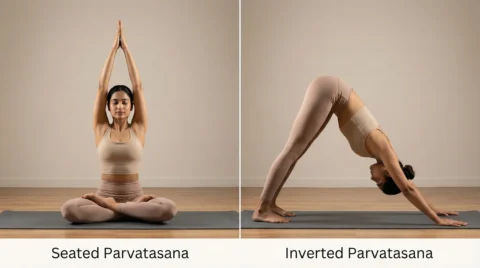
Other variations of parvatasana are listed below. However, these variations are yet to studied more.
Following a proper technique to perform any asana is essential to obtain its full benefit. The following steps will help you to do Parvatasana yoga:
I highly recommend the regular practice of Parvatasana to everyone. I recently read an article, and it said that practising Parvatasana increases lung volumes, breath-holding duration, and chest wall expansion which may contribute to the development of cardiovascular endurance7.
Dr. Siddharth Gupta, B.A.M.S, M.D (Ayu)
Some of the potential benefits of Parvatasana are:

A proper body posture is important to your overall health, helping avoid muscle tension and body pain. One may achieve a good body posture by correcting minor spine defects and unnatural spine curvature. Daily practising mountain pose yoga might help correct the positional defects in the spine by straightening of the spine and back muscles. The unnatural curves in the spine may get properly re-arranged and the improper displacements of the spinal vertebrae (spine column) may also be corrected with the Parvatasana pose, resulting in proper spine posture2.
In this 5g era, we’re stuck with our mobile phones and laptops most of the time working, playing, or even for entertainment. This has made lower back pain very prominent and a common complaint. From my experience, when Parvatasana collaborates with other yoga asanas, such as in Suryanamaskar, it may do wonders for our back and overall health! I recently read an article which suggests that this yogasana may help people with acute lower back pain feel better and have a less functional impairment and better quality of life5.
Dr. Rajeev Singh, BAMS
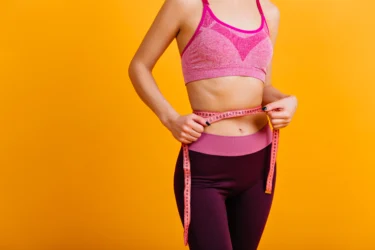
Everybody wishes for a flat tummy and slim waist; however, we all know it is hard but not impossible. Scientists have observed that Yoga helps with managing body fat. Practising Parvatasana pose regularly might help you lose excess waist fat as it acts as a fat-burning exercise. Parvatasana variations activate the waist zone and stretch the abdominal muscles. These waist movements and extending help reduce the accumulated fat near the belly. Hence, mountain posture might help you reduce your flabby stomach1,2.
Yoga practice may help develop the mind and body; however, it is still not an alternative to modern medicines. Therefore, you should not rely on Yoga alone to treat any condition. Instead, consult a qualified doctor who will be able to assess your condition correctly and advise accordingly. Furthermore, practising and learning Yoga under the supervision of a trained professional to avoid injuries is necessary.
Let me give you a healthy tip! Get the habit of regular practice of Parvatasana and its modifications in your daily routine. Studies have shown that Adho Mukha Parvatasana, a type of Parvatasana, may relieve neck stress and improve blood circulation while strengthening the muscles in the hands and wrists6.
Dr. Smita Barode, B.A.M.S, M.S.
The following are a few contraindications and risks of Parvatasana posture:
Contraindications:
Conditions in which the mountain pose is not to be performed are:
Risks:
With the guidance of a trained yoga master, you can assess and analyse the risk factors and continue to practise the Parvatasana pose with more precautions.
Also Read: Benefits of Garudasana (Eagle Pose) and How to Do it By Dr. Ankit Sankhe
Parvatasana is a part of Surya Namaskar Yoga. Parvatasana yoga is also called mountain pose, as the final position of the body resembles the shape of a mountain. Parvatasana yoga pose may be performed with variations such as seated and inverted mountain pose. Parvatasana benefits from removing spinal defects and helps to achieve proper spine posture by strengthening the spinal column. In addition, it helps in stretching and toning the legs and arms muscles. Mountain yoga position is also called fat-burning exercise. However, you must always follow the instructions given by your yoga trainer to gain the maximum benefits and avoid injuries.
Parvatasana is a yoga pose. It is a Sanskrit name in which ‘Parvata’ means mountain and asana means ‘posture’; therefore, it is known as mountain pose. Parvatasana is an essential part of Surya Namaskar yoga, ideally done facing the rising Sun1.
The variations of the mountain pose include the seated mountain pose in which the body is stretched in the upward direction by extending the arms and back in a straight position. In the same position, one can try to bend in the right/left direction or front/back by arching the spine while keeping the waist in the same position. Another variation is the inverted mountain pose, in which the legs and arms are stretched downward, placing the head below the heart2,3.
The contraindications of Parvatasana include high blood pressure, heart problems, arthritis, spinal abnormalities, etc., because mountain pose yoga might worsen these conditions2.
Yes. Parvatasana might help in reducing belly fat. It is also referred to as fat-burning exercise. It activates the waist regions and helps to stretch the abdominal muscles. These waist movements and stretching of muscles help reduce the residual fats around the belly region1,2.
Disclaimer: The information provided here is for educational/awareness purposes only and is not intended to be a substitute for medical treatment by a healthcare professional and should not be relied upon to diagnose or treat any medical condition. The reader should consult a registered medical practitioner to determine the appropriateness of the information and before consuming any medication. PharmEasy does not provide any guarantee or warranty (express or implied) regarding the accuracy, adequacy, completeness, legality, reliability or usefulness of the information; and disclaims any liability arising thereof.
Links and product recommendations in the information provided here are advertisements of third-party products available on the website. PharmEasy does not make any representation on the accuracy or suitability of such products/services. Advertisements do not influence the editorial decisions or content. The information in this blog is subject to change without notice. The authors and administrators reserve the right to modify, add, or remove content without notification. It is your responsibility to review this disclaimer regularly for any changes.
6
2Isn’t it thought provoking that yoga uses the body to heal the body? Yoga relies on your own body for strengthening it. It focuses on steady posture and relaxation of muscles. This is what makes yoga different from other exercises. Other forms of exercise focus primarily on external equipment and inducing stress on the body.
Indian saints developed the traditional methods of yoga to control the mind and bodily activities. Every human wishes to live in harmony with oneself. Physical, mental and spiritual balance is of utmost importance1.
Today, Yoga is globalized and is widely practiced in India and Western countries. People of all age groups, genders and nationalities practice yoga in various settings like schools, gyms, yoga studios, parks, homes, and temples. Yoga has become a profitable enterprise as its interest in people keeps increasing. Yogalates and Yogarobics are some of the modernized versions of yoga2.
Yoga often sees the practice of asanas, one of which is padahastana. Let us look at some interesting features and benefits of padahastasana.
Padahastasana is one of the asanas (pose) of surya namaskar. Surya means sun, and namaskar means salutation. Surya Namaskar comprises of breathing techniques (pranayama) and 7 asanas that are performed in cyclic order, thereby creating 12 asanas in total. Surya Namaskara includes 7 asanas like Pranamasana, Hastautthan Asana, Hastapad Asana, Ashwasanchalan Asana, Ashtang Namaskar, Bhujangasana and Parvatasana.
Pada means feet and hasta means hands. Therefore, padahastasana means keeping the palms down towards the feet4. Padahastasana is also called the hand-to-foot pose. It uses the breathing pattern of Ucchavasa, which refers to normal breathing. This means no exhalation or inhalation of breath, rather simple free breathing3.
Did You Know?
Padahastasana must be done properly for maximum health benefits. One may perform padahastasana in the following manner:
Some benefits of hand-to-foot pose are as follows:

Yogic postures like padahastasana may effectively control headaches. Sang in 2015 found that practising padahastasana may reduce headaches and the use of symptomatic medication. A clinical trial was conducted where migraine patients were using yoga conventional care for six weeks. The results suggested that people who practised this pose showed lesser frequency and intensity of headaches. However, if you have a severe headache for an extended period, you must consult your doctor5.
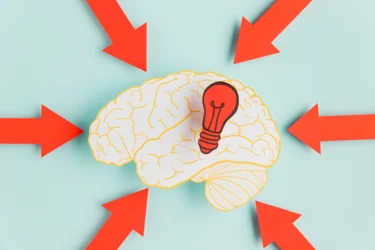
Yoga postures like padahastasana may help to improve concentration and memory. It may be helpful in the case of ADHD symptoms in preschoolers (Samantha et al., 2019). A clinical study5 on 100 students who practised yoga for about three months suggested significant improvement in attention, concentration and memory.
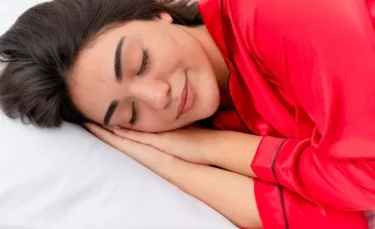
Short wavelengths of artificial blue light emitted by electronic gadgets may delay sleep by suppressing sleep-inducing hormones. A study5 showed that around 80% of participants using an electronic device for more than three hours a day experienced poor sleep quality. By reducing physiological arousal and inducing relaxation and positivity in the body, this asana may help to improve sleep. However, if you experience chronic sleep issues, you must get in touch with the doctor.
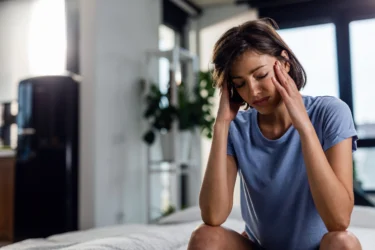
The practice of padahastasana may help to manage stress by reducing heartbeat and blood pressure. It may also reduce the body’s oxygen demand, thereby reducing the vulnerability to stress. Fang and Li conducted a clinical trial on a population of 120 nurses. It was divided into two groups. One group attended the Yoga program while the other group did not. After a six-month follow-up, it was found that the ones who participated in the yoga program had reduced stress levels5.

The practice of padahastasana may help to improve heart health and reduce the risk of heart disease. It may control blood pressure. A study5 by Manchanda, S.C. (2014) suggested that Yoga may maintain cholesterol and blood sugar levels. Patel and North conducted a trial of yoga practice in 34 subjects less than 75 years old. The result showed a significant reduction in blood pressure. However, you must consult your doctor in case of abnormal blood pressure.

This posture may help in the case of Irritable Bowel Syndrome (IBS). It includes abdominal pain, discomfort and bloating. A yoga module setup in a clinical trial6, comprised various breathing techniques and postures. Padahastasana was one of the postures. The results showed a possible connection between the postures and the IBS symptoms. However, if you experience severe symptoms of IBS, you must immediately consult your doctor.
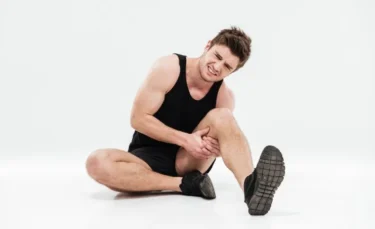
Padahastasana may enhance the flexibility of hamstring muscles (muscles present at the back of the thighs). A study of 20 subjects suggested that padahastasana may improve hamstring muscle flexibility and reduce muscle tightness. However, further studies are required to confirm these claims7.
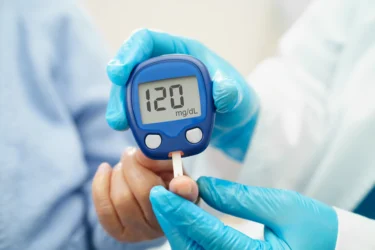
Practising a series of postures that include padahastasana may help in the case of type 2 diabetes. The practice of yoga may keep blood glucose levels in control. Nagarathna et al. conducted a study where the subjects performed a variety of asanas. Padhastasana was one of them. The result of the study8 suggested a reduced risk of type 2 diabetes in individuals who practised yoga regularly. However, you must check your sugar levels and consult your doctor in case of abnormal sugar levels.
Yoga practice may help develop the mind and body; however, it is still not an alternative to modern medicine. Therefore, you must not rely on Yoga alone to treat any condition. Instead, please consult a qualified doctor who will be able to assess your condition correctly and advise accordingly. Moreover, it is necessary to practice and learn Yoga under the supervision of a trained yoga teacher to avoid any injuries.
Practising Padahastasana, also known as the Forward Bend Pose, might have positive effects on your body’s flexibility and strength. By bending forward and reaching towards your toes, this yoga pose stretches the muscles in your back, hamstrings, and calves, increasing their flexibility.
Dr. Siddharth Gupta, B.A.M.S, M.D (Ayu)
Conditions where padahastasana should be done cautiously are:
With the guidance of a qualified and experienced yoga teacher/yoga expert, we can access and analyse the risk factors and continue to practice exercise with precautions.
In my experience, I have learned that Padahastasana might be effective in reducing excess abdominal fat. This yoga pose involves forward bending, which may help to stimulate the abdominal muscles and improve blood circulation in the area. With regular practice, Padahastasana can contribute to a reduction in abdominal fat and improve overall body strength and flexibility.
Dr. Rajeev Singh, BAMS
Padahastasana is one of the 12 poses of surya namaskar. Pada means feet; hasta means hands. Therefore, padahastasana means keeping the palms down towards the feet. It means hand-to-foot pose. Yogic postures like padahastasana may effectively control headaches, improve concentration, control sleep deprivation and manage stress. The practice of padahastasana may improve heart health by keeping blood pressure in control. Additionally, it may relieve the symptoms of Irritable Bowel Syndrome (IBS). It may also control blood sugar levels and improve the flexibility of hamstring muscles.
Also Read: Benefits of Matsyasana (Fish Pose) and How to Do it By Dr. Ankit Sankhe
Padahastasana is the hand-to-foot pose. Pada means foot, hasta means hand and asana meaning pose. Therefore, padahastasana translates to hand-to-foot pose in English4.
Padahastasana yoga pose may control headaches, improve concentration, control sleep deprivation and manage stress. It may improve the heart health by keeping blood pressure in control. Additionally, it may relieve the symptoms of Irritable bowel syndrome (IBS). It may also control blood sugar levels and improve the flexibility of hamstring muscles5,8.
First, stand straight with feet about 2 inches apart. Then inhale slowly and simultaneously raise your arms up. Then, stretch up the body from your waist. Exhale and slowly bend forward until your palms touch the ground. Make your back as straight as possible by stretching it. Maintain this posture for 10-30 seconds. Breathe normally at this time. Now inhale and slowly come up to an upright position and stretch your arms right above your head. Finally, exhale slowly and come back to the starting position. Relax in samasthiti (simple standing position)4.
People having cardiac disorders, vertebral and disc disorders, hernia, glaucoma, abdominal inflammation, ulcers, myopia, vertigo shall be cautious while performing padahastasana4.
Yes, padahastasana is one of the poses of surya namaskar.
1. Yadav SK, Kumar A, Kumar V, Kumar A. Importance of Yoga in daily life. Accessed on January. 2015;30:2019. Available from: https://www.researchgate.net/publication/278673574_IMPORTANCE_OF_YOGA_IN_DAILY_LIFE
2. Singleton M, Byrne J, editors. Yoga in the modern world. London: Routledge; 2008. Available from: https://www.taylorfrancis.com/books/edit/10.4324/9780203894996/yoga-modern-world-mark-singleton-jean-byrne
3. Nikam VM. A Role Of ‘Surya Namaskara’ For Good Health. Available from: https://www.aiirjournal.com/uploads/Articles/2020/03/4434_25.Vd.Manisha%20Nikam.pdf
4. 21 June INTERNATIONAL DAY OF YOGA INTERNATIONAL DAY OF YOGA Common Yoga Protocol, Ministry of Ayurveda, Yoga & Naturopathy, Unani, Siddha and Homoeopathy (AYUSH) [Internet] 4th Revised Edition, May 2019. [Cited: 2022 Sep 10] Available from: https://mea.gov.in/images/pdf/common-yoga-protocol-english.pdf
5. Sharma B, Pant K, Pant B, Sharma P, Thapliyal M, Sinha S, Pandey A, Chaudhary V, Verma D. ELECTRONIC DETOXIFICATION WITH YOGA AND MEDITATION. Available from: https://www.researchgate.net/publication/351618249_ELECTRONIC_DETOXIFICATION_WITH_YOGA_AND_MEDITATION
6. Kavuri V, Raghuram N, Malamud A, Selvan SR. Irritable bowel syndrome: Yoga as remedial therapy. Evidence-Based Complementary and Alternative Medicine. 2015 May 6;2015. Available from: https://www.hindawi.com/journals/ecam/2015/398156/
7. Paul A, Sasidharan AN, Majeedkutty NA. Effect Of Padahastasana In Improving Hamstring Muscle Flexibility Among Young Adults. Available from: https://www.worldwidejournals.com/international-journal-of-scientific-research-(IJSR)/article/effect-of-padahastasana-in-improving-hamstring-muscle-flexibility-among-young-adults/MTczMjI=/?is=1&b1=1&k=1
8. Chattopadhyay K, Mishra P, Manjunath NK, Harris T, Hamer M, Greenfield SM, Wang H, Singh K, Lewis SA, Tandon N, Kinra S. Development of a yoga program for type-2 diabetes prevention (YOGA-DP) among high-risk people in India. Frontiers in public health. 2020 Nov 17;8:548674. Available from: https://www.frontiersin.org/articles/10.3389/fpubh.2020.548674/full
Disclaimer: The information provided here is for educational/awareness purposes only and is not intended to be a substitute for medical treatment by a healthcare professional and should not be relied upon to diagnose or treat any medical condition. The reader should consult a registered medical practitioner to determine the appropriateness of the information and before consuming any medication. PharmEasy does not provide any guarantee or warranty (express or implied) regarding the accuracy, adequacy, completeness, legality, reliability or usefulness of the information; and disclaims any liability arising thereof.
Links and product recommendations in the information provided here are advertisements of third-party products available on the website. PharmEasy does not make any representation on the accuracy or suitability of such products/services. Advertisements do not influence the editorial decisions or content. The information in this blog is subject to change without notice. The authors and administrators reserve the right to modify, add, or remove content without notification. It is your responsibility to review this disclaimer regularly for any changes.
5
0After covid, most of us feel tired and lack motivation to do much physical work. Doing yoga in these difficult times has helped countless people.
Old school exercises like yoga are gaining newfound respect in today’s world. Yoga integrates our body with the mind and the environment. You eventually start to gain control over your body. A strong mind and a fit body may protect an individual from several illnesses. In this busy schedule of work from home or any other office work, remove some time, stretch your spine by doing ardha matsyendrasana. All you need is a mat and your body to get started with this!
Ardha matsyendrasana, or the ‘Half Lord of the Fishes’ pose, is named after Matsyendranath, a ninth-century yogi and founder of Hatha yoga. Its name comes from the Sanskrit language. Ardha means half, matsya means fish, eendra means king, and asana means posture. It was named after a yogi-fish called matsyendrasana, who was transformed into a human body by Lord Shiva.
This asana is known for twisting and rotating the spine1.
Asanas such as halasana and paschimottanasana bend the spine forward, and bhujangasana, dhanurasana, salabhasana bend the spine backward. However, for complete flexibility of the spine, it should also be bent sideways. This will ensure an increase in the elasticity of the spinal column2.
Did You Know?
We must follow proper techniques to do any asana, including ardha matsyendrasana. The steps to do ardha matsyendrasana are as follows:
When you practice Ardha Matsyendrasana (half-spinal pose) along with Dhanurasana (bow pose), Vakrasana (twisted pose) works wonderfully in compressing abdominal muscles and might stimulate hormonal or pancreatic secretions9.
Dr. Rajeev Singh, BAMS
Ardha matsyendrasana is considered one of the beneficial asanas that may positively impact the spiritual body. Some of the potential benefits of ardha matsyendrasana include:
Obesity has become one of the most dominant lifestyle diseases in urban society. Obesity and excessive body weight may be linked to several diseases, mainly heart-related diseases, obstructive sleep apnea, type 2 diabetes, osteoarthritis, and certain types of cancer. Ardha matsyendrasana, along with other yoga asanas, might help get rid of excessive fat5,6.

Type 2 diabetes is a metabolic disease in which the sugar level in the body increases due to a defect in the secretion of insulin, insulin action or both. In a study, the asana ardha matsyendrasana was done by 100 people with type 2 diabetes to check its beneficial effects. Its results showed that ardha matsyendrasana might effectively lower the sugar level in patients with diabetes mellitus. However, more studies are needed to check its effectiveness7.
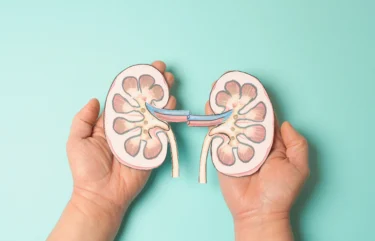
Kidney disorders indicate an abnormality in the kidney, which is caused by the damage to the damaged tiny blood vessels present within the nephron (smaller filtration units that make up the kidney). These tiny blood vessels maintain the water level in the body and filter waste. Several conditions might cause this, including diabetes, high blood pressure, chronic inflammation, oxidative stress, etc. Ardha matsyendrasana may positively stimulate the kidney and liverto remove the waste, excessive heat, and purify the blood and internal organs. It may also improve the body’s immunity8.
Many people take breathing for granted, except individuals with severe asthma. Asthma is a long-term disease of the respiratory system that affects the airways and lungs with insufficient oxygen supply to the lungs. Studies have reported that exercise may improve breathing and quality of life along with medicines11. Ardha matsyendrasana is one of the asanas that may stretch your chest and open up the airways. More oxygen may enter the lungs and improve the lung’s oxygen capacity. Therefore, doing ardha matsyendrasana might be helpful for asthma; however, more research is needed to confirm this claim.
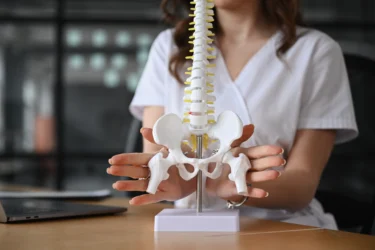
Asanas may help relieve skeletal and muscular pain in the back and lower part of the body and increase the flexibility and agility of the body. Ardha matsyendrasana and pawanmuktasana (also called wind-relieving pose in which both the legs are bent at the knees when lying down on your back, knees touching the chest, may improve spine elasticity, nerve tonicity, and spinal cord functioning. It may also relieve the stiffness in the spinal cord and back pain and increase the blood circulation of the pelvic area. Practising ardha matsyendrasana may correct the postural defects, spine alignment, and muscle stiffness. However, consult your doctor before starting with ardha matsyendrasana.
Practising Ardha Matsyendrasana can put pressure on abdominal muscles and the large intestine. Therefore, it might give relief from gastric issues like constipation, indigestion, etc10.
Dr. Siddharth Gupta, B.A.M.S M.D (Ayu)
Yoga practice may help develop the mind and body; however, it is still not an alternative to modern medicine. Therefore, you must not rely on yoga alone to treat any condition. Instead, please consult a qualified doctor who will be able to assess your situation correctly and advise accordingly. Moreover, it is necessary to practice and learn yoga under the supervision of a trained yoga teacher to avoid any injuries.
Also Read: Benefits of Rudra Mudra and How to Do it By Dr. Ankit Sankhe
Some contraindications related to ardha matsyendrasana are:
It is essential that you do ardha matsyendrasana under the guidance of an experienced and qualified yoga teacher. You should know all the risk factors before practising ardha matsyendrasana.
Also Read: Benefits of Sukhasana (Easy Pose) and How to Do it By Dr. Himani Bisht
Ardha matsyendrasana is one of the best asanas that may help the body improve flexibility and agility. It has many benefits for the spine, kidneys, urinary tract, heart, liver, etc. However, while practising this asana, you must keep all the precautions in mind and maintain a good posture. Doing ardha matsyendrasana correctly is crucial to extract all its benefits. Therefore, it would be best to practise this asana under a qualified yoga expert to avoid mishaps.
Also Read: Benefits of Prithvi Mudra and How to Do It By Dr. Ankit Sankhe
Ardha matsyendrasana/ lord of the fish pose is one of the common yoga asanas for twisting and rotating the spine to make the body more flexible1.
The steps of ardha matsyendrasana are:
> Sit down with the legs straight
> Relax the body
> Bend the left leg & place the left heel near the right buttock
> Put the sole of the right foot flat on the mat
> Both buttocks should remain on the ground
> Keep the back straight
> Put the left arm to the outside of the right knee and hold the right ankle
> Turn the upper body to the right and look over the right shoulder
> Stay in this position for a few minutes, meanwhile breathe normally and relax the entire body
> Slowly return to the starting position
> Repeat on the other side3.
Ardha matsyendrasana may have several benefits on the body. It strengthens the spine, increases flexibility, improves digestion, removes toxins, cleanses the body, decreases fatigue, and stimulates the heart, liver, lungs, kidney and spleen for better function1.
In a study, ardha matsyendrasana was reported to lower the sugar level and might benefit diabetes. However, more research is required to confirm that this asana helps diabetes7.
You must practise ardha matsyendrasana after consulting an expert yoga professional. They will analyse and advise you on the proper frequency.
Disclaimer: The information provided here is for educational/awareness purposes only and is not intended to be a substitute for medical treatment by a healthcare professional and should not be relied upon to diagnose or treat any medical condition. The reader should consult a registered medical practitioner to determine the appropriateness of the information and before consuming any medication. PharmEasy does not provide any guarantee or warranty (express or implied) regarding the accuracy, adequacy, completeness, legality, reliability, or usefulness of the information; and disclaims any liability arising thereof.
Links and product recommendations in the information provided here are advertisements of third-party products available on the website. PharmEasy does not make any representation on the accuracy or suitability of such products/services. Advertisements do not influence the editorial decisions or content. The information in this blog is subject to change without notice. The authors and administrators reserve the right to modify, add, or remove content without notification. It is your responsibility to review this disclaimer regularly for any changes.
2
1Yoga is an excellent exercise to increase strength and flexibility. Yoga is done in a calm and focused manner. It works by stretching, which helps our stiff muscles to move better. Yoga can help in building core strength and focus on better body postures. It makes us aware of bending our body or slouching and helps us to adjust our pose. It is not about performing complex poses but habituating our bodies to simple poses. Yoga represents harmony, togetherness and an overall healing process. It is a connection between mind and soul that teaches the management of all physical, mental and behavioral activity.
Although some of the styles, like power yoga and ashtanga (also known as eight limbs of yoga), that help in improving muscle tone do require immense physical effort. Whereas some less rigorous forms of asanas, like hatha yoga, can also provide strength and endurance. Irrespective of practising any yoga style, it is important to perform restorative yoga poses, at the end of the yoga session. Savasana is the most common pose recommended to relax our body and maintain calmness1.
Savasana is a Sanskrit word pronounced as shuh-VAHS-ah-nah.
“Sava” or “shava” refers to a corpse, while “asana” means posture or pose. Therefore, Savasana is commonly known as the corpse pose. It is a relaxing position practiced at the end of the yoga session where the body is kept still in a supine position (lying on the back facing upwards). Although it looks easy, it is a challenging position because the art of relaxation is harder than it seems. Since it is performed after one has practiced balancing, twisting, and bending throughout the session, lying on the floor still is a tough task.
Some people tend to sleep as soon as they lie down. However, Savasana or corpse pose is about being conscious and alert while relaxing your body physically. Being aware during corpse pose helps us to release tensions and enter into the relaxed state often termed meditation. Therefore, it is often called “magical asana”2.
Lying flat on the floor can be an unusual experience for some, using props or variations can help relieve tension and pressure. Some of the variations for Savasana or corpse pose are2,3:
Did You Know?
Savasana or corpse pose is a relaxing pose and is performed at the end of the yoga session. Therefore, any pose practised before the corpse pose is the preparatory pose and consequently there is no counter pose to this asana.
Savasana or corpse pose can be achieved in the following steps2,3:
Playing soothing music in the background can aid in relaxing the mind and body and bring you to a more peaceful and meditative state.
I recommend avoiding any body movements during your practice to maintain a sense of stillness. Even the smallest motions might disrupt your flow. Additionally, you may enhance your experience by incorporating a personal mantra, repeating it with each inhalation and exhalation8.
Dr. Rajeev Singh, BAMS
Savasana offers several benefits to the human body. Some of them are mentioned below:
Savasana or corpse pose may have a potential benefit in managing diabetes. Savasana practice over a period of time can help in decreasing stress, an important pathological aspect of developing diabetes. Stress activates the oxidation process at the lipid membrane level and helps in releasing the oxygen from the tissue creating a situation known as hypoxia. This tissue hypoxia is reported as one of the early events in diabetes. Kumar et al. 2017 conducted a study5 involving 20 patients with diabetes (increased glucose level) subjected to 40 days of yoga, involving Savasana as one of the postures. The study revealed an increase in insulin levels with a decrease in blood glucose level.
Tamilpulavendran and his colleague conducted research7 in hospitals at Puducherry to assess the effectiveness of Savasana on patients suffering from depression. Thirty patients were selected and assessed by answers in the questionnaire before and after performing Savasana or corpse pose for eight days. He concluded that there were remarkable changes in the stress levels of patients post-practicing Savasana. This might be due to an increase in endorphins by stretching and breathing, which decreases physical exhaustion.
Savasana or corpse pose may help in promoting quality and deep sleep. It is also called yogic Nidra – a form of deep yogic sleep. An individual suffering from difficulty in initiating or maintaining sleep or both can practice Savasana. It helps in calming the mind and body to provide better sleep at night which may decrease the doctor’s visits or intake of sleeping pills2.
Savasana or corpse pose is the ultimate resting pose practiced after performing active asanas involved in opening the chest or airways, stretching muscles, and releasing tension. Remaining in Savasana pose for more than 15 minutes every day conditions the body to release stress and relaxes the body by reducing fatigue2,3.
In my opinion, Savasana may help you in developing awareness. As your body unwinds, your mind might become more aware and focused, leading to inner exploration and increased mindfulness8.
Dr. Siddharth Gupta, B.A.M.S, M.D (Ayu)
Savasana or corpse pose is a relaxing pose with minimum contraindication yet it is difficult to master. Certainly, one can keep in mind the following points in order to avoid discomfort7.
Also Read: Benefits of Bhastrika Pranayama (Bellow’s Breath) and How to Do It By Dr. Ankit Sankhe
Today’s world is moving at a rapid pace where multi-tasking and speed are seen as desirable qualities. Therefore, it has become more important to reboot yourself to improve functionality and productivity. Hence, Savasana or corpse pose should be practised with or without performing other yoga asanas, to consciously relax and regulate breathing and promote stress reduction in lifestyle.
Also Read: Benefits of Matsyasana (Fish Pose) and How to Do it By Dr. Ankit Sankhe
Savasana is the most relaxing pose, usually performed at the end of the yoga session. It acts a cool-down posture. It is basically meditation in the supine position, which allows us to be aware of our inner self while our body is physically at rest2.
Savasana or corpse pose can offer several benefits, which include managing diabetes, depression, and insomnia. It may also help in lowering blood pressure and decreasing headache2.
A person with severe acidity, injuries or pain in spine, hips and back of thighs of the body who is restricted by their doctors to lay on the back; should avoid Savasana or corpse pose7.
In this fast-moving world, it is difficult to assume a resting position even for a short period. Savasana being the most calming pose is difficult to master, especially after doing bending and twisting exercises throughout the yoga session2.
Savasana should be practised after the end of a yoga session from five to twenty minutes depending on the ability of the person to hold the body still3.
Disclaimer: The information provided here is for educational/awareness purposes only and is not intended to be a substitute for medical treatment by a healthcare professional and should not be relied upon to diagnose or treat any medical condition. The reader should consult a registered medical practitioner to determine the appropriateness of the information and before consuming any medication. PharmEasy does not provide any guarantee or warranty (express or implied) regarding the accuracy, adequacy, completeness, legality, reliability or usefulness of the information; and disclaims any liability arising thereof.
Links and product recommendations in the information provided here are advertisements of third-party products available on the website. PharmEasy does not make any representation on the accuracy or suitability of such products/services. Advertisements do not influence the editorial decisions or content. The information in this blog is subject to change without notice. The authors and administrators reserve the right to modify, add, or remove content without notification. It is your responsibility to review this disclaimer regularly for any changes.
7
0Asanas and Pranayama assist individuals in connecting their mind and body. Yoga promotes circulation and muscle tone while lowering blood pressure and heart rate. Practising yoga might help regulate stress levels and reduce tension before exams. Yoga is a practical discipline that combines a wide range of practices to promote a state of both physical and mental health. It involves practising meditation, controlling breathing with a range of breathing techniques, and engaging in various physical postures and exercises where the emphasis is more on engaging particular muscle groups.
Balasana is a simple relaxation pose. Balasana is meant to calm the mind when the breath is regulated correctly. Child’s Pose or Balasana is an easy posture that helps relax the body, which we can do easily1.
Balasana is also termed as a Child’s Pose or Resting pose. In Sanskrit, “Bala” means a “Kid” who is not entirely grown or matured. Balasana resembles a kid on the ground asking for a toy. In balasana, muscles such as spinal extensors, gluteus medius, and hamstrings may elongate and work simultaneously2. Let’s see how balasana is performed.
We must use the proper techniques to get the most health benefits from the child pose. The balasana steps may be done while sitting on the ground as it is a ‘sitting posture’. The steps are as follows:
There is a sense of relaxation that surrounds the innocence of childhood. So, this pose may be known as Child’s pose. However, some great sayings and fun facts regarding balasana are:
Some of the benefits of Balasana are as follows:

According to study3, in Balasana, Marjasana and Setu Bandhasana postures, the oxygen concentration in blood was calculated, among which ‘balasana’ was most beneficial. It may be helpful in treating chest pain and neck pain. Balasana is a relaxed position to enable focus on breathing, which might be a perfect remedy for breathing problems. A deeper inhalation is possible with greater movement in the rib cage and the back of the abdomen.
In the work-from-home schedule, we have to sit for long hours to complete the work, which may cause back pain, and we tend to get sick earlier than usual, for which the balasana yoga pose is a practical exercise. In addition, the spinal, back and hip muscles may lengthen and contract simultaneously while doing balasana, which relieves the body fatigue2.

According to a study1, heart rate, systolic blood pressure, and diastolic blood pressure, are all considerably lowered. Kindly consult a doctor as heart conditions are serious and must be properly diagnosed and treated.

In balasana, upper and lower abdominal portions extend along with lower back muscles, which may benefit patients with stomach pain and lower back pain2.
Regularly practising balasana might improve digestive health. This is because while performing balasana, internal abdominal organs experience pressure. Additionally, it might also help with acidity6.
Dr. Rajeev Singh, BAMS
One of the primary causes of diabetes is stress. It stimulates the body’s release of glucagon (a hormone responsible for boosting blood glucose levels). Yoga poses like balasana along with a few minutes of regular meditation may help relieve stress and protect the body from its harmful effects, reducing the quantity of glucagon and improving insulin (a hormone which balances blood glucose/sugar level in the body) activity5. Kindly consult the doctor for proper diagnosis and treatment of diabetes.

Balasana or resting pose has therapeutic benefits for anxiety, stress, depression, sleeping difficulties and fatigue. This asana may activate the limbic system which helps the body respond to intense emotions such as fear and anger by activating the fight or flight response. It may induce relaxation and relieve tension. It increases blood circulation to the head3.
Practising balasana can give you awareness about mental, emotional, and physical states and bring you solace. It positively affects the whole body, mind, and soul, making you feel rejuvenated and relaxed6.
Dr. Siddharth Gupta, B.A.M.S, M.D (Ayu)
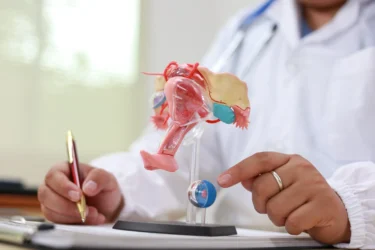
Yoga practice may help develop the mind and body; however, it is still not an alternative to modern medicine. You must not rely on yoga alone to treat any condition. Please consult a qualified doctor who will be able to assess your condition correctly and advise accordingly. Moreover, it is necessary to practice and learn yoga under the supervision of a trained yoga teacher to avoid any injuries.
Also Read: Benefits of Savasana (Corpse Pose) and How to Do it By Dr. Ankit Sankhe
With the guidance of a qualified and experienced yoga teacher, we can access and analyse the risk factors and continue to practise the balasana with precautions.
Also Read: Benefits of Mandukasana (Frog Pose) and How to Do it By Dr. Himani Bisht
The key aim of balasana asana is to regulate our breath consistently that it becomes therapeutic to the body. While performing the balasana, the head should be lowered to the floor while kneeling and keeping the legs apart. We may feel a slight pull in the lower back and inner thigh muscles, but remaining in this position helps regulate breathing and increases oxygen intake in the lungs and blood. In addition, it gently stretches your lower back, ankles, knees and hips. To avoid any problems, one must perform this posture frequently while taking the necessary precautions, preferably with the guidance of a qualified yoga instructor.
Also Read: Benefits of Ardha Matsyendrasana (Half Fish Pose) and How to Do it By Dr. Himani Bisht
No, since more study on the effects of balasana on eyesight is needed.
No, however, more research is required to get the correct information on the balasana effect on hair growth.
Daily yoga may increase lung airflow, capacity, stamina, and efficiency. In addition, a back-bending position like balasana may stretch the chest and enhance lung and heart function and blood circulation. In the resting pose, muscles in the hips, arms, and legs help the body react rapidly and breathe more deeply. The blood flow through the muscles, and back to the lungs increases, the heart beats more quickly, and tiny blood vessels widen to allow more oxygen to enter the blood. Endorphins (body’s natural pain relievers and mood uplifters) are released by the body together with oxygen. The increase in blood flow encourages blood circulation3.
Balasana improves the digestion process. It may focus on the purification of body and mind to help overcome a variety of illnesses in modern life. In addition, balasana may be effective for lower back and neck pain patients2.
Balasana may improve digestion process and stretches the abdominal muscles, which helps reduce pain in the stomach. Kindly consult the doctor or yoga trainer before practising the balasana or Child’s pose2.
Disclaimer: The information provided here is for educational/awareness purposes only and is not intended to be a substitute for medical treatment by a healthcare professional and should not be relied upon to diagnose or treat any medical condition. The reader should consult a registered medical practitioner to determine the appropriateness of the information and before consuming any medication. PharmEasy does not provide any guarantee or warranty (express or implied) regarding the accuracy, adequacy, completeness, legality, reliability or usefulness of the information; and disclaims any liability arising thereof.
Links and product recommendations in the information provided here are advertisements of third-party products available on the website. PharmEasy does not make any representation on the accuracy or suitability of such products/services. Advertisements do not influence the editorial decisions or content. The information in this blog is subject to change without notice. The authors and administrators reserve the right to modify, add, or remove content without notification. It is your responsibility to review this disclaimer regularly for any changes.
0
0Since ancient times, India has made many valuable contributions in different fields. From Hindus coming up with the number ‘zero’ to Sushruta (Father of Surgery) describing 60 types of wound treatment, 120 surgical devices and 300 surgical procedures with detailed techniques of eight types of surgery in his Sushruta Samhita, one of the significant ancient medical treatises which is considered to be an integral part of Indian medical practice1,2.
India is probably well known for its gift of Yoga to the world. So much so that India is known as ‘Yoga Bhoomi’, meaning Land of Yoga. Yoga is usually associated with the Hindu religion. It is actually a technique for personal growth and refinement. The various asanas and pranayamas in Yoga are aimed at bringing about a sense of balance of the body with the mind and soul3. Pawanamuktasana is one of the many asanas in Yoga, which is beneficial to us in many ways.
The word Pawanamuktasana is a conjunction of two Sanskrit words; Pawana meaning air or wind and Mukta meaning to release. It is also known as the wind-relieving posture. The final position of this asana helps release the trapped gas (air) in the lower digestive tract4.
It is said that Pawanamuktasana helps release undesirable air not just from the digestive tract but also from the joints of the body. It is believed that this asana has a positive influence on the physical as well as the spiritual level5.
Not many Yogic treatises describe Pawanamuktasana in detail. But, the Asana Pranayama Mudra Bandha (the most organized text on Hatha Yoga)6 by Swami Satyanand Saraswati describes 3 types of Pawanamuktasana:
Did You Know?
For doing any Yogic asana, it is essential that one follows the proper technique of doing it, so that optimum health benefits can be obtained while minimizing the risk of any injury. The steps to do the wind-relieving pose are as follows6:
Regular practice of Pavanamuktasana may keep depression and anxiety at bay! Studies say that regular practice of yogasana including Pavanamuktasana increased strength and may eventually help fight depression. I strongly recommend the addition of Pavanamuktasana to your daily routine7.
Dr. Siddharth Gupta, B.A.M.S, M.D (Ayu)
Pawanamuktasana offers a range of benefits to those who practice it regularly. Some of its potential benefits are:
It may be beneficial in increasing the muscular contractions of the digestive tract, which moves the food ahead, thus removing gas and helping prevent constipation. This may especially be beneficial to those suffering from the problem of Irritable Bowel Syndrome5.
Pawanamuktasana, unlike other forward-bending asanas, does not cause a fall in blood pressure. On the contrary, it may strengthen and stretch the abdominal muscles, which can cause an increase in blood circulation. This increases the nutrients and oxygen supply to the digestive system and joints of the body. Since this asana requires lifting the legs above the heart, the resulting pressure improves the blood flow towards the heart5.
Pawanamuktasana may be beneficial for the organs in the abdomen. Due to the stretching of the abdominal muscles, there might be a regeneration of the pancreatic cells. This may improve glucose absorption by the liver, fatty, and peripheral tissues. It may also increase the glucose uptake of the pancreas and the muscles, thus reducing its level in the blood5.
Pawanamuktasana may help relax many muscles. When this asana is done, the muscles first get stretched and then relaxed. When one group of muscles is contracting, its antagonist muscle group (the group of muscles with the opposite action) is getting stretched, thus stimulating the stretch receptors. Stimulation of stretch receptors helps lengthen the muscles without any strain. This asana may also improve flexibility, thus releasing any bodily tension5.
The lymphatic system is composed of lymph. It is a whitish fluid made up of white blood cells and intestinal fluid. The lymphatic system is important for the optimal functioning of our general and specific immune responses. Pawanamuktasana may help stimulate this external lymphatic pump5.
From my experience, menstrual problems may be treated with the regular practice of Pavanamuktasana. It is known to strengthen the lower abdomen muscles which may aid in pain during the periods9.
Dr. Smita Barode, B.A.M.S, M.S.
Pawanamuktasana may liberate the life force. Pawanamuktasana is also said to stimulate the Manipura Chakra (Naval chakra). The Manipura chakra is physically related to abdominal organs and nerves5.
The practice of Yoga asanas, including Pawanamuktasana may provide many benefits; however, it is not an alternative to conventional medical treatment for any disease. Do not depend on Yoga alone as the solitary treatment protocol for any health problem. Please consult a qualified medical practitioner if you are suffering from any health condition. Besides, it is recommended that you learn and practice Yoga under the guidance of a Yoga expert, to avoid any injuries.
I strongly recommend the regular practice of Pavanamuktasana which may help to relieve flatulence and constipation. It is also believed to revitalise and strengthen the reproductive system8.
Dr. Rajeev Singh, BAMS
Also Read: Benefits of Rudra Mudra and How to Do it By Dr. Ankit Sankhe
There are certain situations where practicing Pawanamuktasana might be risky. They are:
A qualified and experienced Yoga teacher can assess your risk factors and guide you appropriately regarding the precautions to be taken while practicing Pawanamuktasana.
Also Read: Benefits of Sukhasana (Easy Pose) and How to Do it By Dr. Himani Bisht
Pawanamuktasana or wind-relieving pose is a complete asana. It benefits the endocrine system, blood circulation, nervous system, lymphatic system and the muscular system. One may practice this asana regularly, preferably under the guidance of a trained and qualified Yoga teacher, to avoid any injuries.
Also Read: Benefits of Ardha Matsyendrasana (Half Fish Pose) and How to Do it By Dr. Himani Bisht
The name Pawanamuktasana is derived by joining two Sanskrit words; Pawana meaning air or wind and Mukta meaning to release or freedom. It is also called as the wind-relieving pose4.
1. The steps of Pawanamuktasana are:
2. Lie down flat on your back.
3. Bending your knees, exhale and bring both your knees towards the chest.
4. Inhale and lock your fingers together to hold your legs below the knee at the shins.
5. Again, breathe out and try to touch the knees to your chin, forehead or nose.
6. Hold and relax in this position.
7. To release the asana, bring your head back to the floor, exhale, unclasp your hands, and release your legs back to the ground.
8. Relax in Savasana, which is an asana where you lie down flat on your back with arms slightly away from the body and legs extended with some distance between them4.
Pawanamuktasana should be done under the supervision of a trained and experienced Yoga teacher who can guide you regarding the frequency with which you may do Pawanamuktasana.
Pawanamuktasana is said to be good for a flat stomach. It helps melt the extra fat cells in the belly which may help in losing a few inches off of your waist4.
Pawanamuktasana is called the wind-relieving pose. It helps massage the digestive organs, especially the abdomen. It may help increase the peristaltic movements of the digestive tract, that is the contractions by which the digestive tract pushes food and air ahead, thus being helpful in relieving gases5.
Disclaimer: The information provided here is for educational/awareness purposes only and is not intended to be a substitute for medical treatment by a healthcare professional and should not be relied upon to diagnose or treat any medical condition. The reader should consult a registered medical practitioner to determine the appropriateness of the information and before consuming any medication. PharmEasy does not provide any guarantee or warranty (express or implied) regarding the accuracy, adequacy, completeness, legality, reliability or usefulness of the information; and disclaims any liability arising thereof.
Links and product recommendations in the information provided here are advertisements of third-party products available on the website. PharmEasy does not make any representation on the accuracy or suitability of such products/services. Advertisements do not influence the editorial decisions or content. The information in this blog is subject to change without notice. The authors and administrators reserve the right to modify, add, or remove content without notification. It is your responsibility to review this disclaimer regularly for any changes.
4
0In recent years, life has been moving at an increasingly quick speed and we can see the changes in the world around us when we pay close attention. A more attractive environment created illness, which created increased environmental pollutants, psychosocial disorders, altered food patterns, and a poor diet. Our health is being negatively impacted by the culture that we are following and the high levels of stress. Yoga is now being embraced by many individuals as a remedy to these changes1. Yoga has been practised for ages and represents the idea of a healthy way of life. It has recently grown in popularity throughout the world and is now recognized as an alternative medicine approach. Yuj, which indicates union in Sanskrit, is where the word “yoga” comes from. It represents the fusion of personal consciousness (jee-vatma) with cosmic knowledge (Paramatma). It might ultimately lead to a state of bodily and mental health1,2.
Sudarshan Kriya has its roots set in traditional yoga and is a specific form of a yogic practice called pranayama. Pranayama is a unique part of yoga which focuses on breathing. It is mainly based on balancing the nervous system and may help with the psychological stress-related disorders, which have risen in recent times1. Sudarshan kriya is a type of cyclic controlled breathing. It has distinct components in it which are as follows:
Did You Know?
To practice Sudarshan kriya, you must follow the given steps:
In my experience, Sudarshan Kriya might offer several benefits for cardiovascular health. It may help to lower heart rate and blood pressure, promoting a healthier cardiovascular system. Additionally, practising Sudarshan Kriya has been shown to potentially improve cholesterol and triglyceride profiles, which are important markers of lipid health5.
Dr. Rajeev Singh, BAMS
Sudarshan kriya may be beneficial to both mind and body in which Sudarshan kriya may reduce stress and depression. Some of the potential uses of Sudarshan kriya are:

Sudarshan kriya might help in reducing the anxiety levels in humans and may help in the stabilisation of mental activity, brain function and relief from stress. This might help relieve the common symptoms of stress such as insomnia (inability to fall asleep). It was found in studies1 that the Sudarshan kriya yoga (SKY) practice might help in attaining an improved sleep quality by reducing stress and anxiety. Furthermore, a comparison study done on various yoga practices on post-traumatic stress disorder (PTSD) showed that the practising Sudarshan kriya has better outcomes. Sudarshan kriya yoga might provide a “corrective emotional experience” for healing deep emotional wounds and might also heal cognitive distortion (negative ways of thinking), which is usually caused due to traumatic experiences1.
A group of researchers1 led by Janakiramaiah have found that Sudarshan kriya might be helpful for people with mild and melancholic depression. Noticeable differences in the reduction of depression might be observed in the people who practised Sudarshan kriya. However, more research is required to prove these claims.

A study3 conducted on cancer patients with a habit of tobacco noticed that cancer patients who completed their standard therapy may control their tobacco habit with the help of Sudarshan kriya practices. However, more research is required regarding these effects1.
According to the literature I have come across, Sudarshan Kriya might enhance your immune function. It may increase immune cell counts in both healthy and health-compromised individuals, improving your body’s defence against infections and diseases5.
Dr. Siddharth Gupta, B.A.M.S, M.D (Ayu)
Research4 has noted that psychosocial stress (stress caused due to psychological and social situations) might also lead to an increase in oxidative stress in the body. Few studies have shown that practising Sudarshan kriya yoga might lead to a decrease in oxidative stress. In a study conducted by Sharma et al., it was seen that blood lactate (indicator of oxidative stress) levels were lowered in people practising the SKY technique. It was further noted that the levels of superoxide dismutase, catalase, and glutathione were increased. This indicates a boost in the antioxidant activity, which also contributes to the lowering of oxidative stress. Therefore, Sudarshan kriya might help in reducing oxidative stress in the body. However, more research is necessary for claims1.
Gebrag and Brown found in their study that Sudarshan kriya might be helpful in certain medical conditions:
However, more research is required to prove these claims.
Yoga practice may help develop the mind and body; however, it is still not an alternative to modern medicine. You must not rely on yoga alone to treat any condition. Please consult a qualified doctor who will be able to assess your condition correctly and advise accordingly. Moreover, it is necessary to practice and learn yoga under the supervision of a trained yoga teacher to avoid any injuries.
I would suggest practising Sudarshan Kriya for your overall respiratory health. It has been found to have a possible positive impact on respiratory function. Thus by incorporating deep, rhythmic breathing patterns, Sudarshan Kriya enhances your respiratory well-being5.
Dr. Smita Barode, B.A.M.S, M.S.
There is a requirement for more research and exploration to state the effects of the Sudarshan kriya on the body, including the risks that it might have.
With the guidance of a qualified and experienced yoga teacher/yoga expert, we can access and analyse the risk factors and continue to practice exercise with precautions.
Also Read: Benefits of Linga Mudra and How to Do it By Dr. Ankit Sankhe
Sudarshan kriya is a specific form of pranayama in which cyclic breathing is performed. It might help in calming the body and mind. It mainly includes four distinct stages in the practice: Ujjayi (victorious breath), Bhastrika (Ballow Breaths), chanting of Om and Sudarshan kriya. It might be beneficial for reducing stress, anxiety, depression, and post-traumatic stress disorder (PTSD). However, it might have risks too, which need to be explored by further researchers. Kindly ensure to seek guidance from a qualified and experienced yoga expert before practising it.
Also Read: Benefits of Trikonasana (Triangle Pose) and How to Do it By Dr. Himani Bisht
Yes, Sudarshan kriya might help in reducing the symptoms of depression when practised regularly1. If you have depression problems, consult your doctor and do not self-medicate.
Yes, Sudarshan kriya might be beneficial for insomnia, which is one of the common symptoms of stress. It has been seen in studies that it might help in the attainment of improved sleeping patterns1.
There are no reports that claim the beneficial effects of Sudarshan kriya for cancer. There is a need for more research on this subject.
Sudarshan kriya is a cyclic, rhythmic, breathing yogic practice. It consists of four distinct steps such as Ujjayi, bhastrika, chanting of om and Sudarshan kriya. It is relatively easy and can be performed under proper guidance1.
Sudarshan kriya might be beneficial for people with anxiety, stress, depression, tobacco addiction, pain, and stress-related medical conditions. However, more research is required to prove the effectiveness of these exercises in detail. Kindly ensure to practice this exercise only under the expert supervision of a yoga teacher1.
Disclaimer: The information provided here is for educational/awareness purposes only and is not intended to be a substitute for medical treatment by a healthcare professional and should not be relied upon to diagnose or treat any medical condition. The reader should consult a registered medical practitioner to determine the appropriateness of the information and before consuming any medication. PharmEasy does not provide any guarantee or warranty (express or implied) regarding the accuracy, adequacy, completeness, legality, reliability or usefulness of the information; and disclaims any liability arising thereof.
Links and product recommendations in the information provided here are advertisements of third-party products available on the website. PharmEasy does not make any representation on the accuracy or suitability of such products/services. Advertisements do not influence the editorial decisions or content. The information in this blog is subject to change without notice. The authors and administrators reserve the right to modify, add, or remove content without notification. It is your responsibility to review this disclaimer regularly for any changes.
12
7The desire to live a healthy life may sound simple, but achieving it isn’t always easy. True health is not just about being free from illness but about having the strength and balance to cope with life’s challenges.
To make this concept come to life, yoga is being adopted by many to manage our physical and mental health. It is an all-natural, drugless concept of wellness1.
Various seals and fossil remnants of the Indus Valley Civilisation indicate that yoga was prevalent in ancient India, around 2700 BC. The yogic lore considers Shiva to be the founder of yoga. It contains various asanas and practices. It includes various practices such as yama and niyama (principles for conduct in personal and social life), asana (various sitting, standing, and lying postures), pranayama (breathing techniques), pratyahara (withdrawal of senses from sense organs to control mind), bandha and mudra (manipulation of semi-voluntary and involuntary muscles), shatkarma kriya (cleansing process) and dhyana (meditation)1.
Sukhasana is one of the easiest asanas among all the postures. Continue reading to discover how to incorporate it into your daily routine!
Sukhasana is also known as the easy sitting pose. It can be performed by people of all age groups. The name sukhasana is derived from the word “sukham” which means easy, comfortable, joyful or pleasure, etc2. This is a simple pose and can be performed by beginners with ease. It is a beginner level asana. Sukhasana is the usual sitting posture in the Eastern culture. You need not necessarily be empty stomach to perform it. Even so, it might be better if you practice it in the morning as it is a meditative pose3.
There are two types of sukhasana poses:
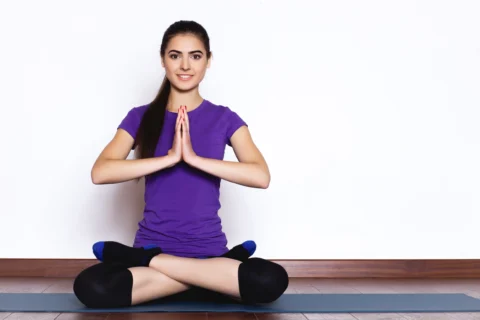
In this posture, one has to be seated on the floor. For people having back issues, sitting with the back leaning against the wall may be more comfortable. The legs must be crossed at the mid-portion of the shins (the lower half of the legs). For additional support, blankets can be kept under the hips, and blocks can be kept under the knees4.
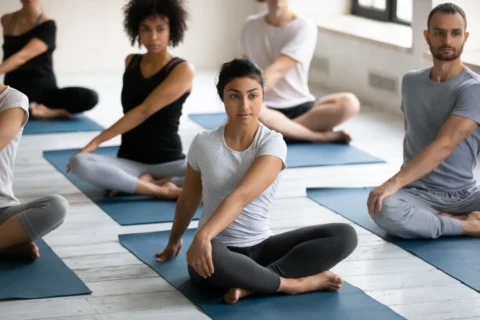
Similar to the previous pose, one has to be seated cross-legged on the floor. The upper part of the body (thoracic and cervical spine) has to be rotated to the right and left alternatively. You can put one hand on the knee and other hand on the floor for support and rotation4.
Let me tell you about the magic of Sukhasana. Sukhasana is derived from Sanskrit, meaning “refreshing exercise.” It is an excellent sitting position that symbolises inner fulfilment and leisure. While admiring the beauty of Sukhasana, I read in an article that with regular practice of Sukhasana, the spine may also lengthen, and the body may experience incredible stability.
Dr. Siddharth Gupta, B.A.M.S, M.D (Ayu)
Also Read: Benefits of Gomukhasana (Cow Face Pose) and How to Do it By Dr. Himani Bisht
Sukhasana is a sitting pose asana which can be easily performed by anybody. The steps to be followed are:
This asana is good for meditating, and other yoga practices like breath work (pranayama) can also be performed3,6.
In this 5G era, we constantly need gadgets like mobile phones and laptops to walk parallel to the fast-growing world. But with this, eye fatigue has become a common complaint. From my experience, when Sukhasana collaborates with other yoga asanas, it may do wonders for our eyes! I recently read an article8 which suggests sitting in the Sukhasana and doing eye exercises such as eye rotations and marching as per Trataka Karma may aid in Computer Vision Syndrome such as eye fatigue and eye muscle weakness.
Dr. Rajeev Singh, BAMS
Sukhasana is a simple asana that is popular among one and all. You may have seen pictures of your favourite celebrities practising the sukhasana as well.
Practising Sukhasana while doing your routine work may benefit your lungs! Yes, you read it right! I recently read an article9 that suggests that people who regularly practise Sukhasana may have higher lung function than others.
Dr. Smita Barode, B.A.M.S, M.S.
Also Read: Benefits of Ustrasana (Camel Pose) and How to Do it By Dr. Ankit Sankhe
In our Indian culture, sitting cross-legged is quite common. It has been a part of our culture for a long time. Many of us are habituated to sitting cross-legged on the floor while studying, praying, eating and meditating. Sitting cross-legged is basically performing the sukhasana, the advantages of which have been highlighted by yoga. The possible advantages of sukhasana are improving body stability to self-realisation. Some of the benefits of sukhasana are given below7.
Sitting in Sukhasana might help reduce chronic lower back pain. It has been seen that chronic back pain can cause depression, again leading to an increase in back pain, thus forming a vicious cycle. The authors of a study published in the American Journal of Lifestyle and Medicine think that sukhasana might help break the cycle of chronic lower back pain and depression. This might be because sitting cross-legged reduces functional disability and improves stress, depression and pain responses in patients7.

Some researchers claim that sitting in the cross-legged position, i.e. in sukhasana, may reduce functional disability and stress. It was further stated that it might also help against depression and pain response in patients. Through this research, we get a sneak peek into the extent of yoga’s potential, which extends beyond the physical realm7.
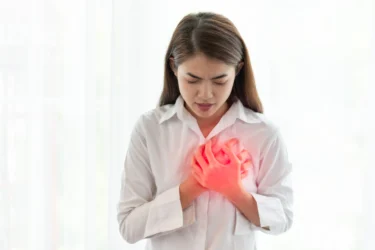
According to studies, sukhasana may have the potential to help improve cardio-metabolic (metabolic and heart diseases). It was seen that sitting in the cross-legged meditative pose may help improve the heart rate and might help against lifestyle-related heart diseases (cardiovascular diseases)7.
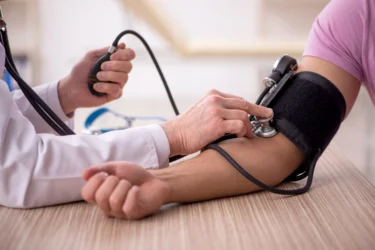
A study was done on people with high blood pressure, where the effects of performing sukhasana and simple breathing exercises regularly were seen. From this study, it may be said that sukhasana combined with a few simple breathing exercises may help lower blood pressure6.
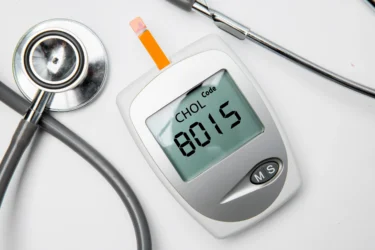
One study in the Orthopaedic Journal of Sciences stated that practising the sukhasana regularly might help improve the lipid profile. It claims to potentially improve the LDL and HDL (low-density lipoproteins and high-density lipoproteins) cholesterol levels. Another study potentially believed to lower the triglyceride level as well7.

Sukhasana might be beneficial in weight management as it might help improve the body mass index (ratio of body fat according to height and weight). A study published in the International Journal of Cardiology showed that sitting cross-legged might also help improve waist circumference7.
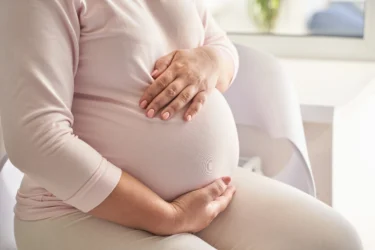
Sukhasana is a simple pose that can be performed by pregnant women. It might help calm the mind, broaden the shoulders, improve digestion, straighten the spine, improve breathing, reduce fatigue, and may uplift mood. It might have positive effects like making one feel more confident, and energised and rekindle the will to be more productive3.
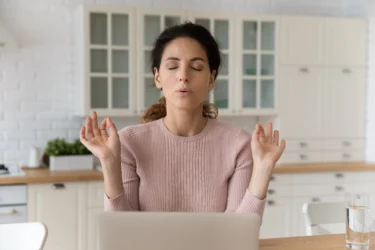
Several studies claim that sukhasana helps strengthen the pelvic and core muscles. The possible benefits might extend further into helping with proper breathing, oxygenation, and blood circulation (both central and peripheral). This shows how the effects of sukhasana might be interlinked7.
Studies conducted in recent times show that sukhasana might be beneficial for the overall body, including the mind. It was seen that sitting cross-legged might improve mental integration. Getting up from the cross-legged position may also prove to improve the balance and sense of touch, which might be beneficial for our health in the long run7.
Yoga practice may help develop the mind and body; however, it is still not an alternative to modern medicine. You must not rely on yoga alone to treat any condition. Please consult a qualified doctor who will be able to assess your condition correctly and advise accordingly. Moreover, it is necessary to practice and learn yoga under the supervision of a trained yoga teacher to avoid any injuries.
Also Read: Benefits of Bhastrika Pranayama and How to Do it By Dr. Ankit Sankhe
Sukhasana should be avoided with the following conditions:
With the guidance of a qualified and experienced yoga teacher/yoga expert, we can assess and analyze the risk factors and continue to practice exercise with precautions.
Sukhasana is a simple asana that can be easily performed by people of all ages. It is as simple as sitting down on a flat surface. It is simply sitting cross-legged with a straight back and neck. This is the normal way of sitting in most Eastern cultures. This pose is believed to be beneficial for tasks requiring a lot of concentration, like studying, meditation, self-realization, etc. This deceptively simple asana might have a lot of benefits to offer. It might be helpful with chronic lower back pain, stress, heart disease, cholesterol, etc. However, if you are starting yoga asanas, you should consult a qualified doctor to begin your yoga journey with this simple pose.
Also Read: Benefits of Sudarshan Kriya and How to Do it By Dr. Ankit Sankhe
Sukhasana is a simple pose, which is also called the cross-legged easy pose. This is a meditative pose; all you have to do is sit in a cross-legged position on the floor with the back and neck straight6.
Sukhasana might be helpful for heart diseases, lower back pain, cholesterol, weight management, de-stressing, pregnancy, blood pressure, etc. This simple pose might have various benefits3,6,7 .
Yes, Sukhasana can be performed by those with back pain. It may be helpful for back pain, as seen in a few studies. However, people with hip, spine and knee injuries should avoid it. Kindly consult a yoga instructor for better guidance5,7.
No. There is no compulsion to be empty stomach to perform this pose. It may be practised with proper consultation with a yoga expert. However, it might be better to perform this asana in the morning as it is a meditative pose3.
Yes, you can meditate while sitting in Sukhasana. It is believed that sukhasana can be good for tasks that require a lot of concentration and last over a long duration, for example; studying, meditation, self-realisations7.
1. National Council of Educational Research and Training. Yoga, A Healthy Way of Living, Upper Primary Stage [Internet]. Uppal S, Bijnan S, editors. Vol. 15. New Delhi: National Council of Educational Research and Training; 2016. 1–23 p. Available from: https://ncert.nic.in/pdf/publication/otherpublications/tiyhwlups1.pdf
2. Littman M. Class notes [Internet]. Vol. 94, ABA Journal. 2008. Available from: https://opjsrgh.in/Content/Worksheet/PRACTICE-WS/day160/11-PE.pdf
3. Singh C, Reddy OT, Singh V. Benefit of Yoga Poses for Women during Pregnancy. 2013;(April):18–22. Available from: https://www.researchgate.net/profile/Dr-T-Reddy/publication/340731445_Benefit_of_Yoga_Poses_for_Women_during_Pregnancy/links/5e9ad32592851c2f52aa9bcb/Benefit-of-Yoga-Poses-for-Women-during-Pregnancy.pdf
4. Greendale GA, Kazadi L, Mazdyasni S, Ramirez E, Wang MY, Yu SSY, et al. Yoga Empowers Seniors Study (YESS): Design and Asana Series. J Yoga Phys Ther [Internet]. 2012 Feb 27;2(1):1–2. Available from: https://www.ncbi.nlm.nih.gov/pmc/articles/PMC3639444/table/T2/
5. Matsyendrasana A, Muktasana P, Matsyendrasana A, Muktasana P, Chakraasana A, Matsyendrasana A. Assignment / Self-Study Notes-4: Yoga and Lifestyle [Internet]. Vol. 3. Available from: https://www.ggpsbokaro.org/images/download1/7156.pdf
6. Lindasari N, Suhariyanti E, Margowati S. Yoga Pranayama Dhiirga Swasam with Sukhasana Position on Reducing Blood Pressure in the Elderly. In: Proceedings of the 1st Borobudur International Symposium on Humanities, Economics and Social Sciences (BIS-HESS 2019) [Internet]. Paris, France: Atlantis Press; 2020. p. 333–8. Available from: https://www.atlantis-press.com/article/125939425
7. Kohli DP, Patel DP, Waybase DH, Gore DS, Nadkarni DS. The value of cross legged sitting: Virtue or vice for health.A review from sports medicine, physiology and yoga.Implications in joint arthroplasty. Int J Orthop Sci [Internet]. 2019 Jul 1;5(3):607–10. Available from: http://www.orthopaper.com/archives/?year=2019&vol=5&issue=3&ArticleId=1596
8. Trataka Karma: A Holistic Approach For Computer Vision Syndrome. Available from: https://www.ayurpub.com/wp-content/uploads/2022/04/2034-2039.pdf
9. Pulmonary Function Analysis of a Simple Crossed Legs Sitting Posture. Available from: https://link.springer.com/chapter/10.1007/978-981-15-9054-2_119
Disclaimer: The information provided here is for educational/awareness purposes only and is not intended to be a substitute for medical treatment by a healthcare professional and should not be relied upon to diagnose or treat any medical condition. The reader should consult a registered medical practitioner to determine the appropriateness of the information and before consuming any medication. PharmEasy does not provide any guarantee or warranty (express or implied) regarding the accuracy, adequacy, completeness, legality, reliability or usefulness of the information; and disclaims any liability arising thereof.
Links and product recommendations in the information provided here are advertisements of third-party products available on the website. PharmEasy does not make any representation on the accuracy or suitability of such products/services. Advertisements do not influence the editorial decisions or content. The information in this blog is subject to change without notice. The authors and administrators reserve the right to modify, add, or remove content without notification. It is your responsibility to review this disclaimer regularly for any changes.
189
3In ancient literature, Yoga is defined as Chitta Vritti Nirodhah, which means calming the mind through the yoga techniques of Sage Patañjali. This concept is elaborated in the Yoga Sutras, which focus on refining mental acuity and improving concentration.
Yoga Sutras consist of eight practices: Ashtanga Yoga (Yoga of the limbs), niyamas (observances), yamas (abstentions), pratyahāra (withdrawal of senses), dharāna (concentration), asanas (posture), samādhi (oneness) and praṇ̄ayāma (control of breath).
The five elements, also known as pancha bhutas- prithvi (earth), jal (water), agni (fire), vayu (air) and akasha (space) are the building blocks of the universe and body too. Various yoga techniques can harmonize and balance these elements in our body for our overall well-being.
Praṇ̄ayāma are breathing techniques comprising two Sanskrit words, prana (vital energy) and ayama (control). Bhastrika refers to bellow, an instrument used by the blacksmiths1. Bhastrika praṇ̄ayāma is a type of praṇ̄ayāma, where inhalation and exhalation are equal; therefore, there are equal lung movements2.
Let us have an overview of Bhastrika praṇ̄ayāma and its benefits.
Praṇ̄ayāma has eight primary forms. Bhastrika praṇ̄ayāma is one of those eight forms. Hathapradipika and Gheranda Samhita are classical texts that mention Bhastrika. According to Swami Sivananda, Bhastrika praṇ̄ayāma is a practice of rapid inhalation and exhalation with a hissing sound3.
Regular practice of Praṇ̄ayāma may influence the cardiorespiratory functions in several ways. Slow breathing may decrease the heart rate and blood pressure. On the other hand, fast-paced breathing may lead to a less strong but harmonious heartbeat1.
Did you know?
Bhastrika praṇ̄ayāma involves the practice of three bandhas– mula, jalandhara, and uddiyana. Bandhas are described as ‘body locks’. They lock the vital energy in the body. Jalandhara bandha is the throat lock, mula bandha is the root lock and uddiyana bandha is the abdominal lock. The practice of Bhastrika praṇ̄ayāma, is described by Swami Kuvalayananda, who is a yoga guru. He has researched the technique of praṇ̄ayāma.
The above Bhastrika praṇ̄ayāma steps are of one cycle1.
Did you know Bhastrika Pranayama may reduce stress which in turn may help improve sleep? Studies say, Bhramari pranayama, for instance, have demonstrated to decrease breathing rate and pulse rate when practised for five minutes. Your body may become more relaxed as a result, helping you to fall asleep. In my opinion, pranayama may help those who suffer from obstructive sleep apnea sleep better. Additionally, pranayama exercise is believed to decrease snoring and daytime tiredness, suggesting benefits in the form of better sleep9.
Dr. Rajeev Singh, BAMS
The benefits of Bhastrika praṇ̄ayāma are given below:

A study1 revealed that anxiety levels were significantly reduced after practicing Bhastrika pranayama regularly. However, you must consult a therapist or psychiatrist if you experience severe anxiety.
Studies2 show that Bhastrika pranayama may help in decreasing high blood pressure by dilation of blood vessels. It is essential to check blood pressure regularly and take proper medication in case of high blood pressure.
Bhastrika pranayama, if practiced regularly, may increase the heart rate. It may activate the autonomic nervous system, which regulates involuntary activities like the heart rate. Any abnormalities related to heart function are serious; therefore, you must immediately consult your doctor if you experience any symptoms of heart disease2.

Bhastrika pranayama may help reduce blood sugar levels. Practising Bhastrika praṇ̄ayāma may increase the metabolism and uptake of sugar in the peripheral tissues. Hence, it may be suitable for diabetic individuals. However, you must get your sugar levels checked regularly and consult your doctor in case of abnormal blood sugar level2.
Studies4 have shown that practicing this asana may reduce body weight, body mass index, and waist and hip circumference. Further research is required to confirm this finding. However, if you are overweight, you must consult a dietician to give you a plan to get to a healthy weight.

Regular practice of Bhastrika praṇ̄ayāma may help to boost lung function, especially in older individuals. A study5 was conducted on 60-70 years old 40 male volunteers. Results suggested significant improvement in respiratory muscle strength, therefore improving lung function. It may also lower the risk of lung infections. However, if you suspect any abnormalities with the lung function, you must immediately consult a doctor.
In asthma, resistance is created in the airway, which hampers the smooth flow of air in and out. Bhastrika praṇ̄ayāma may improve lung capacity by opening the small lung airways. Another cause of asthma may be stress. Therefore, practicing Bhastrika praṇ̄ayāma may calm the mind and help relieve stress. However, if you experience severe asthma symptoms, you must consult your doctor to get proper treatment6.
Bhastrika praṇ̄ayāma may help to enhance the static balance. Studies have shown that regular practice may synchronize metabolic and nervous function, mental concentration, and cardiovascular rhythms and reinforce mind stability, therefore achieving overall static stability of the body when there is no activity3.
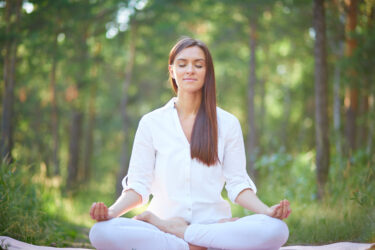
This practice may help in case of allergic rhinitis. It may purify the breathing path from the nostrils to the throat. Additionally, it may keep the nostrils clean from congestion and mucous formation. Studies suggest that this practice may increase respiratory stamina, expand the lungs and relax the chest muscles. However, you must consult your doctor if you have recurrent allergic rhinitis7.
Also Read: Benefits of Pawanamuktasana (Gas Release Yoga Pose) and How to Do it By Dr. Ankit Sankhe
Yoga practice may help develop the mind and body; however, it is still not an alternative to modern medicine. You must not rely on Yoga alone to treat any condition. Please consult a qualified doctor who will be able to assess your condition correctly and advise accordingly. Moreover, it is necessary to practice and learn Yoga under the supervision of a trained yoga teacher to avoid any injuries7.
Let me tell you a secret! Bhastrika Pranayama is believed to stimulate hunger, enhance metabolism, strengthen the neurological system, and improve digestion. I highly recommend the regular practice of Bhastrika Pranayama as it is absolutely beneficial for your overall health8.
Dr. Siddharth Gupta, B.A.M.S, M.D (Ayu)
Some risks associated with Bhastrika praṇ̄ayāma are:
With the guidance of a qualified and experienced yoga teacher/yoga expert, we can access and analyze the risk factors and continue to practice exercise with precautions.
Also Read: 8 Powerful Ayurvedic Herbs With Their Great Benefits
Bhastrika praṇ̄ayāma is a practice of rapid inhalation and exhalation with a hissing sound. It may enhance cardio-respiratory functions. Bhastrika praṇ̄ayāma may help to manage anxiety and help to relax the body and mind. It may influence lung and heart functions. It may reduce blood pressure and improve heart health and blood circulation. Practising Bhastrika praṇ̄ayāma may also decrease blood sugar levels and manage weight. It may enhance static balance. One must practice praṇ̄ayāma regularly with appropriate precautions, and possibly under a trained Yoga professional.
Also Read: 5 Exercises To Consider If You Suffer From Fissure
First, sit on flat ground or a chair in a comfortable position. Start with kapalabhati, which consists of 30 rapid exhalations. Then slowly inhale through the right nostril. Hold your breath by three bandhas– mula, jalandhara, and uddiyana. First, the Jalandhara bandha is attained by pressing the chin against the neck. Next, both nostrils are closed with fingers, followed by uddiyana bandha, which is expansion and chest and finally, perineum (near the abdomen) contractions in mula bandha. This completes one cycle of Bhastrika praṇ̄ayāma1.
People with heart or lung problems must perform Bhastrika praṇ̄ayāma slowly and under a professional guidance. Bhastrika praṇ̄ayāma should not be practised by people who suffer from high blood pressure, stroke, gastric ulcer, hernia, epilepsy or vertigo. Those who are recovering from tuberculosis, are recommended to practise only under expert guidance7.
Bhastrika praṇ̄ayāma may improve mental concentration, and relieve anxiety by improving the blood circulation and oxygen levels in the brain. It may also help with modulating the brain activity.
Regular practice of Bhastrika praṇ̄ayāma may help to manage anxiety and help to relax the body and mind. It may improve the lung and heart functions. It may reduce blood pressure and improve heart health and blood circulation. Practising Bhastrika praṇ̄ayāma may also decrease blood sugar levels and manage weight. It may enhance static balance1,7.
Yes, practising Bhastrika praṇ̄ayāma may help reduce blood sugar levels by increasing sugar uptake in tissues. Therefore it may be beneficial for diabetes2.
Disclaimer: The information provided here is for educational/awareness purposes only and is not intended to be a substitute for medical treatment by a healthcare professional and should not be relied upon to diagnose or treat any medical condition. The reader should consult a registered medical practitioner to determine the appropriateness of the information and before consuming any medication. PharmEasy does not provide any guarantee or warranty (express or implied) regarding the accuracy, adequacy, completeness, legality, reliability or usefulness of the information; and disclaims any liability arising thereof.
5
1


