
The answer to many of our sufferings and problems lies within yoga. Yoga has helped countless people calm their minds and build physical strength.
Nowadays, people hardly get some time to work on themselves. More than half the population spends most of their time on their phones, laptops, or watching movies. Also, many jobs involve desk work, which occupies much of the time sitting and working, making us unfit and lazy. So, it’s time to get up from that lousy couch and stretch our bodies. So, get your mat and lengthen your spine and back by doing shalabhasana.
Shalabhasana, or the locust pose, is derived from the words sabha, meaning a grasshopper (locust), and asana, meaning posture. This asana is one of the thirty-two asanas taught in the Gheranda Samhita. The person lies down on their stomach, arm on either side, palms facing down and slightly pushed under the thigh, and the legs are raised nine inches above the mat. This is known as Shalabhasana1.
Shalabhasana is known for the backward bending of the spine. This asana strengthens the lower back, legs, pelvic organs, hips, and arms and relieves back pain2.
Unlock relief and soothe sciatic nerves with Shalabhasana! This empowering yoga pose may offer a natural remedy for mild sciatica and slipped discs8.
Dr. Siddharth Gupta, B.A.M.S, M.D (Ayu)
We must follow proper techniques to do any asana, including shalabhasana. The steps to be followed are:
You can repeat this asana 1-3 times. It would be best if you concentrated on the back and leg muscles3. Individuals with protruding bellies may have difficulty lying on their stomachs2.
Did You Know?
Shalabhasana is believed to be one of the beneficial asanas that may improve your spiritual being. Some of the potential benefits of shalabhasana include:
Most people suffer from constant back pain, making it a debilitating lifestyle disease. The secret to managing back pain lies in its origin. Lifestyle changes like adaptation of yoga might pave the way to a life free of back pain. A study4 reported that shalabhasana provides stability to the spine and lengthens the upper back and arm. This asana targets the spine more intensely than forward-bends. Therefore, practising shalabhasana may correct back pain and strengthen the lower back, pelvic organs, hip joints, legs, and arms2.
Premenstrual syndrome (PMS), also termed premenstrual tension, is a cluster of emotional, physical, psychological, nutritional, genetic, and behavioural factors. A woman during her menstrual cycle may show depression, anxiety, anger, forgetfulness, nausea, tenderness in the breast, migraines, bloating and light sleep. Yoga helps relax the tensed muscles, stimulate hormones, and massage the internal organs to relax the body and mind. A study5 reported that shalabhasana and other asanas, might help calm the nerves and muscles under constant strain. Breathing and postural exercises may aid in soothing the mind and boosting one’s mood.
Also Read: Benefits of Kapalbhati(Skull Shining Breath) and How to Do It By Dr. Ankit Sankhe
Diabetes mellitus is one of the major disabling diseases worldwide. It is a group of diseases in which the sugar level in the body increases. Shalabhasana comes under the few asanas that are recommended for type 2 diabetes. The locust pose may improve blood circulation and help improve blood circulation to the kidney and other organs. It also stimulates the autonomic nervous system (ANS- part of the nervous system connecting the spine and brain). It also massages the abdominal organs. The abdominal stretching rejuvenates the pancreatic cells, which may enhance the metabolism and uptake of glucose in the liver, peripheral and adipose tissue6.
Also Read: Benefits of Savasana (Corpse Pose) and How to Do it By Dr. Ankit Sankhe
Shalabhasana tones the abdominal organs, such as the spleen and liver and strengthens the abdominal muscles. The pressure applied to the abdominal region massages the organs. It stimulates the appetite and enhances digestion, relieves gastric troubles and flatulence. It also helps relieve indigestion and constipation and optimises the digestive processes7.
Yoga practice may help develop the mind and body; however, it is still not an alternative to modern medicine. You must not rely on yoga alone to treat any condition. Please consult a qualified doctor who will be able to assess your condition correctly and advise accordingly. Moreover, it is necessary to practice and learn yoga under the supervision of a trained yoga teacher to avoid any injuries.
Unlike most exercises that primarily target the overall body, Shalabhasana focuses on the delicate tissues and blood circulation channels. It works on a deeper level, providing unique benefits to the subtle aspects of your body8.
Dr. Smita Barode, B.A.M.S, M.S.
Some contraindications related to shalabhasana are:
Embrace the practice of Shalabhasana to cultivate a strong and supple physique. It may help to broaden the chest, increase the resilience and flexibility of the waist and provide valuable support to the shoulders and abdomen9.
Dr. Rajeev Singh, BAMS
Yoga is the most convenient and inexpensive method to strengthen our body and mind. Practising a few asanas, including shalabhasana, may help you in multiple ways. Shalabhasana, one of the best asanas, not only strengthens the back muscles and spine but also works on the overall body. Yoga moulds our life beautifully and surprisingly. It teaches us calmness and makes us understand our bodies. However, doing yoga the right way is crucial. One must practise this asana under a qualified yoga expert to avoid accidents.
Also Read: Benefits of Pranayama and How to Do it By Dr. Himani Bisht
Shalabhasana also called locust pose, is derived from the Sanskrit word Salabha meaning grasshopper, and asana meaning posture. It is one of the 32 yoga asanas for bending the spine and strengthening the back muscles and internal organs1,2.
Shalabhasana steps are:
1. Lie on the stomach (prone position).
2. Place the chin on the floor.
3. Place the arms under the belly (hands are under the thigh and palm facing downward).
4. Breathe in and press the palms against the mat.
5. Keep the legs straight and raise the legs as high as possible.
6. Hold this posture and keep breathing.
7. Exhale and return to the starting position and relax3.
This is one round of shalabhasana. It can be repeated three to five times depending on the level of physical fitness.
Shalabhasana benefits our body in several ways. This posture enhances blood circulation to the spine, toughens the back, stimulates digestive functions, kidney, liver, benefits premenstrual syndrome (PMS) symptoms like nausea, migraine, bloating, anxiety, depression, etc2.
If a person has hip arthritis or pain in the lumbar spine, they must avoid doing shalabhasana and consult their doctor3.
You can perform shalabhasana one to three times. However, you must practice shalabhasana after consulting an expert yoga professional. They will analyse and recommend the proper posture and technique3.
Disclaimer: The information provided here is for educational/awareness purposes only and is not intended to be a substitute for medical treatment by a healthcare professional and should not be relied upon to diagnose or treat any medical condition. The reader should consult a registered medical practitioner to determine the appropriateness of the information before consuming any medication. PharmEasy does not provide any guarantee or warranty (express or implied) regarding the accuracy, adequacy, completeness, legality, reliability, or usefulness of the information; and disclaims any liability arising thereof.
 4
4  3
3India is a prosperous land of “Ayurveda”. Ayurveda is the science of life that balance the relationship between the body and mind. We have been blessed with its fortunes of yoga and asanas. Yoga helps us to gain good health, whereas asana teaches us the skills to practice physical and mental strengthening exercises1.
People believe that Lord Shiva was the first person to practice Yogasana. Shiva is renowned as Nataraja, the Lord of Dance. The arch of flames seen in King Nataraja’s idol is believed to be the source of all movement in the universe. Lord Shiva’s endless dance is a symbol of destruction and creation that brings the light upon us2.
Based on Lord Shiva’s Nataraja avatar, we bring you one asana called Natarajasana! Read along to learn more about Natarajasana’s benefits, techniques, variations, and more.
Did You Know?
Natarajasana is a standing, balancing and back-bending yoga pose. Natarajasana pose is derived from the classical Indian dance form ‘Bharatanatyam’. Natarajasana is a combination of Sanskrit words in which ‘Nata’ means dancer, ‘raja’ means King, and ‘asana’ means pose. Natarajasana yoga is also known as the Lord of the Dance pose yoga1.
Natarajasana is a physically challenging pose as it requires more flexibility in the legs, hips, and spine. Natarajasana pose is a chest opener. It stretches the thighs, shoulder, abdomen, and inguinal region, which may strengthen the ankles and legs. While performing, you must practice enough to prepare your mind and body. If you regularly practice, it might help in developing strong mental endurance and sturdy concentration1.
The dance pose yoga is a perfect balancing asana and helps us become more grounded. Natarajasana benefits may activate the Mooladhara chakra and bring in feelings of stability, security, and awareness in the body1.
Natarajasana preparatory poses include Dhanurasana (bow pose), Ushtrasana (Camel pose), and Vrikshasana (tree pose)1.The following steps will guide you to practice the Natarajasana pose:
There are a few Natarajasana variations and modifications which you may perform:
Some people might have difficulty grabbing the toes, so holding the ankles or using a strap around the foot to bridge the gap might work3. Advanced practitioners with flexible bodies may try intense Natarajasana posture by touching the back of the head with the toes or holding the toes with both hands4. Natarajasana for beginners might be difficult. They might struggle with balancing, so practicing this pose by taking support of the wall or chair with an outstretched hand might help1.
Natarajasana is also known as the “Lord of the dance pose”. Practising Natarajasana can stretch and add flexibility to the spine. However, it is absolutely contraindicated in people suffering from slipped discs as it applies pressure on the spine and entire back6.
Dr. Siddharth Gupta, B.A.M.S, M.D (Ayu)
Natarajasana yoga might act as a great stress buster and calm your mind3.Natarajasana may also have the following benefits:
Natarajasana might be beneficial for weight loss. While performing the Natarajasana pose, your entire body weight is balanced on one leg. It may engage each muscle of the body, allowing them to stretch and get stronger. This muscle involvement may make the extra calories in the body burn off. Hence, Natarajasana might give your body a feeling of lightness by helping you lose those excess calories1,3. If you have weight-related issues consult your doctor and practice under a proper trainer.
Several yoga poses are believed to make blood circulation better and natarajasana might help in circulating blood in the body. It might replenish blood circulation in the lower abdominal muscles and the entire body1.
Nobody likes uneasiness in the stomach. It may be related to improper digestion. With ageing, the digestive power may not work correctly. Natarajasana might restore your digestive system. While performing Natarajasana, it massages the abdomen and may activate the digestive organs. Hence, Natarajasana might boost the functions of your digestive system1,3
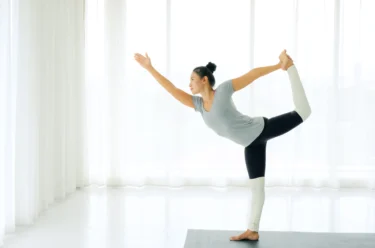
Natarajasana might be a great asana for increasing balance and coordination in the body. Standing poses like Natarajasana create awareness, allowing us to balance on one leg. It might maintain the balance by activating the coordination between both the hemispheres of our brain leading to a more balanced personality. Natarajasana may also increase your concentration intensity as it balances the body1.
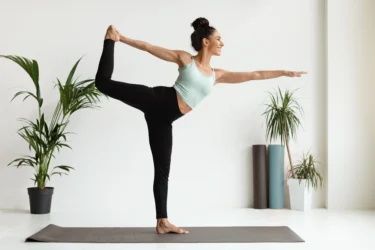
Yoga practice may help develop the body and mind; however, it is not an alternative to modern medicine. Therefore, you should not depend on yoga alone to treat any health condition. Instead, consult a qualified doctor who will assess your situation correctly and advise accordingly. Furthermore, it is essential to practice yoga under the supervision of a professional trainer to avoid injuries.
Practising Natarajasana can exhibit multiple health benefits. It might aid in reducing stress and weight. It also aids in improving concentration and posture. As it is a hip-opener, it might correct diseases related to the buttocks, thighs, groin and abdominal. Overall, it might increase the flexibility of the body.
Dr. Rajeev Singh, BAMS
With the guidance of a qualified yoga expert, you can assess and analyse the risk factors and continue to practise Natarajasana yoga with precautions.
Also Read: Benefits of Ardha Ushtrasana and How to Do it By Dr. Himani Bisht
Natarajasana is a balancing pose inspired by the Indian classical dance ‘Bharatnatyam’. Natarajasana yoga is named after the physical incarnation of King Nataraja. (Lord Shiva) and called as the Lord of the Dance pose. Natarajasana may activate the Mooladhara chakra and stimulate the feeling of stability and awareness in the body. It is a physically challenging pose because it requires more flexibility in the legs, spine, and hips. So practice the Natarajasana pose under the guidance of a trained yoga teacher to perfect this pose.
Also Read: Benefits of Bhadrasana and How to Do it By Dr. Himani Bisht
Natarajasana is a balancing, back-bending yoga pose. Natarajasana is a Sanskrit name in which ‘Nata’ means dancer, ‘raja’ means King and ‘asana’ means posture. Natarajasana is based on one of Lord Shiva’s avatars, King Nataraja. Hence, Natarajasana is also called the Lord of the Dance pose yoga1.
Natarajasana is not advised if a person has back pain, ankle pain, undergone abdominal surgery, pregnancy, or menstruation3.
The Natarajasana preparatory poses include Ushtrasana (Camel pose), Dhanurasana (bow pose) and Vrikshasana (tree pose)1.
Natarajasana may activate the Mooladhara chakra or the base cycle. The key aspects of the Mooladhara chakra may help psychologically with feelings of stability and security1.
1. Gangwal J, Kholiya S. Significance of Natrajasana in Day-to-Day Life. Intern J of Res Publi and Revi. 2020;1(7):74–7. Available from: https://www.ijrpr.com/uploads/V1ISSUE7/IJRPR068.pdf
2. Shiva As Nataraja – The Lord of Dance [Internet]. NC State University. [cited 2022 Oct 1]. Available from: https://faculty.chass.ncsu.edu/mgfosque/ENG219/Siva.html
3. Yogapoint- Guide to Yoga Practices. [Internet]. YogaPoint India. [cited 2022 6 September]. Available from: https://www.yogapoint.com/pdf/Yogapoint%20Book%20of%20Practices.pdf
4. Saraswati S. Asana Pranayama Mudra Bandha. Bihar: Yoga Publications Trust; 1996. 1–560 p. Available from: https://www.yogkulam.org/books/Asana.pdf
5. Longest Performance of Natarajasana Yoga – Golden Book Of World Records [Internet]. [cited 2022 Sep 30]. Available from: https://goldenbookofworldrecords.com/longest-performance-of-natarajasana-yoga-2/
6. The Art of Living. Natrajasana (lying-down body twist). The Art of Living [cited 2025 Dec 19]. Available from: https://www.artofliving.org/in-en/yoga/yoga-poses/natrajasana-lying-down-body-twist
Disclaimer: The information provided here is for educational/awareness purposes only and is not intended to be a substitute for medical treatment by a healthcare professional and should not be relied upon to diagnose or treat any medical condition. The reader should consult a registered medical practitioner to determine the appropriateness of the information and before consuming any medication. PharmEasy does not provide any guarantee or warranty (express or implied) regarding the accuracy, adequacy, completeness, legality, reliability or usefulness of the information; and disclaims any liability arising thereof.
Links and product recommendations in the information provided here are advertisements of third-party products available on the website. PharmEasy does not make any representation on the accuracy or suitability of such products/services. Advertisements do not influence the editorial decisions or content. The information in this blog is subject to change without notice. The authors and administrators reserve the right to modify, add, or remove content without notification. It is your responsibility to review this disclaimer regularly for any changes.
0
0In recent days, physical fitness has become important, and people have started linking physical health with mental and spiritual health. Yoga is a form of physical exercise that helps us to integrate our body and mind. Yoga means ‘joining’ or ‘union’. There are many systems of yoga, and each system unifies various aspects of human beings in different ways. One such system is Hatha Yoga which aims to balance and join multiple energy flows in the human body. The sun salutation, or Surya namaskar, is a part of hatha yoga involving various poses (asanas). One such asana used in Surya namaskar is chaturanga dandasana1. Let us glance through some health benefits of chaturanga dandasana.
Did You Know?
Surya Namaskar is a combination of asanas performed one after the other with coordinated breath. Chaturanga Dandasana is one of the poses done while doing Surya Namaskar. It is pronounced as cha-you-Rahn-gah Dahn-dah-duh-nuh. Chaturanga dandasana is also known as the low plank pose or four-limbed staff pose. In English, ‘that’ means four, ‘anga’ means limbs, ‘danda’ means staff, and ‘asana’ means posture. Chaturanga dandasana is a posture used to build strength1,2.
You can do chaturanga dandasana in the following way:
I will highly recommend performing chaturanga dandasana for a shorter time at the beginning. To start with, you can perform this asana for ten seconds. As you build your strength and stamina, you can increase the duration according to your comfort11.
Dr. Siddharth Gupta, B.A.M.S, M.D (Ayu)
Some of the benefits of chaturanga dandasana are:
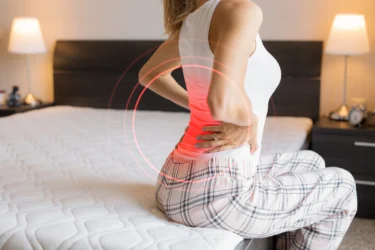
A study3 by Shah et al. in 2015 on thirty young girls from various colleges in Ahmedabad showed that chaturanga dandasana might help to improve endurance and stability of the lumbopelvic region (the lumbar region of the spine). In addition, it may enhance core muscle strength and may reduce the risk of back pain3.However, this is a small-scale study, and more studies are required to check if chaturanga dandasana may reduce the risk of back pain. You must consult your doctor if you have back pain for a long period.
A study on healthy women showed that chaturanga dandasana might help to reduce the strain on the heart by managing stress levels4. However, further studies are required to check if chaturanga dandasana can help to protect the heart. You must consult your doctor if you experience any symptoms of heart disease.
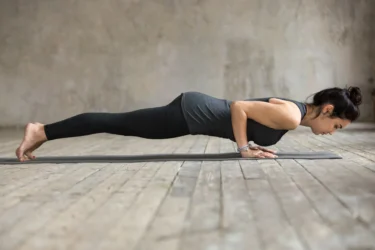
Sakshi Khatri and Manoj Patil 2021 conducted a study on chaturanga dandasana. The study result showed that chaturanga dandasana might help to maintain and stiff and straight posture of abdominal muscle and the back5. In addition, it may improve stability and tone the spine, back, leg, shoulder, neck, wrist, and arms muscles6. However, more studies are required to check if chaturanga dandasana can help to improve posture and flexibility.
In a study6 by Pande et al. in 2020, Surya namaskar consisting of chaturanga dandasana may help in reducing weight. The bends and stretches in chaturanga dandasana may help to lose adipose tissue (fats). However, further studies are required to check if chaturanga dandasana can help to manage weight. You must consult your dietician to assist you in giving you a workout plan to lose weight.

Surya namaskar consisting of chaturanga dandasana may help to improve blood circulation. It may improve scalp blood circulation and help reduce hair fall. In addition, Chaturanga dandasana may help to increase blood circulation in the skin, thereby keeping the skin young6. However, more studies are yet to be done to check if chaturanga dandasana can help to improve blood circulation.
Practising a yoga protocol consisting of chaturanga dandasana can reduce fatigue and inflammation in breast cancer survivors. Disturbed sleep increases inflammation and fatigue. Chaturanga dandasana may help to improve sleep and hence reduce fatigue and inflammation7. However, further large-scale studies are required to confirm whether chaturanga dandasana can benefit breast cancer survivors. Cancer is a dangerous disease; therefore, you must take proper care and not self-medicate.

According to the article8 titled ‘A Role of ‘Surya Namaskara’ For Good Health’, published in 2020, chaturanga dandasana may help improve the lungs’ functioning. It may open the chest cavity and improve the strength of the muscles around the lungs. As a result, Chaturanga dandasana may increase the capacity and contractility of the lungs. However, further studies are required to check whether chaturanga dandasana may benefit the respiratory system.
A study9 by Taspinar et al. in 2014 showed that hatha yoga consisting of chaturanga dandasana might reduce symptoms of depression and anxiety. It may also help to reduce stress and fatigue and improve mood. However, further large-scale studies are required to check if chaturanga dandasana can help to improve mental well-being. You must consult your doctor if your mental health is hampered.
Yoga practice may help balance the mind and body and it is not an alternative to modern medicine. Instead, please consult a qualified doctor who can assess your situation correctly and advise accordingly. Moreover, it is necessary to practice and learn yoga under the supervision of a trained yoga teacher to avoid any injuries.
As we know, Chaturanga Dandasana is practised as a part of Surya Namaskar. It might help in building core strength and improving stamina. This asana should be followed by Adho mukha svanasana (downward-facing dog pose). You should avoid practising this asana if you suffer from headaches, blood pressure issues, or any injury involving the back, shoulder, or arms11.
Dr. Rajeev Singh, BAMS
The following risk may be associated with chaturanga dandasana:
With the guidance of a qualified and experienced yoga teacher/yoga expert, we can access the risk factors and continue to practice exercise with precautions.
Also Read: Benefits of Kandharasana (Shoulder Pose) and How to Do it By Dr. Ankit Sankhe
Chaturanga dandasana is one of the poses done while doing Surya namaskar. Plank pose or four-limbed staff pose are the alternative names of this chaturanga dandasana. In English, ‘that’ means four, ‘anga’ means limbs, ‘danda’ means staff, and ‘asana’ means posture. Chaturanga dandasana is a posture used to build strength. Chaturanga dandasana might help to improve endurance and stability of the lumbopelvic region and reduce the risk of back pain. It may help to improve posture, and flexibility, manage weight, improve lung function, protect the heart, and improve blood circulation. Chaturanga dandasana might help to reduce symptoms of depression and anxiety. It may also help to reduce stress and fatigue and improve mood. Chaturanga dandasana may reduce inflammation and fatigue in breast cancer survivors. Improper practice of chaturanga dandasana may cause wrist or lower-back injuries. Therefore, you must perform chaturanga dandasana under proper guidance.
Chaturanga dandasana might help to improve endurance and stability of the lumbopelvic region and reduce the risk of back pain. It may help to improve posture and flexibility, manage weight, improve lung function, protect the heart, and improve blood circulation. Chaturanga dandasana might help to reduce symptoms of depression and anxiety. It may also help to reduce stress and fatigue and improve mood. Chaturanga dandasana may reduce inflammation and fatigue in breast cancer survivors3,8. However, you must consult your doctor if you have any diseases instead of self-medicating.
Sit in the plank position with both your legs behind and your hands pointing forward. Keep breathing evenly. Stretch out both your heels so you feel the pressure on your thighs. Push the floor away with your hands. Stretch your head and keep your shoulders low, away from the ears1.
Chaturanga dandasana is also known as the plank pose or four-limbed staff pose. In English, ‘chatur’ means four, ‘anga’ means limbs, ‘danda’ means staff, and ‘asana’ means posture1.
Improper practice of chaturanga dandasana may cause wrist or lower-back injuries10. Therefore, you must perform chaturanga dandasana under proper guidance.
Chaturanga dandasana might help to reduce symptoms of depression and anxiety. It may also help to reduce stress and fatigue and improve mood9. You must consult your doctor if your mental health is hampered.
Disclaimer: The information provided here is for educational/awareness purposes only and is not intended to be a substitute for medical treatment by a healthcare professional and should not be relied upon to diagnose or treat any medical condition. The reader should consult a registered medical practitioner to determine the appropriateness of the information and before consuming any medication. PharmEasy does not provide any guarantee or warranty (express or implied) regarding the accuracy, adequacy, completeness, legality, reliability or usefulness of the information; and disclaims any liability arising thereof.
Links and product recommendations in the information provided here are advertisements of third-party products available on the website. PharmEasy does not make any representation on the accuracy or suitability of such products/services. Advertisements do not influence the editorial decisions or content. The information in this blog is subject to change without notice. The authors and administrators reserve the right to modify, add, or remove content without notification. It is your responsibility to review this disclaimer regularly for any changes.
1In the post-covid-era, a lack of proper mental and physical efficiencies has underlined the need for daily exercise. In this digital age, people are turning towards Yoga exercises. Yoga has an ancient history in India, and its techniques and methods are meant for spiritual experiences. It promotes good health and brings in the healing power, and eases illnesses. Yoga is for everyone and can be practised in the comforts of your home. Yoga allows you to learn different body positions that might increase the sense of awareness and balance, helping in relaxation. In this blog, we bring a yoga pose, the Parsvakonasana pose. Let us learn the benefits of the Parsvakonasana pose, its technique and more1.
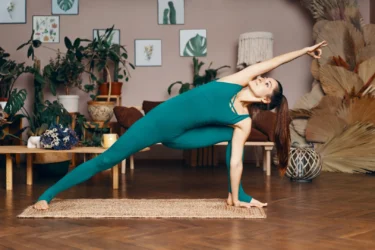
Parsvakonasana is a standing pose yoga. Parsvakonasana is derived from a Sanskrit term in which Parsva means side or flank, Kona means angle, and Asana means pose. In the final position, the body forms a lateral angle hence, it is called the side angle pose. The side angle pose yoga is classified as a basic lateral stretching pose with an asymmetrical standing position2,3.
In Parsvakonasana yoga, the legs are kept wide apart, and the arms are stretched sideways. One knee is bent to make a right angle with thigh and calf, one hand is placed on the floor near the foot, and the upper arm is extended upward over the ear. The benefits of Parsvakonasana yoga might improve digestion and blood circulation and increase stamina. It may strengthen the spine, hips, thighs, ankles and knees4,5.
Parsvakonasana may include the following type: Parivrtta Baddha Parsvakonasana In which ‘Parivrtta’ means twists or revolve, ‘Baddha’ means bound, ‘Parsva’ means side, ‘Kona’ means angle, and ‘Asana’ means pose, so is it also called the bound revolved side angle pose. The level of difficulty of Parivrtta Baddha Parsvakonasana is advanced and is classified as a rotated asymmetrical standing pose yoga. It is similar to Parsvakonasana. However, the position of the arms is reversed, which creates a twist in the core.
Did You Know?
You may practise Tadasana (mountain posture) as a preparatory pose for Parsvakonasana1. Below are the Parsvakonasana steps that you may follow:
Parsvakonasana is a stretching yoga pose that might simultaneously benefit different body parts. The following are the benefits of the Parsvakonasana yoga pose:
Parsvakonasana side angle pose may stretch your shoulders, back, spine, waist, groin and ankles. It may also strengthen your hips, thighs, knees, and ankles. This stretching and strengthening activity during the Parsvakonasana might help improve blood circulation in the entire body. It may also re-energise your whole body. So, if you are a person who works sitting most of the time, Parsvakonasana might benefit you1,5.
If you have any of the following conditions, I suggest avoiding the Parsvakonasana pose headache, high or low blood pressure levels, and insomnia. Parsvakonasana is known to stimulate blood circulation and may aggravate the above symptoms if not done properly or done aggressively.
Dr. Siddharth Gupta, B.A.M.S, M.D (Ayu)
Parsvakonasana yoga may relieve your back pain problems. People often complain about having back pain one of the reasons may be their improper posture. A study1,5 by Abegunasekara et al. in 2022 suggests that by performing Parsvakonasana yoga, your spine and lower back are stretched and extended simultaneously. This might help to tone your spinal muscles as well as your back muscles. Therefore, regular practice of Parsvakonasana might improve your body posture and reduce backaches. However, this pose will not cure your back pain, so please do not discontinue your regular medications and consult a doctor for the same.
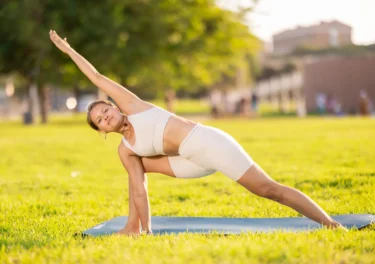
The extended side angle pose might boost the functions of the abdominal organs. Regularly practising the Parsvakonasana yoga, your abdominal organs may get massaged, stimulating the functions of the digestive system. This might relieve digestive problems like constipation, generally seen in the first trimester of pregnancy2. However, consult your OB/GYN before practising Parsvakonasana during pregnancy to avoid complications.

Parsvakonasana might enhance the function of the lungs. While performing the side angle pose, your chest and lungs are expanded, which might help increase your lung capacity. This lateral stretching pose might also boost your endurance and stamina2,5. Practising Parsvakonasana will not get rid of the issues you may be facing with the respiratory system. So, kindly seek a professional opinion and practise the pose under expert supervision.
Also Read: Benefits of Ardha Chakrasana (Half Wheel Pose) and How to Do it by Dr Himani Bisht
Yoga practice may help develop the mind and body however, it is not an alternative to modern medicine. Therefore, one should not rely on yoga alone to treat any condition. Instead, consult a qualified physician who can assess the situation correctly and advise accordingly. Furthermore, it is essential to practise yoga under the supervision of a professional trainer to avoid injuries.
The Parsvakonasana position is believed to stimulate the body’s energy. Stimulation of the boldily energy leading to a state of being wide-awake. As a result, I suggest folks who have insomnia to avoid it at night.
Dr. Rajeev Singh, BAMS
Parsvakonasana yoga pose should be practiced with precautions, and the risk may include the following:
With the guidance of a yoga trainer, you can assess and analyse the risk factors and continue to practise Parsvakonasana with precautions.
Also Read: Benefits of Uttana Mandukasana and How to Do it By Dr. Himani Bisht
Parsvakonasana yoga is a standing yoga pose in which one keeps their legs wide apart and arms stretched out. One knee is bent at a right angle, one hand is placed on the floor near the foot and the upper arm of the opposite hand is stretched upward over the ear. The benefits of Parsvakonasana yoga might improve lung capacity, blood circulation and digestion. It may also increase the body’s endurance and stamina. In addition, it may stretch and strengthen the spine, hips, thighs, ankles and knees. However, practice the Parsvakonasana pose with the assistance of a trained yoga teacher for better results.
Also Read: Benefits of Mayurasana (Peacock Pose) and How to Do it By Dr. Ankit Sankhe
Parsvakonasana yoga is a standing yoga pose. In Parsvakonasana, ‘Parsva’ means side, ‘Kona’ means angle, and ‘Asana’ means posture; hence, in the final pose, the body forms a side angle, also called the side angle pose. The difficulty level of Parsvakonasana is basic lateral with an asymmetrical standing position2,3.
People with high or low blood pressure, knee injuries, headaches or neck problems are not recommended to perform Parsvakonasana yoga.
Parsvakonasana targets your back, spine, abdomen, feet, thighs, hips, knees, ankles, groin, waist, ankles, arms and shoulders2,4,5.
Disclaimer: The information provided here is for educational/awareness purposes only and is not intended to be a substitute for medical treatment by a healthcare professional and should not be relied upon to diagnose or treat any medical condition. The reader should consult a registered medical practitioner to determine the appropriateness of the information and before consuming any medication. PharmEasy does not provide any guarantee or warranty (express or implied) regarding the accuracy, adequacy, completeness, legality, reliability or usefulness of the information; and disclaims any liability arising thereof.
Links and product recommendations in the information provided here are advertisements of third-party products available on the website. PharmEasy does not make any representation on the accuracy or suitability of such products/services. Advertisements do not influence the editorial decisions or content. The information in this blog is subject to change without notice. The authors and administrators reserve the right to modify, add, or remove content without notification. It is your responsibility to review this disclaimer regularly for any changes.
Yoga is a way of living your best life. It is considered as an ‘immortal cultural outcome’ of the Indus valley civilisation. It is a discipline that provides spiritual upliftment. Today, yoga has gained popularity across the globe not just due to its effectiveness in dealing with diseases but also due to its strength to provide emotional support. People believe that yoga is a natural medicine as it has several healing properties and brings in mental and physical health. Yoga is not just for adults; all ages can practise it. Basic yoga poses can be performed at home and are free, so you can perform them right now to get started on your fitness journey. In this blog, we bring one intermediate-level yoga pose called Karnapidasana. Continue reading this blog; it might inspire you to practice yoga.
Did You Know?
Karnapidasana is a forward-bend yoga pose in the inverted position. Karnapidasana is a combination of Sanskrit words: ‘Karna’ means ear, ‘pida’ means pressure or squeeze, and ‘asana’ means pose. In the final position, the body forms an inverted forward-bend position, and pressure is felt on the ears; hence, it is called the ear-pressure pose. The Karnapidasana yoga pose is classified as an intermediate level of the forward-bending pose1.
In Karnapidasana yoga, the legs are lowered to the ground over the head, and the legs are bent at the knees bringing them forward and towards the ears. The shoulder supports the lower body, and hands are kept straight on the floor in front of the body. Karnapidasana may help with hearing impairment and strengthen the neck, shoulders, spine, back, hips, thighs, knees and legs2,3.
Karnapidasana may include the following type:
From what I’ve noticed, Karnapidasana may help in promoting throat health. By practising this yoga, you might perhaps aid those with tonsillar problems8.
Dr. Rajeev Singh, BAMS
You may perform Halasana (plough pose) as a preparatory pose for Karnapidasana2. Below are the Karnapidasana steps that you may follow:
The yoga position known as Karnapidasana may help enhance your vision. So, I believe that frequent Karnapidasana practice might improve eye health8.
Dr. Siddharth Gupta, B.A.M.S, M.D (Ayu)
Some benefits of Karnapidasana yoga are as follows:
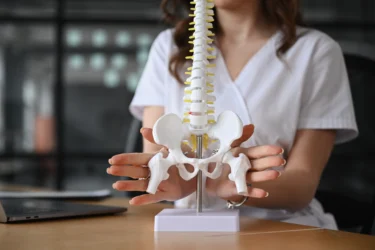
The spine is the prime support of our body. Karnapidasana may help to intensively stretch the spinal muscles, which may lengthen the spine, making it more flexible. The ear-pressure pose may help to tone spinal nerves and back muscles. It may also help to strengthen the muscles of the shoulder and back2. However, the ear-pressure pose is not a replacement for conventional treatments of any spine-related issues. A professional must be consulted for the same, and a trained yoga expert should supervise those doing the pose.
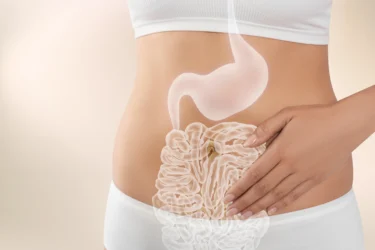
Karnapidasana yoga might help stimulate the abdominal organs. While performing the Karnapidasana pose, your belly region gets massaged, boosting the functions of the abdominal organs that activates the digestive tract. This might help get rid of digestive problems like constipation, bloating, etc. Ear-pressure pose also stimulates the nabhi chakra situated at the naval (belly button)2,4. However, Karnapidasana is not a substitute of any kind for conventional treatments of constipation. Consult a doctor for proper treatment and perform this asana under the supervision of a trained yoga expert.
Karnapidasana yoga posture might play a role in improving hearing impairment. A study7 by Martha et al., 2020 suggests that during Karnapidasana yoga, the spine is well-extended, and the knees put pressure on the ears. This pressure may help improve ear problems such as hearing loss, infections, etc. Ensure you practise this posture under the guidance of a professional yoga trainer. However, consult your doctors if you have major hearing difficulties and do not rely on Karnapidasana yoga7.
Yoga practice may help develop the mind and body; however, it is not an alternative to modern medicine. Therefore, one should not rely on yoga alone to treat any condition. Instead, consult a qualified physician who can assess the situation correctly and advise accordingly. Furthermore, it is essential to practice yoga under the supervision of a professional trainer to avoid injuries.
In my opinion, Karnapidasana may help expel accumulated gases in the respiratory passages, facilitating the intake of fresh air. This might be beneficial for maintaining good health, particularly the lung health8.
Dr. Smita Barode, B.A.M.S, M.S.
Karnapidasana is an intermediate-level yoga pose; therefore, it must be practised with utmost precautions to avoid injuries.
With the guidance of a skilled yoga teacher, you can assess and analyse the risk factors and continue to practise Karnapidasana with precautions.
Karnapidasana yoga is a forward-bending pose in the inverted position where the legs are placed on the ground over the head and the knees bent towards the ears. In this asana, pressure or a squeeze is felt on the ears; therefore, it is called ear-pressure pose. The benefits of Karnapidasana might include relief from constipation and hearing impairments. It may also strengthen the neck, shoulders, spine, back, hips, thighs, knees and legs. However, it is an intermediate-level yoga pose and should be performed keeping this in mind. Hence, Karnapidasana must be practised with utmost precaution to avoid injuries.
Karnapidasana is an intermediate-level inverted forward-bending yoga pose. Karnapidasana is a Sanskrit word in which ‘ Karna’ means ear, ‘pida’ means pressure, and ‘asana’ means pose. In Karnapidasana’s final position, the body forms an inverted forward bend, and pressure is on the ears; thus, it is referred to as the ear-pressure pose3.
Karnapidasana targets various body parts, including your head, ear, neck, shoulder, arm, forearm, elbow, chest, armpit, back, navel, abdomen, waist, hip, leg, thigh and knee3.
Karnapidasana yoga is classified under the intermediate difficulty level1.
People with neck injuries, back pain, hip, leg, knee injuries, headaches or cervical problems are not recommended to perform Karnapidasana yoga3.
You may practice the plough pose or Halasana as the Karnapidasana preparatory pose2.
1. Kaminoff L, Matthews A, Ellis S. YOGA ANATOMY. United States of America: United Graphics; 2007. Available from: https://samadhiyogaashram.com/pdf/LeslieKaminoffYogaAnatomyzliborg-200817-225010.pdf
2. Asana (Postures) and Effect on Marma | Mrityunjaymission [Internet]. [cited 2022 Nov 6]. Available from: https://mrityunjaymission.org/asana-postures-and-effect-on-marma/
3. Karnapidasana – yujyate [Internet]. [cited 2022 Nov 11]. Available from: https://yujyate.org/listing/karnapidasana/
4. Lacerda D. 2,100 Asanas | The Complete Yoga Poses. New York: Black Dog 7 Leventhal Publishers; 1976. 1–1132 p. Available from: https://terebess.hu/english/2100-Asanas.pdf
5. What is Karnapidasana? – Definition from Yogapedia [Internet]. [cited 2022 Nov 3]. Available from: https://www.yogapedia.com/definition/6584/karnapidasana
6. Longest Performance of Karnapidasana Yoga | Golden Book Of World Records [Internet]. [cited 2022 Nov 7]. Available from: https://goldenbookofworldrecords.com/longest-performance-of-karnapidasana-yoga/#:~:text=The%20World%20Record%20of%20’longest,convened%20by%20Swami%20Mahesh%20Yogi.
7. Martha S, Ahmed S, Mary J, Yadav BP, Gouthami S, Sridevi M. Cognitive ability to improve driving in ageing adults with visual and hearing impairments with yoga and exercise. IOP Conf Ser: Mater Sci Eng. 2020;981:1–9. Available from: https://iopscience.iop.org/article/10.1088/1757-899X/981/2/022077/pdf
8. Brahmachari D. Yogasana Vijnan: The Science of Yoga [Internet]. Bombay: Asia Publishing House; 1970 [cited 2026 Jan 19]. Available from: https://www.indianculture.gov.in/ebooks/yogasana-vijnan-science-yoga
Disclaimer: The information provided here is for educational/awareness purposes only and is not intended to be a substitute for medical treatment by a healthcare professional and should not be relied upon to diagnose or treat any medical condition. The reader should consult a registered medical practitioner to determine the appropriateness of the information and before consuming any medication. PharmEasy does not provide any guarantee or warranty (express or implied) regarding the accuracy, adequacy, completeness, legality, reliability or usefulness of the information; and disclaims any liability arising thereof.
Links and product recommendations in the information provided here are advertisements of third-party products available on the website. PharmEasy does not make any representation on the accuracy or suitability of such products/services. Advertisements do not influence the editorial decisions or content. The information in this blog is subject to change without notice. The authors and administrators reserve the right to modify, add, or remove content without notification. It is your responsibility to review this disclaimer regularly for any changes.
1
Most of us are familiar with ‘yoga’ and have a vague idea about the same. We often associate ‘flexibility’ and ‘stretching’ with yoga. Yoga has been popularly practised in local fitness centers, gyms and even schools. Several celebrities have become yoga gurus in recent days. You would know that yoga. Today, yoga has been globalized, and a wide variety of people from various castes, creeds, religions, and national and ethnic backgrounds perform yoga. According to the writing of religious historian Mircea Eliade in 1954, “yoga derives from the root yuj, meaning to bind together or ‘hold fast,’ ‘yoke’. Pattabhi Jois, BKS Iyengar and several disciples of Swami Sivananda, like Swami Vishnudevananda, are some of the great historic gurus of yoga. Yoga consists of asanas are bending and contorting postures. Asanas or postures may be beneficial for psychological, mental and physical well-being1. Let us look at the health benefits of one such asana- Shashankasana.
Did you know?
Asanas are body postures that may stabilise the body and the mind. In Shashankasana, ‘shashank’ means moon, hence it is also known as the moon pose. Another name is sasakasana2. Sasaka means hare or rabbit, and asana means posture; hence shashankasana is also known as the hare posture. While performing this pose, it will look like you are sitting like a rabbit. This pose depicts the rounded spine of the rabbit. Shashankasana involves intense forward bending. You can feel a stretch in your back, shoulder and spine3.
You can perform shashankasana steps in the following way:
Rest in the visramasana pose (keep your legs extended in front of you, just place your hands behind your hips with fingers turning away from you)2.
Judging from what I’ve witnessed, Shashankasana might be a fantastic yoga pose that can do wonders for your back. This pose might create space between each vertebra, allowing them to breathe and relax. It may also help to relieve any pressure on the discs in your spine. You see when these discs squeeze the nerves coming out of your spinal cord, it may lead to discomfort and backaches. But with Shashankasana, you might be giving your back some much-needed rest, helping to alleviate those issues10.
Dr. Siddharth Gupta, B.A.M.S, M.D (Ayu)
Some of the health benefits of shashakasana are:
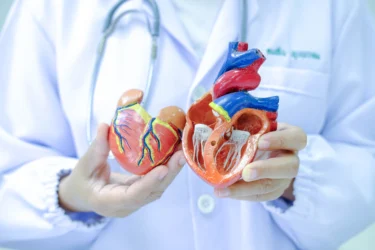
A study4 by Holkar et al. conducted on 60 subjects 40-60 years of age in 2015 showed that the practice of yoga protocol that includes shashankasana might help to enhance heart health by regulating various heart parameters like blood pressure and heart rate. The result suggested a possible decrease in blood pressure and heart rate4. Further large-scale studies are required to confirm if shashankasana can enhance heart health. Therefore, you must consult your doctor for abnormal blood pressure and heart rate instead of self-medicating.
Regular practice of yoga protocol consisting of shashankasana may help to manage weight and reduce obesity. A study4 conducted by Holkar et al. on 60 subjects 40-60 years of age in 2015 showed a possible decrease in BMI (body mass index). Body mass index uses your height and weight to confirm if your body weight is healthy. The result of the study suggested that there may be a significant decrease in weight and BMI after regular yoga practice, including shashankasana4. However, you must consult a dietician for weight management.

Sciatica refers to pain in the sciatic nerve. The sciatic nerve travels from the lower back through the hips and buttocks down each leg. Shashankasana may help in the case of sciatica. A study5 was conducted by Arora et al., in 2018 on 45 patients to check the effect of shashankasana on sciatica. Shashankasana may relax the superficial and deep muscles to relieve lower back pain and may improve the spine flexibility5. However, it is advised to seek medical help if you experience severe back pain.

A book2 ‘Yogic Management of Irritable Bowel Syndrome’ by Morarji Desai National Institute of Yoga, Ministry of Yoga, Government of India mentions that shashankasana may help to relieve constipation and enhance digestion. Yogasanas like shashankasana may help relieve irritable bowel syndrome symptoms (IBS). IBS is a disorder that affects the stomach and the intestine. One of the causes of IBS is stress. Hence shashankasana may help to relieve stress to help in the case of IBS6. However, further clinical studies are required to confirm if shashankasana can help in the case of digestive disorders. You must consult your doctor if you experience any symptoms of digestive disorders.
Kushwah et al. conducted a study8 in 2015 that showed that shashankasana may help to make mental health by relieving stress and anxiety. A study8 conducted at S-VYASA University, Bangalore, India, included 114 participants. The participants were from three Indian companies: Hindustan Aeronautics Limited (HAL), Oil and Natural Gas Corporation Limited (ONGC) and Canara Bank. The result suggested that regular yoga practice consisting of shashankasana may help reduce stress and improve mental health7. However, you must consult a psychiatrist if you face any issues related to mental health.
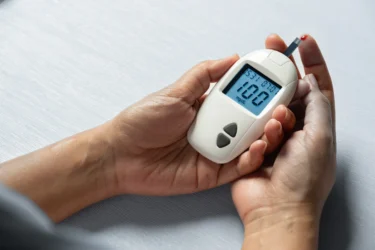
A study8 conducted by Mohammed et al. in 2016 on 50 patients showed that the practice of shashankasana may help in the case of type 2 diabetes. The result suggested a decrease in fasting blood glucose levels. Further studies are required to confirm the use of shashankasana in the case of diabetes. You must check your blood sugar level regularly and contact your doctor in case of abnormal sugar levels.
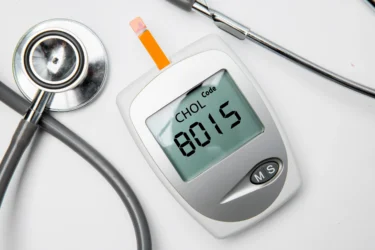
In the same study8 mentioned above, the result suggested that the practice of shashankasana may help in case of high cholesterol levels. Therefore, regular practice of shashankasana may help reduce total cholesterol and bad cholesterol levels (LDL- low-density lipoprotein)8. However, further studies are required to check the effect of shashankasana on lowering cholesterol levels. Therefore, you must consult your doctor if you have high cholesterol levels.

Although shashankasana might help manage stress and anxiety in general, regular practice may help in anger management. A study conducted by A.M. TL et al. in 2021 showed that shashankasana may help regulate the adrenal gland which may help to manage anger9. More studies are yet to be done to see if shashankasana can help to manage anger. However, you must consult a specialist to manage your anger better.
Yoga practice may help develop the mind and body; however, it is still not an alternative to modern medicine. Therefore, you must not rely on yoga alone to treat any condition. Instead, please consult a qualified doctor who will be able to assess your condition correctly and advise accordingly. Moreover, it is necessary to practice and learn yoga under the supervision of a trained yoga teacher to avoid any injuries.
From my point of view, practising this pose might have positive effects on the functioning of your adrenal glands. It may also help to tone your pelvic muscles and benefit your reproductive organs10.
Dr. Rajeev Singh, BAMS
The risks associated with shashanksana are as follows:
With the guidance of a qualified and experienced yoga teacher/yoga expert, we can assess and analyse the risk factors and continue to practice exercise with precautions.
Also Read: Benefits of Parvatasana (Mountain Pose) and How to Do it By Dr. Himani Bisht
Shashankasana is also known as sasakasana. Sasaka means hare or rabbit, and asana means posture; hence shashankasana is also known as the hare posture. In Shashankasana, ‘shashank’ means moon, hence it is also known as the moon pose. Shashankasana may be beneficial to improve heart health, reduce back pain, lowering cholesterol levels and enhance digestion. It may also help to manage weight, anger, stress and anxiety. In addition, Shashankasana may be beneficial in the case of diabetes. People with acute backache shall refrain from doing this pose. Patients with osteoarthritis shall not do vajrasana in this pose. It is advised to perform shashanksana under the guidance of a professional yoga trainer.
Also Read: Benefits of Padahastasana and How to Do it By Dr. Ankit Sankhe
Shashankasana may be beneficial to improve heart health, reduce lower back pain, lowering cholesterol levels and enhance digestion. It may also help to manage weight, anger, stress and anxiety. In addition, Shashankasana may be beneficial in the case of diabetes.
Shashankasana procedure is simple and can be done in the given way. First, sit in the vajrasana position, (keep your knees bent with palms placed on your knees). Then, spread your knees apart and keep your big toes touching each other. Inhale gradually and keep your palms between your knees. Now exhale slowly and bend forward with your arms outstretched. Put your chin on the ground. Keep both your arms parallel to each other. Look in the front, keeping your head straight. Then come up to the vajrasana position. Come to the dandasana position (extend your legs in front of you and keep your back straight). Rest in the visramasana pose, (keep your legs extended in front of you, just place your hands behind your hips with fingers turning away from you)2.
Shashankasana may be beneficial for lower back pain. However, people with acute backache shall refrain from doing this pose. Patients with osteoarthritis, slip disc, high blood pressure and vertigo shall not do vajrasana in this pose. It is advised to perform shashanksana under the guidance of a professional yoga trainer.
Shashankasana is also called the rabbit pose. While performing this pose, it will look like you are sitting like a rabbit3.
Shashankasana is one of the asanas that can be done in case of back pain5.
Also Read: Benefits of Mandukasana (Frog Pose) and How to Do it By Dr. Himani Bisht
Disclaimer: The information provided here is for educational/awareness purposes only and is not intended to be a substitute for medical treatment by a healthcare professional and should not be relied upon to diagnose or treat any medical condition. The reader should consult a registered medical practitioner to determine the appropriateness of the information and before consuming any medication. PharmEasy does not provide any guarantee or warranty (express or implied) regarding the accuracy, adequacy, completeness, legality, reliability or usefulness of the information; and disclaims any liability arising thereof.
Links and product recommendations in the information provided here are advertisements of third-party products available on the website. PharmEasy does not make any representation on the accuracy or suitability of such products/services. Advertisements do not influence the editorial decisions or content. The information in this blog is subject to change without notice. The authors and administrators reserve the right to modify, add, or remove content without notification. It is your responsibility to review this disclaimer regularly for any changes.
1
0After sitting for lengthy periods or moving between tasks, one may feel exhausted. For this, yoga can be the medicine for better health. Yoga improves the body’s prana, or energy, by regulating the energy flow. Yoga asanas are the one which connects the body’s movement and the changes of the mind to the rhythm of our breath. ”Sthiram sukham asanam,” which means asanas are postures which give steadiness, bliss and happiness. Of all this, vakrasana is one of the sitting postures that relax the back muscles and stretch the stomach. Let us read and find out about vakrasana.
Did you know?
In Vakrasana, ‘vakra’ means ‘twisted’, and asana means ‘pose’. Vakrasana is also called the spinal twist position. It is a yoga pose that causes the spinal muscles to twist, which may help in rejuvenation2.
Vakrasana yoga gives better health benefits if it is done correctly under the guidance of a yoga trainer. So, the process of vakrasana is as follows:
To my knowledge, Vakrasana might really work wonders for your back muscles. It may help make them more flexible and might provide relief from conditions like lumbago (lower back pain) and muscular spasms. It’s a simple yet effective way to take care of your back and promote its overall well-being9.
Dr. Siddharth Gupta, B.A.M.S, M.D (Ayu)
The benefits of vakrasana yoga pose for various diseases are as follows:

A study10 by Gowri in 2022 showed a significant decrease in fasting blood glucose levels among those with type-2 diabetes who practised yoga regularly. In addition, vakrasana might stimulate the pancreas to increase insulin secretion and improve insulin sensitivity. This might help lower blood glucose levels to manage diabetes3. However, vakrasana alone won’t be helpful for diabetes; please consult a doctor for proper treatment.
Vakrasana may help reduce excess fat around the abdomen, hips, and waist. Thus, it might be beneficial for reshaping the body’s structure. As a result, it may be helpful for people with obesity3. However, please consult your physician for weight management to avoid further issues.
Kumar and others carried out research on yoga therapy in depressive disorders. The results improved anxiety in short-term sessions, while long-term sessions improved depression. Practising vakrasana and other sitting postures and breathing exercises may lower depression levels more effectively by regulating mood. It might also help lower anxiety levels. It might help improve the symptoms of stress like headaches, fatigue and weakness. Even so, more research is needed to determine the effects of vakrasana on depression4. Please consult the doctor for proper diagnosis and treatment.

The twist in vakrasana may activate the spinal nerves. It might also help enhance the spinal column’s flexibility. This in turn may improve blood circulation in the spine. It might stretch the abdominal muscles along with the spinal muscles5. Please get medical advice and perform this asana with a trainer’s supervision.
Based on what I’ve seen so far, Vakrasana might offer benefits beyond the back and spine. It may provide a gentle massage to the abdominal organs, promoting improved digestion and might alleviate digestive ailments. Additionally, this pose might also be advantageous for the kidneys and may regulate the secretions of the adrenal gland and liver9.
Dr. Smita Barode, B.A.M.S, M.S.

Patients having HIV (human immunodeficiency virus) may experience loneliness, fear, anger, extreme feelings of despair and depression. Research studies have shown that yoga, such as vakrasana, may be a safe, efficient, and cost-effective technique that may help “detoxify” the body. In addition, it might reduce fatigue, increase stamina, and improve organ and immunological functions. Furthermore, it might improve nutritional status and relieve symptoms and drug side effects. In addition, it might help improve the quality of life and increase the patient’s life span. Regular yoga practice may boost health, establish good attitudes and health habits, and improve self-confidence in children who are living with HIV/AIDS. As a result, it might reduce the transfer of HIV to others in future5. For best results, please get medical advice before performing vakrasana, and take your prescribed medications as instructed.
Also Read: Benefits of Mandukasana (Frog Pose) and How to Do it By Dr. Himani Bisht
Ranjita et al., 2015, studied6 the effectiveness of the Integrated Approach to Yoga Therapy (IAYT) in controlling dyspnoea and fatigue in coal miners with COPD. COPD is an irreversible disease that is a type of progressive lung disease characterized by long-term respiratory symptoms and airflow blockage. The results of the study were encouraging. In COPD patients, it may improve dyspnoea and fatigue while increasing physical exercise performance. However, you must consult a doctor because vakrasana alone may not be effective for COPD6.
Also Read: Benefits of Padahastasana and How to Do it By Dr. Ankit Sankhe
Krishna et al., 2014, examined7 the effects of 12-week yoga therapy on blood pressure, heart rate and other heart-related measures. Yoga therapy helped lower blood pressure with standard medical treatment. As a result, it may reduce the stress on the heart, lowering the chances of heart failure. However, please see your doctor for better health outcomes, as it could create adverse effects7.
Yoga practice may help develop the mind and body; however, it is still not an alternative to modern medicine. You must not rely on yoga alone to treat any condition. Please consult a qualified doctor who will be able to assess your condition correctly and advise accordingly. Moreover, it is necessary to practice and learn yoga under the supervision of a trained yoga teacher to avoid any injuries.
In my point of view, Vakrasana might also help reduce the chances of developing inflammation and calcium deposits between the neighbouring vertebrae of the spine. This may help maintain a healthier spine and reduces the chances of related issues9.
Dr. Rajeev Singh, BAMS
With the guidance of a qualified and experienced yoga teacher/yoga expert, we can access and analyse the risk factors and continue to practice vakrasana with precautions.
I would like to offer a gentle precaution regarding Vakrasana. If you happen to have a peptic ulcer, hernia, or hyperthyroidism, it’s advisable to refrain from practising this particular pose. Prioritising your health is crucial, so it’s always wise to consult with a doctor before attempting any new yoga poses9.
Dr. Anuja Bodhare, B.A.M.S, M.D (Ayu)
Vakrasana, or the spinal twist pose, is a yoga pose with several benefits, such as stretching the stomach, treating diabetes and many more. You can do the pose correctly and with normal breathing for more satisfactory results. It may be the best sitting position in which your spine may get stretched. However, if you feel pain while performing the vakrasana, then kindly consult the doctor.
Also Read: Benefits of Naukasana (Boat Pose Yoga) and How to Do it By Dr. Ankit Sankhe
No, vakrasana does not show any effect on skin. However, more research is required to prove the effects of vakrasana on skin.
Vakrasana may help regulate the mood. Also, it might help combat the symptoms of stress like headaches, fatigue and weakness. This help to lower the symptoms of depression or anxiety. Kindly consult the doctor for proper diagnosis and treatment4.
Vakrasana and other yoga poses may effectively lower cholesterol levels in the blood. However, research is needed to prove the effects of vakrasana on cholesterol3. Kindly consult a doctor before practising vakrasana.
R. Sobana and others studied the eight weeks of yoga treatment in men with insomnia. It concludes that yoga might be an effective treatment option in patients with insomnia which is the difficulty maintaining or initiating sleep. Please visit a doctor for good health results8.
No. However, more research is undergoing on the effects of vakrasana on cancer.
Also Read: Benefits of Parvatasana (Mountain Pose) and How to Do it By Dr. Himani Bisht
Disclaimer: The information provided here is for educational/awareness purposes only and is not intended to be a substitute for medical treatment by a healthcare professional and should not be relied upon to diagnose or treat any medical condition. The reader should consult a registered medical practitioner to determine the appropriateness of the information and before consuming any medication. PharmEasy does not provide any guarantee or warranty (express or implied) regarding the accuracy, adequacy, completeness, legality, reliability or usefulness of the information; and disclaims any liability arising thereof.
Links and product recommendations in the information provided here are advertisements of third-party products available on the website. PharmEasy does not make any representation on the accuracy or suitability of such products/services. Advertisements do not influence the editorial decisions or content. The information in this blog is subject to change without notice. The authors and administrators reserve the right to modify, add, or remove content without notification. It is your responsibility to review this disclaimer regularly for any changes.
Does the image of a chilly mountain top and a person sitting with their eyes shut pop into your brain when the word yoga is uttered? Well, it might be a common thought that crosses most of our minds, but it is not necessarily the only way to perform yoga. You can perform yoga anywhere after learning the proper techniques from a trained yoga teacher.
Yoga is an age-old practice. It is a science-based on practise of techniques that might help in harmonising the body and mind. It is believed that yoga asanas might positively affect the functioning of the body. It is believed that certain postures, known as asanas might help the body relax and might benefit us mentally and physically1.
In this article, we will get to know more about setu bandhasana. Read along to find out more.
Did You Know?
Setu bandhasana is also referred to as the setu bandha sarvangasana. Its name originates from the Sanskrit words setu meaning bridge, bandha meaning lock, and asana meaning pose. Hence the name setu bandhasana or the bridge pose. The name comes from the bridge-resembling posture of this asana. The pose falls under the category of basic vinyasa. Vinyasa is a yoga technique in which we transition from one pose to the next one continuously, the asanas are performed together and not alone2.
The bridge pose yoga might help strengthen your back, neck, chest, and legs. It might also stretch your neck, vertebral column (the bony case that protects the spine), and your upper body (thorax). The preparatory poses for setu bandhasana are bhujangasana (cobra pose), virasana (hero pose) and adho mukha svanasana (downward dog pose). The follow-up poses are eka pada setu bandha sarvangasana (single-leg bridge pose), chakrasana (wheel pose), or udhava dhanurasana (upward-facing bow pose). Let’s look at the steps to do setu bandhasana2.
For experienced yoga practitioners, if you wish to practice Setu Bandhasana, you must prepare your body by doing Suryanamskara and Bhujangasana first. These both will help in preparing and warming up the spine, neck, and shoulders4.
Dr. Siddharth Gupta, B.A.M.S, M.D (Ayu)
You must perform this posture on an empty stomach. You should ensure that you do not eat anything a few hours before performing setu bandhasana. It is better to perform this asana in the morning, but you can perform it in the evening too. Have a glance through the procedure of setu bandhasana2.
You should perform this asana under only the supervision of a trained yoga professional. Kindly consult a doctor before performing setu bandhasana and ensure that you are physically fit to perform this asana, especially if you have any medical condition.
After practising Setu Bandhasana, you must cool down in certain asanas like Pavanmuktasana, Anand Balasana and Supt Bhadrasana. These asanas will help to restore balance in the body and relax the spine4.
Dr. Rajeev Singh, BAMS
Setu bandhasana or the bridge stretches most of the body which it might have many benefits2. Some of the benefits are as follows:

Setu bandhasana causes the spine to move backward and stretches it correctly. Thus, it might help relieve mild backaches in certain cases, but you should consult a doctor if you have a severe backache. It might also help relieve the accumulated stress in the neck. Therefore, it might help relieve mild pain in the neck and back. However, these effects need to be explored by further research. Kindly consult your doctor if you have back or neck pain, slip disc, spondylitis, and vertigo and confirm if you can perform this asana under the guidance of an expert yoga trainer2.
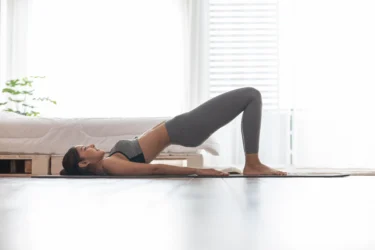
The muscle of the back of the neck, hip, flexor muscles and thighs are stretched while performing setu bandhasana. Thus, it may help in strengthening these muscles. It might also help strengthen the muscles of the buttocks. In addition, it is also believed to be good for strengthening weak and tired legs. However, these effects are yet to be proved by further research2.
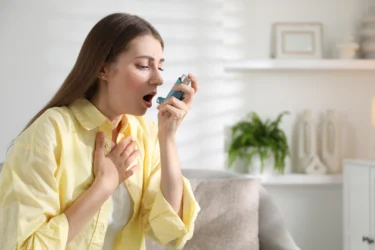
It may open up the chest which might further help in increasing the lung capacity. This might help people with asthma as it may relieve the symptoms of asthma. In addition, it might also help relieve sinusitis by allowing blood to flow to the head. However, more research is required to prove the effect of this asana on asthma. Kindly consult your doctor if you have asthma and follow their medical advice. You should not depend on asanas alone for your medical problems2,3.
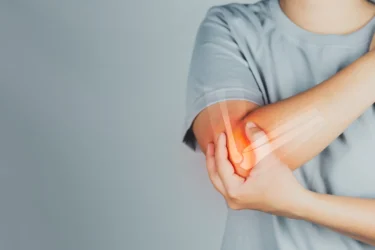
Tennis elbow is a condition in which you might experience pain and restricted movement in the elbow due to repetitive motion of the arm and the wrist, commonly seen in tennis players. You might have it even if you don’t play tennis. Setu bandhasana might help relieve the elbow pain in this condition. This might be due to stretching of the elbow muscles when you raise your back while holding your ankles or exert pressure on the floor in this exercise. However, you should perform this pose under the guidance of an expert yoga teacher after consulting your doctor, if you have a tennis elbow2.
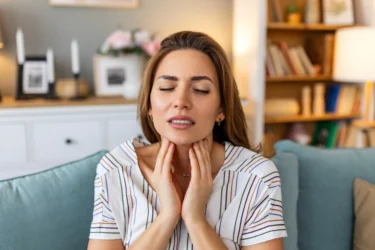
The posture of setu bandhasana causes a backward movement of the spine while massaging the neck and the thyroid gland situated in it appropriately. Thus, it might help regulate the functions of the thyroid gland and may help produce more of the hormone thyroxine. Therefore, this asana might be helpful for people who are deficient in the thyroid hormone (thyroxine). However, you should consult your doctor if you have problems related to the thyroid gland and not rely solely on yoga asanas2.
An inversion is an exercise in which the heart is comparatively higher than the head, causing blood to flow to the head. Setu bandhasana is considered a mild inversion, but it might be able to provide all the benefits of a complete inversion. It might help reduce stress, anxiety, mild depression, fatigue, insomnia and headaches by allowing blood to flow to the head. As this asana causes the spine to stretch, it might also help make the spine flexible and may be good for the health of nerves. Thus, it might also help in the proper coordination of the mind and body. However, you should consult your psychiatrist if you are facing any mental health issues like anxiety, depression, etc2.
The bridge pose might benefit your health by helping in digestion. As mentioned, the setu bandhasana causes many parts of the body to stretch suitably. It might also massage the organs in your abdomen, i.e, the stomach, colon (the lower part of intestine), etc. However, more research is required to prove the effects of setu bandhasana on digestion. Therefore, kindly consult a doctor for digestive issues2.
Along with the above-stated potential benefits of setu bandh asana, it might also be helpful for the following:
However, the above-stated effects need to be explored further by more research.
Yoga practice may help develop the mind and body; however, it is still not an alternative to modern medicine. You must not rely on yoga alone to treat any condition. Please consult a qualified doctor who will be able to assess your condition correctly and advise accordingly. Moreover, it is necessary to practice and learn yoga under the supervision of a trained yoga teacher to avoid any injuries.
As every exercise might have risks, so does setu bandhasana. We must consider them carefully and follow experts’ advice. Some of the risks of setu bandh asana are as follows:
With the guidance of a qualified and experienced yoga teacher/yoga expert, we can access and analyse the risk factors and continue to practice exercise with precautions.
Also Read: Benefits of Uttanasana (Standing Forward Bend Pose) and How to Do it By Dr. Himani Bisht
Setu bandhasana is also called setu bandha sarvangasana or the bridge pose. In this posture, the back, thighs, spine, neck, etc. are stretched which might be beneficial against various health conditions. To perform this asana, you may lay on your back on the ground, bend your knees, keep your ankles and feet straight and hip-width apart then raise your upper body. The body is supported by the arms, shoulders and feet. Kindly ensure that you perform this pose under the guidance and supervision of a trained yoga professional. This asana might be helpful against asthma, thyroid problems, back pain, neck pain, etc. However, pregnant women and people with severe back and neck pain might be at risk while performing the bridge pose. Therefore, you should consult your doctor before practicing this exercise.
Setu bandhasana might help against thyroid problems, tennis elbow, certain back and neck pain, stress, anxiety, depression, insomnia, headaches, etc. However, more research is required. You should consult a doctor for the above-stated problems2,3.
The bridge pose or setu bandhasana might help open up the chest and increase the lung capacity. Thus, it might be helpful against asthma. However, kindly consult your doctor if you have asthma2,3.
Kindly consult a doctor or a yoga expert if you can practice the bridge pose if you have spondylitis.
Pregnant women are at risk and should only perform setu bandhasana after consulting their doctor and under the guidance of a trained yoga professional2.
Setu bandhasana might help massage the neck and the thyroid gland. It might also help in regulating the functions of thyroid gland. Thus, it might be helpful against thyroid problems2.
Disclaimer: The information provided here is for educational/awareness purposes only and is not intended to be a substitute for medical treatment by a healthcare professional and should not be relied upon to diagnose or treat any medical condition. The reader should consult a registered medical practitioner to determine the appropriateness of the information and before consuming any medication. PharmEasy does not provide any guarantee or warranty (express or implied) regarding the accuracy, adequacy, completeness, legality, reliability or usefulness of the information; and disclaims any liability arising thereof.
Links and product recommendations in the information provided here are advertisements of third-party products available on the website. PharmEasy does not make any representation on the accuracy or suitability of such products/services. Advertisements do not influence the editorial decisions or content. The information in this blog is subject to change without notice. The authors and administrators reserve the right to modify, add, or remove content without notification. It is your responsibility to review this disclaimer regularly for any changes.
1
1As per Hindu mythology, the Hindu god and goddess used different transportation modes for travelling. They mostly used mythical creatures as vahanas (vehicles) for their interstellar travels. These creatures represent various spiritual and psychological forces that are known to carry each deity. They are seen as a symbolic representation of their power. It was Lord Vishnu who chose Garuda, the king of birds, to be his vahana.
Yoga is a science that teaches us the importance of living a healthy life. Yoga practices allows us to gain basic human values. Yoga demonstrates several physical techniques, known as asanas, sometimes resembling the shapes of animals and birds. These postures are used for various purposes, including meditation, achieving a sense of self-realisation and gaining a state of liberation1.
Yogasana enlightens a state in which one remains physically and mentally steady, keeping themselves calm, quiet and comfortable2. One such asana is Garudasana!
So, read along to get more information about Garudasana, its benefits and the performing technique.
Did You Know?
Garudasana is a classic balancing pose in a standing position. Garudasana yoga pose involves twisting the forearms and the legs with one another. The word Garudasana is a combination of two Sanskrit words; ‘Garuda’ means an eagle and ‘Asana’ means posture or pose. Hence, the Garudasana yoga pose is also termed as Eagle pose. It may also be called the Garuda pose2.
Garuda or eagle is the king of birds. It is portrayed as having a golden body with a white face, an aquiline beak and red wings. These birds were considered fighters against demons. The Garudasana pose may provide a two-fold twist of the arms and legs, at once. The eagle pose yoga may be characterised by the strength, flexibility, and elasticity it provides to the body in one go2.
You may start with Tadasana or the mountain pose as a preparatory pose to practise Garudasana2. The following steps will guide you to do the eagle pose yoga:
I may recommend giving Garudasana a try and experiencing the healing power for yourself. It might have remarkable healing potential for various aches and arthritic disorders. Whether you’re experiencing discomfort in your knees, feet, or other joints, or dealing with pain or tremors in your shoulders, elbows, arms, or forearms, practising this asana may bring relief and contribute to your overall well-being5.
Dr. Smita Barode, B.A.M.S, M.S.
Regular practice of the Garudasana yoga pose may provide strength, self-control and elegance when practised with the correct orientation2. Some of the Garudasana benefits are described below.
We all eat food; it supplies us with energy. However, the undigested food residue sometimes accumulates, making us feel heavy. Therefore, we prefer different varieties of detox drinks. Besides these drinks, yoga poses may also help you remove these toxins from the body. In Eagle asana, our body is twisted, helping to squeeze the internal organs and flush out the kidneys resulting in detoxification of the body2.
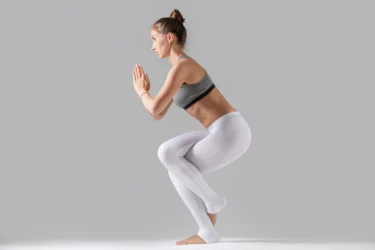
If you experience tightness in your legs, try the eagle pose. The eagle asana involves wrapping and winding the legs upon one another, helping strengthen the muscles and bones of the legs. In eagle pose, the anterior compartment of thigh muscles is stretched, strengthening the thigh muscles and making them more flexible. It may help to lower the cramps of the calf muscles and also provide great strength to the feet and thighs2.
I might let you in on a little secret. Garudasana may not only strengthen the feet and thighs but might also offer special benefits for individuals who walk long distances regularly. Even after a short journey on foot, practising this pose may swiftly alleviate fatigue5.
Dr. Rajeev Singh, BAMS
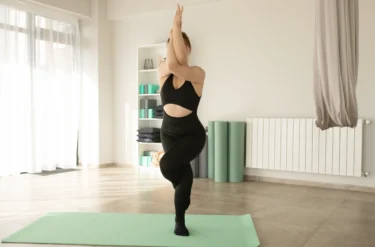
If you are looking for a hip exercise, the Garuda yoga pose might be the one for you. In this pose, your hips are in flexion and muscles of the hip area get contracted and internally rotated. As a result, it gives the body more balance, flexibility and coordination2.
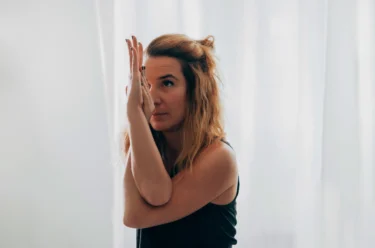
Garudasana yoga intensely stretches the shoulders and upper body area. In the eagle pose, the shoulder is moved towards the middle of the body, allowing the shoulders and arm joints to loosen. It may also help to remove stiffness and reduce pain in the shoulders2.
Also Read: Benefits of Makarasana (Crocodile Pose) and How to Do it By Dr. Ankit Sankhe
The practice of yoga poses, including the Garudasana pose, may provide benefits; however, it is still not an alternative to modern medicine to treat any condition. In addition, one must not depend on yoga alone as the only solution to health problems; instead, consult a qualified medical practitioner. Further, it is advised to learn and practice yoga under the supervision of a yoga expert to avoid physical injuries.
According to what I’ve noticed, Garudasana might provide significant relief for individuals experiencing enlargement of testicles. To enhance its effectiveness, it is recommended to practice the pose with a slight forward lean, which may help expedite relief5.
Dr. Siddharth Gupta, B.A.M.S, M.D (Ayu)
You must avoid practising Garudasana in the following situations:
You can assess the risk factors associated and continue practising Garudasana with precautions under the supervision of an experienced Yoga master.
Also Read: Benefits of Butterfly Pose (Baddha Konasana) and How to Do it By Dr. Himani Bisht
Garudasana is a balancing posture in a standing position. Garudasana yoga is also called the eagle pose because the final position of the body resembles the beak of an eagle. The eagle yogasana helps to enhance concentration, alertness and awareness of the mind. The eagle pose gives complete two-fold twists to both the arms and legs simultaneously. It may also help to stretch shoulders, arms, hips, calves and thighs. However, it would help if you practised Garudasana asana under the guidance of a trained Yoga teacher to avoid any injuries.
Also Read: Benefits of Setu Bandhasana (Bridge Pose) and How to Do it By Dr. Himani Bisht
Garudasana is a standing yoga pose. It is a Sanskrit name where ‘Garuda’ means an eagle and ‘asana’ means pose. While performing the Garudasana pose, our body appears like the shape of the beak of an eagle; hence also called eagle pose yoga2.
The contraindications of Garuda yoga pose include injuries to the elbow, knee, ankle joints, varicose vein and arthritis, etc2.
You may perform the Garudasana pose for three rounds on each side. However, it is advised that you perform the eagle pose under the supervision of a trained Yoga teacher who will guide you about the number of rounds per your health2.
Garudasana preparatory poses include Tadasana or the mountain pose2.
Eagle pose anatomically targets different parts of the body, including the shoulder, elbows, forearms, hips, thighs, calves, ankles, feet, etc2.
Disclaimer: The information provided here is for educational/awareness purposes only and is not intended to be a substitute for medical treatment by a healthcare professional and should not be relied upon to diagnose or treat any medical condition. The reader should consult a registered medical practitioner to determine the appropriateness of the information and before consuming any medication. PharmEasy does not provide any guarantee or warranty (express or implied) regarding the accuracy, adequacy, completeness, legality, reliability or usefulness of the information; and disclaims any liability arising thereof.
Links and product recommendations in the information provided here are advertisements of third-party products available on the website. PharmEasy does not make any representation on the accuracy or suitability of such products/services. Advertisements do not influence the editorial decisions or content. The information in this blog is subject to change without notice. The authors and administrators reserve the right to modify, add, or remove content without notification. It is your responsibility to review this disclaimer regularly for any changes.
4
1We are very keen on physical exercise and all age groups are very much interested in doing physical exercise to have a healthy life and increase their life expectancy. You have to agree that when a person is doing exercises throughout all stages of life tends to have a healthier, happier, and longer life. You all are familiar with yoga and ancient times around 500 BC to 800 AD is a prominent period for yoga. Yoga is a science of living which focuses on spiritual discipline which brings harmony between body and mind. Yoga consists of several asanas, including adopting various body positions that bring stability to the body and mind. Yoga creates awareness of one’s structural existence1. In this blog, we bring one such asana Uttanasana, that you may add to your daily exercise to stay active and healthy.
Uttanasana is an easy, standing yoga pose2.
In Sanskrit, ‘Ut’ means intense, ‘tan’ means stretch or extend, and ‘asana’ means pose or posture. Uttanasana yoga is a pose that intensely stretches the entire back of the body, including the spine, hips, and hamstrings. Hence, Uttanasana is also called the Standing forward bend pose3.
Uttanasana pose consists of standing with feet together, bending the upper body at the hips and allowing the head to hang downwards. The body is supported by both palms keeping them on the floor beside the feet3.
Did You Know?
You may practice Tadasana (mountain pose) as a preparatory pose to perform Uttanasana posture4. The following steps will guide you to do Uttanasana:
Uttanasana may offer many health benefits if performed correctly by engaging the targeted muscles. Some of the potential benefits of Uttanasana posture are described as follows:
If you are a person who sits in the office for longer durations and are affected by the harmful effects of a sedentary lifestyle. You must try Uttanasana to keep your spine younger which provides an intense stretch and gives a great extension to the back. Hence, it might help to lengthen your spine and make it more flexible. Standing forward bend pose may also release the tightness in the lower back strengthening the muscles that run along the spine2,4. If you have spine issues, consult a proper trainer and doctor. Do not self-medicate or treat.
Uttanasana posture might benefit you if you struggle with tight hamstrings problems. It is a good posture for stretching the hamstrings of the back of the legs. Tight hamstrings may be a reason for lower back problems that might lower daily activities. The Standing forward bend pose allows you to invert the torso by putting your head below the heart. It provides a high level of intensive stretch to the tight hamstring, allowing them to loosen up5.
If your day starts with an uneasy feeling due to improper digestion, you should practise Uttanasana yoga. The daily practice of Uttanasana posture folds the body in the forward direction. This may help the digestive organs get a gentle massage, boost metabolism, and stimulate the digestive system. Uttanasana pose allows twisting of the body, which may benefit the abdominal organs facilitating the working of the digestive tract and may help in relieving digestive ailments such as constipation4.
Also Read: Benefits of Naukasana (Boat Pose Yoga) and How to Do it By Dr. Ankit Sankhe
Practising yoga may establish a connection between the mind and body; however, it is not an alternative to modern medicine. Therefore, you must not depend on yoga to treat your health condition. Instead, you must consult a qualified physician who will assess your condition and diagnose it accordingly. Furthermore, it is essential to practice and learn yoga under the supervision of a trained yoga expert to avoid injuries.
In my experience, I have found that individuals with osteoporosis need to exercise caution and take a gradual approach when performing Uttanasana. Osteoporosis weakens the bones and makes them more susceptible to fractures. Deep forward bending exercises like Uttanasana might put stress on the spine, increasing the risk of compression fractures1.
Dr. Siddharth Gupta, B.A.M.S, M.D (Ayu)
The following conditions need to be looked out for before doing the Uttanasana pose:
Based on my experience, I strongly advise against engaging in this practice if you have high myopia. High myopia refers to severe nearsightedness, which means your eyes have difficulty focusing on objects in the distance. Deep forward bending exercises can put strain on the eyes and worsen the condition, potentially leading to further vision problems or complications3.
Dr. Rajeev Singh, BAMS
With the guidance of a trained Yoga master, one can assess and analyse the risk factors and continue to practice Uttanasana with precautions.
Also Read: Benefits of Butterfly Pose (Baddha Konasana) and How to Do it By Dr. Himani Bisht
Uttanasana yoga is an easy, standing yoga pose. Uttanasana yoga is also referred to as the Standing forward bend pose. The Uttanasana posture folds the body forward, giving the back an intense stretch. It may help to lengthen the spine and loosen tight hamstrings and it may reduce digestive ailments such as constipation enhancing the digestive process. However, you must follow the instructions given by your yoga teacher to gain the maximum benefits and avoid physical injuries.
Also Read: Benefits of Bakasana (Crane Pose) and How to Do It By Dr. Ankit Sankhe
Uttanasana is a standing yoga pose ‘Ut’ means intense, ‘tan’ means stretch, and ‘asana’ means pose. Uttanasana yoga intensely stretches the entire back of the body, including the spine, hips, and hamstrings. Hence, it is also called the Standing forward bend pose3.
Some of the contraindications of Uttanasana posture include osteoporosis, back injuries, high blood pressure, low blood pressure, vertigo, hernia, ulcers, pregnancy, and abdominal inflammation2,4.
Uttanasana is an easy-standing pose and might be a suitable yoga pose for beginners. However, the level of difficulty and the technique to perform Uttanasana should be learned from a trained yoga teacher2.
Uttanasana may benefit the digestion process. Uttanasana posture is an inverted pose which folds the body in the forward direction helping the digestive organs to get a gentle massage. It may boost metabolism and stimulate the digestive system4.
You may perform Uttanasana yoga for 10-30 seconds. However, it should be practised under the guidance of an experienced Yoga teacher who will advise you on the number of rounds that Uttanasana may be practised4.
Disclaimer: The information provided here is for educational/awareness purposes only and is not intended to be a substitute for medical treatment by a healthcare professional and should not be relied upon to diagnose or treat any medical condition. The reader should consult a registered medical practitioner to determine the appropriateness of the information and before consuming any medication. PharmEasy does not provide any guarantee or warranty (express or implied) regarding the accuracy, adequacy, completeness, legality, reliability or usefulness of the information; and disclaims any liability arising thereof.
Links and product recommendations in the information provided here are advertisements of third-party products available on the website. PharmEasy does not make any representation on the accuracy or suitability of such products/services. Advertisements do not influence the editorial decisions or content. The information in this blog is subject to change without notice. The authors and administrators reserve the right to modify, add, or remove content without notification. It is your responsibility to review this disclaimer regularly for any changes.
5
1


