
Feel tired or exhausted most of the time? Have food cravings that you can’t control and putting on weight that is hard to reduce? If these sound familiar, they may be symptoms of insulin resistance.
While genetics may play a role, busy lifestyles nowadays have made it difficult for many people to maintain a regular exercise routine, keep healthy eating habits, and take proper rest, thereby increasing the risk of insulin resistance.
Insulin resistance is the condition where the body’s cells do not respond to insulin hormone (involved with the utilisation of blood sugar by body’s cells) in the blood that causes excess insulin production by the pancreas. High insulin promotes sugar in the blood to be stored as fat in the body, leading to weight gain and obesity. Insulin resistance also disrupts appetite-regulating hormones, increasing hunger and cravings, causing fatigue and promoting fat accumulation, particularly around belly, making it stubborn1.
This article will help you better understand what insulin resistance is and how it can be managed. It discusses in detail about its impact on the body, the dietary modifications that can help improve insulin sensitivity and some practical tips for weight-management with insulin resistance.
Insulin is a vital hormone produced by the pancreatic gland of the body. What makes it so important is that the body cannot function properly without it, as it helps maintain normal blood sugar levels. Here is how it works in the body:
When the body becomes resistant to this mechanism, known as insulin resistance, regulation of blood sugar is disrupted and there is overproduction of insulin by the pancreas. Overtime the pancreatic cells may get worn-out increasing the risk of type 2 diabetes2.
The risk factors of insulin resistance include a sedentary lifestyle, obesity, high blood pressure, high cholesterol, and a family history of type-2-diabetes2.

Some common insulin resistance symptoms are:
An insulin resistance diet is one that helps the body to respond better to insulin and keep the blood glucose levels in check. Its goal is to avoid sudden spikes in blood glucose level and insulin, which can worsen the insulin resistance. The diet primarily focuses on balanced meals which include whole grains, lean proteins, fibre rich non-starchy vegetables and raw fruits and limit processed foods, sugary foods, saturated fats, and refined grains. It also involves eating meals on time, portion control, and choosing foods that provide long-lasting energy rather than quick sugar spikes followed by crashes. Studies have shown that plant-based diets like the Mediterranean diet which mostly includes lots of vegetables, fruits, beans, nuts, whole grains and healthy fats (omega-3 from fish/ olive oil) can be beneficial in insulin resistance5,6.
An insulin-resistance diet benefits in the following ways:
People who have insulin resistance should be very particular about their diet. Here are the foods that can be included in an insulin resistance diet.
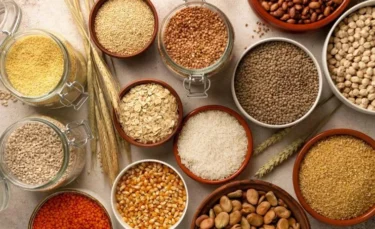
Whole grains have high-fibre content which slows down digestion, improves insulin sensitivity, and limit sudden glucose spikes. Choosing whole grains over refined grains may help reduce the risk of type 2 diabetes. Go for whole grains such as oats, millets (jowar, bajra, ragi, etc), brown rice, quinoa, etc5,6.

Non-starchy vegetables are rich in fibre, antioxidants, and other protective plant compounds. These properties help manage blood sugar even in people with type 2- diabetes. Fibre in it helps slow down digestion and reduces sharp glucose spikes. Include non-starchy vegetables such as spinach, cauliflower, broccoli, beans, gourds (snake gourd, ridge gourd, bitter gourd, ash gourd, pumpkin, etc), etc8.

Proteins help stabilise blood sugar level by slowing carbohydrate absorption and limiting sudden spikes in the blood glucose level. Go for lean meats or plant-based proteins. Choose lean meat proteins such as skinless chicken and turkey, eggs, fish, etc., and plant-based proteins such as tofu, tempeh, lentils, chickpeas, etc5.
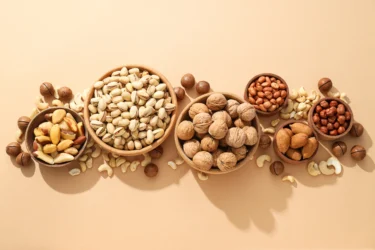
Research suggests that some fats are healthier than others. Fats found in coconut oil and olive oil are less likely to cause insulin resistance, inflammation, or excess fat storage when compared to other types of saturated fats (e.g., palm oil)9. These also control appetite by regulating overeating. Choose healthy fat sources like nuts, avocado, olive oil, etc5,9.

Fruits are an excellent choice which can be included in the diet plan. They contain carbohydrates and are rich in fibre and raise blood sugar levels slowly5. They contain antioxidants, vitamins, and minerals, which help in reducing the risks of diabetes and inflammation. Choosing the right fruits is important. Go for low-sugar fruits such as apples, plums, guavas, papayas, and berries (including cranberries, blueberries, raspberries, and strawberries)10.

Probiotics contain beneficial bacteria which might help improve gut health and insulin resistance by reducing inflammation. They might also lower the bad cholesterol level in the blood, promoting an increase in good cholesterol. Studies in both animals and humans suggest that probiotics can improve blood sugar control, insulin sensitivity, and overall metabolic health. Include probiotics such as curd, yoghurt, or other fermented milk products in routine diet11.
Some foods might function as a stimulant for insulin resistance. Such foods should be avoided to prevent further worsening of insulin resistance. Following is a list of foods that should be limited or avoided by people with insulin resistance.

Refined grains or carbohydrates are foods that digest fast. They raise blood sugar level quickly and have a high glycaemic load (leading to big blood sugar spikes)7. When taken along with long-chain fatty acids (commonly found in fried and processed foods), they can contribute to insulin resistance, inflammation, and obesity9. White rice, white bread, white pasta, and corn products are some of the commonly used refined products.

Sugary foods and sweetened beverages contain sucrose or high fructose in them. Regular consumption of these foods can cause fat buildup in the body, making insulin work less effectively (poor insulin sensitivity), and contribute to prediabetes, type 2 diabetes and heart diseases. Common examples include soft drinks, sports drinks, fruit juices, candies, cakes, ice creams, etc5,12.

Packaged snacks and processed foods are high in refined carbohydrates, unhealthy fats, added sugars and excess salts. Consuming these regularly can lead to inflammation, weight gain, and poor insulin sensitivity, increasing the risk of prediabetes, type 2 diabetes, and heart disease. Examples include chips, processed cookies, processed meat, pastries, breakfast cereals, cakes, instant noodles, etc5,6.

Fried foods and high-fat dairy products contain unhealthy fats such as trans-fat and saturated fats. If consumed regularly, these fats, particularly trans-fat, can cause insulin resistance, increase bad cholesterol, and promote inflammation. Over time this can lead to weight gain, heart diseases, and type 2 diabetes. Common examples include French fries, fried chicken, doughnuts, margarine, full-cream milk, cheese, butter, and cream5,13.

Red meats are high in saturated fats, while processed meats contain both saturated and trans-fat. Processed meats are also extremely high in salt and additives. Since these fats are involved in causing several health issues like insulin resistance, heart diseases, etc., their consumption should be limited. Examples of red meat include beef, pork, and lamb, while processed meats include bacon, hot dogs, and sausages5,6.

Alcohol, especially when consumed in excess, can interfere with the body’s ability to manage blood glucose level. It can also cause fatty liver by building excess fat in the liver; this can make insulin work less effectively, causing insulin resistance over time. Sugary drinks like beer and cocktails can further worsen the blood glucose level, placing extra stress on the body’s insulin system. Regular drinking can also cause weight gain and inflammation14.
A balanced diet, whether it is veg or non-veg, may help manage insulin resistance. Below are diet plans for both vegetarians and non-vegetarians.
A perfectly balanced vegetarian diet with lots of fibre, vegetables, whole grains, and plant proteins might help insulin work better and keep blood glucose levels under control. Here is a simple vegetarian diet plan for the day.
A perfectly balanced non-vegetarian diet, with lean protein, whole grains, and vegetables, might help to keep stable blood sugar levels and improve insulin sensitivity. Here is a simple non-vegetarian diet plan for the day.
Insulin resistance and weight loss are closely related. Making slight changes in the lifestyle and diet can improve insulin sensitivity and support weight management. Here are some tips that can be followed to manage weight effectively, especially for people with insulin resistance.
Eat whole grains, legumes, vegetables, and fruits with a low glycaemic index5. These foods, which are rich in fibre, are digested slowly, which helps control glucose absorption, reducing sudden blood sugar spikes, and supports better insulin regulation6,9,10. Because they digest slowly, they keep the stomach full for longer, reduce cravings and appetite, and lower overall calorie intake, which can help with weight management.
Choose protein sources like chicken, fish, eggs, tofu, legumes, and low-fat dairy products5. These give a feeling of fullness and reduce cravings. They also help in maintaining muscle mass during the weight management journey. Adequate intake of protein can also help with improving insulin sensitivity15.
Avoid overconsumption of white bread, pastries, sugary drinks, and desserts5. These can raise blood glucose levels and cause insulin spikes. This in turn promotes fat storage in the body, which will negatively affect weight management while increasing the risk of weight gain12.
Follow a calorie-deficient diet by consuming slightly fewer calories than the body requires. This encourages the use of stored fat for energy and supports weight loss. In individuals with insulin resistance, a moderate calorie deficit can improve insulin sensitivity, reduce abdominal fat, and help control appetite, preventing overeating16.
Controlling portion sizes and practising mindful eating might help in insulin resistance and support weight management17. Choose smaller plates, serve balanced portions, and avoid eating directly from packets. Eat slowly, pay attention to hunger, and avoid distraction while eating. These habits can limit overeating, reduce cravings, and help keep blood sugar levels stable.
Regular physical activities such as walking, cycling, swimming, and other simple resistance exercises can improve insulin sensitivity, which helps in the effective functioning of insulin in the body. They also promote muscle protein synthesis and burn calories, which is key for weight management15.
Stay hydrated by drinking more water, as it might help in weight management and fat reduction. Increased hydration reduces food intake and increases fat breakdown by affecting hormones that control thirst and metabolism18. Hence, staying hydrated reduces extra calorie intake and limits rapid glucose spikes.
Sleep well and manage stress, as both play an important role in weight management. Poor sleep and high stress increase the production of cortisol hormone in the body. This can increase insulin resistance and promote fat accumulation. In addition to this, poor sleep can increase appetite, resulting in increased cravings for sugar and carbohydrates, contributing to weight gain19.
Also Read: A Complete Weight Loss Diet Plan for Beginners
Insulin resistance can cause weight gain and lead to several metabolic conditions. But knowing what to eat and what not, can help improve insulin sensitivity and blood sugar utilization in the body. Moreover, following a healthy lifestyle, mindful eating habits, regular physical activity, timely sleep and stress management can all help in dealing with insulin resistance and lowering the risk of type 2 diabetes, thereby boosting overall health.
Insulin resistance can be naturally improved by following a diet rich in healthy fibre, staying physically active, managing weight, getting proper sleep, reducing stress, and avoiding sugary and processed food5,15,17,19.
Low-carbohydrate and ketogenic diets can support weight loss and improve metabolic health. But a long-term keto diet has been seen to induce fatty liver and poor glucose control, according to some animal studies. However, more research is needed to understand their effect on insulin resistance in both animals and humans20.
Several supplements have been said to help improve insulin sensitivity. They include berbine, alpha-lipoic acid (ALA), chromium picolinate, fenugreek, flaxseeds, ivy gourd, ginseng, etc. While further large-scale human research is needed to support these claims, they should always be used after consulting a doctor, along with diet and lifestyle changes21.
Yes. Insulin resistance may often be significantly reversed or improved through dietary changes along with lifestyle modifications22. This is because insulin resistance is often caused by excess fat, especially around the abdomen. Reducing this fat through a proper diet and exercise may make cells more sensitive to insulin.
Disclaimer: The information provided here is for educational/awareness purposes only and is not intended to be a substitute for medical treatment by a healthcare professional and should not be relied upon to diagnose or treat any medical condition. The reader should consult a registered medical practitioner to determine the appropriateness of the information and before consuming any medication. PharmEasy does not provide any guarantee or warranty (express or implied) regarding the accuracy, adequacy, completeness, legality, reliability or usefulness of the information; and disclaims any liability arising thereof.
Links and product recommendations in the information provided here are advertisements of third-party products available on the website. PharmEasy does not make any representation on the accuracy or suitability of such products/services. Advertisements do not influence the editorial decisions or content. The information in this blog is subject to change without notice. The authors and administrators reserve the right to modify, add, or remove content without notification. It is your responsibility to review this disclaimer regularly for any changes.


Insulin-resistance is a growing concern and is linked to conditions, such as type 2 diabetes. Although both conditions share similar symptoms, insulin resistance develops earlier and may be reversed with timely lifestyle changes. Let’s understand what insulin resistance is, and how it can be managed effectively.
Insulin is a hormone secreted by the pancreas that helps the cells of the body absorb glucose and use it for metabolism. Insulin resistance is a condition where cells are not able to use the insulin circulating in the body effectively, as they become less responsive to insulin. This leads to difficulty in absorbing glucose from the bloodstream and the accumulation of sugar in the blood. Many people who have insulin resistance have slightly elevated blood sugar levels, known as prediabetes1. This stage is known as the prediabetes stage.
It is not known exactly why one develops insulin resistance; however, overweight or obesity are risk factors for developing this condition. Other factors that may also cause insulin resistance are genetic and lifestyle factors1.
Insulin resistance can be temporary or chronic and can be manageable in some cases. Exercise is one of the fastest and the most effective ways to manage insulin resistance apart from oral anti-diabetes and anti-obesity medications, which may be prescribed by your physician to manage the condition.
Dr. Ashish Bajaj, M.B.B.S. M.D. in Clinical Pharmacology and Toxicology
Insulin resistance initially does not trigger any symptoms. You may be insulin resistant and may not even realise it. A routine blood glucose test alone may not be able to confirm insulin resistance2.
The earliest symptom of insulin resistance is weight gain, particularly around the waistline, known as central obesity. This weight gain typically appears as a fat waistline, a large belly, a fat and thick neck, a double chin, and a fatty hump at the back of the neck, with relatively thin arms and legs2.
Another symptom that people with insulin resistance have is “acanthosis nigricans”. This condition causes dark, thick skin patches in the skin folds like the groin area, armpits, and neck3.
Insulin resistance increases your risk of heart disease, stroke, and type 2 diabetes4,5.
The classic symptoms of diabetes include3:
Central obesity is the major cause of insulin resistance. It can further lead to high blood pressure, prediabetes, etc. (known as metabolic syndrome). Lifestyle changes can help avoid metabolic syndrome and further avoid any chronic lifestyle diseases.
Dr. Nikhil Yadav, MBBS MD, CCEBDM
The exact cause of insulin resistance is not known; however, it has primarily been linked to obesity and overweight. Excess fat accumulation around the belly leads to an inflammatory reaction, which starts insulin resistance6,7.
Insulin resistance is identified as an impaired biologic response to insulin stimulation of target tissues, primarily the liver, muscle, and adipose tissue. Insulin resistance impairs glucose disposal, resulting in a compensatory increase in beta-cell insulin production and hyperinsulinemia. The most common causes include obesity and overweight.
Dr. M.G. Kartheeka, MBBS, MD(Pediatrics)
Losing weight can help reduce the severity of insulin resistance and, thereby, improve glucose metabolism in the body. This includes a radical shift in dietary and lifestyle habits. The onset of insulin resistance is only a warning sign as it may be reversed by adopting healthy lifestyle habits8.
Living with insulin resistance can be rather difficult but it is not altogether impossible. Management of insulin resistance begins at home by altering your lifestyle habits, such as:

Exercise is a universally recommended lifestyle habit for all people. An exercise routine of 30-60 minutes daily can be the solution for many health problems in the world, including insulin resistance.
Resistance training done with the help of resistance bands, dumbbells, or kettlebells may be effective against insulin resistance.
A combination of resistance training and aerobic training may help reduce your insulin resistance significantly, especially when tracked over a 3-month period10.

Sleep is a highly compromised lifestyle element but a very important one in determining your overall health. Lack of sleep or poor quality of sleep can make you susceptible to health complications such as type 2 diabetes, heart diseases, and an array of infections over time. Many studies have been able to successfully establish a connection between increased insulin resistance and low levels of sleep11.

Stress is another silent killer responsible for aggravating many health conditions in people around the world. Not only does chronic stress mess up your mental health but it also takes a toll on your physical health.
Stress prompts the body to go into fight or flight mode and triggers the release of the hormones catecholamines and glucocorticoids into the body12.
Ongoing stress will keep your body on alert, leading to disturbance in glucose homeostasis, eventually leading to insulin resistance and diabetes. It is crucial that you try to keep your stress levels to a minimum by following these tips12:
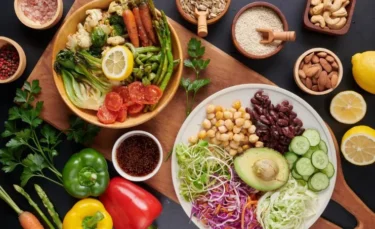
Maintaining a nutritious and filling diet is important for a healthy lifestyle and keeping your insulin levels under check. Here are a few tips for changing your diet13,14:
Incorporate insoluble fibre in your diet to bulk up your stools and soluble fibre to curb hunger pangs and reduce cholesterol. Foods that provide fibre include oatmeal, legumes, oranges and flaxseeds.
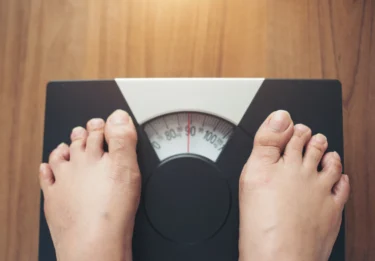
When you have insulin resistance, irrespective of whether you have type 2 diabetes or not, you need to focus on losing a few pounds for your own health benefit. When starting on your weight loss journey, focus on belly fat reduction, which has been found to be directly linked with insulin resistance.
Also Read: 8 Sign & Symptoms Of Diabetes In Men
Insulin plays an important role in maintaining healthy blood sugar levels. When your body becomes resistant to it, your risk of diabetes and other health issues increases. Fortunately, insulin resistance can managed through healthy lifestyle changes such as regular exercise, a balanced diet, adequate sleep, and stress management. Early detection and regular monitoring with your doctor can help you stay in control and prevent complications.
Also Read: A Complete Guide on Insulin Resistance Diet for Weight Loss
Disclaimer: The information provided here is for educational/awareness purposes only and is not intended to be a substitute for medical treatment by a healthcare professional and should not be relied upon to diagnose or treat any medical condition. The reader should consult a registered medical practitioner to determine the appropriateness of the information and before consuming any medication. PharmEasy does not provide any guarantee or warranty (express or implied) regarding the accuracy, adequacy, completeness, legality, reliability or usefulness of the information; and disclaims any liability arising thereof.
Links and product recommendations in the information provided here are advertisements of third-party products available on the website. PharmEasy does not make any representation on the accuracy or suitability of such products/services. Advertisements do not influence the editorial decisions or content. The information in this blog is subject to change without notice. The authors and administrators reserve the right to modify, add, or remove content without notification. It is your responsibility to review this disclaimer regularly for any changes.
3
1


