
Seeds obtained from the plant Elettaria cardamomum of the family Zingiberaceae are a source of small cardamom or green cardamom. It is also called genuine or true cardamom and is locally known as ‘elaichi’1,2. Cardamom plantations are commercially done in south India, Sri Lanka, Southeast Asia, and Central America1. Due to its pleasant aroma and flavouring versatility, cardamom is known as the ‘queen of spices and is used in many foods and beverages. It may have several applications as a traditional regional home remedy1. It is one of the world’s most expensive and highly prized spices, ranking third after saffron and vanilla2.
There are two major types of cardamom (elaichi):
A report by Savan et al. 2013 states that cardamom comprises 67 compounds representing 96.9% of the cardamom oil.
Did you know?
As per the Indian Ayurvedic system, it has been used to reduce fat deposition in the body and manage skin and urinary problems. Other beneficial properties of the seeds of cardamom are as follows3:
Animal studies have shown the following properties of cardamom:
Did you know that cardamom is a dental marvel? Yes, researchers believe that cardamom might have anti-bacterial properties, and hence its extracts might fight five known bacteria that cause dental caries4.
Dr. Siddharth Gupta, B.A.M.S, M.D (Ayu)
Studies may show the benefits of cardamom in various ailments; however, these are insufficient and require more human studies. Some of the potential uses of cardamom are described as follows.

According to a report by Sharma et al. 2011 cardamom extract was studied for its stomach-benefiting activity. It was found that the extract inhibited lesions in an animal model (a region in an organ or tissue that has suffered damage through injury or disease) caused due to the gastric ulcer by nearly 100%2. However this study was conducted on animals, not humans. Therefore, we require more human studies to suggest the benefits of cardamom in managing stomach ulcers.

According to studies, powdered cardamom was found to significantly decrease diastolic blood pressure (blood pressure when the heart muscles relax). It may also enhance fibrinolysis (the natural body process of preventing clot formation by the breakdown of clots) and antioxidant status without drastically changing fibrinogen levels and blood lipids in patients having high blood pressure2. However, this information is insufficient, and we require large scale human trials to provide the benefits of cardamom in humans. Hypertension or high blood pressure is a serious health problem hence, a proper diagnosis and treatment are needed.
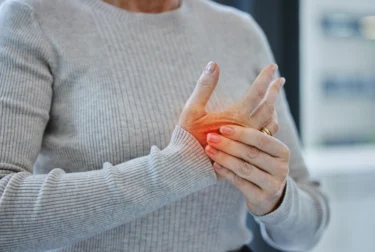
Cardamom (Elaichi) seeds may exhibit anti-inflammatory and spasm-relieving properties:
Anti-inflammatory activity: The oil extract of cardamom was studied for its action on rat paw oedema, and a reduction in inflammation was observed2.
Anti-spasmodic activity: According to laboratory studies, cardamom relieved spasms in animal models2. However, this information is insufficient for humans as these studies are done on animals. Thus, more studies on humans are required to back this claim. Therefore, it is essential to first speak to your doctors and only use it if prescribed.
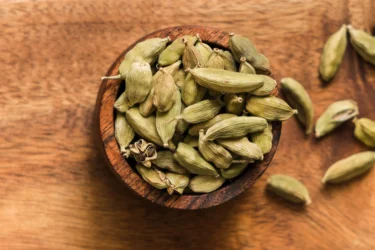
Cardamom oil may act as a natural antioxidant in the body2. Different animal studies give evidence and indicate that cardamom administration may enhance antioxidant defences and inflammatory markers levels. This might suggest the ability of cardamom to suppress oxidative stress and inflammatory processes1. However, more studies on humans are required to suggest the positive effect of cardamom oil in managing human oxidative stress.
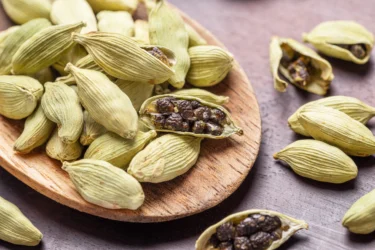
Studies on cardamom were conducted to analyse inhibitory activity on human platelets. It was found that cardamom may enhance fibrinolysis activity as well as the blood’s antioxidant status2,3. However, this data is insufficient and requires more research on humans to provide complete knowledge of cardamom involvement in fibrinolysis.
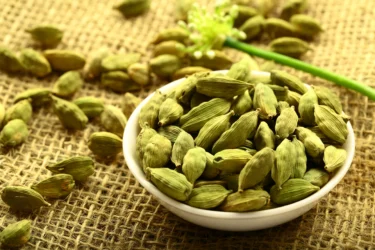
An Ayurvedic formulation called Unmadnashak Ghrita contains cardamom as one of the components. It may possess anticonvulsant activity (managing seizures) and may also exhibit central nervous system depressant activity, which may have calming effects (sedation)2. However, this information requires doctors confirmation. Therefore before using Unmadnashak Ghrita, please consult your doctors.

Cardamom, along with other plants, may be used for managing itching, blisters or pimples on the skin containing pus and enhancing skin complexion2. However, this information requires confirmation from human studies. Therefore, people should never use cardamom to self medicate themselves.
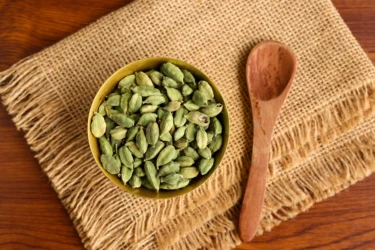
Cardamom seeds may be effective in reducing cigarette addiction. Chewing some cardamom seeds may be safe to minimize the number of cigarettes being smoked, and the chronic addiction to chain smoking may slowly be reduced2. Though there are studies that show the potential uses of cardamom in various conditions, these are insufficient and there is a need for further studies to establish the true extent of the benefits of cardamom on human health.
Discover the ancient secret to soothing swollen eyelids and finding relief! From high blood pressure to cancer, asthma to stomach acidity, let cardamom be your trusted ally on the path to wellness. Cardamom is believed to have anti-inflammatory nature.
Dr. Rajeev Singh, BAMS
Cardamom (Elaichi) can be used to enhance flavours in both sweet and savoury dishes. It can be used in the form of:
Powdered or whole seeds may be used in spice mixtures, beverages such as tea and coffee, curries, confectionaries, baked foods and meat products3. Flavour and Extract Manufacturers Association approve its use in foods1. You may consult your Ayurvedic physician for the form and dosage. In addition, we advise you to not replace or quit your current medications with any herbal preparations made from cardamom without talking to a physician or an Ayurvedic doctor.
Let’s talk about unveiling the potential of cardamom in snakebite management. While cardamom holds a special place in culinary delights, its potential healing properties extend beyond the kitchen. Cardamom may aid in the treatment of snake bites due to its anti-convulsant property.
Dr. Smita Barode, B.A.M.S, M.S.
US Food and Drug Administration categorizes cardamom as generally recognized as safe1. Some adverse effects of cardamom consumption have been reported in humans. These may include minor reports of the following1:
Other toxic effects of the extracts due to overdose include2:
Therefore, if you experience any of such side effects, seek immediate medical help from your doctor who has prescribed it to you. They will be the best guide for providing proper treatment to overcome side effects.
Also Read: Pancharishta: Uses, Benefits and Side Effects By Dr. Rajeev Singh
Also Read: Saraswatarishta: Uses, Benefits, Side Effects, and More!
It was determined through a laboratory analysis that α-terpinyl acetate present in cardamom might indirectly inhibit the metabolism of drugs such as bupropion, tamoxifen, propofol, and methadone. Nevertheless, studies on living organisms are yet to be conducted to confirm any possible interference by cardamom with the metabolism of these drugs1. Therefore, we recommend you consult an Ayurvedic physician. They will direct you to the better way to have cardamom as a herb.
Also Read: Jatamansi (Spikenard): Uses, Benefits, Precautions & More!
Small cardamom is also locally known as elaichi. It is popularly called the ‘queen of spices’. This spice is obtained from the seeds of Elettaria cardamomum Maton, a perennial plant.
Yes, in ancient traditional medicines, cardamom was used to manage weight. Some enzymes in cardamom might be responsible for managing heavy weight-related metabolic disorders. However, further studies are required to establish this property of cardamom1. However, it is always better to consult a doctor dietician for weight loss suggestions.
Cardamom may help in relieving stomach discomfort during pregnancy, but more data is required regarding its safe consumption during pregnancy1. It should be taken under the supervision of a doctor.
Gahwa is a beverage consumed in the Middle East. Cardamom with coffee is traditionally used in Gahwa preparation3.
Guatemala is currently the largest producer of cardamom. India ranks second as the largest cardamom producer. International markets consider Indian cardamom to be of top quality2.
Disclaimer: The information provided here is for educational/awareness purposes only and is not intended to be a substitute for medical treatment by a healthcare professional and should not be relied upon to diagnose or treat any medical condition. The reader should consult a registered medical practitioner to determine the appropriateness of the information and before consuming any medication. PharmEasy does not provide any guarantee or warranty (express or implied) regarding the accuracy, adequacy, completeness, legality, reliability or usefulness of the information; and disclaims any liability arising thereof.
Links and product recommendations in the information provided here are advertisements of third-party products available on the website. PharmEasy does not make any representation on the accuracy or suitability of such products/services. Advertisements do not influence the editorial decisions or content. The information in this blog is subject to change without notice. The authors and administrators reserve the right to modify, add, or remove content without notification. It is your responsibility to review this disclaimer regularly for any changes.
 17
17 
Clove is an unopened flower bud growing on the tree Syzgium aromaticum, belonging to the family Myrtaceae. Cloves have a deep brown colour and a powerful fragrant odour that is warm, strongly sweet, pungent, and slightly astringent1.
Clove is known by several names like Laung, Lavang, Laumg in Hindi; Lavanga, Lavangaka, Lavangam, Bhadrasriya, Devakusuma, Haricandana, Devapuspa, Varala in Sanskrit; Luvang in Marathi; Lavang in Gujarati; Lavanga in Bengali; Laung in Punjabi; Labanga in Oriya; Laung, Loung in Urdu; Grampu, Karayampu, Karampu in Malayalam; Lavanga, Krambu; Daevakusuma in Kannada; Kaaravallu, Devakusumamu, Lavangalu, Lavangamu in Telugu; Kirampu, Kiraambu, Kirambu, Grambu, Ilavankam in Tamil1.
Clove is considered the symbol of dignity and is a valuable and precious spice of the world. It is commonly used in garam masala, salads, pickles, and biryanis1. Clove is mainly produced in countries like Indonesia, Malaysia, India, Sri Lanka, Tanzania, and Madagascar. Clove may have several medicinal properties like antioxidant, pain-killing, anti-bacterial and anti-viral2.
Did You Know?
Clove contains the following nutrients (per 100g)1:
Some studies11 suggest that the intake of clove along with ginger may have anti-diabetic properties. Its consumption might help in reducing blood sugar levels in type 2 diabetes.
Dr. Siddharth Gupta, B.A.M.S, M.D (Ayu)
Clove may show the following properties:
The potential uses of clove are given as follows.

Clove was tested for antimicrobial activities against several fungi and bacterial strains. During lab trials, clove showed bacteria-killing activity against all foodborne pathogens, including E. coli, Bacillus cereus, and Staphylococcus aureus7. Clove oil was found to be efficient against Staphylococcus species. Aspergillus niger (fungi) was highly sensitive to clove oil. Also, clove oil showed germicidal effects against Klebsiella Pneumoniae, Pseudomonas aeruginosa, Clostridium perfringens, S. aureus, E. coli, and Candida albicans during a lab study6. It was also found to kill Bacillus tuberculosis efficiently1. The antimicrobial properties have been observed in lab studies. More trials are required to support clove against infectious diseases in humans. Therefore, do not use clove oil before consulting your healthcare provider.

The clove extract was tested for liver protective activity in an animal model8. The clove extract restored the activity of aspartate aminotransferase, alanine transaminase, and alkaline phosphatase enzymes in serum and therefore showed liver protective activity. However, if you are experiencing any liver problems, consult your healthcare provider before using clove as a remedy.

Clove oil (eugenol) may help clear the respiratory passages and act as an expectorant for managing several upper-respiratory diseases like bronchitis, cough, cold, asthma, and sinus conditions. Clove contains various flavonoids like β-caryophyllene, kaempferol, and rhamnetin that might contribute to its antioxidant and anti-inflammatory activity3. You must talk to your healthcare provider before using clove or its oil for any inflammatory conditions.
Clove and eugenol have shown strong antioxidant properties in trials. Clove has a high capacity to reduce lipid peroxidation and give off hydrogen1. In the database of the United States Department of Agriculture, along with universities and private companies, it is indicated that clove has a higher content of polyphenols and other antioxidant compounds. Clove bud extract may be used as a food antioxidant2. In some studies9, it was observed that kidney functions, liver functions, and antioxidant status were improved with clove use. Before using clove or any herb for its health benefits, you need to contact your healthcare provider and get a proper diagnosis.
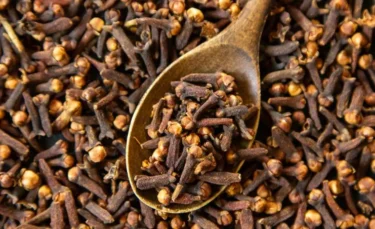
The pain-killing effect of clove has been documented since the 13th century. Clove oil might be effective in dealing with joint pain, tooth pain, and spasmodic pain2. Clove oil has been widely used as an analgesic (pain killer) agent in dental clinics as it can relieve toothache. It may suppress inflammatory mediators (leukotriene) and prostaglandin. Also, it is thought to suppress the sensory receptors responsible for signalling pain. You should use clove under the supervision of a healthcare provider or after a doctor’s consultation only.

Clove oil helps deal with bloating and gas. In addition, clove oil may be an effective remedy for stomach-related conditions like motion sickness, nausea, hiccups, and vomiting2,4. If you are suffering from any stomach problems, you should talk to your doctor to come up with a diagnosis. Using herbs or remedies without talking to your doctor can worsen the situation.
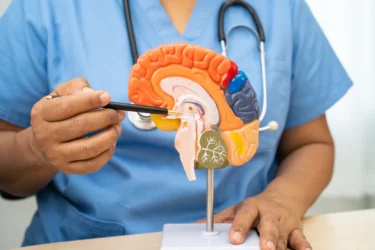
Clove oil is believed to stimulate the circulatory system, which might help manage insomnia, anxiety, memory loss, depression, fatigue, and mental exhaustion4. Clove oil was tested for managing depression in an animal model10. It was found to be helpful as it showed an anti-depressant effect. However, do not use clove oil as an alternative to medicinal treatment. If you are suffering from psychological distress, always talk to your doctor or psychiatrist.

Because of the potential antioxidant activity of clove, it is thought to have an anti-cancer effect. It was found to have anti-cancer activity against the skin, lungs, and digestive cancers. The anti-tumour action may be due to the presence of oleanic acid. Also, it has been reported to show anti-cancer activity against colorectal, breast, and leukaemia cancer cells4. Large human-scale studies are required to support the use of clove against cancer in humans. Therefore, you are advised to adhere to the doctor’s treatment and advice for cancer.
Though there are studies showing the benefits of clove in various conditions, these are insufficient and there is a need for further studies to establish the true extent of the benefits of clove on human health.
According to some research12, clove extracts and clove oil might possess inhibitory properties against certain enzymes like acetylcholinesterase, which are responsible for the destruction of certain neurotransmitters like acetylcholine. Such effects of clove extract and clove oil to act as an anti-cholinesterase agent might be beneficial against diseases like Alzheimer’s disease.
Dr. Rajeev Singh, BAMS
Clove can be used as:
These are used in several dental products like toothpaste, dental creams, throat sprays, and mouthwashes1.
You must consult a qualified doctor before taking cloves or any herbal supplements. Likewise, do not discontinue or replace an ongoing modern medical treatment with an ayurvedic/herbal preparation without consulting a qualified doctor.
The side effects associated with clove use are given below.
Before using clove or any herb for its health benefits, talk to your healthcare provider about the possible side effects associated with its use. It will help you avoid unwanted side effects.
Also Read: Black Salt: Uses, Benefits, Side Effects, Precautions & More!
Here are some general precautions you need to take while using cloves.
Also, before you use clove for any of its benefits on health, talk to your healthcare provider about the possible precautions and limitations of using clove. It will help you make well-informed choices.
Also Read: Sabudana (Sago Pearls): Uses, Benefits, Side Effects & More!
Clove may increase the risk of bleeding or enhance the effects of warfarin therapy.
If you are taking medicines for any disease, talk to your doctor about the possible interactions of medication with other herbs and drugs. It will help you avoid unwanted herb-drug interactions.
Also Read: 15 Amazing Health Benefits of Turmeric Milk!
Clove is an unopened flower bud growing on the Syzgium aromaticum tree.
Yes, clove oil is widely used as a painkiller in dental clinics as it can relieve toothache. However, if you are experiencing tooth pain or dental problems, do reach out to your dentist for a check-up. Using herbal remedies without consulting your dentist first can worsen the condition.
Clove can be used in the form of whole spice, powder or oil. You are advised to talk to a doctor before using cloves for their health effects. He will advise the exact dosage and form of the herb to be taken, as per your condition.
Clove may be suitable for health as it has antioxidant and anti-inflammatory properties. It may manage stomach-related diseases (loose motions, flatulence, nausea, indigestion, vomiting, gastric irritability, diarrhoea), respiratory conditions (cold, cough, bronchitis, sinusitis, asthma) and many more. But it must be consumed in the right amount. An overdose can cause side effects too. Side effects include rare allergic reactions, local irritation, contact dermatitis, haemorrhagic pulmonary oedema, bronchitis, pneumonia, occupational allergic contact dermatitis, and central nervous system depression. Therefore, use clove after consulting with a qualified physician only.
Yes, clove might be good for the lungs. Its oil, when inhaled, may soothe cold, cough, bronchitis, sinusitis, and asthma. It may also clear the nasal passage. But lung problems can be severe, and you are advised to contact your healthcare provider and receive a proper diagnosis and treatment.
Yes, clove may help relieve bloating. Clove oil is known to aid digestion and reduce gas pressure in the stomach. However, it should be used only after consulting a healthcare professional.
It is safe for children, but in the right dose/amount. Clove oil in higher doses is a cytotoxin and causes severe acute kidney or liver injury in children. Therefore, please take precautions before giving cloves to children. Do not use cloves for any health issues in children unless recommended by the doctor.
Disclaimer: The information provided here is for educational/awareness purposes only and is not intended to be a substitute for medical treatment by a healthcare professional and should not be relied upon to diagnose or treat any medical condition. The reader should consult a registered medical practitioner to determine the appropriateness of the information and before consuming any medication. PharmEasy does not provide any guarantee or warranty (express or implied) regarding the accuracy, adequacy, completeness, legality, reliability or usefulness of the information; and disclaims any liability arising thereof.
Links and product recommendations in the information provided here are advertisements of third-party products available on the website. PharmEasy does not make any representation on the accuracy or suitability of such products/services. Advertisements do not influence the editorial decisions or content. The information in this blog is subject to change without notice. The authors and administrators reserve the right to modify, add, or remove content without notification. It is your responsibility to review this disclaimer regularly for any changes.
140
2Star anise, scientifically known as Illicium verum, is an evergreen small, medium sized tree from the plant family Star anise, scientifically known as Illicium verum, is an evergreen small, medium sized tree from the plant family Illiciaceae. The most common species of the Illicium genus are star anise (Illicium verum), Japanese anise (Illicium anisatum), Mexican anise (Illicium mexicanum), and star aniseed (Illicium anisatum). It is grown in tropical areas of East Asia and Southeast Asia and has 42 species and 166 varieties. They all vary in habitat, physical structure and chemical composition. Star anise is the most common species. Star anise is known by many names. It is called badian (Persian), phoolchakri (Hindi), badiane (French), badian (Urdu), and star anise (English). The potential uses of star anise may vary depending upon origin and growing conditions. It may help with colic (severe stomach pain), flatulence, whooping cough, tuberculosis and liver diseases1.
Did you know?
There are many potential uses of star anise. It may have both internal as well as external applications. Following are some of the potential properties of star anise:
The potential properties of star anise that are mentioned above might have several potential uses/ effects on the following conditions:
Star anise might show an anti-microbial activity. It has the potential to exhibit antibacterial, antiparasitic, antiviral and antifungal properties, as seen in several studies. Researchers have found the potential antibacterial activity of star anise against various bacteria, including Porphyromonas gingivalis, Eikenella corrodens, Actinomyces odontolyticus, Veilonella parvula, Peptostreptococcus micros and Capnocytophaga gingivalis1. Star anise might have potential antifungal action. A study1 showed 100% antifungal activity against F. solani (Fusarium solani), F. graminearum and F. oxysporum. However, extensive research is required to prove the potential properties of star anise stated above.

An animal study1 was conducted to test the action of the blend of star anise and chamomile on the gut. The study showed a possibility of reducing the looseness of the stools and diminishing the number of stool evacuations. Thus, the study showed the potential use of the mixture of chamomile and star anise for diarrhoea. However, more studies on humans must be conducted to ensure such effects. You must consult a specialist doctor for better advice.

Acute inflammation is a protective approach of the body to fight infections. Star anise may have potential use in fighting inflammatory conditions/disorders. The potential anti-inflammatory property of star anise was tested in animals, where it was found to show potent pain killing and anti-inflammatory effects1. These studies indicate the possible benefits of star anise for inflammation, but more studies are required to confirm its effectiveness in humans.

The human body has several natural ways to deal with free radicals and eating star anise may have added benefits that may help with cancer. Conditions that are induced by free radicals and nicotine, such as cancer, might be affected by star anise, as star anise may possess anti-cancer properties. It may affect damaged DNA responsible for triggering cancer and cancer cell spread1. However, more research will be required to prove such claims. Moreover, cancer is a serious medical condition; you should consult a qualified doctor for diagnosis and treatment.
Though studies show the potential uses of star anise in various conditions, these are insufficient and there is a need for further studies to establish the true extent of benefits of star anise on human health.
I may advocate star anise if you’re feeling bloated or experiencing stomach discomfort. It has been potentially used for ages to help with issues like loss of appetite, gas, and bloating6.
Dr. Siddharth Gupta, B.A.M.S, M.D (Ayu)
Star anise may be used as:
Star anise is widely used in cooking Chinese and Indian dishes. It is a major constituent of ‘garam masala’. It is used in the food industry as a nutritional supplement. It is used in a variety of dishes, beverages, desserts and savoury stews. Star anise is used in products like carrot and tomato powder, dehydrated beet, garlic and cabbage flakes. Also, It is used as a flavouring agent in confectionery1.
You must consult a qualified doctor before taking any herbal supplements. Do not discontinue or replace an ongoing treatment of modern medicine with an ayurvedic/herbal preparation without consulting a qualified doctor.
Let me tell you something engrossing! Did you know that star anise may have some awesome effects? Besides its culinary uses, it’s been known to have a reputation as a natural aphrodisiac, believed to possibly enhance sexual desire6.
Dr. Rajeev Singh, BAMS
The side effects of star anise include:
Even Ayurvedic herbs may have specific side effects and may react differently in every person. Ensure that you consult an Ayurvedic physician before using it for proper guidance.
Also Read: Vijaysar (Pterocarpus marsupium): Uses, Benefits, Side Effects and more!
Keep the following points in mind:
Kindly do not self-medicate. Do not substitute, alter or discontinue any ongoing treatment on your own.
Also Read: Saffron (Kesar): Uses, Benefits, Side Effects and More!
There is insufficient evidence or studies showing the interaction of star anise with other drugs or food. Therefore, there is a need for more studies on this subject. However, always consult an Ayurvedic practitioner before using star anise.
Also Read: Nutmeg: Uses, Benefits, Precautions & More!
Star anise may have many uses ranging from culinary uses to its essential oil being used as a scent. It is used in cooking Chinese and Indian dishes. It’s a significant component of ‘garam masala’ and is also used as a flavouring agent in confectionery1.
Yes, star anise contains a chemical compound, which various pharmaceutical companies use to make anti-influenza medicine, Tamiflu1. However, more research is required.
No, star anise should not be given to infants as it can cause poisoning with gastrointestinal and neurological manifestations4. You must take extra precautions and consult an Ayurvedic physician before giving herbs to children.
Avoid taking star anise during pregnancy as there is insufficient data available on the safe usage of star anise during pregnancy.
There is insufficient information on the safe usage of star anise while breastfeeding. Stay on the safe side and avoid star anise or contact your doctor if you want to use star anise while breastfeeding.
Disclaimer: The information provided here is for educational/awareness purposes only and is not intended to be a substitute for medical treatment by a healthcare professional and should not be relied upon to diagnose or treat any medical condition. The reader should consult a registered medical practitioner to determine the appropriateness of the information and before consuming any medication. PharmEasy does not provide any guarantee or warranty (express or implied) regarding the accuracy, adequacy, completeness, legality, reliability or usefulness of the information; and disclaims any liability arising thereof.
Links and product recommendations in the information provided here are advertisements of third-party products available on the website. PharmEasy does not make any representation on the accuracy or suitability of such products/services. Advertisements do not influence the editorial decisions or content. The information in this blog is subject to change without notice. The authors and administrators reserve the right to modify, add, or remove content without notification. It is your responsibility to review this disclaimer regularly for any changes.
8
Saffron, the most expensive spice in the world, is a tiny part of a fragrant flower which smells like honey. Scientifically known as Crocus sativus, it belongs to the family Iridaceae. It is one of the oldest spices cultivated by the man since Saffron, the most expensive spice in the world, is a tiny part of a fragrant flower which smells like honey. Scientifically known as Crocus sativus, it belongs to the family Iridaceae. It is one of the oldest spices cultivated by man since 1600 to 1700 BC. It could have originated in Middle East areas and Central Asia or Southwest Greek islands. It is widely cultivated in many countries such as China, India and the Middle East regions. It is a perennial herb growing 10-25 cm tall and when autumn begins, it blooms into purple-coloured flowers. The vivid red-coloured three filament ‘stigma’ of this flower is dried to make the spice ‘saffron’1.
Saffron has a good source of nutritional components and vitamins that are given as follows:
Nutritional value of saffron per 100 grams2
Vitamins present in saffron per 100 grams2
Due to the good effectiveness of Saffron, it has captured the interest of researchers all over the world. It is said that Saffron may even replace some synthetic medicines3. The properties of Saffron are:
Various studies suggest the potential activity of saffron in nervous system disorders such as Alzheimer’s and Parkinson’s disease. However, more large-scale studies are needed to confirm these activities6.
Dr. Siddharth Gupta, B.A.M.S, M.D (Ayu)
Saffron has a range of benefits that are described as below.

Since ancient times, Saffron has been used for skin conditions. It may help improve complexion, decrease dark circles under the eyes, refresh the face and may help manage acne and infections of the superficial layer of the skin (erysipelas)1,4. It may also help absorb the skin-damaging UV rays of the sun and can be used as a natural sunscreen. Saffron may help prevent skin cancer1. It may help reduce the production of melanin pigment in the skin, helping in lightening the skin. It may also help manage melanoma (a kind of skin cancer that affects the cells that produce melanin)1. These benefits have been observed in lab studies, and more trials are required to support the use of saffron in human skin conditions. Therefore, you are advised to avoid using saffron for any skin condition without consulting your healthcare provider.

Saffron potentially reduces cholesterol levels in the blood, which reduces atherosclerosis (a condition in which cholesterol gets deposited on the arteries)1. These properties of saffron may help with blood cholesterol levels, but more studies are required to support its use. Therefore, if you are suffering from high blood cholesterol, you need to reach out to your doctor and get a consultation. Avoid using saffron to control blood cholesterol without consulting your doctor.
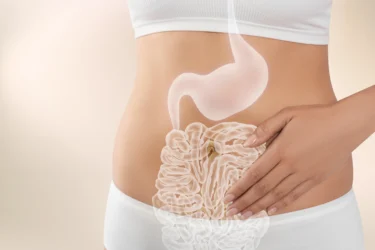
Saffron may act as a tonic for the digestive system. It may help curb the appetite and the formation of gases in the intestine. It also may help to manage amoebic dysentery1. Using saffron in the diet may help ease digestion, but it is better to get help from the doctor if you are experiencing any digestive issues.

Saffron may be used to manage various eye problems such as cataracts, diseases of the cornea, soreness of the eyes and eye diseases occurring due to ageing. It was used by females in a form of ‘Kohl’ to line their eyes, as a form of makeup, protecting them from eye infections1. It may also help reduce the destruction of photoreceptor cells in the eye that occurs due to exposure to light1,3. However, the eyes are sensitive organs and it is better to consult an eye specialist for any eye-related issues.

In animal studies, the alcohol extracts of Saffron have demonstrated properties to lower blood pressure. It may potentially play a key role in reducing the risk factors for causing heart disease like lipids as seen above4. If you or someone your know is suffering from high blood pressure, you need to strictly adhere to the doctor’s advice and avoid using any herbs without consulting with the doctor.

In animal studies, saffron could reduce the level of neurotransmitters in the brain, thereby improving mood. It has also studied for its ability to reduce depression and anxiety1,4. The extracts of Saffron could enhance memory and learning capabilities during lab studies. Clinical studies have shown that Saffron could improve memory in patients with Alzheimer’s disease who are suffering from dementia4. However, these studies are insufficient to understand the exact benefits for humans. If you’re suffering from depression or any other psychological issues, you need to consult your psychiatrist or doctor for advice. You are advised not to use any herbs or ingredients for psychological illnesses without consulting your doctor.
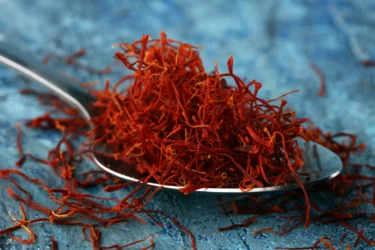
Several trials conducted in humans and animals suggest the antidepressant potential of saffron. However, more studies are awaited to consolidate its benefits6.
Dr. Rajeev Singh, BAMS
Saffron can be used in the following ways:
You should always consult your Ayurvedic physician before consuming Saffron for regular use. They will be the best person to prescribe you the correct form and dosage as per your health condition. Do not discontinue or replace an ongoing treatment of modern medicine with an ayurvedic preparation without consulting a qualified doctor.
In clinical studies, Saffron shows various side effects such as dryness of mouth, anxiety, numb sensation, tingling in hands, headache and a sensation of vomiting. A study documented that changes in hunger were also observed in the consumption of Saffron4. However, if you experience any adverse reactions to it, immediately contact your Ayurvedic physician who has prescribed it to you. They will be able to treat you appropriately.
Also Read: Vijaysar (Pterocarpus marsupium): Uses, Benefits, Side Effects and more!
Saffron is generally considered to be safe if it is taken in the recommended dosages. Consumption of Saffron less than 1.5 g per day is safe4. However, general precautions have to be followed while consuming Saffron:
If you are using saffron for its benefits or for any health issues, it is better to consult with a doctor and make well-informed choices. Avoid using any her as medicine without discussing it with your healthcare provider.
Also Read: Black Cardamom (Badi Elaichi): Uses, Benefits, Side Effects and More!
Adverse reactions of Saffron with any other medicinal drugs have not been reported. However, there is not enough data to report that Saffron is completely safe to use by children as well as adults. Therefore, it is best to follow the advice of your Ayurvedic physician who has prescribed you this herb.
Also Read: Sandalwood: Uses, Benefits, Side effects & More!
While Saffron can be taken with milk and is generally considered safe to be consumed daily, one must take care that the daily intake of Saffron should not be inhigh doses4.
Pregnant women should be extra cautious about the amount of Saffron they consume as more than 5 grams of saffron per day can cause uterine contractions5. Also, before you use saffron for any health condition, it is important to talk to your doctor.
Studies have shown benefits of saffron to reduce the melanin pigment in the skin, which is responsible for the pigmentation of the skin1. If you are suffering from hyperpigmentation, you need to consult with a skin doctor or specialist and get treated. Using herbs and ingredients for skin problems without consulting with a doctor may worsen the situation.
Saffron petals may have anti-inflammatory and pain-relieving properties which might make them useful in the management of short-term pain and long-term pain. Saffron petals are also effective in managing depression1. There are insufficient studies to establish the benefits of these properties of saffron in humans. You must always consult a qualified doctor or an ayurvedic physician before consuming any herb for its benefits.
The dye obtained from Saffron is golden yellow in colour and can be used as a natural dye in food. It is environment-friendly, less toxic, less likely to cause allergic reactions and can be disposed of in a better way as compared to artificial dyes. It can also be used to dye clothes and for painting1.
There are not enough studies that report that saffron has a positive role in reducing hair fall. If you are experiencing a hair fall, consult your Ayurvedic physician who will examine you and give you a suitable prescription.
Disclaimer: The information provided here is for educational/awareness purposes only and is not intended to be a substitute for medical treatment by a healthcare professional and should not be relied upon to diagnose or treat any medical condition. The reader should consult a registered medical practitioner to determine the appropriateness of the information and before consuming any medication. PharmEasy does not provide any guarantee or warranty (express or implied) regarding the accuracy, adequacy, completeness, legality, reliability or usefulness of the information; and disclaims any liability arising thereof.
Links and product recommendations in the information provided here are advertisements of third-party products available on the website. PharmEasy does not make any representation on the accuracy or suitability of such products/services. Advertisements do not influence the editorial decisions or content. The information in this blog is subject to change without notice. The authors and administrators reserve the right to modify, add, or remove content without notification. It is your responsibility to review this disclaimer regularly for any changes.
14
Amomum subulatom Roxburgh, commonly known as large cardamom or black cardamom, is one of the well known spices. This spice is reported to be originated from the Eastern Himalayas region, and certain wild species of black cardamom are still found in this region. It is widely found in Bhutan, Nepal and India. The largest producer of cardamom is Sikkim, in India, which alone contributes to about 50% of the world’s production of black cardamom1,2.
Due to its pleasing aroma, it is extensively used for flavouring many food preparations. The name large cardamom is given to black cardamom as it is being cultivated at a large scale has a higher position in the trade. Large cardamom is called greater cardamom in English, Badi Ilayachi (Badi elaichi) in Hindi, Sthulaila, Bhadraila in Sanskrit, Bara Ilachi in Bangla, Kattelam and Perelam in Tamil, Peralam in Malayalam, Periya Elam, Didda yelakki in Kannada and Pedda Yelakaya in Telegu2.
Did you know?
Composition and nutritional value of black cardamom3.
This spice has gained importance as it possesses curative properties, as cited in the Unani and Ayurveda medicine systems. It has several beneficial properties like:
Spice up your dishes with black cardamom! It’s aromatic charm and delightful flavour make it a perfect addition to your meals and drinks. Black cardamom is used to add a pleasant aroma and flavour to a variety of dishes, including vegetables, meat, confectionery, pickles and beverages. It enhances the overall taste experience of these foods, making them more palatable5.
Dr. Rajeev Singh, BAMS
Ayurvedic Pharmacopoeia has reported black cardamom for its beneficial properties for several conditions. Susrata (an ancient Indian physician) stated that in India, black cardamom had been used in Ayurvedic preparations since the 6th century BC. The potential uses of black cardamom are as follows:
Black cardamom may potentially possess antimicrobial properties. In studies, extracts of black cardamom showed antimicrobial activity against Pseudomonas aeruginosa, Escherichia coli, Staphylococcus aureus and Bacillus cereus1. The essential oil obtained from the seeds of black cardamom demonstrates antimicrobial activities. It may have inhibitory effects against various fungi that grow on hair and nails and some fungi that can cause superficial skin infections. Thus, black cardamom essential oil may benefit against hair and skin infections caused by these fungi1. These studies are insufficient to state the exact potential of black cardamom for humans.

Black cardamom may be effective against infections of the gums and teeth. In studies, the extract of black cardamom demonstrated activity against two bacteria, Streptococcus mutans and S. aureus, which cause dental caries. The decoction of the seeds also may be helpful as a gargle for dental care1,2. This may indicate the benefits of black cardamom may be beneficial for dental health, but the studies are insufficient to establish the same benefits for humans.
A broad range of pharmacological and physiological properties of black cardamom has been identified. The essential oil in black cardamom shows stomachic properties that may help promote the appetite or assist digestion. Therefore, it can be used to manage vomiting, indigestion, abdominal pains, rectal diseases, and biliousness (excessive excretion of bile). Likewise, the essential oil of black cardamom may help with stomach ulcers1.
Black cardamom, known for its distinctive flavour, also harbours medicinal properties that have been recognized for centuries. It contains essential oils that makeup around 1.95 to 3.32% of its composition. The essential oils in black cardamom may provide stimulating effects and aid in digestion5.
Dr. Siddharth Gupta, B.A.M.S, M.D (Ayu)
The seeds can activate antioxidant enzymes, thus causing antioxidant activity in the heart. It further may have beneficial effects on the muscular tissue of the heart against acute or severe stress-induced damage. Studies report that consuming black cardamom regularly may be helpful for ischemic heart disease2. The seeds activate antioxidant enzymes, and therefore, it demonstrates antioxidant activity in the liver. A study on animal models shows that the extract of black cardamom seeds possesses liver protective activity2. However, more research will be required to prove such claims. Moreover, any the heart-related condition is serious you should consult a qualified doctor for diagnosis and treatment.
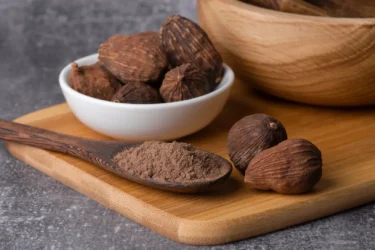
Along with the potential uses mentioned above, black cardamom shows several other possible benefits, such as:
Though studies show the potential uses of star anise in various conditions, these are insufficient and there is a need for further studies to establish the true extent of benefits of star anise on human health.
Unlock the soothing power of large cardamom for throat troubles and lung congestion. This natural remedy, known for its medicinal properties, has been traditionally used to alleviate respiratory issues5.
Dr. Smita Barode, BAMS
There are several uses of black cardamom. It is used in the following ways/forms:
You must consult a qualified doctor before taking any herbal supplements. Do not discontinue or replace an ongoing treatment of modern medicine with an ayurvedic/herbal preparation without consulting a qualified doctor.
There hasn’t been enough study to validate any specific side effects of black cardamom. However, if you observe discomfort or any other uncomfortable symptoms during its use, you must report it to your physician as they will be able to assess the situation and guide you regarding the further course of action. Even herbs and natural preparations can show specific side effects on individuals as everyone’s body reacts differently to certain compounds present in them.
Also Read: Mandukaparni (Gotu Kola): Uses, Benefits, Side Effects, and more!
No scientific study validates or provides evidence on safety precautions to be adapted for the black cardamom extracts1. Follow the guidance provided by your Ayurvedic doctor on the dosage of black cardamom. However, extra care needs to be taken by pregnant women, lactating mothers, older people and children.
The dosage and method of use will be prescribed to you by your Ayurvedic doctor, depending on your health condition. You should consult your physician before consuming black cardamom for its health benefits.
Also Read: Kantakari (Solanum xanthocarpum): Uses, Benefits, Side Effects, and more!
Warfarin is a popular antithrombotic agent (a drug to break up or dissolve blood clots) used to prevent heart ailments. Nevertheless, there is a high possibility of warfarin interacting with various other medications, including Ayurvedic and herbal treatments. A variety of case reports show the interaction of warfarin with herbal medications. It may lead to inadequate breaking of blood clots when herbs like black cardamom are consumed. This is a result of herb-drug interaction due to the interaction of black cardamom with warfarin4.
It is essential to consult an Ayurvedic physician before consuming herbs. Your doctor can appropriately modify the dosage and write a prescription per your condition, ongoing treatment and requirements.
Also Read: Tejpatta: Benefits, Side Effects, Nutritional Value & More
Black cardamom and its components may improve gut function due to increased complex carbohydrates. Thus, it helps in managing weight3. However, more research will be required to prove such claims. take would help if you take proper advice from a qualified nutritionist to manage weight and combat obesity.
Black cardamom has been described as a high-value consumable cash crop due to its social suitability, environmental flexibility, and mountain-specific niche2.
Black cardamom may be helpful in combination with other functional foods to improve the signs of metabolic syndrome in humans. A metabolic syndrome is a group of conditions that elevate the risk of heart disease, stroke and diabetes3. However, more research will be required to validate its effect. You must consult your doctor for further advice.
Sikkim, in India, is the largest producer of cardamom. It alone contributes to about 50% of the world’s cardamom production. In India, Sikkim contributes to around 80 to 85% of the total production of black cardamom2.
Disclaimer: The information provided here is for educational/awareness purposes only and is not intended to be a substitute for medical treatment by a healthcare professional and should not be relied upon to diagnose or treat any medical condition. The reader should consult a registered medical practitioner to determine the appropriateness of the information and before consuming any medication. PharmEasy does not provide any guarantee or warranty (express or implied) regarding the accuracy, adequacy, completeness, legality, reliability or usefulness of the information; and disclaims any liability arising thereof.
Links and product recommendations in the information provided here are advertisements of third-party products available on the website. PharmEasy does not make any representation on the accuracy or suitability of such products/services. Advertisements do not influence the editorial decisions or content. The information in this blog is subject to change without notice. The authors and administrators reserve the right to modify, add, or remove content without notification. It is your responsibility to review this disclaimer regularly for any changes.
14
1


