
The answer to many of our sufferings and problems lies within yoga. Yoga has helped countless people calm their minds and build physical strength.
Nowadays, people hardly get some time to work on themselves. More than half the population spends most of their time on their phones, laptops, or watching movies. Also, many jobs involve desk work, which occupies much of the time sitting and working, making us unfit and lazy. So, it’s time to get up from that lousy couch and stretch our bodies. So, get your mat and lengthen your spine and back by doing shalabhasana.
Shalabhasana, or the locust pose, is derived from the words sabha, meaning a grasshopper (locust), and asana, meaning posture. This asana is one of the thirty-two asanas taught in the Gheranda Samhita. The person lies down on their stomach, arm on either side, palms facing down and slightly pushed under the thigh, and the legs are raised nine inches above the mat. This is known as Shalabhasana1.
Shalabhasana is known for the backward bending of the spine. This asana strengthens the lower back, legs, pelvic organs, hips, and arms and relieves back pain2.
Unlock relief and soothe sciatic nerves with Shalabhasana! This empowering yoga pose may offer a natural remedy for mild sciatica and slipped discs8.
Dr. Siddharth Gupta, B.A.M.S, M.D (Ayu)
We must follow proper techniques to do any asana, including shalabhasana. The steps to be followed are:
You can repeat this asana 1-3 times. It would be best if you concentrated on the back and leg muscles3. Individuals with protruding bellies may have difficulty lying on their stomachs2.
Did You Know?
Shalabhasana is believed to be one of the beneficial asanas that may improve your spiritual being. Some of the potential benefits of shalabhasana include:

Most people suffer from constant back pain, making it a debilitating lifestyle disease. The secret to managing back pain lies in its origin. Lifestyle changes like adaptation of yoga might pave the way to a life free of back pain. A study4 reported that shalabhasana provides stability to the spine and lengthens the upper back and arm. This asana targets the spine more intensely than forward-bends. Therefore, practising shalabhasana may correct back pain and strengthen the lower back, pelvic organs, hip joints, legs, and arms2.

Premenstrual syndrome (PMS), also termed premenstrual tension, is a cluster of emotional, physical, psychological, nutritional, genetic, and behavioural factors. A woman during her menstrual cycle may show depression, anxiety, anger, forgetfulness, nausea, tenderness in the breast, migraines, bloating and light sleep. Yoga helps relax the tensed muscles, stimulate hormones, and massage the internal organs to relax the body and mind. A study5 reported that shalabhasana and other asanas, might help calm the nerves and muscles under constant strain. Breathing and postural exercises may aid in soothing the mind and boosting one’s mood.
Also Read: Benefits of Kapalbhati(Skull Shining Breath) and How to Do It By Dr. Ankit Sankhe

Diabetes mellitus is one of the major disabling diseases worldwide. It is a group of diseases in which the sugar level in the body increases. Shalabhasana comes under the few asanas that are recommended for type 2 diabetes. The locust pose may improve blood circulation and help improve blood circulation to the kidney and other organs. It also stimulates the autonomic nervous system (ANS- part of the nervous system connecting the spine and brain). It also massages the abdominal organs. The abdominal stretching rejuvenates the pancreatic cells, which may enhance the metabolism and uptake of glucose in the liver, peripheral and adipose tissue6.
Also Read: Benefits of Savasana (Corpse Pose) and How to Do it By Dr. Ankit Sankhe

Shalabhasana tones the abdominal organs, such as the spleen and liver and strengthens the abdominal muscles. The pressure applied to the abdominal region massages the organs. It stimulates the appetite and enhances digestion, relieves gastric troubles and flatulence. It also helps relieve indigestion and constipation and optimises the digestive processes7.
Yoga practice may help develop the mind and body; however, it is still not an alternative to modern medicine. You must not rely on yoga alone to treat any condition. Please consult a qualified doctor who will be able to assess your condition correctly and advise accordingly. Moreover, it is necessary to practice and learn yoga under the supervision of a trained yoga teacher to avoid any injuries.
Unlike most exercises that primarily target the overall body, Shalabhasana focuses on the delicate tissues and blood circulation channels. It works on a deeper level, providing unique benefits to the subtle aspects of your body8.
Dr. Smita Barode, B.A.M.S, M.S.
Some contraindications related to shalabhasana are:
Embrace the practice of Shalabhasana to cultivate a strong and supple physique. It may help to broaden the chest, increase the resilience and flexibility of the waist and provide valuable support to the shoulders and abdomen9.
Dr. Rajeev Singh, BAMS
Yoga is the most convenient and inexpensive method to strengthen our body and mind. Practising a few asanas, including shalabhasana, may help you in multiple ways. Shalabhasana, one of the best asanas, not only strengthens the back muscles and spine but also works on the overall body. Yoga moulds our life beautifully and surprisingly. It teaches us calmness and makes us understand our bodies. However, doing yoga the right way is crucial. One must practise this asana under a qualified yoga expert to avoid accidents.
Also Read: Benefits of Pranayama and How to Do it By Dr. Himani Bisht
Shalabhasana also called locust pose, is derived from the Sanskrit word Salabha meaning grasshopper, and asana meaning posture. It is one of the 32 yoga asanas for bending the spine and strengthening the back muscles and internal organs1,2.
Shalabhasana steps are:
1. Lie on the stomach (prone position).
2. Place the chin on the floor.
3. Place the arms under the belly (hands are under the thigh and palm facing downward).
4. Breathe in and press the palms against the mat.
5. Keep the legs straight and raise the legs as high as possible.
6. Hold this posture and keep breathing.
7. Exhale and return to the starting position and relax3.
This is one round of shalabhasana. It can be repeated three to five times depending on the level of physical fitness.
Shalabhasana benefits our body in several ways. This posture enhances blood circulation to the spine, toughens the back, stimulates digestive functions, kidney, liver, benefits premenstrual syndrome (PMS) symptoms like nausea, migraine, bloating, anxiety, depression, etc2.
If a person has hip arthritis or pain in the lumbar spine, they must avoid doing shalabhasana and consult their doctor3.
You can perform shalabhasana one to three times. However, you must practice shalabhasana after consulting an expert yoga professional. They will analyse and recommend the proper posture and technique3.
Disclaimer: The information provided here is for educational/awareness purposes only and is not intended to be a substitute for medical treatment by a healthcare professional and should not be relied upon to diagnose or treat any medical condition. The reader should consult a registered medical practitioner to determine the appropriateness of the information before consuming any medication. PharmEasy does not provide any guarantee or warranty (express or implied) regarding the accuracy, adequacy, completeness, legality, reliability, or usefulness of the information; and disclaims any liability arising thereof.
 4
4  3
3India is a prosperous land of “Ayurveda”. Ayurveda is the science of life that balance the relationship between the body and mind. We have been blessed with its fortunes of yoga and asanas. Yoga helps us to gain good health, whereas asana teaches us the skills to practice physical and mental strengthening exercises1.
People believe that Lord Shiva was the first person to practice Yogasana. Shiva is renowned as Nataraja, the Lord of Dance. The arch of flames seen in King Nataraja’s idol is believed to be the source of all movement in the universe. Lord Shiva’s endless dance is a symbol of destruction and creation that brings the light upon us2.
Based on Lord Shiva’s Nataraja avatar, we bring you one asana called Natarajasana! Read along to learn more about Natarajasana’s benefits, techniques, variations, and more.
Did You Know?
Natarajasana is a standing, balancing and back-bending yoga pose. Natarajasana pose is derived from the classical Indian dance form ‘Bharatanatyam’. Natarajasana is a combination of Sanskrit words in which ‘Nata’ means dancer, ‘raja’ means King, and ‘asana’ means pose. Natarajasana yoga is also known as the Lord of the Dance pose yoga1.
Natarajasana is a physically challenging pose as it requires more flexibility in the legs, hips, and spine. Natarajasana pose is a chest opener. It stretches the thighs, shoulder, abdomen, and inguinal region, which may strengthen the ankles and legs. While performing, you must practice enough to prepare your mind and body. If you regularly practice, it might help in developing strong mental endurance and sturdy concentration1.
The dance pose yoga is a perfect balancing asana and helps us become more grounded. Natarajasana benefits may activate the Mooladhara chakra and bring in feelings of stability, security, and awareness in the body1.
Natarajasana preparatory poses include Dhanurasana (bow pose), Ushtrasana (Camel pose), and Vrikshasana (tree pose)1.The following steps will guide you to practice the Natarajasana pose:
There are a few Natarajasana variations and modifications which you may perform:
Some people might have difficulty grabbing the toes, so holding the ankles or using a strap around the foot to bridge the gap might work3. Advanced practitioners with flexible bodies may try intense Natarajasana posture by touching the back of the head with the toes or holding the toes with both hands4. Natarajasana for beginners might be difficult. They might struggle with balancing, so practicing this pose by taking support of the wall or chair with an outstretched hand might help1.
Natarajasana is also known as the “Lord of the dance pose”. Practising Natarajasana can stretch and add flexibility to the spine. However, it is absolutely contraindicated in people suffering from slipped discs as it applies pressure on the spine and entire back6.
Dr. Siddharth Gupta, B.A.M.S, M.D (Ayu)
Natarajasana yoga might act as a great stress buster and calm your mind3.Natarajasana may also have the following benefits:

Natarajasana might be beneficial for weight loss. While performing the Natarajasana pose, your entire body weight is balanced on one leg. It may engage each muscle of the body, allowing them to stretch and get stronger. This muscle involvement may make the extra calories in the body burn off. Hence, Natarajasana might give your body a feeling of lightness by helping you lose those excess calories1,3. If you have weight-related issues consult your doctor and practice under a proper trainer.
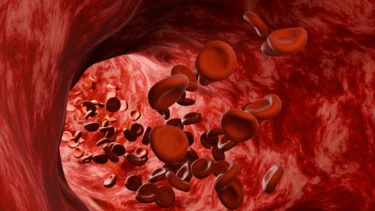
Several yoga poses are believed to make blood circulation better and natarajasana might help in circulating blood in the body. It might replenish blood circulation in the lower abdominal muscles and the entire body1.

Nobody likes uneasiness in the stomach. It may be related to improper digestion. With ageing, the digestive power may not work correctly. Natarajasana might restore your digestive system. While performing Natarajasana, it massages the abdomen and may activate the digestive organs. Hence, Natarajasana might boost the functions of your digestive system1,3

Natarajasana might be a great asana for increasing balance and coordination in the body. Standing poses like Natarajasana create awareness, allowing us to balance on one leg. It might maintain the balance by activating the coordination between both the hemispheres of our brain leading to a more balanced personality. Natarajasana may also increase your concentration intensity as it balances the body1.

Yoga practice may help develop the body and mind; however, it is not an alternative to modern medicine. Therefore, you should not depend on yoga alone to treat any health condition. Instead, consult a qualified doctor who will assess your situation correctly and advise accordingly. Furthermore, it is essential to practice yoga under the supervision of a professional trainer to avoid injuries.
Practising Natarajasana can exhibit multiple health benefits. It might aid in reducing stress and weight. It also aids in improving concentration and posture. As it is a hip-opener, it might correct diseases related to the buttocks, thighs, groin and abdominal. Overall, it might increase the flexibility of the body.
Dr. Rajeev Singh, BAMS
With the guidance of a qualified yoga expert, you can assess and analyse the risk factors and continue to practise Natarajasana yoga with precautions.
Also Read: Benefits of Ardha Ushtrasana and How to Do it By Dr. Himani Bisht
Natarajasana is a balancing pose inspired by the Indian classical dance ‘Bharatnatyam’. Natarajasana yoga is named after the physical incarnation of King Nataraja. (Lord Shiva) and called as the Lord of the Dance pose. Natarajasana may activate the Mooladhara chakra and stimulate the feeling of stability and awareness in the body. It is a physically challenging pose because it requires more flexibility in the legs, spine, and hips. So practice the Natarajasana pose under the guidance of a trained yoga teacher to perfect this pose.
Also Read: Benefits of Bhadrasana and How to Do it By Dr. Himani Bisht
Natarajasana is a balancing, back-bending yoga pose. Natarajasana is a Sanskrit name in which ‘Nata’ means dancer, ‘raja’ means King and ‘asana’ means posture. Natarajasana is based on one of Lord Shiva’s avatars, King Nataraja. Hence, Natarajasana is also called the Lord of the Dance pose yoga1.
Natarajasana is not advised if a person has back pain, ankle pain, undergone abdominal surgery, pregnancy, or menstruation3.
The Natarajasana preparatory poses include Ushtrasana (Camel pose), Dhanurasana (bow pose) and Vrikshasana (tree pose)1.
Natarajasana may activate the Mooladhara chakra or the base cycle. The key aspects of the Mooladhara chakra may help psychologically with feelings of stability and security1.
1. Gangwal J, Kholiya S. Significance of Natrajasana in Day-to-Day Life. Intern J of Res Publi and Revi. 2020;1(7):74–7. Available from: https://www.ijrpr.com/uploads/V1ISSUE7/IJRPR068.pdf
2. Shiva As Nataraja – The Lord of Dance [Internet]. NC State University. [cited 2022 Oct 1]. Available from: https://faculty.chass.ncsu.edu/mgfosque/ENG219/Siva.html
3. Yogapoint- Guide to Yoga Practices. [Internet]. YogaPoint India. [cited 2022 6 September]. Available from: https://www.yogapoint.com/pdf/Yogapoint%20Book%20of%20Practices.pdf
4. Saraswati S. Asana Pranayama Mudra Bandha. Bihar: Yoga Publications Trust; 1996. 1–560 p. Available from: https://www.yogkulam.org/books/Asana.pdf
5. Longest Performance of Natarajasana Yoga – Golden Book Of World Records [Internet]. [cited 2022 Sep 30]. Available from: https://goldenbookofworldrecords.com/longest-performance-of-natarajasana-yoga-2/
6. The Art of Living. Natrajasana (lying-down body twist). The Art of Living [cited 2025 Dec 19]. Available from: https://www.artofliving.org/in-en/yoga/yoga-poses/natrajasana-lying-down-body-twist
Disclaimer: The information provided here is for educational/awareness purposes only and is not intended to be a substitute for medical treatment by a healthcare professional and should not be relied upon to diagnose or treat any medical condition. The reader should consult a registered medical practitioner to determine the appropriateness of the information and before consuming any medication. PharmEasy does not provide any guarantee or warranty (express or implied) regarding the accuracy, adequacy, completeness, legality, reliability or usefulness of the information; and disclaims any liability arising thereof.
Links and product recommendations in the information provided here are advertisements of third-party products available on the website. PharmEasy does not make any representation on the accuracy or suitability of such products/services. Advertisements do not influence the editorial decisions or content. The information in this blog is subject to change without notice. The authors and administrators reserve the right to modify, add, or remove content without notification. It is your responsibility to review this disclaimer regularly for any changes.
0
0Moringa is commonly known as the ‘drumstick tree’ and is found mostly in Asia, Africa, and South America. Moringa tree is also known as the ‘miracle tree’ and there is a reason why. The leaves, fruit, sap, oil, roots, bark, seeds, pod and flowers of the tree have valuable medicinal properties 1,2.
The drumstick leaves, commonly known as moringa leaves, are nutritionally very rich, surpassing carrots, oranges, and even milk in terms of nutritional value. The leaves find many ways to be used in Indian cuisine as they are versatile and can be easily incorporated by adding them to juices or smoothies and using them as stir-fried vegetables are the most common ways in which they are eaten3. When consumed in their natural form, moringa leaves usually have no side effects1. Many South Indian households also use moringa leaves as part of their food preparations2,3.

Moringa leaves are rich in vitamins A, C, B1 (thiamin), B2 (riboflavin), B3 (niacin), B6, and folate. They are also rich in magnesium, iron, calcium, phosphorus, and zinc2,5.
One cup of moringa leaves will contain 2 grams of protein, magnesium (8 percent of the RDA), Vitamin B6 (19 percent of the RDA), Iron (11 percent of the RDA), Riboflavin (11 percent of the RDA), and Vitamin A (9 percent of the RDA)2.

Moringa leaves are rich in amino acids, which are the building blocks of proteins. There are around 18 types of amino acids found in moringa and each amino acid makes an important contribution to our wellbeing2.

Inflammation is the body’s natural response to pain and injury. Moringa leaves are anti-inflammatory in nature due to the presence of isothiocyanates and the niazimicin in the leaves may provide benefits against the development of cancer cells. Inflammation is the root cause of many diseases like cancer, arthritis, rheumatoid arthritis, and many autoimmune diseases. When we have an injury or infection, increased inflammation can be found in the body.
Although inflammation is a protective mechanism against trauma, it can increase in the body because of an erratic and poor lifestyle, along with unhealthy diets. Long-term inflammation may lead to chronic health issues and eating moringa leaves may help to reduce inflammation2.
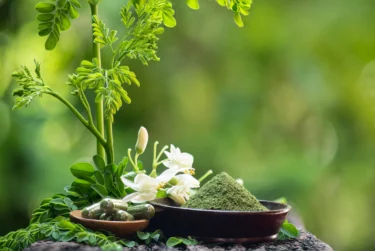
Moringa leaves have anti-oxidative properties and protect against the damaging effects of free radicals present in the environment. The damage caused by free radicals is responsible for many chronic diseases like type 2 diabetes, heart problems, and Alzheimer’s Disease.
Moringa leaves are rich in vitamin C and beta-carotene that may act against free radicals. Moringa also has quercetin which is an antioxidant that helps to lower blood pressure. Another antioxidant that is present in moringa leaves is chlorogenic acid which helps to stabilise blood sugar levels post meals2,3.
Research4 suggests that taking 7g of moringa leaf powder regularly for three months in women may show a significant increase in blood antioxidant levels.
Sustained high blood sugar levels lead to the development of diabetes in individuals. Diabetes, in turn, can cause heart problems and organ damage in the body. Moringa leaves may help stabilise blood sugar levels due to the presence of isothiocyanates and by keeping blood sugar levels in in the normal range, complications may be avoided2.
Based on my medical experience, I want to emphasise the potential Moringa leaves benefits for eye health. These leaves contain high concentrations of vitamin A, which play a vital role in warding off night blindness and maintaining optimal vision. Regular consumption of Moringa oleifera leaves, either as whole leaves or in powdered form, may beneficial in supplementing the essential vitamin A needed to support healthy eyes and potentially delay the onset of conditions like cataract.
Dr. Siddharth Gupta, B.A.M.S, M.D (Ayu)

Apart from oats, flaxseeds, and almonds, moringa leaves may be a dependable herbal supplement against high cholesterol. Cholesterol is the major contributor to heart diseases, and research2 suggests that eating moringa leaves may show considerable improvement to high cholesterol levels, and thereby protect against the risk of heart disease. Pregnant women usually experience higher levels of cholesterol, which can in turn increase the risk of developing gestational diabetes during their term. What is gestational diabetes? It is a type of diabetes that is first detected in pregnant women who did not have diabetes before they were pregnant. Moringa leaves can certainly be included in the diet for gestational diabetes under medical guidance.

Those who have tuberculosis may benefit from moringa leaves as they reduce the negative effects of anti-tubercular drugs. Moringa leaves may accelerate the repair of liver cells as these leaves have a high concentration of polyphenols that may protect against oxidative damage to the liver and may even reduce oxidative stress by activating certain proteins.
The liver is the site of blood detoxification, fat metabolism, and nutrient absorption and can only function properly if the liver enzymes are in normal levels. According to this study2, moringa leaves stabilise these liver enzymes4.

In many parts of the world, arsenic contamination is a common problem. Arsenic has found its way in our systems through many food items, particularly rice.
Long-term exposure to this element can lead to the development of cancer and heart disease. Research7 on laboratory animals have shown that moringa leaves are effective against arsenic toxicity.

Moringa leaves may be beneficial against digestive disorders. Adding moringa leaves to the diet may help individuals who have constipation, bloating, gas, gastritis, and ulcerative colitis.
Studies2 have shown that these leaves may have antibiotic and antimicrobial properties which may suggest to help in digestive disorders. The high amount of B vitamins in the leaves may also help in improving digestion.

Moringa leaves are rich sources of calcium and phosphorus and these elements are needed for bone health. Since moringa leaves are considered to be anti-inflammatory nature, they may help heal damaged bones.
Research8 shows that moringa may help with osteoporosis and also strengthen bones and teeth.
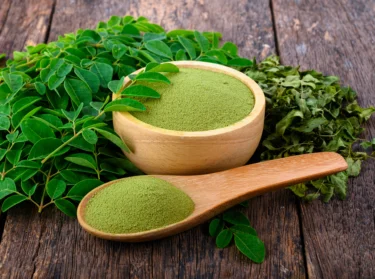
Moringa leaves may have antiseptic properties to fight off bacterial infections. They may also be beneficial towards wound healing, such as in cases of bruises, minor cuts, and burns as they may reduce the clotting time1.

Moringa leaves for pregnancy can be beneficial due to their nutrient-rich composition, potentially supporting the health of both the expectant mother and the developing baby. In traditional Ayurvedic medicine, moringa leaves were used to increase lactation in nursing mothers. Since they are a rich source of protein, important vitamins, and essential nutrients, consuming moringa leaves may be beneficial for the health of the mother and the baby1,2.
Moringa leaves increase fat burning in the body, which helps in maintaining weight loss without depleting energy reserves. Consuming moringa may help reduce cravings and boost metabolism. They may also lower cholesterol by acting as an anti-obesity agent2.
Also Read: Does Moringa Help With Weight Loss?

Due to an abundance of antioxidants and nutrients, moringa leaves may improve the health and appearance of skin and hair, providing a supple texture to skin and shine to the hair. The antioxidants present in moringa leaves reduce the appearance of fine lines and wrinkles on the skin. Moringa consists of around 30 antioxidants2.
Moringa can be applied to the scalp to help reduce dandruff and add strength and bounce to dull, lifeless hair. Moringa leaves applied on the skin may be beneficial for acne-prone skin and are part of many cosmetics as they improve the skin tone and add a glow due to their purifying nature and therapeutic properties. However, more research is required to establish these benefits1,3.

Research2 suggests that many nervous disorders show positive results with the supplementation of moringa leaves.2 These leaves can be helpful to support brain health by working as neuro-enhancers. The high concentration of vitamins E and C slow down neural degeneration and help improve brain function. Those who have a migraine or suffer from recurring headaches may benefit from eating moringa leaves regularly. These leaves also work as mood stabilisers as they regulate the production of neurotransmitters like serotonin, dopamine, and noradrenaline which are important for memory, mood, and for stimulus-response3.

Moringa leaves are considered natural cleansers and may help to detoxify the body and increases immunity against various infections. They also increase the energy levels in the body2.
Did you know that fresh Moringa oleifera leaves are not only packed with nutrients but may also provide several health benefits? They contain about 6.7 grams of protein for muscle health, 1.7 grams of fats, 12.5 grams of carbohydrates for energy, and 0.9 grams of fiber for digestion. Adding these nutrient-rich leaves to your diet can be a great way to boost your overall nutrition intake and support a healthy lifestyle.
Dr. Rajeev Singh, BAMS
Also Read: Curry Leaves (Kadi Patta): Uses, Benefits, Side Effects and More!
Over the years, I have observed that moringa leaves are truly remarkable. They contain not only 9 essential amino acids but also 7 non-essential amino acids, making them an exceptional source of protein. This unique combination of amino acids found in moringa leaf powder can have numerous benefits for your overall health and well-being. Adding moringa leaves to your diet can be a great way to ensure you’re getting a wide range of essential nutrients.
Dr. Smita Barode, B.A.M.S, M.S.
Also Read: Simple Home Remedies for Tongue Ulcers
Moringa leaves are a powerful source of nutrition and are anti-inflammatory in nature. Their antioxidative properties combined with their cellular-health protective properties make them a new ‘superfood’. They help suppress the production of inflammatory enzymes and may lower sugar levels. Consider making moringa a regular part of your diet to enjoy moringa leaves benefits with the guidance from a doctor1,2.
Also Read: Betel Leaves: Uses, Benefits, Side Effects By Dr. Smita Barode
Studies have shown that consuming moringa every day may lead to modest reductions in blood sugar and cholesterol levels. Moringa leaves are highly nutritious and consuming them on a regular basis may be highly beneficial for people who are lacking in essential nutrients.
You can take moringa and its products on its own. You may take it with other food, or on its own – it’s entirely up to your preference but a doctor’s advise is recommended.
You may not see positive results instantly after consuming moringa. You may need to take moringa for at least a month or two to see some results. It’s important to share any side effects with your local doctor or a nutritionist to help you manage your intake of moringa.
Moringa tea is an herbal tea made by steeping the moringa leaves in pure hot water. This tea can also be made using moringa leaf powder and tea bags. It is naturally caffeine-free and you can consume it any time of the day.
Moringa is good, showing a variety of health benefits. It is rich in essential vitamins, minerals, and amino acids, which can help boost energy, support immune function, and may provide overall nutrition. Moringa is also known for its potential anti-inflammatory and antioxidant properties.
Moringa may offer numerous potential benefits for women, including improved nutrition, increased energy, and support for bone health due to its rich mineral and vitamin content. It may also help address anemia and offer anti-inflammatory properties, contributing to overall well-being. However, it’s essential for women to consult a doctor before adding moringa to their diet, particularly during pregnancy or while nursing.
Moringa may offer several potential benefits for men, such as improved vitality, enhanced energy, and support for overall well-being due to its rich nutritional profile. It may also aid in addressing specific health concerns, but consulting with a healthcare professional before incorporating moringa into your diet is advisable.
Moringa leaves may be beneficial for weight loss due to their low-calorie, nutrient-rich nature, which can help support appetite and weight management. When added to a balanced diet and exercise routine, this can be a comprehensive approach to sustainable weight loss. However, please consult with your healthcare provider before adding moringa leaves to your diet.
Moringa leaves may offer beneficial properties for the eyes, as moringa is a valuable source of vitamin A. Vitamin A is essential for maintaining optimal eye health and may help prevent night blindness and cataracts.
Disclaimer: The information provided here is for educational/awareness purposes only and is not intended to be a substitute for medical treatment by a healthcare professional and should not be relied upon to diagnose or treat any medical condition. The reader should consult a registered medical practitioner to determine the appropriateness of the information and before consuming any medication. PharmEasy does not provide any guarantee or warranty (express or implied) regarding the accuracy, adequacy, completeness, legality, reliability or usefulness of the information; and disclaims any liability arising thereof.
Links and product recommendations in the information provided here are advertisements of third-party products available on the website. PharmEasy does not make any representation on the accuracy or suitability of such products/services. Advertisements do not influence the editorial decisions or content. The information in this blog is subject to change without notice. The authors and administrators reserve the right to modify, add, or remove content without notification. It is your responsibility to review this disclaimer regularly for any changes.
1744
21Castor oil has been used since ancient times as a traditional medicine for a range of health problems. Today, castor oil is used in dietary supplementation, industrial applications, and the production of medicines. Made from the castor bean, also called Ricinus communis, castor oil is commonly used as a home remedy. It is important to know that the outer covering of castor beans contains Ricin – a substance with poisonous qualities, hence the beans should never be eaten raw or whole1. Castor oil can be used for its multiple benefits.
But what are the true castor oil benefits and limitations? How much castor oil do you need? And can it really help with your medical issues? All these questions and more are answered below.
Castor oil is used in industrial processes for the production of lubricants, hydraulic fluid, soaps, paints, dyes, wax, nylon, and more. Today, however, we’ll focus on the medicinal uses of castor oil. It is used:
Let’s take a look at whether castor oil benefits you and what is considered a safe dosage for castor oil.
From what I have observed, castor bean seeds come in various types and they contain a significant amount of oil, ranging from 45% to 55%. This oil is extracted from the seeds of the plant and is known as castor oil. Castor oil has various uses, including in medicine, cosmetics, and industrial applications9.
Dr. Siddharth Gupta, B.A.M.S, M.D (Ayu)

Castor oil is said to have a nourishing effect on hair. It may also benefit itchy, dry scalp since it helps to lock in moisture and may help protect the scalp and hair from microbial and fungal infections. The ricinoleic acid it contains, along with vitamin E and fatty acids, means that it can aid in keeping your scalp clean, healthy, and moisturised4.
Castor oil also has anti-microbial and anti-inflammatory properties. Therefore, it may be able to improve the overall health of your scalp and hair5. Healthier hair may result in better hair volume, but this may not be clearly visible in the short term. In general, castor oil application to the hair and scalp should be seen as part of healthy hair maintenance rather than a magical growth serum. Castor oil is sometimes linked to hair growth, but evidence does not support a direct effect.
Apart from providing sheen and moisture, castor oil is also thought to have anti-inflammatory properties. It may help to curb scalp itchiness in some people. Its anti-inflammatory properties may also be the reason castor oil is used traditionally for skin issues.

Since castor oil contains primarily fatty acids (it is 90% ricinoleic acid), it acts as a humectant (a substance that helps lock in moisture and avoid water loss on the skin)5. This makes castor oil a good moisturiser, although people with allergies or hypersensitive skin may experience a reaction.
Additionally, a recent clinical study suggested that the topical use of castor oil cream may help manage under-eye dark circles, melanin levels, wrinkles, and skin laxity, showing potential as a safe and effective natural management option6. However, larger randomised trials are needed to confirm these benefits. Castor oil benefits for skin may also extend to an improved healing process for wounds and cuts since it has antimicrobial properties and also improves local blood flow7.
Castor oil (in small amounts) is generally considered safe, however, you should use it with caution, especially if you have sensitive skin.

Castor oil is known for its laxative properties and uses in constipation but its long-term use is not recommended8. Always speak with your doctor before taking castor oil for constipation. Since this involves ingesting it, we should quickly take a look at some potential castor oil side effects. When taken in large amounts or if consumed too often, it can result in:
Of all castor oil benefits, its laxative uses are commonly recognised, but overdosing or allergic reaction can be a real risk.
Based on my understanding, ricinoleic acid, the major fatty acid in castor oil, can have various effects on the gastrointestinal tract. It may inhibit the absorption of water and electrolytes, stimulate the secretion of water into the intestines, and reduce the contractile activity of the small bowel. These mechanisms may be beneficial in patients with gastrointestinal conditions9.
Dr. Rajeev Singh, BAMS
Also Read: The Truth about Sunflower Oil: Is it Really Bad for You?
Castor oil is not regulated as a medicine; therefore, there are no standardised medical guidelines on dosage. It is best to check with your doctor on the right dose for you, since even the manufacturer’s recommendations may be too much for some people. Particular caution is needed when considering its use in children, the dosage will be different based on their age.
Also Read: Health Benefits of Coconut Oil for Skin and Hair
While the science behind castor oil is still being studied, castor oil has been shown to have some positive effects. Castor oil benefits for hair and skin issues could potentially work for many people. It may be tried cautiously, with a patch test recommended first. If you have existing medical conditions, you may want to avoid using anything new without first speaking to your primary doctor.
Also Read: Castor Oil: Uses, Benefits, Precautions & More!
Disclaimer: The information provided here is for educational/awareness purposes only and is not intended to be a substitute for medical treatment by a healthcare professional and should not be relied upon to diagnose or treat any medical condition. The reader should consult a registered medical practitioner to determine the appropriateness of the information and before consuming any medication. PharmEasy does not provide any guarantee or warranty (express or implied) regarding the accuracy, adequacy, completeness, legality, reliability or usefulness of the information; and disclaims any liability arising thereof.
Links and product recommendations in the information provided here are advertisements of third-party products available on the website. PharmEasy does not make any representation on the accuracy or suitability of such products/services. Advertisements do not influence the editorial decisions or content. The information in this blog is subject to change without notice. The authors and administrators reserve the right to modify, add, or remove content without notification. It is your responsibility to review this disclaimer regularly for any changes.
11
The term ‘heartburn’ is misleading as it has nothing to do with the heart. However, because the burning sensation often occurs in the chest and can mimic the symptoms of a heart attack, the condition earned its name.
When there is a reflux of acids from the stomach into the oesophagus (the tube that joins the throat and the stomach), the resulting sensation is known as heartburn. The pain starts from under the breastbone or in the chest and may often even reach the jaw. It usually gets worse during the evenings, when bending over or lying down. Apart from the pain, other symptoms include a bitter taste in the mouth that may feel acidic and foul1,2.
There could be many reasons why heartburn occurs. Sometimes, heartburn occurs because the lower oesophageal sphincter (LES), a muscular valve between the oesophagus and the stomach, doesn’t function properly.
In normal cases, it opens up to let in food or to let out burps. Sometimes, it may open more frequently than necessary or not close properly, allowing the stomach acids to flow into the oesophagus. These acids cause the burning sensation that we associate with heartburn3. The common causes of heartburn is as follows4,5:
Symptoms of heartburn include:
Heartburn could last from a few minutes to several hours, depending on the person’s body chemistry. It is very common in pregnant women.
When heartburn happens occasionally, it is nothing to worry about. Most individuals who have heartburn can improve the situation with lifestyle changes and through over-the-counter medications. But when it is a recurring problem, it may interfere with your day-to-day functioning and could be a cause of worry. Recurrent heartburn is known as Gastroesophageal Reflux Disease (GERD). This can lead to more problems like5:
Heartburn is sometimes known to worsen asthma in asthmatic patients, if you experience this condition, it is advisable to consult your Pulmonologist or a Physician
Dr. Ashish Bajaj, M.B.B.S., M.D. in Clinical Pharmacology and Toxicology
GERD and heartburn are more connected than you may think. If you experience frequent episodes of heartburn, you may have Gastroesophageal Reflux Disease (GERD). In that case, you may benefit by using heartburn home remedies to help with the uneasiness. Sometimes it can happen that heartburn is not a prominent symptom, but the sustained cough is. To test for GERD, the upper endoscopy is used for a complete understanding of the symptoms.
Other tests which can be used to detect the disease include the 24-hour pH test (assesses oesophageal pH), MII-pH test (to detect non-acid reflux), and proton pump inhibitors (PPIs) trial. In the PPIs trial test, the doctor will give you medication that is given to patients who have the disease. If your symptoms start to subside, then it would mean you have GERD4.
Another common test that no longer is recommended by physicians is the Barium swallow5.
Seek an appointment with your doctor if:
Also Read: Simple Home Remedies For Indigestion
The following tips can be considered with the guidance of a doctor to help manage heartburn3:
It is rare that there might be a situation where your stomach pushes up through your diaphragm, causing a condition called hiatal hernia. This condition may present with symptoms mimicking heartburn. Ensure to follow-up with a Gastroenterologist if you have persisting heartburn.
Dr. Ashish Bajaj, M.B.B.S., M.D. in Clinical Pharmacology and Toxicology
Individuals who have heartburn but have no other serious complications with it, may find it beneficial to consider the following lifestyle changes:
Also Read: The Best Home Remedies For Hernia
Heartburn can be caused by many factors. Consult a doctor to find the underlying cause of your heartburn in order to begin treatment. Although lifestyle changes usually bring relief in most cases, it is important to seek a doctor’s advice immediately if you don’t see any benefit3.
Also Read: Causes and Home Remedies for Shortness of Breath
Disclaimer: The information provided here is for educational/awareness purposes only and is not intended to be a substitute for medical treatment by a healthcare professional and should not be relied upon to diagnose or treat any medical condition. The reader should consult a registered medical practitioner to determine the appropriateness of the information and before consuming any medication. PharmEasy does not provide any guarantee or warranty (express or implied) regarding the accuracy, adequacy, completeness, legality, reliability or usefulness of the information; and disclaims any liability arising thereof.
39
7


