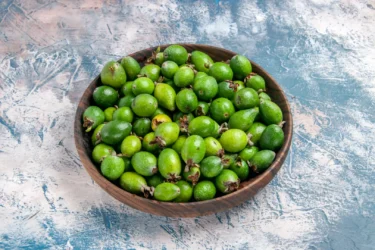
We all eat fruits, which are the primary source of protein, minerals and vitamins. Berries are some of the best fruits which we can eat daily. The Khiri fruit, which is ovoid, comes under berries and is the least used fruit. Popularly this Khirni fruit is called Rayan and the scientific name is Manilkara hexandra (Roxb) belongs to the family Sapotaceae. The Khirni fruit tree is naturally found in the tropical wilderness of India in the states of Maharashtra, Gujarat, Rajasthan, Bihar, Jharkhand, Madhya Pradesh andhra Pradesh and Orissa. Khirni fruits have economic importance and have been a significant source of livelihood for the Indian tribal population. Fresh Khirni fruit is sweet and acidic with one or more seeds. Khirni fruit in Hindi is called Khirani and in English is called Obtuse leaved mimusops1,2. This blog presents the Khirni fruit’s health benefits, nutritional value, potential uses and many more.
Khirni fruit nutritional facts may include the following:
| Nutrients | Value/100g |
| Protein | 0.48 % |
| Sugar | 17.80 % |
| Phosphorus | 17.00 mg |
| Calcium | 83mg |
| Iron | 0.92 mg |
| Vitamin C | 28.33 mg |
| Vitamin A | 675 IU |
Table 1: Nutritional value of Khirni fruit2.
Furthermore, other phytonutrients like flavonoids, catechin, phenolic compounds like quercetin, gallic acid, quercetin, kaempferol and vanillic acid, fatty acid esters like triterpene alcohols may be present in it1,3.
Did you know?
Khirni Rayan fruit may have the following properties:
Based on my observations, Khirni fruit is a rich source of vitamin C. Based on some studies, consumption of Khirni fruit might improve lung functions. This is because fresh fruits like Khirni, with high vitamin C content, can have positive effects on lung function5.
Dr. Siddharth Gupta, B.A.M.S, M.D (Ayu)
The potential Khirni fruit benefits are:
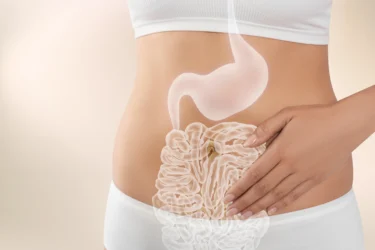
Khirni fruit is a significant source of proteins, carbohydrates, fats, sugar, calcium, iron, phosphorus and vitamins like vitamins A, B and C are also present. It may also have digestive and stomachic properties. Stomach discomforts such as dyspepsia, indigestion, burning sensations, bloating, gas and flatulence may affect day-to-day life. Regularly adding Khirni fruit to your diet may enhance digestion and help release flatulence (a burning sensation from the stomach). It may help clear out the colon and may reduce digestive distress1,3. However, more clinical studies are needed to establish the effects of Khirni fruit on digestive problems. If you experience persistent digestion problems, consult a specialist for proper treatment. Do not self-medicate.

Enteric disease or typhoid fever, is caused by certain multi-drug-resistant bacteria such as Salmonella typhi and Staphylococcus aureus. In lab studies, Mahida et al., 2007 found that Khirni fruit plant extract may have antibacterial activity against typhoid-causing bacteria3. These studies are conducted in laboratories therefore, more clinical proof is needed to support the antibacterial effect of Khirni fruit against typhoid. Take prescribed medicine to recover from such infections. Do not self-medicate.

Khirni Rayan fruit may have blood sugar-lowering properties. In animal studies, Nimbekar et al., 2013 found that the Khirni fruit extract may decrease blood glucose levels. In addition, it was found that Khirni fruit may significantly regulate blood sugar levels in type-2 diabetes. Therefore, this study3,4 may indicate that Khirni fruit may be employed in managing type-2 diabetes. More human research is needed to suggest the true scope of the Khirni fruit for diabetes. Diabetes is a serious health condition. It requires proper diagnosis and treatment. Do not self-medicate.

A literature study1,3,4 by Amandeep et al., 2021 suggests that Khirni fruit extract may have antibacterial activity and soothing skin effects (emollient). Skin infections such as facial acne and black spots may be caused due to certain bacteria (acne vulgaris). The paste prepared from unripe Khirni Rayan fruit pulp may apply to the affected areas. The regular application of Khirni fruit pulp may reduce skin inflammation. We need more research to develop Khirni fruit uses for skin infections. Suppose you have problems related to the skin; consult your doctor and do not self-medicate.

Khirni fruit and bark may contain a mixture of phytonutrients such as polysaccharides, saponins, sterols and tannins. These bioactive compounds may act as anti-inflammatory and analgesic activities. It might help purify the blood and its anti-inflammatory properties might help reduce swellings and redness during injuries3. However, this information is insufficient; therefore, more human interventions are needed to suggest the uses of Khirni fruit for swelling and inflammation. If you feel pain or swelling, take medical consultation and do not self-medicate.
Though studies show the potential uses of Khirni fruit in various conditions, these are insufficient and there is a necessity for further studies to develop the scope of the benefits of Khirni fruit on human health.
Khirni fruit is packed with many nutrients like vitamins and minerals like vitamin A, calcium, phosphorus, and iron. Consuming Khirni fruit might improve eye and bone health. It also might help with fever, jaundice and various gastric conditions6.
Dr. Rajeev Singh, BAMS
You may use Khirni fruit as follows:
You should consult a qualified doctor before having Khirni fruit in large quantities. They will guide you with its form and dosage per your health condition. Do not discontinue or replace an ongoing modern medical treatment with an ayurvedic/herbal preparation of Khirni fruit without consulting an ayurvedic physician.
No significant studies recorded the side effects of Khirni fruit in humans. However, Khirni fruit berries are astringent in taste as it contains a high amount of acid1. You must consult a doctor to get the proper treatment if you encounter any side effects after eating Khirni fruit.
Eating Khirni fruit in smaller quantities might be safe. However, eating in more significant amounts is not recommended. Follow the below precautions:
Also Read: Monk Fruit (Arhat Fruit): What Is It, Benefits, Side Effects & More!
Less information is available regarding the interactions of Khirni fruit with other drugs. More human interventions are required to study herb-drug interactions. Therefore, avoid eating Khirni fruit with any medicine and if any complications arise, consult with doctors. Do not self-medicate.
Also Read: Raspberries: Uses, Benefits, Side Effects By Dr. Rajeev Singh
Khirni fruit berries are astringent. The berries are edible, sweet, milky and acidic2.
Other names of Khirni fruit are Rayan, Khirani and Obtuse leaved mimusops1.
The vitamins of Khirni fruit may include vitamin C and vitamin A2.
Khirni Rayan fruit may have blood sugar-lowering properties. In animal studies, the Khirni fruit extract may regulate blood sugar levels in type-2 diabetes4. More human research is needed to suggest the actual effects of Khirni fruit on diabetes. Do not self-medicate.
Khirni fruit berries may be eaten fresh as table fruit or converted into dehydrated fruit1.
Khirni fruit may have properties such as anti-ulcer, antioxidant, digestive, skin soothing, anti-inflammatory, diuretic, antipyretic, blood sugar-lowering, antimicrobial and analgesic1,4. If you have any above-mentioned issues consult your doctor and do not self-medicate.
Disclaimer: The information provided here is for educational/awareness purposes only and is not intended to be a substitute for medical treatment by a healthcare professional and should not be relied upon to diagnose or treat any medical condition. The reader should consult a registered medical practitioner to determine the appropriateness of the information and before consuming any medication. PharmEasy does not provide any guarantee or warranty (express or implied) regarding the accuracy, adequacy, completeness, legality, reliability or usefulness of the information; and disclaims any liability arising thereof.
Links and product recommendations in the information provided here are advertisements of third-party products available on the website. PharmEasy does not make any representation on the accuracy or suitability of such products/services. Advertisements do not influence the editorial decisions or content. The information in this blog is subject to change without notice. The authors and administrators reserve the right to modify, add, or remove content without notification. It is your responsibility to review this disclaimer regularly for any changes.
 7
7 
Ayurveda has enlisted the importance of various Arishtas (herbal decoctions) and Asavas (herbal infusion) which are self-fermented polyherbal preparations. These may be well known for the management of digestive and metabolic disorders. One such preparation is Pancharishta. Pancharishta is a traditional Ayurvedic polyherbal syrup (different herbs) popularly used for centuries in India. It is a combination of Asavas and Arishtas. This polyherbal Pancharishta is made by combining and fermenting thirty-five different Ayurvedic herbal plants. Pancharishta may be considered a unique medicinal wine. It is a self-formed alcoholic preparation that may contain approximately 12% of alcohol. Pancharishta syrup formulations may have been used widely from the ancient period without knowing any side effects1,3. Let us discuss the health benefits of Pancharishta, its nutritional ingredients, potential uses and more.
Below listed are the ingredients of Pancharishta (Value in %):
Pancharishta may also contain other ingredients such as ajwain, clove, sugar cane, cumin, coriander, aloe vera and Kunwa (Yeast). It may also contain bioactive phytochemicals like phenol, tannin, saponins, glycosides, carbohydrates, flavonoids, gingerol, piperine and alcohol1,3.
Pancharishta syrup may include the following biological properties:
As Pancharishta is a polyherbal solution prepared by fermentation, it might have detoxification effects on the body due to the presence of various flavonoid and phenolic compounds.
Dr. Siddharth Gupta, B.A.M.S, M.D (Ayu)
The following may be the potential uses of Pancharishta syrup:

Hyperacidity is caused due to rise in digestive juices creating an acidic environment in the stomach. It may cause heartburn, indigestion, gas etc. An animal study3 by Adhikari et al. 2018 found that Pancharishta contains herbs that may reduce the secretion of stomach acid and increase the pH in the stomach. Thus, it may help in lowering stomach acids and relieving hyperacidity. However, human research is needed to conclude the use of Pancharishta for hyperacidity. If you experience frequent acidity, consult a specialist doctor. Avoid self medication.

Pancharishta syrup is a fermented decoction. It comprises several ‘good bacteria’ which may enhance the digestion process. It may be used as a digestive tonic which may help release digestive enzymes allowing proper digestion of food. It also contains ingredients like Tvak, Lavanga, Tvakpatra and Dhanyaka these are carminative herbs. These may contribute to carminative activity releasing flatulence, bloating, gas and indigestion. Adhikari et al. 2018 suggest Pancharishta may help with digestion in animals. Further human studies are expected to support the benefits of Pancharishta for digestion1,3. If you have digestion problems take the doctor’s advice. Do not self-medicate.
Pancharishta is a polyherbal medicine made by ancient Ayurvedic methods known as Arishta and Asava. It is commonly used as a digestive and cardioprotective tonic.
Dr. Rajeev Singh, BAMS

People might experience stomach pain and stomach cramping due to various digestion issues. An animal study3 by Adhikari et al. 2018 reported that Pancharishta may have anti-spasmodic activity. It may help contractions of stomach muscles. It may assist in relaxation and stop cramps in the stomach and intestine. This may help reduce stomach upsets and pain. Further studies are needed to completely understand the effects of Pancharishta on stomach cramps. Consult a qualified physician and take Pancharishta only if recommended.

Gastric ulcers happen due to an imbalance in stomach acids and bacterial infection by Helicobacter pylori. A study3 by Adhikari et al. 2018 observed that gastric ulcers may be reduced with the polyherbal formulation of Pancharishta. It may have the action of safeguarding the stomach mucosal lining and maintaining its structure. Hence, Pancharishta may help preserve the cell lining of the stomach and defend against gastric ulcers. However, this is an animal study, more human studies are required to find the true Pancharishta uses for ulcers. Take medical help if you have gastric ulcers. Self-medication is not recommended.

Gastroparesis is a condition that may affect the regular movement of the muscles in the stomach. This might hamper the stomach emptying. An animal study3 by Adhikari et al., 2018 discovered that Pancharishta ingredients may help empty the stomach. This property has been confirmed in animals however, human studies are awaited to support the true use of Pancharishta for stomach emptying. Consult a doctor if you are experiencing stomach issues.

Though studies show the potential uses of Pancharishta in various conditions, these are insufficient and there is a necessity for further studies to develop the scope of the benefits of Pancharishta on human health.
You should consult a qualified doctor before having Pancharishta in large quantities. Do not discontinue or replace an ongoing modern medical treatment with an ayurvedic/herbal preparation of Pancharishta without consulting an ayurvedic physician. They will guide you with its form and dosage per your health condition.
However, more human research is needed to study the side effects of Pancharishta in humans. You must always consult your doctors and get the proper treatment if you come across side effects.
Also Read: Kumaryasava: Uses, Benefits, Side Effects & More!
Pancharishta in the prescribed dose might be safe. However, having it in larger amounts may produce harmful effects. Therefore, a few precautions are essential:
Also Read: Gulkand(Rose Petal Jam): Uses, Benefits, Side Effects By Dr. Smita Barode
Furthermore, clinical studies are required to suggest the herb-drug interaction between Pancharishta and other medicines. We direct that you consult with a doctor before taking Pancharishta preparation and only take it in the given dosage.
Also Read: Guduchi (Giloy): Uses, Benefits, Side Effects and More!
Pancharishta is an Ayurvedic decoction formulation of thirty-five different Ayurvedic herbs. It is a combination of Asava and Arishta. Pancharishta syrup is an alcoholic preparation that may contain 12% of self-generated alcohol. It has been widely used for all stomach-related disorders1,3.
Pancharishta properties may include carminative, laxative, antioxidant, anti-ulcer, digestive, anti-inflammatory and anti-spasmodic. It may help enhance immunity, reduce stomach acidity and help maintain liver health1,3. If you have any such issues consult with your doctors and avoid self-medication.
Pancharishta may contain thirty-five different plant ingredients. The major ingredient of Pancharishta may be a flower called Dhataki (Woodfordia fruticosa)1,2.
Overdosing on Pancharishta should be avoided. It contains a moderate amount of alcohol1. Therefore, excess consumption of Pancharishta might cause symptoms such as vomiting, mental confusion, dizziness, etc. It is best to avoid overdosing and if any complication appears immediately, seek medical help.
No studies have reported the safe use of Pancharishta during pregnancy. Pregnant women should always consult their doctors before using any Ayurvedic preparations such as Pancharishta. They will advise you on the best form and dosage. Do not self-medicate.
Disclaimer: The information provided here is for educational/awareness purposes only and is not intended to be a substitute for medical treatment by a healthcare professional and should not be relied upon to diagnose or treat any medical condition. The reader should consult a registered medical practitioner to determine the appropriateness of the information and before consuming any medication. PharmEasy does not provide any guarantee or warranty (express or implied) regarding the accuracy, adequacy, completeness, legality, reliability or usefulness of the information; and disclaims any liability arising thereof.
Links and product recommendations in the information provided here are advertisements of third-party products available on the website. PharmEasy does not make any representation on the accuracy or suitability of such products/services. Advertisements do not influence the editorial decisions or content. The information in this blog is subject to change without notice. The authors and administrators reserve the right to modify, add, or remove content without notification. It is your responsibility to review this disclaimer regularly for any changes.
17
1Ayurvedic formulations may have emerged as a traditional alternative for a variety of health problems. Chandanasava is one such Ayurvedic formulation that may be considered a traditional medicine. Chandanasava is an Ayurvedic polyherbal formulation prepared using one or more medicinal herbs. The name Chandanasava is derived from one of the main ingredients, Chandan, known as sandalwood in English. Asava in Chandanasava refers to a fermented infusion that is produced by microbes. Chandanasava has a moderate alcohol content and is made with herbal juices from 24 different herbs. Chandanasava can be fermented with sugar, honey, or jaggery. For Chandanasava preparation, an equal amount of herb powder is mixed with water, as well as jaggery and sugar, and the mixture is boiled and chilled. This is then poured into large vessels and left to ferment for several days. It may belong to the alcohol-based category of drugs. Chandanasava could have been used as a valuable medicine to enhance health1,3. Let us discuss the health benefits of Chandanasava, its nutritional value, potential uses, and more.
Below listed are the Chandanasava ingredients:
Furthermore, phytochemical compounds like glucosides, alkaloids, phytosterols, stilbenes, terpenoids, phenols, flavonoids, glycosides, tannins, saponins and various alcohols and non‑volatile compounds may also be present in it1,2.
The benefits of Chandanasava may be due to the following properties:
Chandanasava may be ideal for enhancing human health2. The following may be the potential uses of Chandanasava:

Women in their forties and fifties may experience physiological changes that cause mild to severe symptoms such as hot flashes, body heat, night sweats, and a burning sensation. Certain phytochemicals in Chandanasava may have cooling properties. Regularly consuming Chandanasava (15-30 ml) with water may produce cooling effects within the body. These properties of Chandanasava may aid in the relief of symptoms such as hot flashes, body heat, night sweats, and a burning sensation5. More human research is required to suggest Chandanasava’s true use for body heat. Consult your doctor if you experience excessive body heat. Do not attempt to self-medicate.
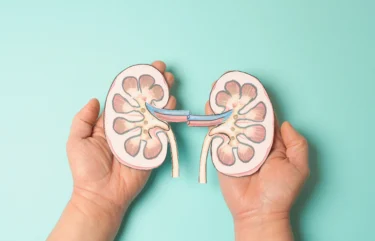
A study4 by Vinothkanna et. al. in 2022 showed Chandanasava may be used against chronic kidney diseases (a long-term kidney failure). It may contain compounds such as piperine and melatonin which may have the potential to stop the bacterial layer (biofilm) formation of infectious diseases involved in kidney diseases. More clinical research is required to form the true scope of Chandanasava against chronic kidney diseases. If you have kidney dysfunction, seek medical attention.
Chandanasava is a polyherbal Ayurvedic formulation. This formulation consists of many nutrients. Research suggests that there are some ten bioactive compounds. These bioactive compounds might be beneficial for managing various systemic diseases like chronic kidney diseases, cardiovascular diseases, etc4.
Dr. Siddharth Gupta, B.A.M.S, M.D (Ayu)

The most common clinical condition among people may be urinary tract infection. Burning sensations and dysuria are possible side effects (difficulty in urination). Chandanasava may be used as a urinary antiseptic. It may have a diuretic effect that may increase urine production and help clear out the urine passage, providing relief from urinary tract infections. Goel and Singh (1991) discovered that the ingredients in Chandanasava may have antimicrobial and antiseptic activity in a clinical trial. This activity may aid in the relief of symptoms such as burning and dysuria6. More human trials are required to establish the efficacy of Chandanasava for UTI. However, if you have a UTI, please take proper medication and do not self-medicate.
Dixit et al. (2012)3 discovered that Chandanasava has antiulcer activity in animals. A stomach juice imbalance can cause a peptic ulcer. Chandanasava may be used as a therapeutic agent to improve stomach conditions. It contains flavonoids, tannins, and terpenoids, all of which have antiulcer properties. As a result, Chandanasava may be beneficial in the healing of peptic ulcers in patients. However, more research is needed to determine Chandanasava’s antiulcer activity. Consult a doctor if you have ulcers.

Though studies show the potential uses of Chandanasava in various conditions, these are insufficient and there is a necessity for further studies to develop the scope of the benefits of Chandanasava on human health.
You should consult a qualified doctor before having Chandanasava in large quantities. Do not discontinue or replace an ongoing modern medical treatment with an Ayurvedic/herbal preparation of Chandanasava without consulting an Ayurvedic physician. They will guide you with its form and dosage per your health condition.
However, more human research is needed to study the adverse effects of Chandanasava on humans. You must consult your doctors to get the proper treatment if you encounter side effects.
Chandanasava is formulated using self-fermentation methods known as Arishtas and Asavas. Studies show that Chandanasava might have antibacterial and anthelmintic activities and might be useful against bacterial and parasitic infections7.
Dr. Rajeev Singh, BAMS
Also Read: Nagkesar (Mesua Ferrea): Benefits, Uses, Side Effects & More!
Chandanasava in small and prescribed dosages might be safe. However, having it in larger amounts may harm the body. Therefore, a few precautions are essential:
Also Read: Trikatu Churna: Uses, Benefits and Side Effects by Dr. Rajeev Singh
Chandanasava is a polyherbal Ayurvedic preparation. Its ingredients may or may not interact with other drugs. Further clinical studies are needed to suggest the herb-drug interaction between Chandanasava and other medicines. We advise that you consult with a doctor before taking Chandanasava and only take it in the prescribed dosage.
Also Read: Vasaka (Malabar Nut): Uses, Benefits and Side Effects by Dr. Rajeev Singh
Chandanasava is a polyherbal Ayurvedic formulation. Chandanasava is a fermented formulation made from 24 herbal ingredients. Chandanasava preparation is done using an equal amount of herbs powder in water, jaggery and sugar and boiled and cooled. Then this is poured into big vessels and allowed to ferment for days1.
The Chandanasava ingredients may include Chandan, Raktachandana, Hribera, Priyangu, Musta, Kashmari, Lodhra, Patola, Madhuka, Indivara, Parpata, Manjistha, Ashwattha, Patha, Vata, Priyangu, Bhunimba, Kanchanara, Shati, Rasna, Mocharasa Amra, Dhataki, Guda, Mridvika, water and sugar1.
Chandanasava may have properties such as diuretic, antioxidant, antimicrobial, appetizer, antiseptic, anti-inflammatory, analgesic and anti-ulcer activity1,6. More studies are needed to confirm the true properties of Chandanasava in humans.
Chandanasava may be taken with water5. However, consult with doctors, they will guide you with its better form and dosage according to your health condition.
In a clinical trial6 by Goel and Singh, 1991 found that the ingredients of Chandanasava may have antiseptic activity and antimicrobial activity. It may provide relief against urinary tract infections. This activity may help overcome symptoms like burning sensation and dysuria (burning urination). More human studies are necessary to state the uses of Chandanasava for UTI. However, if you suspect UTI, take proper medicine and do not self-medicate.
1. Vinothkanna A, Sekar S. Influence of intrinsic microbes on phytochemical changes and antioxidant activity of the Ayurvedic fermented medicines: Balarishta and Chandanasava. Pharmaco Study. 2018; 39:169–81. Available from: https://pubmed.ncbi.nlm.nih.gov/31000995/
2. Vinothkanna A, Karthikeyan B, Vijayan R, Sekar S. Assessment of anti-arthritic potential of traditionally fermented ayurvedic polyherbal product chandanasava by molecular modelling, docking and dynamics approaches. Intern J of Comput Biol and Drug Design. 2018;11(4):346–68. Available from: https://www.researchgate.net/publication/328949445_Assessment_of_anti-arthritic_potential_of_traditionally_fermented_ayurvedic_polyherbal_product_chandanasava_by_molecular_modelling_docking_and_dynamics_approaches
3. Dixit P, Sharma P, Jain DK, Jharia V. Systematic Evaluation of Antiulcer Activity of Herbal Formulation ‘Chandanasava’ in Rats. Asian Paci J of Trop Dis. 2012;2(SUPPL.1):192–6. Available from: https://www.researchgate.net/publication/257746795_Systematic_Evaluation_of_Antiulcer_Activity_of_Herbal_Formulation_’Chandanasava’_in_Rats
4. Vinothkanna A, Prathiviraj R, Sivakumar R, Ma Y, Sekar S. GC–MS and Network Pharmacology Analysis of the Ayurvedic Fermented Medicine, Chandanasava, Against Chronic Kidney and Cardiovascular Diseases. Appl Biochem and Biotech. 2022;1–26. Available from: https://link.springer.com/article/10.1007/s12010-022-04242-7
5. Choudhary P, Smitha MV. The Prevalence of Menopausal Symptoms and its Association with Marital Relationship in Perimenopausal Women of Eastern India. J Midlife Health. 2025 Jul-Sep;16(3):285-294. doi: 10.4103/jmh.jmh_82_25. Epub 2025 Sep 5. PMID: 40951856; PMCID: PMC12431706. Available from: https://pmc.ncbi.nlm.nih.gov/articles/PMC12431706/
6. Goel K, Singh R. Clinical Trial of Candanasava, In the Treatment of Urinary Tract Infection. Vol. Anci Sci of Life.1991;X(4):248–52. Available from: https://pmc.ncbi.nlm.nih.gov/articles/PMC3331297/
7. Kumar SV, Sandeep M, Kamal D, et al. Antibacterial and anthelmintic activity of selected fermented Ayurvedic herbal formulations. Drug Invention Today. 2010 Jul;2(7):347-348. Available from: https://web.p.ebscohost.com/
Disclaimer: The information provided here is for educational/awareness purposes only and is not intended to be a substitute for medical treatment by a healthcare professional and should not be relied upon to diagnose or treat any medical condition. The reader should consult a registered medical practitioner to determine the appropriateness of the information before consuming any medication. PharmEasy does not provide any guarantee or warranty (express or implied) regarding the accuracy, adequacy, completeness, legality, reliability, or usefulness of the information; and disclaims any liability arising thereof.
Links and product recommendations in the information provided here are advertisements of third-party products available on the website. PharmEasy does not make any representation of the accuracy or suitability of such products/services. Advertisements do not influence the editorial decisions or content. The information in this blog is subject to change without notice. The authors and administrators reserve the right to modify, add, or remove content without notification. It is your responsibility to review this disclaimer regularly for any changes.
8
0Trayodashang guggulu is one of the primary Ayurvedic polyherbal formulations. It consists of Babula (the stem bark of Acacia nilotica), Hapusa (the fruits of Juniperus communis), Shatavari (the roots of Aspargus recemosus), Ashwagandha (the roots of Withania somnifera), Sunthi (the rhizome of Zingiber officinale), Satavha (the fruits of Anethum sowa), Vradadaru (the roots of Argyeria nervosa), Sati (the rhizome of Hidichium spicatum), Shuddha guggulu (exudates of Commiphera mukul), Rasana (the roots and leaves of Pluchea lanceolata), Guduchi (the stem of Tinospora cordifolia), Gokshuara (the fruits Tribulus terrestris), Yavani (Trachyspermum ammi fruits) and Goghrat (ghee). The ayurveda formulation trayodashang guggulu is mentioned in the Ayurveda classic Bhaishaja Ratnavali and the Ayurveda Formulary of India. Trayodashang guggulu may be used for various ailments. Let us look at some of the health benefits of trayodashang guggulu1.
The composition of trayodashang guggulu is as follows:
Several studies have shown that Trayodashang guggulu may have the following properties:
Some of the potential uses of trayodashang guggulu are:

The worst diet habits with the western lifestyle and continuous work in front of laptops are the major reasons for spondylosis. Trayodashang guggulu may be used against spondylosis. A study2 by Sawant et al. in 2017 showed that Trayodashang guggulu might be beneficial for cervical spondylosis. Constituents like Shatavari, Ashwagandha and Guduchi are rejuvenators and may give stability to the muscles (dhatus). Whereas babbul acts on bones (asthidhatwagni) and may provide firmness. However, further studies are required to check if trayodashang guggulu may help in the case of cervical spondylosis. Therefore, you must consult your doctor if you experience any symptoms of cervical spondylosis. Do not self-medicate.
The phenols, alkaloids, flavonoids and other phenolic compounds present in trayodashang guggulu may show antioxidant activity. This was demonstrated by a study1 by Dadoriya et al. in 2018. It may deactivate the free radicals (harmful molecules present in the body) and protect them from various damages. Further studies are required to check the antioxidant activity of trayodashang guggulu.
From my experience, Trayodashang Guggulu may aid in gout. Studies1 suggest that Trayodashang Guggulu shows antioxidant and anti-inflammatory effects that make it a potential remedy in cases of inflammatory disease such as gout.
Dr. Siddharth Gupta, BAMS, MD (Ayu)

Trayodashang guggulu may be beneficial for several inflammatory conditions like the stiffness of the knee, bone marrow disorder, lockjaw, inflammation of ligaments, neurological and musculoskeletal diseases, pain in the arm and cardiac failure and bone fracture due to the presence of bioactive compounds like flavonoids and phenols. A study1 by Dadoriya et al. in 2018 showed that trayodashang guggulu might inhibit proteinase and lipoxygenase (enzymes that promote inflammation). However, further studies are required to check if trayodahsang guggulu may reduce inflammation. Therefore, you must consult your doctor if you suspect inflammation.

Arthritis is a disease associated with inflammatory pain. Bioactive compounds like flavonoids and phenols present in trayodashang guggulu may be responsible for reducing inflammatory pain. A study3 by Gupta et al. in 2022 showed that trayodashang guggulu might inhibit inflammatory mediators like COX-2 and reduce inflammatory pain, which may be beneficial for arthritis. Inflammatory mediators are molecules in the body that cause inflammation. However. Further studies are required to check if trayodashang guggulu may be helpful in the case of arthritis. Therefore, you must consult your doctor if you experience any symptoms of arthritis.

Sciatica refers to the pain radiating down one or both legs from the lower back along the sciatic nerve. According to the studies5 by Moharana et al. in 2018, trayodashang guggulu may be beneficial in the case of sciatica. Effects of trayodashang guggulu are particularly noticeable in vata dosha, the primary cause of joint and bone-related disorders3,7. However, further studies are required to check if trayodashang guggulu may be beneficial for sciatica. You must immediately consult your doctor if you suspect any symptoms of sciatica.

The condition that causes pain in the forearm is known as the tennis elbow. Pain, tenderness, restricted movement, stiffness and diminished grip strength are the primary clinical signs of tennis elbow. The study6 by Rajurkar et al. in 2022 showed that the trayodashang guggulu tablet might reduce pain and functional disability related to the tennis elbow. However, further studies are required to check if trayodashang guggulu may be beneficial in the case of tennis elbow. Therefore, you must consult your doctor if you experience any symptoms of tennis elbow.

Trayodashanga Guggulu may directly affect the Asthigata Vata (bone and soft tissue pain) and brings the vitiated Vata Dosha back into balance. An imbalance in vata dosha causes conditions related to joints and bones. The Ayurvedic mind-body element associated with air and space is called vata dosha. It governs all movement and processes in your mind and body, including blood flow, elimination, breathing and thought action. A Vata imbalance may lead to bone thinning, according to Ayurveda. Therefore, trayodashang guggulu may be beneficial in case of osteoporosis. This was shown by a study7 conducted by Sannakki et al. in 2020. However; further studies are required to check if trayodashang guggulu may be beneficial for osteoporosis. Therefore, you must consult your doctor if you experience any symptoms of osteoporosis.

According to the study4 by Prasad et al. in 2016, trayodashang guggulu may help improve the immune system. It may have immune-modulating properties, which may stimulate the immune system. However, further studies are required to check if trayodashang guggulu may affect the immune system.
Though studies show the benefits of trayodashang guggulu in various situations, these are insufficient and further studies are needed to establish the true extent of trayodashang guggulu on human health.
Trayodashang guggulu is a polyherbal ayurveda preparation that is available as a tablet. It can be given with gruel (thin porridge), warm water and milk of meat soup5.
You must consult a doctor before taking large quantities of trayodashang guggulu or herbal supplements. Do not discontinue an ongoing modern medical treatment with an ayurvedic/herbal preparation without consulting a qualified doctor.
A high dose of trayodashang guggulu may have the following side effects:
You must consult your doctor if you experience any side effects after consuming trayodashang guggulu.
Also Read: Nagkesar (Mesua Ferrea): Benefits, Uses, Side Effects & More!
As with any other general medicine, general precautions should be taken while having trayodashang guggulu. You must consult your doctor before having trayodashang guggulu. Pregnant women and lactating mothers should take special care. Precaution should be taken before giving trayodashang guggulu to the elderly or children. In such cases, you must have trayodashang guggulu only if your doctor prescribes it.
Also Read: Licorice (Mulethi): Uses, Benefits, Side Effects, and More!
There is not enough evidence on the interaction of trayodashang guggulu with other drugs. Further studies on the interaction of trayodashang guggulu are required. Therefore, you must consult your doctor if you are on any other medication before consuming trayodashang guggulu.
Also Read: Raisins (Kishmish): Uses, Benefits, Side Effects By Dr. Smita Barode
Trayodashang guggulu is an essential Ayurvedic polyherbal formulation. It consists of Babula, Hapusa, Shatavari, Ashwagandha, Sunthi, Satavha, Vradadaru, Sati, Shuddha guggulu, Rasana, Guduchi, Gokshuara, Yavani and Goghrat (ghee)1.
Trayodashang guggulu may be used to reduce pain and inflammation. It may act against the conditions like tennis elbow, arthritis, osteoporosis, sciatica and cervical spondylosis. It may have antioxidant properties and may enhance the immune system. However, further studies are required to check whether trayodashang guggulu may benefit the mentioned conditions. Therefore, you must consult your doctor if you experience symptoms of the mentioned conditions1,6.
Trayodashang guggulu is a polyherbal ayurveda preparation that is available as a tablet. It can be given with gruel (thin porridge), warm water and milk of meat soup4.
Trayodashang guggulu may cause stomach upset, belching, indigestion and loss of appetite. You must consult your doctor if you experience any side effects8.
Bioactive compounds like flavonoids and phenols present in trayodashang guggulu may be responsible for reducing inflammatory pain. They might inhibit inflammatory mediators (molecules in the body that cause inflammation) and reduce inflammatory pain, which may be beneficial for arthritis3. However, you must consult your doctor if you experience any symptoms of arthritis.
Disclaimer: The information provided here is for educational/awareness purposes only and is not intended to be a substitute for medical treatment by a healthcare professional and should not be relied upon to diagnose or treat any medical condition. The reader should consult a registered medical practitioner to determine the appropriateness of the information and before consuming any medication. PharmEasy does not provide any guarantee or warranty (express or implied) regarding the accuracy, adequacy, completeness, legality, reliability or usefulness of the information; and disclaims any liability arising thereof.
Links and product recommendations in the information provided here are advertisements of third-party products available on the website. PharmEasy does not make any representation on the accuracy or suitability of such products/services. Advertisements do not influence the editorial decisions or content. The information in this blog is subject to change without notice. The authors and administrators reserve the right to modify, add, or remove content without notification. It is your responsibility to review this disclaimer regularly for any change
16
2Have you ever noticed a bright green flower-shaped segmented fruit growing on the trees? The fruit is called Bilimbi in English. The scientific name of bilimbi is Averrhoa bilimbi, which belongs to the Oxalidaceae family. It is known as blimblim in French, mimbro in Spanish, belimbing asam in Malay and kaling pring in Thai. Bililmbi fruits are often eaten raw, used to make wine, vinegar and pickles and substitute for tamarind in dishes and also be used as a flavouring agent. In Thailand, Malaya and Singapore, bilimbi is very common. It is frequently grown in gardens across the plains of India and thrives in all the country’s warmest regions. Bilimbi or Averrhoa bilimbi, is a folk remedy for many ailments1,2. Let us have a look at some of them.
Did you know?
Bilimbi may contain bioactive compounds like amino acids, citric acid, cyanidin–3–O–h–D–glucoside, phenolics and sugars2. Additionally, 100 gm ripened fruit of bilimbi may contain the following nutritional components:
*unit is per 100g unless otherwise stated
Several studies have shown that bilimbi may have the following properties3:
Some of the potential uses of bilimbi are:

Bilimbi may help to improve liver health. The results of a study by Nagmoti et al. in 2010 suggested a significant increase in the activity of liver enzymes (SGOT, SGPT, ALP) and serum bilirubin levels. Increased levels of these enzymes may cause various liver diseases6. However, further studies are required to check if bilimbi can protect the liver. Therefore, you must consult your doctor if you have any symptoms of liver disease.

Leaf extracts of bilimbi may have anticancer properties against breast cancer. Bioactive compounds like terpenoids, flavonoids, tannins and saponins may kill cancer-causing cells (apoptosis and programmed cell death) and inhibit the growth of cancer-causing cells (proliferation)7. However, further studies are required to check if bilimbi may help in the case of breast cancer. Cancer is a dangerous disease therefore, you must consult your doctor if you suspect any symptoms of cancer instead of self-medicating.

According to the study8 conducted in 2004 by Tan et al., bilimbi may be beneficial in the case of diabetes mellitus. Bilimbi may reduce blood glucose levels. However, further studies are required to check if bilimbi can be beneficial in the case of diabetes. Therefore, you must check your blood sugar levels regularly and consult your doctor in case of abnormal blood glucose levels instead of relying on bilimbi fruit.

Bilimbi may reduce bad cholesterol (LDL, VLDL) and increase good cholesterol levels (HDL) due to bioactive compounds like terpenoids, tannins, phenols and flavonoids. This was shown in a study9 conducted by Mohan et al. in 2016. However more studies are required to check if bilimbi can be beneficial for lowering cholesterol levels. Therefore, you must check your cholesterol levels regularly and consult your doctor in case of high cholesterol levels. Bilimbi is in no way a solution to high cholesterol.

Flavonoids present in bilimbi may be responsible for lowering blood pressure, according to the studies conducted by Rafida et al. in 2021. The flavonoids may dilate the blood vessels and decrease the resistance to blood flow10. However, further studies are required to check if bilimbi is beneficial for lowering blood pressure. Therefore, you must check your blood pressure regularly and consult your doctor in case of high blood pressure.
Though studies show the benefits of bilimbi in various conditions, these are insufficient and there is a need for further studies to establish the true extent of the benefits of bilimbi on human health.
Of all the traditional uses of bilimbi that I have seen, one notable application is making infusions and decoctions of its leaves. These may be used as a protective medicine after childbirth16.
Dr. Siddharth Gupta, B.A.M.S, M.D (Ayu)
You can use bilimbi in the following ways:
You must consult a qualified doctor before taking bilimbi in large quantities or any herbal supplements. Do not discontinue or replace an ongoing treatment of modern medicine with an ayurvedic/herbal preparation without consulting a qualified doctor
Based on what I have noticed, the fruit juice of bilimbi is believed to have beneficial effects in addressing many health concerns. It has potentially been used in traditional remedies to manage various conditions such as whooping cough, scurvy, and even obesity16.
Dr. Rajeev Singh, BAMS
A case study of a 65 year-old woman by Chiang et al. in 2020 showed that bilimbi might hamper the nervous system and show the following symptoms12:
If you notice any reaction to consuming bilimbi, seek immediate medical attention. Consult your ayurvedic physician who has prescribed it to you; they will be able to identify the cause and treat it effectively.
According to some literature I came across, a syrup made from bilimbi fruit is believed to have medicinal properties. It is taken as a potential remedy for fever and inflammation, and it is also used to address rectal bleeding and provide relief from internal haemorrhoids17.
Dr. Smita Barode, B.A.M.S, M.S.
Also Read: Red Bananas: Uses, Benefits, Side Effects and More By Dr. Smita Barode
The following precautions should be taken before eating bilimbi:
It is advised to consult your doctor before consuming bilimbi if you have any pre-existing diseases.
Let me share an interesting observation. In Malaysia, people use either fresh or fermented bilimbi leaves for the management of venereal diseases, which are infections or conditions transmitted through sexual contact. It is a traditional remedy believed to be effective in addressing these specific health concerns18.
Dr. Anuja Bodhare, B.A.M.S, M.D (Ayu)
Also Read: Dill Leaves: Uses, Benefits, Side Effects By Dr. Smita Barode
Since not much data is available on the drug interactions with Bilimbi, let us know about the drug interactions of the fruits belonging to the genus of Bilimbi (Averrhoa).
You must consult your doctor before consuming bilimbi if you are on any other medication.
Also Read: Zucchini (Courgette): Uses, Benefits, Side effects and More!
Bilimbi may dilate the blood vessels and decrease the resistance to blood flow. However, you must check your blood pressure regularly and consult your doctor in case of high blood pressure10.
Billimbi may cause uncontrollable hiccups, mental confusion and seizures12. In case you notice a reaction after consuming bilimbi, seek immediate medical attention.
People with chronic kidney disease should be careful before consuming bilimbi13. Due to high levels of oxalates, bilimbi may lead to kidney stones12. You should consult your doctor before consuming bilimbi if you have any pre-existing diseases like kidney disorders.
Fresh fruit of bilimbi can be eaten raw. Pounded fresh bilimbi leaves yield juice through squeezing, which is provided once daily11. You must consult a qualified doctor before taking bilimbi in large quantities and do not replace your ongoing treatment.
Bilimbi may be beneficial in the case of diabetes mellitus as it may reduce blood glucose levels8. However, you must check your blood sugar levels regularly and consult your doctor in case of abnormal blood glucose levels.
Disclaimer: The information provided here is for educational/awareness purposes only and is not intended to be a substitute for medical treatment by a healthcare professional and should not be relied upon to diagnose or treat any medical condition. The reader should consult a registered medical practitioner to determine the appropriateness of the information and before consuming any medication. PharmEasy does not provide any guarantee or warranty (express or implied) regarding the accuracy, adequacy, completeness, legality, reliability or usefulness of the information; and disclaims any liability arising thereof.
Links and product recommendations in the information provided here are advertisements of third-party products available on the website. PharmEasy does not make any representation on the accuracy or suitability of such products/services. Advertisements do not influence the editorial decisions or content. The information in this blog is subject to change without notice. The authors and administrators reserve the right to modify, add, or remove content without notification. It is your responsibility to review this disclaimer regularly for any changes.
3
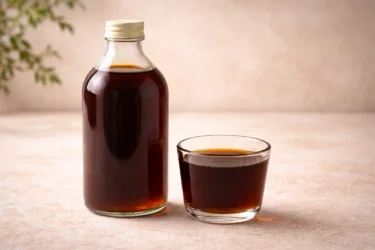
1Ever heard of Draksharishta? Draksharishta is an ayurvedic preparation generally used for digestive issues, respiratory disorders and weakness. Draksharishta is a polyherbal medicine made using Draksha (Vitis vinifera), as its main component and 5-10% self-generated alcohol content. Polyherbal formulations include several medicinal herbs to increase their therapeutic effect1,2.
Vitis vinifera, belongs to the family Vitaceae and contains a high concentration of phenolic compounds. Resveratrol, catechins, epicatechin, quercetin, gallic acid and procyanidins are some of the phenolic compounds present in V. vinifera. These phenolic compounds show anti-oxidant, anti-inflammatory as well as antimicrobial effects on the body.
For the preparation of Draksharishta, 48.9 gms of draksha (V. Vinifera) is soaked in 1000ml of water. This mixture is then boiled till the water is reduced to 250ml and then filtered. 200 gms of jaggery is then added to this along with 1gm powdered mixture of all herbs [piper nigrum, piper longum, embelia ribes, Cinnamomum zeyleynicum (stem bark), Eletteria cardamomum (seeds), Cinnamomum tamala (leaves), Mesua ferrea (stamens) and Callicarpa macrophylla (flowers)] and 8 gms of Woodfordia fruticosa. The formulation is filtered again and fermented1,2.

Draksharishta is shown to have antimicrobial activity. A study3 was done by Tiwari in 2014 on the antimicrobial activity of Draksharishta as Draksharishta-M and Draksharishta-T (M- prepared using modern method and T- prepared using traditional method). Draksharishta prepared by both methods displayed a considerable zone of inhibition with a significant antibacterial action against common human infections like Staphylococcus aureus, bacillus subtilis, Salmonella typhii, Escherichia coli and Pseudomonas aeruginosa. Although Draksharishta has the potential to be used as an antimicrobial agent, it is best to consult a doctor for any signs of infection. Also, further studies are required in humans3.

In a study4 performed by Tiwari et al. in 2011, a high-fat diet given to hyperlipidemic rats for nine weeks showed a notable decrease in the atherogenic (the process of fat deposit formation in the arteries) index as compared to the rats given a normal diet. This shows the potential for the anti-hyperlipidemic property of Draksharishta in rats. However, more studies are required in humans to prove its efficacy4.

Kabir et al. in 2012 carried out studies5 in healthy mice and rats. These studies showed a significant pain-relieving effect in inflammation. Thus, there is a chance that Draksharishta shows pain-relieving activity. We suggest you take a professional opinion if you are suffering from pain of any kind. Although Draksharishta may have a potential benefit in managing pain, further studies should be conducted for the same5.
Inflammation is the body’s response to the presence of foreign substances. It aids in the removal of toxic substances from the body. An investigation5 done by Kabir et al. in 2012 on mice and rats showed a reduction in the release of prostaglandins (a chemical released in inflammation). Thus, Draksharishta may be used as an anti-inflammatory agent. However, for a safer and more efficient application, additional research is needed to completely comprehend the pharmacological profile of Draksharishta5.
I recently came across a study that says that according to research, ingesting a combination of Draksharishta with other herbs may help irritable bowel syndrome. Draksharishta is known for its anti-inflammatory properties10.
Dr. Siddharth Gupta, B.A.M.S, M.D (Ayu)

According to Pillai2 et al. in 2016, the main component of Draksharishta, i.e. draksha (V. vinifera) may have potential benefits for the management of various respiratory disorders such as cough, bronchitis, pulmonary disorders, tuberculosis, and common cold. Draksharishta may have a potential use in respiratory issues but further studies have to be done for safe consumption in humans. Always talk to a doctor before taking any ayurvedic or herbal medication2.
I recently came across a study that says that liquid Draksharishta is an Ayurvedic drug that has qualities for Balakaraka (tonic), Dipana (appetiser), Pachana (digestive), Malashodhana (laxative), Rasayana, and Hridya. It is used for constipation, Kshaya (debility), Kasa (cough), Swasa (asthma), Galaroga (throat disease), and Urakshata (chest problem)11.
Dr. Rajeev Singh, BAMS
A study2 conducted by Pillai et al. in 2016 states that Draksharishta, being a polyherbal formulation has potential in the management of many digestive disorders. However, it is not a substitute to conventional medicine. Furthermore, these claims have to be verified by humans. It is better to take a professional opinion before replacing any kind of medication2.
Tiwari et al. in 2011 carried out a study7 on the diuretic activity of Draksharishta in rats using two methods of preparation namely, Draksharishta M and Draksharishta T (where M and T indicate the preparation by modern and traditional methods respectively). This study shows a lot of potential for the use of Draksharishta as a diuretic. However, more studies are needed in humans to prove its further use. Consult a healthcare professional before consuming Draksharishta7.

Although there are studies that show the benefits of Draksharishta in several conditions, these are insufficient and there is a need of further studies to establish the true extent of the benefits of Draksharishta on human health.
I recently came across a study that says that due to its potent effects and pleasant taste similar to alcohol, people may take Draksharishta in excess and for extended periods regardless of a doctor’s prescription. I strongly recommend Draksharishta should be consumed with the doctor’s prescription11.
Dr. Smita Barode, B.A.M.S, M.S.
Draksharishta is available in the form of syrup and is used for managing and potentially managing various diseases. It may be consumed after meals or as prescribed by any health care provider.
You must consult a qualified doctor before taking any herbal supplements. Do not discontinue or replace an ongoing treatment of modern medicine with an ayurvedic/herbal preparation without consulting a qualified doctor.
As Draksharishta contains self-generated alcohol, it should be avoided in the case of pregnant and lactating women. Ayurvedic literature states the possible dangers of consuming medication that is improperly produced. The safety and efficacy of Draksharishta are not proven; so it is advised to consult a healthcare provider before consumption9.
Draksharishta is a fermented medication that contains 5-10% self-generated alcohol. Alcohol is shown to cause interactions with aspirin and NSAIDs (non-steroidal anti-inflammatory drugs). This can increase the risk of gastric mucosal damage and bleeding. Pepper is also used in Draksharishta, which is known to interact with barbiturates and NSAIDs8.
Consult your doctor before taking any other prescription or non-prescription (over-the-counter) medication along with Draksharishta.
Draksharishta is mainly composed of draksha (V. vinifera) along with other herbs like piper nigrum, piper longum, embelia ribes, Cinnamomum zeyleynicum (stem bark), Eletteria cardamomum (seeds), Cinnamomum tamala (leaves), Mesua ferrea (stamens) and Callicarpa macrophylla (flowers).
Draksharishta has various potential benefits such as antimicrobial activity, analgesic activity, anti-inflammatory activity and in reducing heart diseases.
Draksharishta is available in the market in syrup form marketed under different brand names.
Yes, Draksharishta is a polyherbal ayurvedic formulation in the Ayurvedic Formulary of India.
No, there are no proven skin benefits of Draksharishta.
Disclaimer: The information provided here is for educational/awareness purposes only and is not intended to be a substitute for medical treatment by a healthcare professional and should not be relied upon to diagnose or treat any medical condition. The reader should consult a registered medical practitioner to determine the appropriateness of the information before consuming any medication. PharmEasy does not provide any guarantee or warranty (express or implied) regarding the accuracy, adequacy, completeness, legality, reliability, or usefulness of the information; and disclaims any liability arising thereof.
Links and product recommendations in the information provided here are advertisements of third-party products available on the website. PharmEasy does not make any representation of the accuracy or suitability of such products/services. Advertisements do not influence the editorial decisions or content. The information in this blog is subject to change without notice. The authors and administrators reserve the right to modify, add, or remove content without notification. It is your responsibility to review this disclaimer regularly for any changes.
5
Jackfruit is the largest tree fruit that gained popularity due to its sweet, fleshy and energy-rich pulp. The exterior of jackfruit is hard green or yellow initially and turns to yellowish brown after ripening. The inner edible flesh of the jackfruit consists of nutritious pulp coated around the seed, formed by the fusion of flowers. Jackfruit is a non-seasonal fruit that grows on evergreen trees in tropical areas. The biological name of the jackfruit tree is Artocarpus heterophyllus Lam, belonging to the family Moraceae. It is cultivated in Bangladesh, Sri Lanka, Malaysia and various parts of Southeast Asia, Africa and America. Jackfruit grows abundantly in India and is native to the Western Ghats of India1,2.
Apart from the flesh, jackfruit seeds are also edible and are used in cooked dishes. The jackfruit seeds with a thin brown seed coat, known as spermoderm, are enclosed in a white layer. The brown spermoderm consists of white cotyledon rich in protein and starch. Jackfruit seed has a lot of potential benefits, especially in the cosmetics, paper, pharmaceutical and bio-nanotechnology industries2.
Did you know?
The nutrient value of jackfruit seed is as under:
The potential health benefits of jackfruit seed are:
Magnesium is a mineral crucial for body functioning and keeps our bones strong by absorbing calcium in bones. Calcium makes our bones strong and rigid and allows normal body movement. Swami et al., 2012 presented an overview of the functional and medicinal value of Jackfruit. They mentioned that jackfruit seeds are rich in magnesium, which may help in the absorption of calcium in the bones. Magnesium, along with calcium, strengthens bones and relieves disorders related to bones, e.g. osteoporosis (weak and brittle bones). Thus, it is suggested that jackfruit seeds may have potential benefits in strengthening the bones. Further studies should be conducted to validate the efficacy of jackfruit seeds2.
Antioxidants are agents that reduce the effects of free radicals responsible for chronic health problems. Ranasinghe et al. in 2019 mentioned that jackfruit seeds possess a good amount of ascorbic acid and gallic acid which may protect the body from the negative effects of excess free radical production thus promoting antioxidant activity. Therefore, it can be concluded that jackfruit seeds may help in contributing to the antioxidant activity. More data is required to establish the true extent of its benefit on human health1.
Mahanta et al., 2015 and Ranasinghe et al., 2019 mention that the jackfruit seeds extract has shown efficacy against S.aureus, E. coli and B. megaterium revealing that jackfruit seed may have some antimicrobial effects. It may be used to formulate pharmaceutical agents for infectious diseases. Jackfruit seed powder may also help against food contamination. Thus, the seeds of jackfruit may have the potential as an antibacterial agent. Further research should be conducted to validate the efficacy of jackfruit seeds1,3.
Dwitiyanti et al., 2019 conducted a study on pregnant female rats. The jackfruit seed extract was administered to diabetic pregnant female rats. The blood glucose levels of pregnant female rats decreased after the administration of jackfruit seed extracts. Therefore, it is suggested that the jackfruit seed extract possesses activities that may have the potential of decreasing blood sugar levels. Further clinical research is required to investigate the true benefit of jackfruit seed in human health5.
Though there are studies that show the benefits of jackfruit seed in various conditions, these are insufficient and there is a need for further studies to establish the true extent of the benefits of jackfruit seed on human health.
Due to their high fibre content, I’ve experienced that jackfruit seeds may help reduce the risk of heart disease, avoid constipation, and may aid in weight reduction. They are also a good source of B-complex vitamins. Additionally, resistant starch, which may regulate blood sugar and may maintain intestinal health, is included in jackfruit seeds6.
Dr. Siddharth Gupta, B.A.M.S, M.D (Ayu)
You must consult a qualified doctor before taking any jackfruit seed supplements. Do not discontinue or replace an ongoing treatment of modern medicine with an ayurvedic/herbal preparation without consulting a qualified doctor.
Additionally, the researchers have found that the seeds have an abundance of highly soluble protein that may aid in the management of anxiety and stress6.
Dr. Rajeev Singh, BAMS
The most common side effects related to jackfruit seed are:
Also Read: Jackfruit (Kathal): Uses, Benefits, Side Effects and More!
Patients suffering from digestive disorders must consult their physician before consuming jackfruit seeds. Though, there is not much data available on the consumption of jackfruit seeds during pregnancy and breastfeeding. Thus, lactating and pregnant females should ask their gynaecologist before consuming jackfruit seeds. The elderly and children should also consume jackfruit seeds in moderation if necessary and consult a physician if suffering from any health-related disorders.
In my experience, the seeds have a very poor capacity to absorb water and fat. Hence, it may aid in maintaining a healthy weight6.
Dr. Smita Barode, B.A.M.S, M.S.
Also Read: Lotus Seed: Uses, Benefits, Side Effects and More By Dr. Smita Barode
No interactions are reported in the literature reviewed. If you are on medication, consult an experienced and qualified doctor before taking any jackfruit seed supplements. This can possibly help in avoiding interaction with other medicines.
Also Read: Hemp Seed: Uses, Benefits and Side Effects by Dr. Smita Barode
The seed of jackfruit contains a high amount of protein and other vitamins and minerals, which adds to its nutritional value. Thus, jackfruit seed is edible and is used as a nutritious source of food.
Jackfruit seeds are used after boiling, roasting or cooking. The seeds are boiled in sugar water to serve as a dessert. It may also be used as an ingredient in vegetables and curries in Asian dishes.
The jackfruit seeds may serve a potential in human health and may benefit as an antimicrobial, antidiabetic and antioxidant. It may also provide benefits in strengthening the bones. It may also be used as a substitute to flour with an increase in protein and fibre content.
The patients suffering from digestive disorders must avoid consuming jackfruit seeds. Elderly, children and pregnant and lactating females should consult the doctor before taking jackfruit seeds in any form.
The flour of jackfruit seed may be used in various bakeries and biscuit factories to make cookies. It might also be used as binding and thickening agent in various food industries.
Disclaimer: The information provided here is for educational/awareness purposes only and is not intended to be a substitute for medical treatment by a healthcare professional and should not be relied upon to diagnose or treat any medical condition. The reader should consult a registered medical practitioner to determine the appropriateness of the information and before consuming any medication. PharmEasy does not provide any guarantee or warranty (express or implied) regarding the accuracy, adequacy, completeness, legality, reliability or usefulness of the information; and disclaims any liability arising thereof.
Links and product recommendations in the information provided here are advertisements of third-party products available on the website. PharmEasy does not make any representation on the accuracy or suitability of such products/services. Advertisements do not influence the editorial decisions or content. The information in this blog is subject to change without notice. The authors and administrators reserve the right to modify, add, or remove content without notification. It is your responsibility to review this disclaimer regularly for any changes.
26
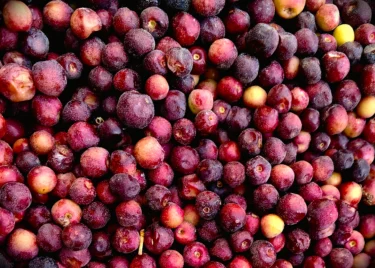
0“With the changing times, not only the country’s policymakers but the whole world is realising the importance of Ayurveda. Who would’ve thought that people in the upcoming generations would prefer a bottle of gooseberry or bottle gourd juices over carbonated drinks?” Despite this realization of the health benefits of plants and fruits, there are fruits like Phalsa which, although are high in nutrients but low in popularity. Phalsa is a plant that originates in Southeast Asian countries like India, Nepal, Sri Lanka and Bangladesh and is mainly grown for its fruit. The scientific name of the Phalsa fruit is Grewia asiatica, also known as the Indian Sherbet berry. It is a seasonal plant and the fruits are generally obtained in the summer. Phalsa fruit resembles grapes in its shape and size. They are purple in colour with a sour-sweet taste. The fruit is a powerhouse of vitamins and minerals and offers many health benefits; let us know more about those benefits1.
Phalsa fruit is rich in carbohydrates, fibres, proteins, vitamins A, B3 and C and minerals like potassium, calcium, iron and phosphorus. The phytochemicals present in Phalsa fruit include anthocyanins, tannins, phenols and flavonoids. The nutritional chart of this fruit is given below.
Phalsa fruit shows numerous scientifically proven properties; some of which are mentioned below1:
I’ve discovered that Phalsa fruits have a cooling effect on the body. Phalsa fruit is rich in phenols. This property makes it a potential natural remedy for excessive body heat9.
Dr. Siddharth Gupta, B.A.M.S, M.D (Ayu)
Some of the potential benefits of Phalsa fruit are described below.

Diabetes (Type I & II) is characterised by an increase in blood glucose due to a reduction or resistance to insulin (a hormone that regulates blood glucose). Literature shows that fruits rich in polyphenols may positively impact diabetes. Parveen et al. conducted a study2 on diabetic rabbits in 2013 to assess the effect of Phalsa fruit on blood glucose. This study showed a reduction in rabbits’ blood glucose after administering Phalsa fruit. Additionally, this fruit has a low glycemic index and the presence of polyphenols may help reduce blood glucose levels. This indicates that Phalsa fruit may help manage diabetes. However, to claim these results in humans, we need more studies. It is further advised not to self-medicate and consult your physician for proper management of diabetes3.
Dyslipidemia is characterised by an increase in total cholesterol and triglycerides. Studies have shown that Phalsa fruit may potentially control the altered parameters in dyslipidemia. An animal study4 conducted by Parveen et al. in 2013 showed a positive relationship between the consumption of this fruit and lipid levels. Rabbits administered Phalsa fruit extract (200mg/kg) showed reduced total cholesterol and triglycerides. This may indicate that this fruit’s consumption may help manage dyslipidemia. However, more studies on humans are needed to support these claims. Additionally, it is advised not to rely on Phalsa fruit as a remedy for managing dyslipidemia and kindly consult your physician for the proper management of dyslipidemia.

Breast cancer is one of the most common cancers affecting women worldwide; different ayurvedic treatments are being tested for their effectiveness towards breast cancer. A review2 by Muhammed et al. in 2013 states that Phalsa fruit contains smart molecules called anthocyanins which help reduce the multiplication of abnormal cells and the risk of cancers. Thus, it may be concluded that Phalsa fruit may reduce breast cancer risk. However, we need more human studies to claim these results accurately. Also, it is advised not to consider Phalsa fruit as an alternative to modern medicine; you should always consult your doctor for proper management of breast cancer.
Traditionally, herbs, spices, leaves and fruits obtained from plants were used for managing bacterial infections. Muhammed et al. conducted a review2 in 2013 to test the efficacy of Phalsa fruit on different bacteria. The presence of polyphenols in Phalsa fruit inhibited the growth of S.typhi bacteria; thus, it may have the potential to manage bacterial infections like Typhoid caused by S.typhi bacteria. However, we need more studies to confirm these results in humans. Additionally, you should not consider Phalsa fruit as a remedy for managing Typhoid; it is always advised to consult a physician for proper management of Typhoid.

Depression is a mood disorder that results in sadness and loss of interest and may affect everyday activities. Previous studies have shown that healthy nutrition may help in managing various ailments. A study4 conducted by Imran et al. in 2021 stated that Phalsa fruit, due to the presence of antioxidants like phenols, anthocyanins, flavonoids, etc., may help in managing depression. Additionally, this fruit can potentially reduce anxiety (anxiolytic effect). Therefore, Phalsa fruit may have the potential to manage depression. To claim these results for humans, we need more studies. It is further advised not to consider Phalsa fruit as an alternative to modern medicine; kindly consider your doctor for proper management of depression5.

Though there are studies that show the benefits of Phalsa fruit in various conditions, these are insufficient and there is a need for further studies to establish the true extent of the benefits of Phalsa fruit on human health.
Let me give you a tip! Phalsa fruit might take care of your skin. Phalsa fruit is rich in antioxidants and numerous vitamins and minerals, which makes Phalsa a potential contributor to achieving flawless skin10.
Dr. Rajeev Singh, BAMS
You must consult a qualified doctor before taking any herbal supplements. Do not discontinue or replace an ongoing treatment of modern medicine with an ayurvedic/herbal preparation without consulting a qualified doctor.
Phalsa fruit is considered safe when eaten in minimal amounts. A few side effects related to the consumption of Phalsa fruit include:
However, if you experience any adverse reactions to Phalsa fruit, it is advised to discontinue its intake and immediately contact a doctor or your Ayurvedic physician who has prescribed it. They will be able to guide you appropriately for your symptoms.
Also Read: Mango (Aam): Uses, Benefits, Side Effects by Dr. Smita Barode
Consuming Phalsa fruit is okay if taken in moderate amounts. However, general precautions must be followed in the following conditions1:
Also Read: Hadjod (Cissus Quadrangularis): Uses, Benefits, Side Effects & More!
However, you must always seek the advice of your Ayurvedic physician about the possible interaction of Phalsa fruit with other drugs and follow the prescription thoroughly, as they will know your health condition and other medications you are taking.
Also Read: Shallaki (Boswellia serrata): Uses, Benefits, Side Effects & More!
Phalsa fruit resembles grapes in its shape and size. They are purple in colour and sour to sweet in taste1.
Phalsa fruit is called Grewia asiatica1.
In Hindi, Phalsa fruit is called Sherbet berry.
No, there are no proven results on the efficacy of the Phalsa fruit for reducing weight.
The safety of Phalsa fruit consumption in pregnancy is not well-established; it is therefore advised to consult your doctor if you plan to add Phalsa fruit to your diet.
Disclaimer: The information provided here is for educational/awareness purposes only and is not intended to be a substitute for medical treatment by a healthcare professional and should not be relied upon to diagnose or treat any medical condition. The reader should consult a registered medical practitioner to determine the appropriateness of the information and before consuming any medication. PharmEasy does not provide any guarantee or warranty (express or implied) regarding the accuracy, adequacy, completeness, legality, reliability or usefulness of the information; and disclaims any liability arising thereof.
Links and product recommendations in the information provided here are advertisements of third-party products available on the website. PharmEasy does not make any representation on the accuracy or suitability of such products/services. Advertisements do not influence the editorial decisions or content. The information in this blog is subject to change without notice. The authors and administrators reserve the right to modify, add, or remove content without notification. It is your responsibility to review this disclaimer regularly for any changes.
4
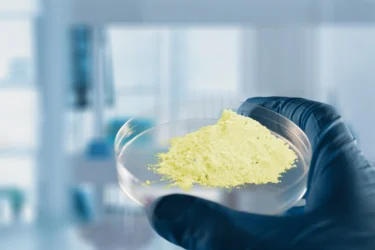
0Gandhak Rasayan is a herbal medicine, known as Moringa ovalifolia in various botanical sources. The formulations made from Gandhaka are referred to as Gandhaka Kalpas, where Gandhak in English refers to sulfur and Kalpas refers to medicinal preparation. It is used as a rejuvenator in Ayurveda, which promotes positive health and immunity. The increase in immunity helps the human body to resist various diseases. This property of Gandhak Rasayan also makes it a prophylactic agent (an agent that prevents disease) along with a therapeutic agent.
According to ancient scholars, it is known as “Balivas”, as the king of Bali uses this very attractive sulfur internally to gain more power. Also, if Gandhak is combined with mercury, it transforms into a substance capable of eliminating diseases, known as murcchita state. Thus, gandhak based preparation has widespread clinical use and therefore, holds an important place in ayurvedic pharmaceutics1,3.
The properties of Gandhak Rasayan are:
Gandhak Rasayan vati (tablet) and Gandhak Rasayan powder possess various health benefits. Some of its potential benefits are:

Clinical trials conducted by Sachin et al., 2017 to investigate the role of Gandhak Rasayan vati in Shushka Vicharchika (Eczema) exhibited good clinical improvement in terms of relieving individual symptoms as well as reducing the severity of the disease. Significant reduction in Daha, Kandu (itching), Ruja (sickness), and Sparshasahatva (burning sensation) was observed. Thus, it might be an effective solution for eczema6.

Gandhak Rasayan is considered a wide-spectrum antimicrobial agent with anti-fungal and anti-bacterial properties. Various physicians recommend Gandhak Rasayan vati for the treatment of fungal or viral infection because of its bigger zone of inhibition with fewer side effects and comparatively low cost. The clinical efficacy of Gandhak Rasayan in non-infective post-operative cases was assessed by Kadam et al., 2022. This study2 revealed that various microorganisms that presented resistance to certain tested antibiotics showed good susceptibility to the Gandhak Rasayan. Therefore, Gandhak Rasayan is a versatile ayurvedic medicine that has a wide range of health-benefiting effects.

In a case study, the patient suffering from kushta (Tinea corporis) was treated with Gandhaka Rasayan along with exterior and interior applications of a combination of various oils and vati for 14 days. It has antifungal and antibacterial qualities. It mostly influences Rakta Dhatu and results in Rakta shodhan (purification of blood). Due to its antifungal qualities, it aids in decreasing infection. Additionally, it functions as a rasayan and aids in digestion and skin complexion improvement. Skin problems are treated with sulfur both orally and topically5.

Vulvitis is the inflammation of the vulva (soft folds of skin outside the vagina) which can result either from injuries, infection, allergy, or irritants. Verma and his colleague, 2021 evaluated the efficacy of Gandhak Rasayan lotion mixed with Gomutra arka, suddha Tankan in an effective and palatable management of vulvitis. It was advised to apply lotion on the affected area after the bath for 10 minutes and wash with lukewarm Triphala. The treatment was continued for 15 days in two consecutive months. The results demonstrate a little reduction in the primary vulvitis symptoms and the patches of redness or swelling caused by vulvitis also effectively faded after therapy. Thus, concluding that Gandhak Rasayan may have some potential in the management of vulvitis7.

Gandhak Rasayan may also help in patients with complications such as ulcerative skin lesions over the legs, hands, and back. A similar case was treated with Gandhak Rasayan tablet (125mg), BD for 15 days, by Dr Dhodapkar in 2018. Patient with discharge and pruritis along with pedal oedema and ulcerative skin lesions. Gandhak Rasayan was prescribed for the reduction of infection and healing of skin lesions. It showed a significant reduction in oedema and partial healing of skin lesions in around 15 days8.
I recently read an article which says the use of Gandhak Rasayana may aid in relieving the symptoms of arthritis. Gandhak Rasayana is known for its rejuvenating and anti-inflammatory properties9.
Dr. Siddharth Gupta, B.A.M.S, M.D (Ayu)
Though there are studies that show the benefits of the herb in various conditions, these are insufficient and there is a need for further studies to establish the true extent of the benefits of Gandhak Rasayan on human health.
Gandhak Rasayan is used in tablet form for the management and potential treatment of various diseases8. It may also be used in the form of topical agents like lotions mixed with other herbal medicines to treat skin disorders7. Gandhak Rasayan is also used as a powder with different herbal juices2.
You must consult a qualified doctor before taking any herbal supplements. Do not discontinue or replace an ongoing treatment of modern medicine with an ayurvedic/herbal preparation without consulting a qualified doctor.
The most common Gandhak Rasayan side effects are loose stools, upset stomach, abdominal cramps, and bloating2. The histopathological analysis of rat models administered with repeated doses of Gandhak Rasayan showed mild hemorrhage in the Kidneys of rats along with mild fatty liver1.
In my experience, Gandhak Rasayana may be used to delay the premature greying of hair. Gandhak Rasayana has a proven rejuvenator property10.
Dr. Rajeev Singh, BAMS
Since there is insufficient information available on the safety and efficacy of Gandhak Rasayan during pregnancy and breastfeeding, it is best to avoid this rasayan in these groups2.
Though there is no information on the interaction of gandhak rasayan with other drugs, some medications should never be combined. If you’re using any other prescription or nonprescription (over-the-counter [OTC]) medication, consult your doctor before taking it.
Also Read: Kalmegh: Uses, Benefits, Side Effects, Precautions & More!
The side effects of Gandhak Rasayan include loose stool, abdominal cramps, upset stomach, and bloating. Fatty liver and kidney hemorrhage are also some other side effects reported in preclinical studies.
Gandhak Rasayan may help in relieving pain, managing diabetes, respiratory and skin disorders along treating allergies. It may also act as an appetizer and rejuvenator. Gandhak Rasayan may also help in building immunity and positive health.
It is mostly advised to avoid Gandhak Rasayan during pregnancy and lactation. One should always consult a medical health practitioner before taking any herbal drugs.
Gandhak Rasayan consists of sulfur, cow milk, cinnamon, amala, cardamom, patra, guduchi, vibhitaki, haritaki, shunto, and bringharaj along with sugar and water.
It is available as Gandhak Rasayan powder, which can be formulated as Gandhak Rasayan vati (tablet) and as a topical lotion for skin disorders.
Disclaimer: The information provided here is for educational/awareness purposes only and is not intended to be a substitute for medical treatment by a healthcare professional and should not be relied upon to diagnose or treat any medical condition. The reader should consult a registered medical practitioner to determine the appropriateness of the information and before consuming any medication. PharmEasy does not provide any guarantee or warranty (express or implied) regarding the accuracy, adequacy, completeness, legality, reliability or usefulness of the information; and disclaims any liability arising thereof.
Links and product recommendations in the information provided here are advertisements of third-party products available on the website. PharmEasy does not make any representation on the accuracy or suitability of such products/services. Advertisements do not influence the editorial decisions or content. The information in this blog is subject to change without notice. The authors and administrators reserve the right to modify, add, or remove content without notification. It is your responsibility to review this disclaimer regularly for any changes.
12
2“As long as we are not living in harmony with nature, we cannot expect ourselves to heal.” Have you ever heard about the miracle tree? The drumstick tree or Moringa, is called the miracle tree as every part of it benefits humans and animals. Due to this reason, In Sanskrit, the drumstick tree is called Shobhanjana, meaning auspicious. Other names for the drumstick tree include the horseradish tree (English), Sainjna or Saguna (Hindi) and Akshiva or Haritashaaka (Ayurveda). The scientific name of drumstick tree is Moringa oleifera and it is a member of the Moringaceae family. It is a fast-growing evergreen tree cultivated worldwide from India to Africa and numerous other arid and other tropical countries. The leaves, flowers, seeds and roots of the drumstick trees are edible and are used to prepare a variety of delicious recipes. This “tree of life” has various benefits; let us know more about the uses and benefits of drumstick tree leaves1.
Friendly Reminder: The information shared here is for educational purposes only and the reader should consult a registered medical practitioner before implementing any changes to their health routine.
The leaves of the drumstick tree are packed with the goodness of carbohydrates, proteins, fats, carotenoids, vitamins A and E and minerals like potassium, calcium, iron, magnesium, etc. The phytochemicals in drumstick tree include flavonoids, phenolic compounds, glucosinolates and carotenoids. The nutritional value of the drumstick plant per 100 grams is given below:
Based on my observations, I have found that different parts of the drumstick tree, including the leaves, pods, and roots, may possess pain-reducing properties. I recommend considering the use of drumstick as a natural remedy for pain relief7.
Dr. Siddharth Gupta, B.A.M.S, M.D (Ayu)
Drumstick tree shows numerous scientifically proven properties; some of which are mentioned below1:
Be careful when consuming Moringa leaves! They contain a high concentration of saponins, which can interfere with the absorption of important minerals like zinc and magnesium. It is important to be mindful of this potential risk and monitor your Moringa leaves intake8.
Dr. Smita Barode, B.A.M.S, M.S.
Some of the potential benefits of the Drumstick tree are described below:

Cancers of the colon and rectum are the third most lethal cancers affecting both males and females equally. Asmari et al. conducted a review in 2015 stating that Drumstick tree halts the abnormal multiplication of colorectal cells and inhibits the formation and progression of cancer cells2. This effect is attributed due to the presence of eugenol, a polyphenol present in drumstick leaves. This indicates that the consumption of drumsticks may help manage colorectal cancers. Also, the presence of carotenoids and flavonoids may help in exerting a protective effect against cancers. However, to claim these results in humans, we need more studies. Additionally, it is advised to consult a physician for the proper management of colorectal cancer and not consider usage of drumstick trees as a remedy for cancers.

High blood pressure or hypertension is a condition in which blood flows through the arteries at very high pressure. Direk et al. conducted an animal study3 in 2019 stating drumstick consumption helps in relaxing the arteries and thus helps reduce blood pressure. This states that drumsticks may have the potential to manage hypertension. However, we need more human trials to claim these effects with greater reliability. It is better to take a professional opinion if you suffer from high blood pressure instead of self-medicating.
Colitis is a condition characterised by inflammation and ulceration in the digestive tract. A review4 by Mohsen et al. done in 2014 states that drumsticks may have the potential to manage colitis by reducing inflammation and ulcers. This effect is attributed to the presence of polyphenols which exert anti-inflammatory and antioxidant properties. Thus, it may be concluded that drumsticks may have the potential to manage colitis. However, we need more human studies to claim these results with greater reliability. Additionally, it is always advised to consult a physician for the proper management of colitis and not rely on self-medication with the drumstick tree.
Medicinal plants like the drumstick tree are coming into the limelight as antibacterial agents. Abalaka et al. conducted a study5 in 2012 to test the efficacy of the drumstick trees on different bacteria like E.coli, H.pylori, S.typhi, K.pneumonia, etc. A plant-based chemical called glucosinolate present in the leaves of this tree inhibits the growth of these bacteria; thus drumstick leaves may have the potential to manage bacterial infections caused by the above-mentioned bacteria and help in managing infections like urinary tract infections, typhoid, pneumonia, etc. However, we need more studies to confirm these results in humans. It is recommended to avoid self-medication and consult your physician for the proper management of any bacterial infection.
Diabetes (Type I & II) is a metabolic disorder characterised by an increase in blood glucose due to decreased production or resistance of a hormone called insulin which regulates blood glucose. A review1 conducted by Piyush et al. in 2022 stated that the drumstick tree might have the potential to decrease blood glucose levels. This effect is attributed to polyphenols that inhibit enzymes that break down carbohydrates into simpler sugars and increase blood glucose. Additionally, the antioxidant effect plays an important role in reducing the increased blood glucose. Therefore, the leaves of drumstick tree may have the potential to manage diabetes. However, it is advised not to generalise these results in the management of diabetes. To claim these results and apply them in humans, we need more studies. In addition, you should consult your physician for the proper management of diabetes and not rely on self-medication.

Though there are studies that show the benefits of Drumstick tree in various conditions, these are insufficient and there is a need for further studies to establish the true extent of the benefits of drumstick tree on human health.
I highly recommend incorporating drumstick tree extracts into your diet, as it might be an exceptional source of vitamin A. This essential nutrient has the potential to safeguard your eye health and stave off deficiencies. Including drumsticks in your meals, especially for your children, is a great step towards maintaining optimal vision and promoting eye health7.
Dr. Rajeev Singh, BAMS
You must consult a qualified doctor before taking any herbal supplements. Do not discontinue or replace an ongoing treatment of modern medicine with an ayurvedic/herbal preparation without consulting a qualified doctor.
Also Read: Pancharishta: Uses, Benefits and Side Effects By Dr. Rajeev Singh
A review1 by George et al. in 2016 stated that drumstick contains high metallic content which can be toxic to humans. Therefore, excessive consumption of drumsticks should be avoided.
However, if you experience any adverse reactions to the drumstick tree, it is advised to discontinue its intake and immediately contact a doctor or your Ayurvedic physician who has prescribed it. They will be able to guide you appropriately for your symptoms.
Also Read: Banana Leaf: Uses, Benefits, Side Effects By Dr. Smita Barode
Consuming Drumstick tree is okay if taken in moderate amounts. However, general precautions must be followed in the following conditions1:
However, you must always seek the advice of your Ayurvedic physician about the possible interaction of Drumstick tree with other drugs and follow the prescription thoroughly, as they will know your health condition and other medications you are taking.
The scientific name of the drumstick tree is Moringa oleifera and it is a member of the Moringaceae family1.
The drumstick tree is called the miracle tree1.
In Hindi, the drumstick tree is called as Sainjna or Saguna.
Yes, intake of the leaves of the Drumstick tree may help in weight loss.
There is no study stating benefits of drumstick leaves to manage jaundice.
Disclaimer: The information provided here is for educational/awareness purposes only and is not intended to be a substitute for medical treatment by a healthcare professional and should not be relied upon to diagnose or treat any medical condition. The reader should consult a registered medical practitioner to determine the appropriateness of the information and before consuming any medication. PharmEasy does not provide any guarantee or warranty (express or implied) regarding the accuracy, adequacy, completeness, legality, reliability or usefulness of the information; and disclaims any liability arising thereof.
Links and product recommendations in the information provided here are advertisements of third-party products available on the website. PharmEasy does not make any representation on the accuracy or suitability of such products/services. Advertisements do not influence the editorial decisions or content. The information in this blog is subject to change without notice. The authors and administrators reserve the right to modify, add, or remove content without notification. It is your responsibility to review this disclaimer regularly for any changes.
4
0