
Cinnamon is more than just a fragrant spice it has long been valued in traditional practices for its potential health benefits1. Cinnamon is obtained from the bark of Cinnamomum verum or Cinnamon cassia tree, which belongs to the Lauraceae family1,2. Once upon a time, it was considered more valuable than gold. This spice has a pleasant flavour and warm smell that has made it popular in cooking, making perfumes, and for medicinal purposes1. It is one of the most popular medicinal spices used since ancient times2. It may also be used to help manage conditions like Alzheimer’s and Parkinson’s disease1.
Cinnamon is a delicious spice, and modern science has now confirmed what people have instinctively known for ages. Just one tablespoon of ground cinnamon contains fibre and a small amount of calcium, along with vitamins A, K, and certain B vitamins, plus antioxidants. Here are 10 health benefits of cinnamon that are supported by scientific research.

Cinnamaldehyde, the main active compound in cinnamon, is found in cinnamon oil extracted from the bark of the tree. It may have antibacterial, antiviral, and antifungal properties that could help the body fight certain infections. It may help inhibit certain bacteria like Salmonella and also manage respiratory infections or oral infections caused by fungi like Candida albicans3,7.
Did you know that it’s a natural anticoagulant? Cinnamon contains a compound called cinnamaldehyde, which has been found to have anticoagulant properties16.
Dr. Siddharth Gupta, B.A.M.S, M.D (Ayu)

Antioxidants can reduce oxidative stress that has been found to damage cells and contribute to nearly every metabolic disorder or age-related syndrome. Various studies have examined the antioxidant properties of cinnamon, which are linked to its bioactive compounds such as cinnamaldehyde, eugenol, linalool, and different extracts (including ether, methanolic, and aqueous forms). Because of its strong antioxidant capacity, cinnamon may even be helpful as a natural food preservative1.

Cinnamon is known for its anti-inflammatory and anti-analgesic properties. The Cinnamaldehyde and eugenol in it help to reduce the inflammation and pain. Various studies on properties of cinnamon stated that its anti-oxidant and anti-inflammatory properties help reduce inflammation and oxidative stress. Cinnamon oil may also be useful in managing joint pain and inflammation in conditions like rheumatoid arthritis and osteoarthritis. Cinnamon is also known for its antispasmodic activity, hence it may be useful in treating muscle pain, menstrual pain and joint pain8.
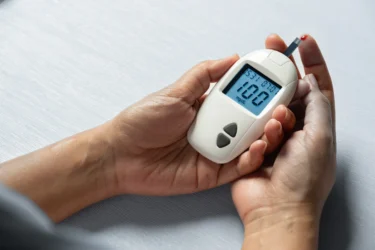
Insulin is an important hormone that can control your blood sugar levels and regulate the metabolism. A study conducted in 1990 extracted one substance from cinnamon, which was named as “insulin-potentiating factor” due to its properties. In another recent study, the consumption of 5, 10, and 20 mg/kg of cinnamon improved insulin secretions and helped to regulate blood sugar levels in patients with diabetes1. However, diabetes is a serious disorder and you should consult your healthcare professional before taking any new herbs.
Drinking cinnamon tea after dinner might help in reducing your blood sugar levels at night, leading to better metabolic health, avoiding the occurrence of metabolic diseases, and even supporting weight loss. The active compounds in cinnamon help regulate blood sugar by improving insulin sensitivity.
Dr. Smita Barode, B.A.M.S, M.S.
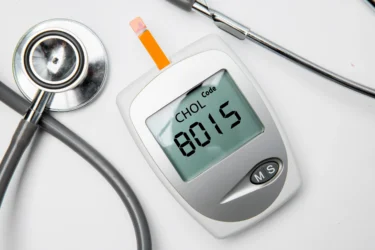
Cinnamon contains the compounds cinnamate, cinnamaldehyde, eugenol and cinnamic acid, which may increase the breakdown of cholesterol, thus reducing the number of fatty acids in the blood. In one study9, taking 1, 3, and 6 g of cinnamon per day decreased serum glucose levels and LDL cholesterol, triglyceride, and total cholesterol levels in the blood1. Thus, it may be able to protect the heart by reducing risk factors for the cardiovascular system9. Although cinnamon may be able to reduce cholesterol levels, you should always consult your doctor before starting any new herbs.

Studies have found that the short-term consumption of cinnamon is associated with reduction in blood pressure in individuals with prediabetes or type 2 diabetes9. However, consult your doctor before consuming it to avoid side effects.

Cinnamon has anti-cancerous properties due to the presence of cinnamaldehyde, which inhibits the growth of cancer cells and prevents the formation of blood vessels in tumours. A study1 done on mice with colon cancer showed that extracts of cinnamon and cardamom increase the effect of an antioxidant and detoxifying enzyme that can reduce the oxidative damage caused to fat molecules in the body.

Cinnamon is sometimes used in home remedies for acne because of its anti-inflammatory and antimicrobial properties. It may help reduce the growth of acne-causing bacteria. To make an acne mask, combine two tablespoons of honey with a tablespoon of ground cinnamon to form a paste. Leave it on your skin for 10 to 15 minutes, then wash it off. This remedy may be tried 2–3 times a week, and the frequency can be adjusted depending on how your skin responds10.

Cinnamon has been used since ancient times to help manage certain dental problems. It may support oral health by reducing bacteria in the mouth, freshening breath, and possibly lowering the risk of tooth decay. Some studies also suggest that cinnamon powder may provide relief from tooth pain1. Always consult a dentist to avoid risks from untreated dental issues.

Cinnamon has been studied for its potential neuroprotective properties, which may support nerve cells (neurons) and motor function. Research suggests that certain compounds in cinnamon might help reduce the build-up of tau protein in the brain, a change commonly seen in Alzheimer’s disease. In another study, sodium benzoate found in cinnamon may regulate the neurotropic factors in the brain, which may be useful in managing Parkinson’s disease1.
Cinnamon isn’t just a tasty spice, it also may have incredible benefits for uterine health!! It contains a compound called cinnamaldehyde, which has been shown to have anti-inflammatory properties and can help increase blood flow to the uterus. Additionally, cinnamaldehyde can stimulate the production of collagen, a protein that is essential for tissue regeneration16.
Dr. Rajeev Singh, BAMS

Originally, cinnamon was obtained from the bark of the Ceylon cinnamon tree. This cinnamon is now known as true cinnamon. In modern times, Cassia cinnamon has become the more commonly available variety, as it is cultivated on a larger scale across multiple regions. This Chinese variety is the one you are most likely to find in stores and supermarkets.
Ceylon cinnamon, grown primarily in Sri Lanka, has a lower cinnamaldehyde content, giving it a milder flavour that is highly valued in desserts. It is also more expensive and harder to find than Cassia cinnamon.
The main advantage of Ceylon cinnamon over Cassia is its very low coumarin content. Coumarin is a plant compound that can be harmful in large amounts, but Ceylon contains much smaller levels. While both types of cinnamon offer potential benefits, Ceylon is generally considered the safer choice3,4.
Also Read: 10 Health Benefits of Giloy – The Ultimate Immunity Booster
Cinnamon can be taken at a dose of 1-6g depending on body weight11. You can prepare it by boiling cinnamon sticks, bark, or powder in water, letting it cool, and drinking the water on an empty stomach. Cinnamon is also widely available commercially and can be used in desserts, curry masalas, and other dishes. Additionally, it can be applied topically, for example, as a cinnamon and honey mask for acne.
Cinnamon is generally safe when consumed in moderate amounts. However, prolonged or excessive use may cause allergic reactions or gastrointestinal discomfort. Topical application can sometimes lead to rashes, inflammation, or skin irritation3. If you notice any symptoms after eating cinnamon, it is important to visit a doctor immediately.
You should consult a doctor and consume cinnamon only after confirming it is safe for you. This is especially important if you are pregnant, breastfeeding, or have a medical condition such as liver disease3. There is currently no data on the effects of cinnamon in children and infants, so it is essential to seek medical advice before giving it to them.
Cinnamon might interact with some medicines like anticancer drugs or nicotine3. You should consult a doctor before taking cinnamon, especially if you are on medications.
Also Read: Citronella: Uses, Benefits, Side Effects & More!
Cinnamon has traditionally been used to support the management of various health conditions, including diabetes, Alzheimer’s, and Parkinson’s disease. It is also known for its antimicrobial and anti-inflammatory properties and may help maintain healthy cholesterol and blood pressure levels, which can support heart health. Consuming moderate amounts of cinnamon is generally considered safe, but its excessive use should be avoided. It is recommended to consult your doctor before using cinnamon to prevent any potential complications.
Also Read: Cinnamon (Dalchini): Uses, Side Effects, Precautions & More!
Research indicates that cinnamon supplementation may lead to a modest reduction in body weight and body mass index, especially at doses of 3 grams per day or higher.
Yes, taking cinnamon in your day-to-day diet is safe. But, taking higher amounts may lead to side effects.
Yes, cinnamon may help reduce blood sugar levels, but avoid taking it with diabetes medication as this could cause blood sugar levels to drop too much. Always consult your doctor for the appropriate use and dose of cinnamon.
Cinnamon may help in weight management and improving blood circulation to the uterus. This may make it useful in the management of PCOS.
Ceylon cinnamon is considered a healthier option and is associated with various potential health benefits. It is more expensive because it is the pure form of cinnamon available in the market.
Disclaimer: The information provided here is for educational/awareness purposes only and is not intended to be a substitute for medical treatment by a healthcare professional and should not be relied upon to diagnose or treat any medical condition. The reader should consult a registered medical practitioner to determine the appropriateness of the information and before consuming any medication. PharmEasy does not provide any guarantee or warranty (express or implied) regarding the accuracy, adequacy, completeness, legality, reliability, or usefulness of the information; and disclaims any liability arising thereof.
Links and product recommendations in the information provided here are advertisements of third-party products available on the website. PharmEasy does not make any representation on the accuracy or suitability of such products/services. Advertisements do not influence the editorial decisions or content. The information in this blog is subject to change without notice. The authors and administrators reserve the right to modify, add, or remove content without notification. It is your responsibility to review this disclaimer regularly for any changes.
 273
273  4
4


