
Varicose veins, also known as spider veins, varicose or varicosities, are twisted or enlarged veins, occurring mainly in the legs. Varicose veins occur when the veins become dilated, enlarged and overfilled with blood. They tend to be bluish purple or red in colour. Varicose veins is a common condition, especially among women. Around 25 to 30 per cent of adults suffer from varicose veins, especially in the lower legs1.
Regular veins have one-way valves that are designed to block blood from flowing backwards. When regular valves fail to perform as they are supposed to, blood begins to collect in the veins rather than continuing toward your heart. This causes the veins to enlarge. Varicose veins mostly occur in the lower leg area because these veins are the farthest from the heart with gravity making it more difficult for the blood to flow upwards2.
With blood accumulating in your veins, varicose may cause discomfort, inflammation and pain in the affected area. So, this condition requires proper diagnosis and management. However, in addition to that, your doctor may recommend certain changes in diet and food to help you temporarily deal with the discomfort.
Some of the food habit changes and additions you can inculcate in your diet are as follows:
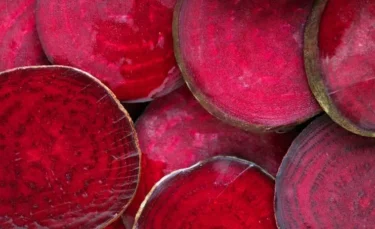
Beetroots contain a naturally occurring compound called betacyanin. This compound is what majorly contributes to the red colour of beets. Betacyanin is a phytochemical compound that lowers the levels of homocysteine (an amino acid that forms proteins) in the body3. Having high levels of homocysteine can damage blood vessels and lead to blood clots4. Thus, beets can help improve the condition of varicose veins.
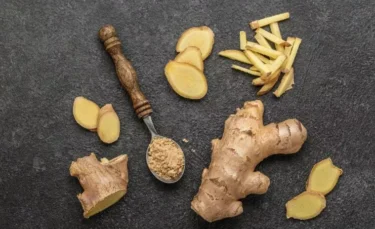
For many centuries, ginger has been used in Indian households as a spice as well as for its medicinal properties. It may help deal with the symptoms of varicose because it aids in increasing blood circulation and dissolving fibrin in the blood vessels5.
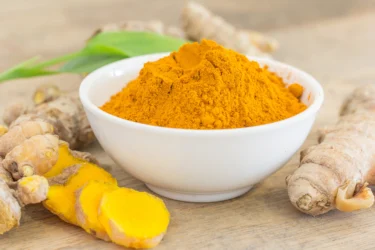
Since ancient times, turmeric has been used in Ayurvedic and traditional Chinese medicine to unclog blood vessels and promote effective blood circulation. Curcumin, an active ingredient in turmeric, increases the production of nitric oxide, which in turn facilitates better blood flow and circulation6
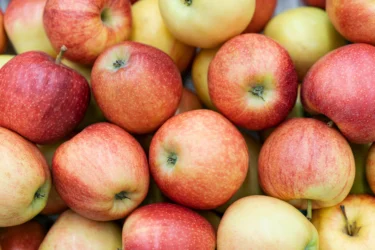
Fruits like apples, bananas and pears are high in fibre content. High fibre fruits lower the chances of inflammation and help with your overall health. Apples are high in rutin, a powerful antioxidant compound that helps to keep veins healthy.

Red and purple grapes are loaded with flavonoids and vitamins along with oligomeric proanthocyanidins, also known as OPCs, which some researchers believe could lessen vein and leg swelling8.

Like apples, cherries are loaded with rutin. Rutin is a flavonoid that helps lower cholesterol and blood pressure, as well as keep your veins healthy. In addition, this flavonoid is also anti-inflammatory, an excellent source of antioxidants and lowers the chance of blood clots9.
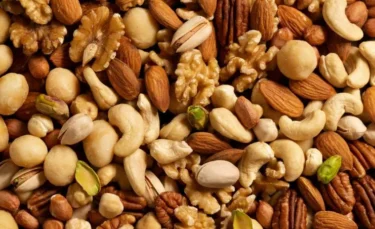
Nuts are rich in niacin and vitamin B3, which are essential nutrients for blood flow and help improve blood circulation10. Hemp, sunflower, flax and chia seeds are some foods rich in omega 3 fatty acids and fibre. They are also a good source of anti-inflammatory proteins that help in removing cholesterol and promoting blood flow quality11.
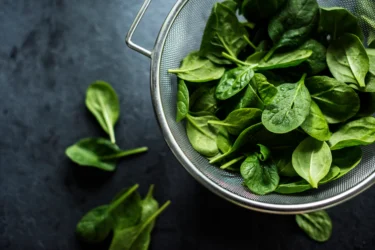
Leafy green vegetables such as kale and lettuce are excellent sources of magnesium, a mineral that plays a key role when it comes to managing blood circulation and blood flow12.
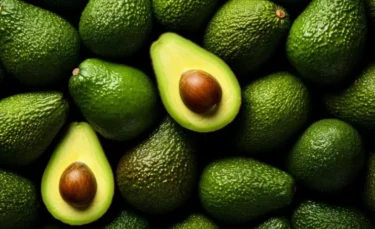
Some fats are good for your health and your veins, such as the fats found in avocado13. Avocados are also a great source of vitamins C and E, potassium and magnesium, overall helping in improved blood circulation.

Cinnamon is a powerful spice known for regulating blood sugar levels and insulin resistance in type 2 diabetes. Other benefits of cinnamon include the ability to increase blood flow and promote circulation. Cinnamon helps blood vessels to dilate and widen, which makes it easier for blood to flow throughout your body5.
While in traditional medicine, these foods have been recommended to be beneficial for varicose veins, there is limited scientific evidence to support their use. Nonetheless, they are worth a try. However, please remember that these should only be an adjunct to medical therapy and never a replacement. Also, if you have any other medical issue like diabetes, it’s best to discuss with your doctor before including any new food item in your routine diet.
Flavonoid-rich diets such as green leafy vegetables and grapes may aid in the reduction of varicose veins in some people. Flavonoids may increase blood flow, stopping the blood from pooling in the veins and aiding in its movement. They may also relax blood vessels and lower the blood pressure in the arteries, which may lessen the occurrence of varicose veins16.
Dr. Siddharth Gupta, B.A.M.S, M.D (Ayu)
The following list of foods to be avoided with varicose veins14,15:
Researchers have found that grape seed extract from the plant Vitis vinifera may help relieve swelling in the lower legs and other symptoms of varicose veins. However, I suggest grape seed extract should be taken only after the recommendation from the doctor as it may interact with some drugs like blood thinners17.
Dr. Rajeev Singh, BAMS
When it comes to varicose veins, it is best to consume homemade food items with the above ingredients. You must follow a healthy diet that is per your doctor’s suggestions and body needs. Here are some interesting recipes you may try on:
Also Read: Thinking About the Pegan Diet? Here’s What You Should Know
Blood vessels transport blood throughout the body, their health is essential for proper blood flow and overall circulation. Although medical treatment remains the cornerstone of management of blood vessel conditions like varicose veins, it’s a good idea to include food items that are beneficial for proper blood flow and avoid those that may harm. When you eat healthy foods and indulge in exercises that improve circulation, you are allowing your cardiovascular health to remain healthy and lessen your risk of problems like varicose veins.
Varicose veins are caused by increased blood flow towards the veins of the legs. The blood moves towards the heart by one-way valves in the veins. When the valves become weakened or damaged, blood can collect in the veins, causing them to swell.
If varicose veins are left untreated, the veins continue to get more damaged and there is increased pain and swelling. It may further lead to soreness and ulceration of the skin.
Some healthcare professionals believe it could be because you experienced an injury to that side of the body which caused damage to the veins or the valves of the veins.
According to some specialists, in very extreme cases, varicose veins might affect the arterial system of the heart, but this generally does not happen.
Disclaimer: The information provided here is for educational/awareness purposes only and is not intended to be a substitute for medical treatment by a healthcare professional and should not be relied upon to diagnose or treat any medical condition. The reader should consult a registered medical practitioner to determine the appropriateness of the information and before consuming any medication. PharmEasy does not provide any guarantee or warranty (express or implied) regarding the accuracy, adequacy, completeness, legality, reliability or usefulness of the information; and disclaims any liability arising thereof.
Links and product recommendations in the information provided here are advertisements of third-party products available on the website. PharmEasy does not make any representation on the accuracy or suitability of such products/services. Advertisements do not influence the editorial decisions or content. The information in this blog is subject to change without notice. The authors and administrators reserve the right to modify, add, or remove content without notification. It is your responsibility to review this disclaimer regularly for any changes.
 28
28  1
1The current societal environment is marked by a changing perception of beauty, which can largely be attributed to advertising and media portrayals of an ‘ideal’ body type. This often pressurises vulnerable young people to fit into a ‘society-approved’ mould.
Losing weight and attaining an ideal body type feature prominently on most people’s to-do lists, whether as a New Year’s resolution or while planning for a big event or holidays. While maintaining a healthy weight is important for long-term health, the diet industry thrives on people’s desire for rapid weight loss, often promoting quick results over healthier approaches.
What we fail to realise is that extreme diets can pose many health risks. There are no true shortcuts to healthy weight loss, which is best achieved through a balanced diet, regular physical activity, and healthy lifestyle habits1.
In the quest to lose weight quickly and easily, most people tend to go on an extreme diet. This usually involves reducing their calorie intake substantially to lose a lot of weight in a short period, which essentially pushes the body beyond its healthy limits.
As a general guide, men typically need around 2500 calories a day and women about 2000 calories a day, depending on their age and activity levels. Individuals with obesity may be recommended a calorie-controlled diet to achieve a healthy weight, but this should be ideally planned under a doctor’s or dietitian’s supervision. Many dietitians advise gradual weight loss of about one or two pounds a week. Losing weight faster than this through dieting is generally considered extreme dieting2.
While extreme dieting may have the desired effect of rapid weight loss, it is often associated with many potential health risks due to severe calorie restriction and limited food variety. Extreme dieting may not be sustainable as it may lead to an increased risk of disordered eating behaviours like binge eating and an unhealthy relationship with food. If you are considering an extreme diet, you should ensure that you have a full understanding of the possible health risks and side effects of reducing calorie intake and restricting your food choices3.
In my experience and research, I advise against extreme dieting, especially for young individuals. In a study, it was found that self-led extreme dieting actually led to more weight gain over time. Instead, focus on adopting balanced and healthy eating habits to maintain a healthy weight in the long term.
Dr. Rajeev Singh, BAMS
Extreme diets yield extreme results but not always in the way you would like. They are more likely to make you feel fatigued, moody, nauseous, or irritable. They may also lead to electrolyte imbalance, reduced immunity, hair loss, and digestive issues like bloating and constipation4,6. In the long term, they can set you up for metabolism problems, rebound weight gain and life-threatening medical conditions. The following is a breakdown of the changes that happen in your body when you follow extreme diets like completely eliminating carbohydrates, following a liquid-only diet, or severely calorie-restricted diet.

The immediate ‘success’ of a crash diet is just an illusion, as any pounds that are lost most likely come from water rather than body fat. When on a restricted-calorie or carbohydrate intake, the first source of energy the body burns, long before fat, is glycogen. Glycogen, a form of carbohydrate stored in the liver and muscles, is bound to water, so its depletion leads to significant fluid loss. As a result, dehydration may occur, with symptoms like headache, fatigue, and dizziness7.
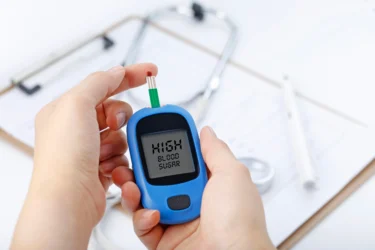
Since extreme diets may be associated with yo-yoing or gaining back all of the weight that was lost on a diet, they may contribute to insulin resistance and potentially type 2 diabetes8.
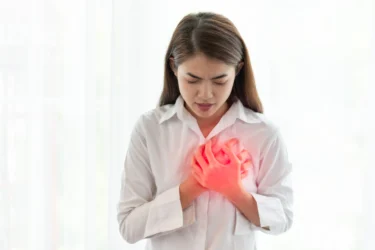
Malnutrition and extreme diets are deeply connected. Malnutrition can lead to the atrophy of muscles throughout the body, leading to muscle wasting. If weight loss is extremely fast, the muscles of the heart can atrophy. Extremely low-calorie liquid diets, for instance, have been linked to ventricular arrhythmias and death. A weakened heart is a serious problem that can be life-threatening2,9.
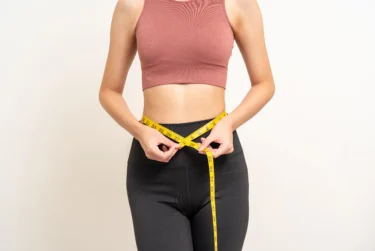
When one is following extreme diets, the body experiences a calorie deficit and energy levels drop, metabolism will naturally slow to conserve energy. This can stall weight loss and lead to the loss of muscle tone

In the case of extreme diets, severe diet restriction leads to many nutrient deficiencies such as carbohydrates, proteins, vitamins (especially vitamins A, D, E, and K) and minerals like calcium, phosphorus, and sodium. These are essential food groups, and their deficiency can cause numerous health conditions10.
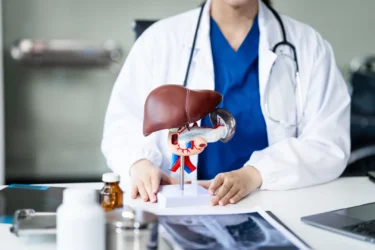
Losing weight very quickly, especially by following extremely low-calorie diets, may lead to the release of more cholesterol into the bile and incomplete emptying of the gallbladder, both of which can increase the chances of developing gallstones11.
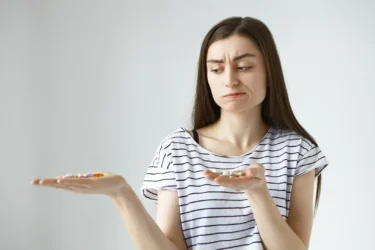
Severe reduction in calorie intake may affect the function of key hormones such as leptin, thyroid hormone (triiodothyronine or T3), testosterone, and oestrogen (estradiol), which are involved in appetite control, metabolism, and reproductive health. This may contribute to symptoms such as irregular periods, reduced fertility, low energy levels, and changes in mood5.

Severely restricted and long-term dieting or rapid weight loss can disturb the body’s natural hormone balance, which plays an important role in regulating the menstrual cycle. This makes the body reduce the hormone production needed for regular periods. As a result, menstrual cycles may become irregular, delayed, or stop completely for some time, leading to the absence of periods (amenorrhoea)5,12.
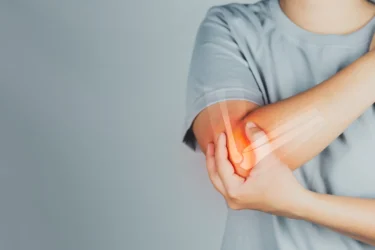
Following a restricted diet for a long timemay reduce the availability of calcium and vitamin D in the body, potentially leading to weakened bones and increasing fracture risk13.
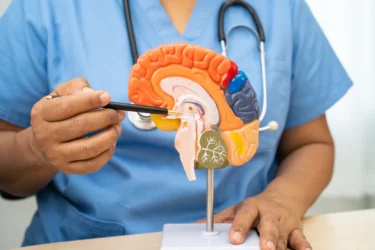
According to research published in The Journal of Neuroscience, extreme diets or crash diets, even if they contain an adequate supply of carbohydrates, increase the levels of the stress hormone corticosterone in the brain, making it more susceptible to stress, increasing the risk of depression and potentially increasing the risk of future binge-eating behaviours14.
Based on what I’ve seen in adults, chronic dieting can lead to various symptoms such as constantly thinking about food, feeling easily distracted and irritable, experiencing fatigue, and having a tendency to overeat or even binge eat. The mechanism behind this is that restrictive dieting can put the body in a state of deprivation, leading to increased cravings and a heightened focus on food.
Dr. Siddharth Gupta, B.A.M.S, M.D (Ayu)
If you have been fasting for a long time or are on a low-calorie diet and experience the following symptoms, you should consult a doctor at the earliest:
While extreme diets may seem tempting because they promise fast results, they often place unnecessary stress on the body and can be difficult to sustain. In contrast, choosing a healthy approach to weight loss supports the body’s natural processes and reduces the risk of side effects such as weakness, nutrient deficiencies, and hormonal imbalance. A steady, well-planned approach seems to be the best way to lose weight as it helps the body adapt safely to changes in diet and activity.
Healthy weight loss focuses on balanced meals, regular physical activity, and realistic goals that fit into everyday life. This method helps preserve muscle, maintain energy levels, and support overall physical and mental wellbeing. Although progress may be slower, healthy weight loss is more sustainable and increases the chances of maintaining results in the long term.
Extreme diets may lead to quick weight loss, but they often place significant strain on the body and increase the risk of both short- and long-term health problems. A healthier approach that focuses on balanced nutrition, regular physical activity, and gradual weight loss is safer and more sustainable in the long term. If you are concerned about your weight or eating habits or need advice on how to safely diet and lose weight, seek guidance from a dietitian or doctor.
Disclaimer: The information provided here is for educational/awareness purposes only and is not intended to be a substitute for medical treatment by a healthcare professional and should not be relied upon to diagnose or treat any medical condition. The reader should consult a registered medical practitioner to determine the appropriateness of the information and before consuming any medication. PharmEasy does not provide any guarantee or warranty (express or implied) regarding the accuracy, adequacy, completeness, legality, reliability or usefulness of the information and disclaims any liability arising thereof.
Links and product recommendations in the information provided here are advertisements of third-party products available on the website. PharmEasy does not make any representation on the accuracy or suitability of such products/services. Advertisements do not influence the editorial decisions or content. The information in this blog is subject to change without notice. The authors and administrators reserve the right to modify, add, or remove content without notification. It is your responsibility to review this disclaimer regularly for any changes.
5
2


