Triphala Guggulu: Uses, Benefits, Side Effects & More!
Introduction
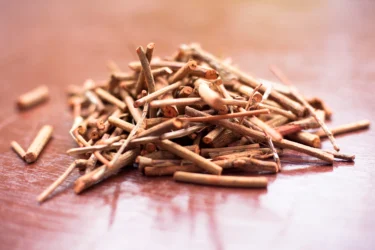
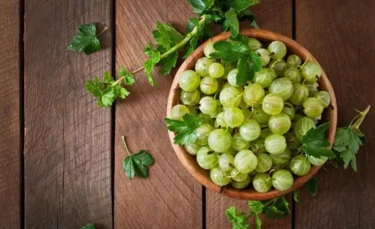
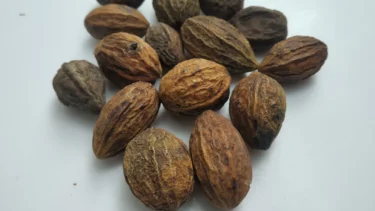
Triphala Guggulu is a traditional polyherbal formulation as per the Ayurvedic system of medicine. It is composed of resin of guggul (Commiphora wightii), long pepper (Piper longum), and Triphala (fruits of Phyllanthus emblica L., Terminalia chebula Retz, and Terminalia bellirica)1. Triphala is a well-recognized polyherbal medicine classified as the tridoshic rasayan.
The Triphala formulation contains the fruits Amalakior the Indian Gooseberry, Bibhitaki, and Haritaki of the three plants2. Triphala Guggulu is one of the most widely used among the other Guggulu formulations3.Phytochemical screening of Triphala Guggulu shows the presence of glycosides, alkaloids, saponins, flavonoids, tannins, and steroids4.
Nutritional Value of Triphala Guggulu
Apart from various phytochemicals, phytochemical screening showed the presence of carbohydrates, proteins, and amino acids in Triphala Guggulu4.
Did you know?
Triphala Guggulu has been found to be effective in reducing body weight and body mass index (BMI). source: ncbi.nlm.nih.gov
Triphala Guggulu has shown significant improvement in lipid profile parameters, such as total cholesterol, triglycerides, and LDL cholesterol. source: ncbi.nlm.nih.gov
Triphala Guggulu has been found to have anti-inflammatory and antioxidant properties. source: ncbi.nlm.nih.gov
Triphala Guggulu has been used in traditional medicine for the treatment of rheumatoid arthritis. source: ncbi.nlm.nih.gov
Triphala Guggulu has shown the potential to reduce pain and inflammation in osteoarthritis. source: ncbi.nlm.nih.gov
Uses of Triphala Guggulu
The uses of Triphala Guggulu are as follows:
Triphala Guggulu is used in managing inflammatory conditions, hyperglycemia, oxidative stress, and hypolipidemia5.
Triphala Guggulu is widely used in managing Vatarakta(gout), Bhagandar(fistula), Kushtha(leprosy), Vranaropana(wound healing), Pakvavidradhi(abscess), Gandamala(goitre), and Asthibhagna(fracture)4.
Did you know Triphala Guggulu might aid in dental problems as well? Due to its anti-bacterial nature, Triphala Guggulu may be used for dental diseases such as swollen gums, cavities, and bleeding gums9.
Oral administration of Triphala Guggulu helps to heal wounds fast.
It also leads to a reduction in pain associated with the wound.
It can be a potential drug for wound healing due to its safety and cost-effectiveness6.
2. Benefits of Triphala Guggulu in Piles
Guggulu has anti-inflammatory benefits.
It helps in healing the inflammation of the fistula.
Triphala is beneficial in relieving constipation, a problem associated with hemorrhoids.
In addition, Piper longum aids in the digestion and assimilation of food nutrients7.
Though there are benefits associated with the use of Triphala Guggulu, it should not be used as an alternative to conventional therapy.
3. Benefits of Triphala Guggulu in Managing Constipation
Triphala found in Triphala Guggulu helps in facilitating bowel movements and relieving constipation7.
4. Benefits of Triphala Guggulu in Managing Diabetic Macular Oedema
Diabetic macular edema is a common cause of visual impairment in diabetic patients.
Oral administration of Triphala Guggulu could show improvement in the thickness of the retina and visual acuity5.
5. Benefits of Triphala Guggulu in Managing Arthritis
Triphala Guggulu is a Guggulu-based formulation beneficial in acute arthritis.
The anti-arthritic activity of Triphala Guggulu is attributed to its anti-inflammatory activity.
A study found that it also acts by inhibiting the enzymes that get activated in arthritis, namely hyaluronidase and collagenase8.
Triphala Guggulu might be used as an useful remedy of choice for cancer! This herbal medicine might offer a natural solution for cancer with its antioxidant nature10.
Triphala Guggulu can be taken with warm water. However, it should be used on the advice of an Ayurvedic doctor. The Ayurvedic doctor will prescribe you the dose and form based on the diagnosis.
Triphala Guggulu should not be used during pregnancy.
Triphala Guggulu is contraindicated in chronic and recurrent diarrhoea.
Triphala Guggulu should be avoided during the breastfeeding period as there is a lack of data to support its safety . Use it only after consulting with an Ayurvedic doctor.
Other than its anti-inflammatory nature, Triphala Guggulu has anti-oxidant characteristics as well. This makes Triphala Guggulu a potential medicine of choice for diseases like Atherosclerosis, Alzheimer’s disease, stroke and diabetes10.
There is a lack of sufficient data regarding the interaction of Triphala Guggulu with other drugs. Therefore, you must talk to a doctor about its usage if you are using any other medication or supplement.
Exploring the Potential of Triphala Guggulu in ear discharge treatment. It is believed that due to its anti-inflammatory properties, Triphala Guggulu may aid in the treatment of ear discharge (medically known as Chronic Suppurative Otitis Media)11.
Triphala Guggulu is an Ayurvedic formulation composed of Triphala and Guggulu1.
What are the herbs used in Triphala Guggulu?
Triphala Guggulu is composed of resin of guggulu (Commiphora wightii), long pepper (Piper longum) and Triphala (fruits of Phyllanthus emblica L., Terminalia chebula Retz, and Terminalia bellirica)1.
What are uses of Triphala Guggulu?
Triphala Guggulu has uses in managing inflammatory conditions, oxidative stress hyperglycemia, and hypolipidemia5. Triphala Guggulu is widely used to manage Vatarakta (gout), Bhagandar (fistula), Gandamala (goitre), Vranaropana (wound healing), Kushtha (leprosy), Pakvavidradhi (abscess), and Asthibhagna (fractures)4.
Is Triphala Guggulu helpful in piles?
Triphala Guggulu is beneficial in piles as it has anti-inflammatory properties. It helps in healing the inflammation of the fistula. Triphala is beneficial in relieving constipation, a problem associated with haemorrhoids. Piper longum aids in the digestion and assimilation of food nutrients7. Though there are benefits associated with the use of Triphala Guggulu, it should not be used as an alternative to conventional therapy.
Is Triphala Guggulu safe during pregnancy?
Triphala Guggulu is not to be used during pregnancy. Consult your doctor if you feel the need to use Triphala Guggulu. They will suggest an alternative based on your condition.
What are the precautions to be taken with Triphala Guggulu?
Triphala Guggulu is not to be used during pregnancy and in chronic and recurrent diarrhoea. There is a lack of sufficient data to support the use of Triphala Guggulu during the breastfeeding period, so it should be avoided. Use it after consulting an Ayurvedic physician.
How can I use Triphala Guggulu?
Triphala Guggulu can be used with warm water. However, it should be used on the advice of an Ayurvedic doctor. The Ayurvedic doctor will prescribe you the form and dose based on the diagnosis.
Is Triphala Guggulu beneficial in wound healing?
Yes, the consumption of Triphala Guggulu is beneficial in wound healing. It also helps by reducing the pain associated with the wound6. It can be used as an aid in wound healing, not as a replacement for conventional treatment.
Is Triphala Guggulu helpful in arthritis?
Triphala Guggulu is a Guggulu-based formulation beneficial in managing acute arthritis. The anti-arthritic benefit of Triphala Guggulu is attributed to its anti-inflammatory activity. It also acts by inhibiting the enzymes that get activated in arthritis, which are hyaluronidase and collagenase8. Triphala Guggulu is not to be used as a means to replace the conventional treatment for arthritis.
Is Triphala Guggulu helpful in diabetes?
Triphala Guggulu can be beneficial in managing hyperglycemia, but it should not be used to treat diabetes5. There are no studies proving its efficacy in managing diabetes. Consult your doctor before starting any new medicines, as self-medication might worsen the situation.
References
1. Babu Ks, Muguli G, Rao Vadaparthi P, Ramesh B, Gowda V, Paramesh R, et al. A novel high-performance liquid chromatography-electron spray ionization-mass spectrometry method for simultaneous determination of guggulsterones, piperine and gallic acid in Triphala guggulu. Pharmacognosy magazine [Internet]. 2015 [cited 2022 Feb 17];11(Suppl 1):66. Available from: https://pubmed.ncbi.nlm.nih.gov/26109777/
2. Peterson CT, Denniston K, Chopra D. Therapeutic Uses of Triphala in Ayurvedic Medicine. Journal of alternative and complementary medicine (New York, NY) [Internet]. 2017 [cited 2022 Feb 17];23(8):607–14. Available from: https://pubmed.ncbi.nlm.nih.gov/28696777/
5. Mehra R, Vyas N, Makhija R. A clinical study on the role of Ksara Vasti and Triphala Guggulu in Raktarsha (Bleeding piles). Ayu [Internet]. 2011 [cited 2022 Feb 21];32(2):192. Available from: https://pubmed.ncbi.nlm.nih.gov/22408301/
6. Sumantran VN, Kulkarni AA, Harsulkar A, Wele A, Koppikar SJ, Chandwaskar R, et al. Hyaluronidase and collagenase inhibitory activities of the herbal formulation Triphala guggulu. Journal of Biosciences 2007 32:4 [Internet]. 2007 Jul 9 [cited 2022 Feb 21];32(4):755–61. Available from: https://link.springer.com/article/10.1007/s12038-007-0075-3
8. Sumantran VN, Kulkarni AA, Harsulkar A, Wele A, Koppikar SJ, Chandwaskar R, Gaire V, Dalvi M, Wagh UV. Hyaluronidase and collagenase inhibitory activities of the herbal formulation Triphala guggulu. J Biosci. 2007 Jun;32(4):755-61. doi: 10.1007/s12038-007-0075-3. PMID: 17762148. Available from: https://pubmed.ncbi.nlm.nih.gov/17762148/
9. Prakash S, Shelke AU. Role of Triphala in dentistry. J Indian Soc Periodontol. 2014 Mar;18(2):132-5. doi: 10.4103/0972-124X.131299. PMID: 24872616; PMCID: PMC4033874. Available from: https://pmc.ncbi.nlm.nih.gov/articles/PMC4033874/
11. Nath S, Jadhav S, Mulik S, Nangare N, Mulik S, Lathwal N. A conceptual study of Triphala Guggul in Karnasrava (C.S.O.M). J Pharm Negative Results. 2023;14(Suppl 01):367–370. doi:10.47750/pnr.2023.14.S01.40. Available from: https://www.pnrjournal.com/index.php/home/article/view/6469
Disclaimer: The information provided here is for educational/awareness purposes only and is not intended to be a substitute for medical treatment by a healthcare professional and should not be relied upon to diagnose or treat any medical condition. The reader should consult a registered medical practitioner to determine the appropriateness of the information before consuming any medication. PharmEasy does not provide any guarantee or warranty (express or implied) regarding the accuracy, adequacy, completeness, legality, reliability or usefulness of the information; and disclaims any liability arising thereof.
Links and product recommendations in the information provided here are advertisements of third-party products available on the website. PharmEasy does not make any representation on the accuracy or suitability of such products/services. Advertisements do not influence the editorial decisions or content. The information in this blog is subject to change without notice. The authors and administrators reserve the right to modify, add, or remove content without notification. It is your responsibility to review this disclaimer regularly for any changes.
22
Chitrakadi Vati: Uses, Benefits, Side Effects & More!
Introduction
Chitrakadi vati is well recognised as an Ayurvedic preparation1. It is a polyherbal formulation containing nine ingredients of herbal origin: Chitraka (Plumbago zeylanica), maricha (Piper nigrum), pippali (Piper longum fruit), pippalimoola (Piper longum root), Chavya (Piper chaba), ginger (Zingiber officinale), hing (Ferula foetida/Ferula asafoetida), ajmoda (Apium leptophyllum), yava ksara (Hordeum vulgare) and panchalavana (Samudra, Sauvarchala, Saindhava, Vida, Audbhida)2.
Uses of Chitrakadi Vati
The uses of Chitrakadi Vati are as follows:
It is commonly used to manage irritable bowel syndrome, abdominal tumours, rheumatoid arthritis, and appetite loss.
It is also used as a digestive tonic and carminative. Chitrak stimulates digestion and appetite and aids in dealing with leprosy, fever, oedema, and scabies1,2.
Long pepper is an anti-asthmatic, laxative, anti-infective agent in urinary tract infections, aphrodisiac, carminative, and analgesic1.
Black pepper is used as a diuretic and analgesic and for managing constipation, piles, and colic1.
Ginger is used to deal with heart problems and acts as a carminative1.
According to Ayurveda, Chitrakadi vati might be useful in decreasing mouth dryness caused due to increased levels of vatta and pitta levels and decreased kapha levels in the body. Chitrakadi vati might stimulate saliva secretion13.
1. Benefits of Chitrakadi Vati Due to Laxative Activity
The laxative efficacy of extract of Chitrakadi vati at various doses was studied1 in rats.
The extract of Chitrakadi vati showed significant laxative action by increasing the stool output weight.
The presence of long pepper and black pepper in Chitrakadi vati contribute to the laxative properties.
2. Benefits of Chitrakadi Vati for Ovulation
According to a study3, Chitrakadi vati was one of the best medications for follicular rupturing tests.
As a result, Chitrakadi vati was selected as a replacement for the human chorionic gonadotropin hormone for follicular rupture.
3. Benefits of Chitrakadi Vati for Liver
Consumption of Chitrakadi gutika formulation (tablet of various herbs) and buttermilk was found to be effective in dealing with non-alcoholic fatty liver disease by reversing the fatty infiltration of the liver4.
The liver-protective efficacy of extract of Chitraka roots was investigated in rats.
The extract administration to rats dramatically reduced the serum marker levels, demonstrating that extract has a liver protective impact in restoring the hepatocytes’ normal function5.
4. Benefits of Chitrakadi Vati for Managing Inflammation
The anti-inflammatory activities of Chitraka leaf extract were studied5 in experimental animal models.
The extract exhibits anti-inflammatory activity by reducing the prostaglandin synthesis and release.
5. Benefits of Chitrakadi Vati for Managing Diabetes
The antidiabetic effect of Chitraka roots extract was studied in rats.
The root extract exhibited antidiabetic activity by increasing the hepatic hexokinase activity while decreasing serum acid phosphatase, hepatic glucose-6-phosphate, alkaline phosphatase and lactate dehydrogenase levels.
The active constituent of the extract, plumbagin, significantly reduced the blood glucose levels in diabetic rats5.
6. Benefits of Chitrakadi Vati for Digestion
Dietary maricha stimulates pancreatic enzymes that improve digestion and reduce food transit time in the gastrointestinal tract.
It also increases saliva production and gastric secretions and activates the salivary amylase enzyme.
Maricha or piperine present in Chitrakadi vati on oral administration stimulates the release of bile acids from the liver, which are important in the digestion and absorption of lipids6.
7. Benefits of Chitrakadi Vati for Managing Cholesterol
Maricha inhibits cholesterol absorption while increasing cholesterol transporter protein translocation.
It also improves digestion by assisting in the breakdown of bigger fat molecules into more easily digestible simple molecules and preventing fat storage in the body6.
8. Benefits of Chitrakadi Vati Due to Anti-diarrhoeal Activity
The antidiarrhoeal effects of maricha extract were studied6 in rats at various doses.
The extract was shown to have considerable anti-diarrhoeal, anti-motility, and anti-secretory activity due to the presence of alkaloids in maricha.
9. Benefits of Chitrakadi Vati in Managing Blood Clotting
The effect of ginger extract on platelet thromboxane-B2 and prostaglandin-E2 synthesis was studied in rats.
Oral administration of ginger at high doses is significantly effective in reducing serum prostaglandin-E2 and thromboxane-B2 levels.
According to the findings, ginger can be employed as an anti-thrombotic and anti-inflammatory agent7.
10. Benefits of Chitrakadi Vati for Gastrointestinal Tract
Traditional medicine has long employed the powdered rhizome of ginger to relieve the symptoms of gastrointestinal tract ailments.
According to a study7 in mice, the extract of ginger and its components improved the gastrointestinal emptying of the charcoal meal.
In humans, ginger has been shown to help prevent postoperative nausea and vomiting while not affecting stomach emptying.
11. Benefits of Chitrakadi Vati as an Antioxidant
Several studies have revealed that ginger has potent antioxidant effects.
The antioxidant effect of ginger has been proposed as one of the key probable reasons for the plant’s protective properties against radiation toxicity and lethality, as well as a variety of poisonous substances and potential as an anti-ulcer drug7.
The extracts of the Asafoetida plant showed antioxidant activity in experimental animals.
Results of the study showed a reduction of lipid peroxidation levels in the liver of rats8.
12. Benefits of Chitrakadi Vati for Managing Obesity
The effects of F. asafoetida on weight gain and fat build-up in diabetic patients were researched.
It was shown to reduce body weight, abnormal fat, and adipocyte cell size.
As a result, it will be regarded a viable therapy option for diabetes-induced obesity8.
13. Benefits of Chitrakadi Vati Due to Immunomodulatory Activity
The extracts of chavya considerably boost lymphocyte proliferation, implying an immunomodulatory action, mainly through lymphocyte proliferation and natural killer cell activity activation9.
In Ayurveda, Chitrakadi vati might help in reducing oedema in the legs and hands (extremities) caused due to ama dosha13.
Some side effects are observed due to the following constituents of Chitrakadi vati:
Chitraka: Excessive use of the chitraka plant has toxic effects. Irritation burning of the tongue, throat, stomach and other body regions can be seen. It can also cause nausea, vomiting, dysuria, diarrhoea, burning sensation while urinating, a weak pulse, wrinkled skin, and cold skin11.
Ginger: It may cause heartburn, mild diarrhoea, gastric irritation and allergy7.
Hing: Its extracts have been investigated and proven safe for everyday usage. Large doses of asafoetida can cause mouth swelling, digestive problems such as flatulence and diarrhoea, nervousness, and headaches8.
Generally, according to Ayurveda, ama and vatta doshas can create joint pain. In such cases, Chitrakadi vati might be useful in reducing joint pain13.
In pregnancy, the utilisation of chitraka plants can irritate pelvic organs and ultimately cause abortion11.
The gum of closely related species of Hing may irritate the skin and stomach, resulting in dermatosis12.
Because it affects the menstrual cycle and is an abortifacient, Hing should not be used during pregnancy or lactation8,12.
Foetal haemoglobin is oxidised with asafoetida use, whereas adult haemoglobin is not. Children should not be given this medication since it may cause methaemoglobinemia12.
It is commonly used to manage irritable bowel syndrome, rheumatoid arthritis, and appetite loss. It is also used as a digestive tonic and carminative. Chitrak stimulates digestion and appetite and aids to deal with leprosy, fever, oedema, and scabies1,2.
How to use chitrakadi vati?
It is used in the form of Chitrakadi vati extract and Chitrakadi dutika (pills)1,10.
Is chitrakadi vati good for liver?
Yes, it is good for the liver. The consumption of Chitrakadi gutika and buttermilk was found to be effective in managing the non-alcoholic fatty liver disease by returning the fatty infiltration of the liver to a normal level4.
References
Kumar A, Deepa L, Lakshman K, Satish KV, Chandra Shekar KB, Narayan Swamy VB, et al. Evaluation of laxative activity of Chitrakadi vati, an ayurvedic formulation in rats. Pharmacologyonline [Internet]. 2007 [cited 2022 Feb 28];1:420-3. Available from: https://pharmacologyonline.silae.it/files/archives/2007/vol1/44_Kumar.pdf
Khanvilkar V, Patil L, Kadam V. Standardization of Chitrakadi Vati: An Ayurvedic Polyherbal Formulation. Int J Pharm Sci Drug Res [Internet]. 2014 [cited 2022 Feb 28];6(4):303-9. Available from: https://www.ijpsdr.com/index.php/ijpsdr/article/view/359/323
Shukla K, Karunagoda K, Sata N, Pandya MA. Evaluation of the role of Chitrakadi Vati in the management of Bandhyatva w.s.r to anovulation (as a consequence of unruptured follicle). AYU [Internet]. 2009 [cited 2022 Feb 28];30(4):392-6. Available from: https://www.ayujournal.org/temp/Ayu304392-5572047_152840.pdf
Chandran A, Mahadevan L, Nisha MG. Clinical Efficacy of Chitrakadi Gutika in Non Alcoholic Fatty Liver Disease-A Case Study. Int J AYUSH Case Reports [Internet]. 2021 [cited 2022 Feb28];5(4):237-41. Available from: https://www.ijacare.in/index.php/ijacare/article/view/250/203
Saleem A, Naureen I, Naeem M, Tasleem G, Ahmed H, Farooq U. Therapeutic Role of Piper Nigrum L (Black Pepper) and Pharmacological Activities. Sch Int J Biochem [Internet]. 2022 [cited 2022 Feb 28];5(1):15-21. Available from: https://saudijournals.com/media/articles/SIJB_51_15-21.pdd
Ali BH, Blunden G, Tanira MO, Nemmar A. Some phytochemical, pharmacological and toxicological properties of ginger (Zingiber officinale Roscoe): a review of recent research. Food Chem Toxicol [Internet]. 2008 [cited 2022 Feb 28];46(2):409-20. Available from: https://sci-hub.st/10.1016/j.fct.2007.09.085
Amalraj A, Gopi S. Biological activities and medicinal properties of Asafoetida: A review. J Trad Complementary Med [Internet]. 2017 [cited 2022 Feb 28];7(3):347-59. Available from: https://www.ncbi.nlm.nih.gov/pmc/articles/PMC5506628/
) Islam MT, Hasan J, Snigdha HS, Ali ES, Sharifi-Rad J, Martorell M, et al. Chemical profile, traditional uses, and biological activities of Piper chaba Hunter: A review. J Ethnopharmacol [Internet]. 2020 [cited 2022 Feb 28];257:112853. Available from: https://pubmed.ncbi.nlm.nih.gov/32283191/
Disclaimer: The information provided here is for educational/awareness purposes only and is not intended to be a substitute for medical treatment by a healthcare professional and should not be relied upon to diagnose or treat any medical condition. The reader should consult a registered medical practitioner to determine the appropriateness of the information and before consuming any medication. PharmEasy does not provide any guarantee or warranty (express or implied) regarding the accuracy, adequacy, completeness, legality, reliability or usefulness of the information; and disclaims any liability arising thereof.
Links and product recommendations in the informationprovided here are advertisements of third-party products available on the website. PharmEasy does not make any representation on the accuracy or suitability of such products/services. Advertisements do not influence the editorial decisions or content. The information in this blog is subject to change without notice. The authors and administrators reserve the right to modify, add, or remove content without notification. It is your responsibility to review this disclaimer regularly for any changes.
14
0
Nirgundi: Benefits, Uses, Side Effects & More!
Introduction
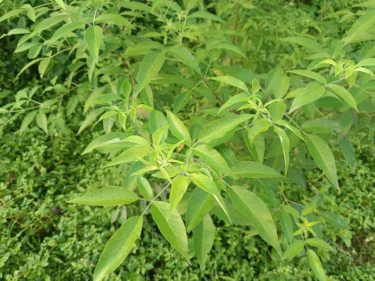
Nirgundi is an Ayurvedic medicine made from the dried leaves of Vitex negundo (Family Verbenaceae), a large aromatic shrub or small tree up to 4.5 m in height, common throughout the country to an altitude of 1500 m in the outer Himalayas1. It is commonly known as Five-leaved chaste trees, which is a large family of herbs, shrubs, and trees, comprising about 75 genera and nearly 2500 species2.
Common names of Vitex Negundo include Nirgundi and Sindhuvara in Sanskrit. Nirgundi is already in clinical use in traditional systems of medicine including Ayurveda, Unani, and Siddha for the management of pain, headache, inflammation, leukoderma, enlargement of spleen, rheumatoid arthritis, gonorrhoea, bronchitis, fever, cold and cough2. The leaves of V.negundo have been reported to possess pesticidal and antifungal properties2.
The Sanskrit word for Vitex negundo, a plant commonly known as nirgundi, carries a meaningful translation. ‘Nirgundi’ literally translates to ‘that which protects the body from diseases.’ This herb holds significance in Ayurvedic medicine, as it is mentioned in all of the Ayurvedic Samhitas, which are ancient texts that form the foundation of Ayurveda5.
Nirgundi contains at least 0.25 percent of negundoside and 1.0 percent of agnuside when assayed1. The following table contains the chemical components present in the Nirgundi plant:
Roots- Vitexin and isovitexi, vitexoside, negundin A, negundin B, 6-hydroxy-4-(4-hydroxy-3-methoxy)-3-hydroxymethyl-7-methoxy-3,4-dihydro-2-naphthaledehyde, 2β,3α-diacetoxyoleana-5,12-dien-28-oic acid.
Potential Uses of Nirgundi
The leaves of nirgundi have antibacterial, laxative, antioxidant, anticonvulsant, hypoglycaemic, and anti-inflammatory properties2. The roots, barks, and fruits too have medicinal properties. Roots of nirgundi are one of the ingredients of the herbal formulation called ‘Dashamularishta’, used in the management of colitis, dysentery, diarrhoea, flatulence, fever, vomiting, and colic2. The leaves contain alkaloid nisindine, flavonoids like flavones, luteolin-7-glycoside an essential oil, and constituents like vitamin C, and carotene that account for different biological actions2.
Did you know?
Nirgundi (Vitex negundo) is a medicinal plant with anti-inflammatory and analgesic properties. source: ncbi.nlm.nih.gov
Nirgundi has been used in traditional medicine to treat respiratory conditions such as asthma and bronchitis. source: ncbi.nlm.nih.gov
Research suggests that Nirgundi may have neuroprotective effects and could be beneficial for neurological disorders. source: ncbi.nlm.nih.gov
Benefits of Nirgundi
1. Benefits of Nirgundi for Infections
Nirgundi essential oil showed antibacterial activity against B. subtilis, S. aureus, E. coli, and P. aeruginosa2.
The phytoconstituents d-guaiene, germacrene D, and hexadecenoic acid found in nirgundi are responsible for this anti-bacterial activity2.
The leavd extracts possesses a new flavone glycoside, which has antifungal activity against Cryptococcus neoformans and Trichophyton mentagrophytes2,3.
2. Benefits of Nirgundi for Pain
Image Source: freepik.com
The anti-inflammatory and pain suppressing activities of fresh leaves of nirgundi are attributed to prostaglandin synthesis inhibition2.
When tested in an animal model, the pain relieving activity of extract of V. negundo was compared with that of aspirin and meperidine.
The study concluded that the Nirgundi leaves showed strong analgesic activity and may be used as an adjuvant therapy with standard analgesics3.
3. Benefits of Nirgundi for Liver
Image Source: freepik.com
The extracts of V. negundo seeds decreased the serum levels of aspartate transaminase and alanine transaminase3.
The alcoholic seed extract also showed protective action on the liver against Carbon-tetrachloride(CCL4)-induced liver toxicity3.
4. Benefits of Nirgundi for Arthritis
Image Source: freepik.com
The heated leaf is used for managing rheumatoid arthritis-related pain and sprains.
The oil prepared from the leaves can also be used3.
5. Benefits of Nirgundi for Lungs
Nirgundi root decoction can be used for managing bronchitis and asthma2,3.
6. Benefits of Nirgundi for Diabetes
Image Source: freepik.com
The leaf extracts of Vitex Negundo were reported for their anti-hyperglycemic activity in animals2,3.
7. Benefits of Nirgundi for Wounds
Image Source: freepik.com
Washing the wounds with nirgundi leaves extract can aid in cleaning infected ulcers3.
8. Benefits of Nirgundi for Skin
Image Source: freepik.com
Nirgundi leaf juice may be beneficial in managing bacterial and parasitic skin infections.
Nirgundi seeds are used to deal with skin diseases and leprosy4.
9. Benefits of Nirgundi as an Antioxidant
The water-soluble constituents of Vitex negundo possess potent antioxidant activities.
Human studies might demonstrate its efficacy in humans2,3.
Nirgundi, a versatile plant, has an amazing mosquito-repellent quality! During the rainy season, the leaves of nirgundi are burned in a fire, that may create a smoky shield that keeps mosquitoes and insects away from both animals and humans5.
The following parts of the Nirgundi plant can be used:
Leaves: Nirgundi leaves can be boiled with water and the vapors can be inhaled. Nirgundi leaves can be ground to a paste and applied to the forehead to relieve headaches3.
Flowers: Flower extracts of Nirgundi may be used in the management of fever, diarrhoea, and liver complaints3.
Seeds: The seeds can be used with sugarcane or vinegar for the management of swellings. Powdered seeds can be used in the management of spermatorrhea and serve as an aphrodisiac when used along with dry ginger and milk4. The seeds can be made into a paste and used with salt and pepper for applying on fractures3.
Roots: Root powder, the tincture can be used for managing dysentery. The powdered root is used for anthelmintic properties. Root extract can be dissolved in tender coconut water for a week to suppress kidney problems3.
Fruit: The dried fruit powder can be taken orally with roasted common salt and warm water for dealing with menstrual disorders, urinary disorders, and indigestion3.
Your Ayurvedic physician will prescribe you the form and dose as per your needs.
Dry nirgundi leaves have a traditional use of being placed with stored woollen garments. This is because the leaves have properties that repel insects and worms, which may help protect the woollen items from damage5.
Nirgundi leaves can be used as powder, juice, extract, and paste. The primary process involves boiling or crushing the leaves for chemical extractions2.
Can I use Nirgundi leaves for my skin allergies?
The ethanolic extract of V. negundo showed antiallergic activity against mast cells and inhibited oedema (swelling)2,3. Thus, may be useful in dealing with skin allergies once large-scale human studies are done.
Can I use Nirgundi for fatty liver?
Nirgundi has shown and thus, may be used for its protective action on the liver as it prevents inflammation. The extract of seeds can be used to lower elevated liver enzymes and prevent liver damage2,4.
Can I use Nirgundi for chronic fever and body pain?
Nirgundi leaf extracts show high fever-reducing and pain-relieving activities. They may be useful for managing chronic fever and body pain once more human studies are available2,4.
Can I use Nirgundi for abdominal gas and distention?
Nirgundi has carminative action, which can help deal with gas and digestive problems. In addition, the decoction of juice from the leaves too may aid in managing digestive issues2,4.
Where to store the Nirgundi leaves or extract?
Nirgundi leaves should be stored in a dry airtight container, and they should be kept away from direct sunlight1.
References
The Ayurvedic Pharmacopoeia of India, 1st edition, Part I, Volume IX. Delhi (IN): Government of India, Ministry of Health and Family Welfare, Department of Indian Systems of Medicine & Homoeopathy. Monographs (Extracts). Nirgundi. Available from: https://www.ayurveda.hu/api/API-Vol-1.pdf
Kantesh M Basalingappa, Vinutha T, Gopenath TS, et.al. Medicinal Values and Pharmacological Activities of Vitex Negundo LInn. Journal of Global Trends in Pharmaceutical Sciences. 2020. II (1) 7579-7589. ISSN –2230-7346. Available from: https://www.jgtps.com/admin/uploads/ksM8L5.pdf
Disclaimer:The information provided here is for educational/awareness purposes only and is not intended to be a substitute for medical treatment by a healthcare professional and should not be relied upon to diagnose or treat any medical condition. The reader should consult a registered medical practitioner to determine the appropriateness of the information and before consuming any medication. PharmEasy does not provide any guarantee or warranty (express or implied) regarding the accuracy, adequacy, completeness, legality, reliability or usefulness of the information; and disclaims any liability arising thereof.
Links and product recommendations in the informationprovided here are advertisements of third-party products available on the website. PharmEasy does not make any representation on the accuracy or suitability of such products/services. Advertisements do not influence the editorial decisions or content. The information in this blog is subject to change without notice. The authors and administrators reserve the right to modify, add, or remove content without notification. It is your responsibility to review this disclaimer regularly for any changes.
21
1
8 Powerful Ayurvedic Herbs With Their Great Benefits
Introduction
Ayurveda is an ancient Indian medical system. Ayurveda means the science or knowledge of life, where ‘Ayur’ means life and ‘Veda’ means knowledge.
The Ancient and Traditional practice of Ayurvedic is 5,000 years old and works on three basic three principles or doshas (Vata, Pitta, and Kapha) and ayurveda practice is based on three classical texts – the Charaka Samhita, the Sushruta Samhita, and the Ashtanga Hridaya which were written in Sanskrit over 2,000 years ago and are collectively known as the Great Trilogy.
Ayurveda takes a holistic approach to health, focusing on lifestyle, diet, and natural substances. It is important to note that while Ayurveda is a recognised traditional system of healthcare in India, its treatments should be approached responsibly and under the guidance of qualified practitioners. Individuals are encouraged to consult registered medical professionals for the diagnosis and management of any medical condition1.
The Role of Ayurvedic Herbs
Ayurvedic herbs are an integral part of the Ayurvedic medicine system. Since ancient times, these herbs have been used to help manage different diseases, promote mental clarity, boost immunity, and support healthy skin. In Ayurvedic practice, attention is given to the person as a whole, addressing the mind, body, and lifestyle rather than focusing solely on the symptoms of a condition. A wide range of herbs are used in Ayurveda to treat illnesses, with active ingredients derived from leaves, roots, flowers, and bark. These herbs are selected with the intention of promoting internal balance and supporting the body’s natural functions2.
Manjistha, for instance, may be beneficial in managing bone-related conditions. A 2020 study found that the root of Manjistha contains a compound that may be effective as a phytomedicine in the treatment of bone disorders16.
The Ayurvedic system offers a traditional, holistic approach to wellness, focusing on balance and overall health rather than isolated symptoms. Some of the benefits of ayurvedic herbs are as follows:
Supports the balance among the doshas (Vata, Pitta, and Kapha), which is considered important for overall well-being in traditional Ayurvedic understanding3.
Considers the individual as a whole, and any supportive measures used are selected with the aim of promoting general health, not solely addressing isolated symptoms3.
Centres around lifestyle, diet, and plant-based preparations, and is considered by some to be gentler in its approach4.
Improves vitality and provides strength, in line with the system’s holistic philosophy4.
Emphasises maintaining internal balance, which is believed to help support the body’s natural defences4.
Some of the Best Ayurvedic Herbs
The following ayurvedic herbs have been traditionally valued for their various properties and uses over many years. Below is an overview of some commonly known herbs and their traditionally associated benefits:
1. Ashwagandha
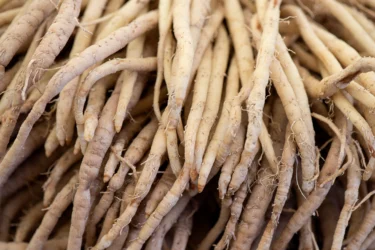
Ashwagandha is a well-known herb in traditional Ayurvedic practice, used for various purposes over many centuries. The name ‘Ashwagandha’ is derived from Sanskrit, where ‘Ashva’ means horse and ‘Gandha’ means smell, suggesting, in traditional texts, the vitality and strength associated with a horse.
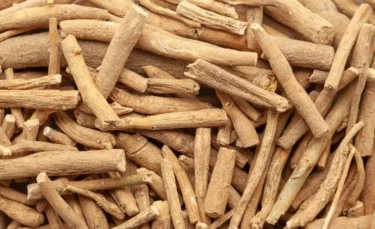
It is sometimes referred to as ‘Winter Cherry’ or ‘Indian Ginseng’, and is particularly noted in Ayurveda for its traditional association with supporting the body’s resilience and overall vitality. The roots of the Ashwagandha plant are commonly used in Ayurvedic preparations5. The benefits of Ashwagandha are as follows:
Ashwagandha is a versatile herb and is traditionally available in various forms, including powders, tablets, and liquid extracts. It may be taken with or without food, depending on individual preference and practitioner guidance.
Caution: The use of Ashwagandha during pregnancy is not generally recommended unless under the supervision of a qualified medical professional. Individuals with thyroid-related conditions, particularly hyperthyroidism, should seek advice from a healthcare practitioner before using Ashwagandha or related preparations.
2. Brahmi
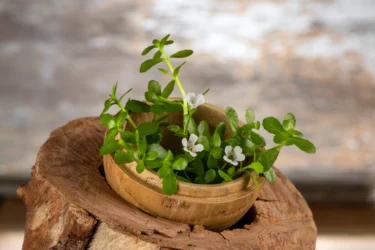
Brahmi, also known as Bacopa monnieri, is a well-regarded herb in traditional Ayurvedic practice. It has been traditionally used for its association with supporting cognitive health and mental clarity. The plant’s leaves are considered particularly valued in Ayurvedic literature and are often used in various preparations
Brahmi is also noted in traditional sources for its natural antioxidant and soothing properties, which have contributed to its continued use over generations.
Below are some traditionally associated uses of Brahmi7:
Supports mental health and cognitive well-being
Helps improve memory, concentration, and learning
Helps with nervous system function
Helps reduce stress and depression
Can help calm the mind
May reduce the symptoms of attention deficit hyperactivity disorder (like hyperactivity).
Recognised for its antioxidant content, it may support general cellular health
Traditionally used in formulations aimed at promoting healthy skin and hair by supporting internal balance
3. Shatavari
Shatavari also known as ‘queen of herbs’. is a medicinal herb with many health benefits. The presence of saponins contributes to its antioxidant properties. Shatavari is traditionally associated with supporting immune function and female reproductive health, as described in classical Ayurvedic texts.
May be effective in alleviating respiratory symptoms
Helps relieve acidity symptoms
Helps with stomach and intestinal ulcers
Helps manage blood sugar levels
Helps with anti-aging changes in the skin
4. Liquorice
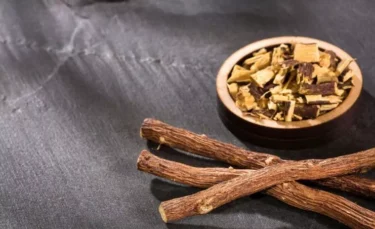
Liquorice has been used since ancient times in various traditional systems of medicine, including those of India, Greece, and Egypt. Owing to its naturally sweet flavour, it continues to be used in a range of preparations such as herbal teas, confectionery, capsules, and liquid extracts.
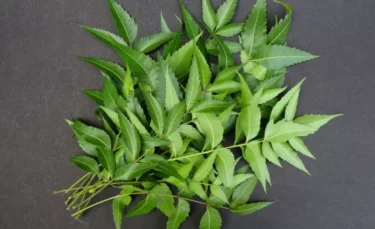
Neem has been mentioned extensively in classical Ayurvedic texts and is included in a large number of traditional formulations. It is often associated with supporting general hygiene, skin care, and internal balance in Ayurvedic practice11.
The benefits of neem are as follows:
Neem has antiseptic, anti-microbial, and antifungal properties11.
Helps to reduce fever, especially malarial fever11.
Helps maintain oral hygiene and prevent dental caries and infections
Beneficial for the hair and helps to control dandruff.
Licorice root has been traditionally studied for its potential benefits in supporting oral hygiene. Some research17 suggests that compounds found in licorice may help in maintaining dental cleanliness and overall oral health. However, its use should be approached with caution and under the supervision of a qualified healthcare professional.
Manjistha is particularly noted for its long-standing use in Ayurvedic practices related to circulatory and skin wellness12. The benefits of Manjistha are as follows;
Amala is highly regarded in Ayurvedic tradition as a nourishing and revitalising fruit. It has naturally occurring antioxidants and helps support the body’s internal balance. The benefits of amala are as follows13:
Supports immunity
May strengthen the heart
Beneficial for hair, skin, and eyes
May help reduce high blood sugar levels
May provide relief from acidity
Some studies18 suggest that Amla contains antioxidants and phytonutrients that may help support cognitive health. Its naturally high Vitamin C content is also believed to play a role in maintaining normal brain function.
Haritaki is known as the ‘king of herbs’ in Ayurveda. In traditional Ayurvedic belief, Haritaki is associated with promoting internal balance and supporting clarity of mind, vitality, and overall well-being. The benefits of Haritaki are as follows:
Strengthens the vital functions of the body, such as strong digestion14, nutrient absorption, and elimination.
Ayurveda offers a time-tested, holistic approach to health, rooted in balance and natural practices. When used under the guidance of qualified professionals, Ayurvedic herbs may support general well-being as part of a balanced lifestyle.
Shukla SD, Bhatnagar M, Khurana S. Critical evaluation of ayurvedic plants for stimulating intrinsic antioxidant response. Front Neurosci. 2012 Jul 26;6:112. doi: 10.3389/fnins.2012.00112. Available from: https://pmc.ncbi.nlm.nih.gov/articles/PMC3405414/
Mills PJ, Peterson CT, Wilson KL, Pung MA, Patel S, Weiss L, Kshirsagar SG, Tanzi RE, Chopra D. Relationships among classifications of ayurvedic medicine diagnostics for imbalances and western measures of psychological states: An exploratory study. J Ayurveda Integr Med. 2019 Jul-Sep;10(3):198-202. doi: 10.1016/j.jaim.2018.02.001. Available from: https://pmc.ncbi.nlm.nih.gov/articles/PMC6822152/
Patibandla S, Gallagher JJ, Patibandla L, Ansari AZ, Qazi S, Brown SF. Ayurvedic Herbal Medicines: A Literature Review of Their Applications in Female Reproductive Health. Cureus. 2024 Feb 29;16(2):e55240. doi: 10.7759/cureus.55240. Available from: https://pmc.ncbi.nlm.nih.gov/articles/PMC10981444/
Mikulska P, Malinowska M, Ignacyk M, Szustowski P, Nowak J, Pesta K, et al. Ashwagandha (Withania somnifera)-Current Research on the Health-Promoting Activities: A Narrative Review. Pharmaceutics. 2023 Mar 24;15(4):1057. doi: 10.3390/pharmaceutics15041057. Available from: https://pmc.ncbi.nlm.nih.gov/articles/PMC10147008/
Mathur D, Goyal K, Koul V, Anand A. The Molecular Links of Re-Emerging Therapy: A Review of Evidence of Brahmi (Bacopa monniera). Front Pharmacol. 2016 Mar 4;7:44. doi: 10.3389/fphar.2016.00044. Available from: https://pmc.ncbi.nlm.nih.gov/articles/PMC4778428/
Alok S, Jain SK, Verma A, Kumar M, Mahor A, Sabharwal M. Plant profile, phytochemistry and pharmacology of Asparagus racemosus (Shatavari): A review. Asian Pac J Trop Dis. 2013 Jun;3(3):242–51. doi: 10.1016/S2222-1808(13)60049-3. Available from: https://pmc.ncbi.nlm.nih.gov/articles/PMC4027291/
Wahab S, Annadurai S, Abullais SS, Das G, Ahmad W, Ahmad MF, et al. Glycyrrhiza glabra (Licorice): A Comprehensive Review on Its Phytochemistry, Biological Activities, Clinical Evidence and Toxicology. Plants (Basel). 2021 Dec 14;10(12):2751. doi: 10.3390/plants10122751. Available from: https://pmc.ncbi.nlm.nih.gov/articles/PMC8703329/
Lai S, Shi L, Jiang Z, Lin Z. Glycyrrhizin treatment ameliorates post-traumatic stress disorder-like behaviours and restores circadian oscillation of intracranial serotonin. Clin Exp Pharmacol Physiol. 2020 Jan;47(1):95-101. doi: 10.1111/1440-1681.13173. Available from: https://pubmed.ncbi.nlm.nih.gov/31494960/
Ram TS, Srinivasulu B, Narayana A. Pragmatic usage of Haritaki (Terminalia chebula Retz): an Ayurvedic perspective vis-à-vis current practice. Int J Ayur Pharma Res. 2013;1(3):72–82. Available from: https://ijapr.in/index.php/ijapr/article/view/50
Disclaimer: The information provided here is for educational/awareness purposes only and is not intended to be a substitute for medical treatment by a healthcare professional and should not be relied upon to diagnose or treat any medical condition. The reader should consult a registered medical practitioner to determine the appropriateness of the information and before consuming any medication. PharmEasy does not provide any guarantee or warranty (express or implied) regarding the accuracy, adequacy, completeness, legality, reliability or usefulness of the information; and disclaims any liability arising thereof.






 22
22