
Anxiety is often described as the feeling of constant worry that prevents an individual from relaxing. From the point of view of evolution, anxiety is a normal emotion as it has helped humans avoid dangerous situations and eventually adapt, evolve and survive. A thin line exists between this anxiety at the level of just adaptation and distressful morbid anxiety, which requires clinical judgement to diagnose1,2.
The level at which a person experiences anxiety can range from just a fleeting anxiety as one feels before any surgery, to a constant feeling of nervousness that defines an anxiety disorder1.
A person is said to have anxiety disorder when the constant feeling of worry just doesn’t go away. Instead, it gets worse as time passes and interferes with routine life.
Anxiety disorders can be of many types, particularly panic disorders, generalized anxiety disorders and phobias3.
The exact cause of anxiety is not known. But there are many reasons:
Anxiety can be of various types:
While anxiety can manifest in various ways depending on the type, there are certain symptoms which can overlap and are commonly seen in all the types:
Natural remedies for anxiety have fewer side effects than conventional medicines used to treat anxiety. Read along to know about some natural home remedies to combat anxiety5.
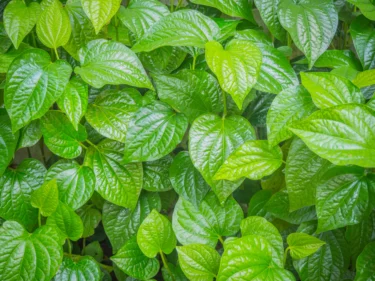
Kava is known to be an anxiety reliever since many years. It is a drink that is prepared from the Piper methysticum plant. Though it relives anxiety, it does not cause a sedative effect. But one must exercise caution while consuming it, as liver poisoning is one of its rare, but serious side effects1.
How to use it?

It is commonly known as Passionflower. Its anxiolytic effect is attributed to its aerial sections, that is the flowers, fruit and the bark. It works by modifying the GABA system6. GABA is an amino acid present in our nervous system and is responsible for neural relaxation7. No side effects have been reported on passionflower consumption.
How to use it?

Lavender has been used traditionally to relieve anxiety. It has over 100 active ingredients, but it’s linalool and linalyl acetate that give lavender the anxiolytic quality. Consult your healthcare provider before you consume lavender as research8 also shows that use of lavender has many side effects like throbbing heartbeats, headaches and gastric issues like diarrhoea, stomach upsets, belching and foul breath.
How to use it?
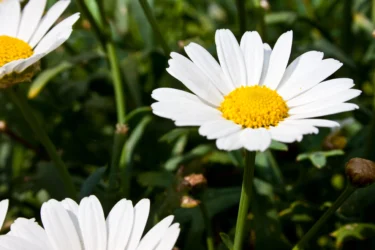
Studies9 have shown chamomile tea to be effective even in cases of generalised anxiety disorder. It is said that the flavonoids present in Chamomile give a calming effect by influencing the transmission of GABA , dopamine, noradrenalin and serotonin or by modifying the hypothalamo-pituitary-adrenal axis in the body, which is integral to the way one reacts to stress10.
How to use it?

Saffron contains Safranal, the chief bioactive constituent which imparts anxiety relieving properties to saffron. It also gives the saffron its typical fragrance11.
How to use it?
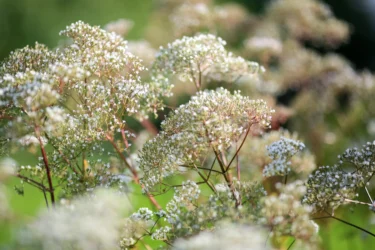
The valerian root has anti-anxiety properties. It contains valerenic acid and valepotriates which imparts anxiolytic and sedative properties to the root12.
How to use it?
Daily intake of Ashwagandha also reduces anxiety and findings14 suggest that high-concentration full-spectrum Ashwagandha root extract improves an individual’s resistance towards stress and thereby improves self-assessed quality of life.
Dr. M.G. Kartheeka, MBBS, MD(Pediatrics)
Also Read: How To Build Self Esteem At Workplace?
If you feel your anxiety might be connected to some physical problems, get in touch with your physician who will help you cure the physical issue.
If you experience severe anxiety, seek out a mental health expert who will evaluate your symptoms and treat you accordingly.
Consultation with a psychiatrist, psychologist, management with allopathic medicines, mind body techniques and exercise are well known to help reduce anxiety.
Dr. Ashish Bajaj, M.B.B.S., M.D. in Clinical Pharmacology and Toxicology
Home remedies for anxiety are good nonpharmacological therapies to try out at home. However, one must exercise caution and inform your physician before consuming any of the herbal medicines for anxiety as some of them do cause side effects.
Symptoms of extreme anxiety require treatment by a mental health professional and one must not hesitate to seek help if required.
Also Read: Mental Health In India – Things You Must Know!
Yes, lifestyle changes also have a significant impact on anxiety levels. Few things that you can do at home to manage anxiety are:
Get enough sleep
Avoid leisure drugs and alcohol
Stop smoking and cut back on the intake of caffeinated drinks
Learn healthy techniques of managing stress
Have a healthy, balanced diet13
Treatment for anxiety involves both medications and psychotherapy. Depending on your symptoms, a mental health expert may use either one or a combination of both of the above options. Medications involve anxiolytics, sedatives or anti-depressant drugs.
In psychotherapy, you will be working actively along with a professional to manage your anxiety symptoms. Cognitive Behavioural therapy (CBT) is the most effective type of psychotherapy to manage anxiety13.
Your mental health professional will best know what therapies to use to treat your anxiety.
While the risk factors for each type of anxiety disorder are different, there are some risk factors that are common to all types:
Persons who are reserved in nature, especially when meeting strangers or facing an unfamiliar situation.
Distressing incidences in childhood or after growing up.
History of anxiety or other mental issues in the family.
Physical problems like irregular heartbeats or thyroid issues3.
Yes.
Keeping a diary of your symptoms and what provokes your anxiety helps.
Work with your therapist to know all the techniques of managing anxiety and practice them diligently.
Be consistent with your treatment protocol.
Do not hesitate to ask for the support of your friends and family. You may also join any local anxiety support group13.
Disclaimer: The information provided here is for educational/awareness purposes only and is not intended to be a substitute for medical treatment by a healthcare professional and should not be relied upon to diagnose or treat any medical condition. The reader should consult a registered medical practitioner to determine the appropriateness of the information and before consuming any medication. PharmEasy does not provide any guarantee or warranty (express or implied) regarding the accuracy, adequacy, completeness, legality, reliability or usefulness of the information; and disclaims any liability arising thereof.
Links and product recommendations in the information provided here are advertisements of third-party products available on the website. PharmEasy does not make any representation on the accuracy or suitability of such products/services. Advertisements do not influence the editorial decisions or content. The information in this blog is subject to change without notice. The authors and administrators reserve the right to modify, add, or remove content without notification. It is your responsibility to review this disclaimer regularly for any changes.
 1
1 
The development of speech is an important aspect of a child’s growth, and speech-related issues are not uncommon in children. One of the common speech disorders of childhood onset is stammering or stuttering. About 8% of preschool children face stuttering disorder1. If you are a parent whose child is facing this difficulty, then read on to know how you can aid your child’s stammering treatment.
Stuttering and stammering are two names for the same condition. Though still in use colloquially, these terms are not used in clinical diagnostics, and the medical terminology for this condition is Childhood-Onset Fluency Disorder1. This is a speech disorder that affects the flow of speech in affected individuals. Children who stammer often repeat syllables/words/phrases to complete a sentence and take a long time to enunciate words2.
Stuttering disorder does not have any specific identified cause. Some factors might lead to the development of stammering speech in a child which include:
Acquired or late-onset stammering is relatively rare and happens in older children and adults as a result of a head injury, stroke or progressive neurological condition. It can also be caused by certain drugs, medicines, or psychological or emotional trauma, and usually difficult to cure.
Dr. Ashish Bajaj, M.B.B.S., M.D. in Clinical Pharmacology and Toxicology
Stammering can mentally affect a child and lead to low self-esteem, anxiety, learning impact and affects social life of a child2,7. It has been observed that peers often ridicule a child with speech difficulties such as a stuttering disorder. Here are some of the ways that this speech difficulty can affect your child:
Stuttering may build up over time or even affect a child very suddenly. The peak time for a child to develop this problem is when they start to learn and pronounce complex words and create longer sentences4. Fortunately about 80% of affected children grow out of it naturally1, but those who don’t may require speech therapy along with a supportive home atmosphere to deal with this condition.
It’s common for children between the ages of 2 and 5 years to go through periods when they may stutter. For most children, this is part of learning to speak, and it gets better on its own. However, stuttering that persists may require treatment to improve speech fluency.
Dr. M.G. Kartheeka, MBBS, MD(Pediatrics)
Stuttering is not an uncommon disorder, and a large number of people face it at some point in their lives. To help your child overcome their stuttering speechyou will require patience, kindness and understanding. Here are some ways in which you can help with your child’s stammering treatment:

If your child is facing a stuttering disorder you will have to be extra attentive towards what they are saying. When they are stammering it is important to take time and let them finish their sentences so that you can understand what they are saying, particularly when they have more to say8.
Taking time to closely pay attention to their speech, and talking slowly makes a child feel heard and boosts their confidence7. When you do this exercise each time they speak and do not ask them to repeat frequently, the child will not feel as if something is wrong with them.

It can be difficult to communicate with a child who stammers during their speech development phase. Stammering treatment starts at home, and you should allow your child to converse at a pace that is comfortable to them, instead of forcing upon any other model of communication2.
If your child is speaking either slowly or very fast you should not try to correct it at this stage as it can build up more tension in their mind7.

A stuttering child is often criticized, mocked and corrected whenever they speak, causing a lot of traumas to them.This may lower their confidence. Always keep a positive attitude around your child and respond positively even if you do have to correct them at times.
Talk to them openly about their condition and make them feel normal about having any disfluencies8. Constant correction of their speech will not make the problem go away, thus it is important to keep encouraging them throughout.

A great way to make your child feel less conscious about their stuttering disorder is to not put special attention to it. Treat stuttering as a normal way of speaking if your child is suffering from it. When they notice that there is not much attention on their disorder, it becomes easier to recover from it.

Take time out and engage in one-on-one bonding sessions with your child. Maintain eye contact when they are speaking and show interest as this can help them feel more important and boost their confidence7. Help them address their difficulties in a gradual manner.
If your child faces a stammering speech you should also visit a speech therapist for effective stammering treatment. A speech therapist will help find ways to improve the fluency of their speech and help in reducing the emotional impact associated with it. They will also guide you correctly on how to help your child overcome their difficulty, like suggest you to make changes in your communication and home environment7. But you need to stay patient support your child throughout the process to help your child overcome this disorder quickly.
Also Read: Baby Diaper Rash: Causes, Types, Treatment & Home Remedies
Most children can improve their speech problem with patience, support, and the right guidance. It is vital to remind your child that they are not the only ones who stammer and it is nothing to feel bad or ashamed about! Encouraging a relaxed speaking environment at home and seeking help from a speech therapist when needed can make a major difference in helping your child overcome stuttering with confidence.
Also Read: 8 Symptoms Of Diabetes In Children To Watch Out For!
Disclaimer: The information provided here is for educational/awareness purposes only and is not intended to be a substitute for medical treatment by a healthcare professional and should not be relied upon to diagnose or treat any medical condition. The reader should consult a registered medical practitioner to determine the appropriateness of the information and before consuming any medication. PharmEasy does not provide any guarantee or warranty (express or implied) regarding the accuracy, adequacy, completeness, legality, reliability or usefulness of the information; and disclaims any liability arising thereof.
Links and product recommendations in the information provided here are advertisements of third-party products available on the website. PharmEasy does not make any representation on the accuracy or suitability of such products/services. Advertisements do not influence the editorial decisions or content. The information in this blog is subject to change without notice. The authors and administrators reserve the right to modify, add, or remove content without notification. It is your responsibility to review this disclaimer regularly for any changes.


