



Super Healthy Gluten Free Foods and Its Health Benefits
By Dr. Malavika Athavale +2 more

Medically reviewed by Dr. Malavika Athavale
Last updated: Jan 13, 2026 Published on: Sep 8, 2020


Get,

to manage your symptom
Get your,

4 Cr+ families
benefitted

OTP sent to 9988776655



You’ve successfully subscribed to receive
doctor-approved tips on
Whatsapp

Get ready to feel your best.


Register to Avail the Offer
Send OTPBy continuing, you agree with our Privacy Policy and Terms and Conditions
Hi There,
Sign up on PharmEasy now!!


Trusted by 4 crore+ families

OTP sent to 9988776655
You have unlocked 25% off on medicines


Code: NU25

By Dr. Malavika Athavale +2 more
Table of Contents
Gluten free foods have become famous as a healthy food. However, cutting out gluten from your diet may feel difficult as gluten is found in many commonly used foods and often hidden in packaged or processed items. Thankfully, there are many healthy and delicious natural gluten-free foods that can help you enjoy a balanced diet.
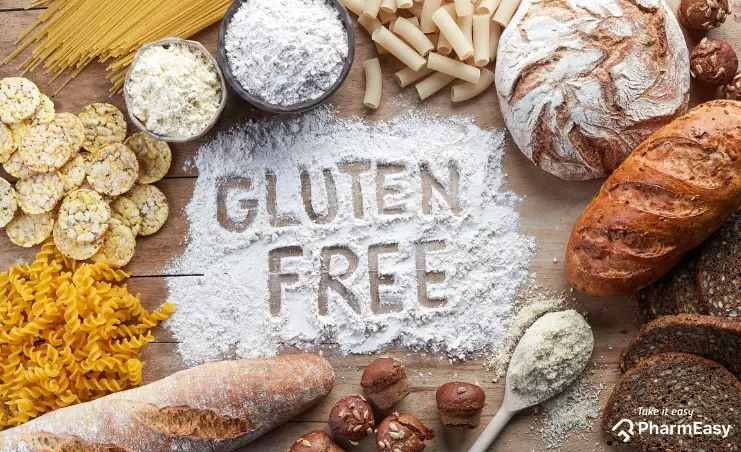
Gluten is a protein in food that maintains the shape, elasticity, and moisture of food. It is present in many foods from bread and cereals to snacks and some beverages. Gluten is a protein that is indigestible by our body. In some individuals, gluten consumption may cause inflammation, leading to certain health conditions. Gluten has a glue-like sticky property that gives a chewy texture to the food1.
No, not all people are allergic to gluten. Some people can eat foods containing gluten without experiencing any side-effects2 while others may have gluten intolerance or intestinal disorders in which gluten can be harmful.
Intestinal conditions like coeliac disease or irritable bowel syndrome (IBS) may require some individuals to start a gluten-free diet. Coeliac disease is an autoimmune disorder where gluten may irritate your small intestine lining, causing over-activation of the immune system, which leads to damage of the gut wall3.
Also, some individuals without intestinal disorders are also sensitive to gluten and may feel uncomfortable after eating gluten.
Natural, gluten-free foods include grains, beans, seeds, and other starchy foods such as arrowroot, beans, cassava, chia, flax and gluten-free oats, millet, almond flour, sorghum, soy, and tapioca. I strongly recommend the consumption of these in regulated amounts for those dealing with stomach problems.
Dr. Siddharth Gupta, B.A.M.S, M.D (Ayu)
The most cost-effective and healthy way to follow a gluten-free diet is to seek out these naturally gluten-free food groups, which include:
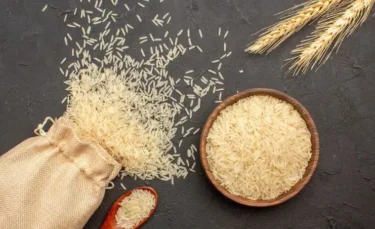
Whole grains, except for a few, are naturally gluten-free. They are rich in fibre and carbohydrates and an important part of our diet. Always check a label before buying any gluten-free food. Here are some naturally gluten-free whole grains:
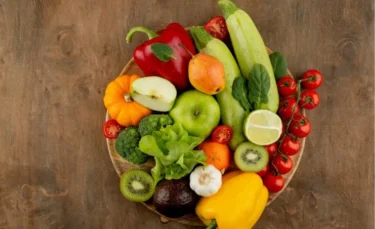
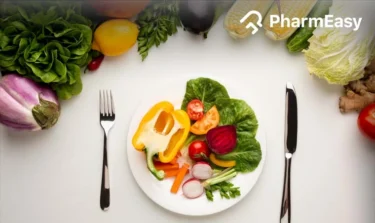
All fresh vegetables and fruits are naturally gluten free. They are also rich in vitamins, minerals, and antioxidants. However, processed fruits and vegetables may contain gluten. If you are on a gluten free diet, double check the labelling before buying any food products made with fruits or fruit pulp, etc4,5.
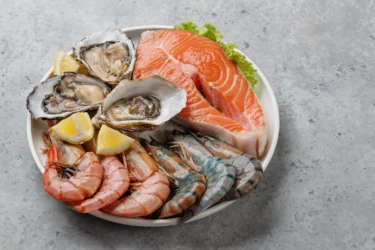
Chicken and fish are naturally gluten free and rich in proteins. However, these foods may be processed with gluten containing ingredients such as flour for preservation. So, make sure to check whether these items have gluten before using them. Here is a list of gluten free foods:
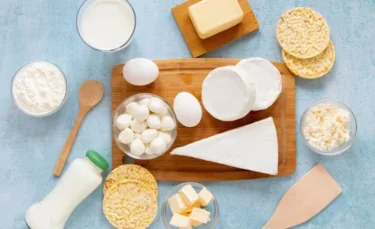
Most dairy products are gluten-free if they are unflavoured and without preservatives. Always double check the label for gluten.
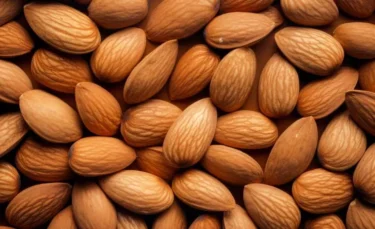
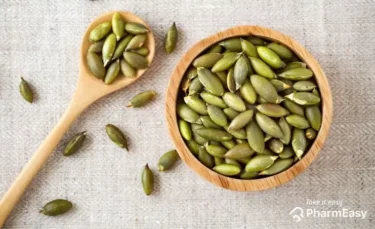
They are loaded with proteins and fibres and are naturally gluten free
A quick and easy gluten-free supper option is a winter kale salad with apples and nuts. Antioxidants found in pecans may help maintain heart health. According to research, pecan nuts may aid persons who are obese or overweight to lower their risk factors for heart disease.
Dr. Rajeev Singh, BAMS
There are many myths about the gluten-free diet but as the study suggests they offer tremendous health benefits for those with gluten intolerance or celiac disease. Here are some major benefits:

People who have gluten intolerance generally experience chronic fatigue because of impaired absorption of nutrients from the damaged intestinal wall. This impaired absorption may lead to iron-deficiency anaemia, which results in chronic debility4. Switching to a gluten-free diet may help your intestines to heal and restore absorption.
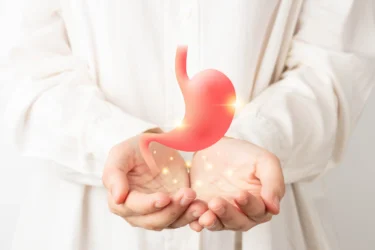
If you have a chronic digestive problem, you must try a gluten-free diet. It may ease your digestive symptoms by helping in the healing of your intestines. This may help reduce your coeliac disease symptoms like bloating, diarrhoea or constipation, and fatigue4.

Due to chronic diarrhoea or fatigue, you can lose a tremendous amount of weight. Many times the symptoms remain undiagnosed, leading to weight loss due to impaired nutrient absorption. A gluten-free diet may help you regain the lost weight as well as help address these nutritional deficiencies6.

Although there is a lack of clinical data, many paediatricians seem to suggest that a gluten-free diet may be helpful with improvement in behaviour, social skills, and learning in children with autism7.

Undiagnosed coeliac disease may lead to calcium malabsorption. This calcium deficiency increases the risk of bone problems, such as osteoporosis. The study8 suggests that a gluten-free diet may help to normalise calcium absorption and increase bone density.

Individuals with coeliac disease are at higher risk for skin rashes, eczema, or hair fall3. Following a gluten-free diet may help to improve your overall skin and hair health9.
Gluten-free eating is believed to be a focused way to help restore gut health, especially for those with coeliac disease or gluten sensitivity. By choosing naturally gluten-free foods (like fruits, vegetables, and lean proteins), you help the small intestine to heal. This repair likely leads to better nutrient absorption, which in turn may help boost energy levels, stabilise weight, clear up the digestive system, and improve the health of your skin and bones, thus helping enhance your overall vitality.
Disclaimer: The information provided here is for educational/awareness purposes only and is not intended to be a substitute for medical treatment by a healthcare professional and should not be relied upon to diagnose or treat any medical condition. The reader should consult a registered medical practitioner to determine the appropriateness of the information and before consuming any medication. PharmEasy does not provide any guarantee or warranty (express or implied) regarding the accuracy, adequacy, completeness, legality, reliability or usefulness of the information; and disclaims any liability arising thereof.
Links and product recommendations in the information provided here are advertisements of third-party products available on the website. PharmEasy does not make any representation on the accuracy or suitability of such products/services. Advertisements do not influence the editorial decisions or content. The information in this blog is subject to change without notice. The authors and administrators reserve the right to modify, add, or remove content without notification. It is your responsibility to review this disclaimer regularly for any changes.
 5
5 
Comments

Leave your comment...
You may also like















Comments