
Did you know that 15 out of 1000 women and 1 in 1000 men experience thyroid problems?1 While it’s important to monitor your diet if you have a thyroid condition, paying attention to lifestyle factors is just as crucial.
The thyroid gland plays a key role in managing the metabolic function of the body. When the thyroid does not function properly, it can affect the entire body. Individuals with thyroid issues may experience symptoms such as depression, weight gain, fatigue, low body temperature, hair fall, sensitivity to light, and reduced stamina. It’s important to understand how to manage thyroid conditions properly, including the key dos and don’ts.
Thyroid disorders affect approximately 1-10% of the adult general population, with women being 8 to 9 times more likely to be affected than men2,3.
Before we dive into the dos and don’ts of thyroid care, it is important to recognise the signs of thyroid problems. There are two main types of thyroid conditions: hyperthyroidism, which occurs when the thyroid is overactive, and hypothyroidism, which occurs when the thyroid is underactive.
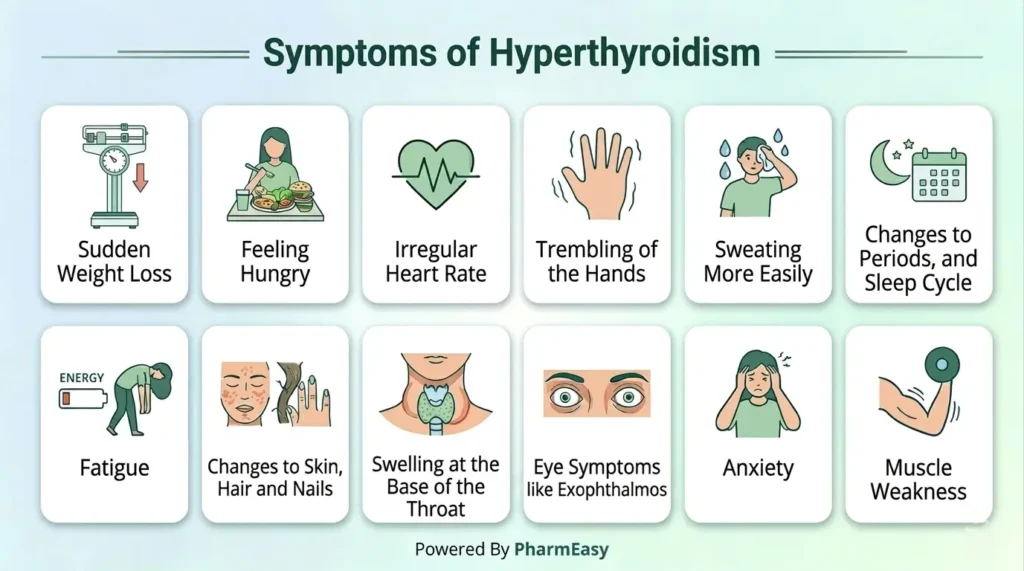
If you have hyperthyroid issues, you may experience any of the following symptoms:
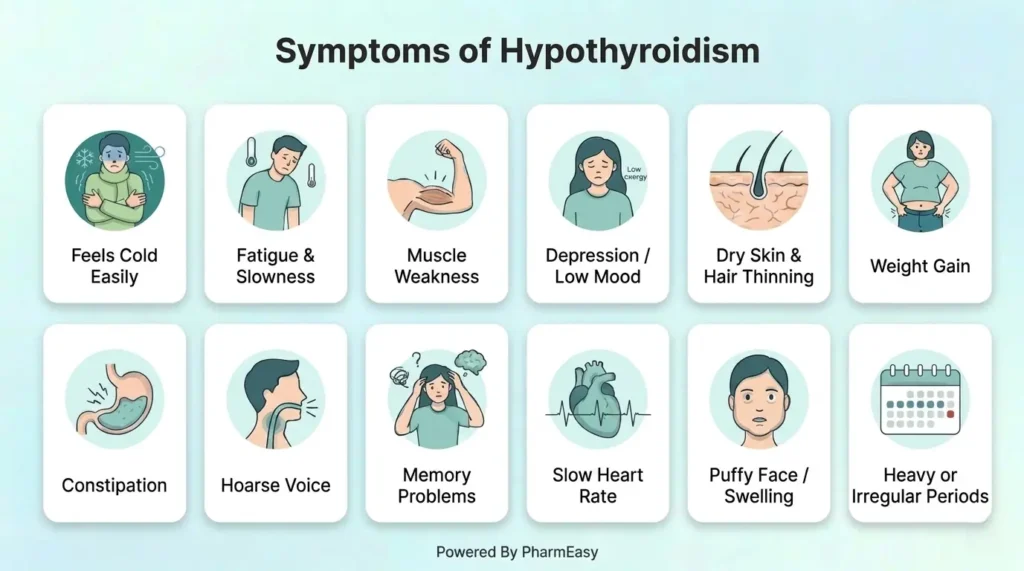
If you have hypothyroid issues, you may experience any of the following symptoms:
If you notice one or more of these symptoms, you should speak with a doctor immediately and request a blood test. Apart from confirming a diagnosis, your doctor will guide you with a list of dietary dos and don’ts for thyroid issues (some of which we’ve listed below). Note that, while dietary precautions are important for thyroid patients, it’s even more crucial to take the prescribed medication in the correct dosage.
Thyroid hormones control the basal metabolic rate in the body, hence the weight loss or gain in thyroid diseases. Regular thyroid profile testing and adjustment of dose by an endocrinologist is of paramount importance.
Dr. M.G. Kartheeka, MBBS, MD(Pediatrics)
It is important to check thyroid levels regularly, measuring TSH, T3, T4, and sometimes free T3 and T4 levels. Whether you get it done from the convenience of your home or visit a laboratory, it is up to you. If you have symptoms of a thyroid disorder, it is important to have a frank discussion with your doctor regarding your symptoms and get a physical examination done to seek clarity on the exact cause of your symptoms7.
Individuals with thyroid issues may be recommended to drink distilled water as chlorine, fluoride and bromine levels are low in distilled water and it is iodine-free, which helps the thyroid to function properly. Distilled water may also be helpful in cleaning the liver and kidneys of toxins.
Individuals with thyroid issues must have foods with vitamin B such as crabs, shellfish, and brazil nuts as these foods contain selenium, a mineral that is needed for optimal thyroid function. Tyrosine is necessary for the production of thyroid hormones. Tyrosine-based foods, such as almonds, sesame seeds, and oats may help reduce inflammation and help enhance health. Antioxidant-rich foods like fresh vegetables and fruits may also help reduce inflammation and support overall thyroid health8,9.
Smoking and drinking alcohol should be avoided in individuals with thyroid disorders. Alcohol can suppress thyroid gland function, while tobacco or smoking may interfere with iodine uptake and disrupt normal thyroid hormone synthesis. Smoking is also associated with an increased risk of Graves’ disease (hyperthyroidism) and may worsen thyroid eye disease10,11.
Caffeine is a stimulant that can temporarily increase the heart rate and blood pressure. Sugar also has detrimental effects on the body. Caffeine has antioxidant properties, so consuming it in small amounts may have an anti-inflammatory effect. However, consuming more than the recommended amount of caffeine can alter the TSH levels produced by the pituitary gland.
Many individuals with thyroid conditions may find it difficult to understand the changes happening in their body and often turn to the internet for answers. However, online sources can vary in accuracy and may lead to confusion or unnecessary concern.
It’s helpful to be aware of the common symptoms and conditions linked to thyroid issues. However, it’s important to consult a qualified doctor for an accurate diagnosis and appropriate medical guidance before starting any treatment or management plan.
By understanding the signs of thyroid problems and following the right medical advice, you can take control of your health and manage symptoms effectively. A balanced approach involving regular check-ups, the right medications, and healthy lifestyle habits is key to supporting thyroid function.
Also Read: Effective Care and Natural Masks for Acne
Disclaimer: The information provided here is for educational/awareness purposes only and is not intended to be a substitute for medical treatment by a healthcare professional and should not be relied upon to diagnose or treat any medical condition. The reader should consult a registered medical practitioner to determine the appropriateness of the information and before consuming any medication. PharmEasy does not provide any guarantee or warranty (express or implied) regarding the accuracy, adequacy, completeness, legality, reliability or usefulness of the information; and disclaims any liability arising thereof.
 168
168
 27
27
Salt is a key ingredient in many dishes, adding distinct flavour and making it difficult to picture cooking without it. While finely powdered table salt is most commonly used, the natural form of salt is ”rock salt”, also known as “Sendha Namak”1,2.
Rock salt is also known by its various local names such as Sindhalun in Gujarati, Kala Namak or Sendha Namak in Hindi, and Shende lon in Marathi2,3. It is crystalline and can be seen in shades of black, purple, and pink1,3. It contains 84 trace elements, including sodium, potassium, iron, calcium, and zinc, many of which are essential for normal body functions1,2,4.
Rock salt is highly valued in the Ayurveda system of medicine, as it is believed to support skin and hair health and may also help in weight management. Replacing regular table salt with this natural form of salt may be a healthier alternative for some people3,5.
Rock salt is an authentic form of salt, mostly obtained from the Himalayan region. It is available in its pure crystalline form1,2. During the refining process of salt, many harmful chemicals are added to it to prevent the salt from getting soggy. Rock salt does not contain added chemicals, which makes it safe for consumption when taken in moderation1,2,5.
Rock salt is formed when seawater or lake water in arid regions evaporates and leaves behind deposits of salt5,6.
Halite, commonly referred to as rock salt, is a sedimentary mineral that was created by the evaporation of ancient saline lakes and oceans. Salt deposits are left behind because of the water evaporating over millions of years16.
Dr. Siddharth Gupta, B.A.M.S, M.D (Ayu)
Rock salt mainly consists of sodium chloride and also provides trace minerals such as calcium, magnesium, iron, zinc, sulphur, oxygen, cobalt, and hydrogen. These essential minerals are useful in many body functions that keep you healthy2,4,6. The benefits of rock salt include:
Rock salt is believed to be an excellent home remedy for digestive problems such as loss of appetite, constipation, heartburn, bloating, and stomach pain2,3,6. It is rich in minerals and vitamins and helps improve digestion, promote bowel movements, and remove toxic substances from the intestines. Rock salt is also believed to stimulate insulin production, helping to reduce the cravings for sweets and supporting weight management6.
Rock salt may be able to improve the body’s metabolism, thereby enhancing physiological functions7.It facilitates mineral and nutrient absorption in the body, helps maintain the electrolyte balance, and stabilises the blood pressure 2,6.
Rock salt boosts your immunity and contributes to healthier bones and connective tissues, which may help prevent various bone-related diseases and disorders2,6.
A deficiency of potassium and other minerals can increase the risk of muscle cramps. Rock salt, which contains potassium, sodium chloride, and other minerals, may help alleviate muscle cramps to some extent2,6,7.
Saltwater gargling is a common home remedy for a sore throat2. When rock salt is used as a primary ingredient in salt water gargles, it also helps in treating respiratory illnesses like nose blockage, cold, chest disorders, and cough5.
Rock salt helps to control blood pressure levels. Bathing with rock salt water can lower your blood pressure2.
Taking a bath with rock salt in warm water can relieve your stress and anxiety and relax the mind2,6.
According to Ayurveda texts, rock salt is believed to purify, nourish, and refresh the skin. It may also prevent oiliness, reduce acne, and exfoliate the skin, making it soft and smooth. It may help reduce the symptoms of eczema and dermatitis2,6,8.
Rock salt massage helps to get rid of all dirt from hair and removes dead skin from the scalp, while preserving the essential natural oils that keep your hair healthy and balanced2. It also prevents dandruff and hair fall9.
The main component of rock salt is sodium chloride (NaCl), which is commonly known as table salt. However, traces of other minerals can also be found in rock salt, giving it distinct colours and impurities15.
Dr. Rajeev Singh, BAMS
Although rock salt has several benefits, replacing iodised salt with only rock salt may lead to iodine deficiency. Also, the excessive consumption of this salt may lead to high blood pressure, which in turn may lead to heart disease, kidney failure, or stroke4,10.
Also Read: Celtic Salt: Benefits, Nutritional Value, Side Effects & More!
Rock salt and sea salt may seem fairly similar in some ways, but there are a few differences in them, as follows1,2,6,11,13,12:
Also Read: 11 Incredible Health Benefits Of Fennel Seeds (Saunf)
Rock salt, also known as Sendha Namak, contains numerous trace elements that are essential for growth and development. Being an unrefined salt, it offers various health benefits and is commonly used to help manage many ailments. However, since rock salt is not iodised, its exclusive consumption may contribute to iodine deficiency. Additionally, excessive salt intake can lead to elevated blood pressure and other cardiovascular complications. Therefore, it is crucial to consume rock salt in appropriate quantities to maximise its benefits while minimising potential health risks.
Rock salt is the pure, unrefined form of salt, whereas table salt is the refined form of salt6.
Both are unrefined forms of salt with various trace elements needed for body growth. When consumed in appropriate amounts, both can provide health benefits13.
The recommended daily amount of salt intake for adults is generally less than 5 to 6 grams per day (about 1 teaspoon). This is equivalent to less than 2,000 to 2,300 mg of sodium per day. The World Health Organization (WHO) recommends less than 2,000 mg of sodium daily, which corresponds to about 5 grams of salt14.
No, rock salt is not iodized, so using it alone may lead to iodine deficiency.
Disclaimer: The information provided here is for educational/awareness purposes only and is not intended to be a substitute for medical treatment by a healthcare professional and should not be relied upon to diagnose or treat any medical condition. The reader should consult a registered medical practitioner to determine the appropriateness of the information and before consuming any medication. PharmEasy does not provide any guarantee or warranty (express or implied) regarding the accuracy, adequacy, completeness, legality, reliability or usefulness of the information; and disclaims any liability arising thereof.
Links and product recommendations in the information provided here are advertisements of third-party products available on the website. PharmEasy does not make any representation on the accuracy or suitability of such products/services. Advertisements do not influence the editorial decisions or content. The information in this blog is subject to change without notice. The authors and administrators reserve the right to modify, add, or remove content without notification. It is your responsibility to review this disclaimer regularly for any changes.
110
8
People these-days are getting very particular about their health and are focusing on natural ways to build their immunity. Their attention is diverting towards consuming a good diet rich in essential nutrients which helps strengthen the immune system, and the mineral zinc plays a crucial role when it comes to boosting immunity and improving health.
Zinc is a trace mineral that plays an important role in many body functions. About 60% of zinc is present in the muscles, 30% in bone, hair, skin and plasma, and some in organs like pancreas, liver, kidney and brain. Zinc is essential for healthy immunity because of its role in the activation of T lymphocytes and enhancing functioning of natural killer cells (major components of your immune system). It is also vital for over several enzymes in the body, and plays a role in protein synthesis, wound healing, DNA synthesis, and is necessary for a proper sense of taste and smell1.
Zinc deficiency is a common issue because your body doesn’t store it, so you need to get enough zinc from your daily diet. Knowing the right food items to choose can help boost your zinc levels and maintain proper functioning of the body including immune support. In this blog, we will discuss about some food sources that are rich in zinc and can keep your health in good shape.
Before we move onto the sources, let’s understand the daily requirement of zinc by our body.
Actually, only a small amount of zinc is needed to maintain good health. According to ICMR 2020, the recommended daily allowance of zinc for women is 13.2 mg and for men is 17mg. For pregnant women, the recommended daily intake of zinc is 14.5 mg, and for breastfeeding women, it is 14.1 mg2.
Though the requirement of zinc by the body is minimal, it is essential for proper functioning. Low levels of zinc may cause diarrhoea, stunted growth, hair fall, eye, and skin lesions, loss of libido, and suppressed immunity.
I may suggest a fantastic option for all the veggie lovers out there who want to ensure they’re getting enough zinc: raw green peas! These vibrant little green gems might not only be delicious but are also packed with this essential mineral. In fact, 100 g of raw green peas may provide you with approximately 1.24 mg of zinc19.
Dr. Siddharth Gupta, B.A.M.S, M.D (Ayu)
Animal foods are considered to be the best sources of zinc. Since there are lesser plant-based sources of zinc available, vegetarians are more likely to fall short on this mineral. However, there are some best plant-based sources of zinc available for vegetarians. These include the following –
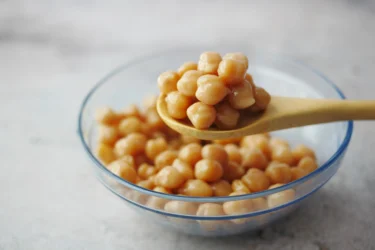
Indians commonly use chickpeas in their meals. If you want to fill your zinc requirement without eating meat, then chickpeas are the best option. A small cup containing 100g of raw chickpea will provide 2.7 mg zinc3. You can use chickpeas in curries, salads, or snacks.
I would recommend boiled lima beans if you’re looking to boost your zinc intake. These mighty legumes might not only provide a burst of flavour but may also offer a valuable source of this essential mineral. They boast an impressive 1mg of zinc per 100 g of boiled lima beans18!
Dr. Rajeev Singh, BAMS
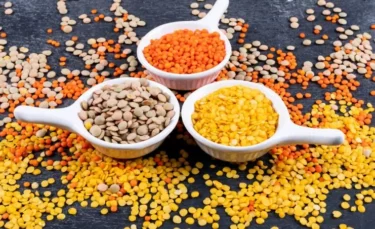
Lentils are the best source of zinc. They are also low in fat and calories, and contain essential nutrients like proteins and fiber. A cup of approximately 100gms contains zinc about 3.31 mg in whole and 3.6 mg of in dal lentil4. Use them in regular meals in the form of curries.
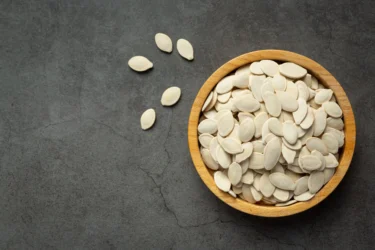
Pumpkin seeds are super versatile and easy to add to countless meals. 100gm of pumpkin seeds contain 7.8 mg of Zinc5. Consuming a diet rich in pumpkin seeds could increase immunity and fight inflammation in the body.
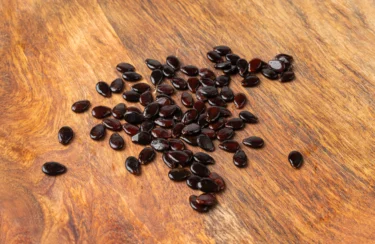
While having fresh watermelon juice, don’t throw its seeds. Believe it or not, watermelon seeds are highly nutritious, containing zinc and other micronutrients. 100gm of watermelon seeds contain 10.13 mg to 10.24 mg of zinc6, you can dry them and eat them as a daily snack. These seeds help enhance immunity and may aid in keeping your heart healthy.
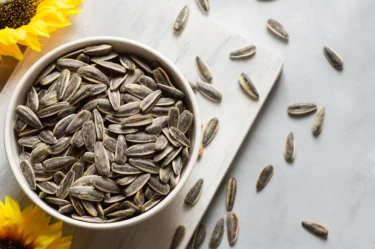
Sunflower seeds are a rich source of zinc. About 100g of sunflower seeds contain 5mg of zinc7. These can also be healthy for your heart and boost energy levels. Sunflower seeds can be consumed raw or roasted. You can add them to seed trail mix or oatmeal porridge for a tasty and healthy snack.
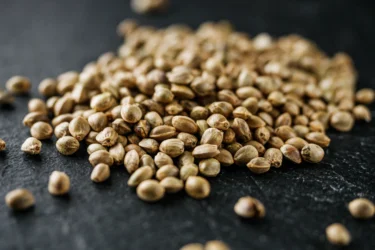
Hemp seeds are loaded with unsaturated fats and zinc. 100g of chia seed gives 7mg of zinc9. Hemp seeds are also rich in amino acids arginine, which may help to reduce the risk of heart diseases. Try sprinkling them on yoghurt or salads.
Based on my experience, if you’re on the lookout for a zinc-rich food, look no further than chia seeds. These tiny seeds might not only be versatile but also packed with nutrients, including zinc. Just 100 g of chia seeds may contain 4.58 μg of zinc8, making them an excellent option for all the veg folks out there.
Dr. Smita Barode, B.A.M.S, M.S.
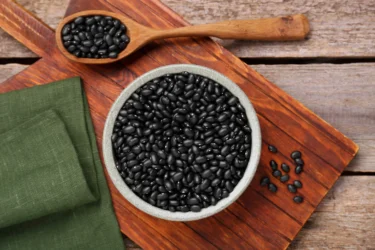
Beans are another excellent source of zinc, especially kidney and black beans. These beans are also high in soluble and insoluble fibers, proteins, iron, phosphorus, and calcium that support overall health. A cup of black beans (100g of raw rajmah) contains 3.08 mg of zinc, and a half cup of cooked kidney beans contains 0.9 mg of zinc. While 100g raw Cowpea (chawali) and moog dal will give 3.57 mg and 2.49mg of zinc, respectively.
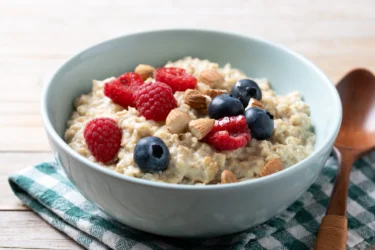
Oats are the classic breakfast because it is a nutrient-dense food item. Oatmeal is loaded with zinc, fibers, folate, vitamin B6 and beta-glucan. About half a cup of oats contains 1.3 mg of zinc10. Oats can also help regulate cholesterol levels and keep your heart healthy.
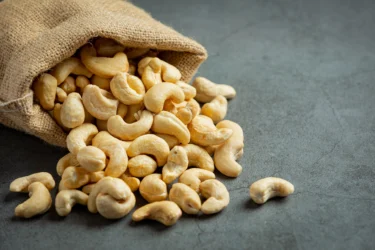
Cashews are one of the delicious options to get natural, plant-based zinc. Whether you eat them raw or roasted, you will get about 5.34 mg of zinc from 100g of cashew nuts (approx. 6 number (14.5g) will provide 0.77mg of zinc). They are rich in vitamin A, vitamin K, copper, folate, and healthy unsaturated fat. Eating cashews may also be healthy for the heart by promoting good cholesterol11.
I may have a great recommendation for all the vegetarians. Did you know that pecans might be an awesome choice to get your zinc fix? These tasty nuts might not only make a delightful snack but may also pack a punch when it comes to getting your zinc dosage. Only 100 g of pecans may contain a whopping 4.53 mg of zinc17!
Dr. Anuja Bodhare, B.A.M.S, M.D (Ayu)
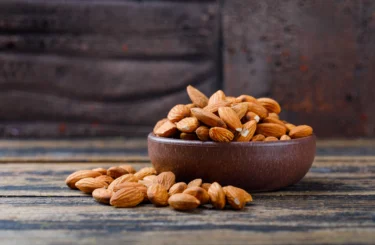
Almonds are not just excellent sources of energy they’re also jam-packed with nutrients. Almonds are great sources of zinc, protein, calcium, magnesium, phosphorus and fiber. A handful of almonds can be a healthy, energy-rich snack as well as an easy way to boost your zinc levels. 100g of almond gives 3.5mg of zinc (12 number or 14g will give 0.49mg of zinc). Almonds can also be added to a variety of dishes, from desserts to Mughlai cuisine.
Also Read: What Causes High Vitamin B12 Levels & How to Manage It
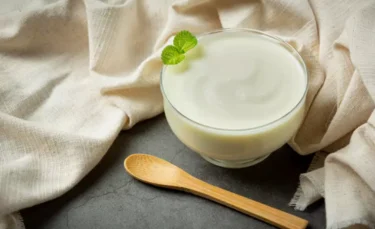
A low-fat curd or yoghurt gives us good bacteria for a healthy gut and also provides enough amount of zinc. A cup of curd or yoghurt contains 1.5 mg of zinc. It is best for digestion and for boosting your immunity13.

Dark chocolate is loaded with zinc. A hundred grams of dark chocolate contains 3.5 mg of zinc12. But dark chocolate is also rich in calories and sugar, therefore consume it in moderation.
I may advise incorporating flax seeds in your diet if you’re looking to up your zinc game. These tiny wonders are not only packed with goodness but also happen to be a fantastic source of zinc. With a generous 4.34 mg of zinc per 100 g, they may be an excellent choice to fulfill your nutritional requirements16.
Dr. Ashok Pal, BAMS
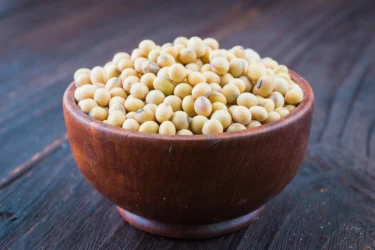
Soyabean is a popular vegetarian as well as vegan food option that offers a good amount of zinc per serving. About 100 grams of this can contain about 4.01mg of zinc14. Moreover, Soyabean can be used for several different kinds of recipes, making it a versatile source of zinc Tofu prepared from soyabean can be a good option suitable for several recipes.
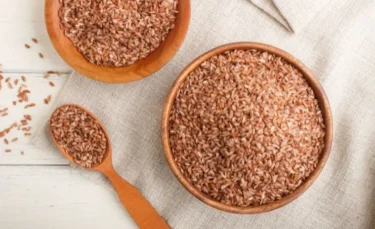
Any type of unprocessed rice, be it brown, red or black is a good source of zinc for vegetarians. This type of rice is also known as wild rice and it provides 1.6 mg of zinc in every 100 grams. You can sauté them with veggies to make a wholesome meal.
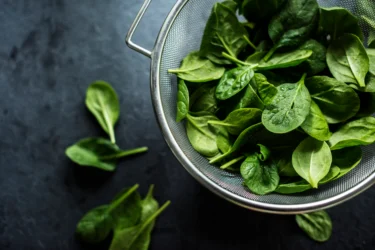
This list is incomplete without this green leafy vegetable that is often considered the best source of vitamins and minerals for vegetarians15. It provides about 4 mg of zinc in every 100 gms of serving, making it one of the healthiest foods on this list.
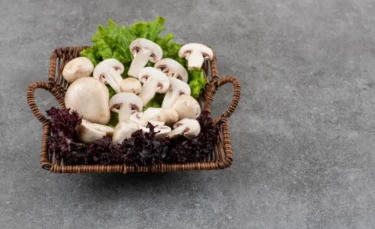
Last but not least, button mushrooms and shiitake mushrooms are also high sources of zinc. In a 100-calorie serving of white button mushrooms, there is about 8 mg of zinc. In a similar 200-calorie serving of shiitake mushroom, there is 5 mg of zinc. Along with an attractive umami flavour, these mushrooms can also be considered a great vegetarian source of zinc.
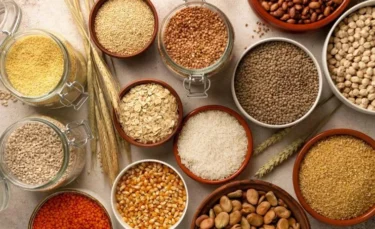
The cover or top part of grains is usually one of the most mineral-rich parts of the seed. Typically, during the production of refined flours, the germ is removed, lowering the nutrient value. Apart from having a good amount of zinc, these also contain numerous vitamins, minerals, and ample fiber making it a healthy food choice.
100g of whole wheat gives 2.85 mg of zinc, which means one medium size chapatti (25g of wheat flour), gives 0.71mg of zinc.
Other whole grains like samolina (rawa) 100gm gives 2.13 mg of zinc, 2 tbs gives 0.63 mg of zinc (around ¾ cup of upama /sheera ).
Bajara is also good source giving about 2.76 mg of zinc /100g.
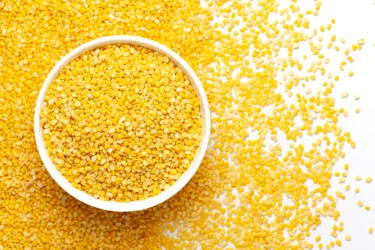
Moong is a type of bean also called moong dal and is consumed widely across India. It can be eaten raw, boiled, sprouted or whole. Moong has a zinc content of about 2.6mg per 100g. This makes it an excellent source of zinc, a daily serving can provide up to 24% of your daily requirement. Sprouted moong is the healthier option as it offers better absorption of minerals like zinc.
Moreover, Indian spices like ajawain (5.67mg ), mustard seeds (4.03mg ), khus khus seed ( 6.38mg ) / 100g are also good source of zinc. Adding these to your favourite dishes doesn’t only enhance the taste but also adds on the health benefits.
Also Read: Top Food Sources of Calcium for Your Bones
Zinc is an essential mineral required by the body for proper functioning. Zinc is present in many natural sources such as meat, seafood, beans, legumes, seeds, and nuts. If you are vegetarian or vegan, then you need to increase your intake by eating plant-based sources like cereals. These foods are easily available and delicious addition to your routine diet. Adding zinc-rich foods to your diet is a natural way to support your immune system and keep infections at bay. However, if you feel you have a low immunity, consult your doctor to understand the underlying cause and appropriate management.
Also Read: High Dietary Fiber Foods That You Should Eat Every Day!
Disclaimer: The information provided here is for educational/awareness purposes only and is not intended to be a substitute for medical treatment by a healthcare professional and should not be relied upon to diagnose or treat any medical condition. The reader should consult a registered medical practitioner to determine the appropriateness of the information and before consuming any medication. PharmEasy does not provide any guarantee or warranty (express or implied) regarding the accuracy, adequacy, completeness, legality, reliability or usefulness of the information; and disclaims any liability arising thereof.
92
5
Tea tree oil is a widely used essential oil with several potential medicinal properties. Tea tree leaves have a long history of medicinal use in traditional medicine systems, notably within Australian Aboriginal practices. Tea tree oil holds great significance as it is said to be able to balance all Ayurvedic tridoshas, namely vata, pitta, and kapha dosha.
Tea tree oil, known as melaleuca oil, is derived from the Australian Plant Melaleuca alternifolia. Despite having similar names, the tea tree plant is botanically distinct from the traditional tea plant (Camellia Sinensis). Tea tree oil has antimicrobial and anti-inflammatory properties and it may be helpful in minor skin infections. It can be used to manage multiple disorders, such as skin and hair problems due to its anti-inflammatory, anti-microbial1, soothing, and nourishing properties.
Tea tree oil contains many compounds like terpinen-4-ol that have anti-microbial properties1. Terpinen-4-ol helps work against infection by boosting your immunity. It can help increase the activity of white blood cells to promote immunity.
Did you know?

Tea tree oil is commonly used for skin care due to its antimicrobial and anti-inflammatory properties. It can help improve skin appearance by reducing inflammation and microbial load. It contains certain bioactive compounds that may support skin barrier function; however, its antioxidant effects lack substantial evidence2.

Tea tree oil helps against acne due to its anti-inflammatory and anti-microbial properties. Research2 suggests that it is as helpful as benzoyl peroxide. It may help soothe redness, swelling, and inflammation. It may help reduce bacterial growth and excess oil from the skin. It may also help reduce and lighten scars and restore the natural oil balance of the skin; however, it may take several weeks to show the results. You should always use diluted tea tree oil to minimise potential skin irritation or tea tree oil-based gel.

The anti-microbial and anti-inflammatory properties of tea tree oil are believed to help clear infections. While it shows activity against certain fungal and bacterial skin infections like athlete’s foot, it is ineffective against chronic issues like psoriasis or viral infections like herpes. It also helps to relieve skin irritation and inflammation2,3. You can add a few drops of tea tree oil to your moisturiser or olive oil and apply it to the affected area.
Tea tree oil may be used as a hand sanitiser or a natural mosquito repellent. It is also believed to be useful in repelling insects, for example, tea tree oil may be used to keep ants off of produce1,4. Due to its anti-microbial properties, it can be used to treat and disinfect minor cuts and abrasions and avoid infections in open wounds1.
Studies15 have revealed that tea tree oil might be your ally in eyelid infection. Major eyelid symptoms include frequent chronic inflammatory disease of the eyelid border, including peeling, redness, burning, and crusting. Topical application of tea tree oil in this condition is recommended under medical supervision due to its anti-inflammatory and anti-bacterial properties.
Dr. Rajeev Singh, BAMS

Studies5 have investigated tea tree oil’s effects on certain cancer cell lines but there is currently no strong clinical evidence to support its use in avoiding or treating skin cancer in humans.

Tea tree oil is believed to have antiseptic properties that help with dandruff, lice, white flakes, and dead skin of the scalp. It also acts as a cleanser and conditioner and may help soothe dry scalp and manage lice6. For best results, add a few drops of tea tree oil to coconut or almond oil and apply to your hair daily.

Tea tree oil may be used as a tonic for your hair and helps make it healthy and shiny. It promotes natural hair growth and strengthens the hair7.

Fungal nail infections are common but difficult to treat. Tea tree oil helps manage nail fungus when used alone or in combination with other natural remedies8. Use a few drops of tea tree oil alone or mix it with an equal amount of coconut oil and apply it to the affected area.

Tea tree oil may help with respiratory complaints as it has anti-inflammatory properties. It may help clear the blocked mucus in the throat and nose. It can also help with respiratory conditions like bronchitis, influenza, and cold9.

Research suggests that tea tree oil fights against germs that may cause tooth decay, bad breath, and other inflammatory oral diseases10,11. You can use it as a chemical-free mouthwash by mixing a drop of tea tree oil in half a cup of water and swishing in your mouth for 30 seconds.
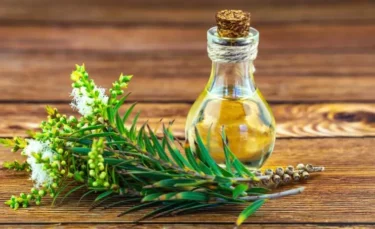
Because of its anti-bacterial properties, diluted tea tree oil may be used as an ingredient in deodorants12.
Other than abundant benefits, tea tree oil may be harmful too, if not taken as per the physician’s guidance. Taking tea tree oil orally is not advised. Oral administration might result in significant side effects such as unconsciousness, ataxia (lack of muscular coordination), disorientation, and breathing issues16.
Dr. Siddharth Gupta, B.A.M.S, M.D (Ayu)
Tea tree oil may be safe when applied topically, but sometimes it may cause skin irritation, dryness of the skin, and swelling. While tea tree oil can be a great addition to your daily routine, it is important to follow certain precautions. Tea tree oil is not for consumption and should always be diluted before application on the skin. Other side effects of tea tree oil may include an allergic reaction or symptoms like redness, itching, burning, and dry or scaly skin13. It is suggested to do a skin patch test before applying tea tree oil on a large area of skin. As tea tree oil can also be used for aromatherapy, breathing in or inhaling too much of the essence may lead to symptoms such as nausea, headache or vertigo14.
Tea tree oil, derived from the Australian Plant, is a versatile essential oil with a history of traditional use. Its primary medicinal value lies in its antimicrobial and anti-inflammatory properties, which make it popular for managing various skin and hair conditions. However, it is crucial to remember that tea tree oil should never be swallowed and must always be diluted before topical application to avoid potential side effects. When used correctly, tea tree oil can be a valuable addition to natural health and personal care routines.
Disclaimer: The information provided here is for educational/awareness purposes only and is not intended to be a substitute for medical treatment by a healthcare professional and should not be relied upon to diagnose or treat any medical condition. The reader should consult a registered medical practitioner to determine the appropriateness of the information and before consuming any medication. PharmEasy does not provide any guarantee or warranty (express or implied) regarding the accuracy, adequacy, completeness, legality, reliability or usefulness of the information; and disclaims any liability arising thereof.
Links and product recommendations in the information provided here are advertisements of third-party products available on the website. PharmEasy does not make any representation on the accuracy or suitability of such products/services. Advertisements do not influence the editorial decisions or content. The information in this blog is subject to change without notice. The authors and administrators reserve the right to modify, add, or remove content without notification. It is your responsibility to review this disclaimer regularly for any changes.
50
1
Guava is a tropical fruit found in Venezuela, Mexico and Colombia. It is usually eaten fresh or made into beverages, while its skin and leaf are used in traditional home remedies. While some believe guava can cause a cold (something that might be true for a few sensitive individuals) it also comes with a host of impressive health benefits1.
Guava is helpful to manage health problems such as high blood pressure, diarrhoea, diabetes, cough and different types of cancer. It is also good for people with diabetes and can be included in your diabetes diet plan.
Well, how does guava do all of this? The answer to this question is that guava has a high source of vitamin C and fibres that act as antioxidants. These antioxidants help reduce or stop harmful effects caused by oxidation2.
Guava is a fruit with medicinal properties and may be beneficial in many health problems such as diarrhoea, blood pressure and many more conditions. Here are some facts about guava that you may find interesting3,4:
If pineapple holds the title of “king of fruits”, then guava certainly earns its name as “queen of fruits,” all because of its medical properties. Guava was first sold in the market in Florida in 1847, and between 1948 and 1969, Hawaii introduced 21 different cultivars of guava. However, guava trees are sensitive to sudden drops in temperature, which can severely affect their growth or even cause the trees to die5.
Here are some key nutritional facts about guavas you should know4:
| Guava contents per 100g | Amount |
| Calories | 68 |
| Carbohydrates | 14.32g |
| Fibre | 5.4g |
| Fats | 0.95g |
| Protein | 2.55g |
| Vitamin C | 275% of the daily recommended intake |
| Folate | 12% of the daily recommended intake |
| Vitamin B5 | 9% of the daily recommended intake |
| Vitamin B6 | 8% of the daily recommended intake |
| Niacin | 7% of the daily recommended intake |
| Magnesium | 6% of the daily recommended intake |
| Potassium | 9% of the daily recommended intake |
| Phosphorus | 6% of the daily recommended intake |
| Manganese | 5% of the daily recommended intake |
Note: Guava has great medicinal benefits, but it must be consumed in moderation. It is important to note that guava contains fructose, which can be harmful to your health if consumed in large quantities.
Most guava trees have similar characteristics, but there are some differences based on climate. In colder climates, guava trees grow up to 12 feet tall, while in warmer climates, they can reach heights of up to 20 feet. Guava plants require extra care during winter months, as they are sensitive to cold and sudden temperature drops6.
The two common types of guavas as follows5:

These guavas are also called desert guavas and usually taste sweet and appear to be pink in colour. This variety of guavas is easily available in the market around you. This high-quality variety is often sold in Hong Kong and has a smooth texture with fewer seeds.
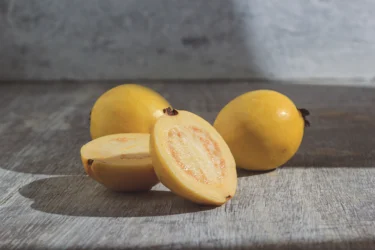
This variety tastes acidic and mild with no fragrance. The inside layer appears to be pale white or yellow while the skin looks green when ripe. This variety may also turn pinkish when ripe.
Note: Though there are many different varieties of guavas, all of them are known to be a powerhouse of healthy nutrients.
Guava fruits or the “queen of all fruits” are considered to be high in medicinal value. A 100-grams serving of guava fruit contains just 68 calories and 8.92 grams of natural sugar, making it a nutrient-dense option for a healthy diet. It is also rich in calcium and contains around 18 grams of essential minerals for every 100 grams, making it beneficial in supporting various aspects of health and help manage different diseases4.
However, in order to understand how beneficial this tropical fruit can be, let’s take a closer look into the health benefits of guava.

Guava is rich in vitamin C and is said to contain four times the content of vitamin C found in oranges4. Vitamin C helps boost immunity which helps the body to fight common infections and pathogens. Also, more vitamin C helps in good eyesight2.

Vitamin C, lycopene and other types of polyphenols act as antioxidants that help in neutralising infections in the body that prevent the growth of cancerous cells. Clinical studies2,7 suggests that guava fruit may prevent prostate cancer and also prevents the growth of breast cancer cells.
In my experience, I have observed that water extracts of guava may have anti-proliferative activity against KB cells. This means that the extracts have the ability to inhibit the growth and division of certain harmful cells10.
Dr. Rajeev Singh, BAMS

Guava benefits people who are managing blood sugar levels, as it has a high content of fibre and glycaemic index that helps prevent the development of diabetes. You may refer to glycemic index food chart to find out the GIs of other foods and modify your diet accordingly. Fibre content regulates blood sugar levels from spiking, while glycaemic index also restricts your blood sugar to rise at a short rate2.

Guava contains high amounts of sodium and potassium that helps the body to balance and regulate high blood pressure in patients suffering from hypertension. Guavas help in reducing cholesterol that is one of the primary reasons for heart diseases. However, this fruit increases the levels of good cholesterol and substitutes this with bad cholesterol2.

Guavas contain high amounts of good dietary fibre when compared to other fruits. One guava a day contains 12 per cent of fibre intake that makes it highly beneficial for digestive health. It also helps in healthy bowel movements. This reduces your risk of constipation2.

Guava fruit contains vitamin A that helps boost an individual’s eyesight. Eating guava not only prevents bad eyesight but also prevents you from developing cataracts and macular degeneration4.

Guava contains magnesium in the fruit that helps relax your muscles and nerves. So, this means that after a hard workout or a long day at the office, you need just one guava to get you relaxed. This fruit helps you combat stress and provides a good energy boost to your system2.

Guavas benefit pregnant women such that it contains folic acid and vitamin B-9 which is recommended to be given for women since it helps in developing the baby’s nervous system and protects the baby from neurological disorders8.

Guava leaves benefit dental health due to their anti-inflammatory action and antibacterial ability that fights infections and kills germs and people consuming guava leaves at home will help curb toothaches. The juice from the guava leaves is also said to provide relief from swollen gums and oral ulcers2.
Guava benefits people suffering from colds and coughs, as it has a very high content of vitamin C and iron compared to other fruits. However, guava is believed to help from getting a bad cold or any viral infection. The juice from raw guavas is very beneficial in curing cough and cold. It gets rid of the mucus and disinfects the respiratory tract, throat and lungs5.

Many women experience bad and painful cramps as period symptoms and guava leaf extract may help reduce the pain during menstruation. A study2 which involved 197 women consuming guava leaf extract (6 mg) found that it greatly helped in reducing the pain.
Over the years, I have observed that the leaf of Psidium guajava, commonly known as guava, has a spasmolytic effect. This means that it can help relieve spasms or involuntary contractions of certain muscles. The main component responsible for this effect is a compound called quercetin, which is found in its leaf and the plant extract10.
Dr. Smita Barode, B.A.M.S, M.S.
Also Read: Curry Leaves (Kadi Patta): Uses, Benefits, Side Effects and More!
While we often rely on western medicine for common issues like fever, cold, or cough, it is important not to overlook the beneficial properties of natural remedies, particularly guava leaves. If guava fruit is healthy, then its leaves are super healthy. If the fruit is known for its health benefits, the leaves are even more impressive in what they offer.
Here are some of the benefits of guava leaves that you need to know2:
Note: Guava leaves can be boiled in hot water and consumed or made into a cup of tea, ensure to seek your healthcare provider’s advice to see if this may be beneficial to your situation.
Hair fall is often a sign of an unhealthy scalp and guava leaves can help stop hair fall and strengthen the scalp because of their anti-inflammatory, antimicrobial, and antioxidant properties. They can also be effective in helping with common scalp issues like dandruff.
Guava is also rich in vitamin B & C which helps in nourishing hair and helps in hair growth. So if you have a guava tree in your garden, don’t let those leaves go to waste. Instead of discarding or burning them, grind them into a paste and gently apply it to your scalp. This simple remedy can strengthen your roots and significantly reduce hair fall9.
Just as green tea is considered healthy, guava leaf tea might just be the next big thing in natural wellness. Known for its potent healing properties, it can be especially beneficial for digestive issues like abdominal pain or diarrhoea. To make guava tea, add guava leaves to boiling water and boil for 20 minutes. Then strain the water and allow it to cool for 5 minutes and consume this tea while lukewarm, preferably on an empty stomach and you may find instant relief from digestive problems2.
Based on my experience, I have observed that water extracts of guava may have liver-protective activity. They have been found to significantly reduce elevated levels of liver enzymes and bilirubin in the blood. Guava extract may have a protective effect on the liver, promoting its health and function10.
Dr. Siddharth Gupta, B.A.M.S, M.D (Ayu)
Also Read: Know About 20 Super Healthy Leaves You Must Eat!
Guava stands out not only for its nutritional value but also for its traditional and therapeutic uses. Its unique blend of vitamins, minerals, and plant compounds supports various body systems, while the leaves offer added medicinal properties. As a natural, accessible option, guava can play a supportive role in everyday health when consumed mindfully.
Also Read: Betel Leaves: Uses, Benefits, Side Effects By Dr. Smita Barode
Guava fruit and its leaves, have medical properties that can be beneficial to you. However, it is better to consume it in moderation. Here are some frequently asked questions (FAQs) that will give you an insight about guava fruits and their other health benefits.
Individuals with diabetes are usually advised to eat apples, but guava can also be an alternative snack for diabetics. Guava is rich in dietary fibre and can help ease constipation but it can also help lower the risks of developing type 2 diabetes. It contains high levels of vitamin C that can be helpful for many health-related problems. You may find it beneficial to have one guava a day as a part of your fitness diet as a diabetic with the guidance from a healthcare provider.
Guava and egg are considered healthy, but some may be allergic. If you want to consume both boiled egg and guava together, then it is advised that you consult a doctor and seek medical advice to make sure this is safe in your case.
The white guava and pink guava are the same in terms of their nutrition content, but what makes them different is their colour, taste, and that they are found in different countries.
Guava can be eaten at any time but preferably not on an empty stomach. This is because, if your body needs to reap the benefits of these fruits, there must be some food in your stomach for it to digest and mix along with, you can consume guavas 30 minutes after you finish eating.
Guava fruit, as well as its leaves, have medicinal properties that can be beneficial for certain health problems. However, make sure that you do not consume it in excess. Make sure to consult a doctor to know if you are allergic to guavas.
While the fibre content and low glycaemic index typically make guava safe for diabetics, if you consume too much guava too quickly, it may spike your blood sugar. This is especially true if you consume a particularly sweet variety of guava. For most people, however, moderate consumption of guava is an exceptionally healthy dietary choice.
Yes, when consumed in large amounts or if you already have a digestive issue, then guava may contribute to diarrhoea. One factor that may contribute to this is that guava contains indigestible seeds, another factor is that it may possibly result in insufficient absorption of fructose.
Yes, guava can be eaten raw and it is usually consumed in this form. Make sure to check whether the guava you have purchased is ripe before you eat it.
1. Arévalo-Marín E, Casas A, Landrum L, Shock MP, Alvarado-Sizzo H, Ruiz-Sanchez E, et al. The Taming of Psidium guajava: Natural and Cultural History of a Neotropical Fruit. Frontiers in Plant Science [Internet]. 2021 Sep 28 [cited 2025 Apr 23];12. Available from: https://pmc.ncbi.nlm.nih.gov/articles/PMC8505677/
2. Díaz-de-Cerio E, Verardo V, Gómez-Caravaca AM, Fernández-Gutiérrez A, Segura-Carretero A. Health Effects of Psidium guajava L. Leaves: An Overview of the Last Decade. International Journal of Molecular Sciences [Internet]. 2017 Apr 24 [cited 2025 Apr 23];18(4). Available from: https://www.ncbi.nlm.nih.gov/pmc/articles/PMC5412476/
3. Plant Village. Guava | Diseases and Pests, Description, Uses, Propagation [Internet]. plantvillage.psu.edu. [cited 2025 Apr 23]. Available from: https://plantvillage.psu.edu/topics/guava/infos
4. Hussain SZ, Naseer B, Qadri T, Fatima T, Bhat TA. Guava (Psidium Guajava)- Morphology, Taxonomy, Composition and Health Benefits. Fruits Grown in Highland Regions of the Himalayas [Internet]. 2021 [cited 2025 Apr 23];257–67. Available from: https://www.researchgate.net/publication/352417612_Guava_Psidium_Guajava-_Morphology_Taxonomy_Composition_and_Health_Benefits
5. Guava [Internet]. Purdue.edu. 2019 [cited 2025 Apr 23]. Available from: https://www.hort.purdue.edu/newcrop/morton/guava.html
6. Crane JH, Balerdi CF. Guava Growing in the Florida Home Landscape. EDIS [Internet]. 2006 Oct 11 [cited 2025 Apr 23];2006(18). Available from: https://hos.ifas.ufl.edu/media/hosifasufledu/documents/pdf/in-service-training/shared-related-publications/Guava-Growing-in-the-Florida-Home-Landscape.pdf
7. Jamieson S, Wallace CE, Das N, Bhattacharyya P, Bishayee A. Guava (Psidium guajava L.): a glorious plant with cancer preventive and therapeutic potential. Critical Reviews in Food Science and Nutrition [Internet]. 2021 Jul 21 [cited 2025 Apr 23];1–32. Available from: https://www.tandfonline.com/doi/10.1080/10408398.2021.1945531?url_ver=Z39.88-2003&rfr_id=ori:rid:crossref.org&rfr_dat=cr_pub%20%200pubmed
8. N. Olii, Sukaisi, Asriah, S.Y. Kusika, Zuraidah. The effect of red guava (Psidium guajava L.) juice on pregnant women’s hemoglobin level. Food Research [Internet]. 2022 Jun 26 [cited 2025 Apr 23];6(3):382–8. Available from: https://www.researchgate.net/publication/361552422_The_effect_of_red_guava_Psidium_guajava_L_juice_on_pregnant_women
9. Ruksiriwanich W, Khantham C, Muangsanguan A, Phimolsiripol Y, Barba FJ, Sringarm K, et al. Guava (Psidium guajava L.) Leaf Extract as Bioactive Substances for Anti-Androgen and Antioxidant Activities. Plants [Internet]. 2022 Jan 1 [cited 2025 Apr 23];11(24):3514. Available from: https://www.mdpi.com/2006336
10. Akanda MdKM, Mehjabin S, Uzzaman S, Parvez GMM. A short review on a nutritional fruit: Guava. ResearchGate. 2018 [cited 2025 May 14]. Available from: https://www.researchgate.net/publication/330702066_A_short_review_on_a_Nutritional_Fruit_Guava
Disclaimer: The information provided here is for educational/awareness purposes only and is not intended to be a substitute for medical treatment by a healthcare professional and should not be relied upon to diagnose or treat any medical condition. The reader should consult a registered medical practitioner to determine the appropriateness of the information and before consuming any medication. PharmEasy does not provide any guarantee or warranty (express or implied) regarding the accuracy, adequacy, completeness, legality, reliability or usefulness of the information; and disclaims any liability arising thereof.
Links and product recommendations in the information provided here are advertisements of third-party products available on the website. PharmEasy does not make any representation on the accuracy or suitability of such products/services. Advertisements do not influence the editorial decisions or content. The information in this blog is subject to change without notice. The authors and administrators reserve the right to modify, add, or remove content without notification. It is your responsibility to review this disclaimer regularly for any changes.
436
10
Right from ancient days, leafy green vegetables have been an important component of daily diet. Being power-packed with a variety of vitamins and minerals makes them a value addition to every healthy diet plan. The fat and sugar content of green leafy vegetables is minimal, which also makes them a good fit for a weight loss diet.
They also help protect your body by strengthening the immune system, slowing down signs of ageing, and helping avoid heart diseases, high blood pressure, and cancers.
Did you know?
Want to add green leaves to your diet, but all that comes to your mind is spinach? Well, a wide range of green leafy vegetables like kale, mustard greens, cabbage, coriander leaves, fenugreek leaves, moringa leaves, and amaranth leaves are available for consumption in various forms. This allows you to relish a variety of flavours by including different leafy greens and microgreens in your meals as per your taste and choice.
I would highly recommend eating dark green leafy vegetables to people with eye issues. Dark green leafy vegetables are rich in vitamin A and beta carotene, which is essential to maintain eye health16.
Dr. Rajeev Singh, BAMS
You may not always like your green leafy vegetables the way they are but consuming them is very important for your well-being. Here are some tips1 to make your meals a little bit more interesting while increasing your intake of green leafy vegetables:
Green leafy veggies should be an integral part of your routine diet as they can help you manage certain health conditions and illnesses like poor eyesight, mineral deficiencies, poor immunity, constipation, and even certain heart diseases5. Leafy green vegetables help with your daily nutrient intake because they contain a multitude of macro and micronutrients that are necessary for the body. Here are some more health benefits of adding leafy greens to your regular diet.
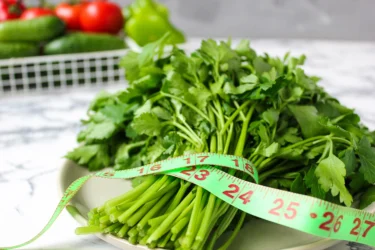
One of the biggest benefits of consuming leafy green vegetables is that they are extremely low in calories when compared to other foods. Despite being low in calories, they are often dense in nutrients, which is why they are a preferred food item in weight loss diets6.
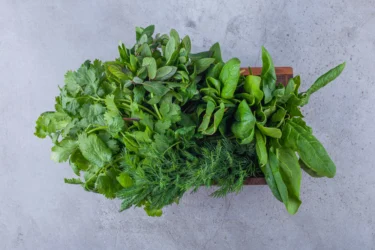
Leafy green vegetables are added to weight loss diets because they contain vitamin K. This fat-soluble vitamin is extremely helpful in stimulating weight loss. Moreover, recent research also suggests that vitamin K can help reduce inflammation, manage diabetes, and reduce plaque formation in the arteries, and can even help delay the onset of bone ailments like osteoporosis7,8.

Since leafy green vegetables are full of vitamins and minerals that are needed to both help boost the immune system as well as maintain an overall healthy body, they have been known to help avoid certain diseases as well. For example, iron-deficiency anaemia, poor eyesight, weight troubles, signs of ageing, poor immunity, constipation, blood clotting, folate deficiency, weak bones, cancer, heart diseases, and high cholesterol1,2,7.
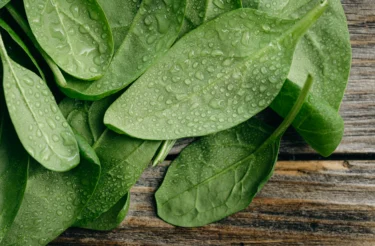
While leafy green vegetables may only be popular for being sources of vitamins and minerals (micronutrients), many of them also contain macronutrients like complex carbohydrates, fibre, protein, and even minute traces of fat1,2. For example, spinach, a classic dark green leafy vegetable, provides 2.64 g of carbohydrate and 2.91 g of protein in each 100g of serving9.

Green leafy vegetables are best known for being rich sources of micronutrients, and this is one of the reasons most people should be adding more of them to their daily diet. Although micronutrients may be required in lower quantities in the body, they play a major part in helping boost the immune system and several other functions of the body. Green leafy vegetables contain essential micronutrients like beta-carotene, lutein, and zeaxanthin. These can help avoid damage to the cells of our body and even enhance eyesight2,10.
Apart from these, green leafy vegetables are highly effective and beneficial for healthy skin and hair.
Including one serving of green leafy vegetables might help in slowing age-related cognitive decline in elderly people15.
Dr. Siddharth Gupta, B.A.M.S, M.D (Ayu)
There has been a lot of discussion and research on the change in the nutritional makeup of leafy vegetables after cooking. Studies suggest that there is a considerable loss in the number of vitamins and minerals after cooking. If you want to get the maximum amount of nutrients from these veggies, you should eat them uncooked. Many people love to consume these greens in the form of salads, green smoothies, and juices, as they not only provide you with abundant nutrition but also save you from the additional oil and spices added to your greens while cooking. This makes a good anti-inflammatory diet. But do make it a point to wash your greens well if you are consuming them raw1,11,12.
If you have oxalate kidney stones, you should limit your spinach intakeas it contains a high amount of oxalate13.
Green leafy veggies make an important component of a balanced diet. Eat them as you like – chop them in your salads, add them to your smoothies, stuff them in your wraps and sandwiches or cook them with your favourite flavours, but don’t forget to consume them in some or the other way daily to keep your body healthy and glowing.
Yes, some nutrients like vitamin C and folate can be reduced with overcooking. However, light cooking (like steaming or sautéing) can actually improve absorption of certain nutrients like iron and calcium.
Spinach, fenugreek leaves, and amaranth are great options. Pairing them with vitamin C-rich foods (like lemon or tomatoes) helps your body absorb iron more effectively.
Not always. Raw greens retain certain vitamins, but cooking helps break down tough fibers and improves mineral absorption. A mix of both raw and cooked forms is ideal.
Yes, they are low in calories and high in fiber, which keeps you full for longer. They also provide essential nutrients without adding excess calories.
Absolutely. They are rich in antioxidants, iron, and vitamins A and C, which support collagen production, improve skin glow, and help reduce hair fall linked to nutrient deficiencies.
Store them unwashed in the refrigerator, wrapped in a paper towel or cloth to absorb moisture. Wash only before use to prevent spoilage.
Disclaimer: The information provided here is for educational/awareness purposes only and is not intended to be a substitute for medical treatment by a healthcare professional and should not be relied upon to diagnose or treat any medical condition. The reader should consult a registered medical practitioner to determine the appropriateness of the information and before consuming any medication. PharmEasy does not provide any guarantee or warranty (express or implied) regarding the accuracy, adequacy, completeness, legality, reliability or usefulness of the information; and disclaims any liability arising thereof.
Links and product recommendations in the information provided here are advertisements of third-party products available on the website. PharmEasy does not make any representation on the accuracy or suitability of such products/services. Advertisements do not influence the editorial decisions or content. The information in this blog is subject to change without notice. The authors and administrators reserve the right to modify, add, or remove content without notification. It is your responsibility to review this disclaimer regularly for any changes.
18
2
Gokshura, often known as Tribulus Terrestris is a tiny leafy Ayurvedic herb that belongs to the Caltrop family. Because the fruits of this plant resemble cow hooves, its name is derived from two Sanskrit words: ‘Go’ meaning cow, and ‘Aakshura’ meaning hoof1.
Gokshura, also known as Goksuraka, Gokhuri, Gokshra, Devil’s thorn, Goat head, Small Caltrop, Gokharu, or Gokhri is a vital element used to cure urinary diseases, polycystic ovary syndrome (PCOS), prostate gland problems, heart ailments and kidney problems. It may also aid in the development of muscle growth, increased and cognitive activity1.
The fruit bears sharp thorns over its surface that are hard enough to puncture a cycle tire, earning it the name Trikanta or Puncture Vine. This herb’s active components, alkaloids, and phytosterols combine to make it an effective diuretic. Apart from urinary issues, gokshura can possibly help with hair loss, neurological disorders, rheumatic pain, headaches, obesity, stress, piles, bedwetting, and eye problems.
Gokshura has active components, the most important of which are the alkaloids, norharman and Harman. It also contains terrestrosins A E, flavonoid glycosides, and furostanol, which are steroidal saponins.
In India, gokshura may be used in Ayurvedic medicine to treat asthma, edema, cough, and renal problems, as well as to aid with hair loss, rheumatic pain, headache/stress, menstruation, weak nervous system, obesity, piles, and eye problems. This herb has been discovered to have hypotensive, anti-microbial, anti-cancer, aphrodisiac, and diuretic qualities by researchers.
Gokshura is also known to have many medicinal properties2. These include-
Gokshura may be an extremely useful herb for many common ailments.
Urinary conditions such as urinary incontinence, painful urination, and burning sensation when urinating may benefit from the Gokshura churn. When gokshura is mixed with cow’s milk, it may relieve pain and burning micturition, it may also encourage proper urination and it may help dysuria since it is a mild diuretic3.
Antimicrobial and antibacterial characteristics of gokshura may help against urinary infections. Your doctor will be able to assess your condition and prescribe dosage and form correctly.
Consuming Gokshura at the recommended dosage may provide the body with nutrients and minerals essential for muscle strength, making it a natural approach to potentially building healthy muscles. As the available data seems insufficient we may need further studies that can give evidence for these benefits on humans.
In my opinion, Gokshura is a special plant with some fantastic benefits. An animal study8 looked into the effects of a special extract from Gokshura on different muscle preparations. The results show that this mixture may help reduce muscle spasms and ease colic pains.
Dr. Smita Barode, B.A.M.S, M.S.
The traditional Gokshura churn supports kidney health by assisting in the elimination of excess uric acid and managing the uric acid level in the kidneys, thereby preventing or curing gout.
The anti-lithiasis (against stone formation) properties of Gokshura churn may help against the production of kidney stones, as well as breaking or reducing the size of those that may have already developed4. It may also work against polycystic kidney disease, kidney stones, and cystitis. It may aid in the management of diabetes and hence may combat underlying symptoms such as frequent urination. You must consult with your doctor for better advice.
Gokshura churn may have digestive qualities and has been discovered to be particularly helpful in improving digestion. It may increase the absorption of important nutrients and improve digestion by stimulating the release of digestive juices.
It also addresses symptoms of stomach pain, distension, ulcerative colitis, and irritable bowel syndrome, as well as preventing fluid retention. We may need further studies that can give evidence for these benefits on humans.
The analgesic and anti-inflammatory characteristics of Gokshura may help in reducing pain and inflammation, and the churn can be used to benefit rheumatoid arthritis and osteoarthritis1. The studies available currently are insufficient and therefore more scientific evidence is needed to back up this claim.
Gokshura churn is a traditional medicine that may have a beneficial effect on brain function. The powerful antioxidants in gokshura may help people with their memory, attention, concentration, tranquility, and alertness.
Regular use of the powder has been studied to have a positive effect on memory, reasoning, problem-solving, and other cognitive capacities, as well as being particularly helpful for psychotic diseases such as Alzheimer’s disease. You must consult a doctor before including any herb in your diet for its skin benefits as they may be able to assess your condition and prescribe dosage and form correctly.
Owing to powerful antioxidative properties, the Gokshura churn may be helpful for a variety of heart conditions. It may strengthen the cardiac muscles and keep lipids and other debris out of the blood vessels, preventing atherosclerosis. The bioactive ingredients in gokshura may lower the levels of non-esterified fatty acids (NEFA), which may help in lowering the risk of heart attacks, strokes, blood clots, and other cardiovascular diseases1.
It’s also important for keeping blood cholesterol levels in check. Your doctor will be able to assess your condition and prescribe gokshura dosage and form correctly.
I may have some good news for people trying to manage type 2 diabetes. In a study6 with 98 women, it was seen that Gokshura might help lower blood sugar levels. Thus, it might just be the natural support you’ve been looking for!
Dr. Rajeev Singh, BAMS
Gokshura may be an excellent natural antioxidant and cleanser for healing oxidative free radical damage caused by the sun’s rays. As a result, when used on a daily basis, the Gokshura mixture can help to reduce skin issues, fine lines, dark circles, spots, and some other symptoms of aging. It may also help with wounds, hives, itching, and skin infections while providing a smooth, radiant, regenerated complexion.
Gokshura may help with acne, which is very common among youngsters. It can be used to help with itching, skin irritations, skin eruptions, and eczema, among other dermatological issues.
You must consult a dermatologist before using anything for your skin.
I came across a study that may have shown some exciting benefits for postmenopausal women. In the study, women who took Gokshura experienced potential improvements in their sexual function, like desire, arousal, pain, and anorgasmia7. Thus, Gokshura might just be the secret ingredient you’ve been searching for!
Dr. Siddharth Gupta, B.A.M.S, M.D (Ayu)
Though there are studies that show the benefits of gokashura in various conditions, these are insufficient and there is a need for further studies to establish the true extent of the benefits of gokshura on human health.
Gokshura is available in five different forms
You must consult a qualified doctor before taking any herbal supplements. Do not discontinue or replace an ongoing treatment of modern medicine with an ayurvedic/herbal preparation without consulting a qualified doctor.
The majority of research has concluded that Gokshura is mostly safe to consume and has no harmful effects. Gokshura has the potential to upset the stomach and enlarge the size of the prostate in men. Before including Gokshura in the daily diet, consult with a qualified Ayurvedic doctor, and be cautious in the following situations.
If you experience any side effects from consuming gokshura, you must consult the doctor who prescribed it to you immediately.
If you have one or more of these conditions, it is important to consult with your doctor before taking Gokshura.
It is essential to keep in mind not to use Gokshura with any of these medications:
Gokshura could have a diuretic or water pill effect. Taking Gokshura may impair the body’s ability to eliminate lithium. This could cause side effects by raising the level of lithium in the body. If you are taking any of these medications, you should speak with a doctor.
Gokshura may help to lower blood sugar levels. If you use Gokshura with diabetic medication, your blood sugar may drop too low. As a result, the diabetes medication dose may need to be adjusted.
Blood pressure appears to be reduced with Gokshura. Consumption of Gokshura with hypertensive drugs might cause blood pressure to go too low.
Gokshura seems to lower blood pressure. Consumption of Gokshura with hypertensive drugs might cause blood pressure to go too low.
Gokshura is a well-known herb in Ayurveda that may help with many health problems, from kidney and urinary issues to muscle strength, heart health, and even brain function. Its natural properties like reducing inflammation, acting as a mild diuretic, and boosting energy, make it useful for a variety of common conditions. It may also help with skin problems, joint pain, and hormonal balance. While traditional use and early research show many possible benefits, more studies are needed to understand how it works in humans. Always talk to a qualified doctor before using Gokshura, especially if you have health conditions or take regular medicines. When used carefully, Gokshura might be a helpful addition to a healthy lifestyle.
Gokshura’s diuretic properties may aid in maintaining blood pressure by increasing urine output and helping to drain the excess fluid from the body that causes high blood pressure. This beneficial property of gokshura needs further studies to understand its potential use in humans.
Gokshura does not make you lose your hair. On the contrary, Gokshura may have some beneficial effects on hair loss in women. As a result, Gokshura may be helpful in the treatment of hair loss in women rather than inducing hair fall. It is advisable to consult your Ayurvedic physician to understand dosage, uses, and precautions as per your health condition.
Gokshura is helpful for numerous problems such as rheumatic pain, neural problems, headache, bedwetting, low water retention capacity, hair fall, stress, obesity, menstruation, piles, and eye problems. You must consult your Ayurvedic physician for proper advice as per your condition.
Yes, we can take Gokshura tablets on an empty stomach with milk.
Gokshura can be consumed via any of these forms based on your doctor’s prescription:
Gokshura Churna
Gokshura Capsule
Gokshura Kwath
Gokshura Tablet
Disclaimer: The information provided here is for educational/awareness purposes only and is not intended to be a substitute for medical treatment by a healthcare professional and should not be relied upon to diagnose or treat any medical condition. The reader should consult a registered medical practitioner to determine the appropriateness of the information and before consuming any medication. PharmEasy does not provide any guarantee or warranty (express or implied) regarding the accuracy, adequacy, completeness, legality, reliability or usefulness of the information; and disclaims any liability arising thereof.
39
1
Kala Namak is a form of rock salt commonly referred to as black salt. It comes from India’s, Pakistan’s, Bangladesh’s, Nepal’s, and other Himalayan salt mines. Ayurvedic medicine first used black salt for its holistic, medicinal powers1. It’s full of insoluble minerals, making it difficult for the body to absorb them.
Himalayan black salt, black lava salt, and black ceremonial salt are the three main varieties of black salt. Black lava salt is also known as Hawaiian black salt because it is typically found in Hawaii. Black ritual salt, also known as witch’s salt, is made up of ashes, sea salt, charcoal, and occasionally black pigment. It isn’t intended for human consumption.
Indian black salt, or kala namak, is another name for Himalayan black salt. It’s often used in cooking, especially in Asian and Indian cuisine, because of its pungent, savoury, and umami flavour. It’s also employed in vegan cuisine to produce an egg-like flavour because of its faint, sulphurous fragrance, which is similar to eggs.
Cooking with black salt is common, and it’s a popular element in Indian cuisine. It has volcanic origins and is composed of sulphur compounds that contribute to its odour and flavour. Iron and potassium chloride are also present2.
The nutritional components found in 100 grams of black salt3:
Ayurveda considers black salt to be a cooling spice that may be beneficial digestive and health benefits. Black salt is also known to have many beneficial properties2. These include:
Black salt is an extremely useful herb for many common ailments.
Black salt contains modest amounts of iron, which may contribute to the production of haemoglobin in the body. Thus, it can potentially help with iron-deficiency anemia symptoms5. It is, however, essential to consult your doctor before taking black salt for anemia.
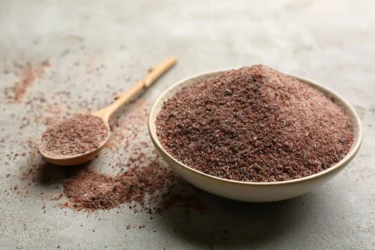
Black salt may have some effect on boosting a child’s immunity. It may also help get rid of intestinal gas, promote digestion, and eliminate excess phlegm from the body, making it suitable for babies older than one year2. We may need further studies that can give evidence for these benefits on humans. Further, you must always consult a doctor and use any herb for children and babies only if prescribed.

Black salt improves digestion by increasing the natural production of acid in the stomach and formation of bile juice in the liver. It may also help boost the absorption of nutrients in the small intestine. Bloating can be caused by a variety of factors, including overeating, allergy, constipation, inflammatory bowel syndrome, etc. Black salts have alkaline characteristics to neutralize excess acids in the stomach. The minerals it contains help to reduce the damage caused by acid reflux5. Moreover, for any conditions related to digestion you must be diagnosed and treated by a doctor.
Due to its Rechana (laxative) properties, black salt may be beneficial for constipation5. It may soften hard stools and make moving bowels easier. More studies on humans are required to back this claim. Therefore, it is essential to first speak to your doctors and only use it if prescribed.

Insulin is a hormone generated by the pancreas and is in charge of controlling blood sugar levels. When a person’s body is unable to produce enough insulin or has become resistant to insulin, they are diagnosed with diabetes.
According to studies6, low sodium levels have been linked to a decrease in insulin release in the body. Regular consumption of black salt, which is high in sodium, helps produce insulin and hence helps control of blood sugar levels2.

Black salt has a high potassium content, which is important for muscular function. It might also aid in the absorption of other minerals. Thus, black salt may have the potential to relieve muscle cramps and spasms by relaxing them7.

The possible anti-inflammatory effects of black salt, and its abrasive texture, might help in the healing of cracked heels, sprains and swollen feet. Soaking feet in warm water containing black salt might help relieve the pain and swelling. It also functions as a cleanser, assisting in the opening of congested pores and providing a clear complexion7. The possible skin benefits from its high quantity of helpful minerals. Cracked skin can be healed by washing the afflicted region in lukewarm water with black salt. This may aid in the natural healing of skin. However, every person has a different response to different herbs. Therefore, it is better to consult a doctor before you use black salt for your skin problems.
Other than culinary uses, black salt might aid in the beautification of nails. Black salt is believed to remove dead skin debris and hence might clean the yellowness in the nail bed by using black salt as a scrub or soaking in the water containing black salt4.
Dr. Anuja Bodhare, B.A.M.S, M.D (Ayu)

Using black salt on a regular basis might help achieve luscious, and damage-free hair. It may contain important minerals that may end, reduce dandruff, and control of excessive hair fall2.

Black salt for weight loss is a great addition to diet if you’re trying to cut back on sodium while also avoiding bloating and water retention. Black salt helps to dissolve fats by increasing the solubility of digestive enzymes. When compared to regular table salt, it may speed up digestion and provide more nutrition to the body’s cells2. However more studies are needed to understand its effect on weight loss in humans. Consult a dietitian or a doctor to get better advice.

Black salt thins the blood and may be beneficial in people with high cholesterol2. However, people with high blood pressure, should limit their intake of black salt. Any heart-related conditions must be treated under a qualified doctor’s supervision.
Black salt helps to maintain good blood circulation, which may help prevent blood clots. However, it’s best to consult a doctor beforehand.

People suffering from respiratory problems or sinusitis can benefit from kala namak2.
You can speed up the clearing up of phlegm and the opening of nostrils by gargling with black salt in warm water or by steam inhalation or by adding it to warm water for gargling.
Talk about the effectiveness of black salt for arthritis! Researchers believe warm compresses with a bag of heated black salt on joints might help with arthritis problems2.
Dr. Siddharth Gupta, B.A.M.S, M.D (Ayu)
Black salt is available in three different forms:
You must consult a qualified doctor before taking any herbal supplements. Do not discontinue or replace an ongoing treatment of modern medicine with an ayurvedic/herbal preparation without consulting a qualified doctor.
Did you know black salt can aid in teeth whitening? Researchers believe that regular application of black salt mixed with mustard oil on the tooth surface might help in cleaning the debris from the tooth surface and hence, whitening the tooth4.
Dr. Smita Barode, B.A.M.S, M.S.
Also Read: Black Chana: Uses, Benefits, Side Effects By Dr. Rajeev Singh
In small quantities used in the regular diet, black salt is probably harmless. Black salt should not be consumed in excess.
Too much salt in the diet leads to excess secretion of calcium in the urine, resulting in the formation of kidney stones.
However, every herb may react differently in every individual. Therefore, if you experience any side effects, seek immediate medical help from your doctor. They will be the best guide for providing proper treatment to overcome side effects.
From what I have read, black salt is believed to maintain and regulate the serotonin and melatonin levels in our body, which helps to sleep and relax4.
Dr. Rajeev Singh, BAMS
If you have one or more of these conditions, it is important to consult with your doctor before taking Black salt.
Also Read: Pink Himalayan Salt: Uses, Benefits, Side Effects, Precautions & More!
Information is not available about the interaction of black salt with other drugs. However, every herb may react differently in every individual. Therefore, you must discuss your ongoing medications with your doctor who has prescribed it to you. They will be the best guide for providing proper treatment to overcome any possible interactions with other drugs.
Also Read: Toor Dal: Uses, Benefits, Side Effects & More!
Black salt, often referred to as Himalayan black salt, Indian black salt, or kala namak, is a volcanic rock salt produced in the Himalayan region. It contains varying amounts of sulphur compounds found naturally in the Himalayan mountains, in addition to sodium chloride (the primary chemical constituent in salt).
Inadequate salt consumption can reduce blood volume and have a negative impact on the placenta’s growth and function. When the placenta’s ability to function is compromised, the baby’s growth, development, and even life is jeopardised. Preeclampsia and fetal death may both be exacerbated by lack of salt in the diet.
Kidney stones are a painful condition caused by a buildup of minerals and acid salts into a lump that blocks the flow of urine and causes nausea. However, because of its medicinal characteristics, many traditional practitioners recommend swapping black salt for normal salt. You should consult a doctor for proper diagnosis and treatment for such conditions, it may be dangerous to self-medicate using herbs without proper information of its impact on your condition.
Black lava salt comes from Hawaii or Cyprus and is simply table salt mixed with activated charcoal. Use black lava salt as a finishing salt; it’s more for the aesthetic effect than the taste.
Indian black salt can be sprinkled on popcorn or kale chips for a unique flavour. Vegans can enjoy black salt because it gives egg-free foods the scent and flavour of eggs. It can also be used as a scrub or a soak while bathing.
Yes, you can use black salt for cooking. Black salt is now widely used in cooking and is a typical element in Indian cuisine. Black salt is perfectly safe to use in cooking.
No, black salt helps to decrease heartburn and bloating by stimulating bile production in the liver. It lowers acid levels and alleviates reflux. A pinch of salt can help to prevent gas production, bloating, and flatulence. You should consult a doctor for proper diagnosis and treatment for such conditions.
Because black salt does not contain iodine like table salt, you will need to supplement your diet with iodine sources.
Salt, as we all know, has no expiration date because it is a preservative in itself. Because salt packers are required to print the expiration date on the bag, the majority of them print it two years from the day of production.
Due to its Rechana (laxative) nature, black salt can produce diarrhoea if consumed in large quantities. However, limited human studies are available to establish this claim.
Black salt is another type of Himalayan pink salt. However, to infuse some therapeutic characteristics, this salt is burned at extremely high temperatures in kilns with charcoal, harad seeds, amla, and other ingredients.
Yes, black salt is good for blood pressure, as it contains more potassium and less sodium than table salt2. You should consult a doctor for proper diagnosis and treatment for such conditions, it may be dangerous to self-medicate.
Disclaimer: The information provided here is for educational/awareness purposes only and is not intended to be a substitute for medical treatment by a healthcare professional and should not be relied upon to diagnose or treat any medical condition. The reader should consult a registered medical practitioner to determine the appropriateness of the information and before consuming any medication. PharmEasy does not provide any guarantee or warranty (express or implied) regarding the accuracy, adequacy, completeness, legality, reliability or usefulness of the information; and disclaims any liability arising thereof.
73
4
Shankhpushpi is a plant native to India. It is scientifically called Convolvulus pluricaulis. Shakhpushpi is a Sanskrit word. This word basically means or stands for the plant with bell shaped or conch shaped flowers1,2. These flowers can be blue or white in color. In Ayurveda, it is recognized as ”Medhya Rasayana” which means a drug that rejuvenates, maintains and potentiates intellect and memory. This plant is used from its root to its tips and has a wide range of potential uses in man3.
In India, it is also known by various other vernacular names like:
The herb has diverse potential benefits for various systems of the body which are as follows1,4,5,6,7,8:

Shankhpushpi may have some benefits for brain:
Shankhpushpi may have nootropic potential i.e., it may have potential effect on memory, learning capacity and concentration in the person consuming it. It may be able to have some effect on conditions like attention deficit hyperactivity disorder (ADHD), which is usually seen in children, wherein the child has trouble paying attention, controlling impulsive behaviors or is overly active. However the studies available are insufficient to validate such claims and the exact effects on humans. You must consult a qualified doctor for proper advice and prescription.
Shankhpushpi may have neuroprotective potential, this indicates that it may have some beneficial effects on mental functions. Its antioxidant potential and anti-inflammatory potential may have possible benefit over brain functions like learning, thinking, reasoning, remembering, problem-solving, decision making, and attention. You must consult a qualified doctor for proper advice and guidance.
Due to its potential anti-depressant activity, shankhpushpi may be able to enhance the mood of the person consuming the herb. You must always take advise from a professional Ayurvedic doctor before consuming the plant preparations in depression-like conditions.
The herb shankhpushpi may have some effect on lowering blood pressure and is usually given to treat high blood pressure along with other herbal compounds. Various animal studies have revealed that its extracts lower Low-Density Lipoprotein-cholesterol (LDL-CH) which is the bad cholesterol, triglycerides (TG), and phospholipid levels. However, the studies on humans are insufficient to establish these benefits. Shankhpushpi may also be used in patients with high cholesterol due to its potential ability to lower cholesterol. Shankhpushpi may have the potential effect on these conditions. However, you must consult a qualified doctor for the mentioned conditions for proper prescription and detailed guidance.

The glycoprotein secretions of the herb may have shown some effect against various types of ulcers in the stomach. It may help in healing stomach ulcers. But we need further studies to establish these benefits.

It may make the skin glow. It may help with acne or pimples, which is usually very problematic in the teenage years of life. It may also help with skin infections. All these above potential uses are due to its anti-bacterial, antioxidant, and anti-inflammatory properties. You must consult a dermatologist for proper advice on skin conditions.
As is well-known with the brain-related effects of Shankhpushpi, it may also keep away the signs of ageing. Researchers think Shankshpushpi may be a natural anti-aging treatment. Antioxidants are thought to be abundant in it12.
Dr. Siddharth Gupta, B.A.M.S, M.D (Ayu)

The extract of shankhpushpi and compounds like tannins, saponins, coumarin, flavonoids, phenol and triterpenoids that are present in shankpushpi contribute to its activity against various bacteria.
Though studies show the benefits of shankhpushpi against various disease conditions, these studies are insufficient and there is a need for further studies to establish the true extent of the benefits of shankhpushpi on human health.
Did you know Shankhpushpi might be used for hair growth? Shankhpushpi oil is believed to reduce hair fall and enhance hair growth as a result of its rejuvenating nature13.
Dr. Rajeev Singh, BAMS
Shankhpushpi is available as a powder, tablet, capsule, juice, syrup and oil as well. Except for the oil that is massaged, rest all forms can be consumed with water or milk after meals preferably in the morning9.
You must consult a qualified doctor before taking shankhpushpi or any herbal supplements. Do not discontinue or replace an ongoing treatment of modern medicine with an ayurvedic/herbal preparation without consulting a qualified doctor.
Studies so far have not reported any major side effects of shankhpushpi. However, herbs react differently in different people and may have certain side effects and it should never be used for self-medication9,10. If you experience any discomfort, side effects or allergic reactions after using shankhpushpi, stop its use and contact your healthcare provider immediately.
Also Read: Medohar Guggulu: Uses, Benefits, Side Effects & More
Follow general precautions for any herb as per your doctor’s advice. Kindly do not self-medicate and do not substitute, alter or discontinue any ongoing treatment on your own. Other precautions to be followed are:
Also Read: Green Chilli: Uses, Benefits, Side Effects and More!
Mostly shankhpushpi is considered reasonably safe, but while using it the drugs mentioned below is to be avoided due to their interactions with the herb10.
Thus, patients taking blood pressure and seizure management medicines must consult their Ayurvedic physician before taking it. Moreover, Before consuming shankhpushpi for any health effects, talk to your doctor or physician about any precautions you might need to take. Consulting with your doctor will help you make better choices and avoid adverse health effects.
Also Read: Abhayarishta: Uses, Benefits & How to Use It
Ans: It has potential benefits in lowering blood sugar levels in diabetic patients. Various studies have been done to support this wherein on adding this herb to the patient on diabetic treatment the blood sugar reduction was higher6. However, these studies are insufficient to advise the exact effect on humans. Always consult a doctor for proper advice on serious conditions like diabetes.
There is no evidence currently available on which one is better than the other, but both may have potential as a memory enhancer and may be used either alone or in combination with other ingredients11.
Yes, they can be taken together; there are many syrups, capsules, and powders with the above combinations that are available in the market11.
The whole plant is used from top to bottom which includes the roots, stem and flowers of the plant9.
Yes, they are the same. Aparajita is another name for Shankhapushpi in the Hindi language1.
Disclaimer: The information provided here is for educational/awareness purposes only and is not intended to be a substitute for medical treatment by a healthcare professional and should not be relied upon to diagnose or treat any medical condition. The reader should consult a registered medical practitioner to determine the appropriateness of the information and before consuming any medication. PharmEasy does not provide any guarantee or warranty (express or implied) regarding the accuracy, adequacy, completeness, legality, reliability or usefulness of the information; and disclaims any liability arising thereof.
Links and product recommendations in the information provided here are advertisements of third-party products available on the website. PharmEasy does not make any representation on the accuracy or suitability of such products/services. Advertisements do not influence the editorial decisions or content. The information in this blog is subject to change without notice. The authors and administrators reserve the right to modify, add, or remove content without notification. It is your responsibility to review this disclaimer regularly for any changes.
17
1
Shikakai, also known as Shika in Tamil, Seekaaya in Telugu, and Soap pod in English, is a powerful ayurvedic plant that has been used for generations as a cleanser for healthy, long hair, dandruff management and relief of skin diseases.
Shikakai, also known as Acacia concinna in scientific terms, is a shrub-like tree native to Central India. Acacia concinna (Leguminosae), a climbing shrub with oblong-shaped dark brown pods, bipinnate leaves, and pink flowers. It is typically found in the Indian subcontinent’s tropical woods1.
Shikakai is a plant that is used in India for hair, dandruff, and skin disorders
This herb has been studied to have a potential effect on constipation, jaundice, gum infections, leprosy, malarial fever, and ingredient of contraceptives1,2.
Shikakai is also known to have many beneficial properties3:
Natural surfactant soap pods have been used for cleansing the scalp, strengthening the hair from the roots, offering relief from scaling, and reducing irritation, dryness, greasiness, and scaling of the scalp since ancient times1. Shikakai means “fruit for hair”4.
When it comes to hair care, natural herbs are preferred. Shikakai has been utilized for skin and hair care since ancient times, and Ayurveda recognizes its advantages. Shikakai fruit pods that contain tiny seeds are used. Shikakai is a powerful plant that can help with a variety of diseases4.
Shikakai may naturally soften and smoothen hair by releasing essential oils and vitamins that are important for hair growth. It may encourage hair development and may help maintain hair silky and lustrous. When used for hair, shikakai may help with the restoration of hair’s glossy texture, thickness, and length.
Shikakai is high in important nutrients, thus it may keep hair healthy and prevent breakage and brittleness, which are two of the most prevalent causes of hair loss.
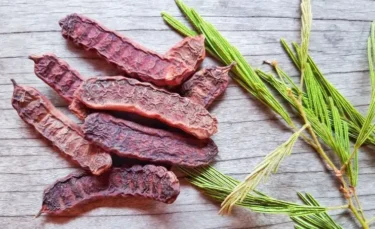
Shikakai may help to treat minor scrapes and bruises on the scalp due to its potential characteristics. Shampoos and other lotions can irritate sensitive scalp skin but ground roasted shikakai paste may provide significant relief.
A smooth paste of shikakai powder with turmeric and fresh neem leaves can be used to heal minor scalp cuts and wounds. This property would need further research to identify the benefits of shikai for healing wounds in humans.
Shikakai may be used to treat scabies as an antibacterial wash. To create the wash, you may soak turmeric in hot water for a few minutes and then mash it into a paste. Burn a long slice of shikakai directly in the fire until it gets dark. Allow it to cool before grinding it into a fine powder. Boil water and combine ground turmeric paste and ground shikakai powder. Strain and apply to the afflicted area as an antiseptic wash.
Shikakai and turmeric both may have antifungal, antimicrobial, and antibacterial properties, making this a good scabies wash. You must consult a doctor before using shikakai for scabies.

Mixing a tablespoon of shikakai powder with a tablespoon of cream, almond powder, and turmeric may help to remove dead skin cells and give skin a natural glow. You must discuss with your dermatologist before using shikakai for any skin issues.
I would say shikakai is a natural remedy right at your fingertips. It is like a secret weapon against these pesky skin issues. This magical herb has been used for centuries to possibly manage leprosy and various skin-related conditions like oedema7.
Dr. Siddharth Gupta, B.A.M.S, M.D (Ayu)
The potential suppository and purgative (laxative) properties of shikakai pods may be helpful in treating constipation and reducing indigestion, abdominal cramps, and flatulence. It aids in the digestion of meals and the passage of faeces through the body. These properties of shikakai may be studied extensively to identify its full potential for human conditions such as constipation.

Shikakai’s may have anti-bacterial properties that are crucial in preventing tooth and gum infections.
It may also help with tooth decay and plaque build-up, as well as gingivitis and other gum diseases. These conditions may be studied for humans.
Ayurveda states the efficacy of shikakai in the treatment of jaundice. It may help to stimulate the liver. However, if you are suffering from any condition related to the liver, consult with a doctor before using shikakai.
Shikakai powder may help to regulate blood sugar levels to a normal level. It may have effect on keeping the blood sugar level balanced. However, this potential property of shikakai needs to be tested further for humans. It is suggested that you must consult a qualified doctor.

Shikakai pods can be used to clean the skin after being soaked in water. This may help to make your skin look healthier if you apply it on a regular basis. It may also have some beneficial effects on symptoms of aging.
However, skin is a sensitive organ and you must consult your dermatologist before applying anything on your skin even if its a natural product.
Though studies show the benefits of beetroot against various disease conditions, these studies are insufficient and there is a need for further studies to establish the true extent of the benefits of beetroot on human health.
In my opinion, shikakai is a true game-changer! It has proven to be a successful source of novel anti-hepatitis inhibitors. This incredible herb might hold a promise for innovative treatments and offers hope in the fight against hepatitis8.
Dr. Rajeev Singh, BAMS
Shikakai is available in five different forms5
You must consult a qualified doctor before taking any herbal supplements. Do not discontinue or replace an ongoing treatment of modern medicine with an ayurvedic/herbal preparation without consulting a qualified doctor. Your doctor will prescribe you the appropriate form based on your individual needs.
I just read a research that suggested a saponin combination found in shikakai may be a fantastic weapon against obesity. It works by blocking an enzyme called pancreatic lipase, which stops our bodies from absorbing too much fat from food and may help prevent weight gain. While some saponins might not get fully absorbed by our bodies, studies have shown that many saponins might still fight obesity9.
Dr. Smita Barode, B.A.M.S, M.S.
Also Read: Gandhak Rasayan: Uses, Benefits, Side Effects and More!
The majority of studies have determined that shikakai may be safe to eat. However, excessive shikakai use can result in some of the adverse effects described below5.
Even Ayurvedic herbs may have specific side effects and may react differently in every person. Ensure that you consult an Ayurvedic physician before using it for proper guidance.
Also Read: Achyranthes Aspera (Chaff Flower): Uses, Benefits & Side Effects
If you have one or more of these conditions, it is important to consult with your doctor before taking shikakai5.
Kindly do not self-medicate. Do not substitute, alter, or discontinue any ongoing treatment on your own.
Also Read: Foods to Eat & Avoid for Malaria
Shikakai is a traditional Indian medicinal herb that is particularly effective at preventing hair loss and dandruff1.
Take 500 grams of shikakai, 100 grams of reetha, 100 grams of fenugreek seeds, tulsi leaves, hibiscus petals, and curry leaves. Allow two days for all of the components to dry in the sun. Grind them thoroughly, then store the shikakai powder in an airtight container until needed3.
Overnight soak shikakai pods, reetha, and amla in water. The next day, bring the water to a boil until all of the ingredients have softened. Strain the mixture thoroughly and use it to wash hair like a shampoo3.
For hundreds of years, Shikakai has been used in India for hair treatment. The Shikakai tree’s pods, leaves, and bark are high in vitamins A, C, D, E, and K. It can be used as a shampoo to clean hair, as hair oil, or even as a hair mask to nourish and speed up the growth of hair1.
Yes, bathing hair with shikakai every day is fine. In fact, shikakai maybe superior to commercial shampoos when it comes to hair. Because it contains natural saponins, shikakai helps to cleanse the hair3. Kindly do not self-medicate, consult your Ayurvedic physician for detailed prescription.
Shikakai is a fantastic tonic for all hair issues. Although Shikakai does not cause hair loss, too much of it might cause the hair follicles to dry up and become brittle4. Please follow instructions and advice given by your doctor while using shikakai.
Because of its unique capacity to cleanse without irritating the scalp, shikakai may be helpful as an anti-dandruff agent. It’s maybe especially good for treating chronic dandruff caused by too much oil on the scalp. When applied on a daily basis, Shikakai may help to eliminate excess oil from the scalp and reduce dandruff4. However, any herb should not be used without proper consultation with a doctor.
Because shikakai shampoo does not strip the hair of its natural oils during the washing process, a conditioner is usually not required afterward. The shampoo can also be used to detangle hair3. More research is needed to understand the extent to which shikakai would benefit humans.
Due to its potential cleaning and anti-fungal characteristics, shikakai might be used alone or in conjunction with reetha and amla as a shampoo to help manage hair fall and dandruff. Moreover, because of its laxative properties, drinking shikakai infusion can aid with constipation3.
No, shikakai does not cause dandruff; rather, its unique ability to cleanse without hurting the scalp makes it an effective anti-dandruff agent4.
Shikakai has strong moisturizing, conditioning, and hydrating characteristics that assist in preventing hair from becoming dry and frizzy. As a result, shikakai does not cause hair to dry out4.
Overnight soak shikakai pods, reetha, and amla in water. The next day, bring the water to a boil until all of the ingredients have softened. Strain the mixture thoroughly and use it as a hair shampoo6.
Disclaimer: The information provided here is for educational/awareness purposes only and is not intended to be a substitute for medical treatment by a healthcare professional and should not be relied upon to diagnose or treat any medical condition. The reader should consult a registered medical practitioner to determine the appropriateness of the information and before consuming any medication. PharmEasy does not provide any guarantee or warranty (express or implied) regarding the accuracy, adequacy, completeness, legality, reliability or usefulness of the information; and disclaims any liability arising thereof.
Links and product recommendations in the information provided here are advertisements of third-party products available on the website. PharmEasy does not make any representation on the accuracy or suitability of such products/services. Advertisements do not influence the editorial decisions or content. The information in this blog is subject to change without notice. The authors and administrators reserve the right to modify, add, or remove content without notification. It is your responsibility to review this disclaimer regularly for any changes.
25
5


