




Health Benefits of Green Leafy Vegetables
By Dr. Malavika Athavale +2 more

Medically reviewed by Dr. Malavika Athavale
Last updated: Mar 20, 2026 Published on: Feb 3, 2022


Get,

to manage your symptom
Get your,

4 Cr+ families
benefitted

OTP sent to 9988776655



You’ve successfully subscribed to receive
doctor-approved tips on
Whatsapp

Get ready to feel your best.


Register to Avail the Offer
Send OTPBy continuing, you agree with our Privacy Policy and Terms and Conditions
Hi There,
Sign up on PharmEasy now!!


Trusted by 4 crore+ families

OTP sent to 9988776655
You have unlocked 25% off on medicines


Code: NU25
Comments
Leave your comment here

By Dr. Malavika Athavale +2 more
Table of Contents
Right from ancient days, leafy green vegetables have been an important component of daily diet. Being power-packed with a variety of vitamins and minerals makes them a value addition to every healthy diet plan. The fat and sugar content of green leafy vegetables is minimal, which also makes them a good fit for a weight loss diet.
They also help protect your body by strengthening the immune system, slowing down signs of ageing, and helping avoid heart diseases, high blood pressure, and cancers.
Did you know?
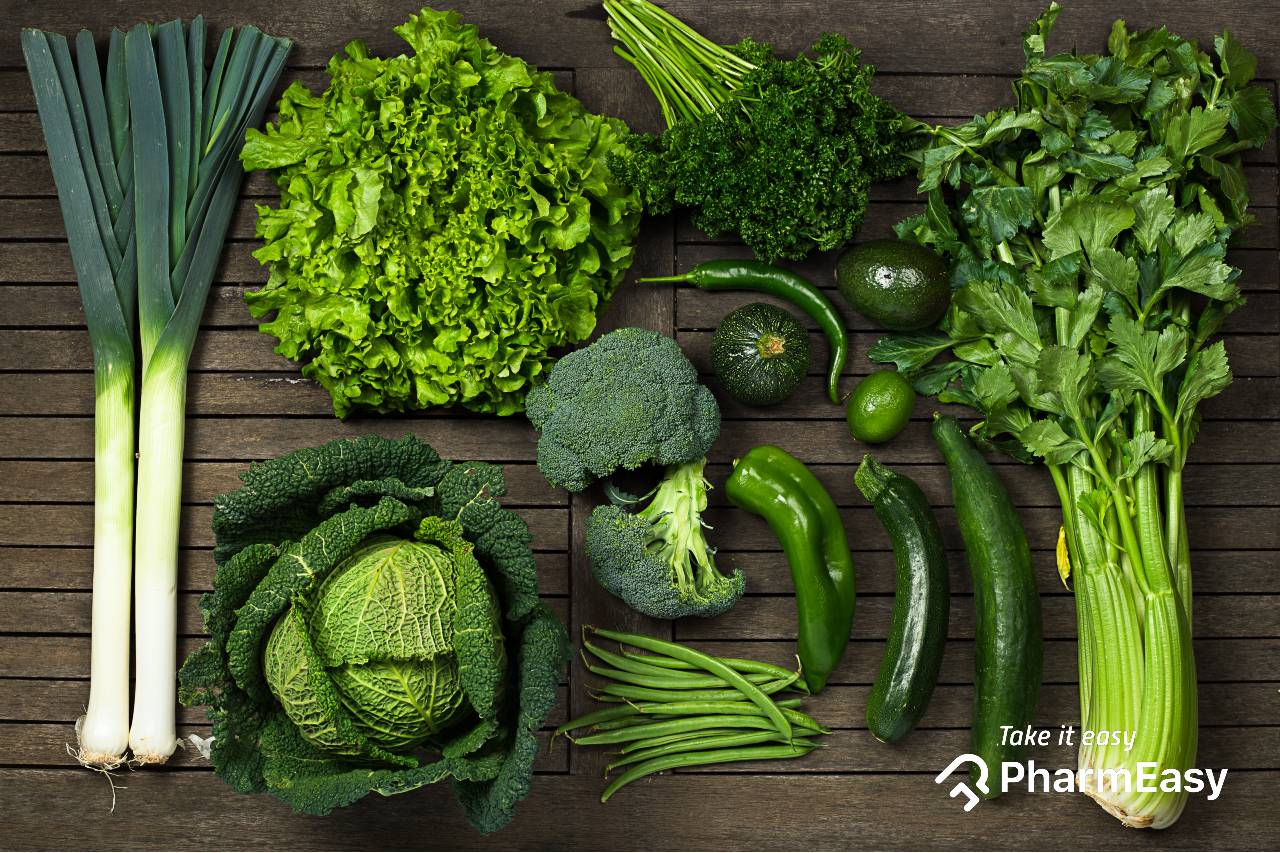
Want to add green leaves to your diet, but all that comes to your mind is spinach? Well, a wide range of green leafy vegetables like kale, mustard greens, cabbage, coriander leaves, fenugreek leaves, moringa leaves, and amaranth leaves are available for consumption in various forms. This allows you to relish a variety of flavours by including different leafy greens and microgreens in your meals as per your taste and choice.
I would highly recommend eating dark green leafy vegetables to people with eye issues. Dark green leafy vegetables are rich in vitamin A and beta carotene, which is essential to maintain eye health16.
Dr. Rajeev Singh, BAMS
You may not always like your green leafy vegetables the way they are but consuming them is very important for your well-being. Here are some tips1 to make your meals a little bit more interesting while increasing your intake of green leafy vegetables:
Green leafy veggies should be an integral part of your routine diet as they can help you manage certain health conditions and illnesses like poor eyesight, mineral deficiencies, poor immunity, constipation, and even certain heart diseases5. Leafy green vegetables help with your daily nutrient intake because they contain a multitude of macro and micronutrients that are necessary for the body. Here are some more health benefits of adding leafy greens to your regular diet.
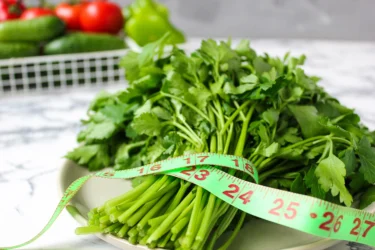
One of the biggest benefits of consuming leafy green vegetables is that they are extremely low in calories when compared to other foods. Despite being low in calories, they are often dense in nutrients, which is why they are a preferred food item in weight loss diets6.
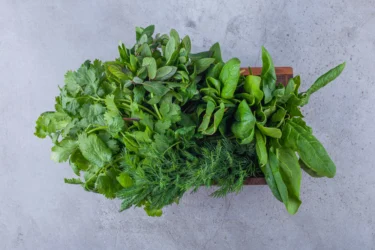
Leafy green vegetables are added to weight loss diets because they contain vitamin K. This fat-soluble vitamin is extremely helpful in stimulating weight loss. Moreover, recent research also suggests that vitamin K can help reduce inflammation, manage diabetes, and reduce plaque formation in the arteries, and can even help delay the onset of bone ailments like osteoporosis7,8.

Since leafy green vegetables are full of vitamins and minerals that are needed to both help boost the immune system as well as maintain an overall healthy body, they have been known to help avoid certain diseases as well. For example, iron-deficiency anaemia, poor eyesight, weight troubles, signs of ageing, poor immunity, constipation, blood clotting, folate deficiency, weak bones, cancer, heart diseases, and high cholesterol1,2,7.
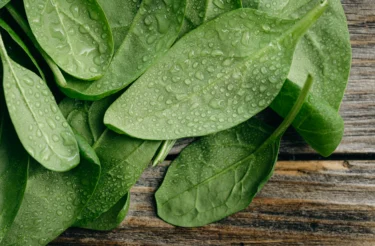
While leafy green vegetables may only be popular for being sources of vitamins and minerals (micronutrients), many of them also contain macronutrients like complex carbohydrates, fibre, protein, and even minute traces of fat1,2. For example, spinach, a classic dark green leafy vegetable, provides 2.64 g of carbohydrate and 2.91 g of protein in each 100g of serving9.

Green leafy vegetables are best known for being rich sources of micronutrients, and this is one of the reasons most people should be adding more of them to their daily diet. Although micronutrients may be required in lower quantities in the body, they play a major part in helping boost the immune system and several other functions of the body. Green leafy vegetables contain essential micronutrients like beta-carotene, lutein, and zeaxanthin. These can help avoid damage to the cells of our body and even enhance eyesight2,10.
Apart from these, green leafy vegetables are highly effective and beneficial for healthy skin and hair.
Including one serving of green leafy vegetables might help in slowing age-related cognitive decline in elderly people15.
Dr. Siddharth Gupta, B.A.M.S, M.D (Ayu)
There has been a lot of discussion and research on the change in the nutritional makeup of leafy vegetables after cooking. Studies suggest that there is a considerable loss in the number of vitamins and minerals after cooking. If you want to get the maximum amount of nutrients from these veggies, you should eat them uncooked. Many people love to consume these greens in the form of salads, green smoothies, and juices, as they not only provide you with abundant nutrition but also save you from the additional oil and spices added to your greens while cooking. This makes a good anti-inflammatory diet. But do make it a point to wash your greens well if you are consuming them raw1,11,12.
If you have oxalate kidney stones, you should limit your spinach intakeas it contains a high amount of oxalate13.
Green leafy veggies make an important component of a balanced diet. Eat them as you like – chop them in your salads, add them to your smoothies, stuff them in your wraps and sandwiches or cook them with your favourite flavours, but don’t forget to consume them in some or the other way daily to keep your body healthy and glowing.
Yes, some nutrients like vitamin C and folate can be reduced with overcooking. However, light cooking (like steaming or sautéing) can actually improve absorption of certain nutrients like iron and calcium.
Spinach, fenugreek leaves, and amaranth are great options. Pairing them with vitamin C-rich foods (like lemon or tomatoes) helps your body absorb iron more effectively.
Not always. Raw greens retain certain vitamins, but cooking helps break down tough fibers and improves mineral absorption. A mix of both raw and cooked forms is ideal.
Yes, they are low in calories and high in fiber, which keeps you full for longer. They also provide essential nutrients without adding excess calories.
Absolutely. They are rich in antioxidants, iron, and vitamins A and C, which support collagen production, improve skin glow, and help reduce hair fall linked to nutrient deficiencies.
Store them unwashed in the refrigerator, wrapped in a paper towel or cloth to absorb moisture. Wash only before use to prevent spoilage.
Disclaimer: The information provided here is for educational/awareness purposes only and is not intended to be a substitute for medical treatment by a healthcare professional and should not be relied upon to diagnose or treat any medical condition. The reader should consult a registered medical practitioner to determine the appropriateness of the information and before consuming any medication. PharmEasy does not provide any guarantee or warranty (express or implied) regarding the accuracy, adequacy, completeness, legality, reliability or usefulness of the information; and disclaims any liability arising thereof.
Links and product recommendations in the information provided here are advertisements of third-party products available on the website. PharmEasy does not make any representation on the accuracy or suitability of such products/services. Advertisements do not influence the editorial decisions or content. The information in this blog is subject to change without notice. The authors and administrators reserve the right to modify, add, or remove content without notification. It is your responsibility to review this disclaimer regularly for any changes.
 18
18  2
2Comments

Leave your comment...

View all comments(1)
You may also like





















leafy vegetables are good for health