




Sal Tree (Shorea robusta): Uses, Benefits, Side Effects and More
By Dr Anuja Bodhare +2 more

Medically reviewed by Dr Anuja Bodhare
Last updated: Sep 11, 2026 Published on: Feb 10, 2022


Get,

to manage your symptom
Get your,

4 Cr+ families
benefitted

OTP sent to 9988776655



You’ve successfully subscribed to receive
doctor-approved tips on
Whatsapp

Get ready to feel your best.


Register to Avail the Offer
Send OTPBy continuing, you agree with our Privacy Policy and Terms and Conditions
Hi There,
Sign up on PharmEasy now!!


Trusted by 4 crore+ families

OTP sent to 9988776655
You have unlocked 25% off on medicines


Code: NU25

By Dr Anuja Bodhare +2 more
Table of Contents
Sal is revered as a holy tree and is known as the ‘House of Tribal Goddess’1. Shorea robusta Gaertn. belongs to the Dipterocarpaceae family and is widely known as sal or shala tree. Sal is a deciduous tree with a trunk diameter of up to five metres and a height of roughly 50 metres. Sal is widely distributed in India, Bhutan and Nepal. In India, the species is spread from Himachal Pradesh to Assam, West Bengal, Tripura, Orissa and Bihar, eastern districts of Madhya Pradesh ranging further to the Eastern Ghats of Andhra Pradesh2.
Sal has a dark-brown bark and clean, cylindrical, straight stems. The leaves are broadly oval at the base, tapering into a long point at the apex. Sal has yellowish-white flowers grouped in massive terminal or axillary, racemose panicles (a loose branching cluster of flowers). Fruits are about 1.3 to 1.5 cm long with a diameter of about 1 cm and encircled by calyx segments extended into five uneven wings1.
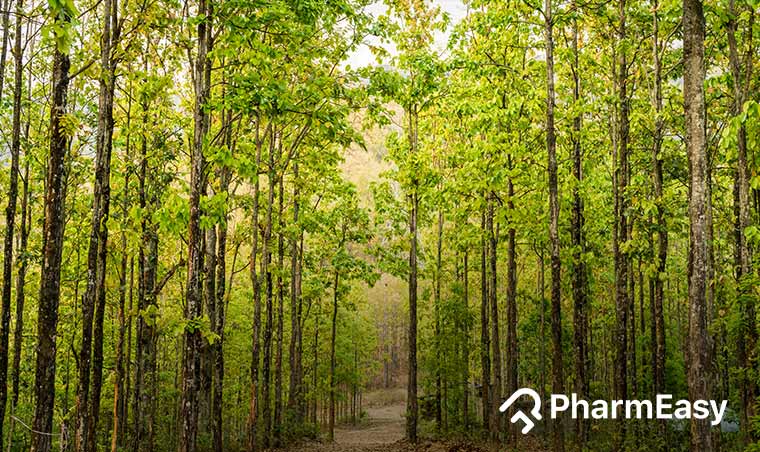
The leaves and bark are used to treat leprosy, wounds, ulcers, cough, gonorrhoea, headache, diarrhoea, and vaginal discharges. The plant resin has astringent, carminative and stomachic properties. This medicinal herb has been used in Ayurveda for various purposes for centuries2.
There are as follows:
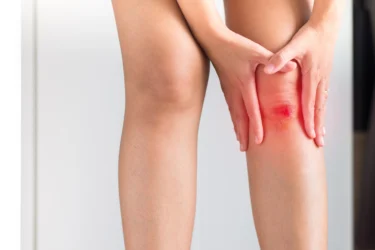
The bioactive chemicals present in sal tree may aid in cleansing wounds, and it might accelerate wound healing and contraction4. This effect of sal tree compounds need further studies to validate the claim.


Sal tree’s bioactive components may have potent analgesic and anti-inflammatory properties, which may provide relief from pain and inflammation7. However, the actual benefits of sal tree compounds in humans needs further studies to establish.
Did you know due to its anti-inflammatory and analgesic properties present in sal tree (Shorea robusta Gaertn) bark, it might aid in the reduction of pain and swelling in arthritis and joint disorder11.
Dr. Siddharth Gupta, B.A.M.S, M.D (Ayu)

Sal tree may help to manage the weight of an obese person more quickly due to the presence of flavonoids, fibre and anti-obesity effects. The hydro-alcoholic leaves extract of the sal tree may be a potential drug that can help maintain healthy body weight by potentially showing some effect on the disturbed lipid profile8. Consult your doctor or nutritionist before adding anything in your diet for weight loss benefits.
Also Read: 10 Home Remedies for Weight Loss

Sal tree may be beneficial for respiratory disorders because of its significant anti-inflammatory and antibacterial properties. It may often used to treat cough2. However, further studies may be needed to further establish this benefit of sal tree.

The sal tree’s antioxidant properties help enhance the immune system, combat germs and protect the body from numerous illnesses. It also exhibits powerful antibacterial properties2,3,9.
Though there are studies that show the benefits of sal tree in various conditions, but these are insufficient and there is a need of further studies to establish the true extent of benefits of sal tree on human health.
In Udala (Mayurbhanj), the stems of the Sal tree (Shorea robusta Gaertn) are sold as toothbrushes. The tender and soft twigs are ideal as toothbrushes as they might have anti-inflammatory and analgesic effects in the oral cavity and might aid in maintaining oral health12.
Dr. Rajeev Singh, BAMS
Various parts of the sal tree can be used. Your doctor will prescribe you the appropriate form based on your individual need.
You must consult a qualified doctor before taking any herbal supplements. Do not discontinue or replace an ongoing treatment of modern medicine with an Ayurvedic/herbal preparation without consulting a qualified doctor.
Also Read: Jatamansi – Uses, Benefits & Precautions
Sal tree (Shorea robusta Gaertn.) has been used for hundreds of years in traditional and Ayurvedic medicine. It may help with wound healing, stomach problems, pain, weight management, breathing issues, and boosting immunity. Different parts of the tree, such as its bark, leaves, resin, and seed oil, have been used as natural remedies across India, Nepal, and Bhutan. However, more research is still needed to fully confirm these benefits in humans. It is always best to talk to a doctor before using any sal tree-based product and to never stop or replace your current medical treatment without proper medical advice.
Also Read: Ginkgo Biloba (Maidenhair Tree): Uses, Benefits, Precautions and More!
Steroids, ursolic acid, shoreaphenol, terpenoids, α-amyrenone, hopeaphenol, and friedelin are chemical constituents of the sal tree2.
Sal is widely distributed in India, Bhutan and Nepal. In India, the species is distributed from Himachal Pradesh to Assam, Tripura, West Bengal, Orissa and Bihar and, eastern districts of Madhya Pradesh. It is also found in the Eastern Ghats of Andhra Pradesh2.
Sal may relieve pain due to its antinociceptive (effictive in reducing pain) and anti-inflammatory properties7. You must consult your doctor for advice on the benefits of any herb for pain.
The components of the sal tree, ursolic acid and amyrin, may have gastroprotective effects. It may protect the stomach mucosa by acting as an antioxidant, stimulating mucus synthesis or maintaining prostaglandin contents of gastric mucosa at higher levels5. You must consult a doctor for serious medical conditions before consuming herbs for its benefits.
The resin from the sal tree may help relieve pain due to its analgesic property7. However, you are advised to talk to a doctor and follow their advice if you are suffering from any burns or injuries.
Disclaimer: The information provided here is for educational/awareness purposes only and is not intended to be a substitute for medical treatment by a healthcare professional and should not be relied upon to diagnose or treat any medical condition. The reader should consult a registered medical practitioner to determine the appropriateness of the information and before consuming any medication. PharmEasy does not provide any guarantee or warranty (express or implied) regarding the accuracy, adequacy, completeness, legality, reliability or usefulness of the information; and disclaims any liability arising thereof.
Links and product recommendations in the information provided here are advertisements of third-party products available on the website. PharmEasy does not make any representation on the accuracy or suitability of such products/services. Advertisements do not influence the editorial decisions or content. The information in this blog is subject to change without notice. The authors and administrators reserve the right to modify, add, or remove content without notification. It is your responsibility to review this disclaimer regularly for any changes.
 6
6  4
4Comments

Leave your comment...
You may also like





















Comments