



10 Best Antioxidant Foods That You Should Eat Regularly
By Dr. Malavika Athavale +2 more

Medically reviewed by Dr. Malavika Athavale
Last updated: Mar 12, 2026 Published on: Sep 7, 2020


Get,

to manage your symptom
Get your,

4 Cr+ families
benefitted

OTP sent to 9988776655



You’ve successfully subscribed to receive
doctor-approved tips on
Whatsapp

Get ready to feel your best.


Register to Avail the Offer
Send OTPBy continuing, you agree with our Privacy Policy and Terms and Conditions
Hi There,
Sign up on PharmEasy now!!


Trusted by 4 crore+ families

OTP sent to 9988776655
You have unlocked 25% off on medicines


Code: NU25

By Dr. Malavika Athavale +2 more
Table of Contents
We often hear about antioxidant-rich foods for skin health and heart health, but have you ever thought about what it actually means? You have been told that these are good for your health and protect your heart from various issues. Let’s understand some basics about antioxidants first.
Antioxidants are compounds that are produced by our bodies or obtained from certain foods. They help delay or reduce cell damage in your body caused by free radicals. Free radicals are molecules that can damage your DNA and other cells in the body and may contribute to oxidative stress. Oxidative stress can increase your risk of getting chronic diseases like arthritis, Alzheimer’s disease, cancer, and heart disease1. Please note that you should always speak to a doctor before starting new medicines or supplements and making any major dietary changes.
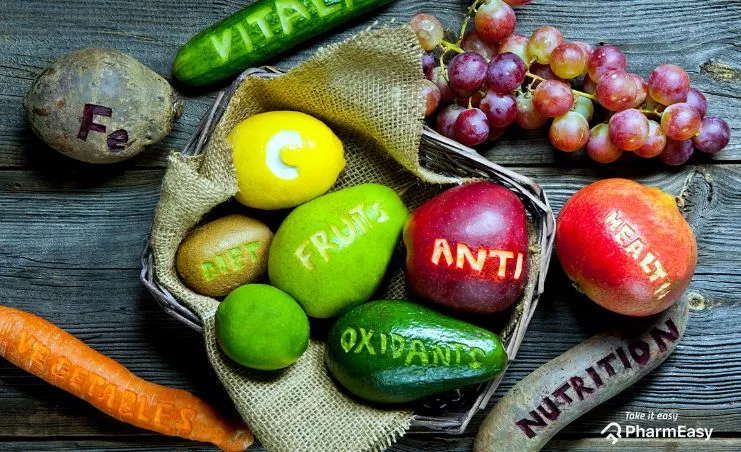
Antioxidants are present in our blood plasma or cell membranes. Certain vitamins and minerals, such as vitamins E and C, copper, zinc, iodine, and manganese, and certain proteins, such as glutathione and alpha-lipoic acid, can also function as antioxidants. Phytochemicals like quercetin, carotenoids, zeaxanthin, ellagic acid, and flavonoids may also function as antioxidants1,2.
From my experience, I may suggest trying out recipes with avocado if you are looking for antioxidant-rich foods. It might be an excellent choice because it has unmatched levels of vitamin E13.
Dr. Siddharth Gupta, B.A.M.S, M.D (Ayu)
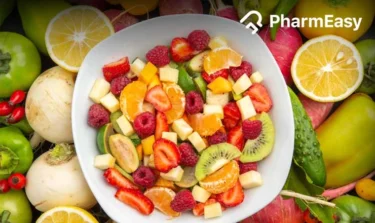
Antioxidants are found in certain foods and may help protect the body by neutralising free radicals and reducing the damage they may cause. Although the health benefits of antioxidant-rich foods can vary, and evidence is still evolving, here are 10 foods that are known for their antioxidant-rich content:

Dark chocolate is very nutritious as it is packed with cocoa, minerals, and antioxidants. It is one of the foods with the highest amount of antioxidants. Dark chocolate contains cocoa flavanols, which are potent antioxidants that might protect your skin from the sun. It also known to have anti-inflammatory properties that may help regulate blood pressure and help lower the chance of heart disease. Before buying dark chocolate, make sure it contains at least 70% cacao as it has high amounts of fibre and magnesium as compared to dark chocolate with lower percentage of cacao3.
For individuals in search of antioxidant-rich foods, I may recommend incorporating sesame seeds and bran into your diet. These particular foods are notable sources of lignans, which are known for their antioxidant properties14.
Dr. Rajeev Singh, BAMS
Blueberries are small in size but are rich in antioxidants and vitamin C, are low in calories, and have anti-inflammatory properties. Many studies4 have suggested that blueberries contain the highest amount of antioxidants among all fruits and vegetables and contain anthocyanins that may help reduce the chance of heart disease. Blueberries might help improve brain function and lower blood pressure and cholesterol levels4.
Strawberries are sweet, delicious, red-coloured fruits that are full of antioxidants, minerals, and vitamins, and have anti-inflammatory properties. Similar to blueberries, they also contain anthocyanins. The brighter red a strawberry is, the higher the anthocyanin levels might be. Strawberries may help protect your heart by reducing bad cholesterol levels. They may also help protect your healthy cells from certain cancers5.
To increase your intake of antioxidant-rich foods, I advocate incorporating selenium into your diet. Selenium may be found in eggs, tuna, and salmon, making them excellent sources of this beneficial nutrient13.
Dr. Smita Barode, B.A.M.S, M.S.
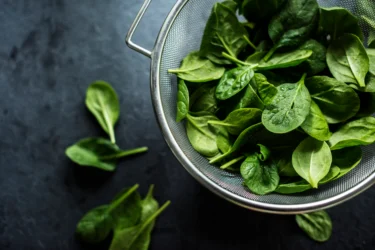
This green leafy vegetable is a good source of vitamins, minerals, antioxidants, iron, and fibre. It contains two excellent antioxidants, zeaxanthin and lutein, that might help improve your eyesight. Spinach may also be helpful in reducing the chances of age-related macular degeneration6.
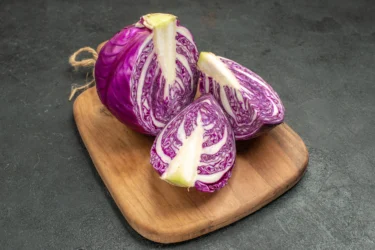
Red cabbage, also known as purple cabbage, contains high amounts of antioxidants, vitamins, and polyphenols. It might help strengthen the immune system and pave the way for healthy, glowing skin. Red cabbage, like strawberries, contains anthocyanins and is believed to have anti-inflammatory and anti-cancer properties and may help reduce the chances of heart conditions7.
If you’re looking to enhance your antioxidant intake through beverages, I have several options worth considering for you. Espresso is one choice known for its antioxidant properties. Additionally, other beverages rich in antioxidants include red wine, pomegranate juice, grape juice, prune juice, and black tea15.
Dr. Anuja Bodhare, B.A.M.S, M.D (Ayu)
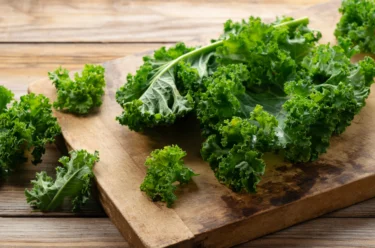
Kale is a nutritious vegetable rich in various vitamins, antioxidants, and calcium. It is believed to have anti-inflammatory and anticancer properties and may also help in reducing heart and gastrointestinal diseases8. Red kale is known to be more potent than regular kale for good bone health.
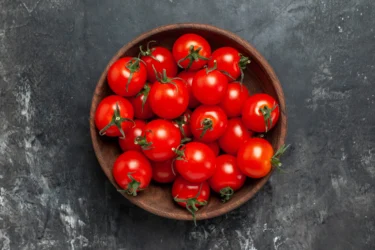
Tomatoes are an essential vegetable in our kitchen. They are rich in antioxidants, vitamins C and beta-carotene. Cooked tomatoes contain a high amount of lycopene, an antioxidant, which may help lower the risk of heart attacks and help improve your skin9.
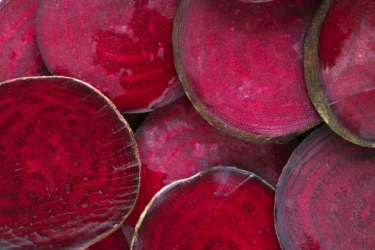
Beets are root vegetables that contain antioxidants called betalains. Betalains may help reduce the occurrence of digestive issues, diabetes, heart conditions, and certain types of cancers. Beets are also a good source of dietary fibre, minerals, proteins, and amino acids and have anti-inflammatory properties10.
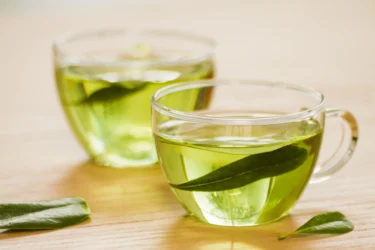
Green tea is commonly known for its potential in weight management, but its uses go beyond that, as it is high in antioxidants. It contains a large amount of catechin, which might help reduce cell damage. Green tea is also believed to have protective effects against oxidative damage that leads to the development of cancer11.
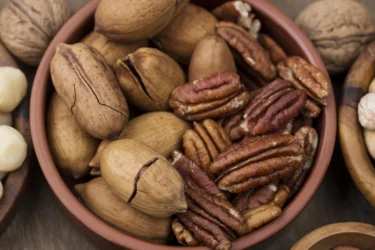
Pecans are a great source of minerals, fibre, and antioxidants. Eating raw pecans may help increase antioxidant levels in the blood and help decrease the oxidised bad cholesterol. They may help manage conditions like diabetes and cardiovascular conditions12.
I would like to suggest adding apricots, mangoes, and carrots to your antioxidant-rich diet. These fruits and vegetables are rich in beta-carotene, which might be a potent antioxidant13.
Dr. Ashok Pal, BAMS
Antioxidants are compounds that form in your body or are obtained by consuming certain foods. Eating antioxidant-rich foods regularly may help your body fight against free radicals that can cause cell damage. Including a variety of antioxidant-rich foods as part of a balanced diet may support overall health and well-being. While antioxidants are not a substitute for medical treatment, maintaining a healthy diet rich in fruits, vegetables, nuts, and whole foods can help support the body’s natural defence systems. For individual dietary needs or health concerns, it is always advisable to consult a healthcare professional.
Also Read: 10 Iron Rich Foods to Add to Your Diet
Whole foods are generally better because they provide fiber, vitamins, minerals, and multiple antioxidants that work together. Supplements usually contain isolated compounds and may not offer the same protective effects.
A simple rule is to “eat the rainbow.” Include colourful fruits and vegetables like berries, spinach, carrots, tomatoes, and purple cabbage across meals to naturally increase antioxidant intake.
Yes. Frozen produce is often flash-frozen soon after harvesting, which helps preserve many antioxidants and nutrients. In some cases, frozen foods can be as nutritious as fresh ones.
In many cases, yes. Deep colours like dark purple, red, and green often indicate higher levels of compounds such as anthocyanins, carotenoids, and chlorophyll, which have antioxidant properties.
1. Antioxidants. 2022. https://www.healthdirect.gov.au/antioxidants
2. Understanding antioxidants. 2019. https://www.health.harvard.edu/staying-healthy/understanding-antioxidants
3. Katz DL, Doughty K, Ali A. Cocoa and Chocolate in Human Health and Disease. Antioxidants & Redox Signaling. 2011;15(10):2779-2811. doi:10.1089/ars.2010.3697. https://pubmed.ncbi.nlm.nih.gov/21470061/
4. Kalt W, Cassidy A, Howard LR, et al. Recent Research on the Health Benefits of Blueberries and Their Anthocyanins. Advances in Nutrition. 2020;11(2):224-236. doi:10.1093/advances/nmz065. https://pubmed.ncbi.nlm.nih.gov/31329250/
5. Newerli-Guz J, Śmiechowska M, Drzewiecka A, Tylingo R. Bioactive Ingredients with Health-Promoting Properties of Strawberry Fruit (Fragaria x ananassa Duchesne). Molecules. 2023;28(6):2711. doi:10.3390/molecules28062711. https://pubmed.ncbi.nlm.nih.gov/36985683/
6. Chokkara SL. Spinach and its health benefits: A review. 2022;11(8). https://www.thepharmajournal.com/archives/2022/vol11issue8S/PartP/S-11-8-47-875.pdf
7. Vega-Galvez A, Gomez-Perez LS, Zepeda F, et al. Assessment of Bio-Compounds Content, Antioxidant Activity, and Neuroprotective Effect of Red Cabbage (Brassica oleracea var. Capitata rubra) Processed by Convective Drying at Different Temperatures. Antioxidants. 2023;12(9):1789. doi:10.3390/antiox12091789. https://pubmed.ncbi.nlm.nih.gov/37760092/
8. Ortega-Hernández E, Antunes-Ricardo M, Jacobo-Velázquez DA. Improving the Health-Benefits of Kales (Brassica oleracea L. var. acephala DC) through the Application of Controlled Abiotic Stresses: A Review. Plants. 2021;10(12):2629. doi:10.3390/plants10122629. https://www.mdpi.com/2223-7747/10/12/2629
9. Collins EJ, Bowyer C, Tsouza A, Chopra M. Tomatoes: An Extensive Review of the Associated Health Impacts of Tomatoes and Factors That Can Affect Their Cultivation. Biology. 2022;11(2):239. doi:10.3390/biology11020239. https://pubmed.ncbi.nlm.nih.gov/35205105/
10. Chen L, Zhu Y, Hu Z, Wu S, Jin C. Beetroot as a functional food with huge health benefits: Antioxidant, antitumor, physical function, and chronic metabolomics activity. Food Science & Nutrition. 2021;9(11):6406-6420. doi:10.1002/fsn3.2577. https://pmc.ncbi.nlm.nih.gov/articles/PMC8565237/
11. Jurgens TM, Whelan AM, Killian L, Doucette S, Kirk S, Foy E. Green tea for weight loss and weight maintenance in overweight or obese adults. Cochrane Metabolic and Endocrine Disorders Group, ed. Cochrane Database of Systematic Reviews. 2012;2012(12). doi:10.1002/14651858.CD008650.pub2. https://pubmed.ncbi.nlm.nih.gov/23235664/
12. Sandhu AK, Edirisinghe I, Burton-Freeman B. Pecans and Human Health: Distinctive Benefits of an American Nut. Nutrients. 2025;17(23):3686. doi:10.3390/nu17233686. https://pubmed.ncbi.nlm.nih.gov/41373975/
13. Cleveland Clinic. Everything you need to know about antioxidants [Internet]. Cleveland Clinic Health Essentials; 2021 Dec 27 [cited 2026 Mar 12]. Available from: https://health.clevelandclinic.org/what-do-antioxidants-do
14. Better Health Channel. Antioxidants [Internet]. Melbourne (AU): Victorian State Government; 2024 May 3 [cited 2026 Mar 12]. Available from: https://www.betterhealth.vic.gov.au/health/healthyliving/antioxidants
15. Carlsen MH, Halvorsen BL, Holte K, Bøhn SK, Dragland S, Sampson L, Willey C, Senoo H, Umezono Y, Sanada C, Barikmo I, Berhe N, Willett WC, Phillips KM, Jacobs DR Jr, Blomhoff R. The total antioxidant content of more than 3100 foods, beverages, spices, herbs and supplements used worldwide. Nutr J. 2010 Jan 22;9:3. doi: 10.1186/1475-2891-9-3. PMID: 20096093; PMCID: PMC2841576. Available from: https://pmc.ncbi.nlm.nih.gov/articles/PMC2841576/
Disclaimer: The information provided here is for educational/awareness purposes only and is not intended to be a substitute for medical treatment by a healthcare professional and should not be relied upon to diagnose or treat any medical condition. The reader should consult a registered medical practitioner to determine the appropriateness of the information and before consuming any medication. PharmEasy does not provide any guarantee or warranty (express or implied) regarding the accuracy, adequacy, completeness, legality, reliability or usefulness of the information; and disclaims any liability arising thereof.
Links and product recommendations in the information provided here are advertisements of third-party products available on the website. PharmEasy does not make any representation on the accuracy or suitability of such products/services. Advertisements do not influence the editorial decisions or content. The information in this blog is subject to change without notice. The authors and administrators reserve the right to modify, add, or remove content without notification. It is your responsibility to review this disclaimer regularly for any changes.
 5
5 
Comments

Leave your comment...
You may also like


















Comments