
Anxiety is often described as the feeling of constant worry that prevents an individual from relaxing. From the point of view of evolution, anxiety is a normal emotion as it has helped humans avoid dangerous situations and eventually adapt, evolve and survive. A thin line exists between this anxiety at the level of just adaptation and distressful morbid anxiety, which requires clinical judgement to diagnose1,2.
The level at which a person experiences anxiety can range from just a fleeting anxiety as one feels before any surgery, to a constant feeling of nervousness that defines an anxiety disorder1.
A person is said to have anxiety disorder when the constant feeling of worry just doesn’t go away. Instead, it gets worse as time passes and interferes with routine life.
Anxiety disorders can be of many types, particularly panic disorders, generalized anxiety disorders and phobias3.
The exact cause of anxiety is not known. But there are many reasons:
Anxiety can be of various types:
While anxiety can manifest in various ways depending on the type, there are certain symptoms which can overlap and are commonly seen in all the types:
Natural remedies for anxiety have fewer side effects than conventional medicines used to treat anxiety. Read along to know about some natural home remedies to combat anxiety5.
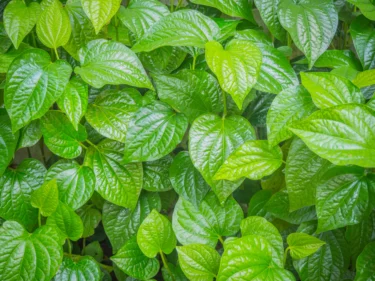
Kava is known to be an anxiety reliever since many years. It is a drink that is prepared from the Piper methysticum plant. Though it relives anxiety, it does not cause a sedative effect. But one must exercise caution while consuming it, as liver poisoning is one of its rare, but serious side effects1.
How to use it?
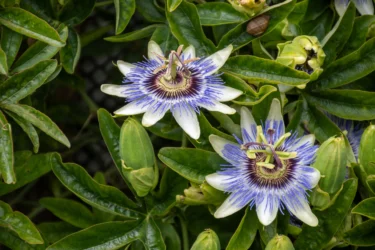
It is commonly known as Passionflower. Its anxiolytic effect is attributed to its aerial sections, that is the flowers, fruit and the bark. It works by modifying the GABA system6. GABA is an amino acid present in our nervous system and is responsible for neural relaxation7. No side effects have been reported on passionflower consumption.
How to use it?

Lavender has been used traditionally to relieve anxiety. It has over 100 active ingredients, but it’s linalool and linalyl acetate that give lavender the anxiolytic quality. Consult your healthcare provider before you consume lavender as research8 also shows that use of lavender has many side effects like throbbing heartbeats, headaches and gastric issues like diarrhoea, stomach upsets, belching and foul breath.
How to use it?
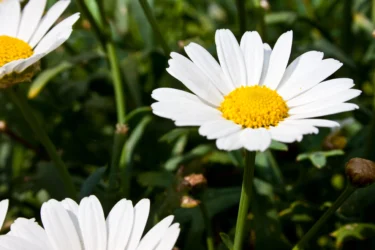
Studies9 have shown chamomile tea to be effective even in cases of generalised anxiety disorder. It is said that the flavonoids present in Chamomile give a calming effect by influencing the transmission of GABA , dopamine, noradrenalin and serotonin or by modifying the hypothalamo-pituitary-adrenal axis in the body, which is integral to the way one reacts to stress10.
How to use it?

Saffron contains Safranal, the chief bioactive constituent which imparts anxiety relieving properties to saffron. It also gives the saffron its typical fragrance11.
How to use it?
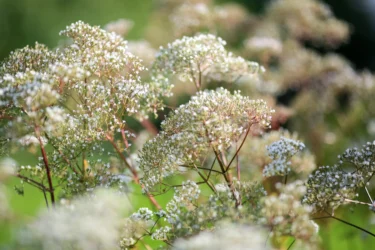
The valerian root has anti-anxiety properties. It contains valerenic acid and valepotriates which imparts anxiolytic and sedative properties to the root12.
How to use it?
Daily intake of Ashwagandha also reduces anxiety and findings14 suggest that high-concentration full-spectrum Ashwagandha root extract improves an individual’s resistance towards stress and thereby improves self-assessed quality of life.
Dr. M.G. Kartheeka, MBBS, MD(Pediatrics)
Also Read: How To Build Self Esteem At Workplace?
If you feel your anxiety might be connected to some physical problems, get in touch with your physician who will help you cure the physical issue.
If you experience severe anxiety, seek out a mental health expert who will evaluate your symptoms and treat you accordingly.
Consultation with a psychiatrist, psychologist, management with allopathic medicines, mind body techniques and exercise are well known to help reduce anxiety.
Dr. Ashish Bajaj, M.B.B.S., M.D. in Clinical Pharmacology and Toxicology
Home remedies for anxiety are good nonpharmacological therapies to try out at home. However, one must exercise caution and inform your physician before consuming any of the herbal medicines for anxiety as some of them do cause side effects.
Symptoms of extreme anxiety require treatment by a mental health professional and one must not hesitate to seek help if required.
Also Read: Mental Health In India – Things You Must Know!
Yes, lifestyle changes also have a significant impact on anxiety levels. Few things that you can do at home to manage anxiety are:
Get enough sleep
Avoid leisure drugs and alcohol
Stop smoking and cut back on the intake of caffeinated drinks
Learn healthy techniques of managing stress
Have a healthy, balanced diet13
Treatment for anxiety involves both medications and psychotherapy. Depending on your symptoms, a mental health expert may use either one or a combination of both of the above options. Medications involve anxiolytics, sedatives or anti-depressant drugs.
In psychotherapy, you will be working actively along with a professional to manage your anxiety symptoms. Cognitive Behavioural therapy (CBT) is the most effective type of psychotherapy to manage anxiety13.
Your mental health professional will best know what therapies to use to treat your anxiety.
While the risk factors for each type of anxiety disorder are different, there are some risk factors that are common to all types:
Persons who are reserved in nature, especially when meeting strangers or facing an unfamiliar situation.
Distressing incidences in childhood or after growing up.
History of anxiety or other mental issues in the family.
Physical problems like irregular heartbeats or thyroid issues3.
Yes.
Keeping a diary of your symptoms and what provokes your anxiety helps.
Work with your therapist to know all the techniques of managing anxiety and practice them diligently.
Be consistent with your treatment protocol.
Do not hesitate to ask for the support of your friends and family. You may also join any local anxiety support group13.
Disclaimer: The information provided here is for educational/awareness purposes only and is not intended to be a substitute for medical treatment by a healthcare professional and should not be relied upon to diagnose or treat any medical condition. The reader should consult a registered medical practitioner to determine the appropriateness of the information and before consuming any medication. PharmEasy does not provide any guarantee or warranty (express or implied) regarding the accuracy, adequacy, completeness, legality, reliability or usefulness of the information; and disclaims any liability arising thereof.
Links and product recommendations in the information provided here are advertisements of third-party products available on the website. PharmEasy does not make any representation on the accuracy or suitability of such products/services. Advertisements do not influence the editorial decisions or content. The information in this blog is subject to change without notice. The authors and administrators reserve the right to modify, add, or remove content without notification. It is your responsibility to review this disclaimer regularly for any changes.
 1
1 
Our self-esteem is how much we value and how we perceive ourselves. In psychology, the term is used to describe an individual’s overall subjective sense of personal value or worth. Simply, it may mean how much you like or appreciate yourself regardless of the circumstances. A strong and confident sense of self immunizes against mental health issues, both in personal and professional domains of life. Self-esteem is important as it impacts a lot of important factors in a person’s life. It can influence your decision-making process, personal and professional relationships, motivation levels, and overall well-being1.
Traditionally, working space has been a source of positive self-esteem, wherein meaningful work and more roles to play, make it all the better. However, in our changing world, the modern workplace is seen to comprise certain psychological stresses. Be it the demanding pace of work, the lack of acknowledgment of effort or the unending hours of work or the competition for productivity, high pressure at work drains one of leisure and family time, the therapeutic spheres of life2.
We know that competence is essential to workplace success, professional achievement, and personal satisfaction. But without confidence, skill only takes us so far. We are our harshest critics, and nobody is as hard on ourselves as we are. A person with low self-esteem will fall prey to these critical voices in our heads that make him/her feel not good enough, hesitant, disliked, undeserving, or even hopeless.
Maintaining self-esteem is a lifelong psychological process. Think of self-esteem as a mental muscle that must be developed and maintained through regular psychological workouts—or you will be vulnerable to depression and anxiety. Stop negative thinking; focus instead on how to solve problems.
Dr. M.G. Kartheeka, MBBS, MD(Pediatrics)
Stress is also a consequence of workplace dynamics. It presents in the form of changed attitudes towards work or colleagues, lesser job satisfaction, tiredness, rude or aggressive manners, challenging authority, and so on. Poor self-esteem often leads to a fear of the new and unfamiliar and it can lead to unproductive work behaviors such as defensiveness, being overly compliant, or rebellious3.
Dr. Laura Morgan Roberts has quoted in her research, benefits associated with high employee self-esteem. She states that self-esteem is a crucial part of happiness. A high level of self-esteem makes an employee able to trust his/her thinking and judgment and likely to make better decisions. This, in turn, helps to create more effective interpersonal and work relationships and hence, a comfortable work environment. As leaders, high levels of self-esteem enable a person to focus more positively on other people and their development. Maintaining self-esteem is a lifelong psychological process. It is like a mental muscle that must be developed and maintained through regular psychological workouts to prevent depression and anxiety. This helps us to learn to like and respect who we are, no matter what is happening around us. What are the various modes to build positive self-image? Even if it’s just for a few minutes, the pursuit of your passion is extremely rewarding. Spending quality time with children, gardening, singing, dancing, or any of those childhood hobbies are worth reviving. Be proactive about seeking projects that generate passion. Learning new work skills will also add a passion for your work.
Connect with loved ones. It is easy to feel low about oneself when surrounded by people who do not connect with you. Loved ones are the most frequent reminders for why you matter, and they will also serve as reminders for what you are good at, to preserve your self-worth. Converting problematic situations into solution-focused thinking also helps.
Discourage any negative thoughts that drain you out of energy and remind yourself constantly to dispute those thoughts about yourself. For example, “I’m so stupid” becomes “So I made a mistake -I’ll learn from it.” Positivity does not always have to mean ‘happy.’ It could also mean ‘resilient’. Focus on how to provide solutions rather than on how extensively to discuss them.
It is also important to challenge yourself. Oftentimes, accomplishing things you didn’t think you could be a great way to boost your self-esteem. Look out for projects and opportunities that allow you to spread your horizons and learn more.
Taking care of yourself is the key to feeling good about who you are. When you spend time nurturing your mind and body, it boosts your confidence. Embrace success and failures alike, accept compliments, and work on improving yourself patiently. Maintain a healthy balance between work and personal life to live a fulfilling and content life.
Dr. Arpit Verma, MBBS, MD (Pharmacology)
Another tip to grow your self-esteem is to identify your strengths and capitalize on them. Integrating your strengths into your everyday routine is one of the best ways to build confidence. Once you are clear of your strengths, think about how you apply those same strengths in your job. Keeping a track of your daily accomplishments and checking them off also helps you stay grounded. Refer to the file for a reality check from time to time when you are feeling low.
If there are weaknesses affecting your confidence, it is better to make a plan to either reduce or eliminate them.
Take criticism with a pinch of salt and loads of patience. Know that your confidence may be threatened at times. It is not worth displacing personal frustrations or anger onto work relationships. Take a deep breath as often as you can remember to and avoid brooding over the tiny problems of today that won’t matter tomorrow. It’s ok not to be perfect.
Professional job workers with low self-esteem are usually thrice more likely to suffer stress and those who are stressed have three times higher chances of burnout. Screening and counselling for low self-esteem, anxiety, and burnout should ideally be a part of a periodic medical examination and should be supported by professional organisations.
Dr. Ashish Bajaj, M.B.B.S., M.D. in Clinical Pharmacology and Toxicology
Also Read: Natural Home Remedies for Anxiety
Self-care is the key to self-image. The more you spend time taking care of your mind and body mindfully, the more you feel good about yourself, and the confidence shows in your demeanor. Regular introspection into what might be affecting your esteem at workplace and review of one’s strengths and assets might also be helpful. A good deed is welcome but going out of the way to please others can adversely affect your mental health. Saying NO is not a bad thing if it preserves mental health. Setting healthy boundaries and disagreeing with things that do not fit your plan will only make you feel more expressed and in control. Experts often suggest setting small challenges for self at work. It works as a reinforcement mechanism after gaining small rewards at the end of each completed task. Find something you like doing and do more of it. Focus on ‘small wins’ – don’t chase significant achievements. Remember that it is more important to enjoy the ride while watching the miles. Celebrate success as much as accept failures, receive compliments, encourage positives, and work on drawbacks patiently, while keeping a healthy balance between work and life4.
Also Read: Overthinking – To What Extent Can It Damage Your Life?
Disclaimer: The information provided here is for educational/awareness purposes only and is not intended to be a substitute for medical treatment by a healthcare professional and should not be relied upon to diagnose or treat any medical condition. The reader should consult a registered medical practitioner to determine the appropriateness of the information and before consuming any medication. PharmEasy does not provide any guarantee or warranty (express or implied) regarding the accuracy, adequacy, completeness, legality, reliability or usefulness of the information; and disclaims any liability arising thereof.
Links and product recommendations in the information provided here are advertisements of third-party products available on the website. PharmEasy does not make any representation on the accuracy or suitability of such products/services. Advertisements do not influence the editorial decisions or content. The information in this blog is subject to change without notice. The authors and administrators reserve the right to modify, add, or remove content without notification. It is your responsibility to review this disclaimer regularly for any changes.
3
The food we eat certainly plays a major role in our physical health and overall wellbeing. But did you know that it can also affect our mental state and mood?
The interaction between food and mental wellbeing can be as simple as quick relief from hunger leading to a better mood. Or as complex as the gut bacteria affecting the chemicals that our brain produces which has a deeper effect on our psychological state1. Thus, this relationship is actually an intricate one which cannot be summarised easily. However, with this blog, we will try to explain you the broader connection between diet and mental health that will empower you to make the right food choices for your brain.
Let us find out the many ways in which diet and mental health are closely intertwined. Keep in mind that this relationship is not easy to study or make unquestionable claims about. But scientists have been studying this link for some time now, so we have some general ideas.
You may know that our food is not only digested by the enzymes our stomach secretes but it is also aided very much by the healthy bacteria in our stomachs. These bacteria are essential for normal digestion. The first way these little organisms help our mood is by allowing us to have smooth digestion. Without good bacteria we may experience indigestion or other digestive issues. These can cause us anxiety and stress issues1.
The microorganisms across our body are collectively known as the microbiome, and each person’s microbiome is unique to them1. The gut bacteria play and important role in the production of neuro-chemicals like serotonin, dopamine, GABA, norepinephrine, and others2. While serotonin is mainly involved with mood regulation, other neurotransmitters are essential for mental functions like focus, feeling motivated, feelings of reward and anxiety3. What your eat influences your gut microbiota and thus the secretion of these neurotransmitters, which can affect your mental and emotional state.
Foods rich in in omega-3 fats such as fish, fermented foods and probiotics, high fibre foods like whole fruits and vegetables, and tryptophan-rich foods (amino-acid which is converted to serotonin) like eggs, tofu and cheese are all good for the gut microbiome, which in turn helps stabilize our mental state4.
On the other hand, excessive, irrational use of antibiotics or medications that destroy this microbiome by killing off the bacteria in our gut can also lead to poor mental health5. It has been noted that people with irritable bowel syndrome (consequently their microbiome is out of balance) are likely to also have disorders such a depression4.
According to a recent study14 conducted on people above the age of 50, higher anxiety levels were believed to be linked to diets rich in saturated fat and sweets. In my opinion, one should restrict sugar intake and indulge in some physical activity to keep mental illness at bay.
Dr. Siddharth Gupta, B.A.M.S, M.D (Ayu)
Moreover, eating regular balanced meals contributes by supporting blood sugar levels. Low blood sugar levels can cause irritability, fatigue and mood swings.
Some foods such as coffee and chocolate are well-known mood stimulants. Caffeine in coffee is a stimulant for the central nervous system, it can help feel charged up and ready for work. Studies also show that people who consume caffeine (mainly through coffee) have a lower risk of mental issues like Alzheimer’s, and dementia9,10. Dark chocolate is found to have an anti-inflammatory effect and it helps stimulate serotonin production thus elevating the mood11. Although there is no singular food or dish that can conclusively ‘cure’ any mental sickness, your diet still affects how you feel.
The following general tips will guide you towards the right diet and dietary habits that can help improve your mental wellbeing.
A healthy dietary pattern, defined by high intakes of fruit, vegetables, whole grains, olive oil, fish, low-fat dairy, and antioxidants, as well as low intakes of animal foods, are linked to a lower incidence of depression, according to a recent study. In contrast, a Western-style diet with a high intake of red and processed meats, refined grains, sweets, high-fat dairy products, butter, and potatoes and a low intake of fruits and vegetables has related to a higher risk of depression15.
Dr. Rajeev Singh, BAMS
It may not be the easiest to visibly see the effects of healthy diets on mental illness. That is because both the brain and microbiome are complex systems. But we know that a poor diet is linked to poor mental and physical health, as well as a weaker immune system. Studies have enough evidence to confirm the benefits of good nutrition on mental health and mood. Not to mention, diets that are not balanced, may lead to long-term health issues like diabetes. If you need help, then speak to our doctor; they can advise you on diet and mental illness, what foods you should include and things you should avoid.
1. Ochoa-Repáraz J, Kasper LH. The Second Brain: Is the Gut Microbiota a Link Between Obesity and Central Nervous System Disorders? Current Obesity Reports. 2016 Feb 11;5(1):51–64. Available from: https://pmc.ncbi.nlm.nih.gov/articles/PMC4798912/3
2. Dicks LMT. Gut Bacteria and Neurotransmitters. Microorganisms. 2022 Sep 14;10(9):1838. Available from: https://pmc.ncbi.nlm.nih.gov/articles/PMC9504309/
3. Martin EI, Ressler KJ, Binder E, Nemeroff CB. The Neurobiology of Anxiety Disorders: Brain Imaging, Genetics, and Psychoneuroendocrinology. Psychiatric Clinics of North America [Internet]. 2009 Sep;32(3):549–75. Available from: https://pmc.ncbi.nlm.nih.gov/articles/PMC3684250/
4. Zhang P. Influence of Foods and Nutrition on the Gut Microbiome and Implications for Intestinal Health. Int J Mol Sci. 2022;23(17):9588. https://pmc.ncbi.nlm.nih.gov/articles/PMC9455721/
5. Dinan K, Dinan T. Antibiotics, and mental health: The good, the bad and the ugly. Journal of Internal Medicine. 2022 Jul 12;292(6). Available from: https://pmc.ncbi.nlm.nih.gov/articles/PMC9796968/
6. Selhub E. Nutritional psychiatry: Your Brain on Food [Internet]. Harvard Health Blog. Harvard Health Publishing; 2022. Available from: https://www.health.harvard.edu/blog/nutritional-psychiatry-your-brain-on-food-201511168626
7. Belliveau R, Horton S, Hereford C, Ridpath L, Foster R, Boothe E. Pro-inflammatory diet and depressive symptoms in the healthcare setting. BMC Psychiatry. 2022 Feb 17;22(1). Available from: https://link.springer.com/article/10.1186/s12888-022-03771-z
8. Skarupski KA, Tangney CC, Li H, Evans DA, Morris MC. Mediterranean diet and depressive symptoms among older adults over time. The journal of nutrition, health & aging [Internet]. 2013 Feb 19 [cited 2019 Jun 19];17(5):441–5. Available from: https://www.ncbi.nlm.nih.gov/pmc/articles/PMC4454450/
9. Nehlig A. Effects of coffee/caffeine on Brain Health and disease: What Should I Tell My patients? Practical Neurology [Internet]. 2015 Dec 16;16(2):89–95. Available from: https://pn.bmj.com/content/16/2/89
10. Chen JQA, Scheltens P, Groot C, Ossenkoppele R. Associations Between Caffeine Consumption, Cognitive Decline, and Dementia: A Systematic Review. Journal of Alzheimer’s Disease. 2020 Nov 4;78(4):1–28. Available from: https://pmc.ncbi.nlm.nih.gov/articles/PMC7836063/
11. Samanta S, Sarkar T, Chakraborty R, Rebezov M, Shariati MA, Thiruvengadam M, et al. Dark chocolate: An overview of its biological activity, processing, and fortification approaches. Current Research in Food Science [Internet]. 2022;5:1916–43. Available from: https://www.ncbi.nlm.nih.gov/pmc/articles/PMC9589144/
12. Dunbar RIM. Breaking Bread: The Functions of Social Eating. Adaptive Human Behavior and Physiology [Internet]. 2017;3(3):198–211. Available from: https://link.springer.com/article/10.1007/s40750-017-0061-4
13. Manoogian ENC, Chaix A, Panda S. When to Eat: The Importance of Eating Patterns in Health and Disease. Journal of Biological Rhythms [Internet]. 2019 Dec;34(6):579–81. Available from: https://www.ncbi.nlm.nih.gov/pmc/articles/PMC7213043/
14. Masana MF, Tyrovolas S, Kolia N, Chrysohoou C, Skoumas J, Haro JM, Tousoulis D, Papageorgiou C, Pitsavos C, Panagiotakos DB. Dietary Patterns and Their Association with Anxiety Symptoms among Older Adults: The ATTICA Study. Nutrients. 2019 May 31;11(6):1250. doi: 10.3390/nu11061250. PMID: 31159322; PMCID: PMC6627391. Available from: https://pmc.ncbi.nlm.nih.gov/articles/PMC6627391/
15. Li Y, Lv MR, Wei YJ, Sun L, Zhang JX, Zhang HG, Li B. Dietary patterns and depression risk: A meta-analysis. Psychiatry Res. 2017 Jul;253:373-382. doi: 10.1016/j.psychres.2017.04.020. Epub 2017 Apr 11. PMID: 28431261. Available from: https://pubmed.ncbi.nlm.nih.gov/28431261/
Disclaimer: The information provided here is for educational/awareness purposes only and is not intended to be a substitute for medical treatment by a healthcare professional and should not be relied upon to diagnose or treat any medical condition. The reader should consult a registered medical practitioner to determine the appropriateness of the information and before consuming any medication. PharmEasy does not provide any guarantee or warranty (express or implied) regarding the accuracy, adequacy, completeness, legality, reliability or usefulness of the information; and disclaims any liability arising thereof.
Links and product recommendations in the information provided here are advertisements of third-party products available on the website. PharmEasy does not make any representation on the accuracy or suitability of such products/services. Advertisements do not influence the editorial decisions or content. The information in this blog is subject to change without notice. The authors and administrators reserve the right to modify, add, or remove content without notification. It is your responsibility to review this disclaimer regularly for any changes.


