
Basil leaves are very common in India and are found in almost every Indian household. It has been used for cooking and religious purposes. Many people worship basil leaves every morning. Basil is regional/local to India and has been grown in India for over 5000 years. Basil was brought to England from India in the 1500s and to the USA in the early 1600s. Basil leaves are best grown in countries with warm climates like India, Madagascar, Pakistan, Haiti, Indonesia, Thailand, France, Morocco, Egypt, and South Africa. The scientific name of basil is Ocimum basilicum L., which belongs to the family Lamiaceae. Ocimum originates from the ancient Greek word Okimon, which means smell. In Hindi and Bengali, basil leaves are called Babui Tulsi1 Let us look at the health benefits of basil leaves.
Basil leaves may contain several bioactive compounds like essential oils, phenols, aldehydes, terpenes, alkaloids, glycosides, ascorbic acid, saponins, tannins and fatty acids1. Additionally, basil leaves contain the following constituents:
Basil leaves may possess the following properties:
Some of the potential uses of basil leaves are:

Flavonoids like vicenin and orientin in basil leaves may help against cancer by defending the cells and chromosomes against radiation and oxidative damage. It may also remove cancer-causing substances like mutagens and carcinogens from the body. Basil leaves may act against cancers like fibrosarcoma, skin papilloma and certain types of oral cancers1. However, most of these studies are performed on animals. Therefore, you must get proper treatment instead of self-medicating.

Basil leaves may have anti-diabetic properties. A study1 suggested that basil leaves may lower blood glucose levels and urine glucose levels. Basil may also reduce the risk of complications due to diabetes like retinopathy and cataract. However, large-scale clinical trials are required to check the effect of basil leaves on diabetes. You must consult your doctor in case of high blood sugar levels. Don not self-medicate.

Basil leaves may contain several aromatic essential oils. Some aromatic compounds are linalool, eugenol, citral, and limonene. These compounds may act against bacterial infections by damaging bacterial cell walls and leading to the death of bacteria. Some aromatic compounds hinder the growth of certain bacteria1. However, further studies are required to evaluate the anti-bacterial action of basil leaves. You must consult your doctor if you suspect a bacterial infection.

In traditional methods, basil leaves may be used against swelling. Eugenol present in basil leaves may be responsible for the anti-inflammatory property of basil leaves. Eugenol may block the activity of cyclooxygenase (COX), an enzyme responsible for inflammation. Basil leaves may reduce inflammation by inhibiting the release of mediators (like nitric oxide) and pro-inflammatory cytokines (proteins responsible for cell-to-cell communication1. Further studies are required to evaluate the activity of basil leaves in reducing swelling.

A study1 conducted by Mukherjee et al. In 2005 showed that essential oil from basil leaves may improve cellular and humoral immunity. Cellular immunity does not involve the production of antibodies, whereas antibodies are produced in the case of humoral immunity. Basil leaves may help to enhance the immune system by producing antibodies and discharging mediators. However, further studies are required to check if basil leaves can help to enhance immune function.

Basil leaves may help to manage stress. Basil leaves may have a good rejuvenating activity that may help the body to relax and reduce stress. It may also assist in improving memory. Basil leaves might manage stress due to their anti-hypoxic effect (ability to reduce stress due to oxidation in the body)1. Further studies are required to check if basil leaves can help to manage stress. Therefore, you must consult a doctor if you feel too stressed instead of self-medicating.
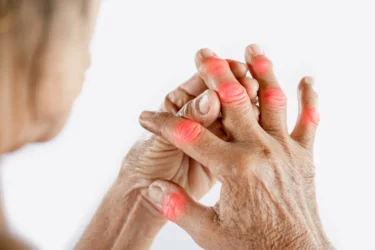
Fixed oils present in basil leaves may have anti-arthritic activity due to the ability to inhibit the substances that cause inflammation. A study1 on rats suggested basil leaves may help against arthritic conditions in rats. However, more studies are required on humans to check if basil leaves can help in the case of arthritis. However, you must consult your doctor if you experience severe pain due to arthritis instead of self-medicating.
Eugenol, linalool, and citronellol are a few of the essential oils in basil that may aid to reduce inflammation in the body. From my perspective, these anti-inflammatory qualities may aid in reducing the likelihood of inflammatory diseases like gastrointestinal problems3.
Dr. Rajeev Singh, BAMS

Basil leaves may enhance heart health and may lower LDL (low-density lipoprotein) (bad cholesterol that blocks the blood vessels). Basil leaves may also lower triglycerides, fat forms in the blood. LDL and triglycerides may be responsible for heart attack, stroke, and atherosclerosis. Basil leaves may also slow down platelet aggregation. Thus, basil leaves may reduce the risk of heart diseases like heart attack and stroke by lowering the levels of LDL and triglycerides1. However, large scale studies are required to check the effect of basil leaves on the heart. You must immediately consult your doctor if you experience any symptoms of heart disease.
Though some studies show the benefits of the herb in various conditions, these are insufficient, and there is a need for further studies to establish the true extent of the benefits of the herb on human health.
Antibacterial properties exist in basil. I suggest using basil leaves’ oils as it may help people suffering from skin, respiratory, urinary, and gastrointestinal infections to fight with germs3.
Dr. Siddharth Gupta, B.A.M.S, M.D (Ayu)
You must consult a qualified doctor before taking basil leaves in large quantities or any herbal supplements. Likewise, do not discontinue or replace an ongoing modern medical treatment with an ayurvedic/herbal preparation without consulting a qualified doctor.
Also Read: Vacha (Acorus calamus): Uses, Benefits and Side Effects By Dr. Rajeev Singh
Basil Leaf is a natural substance with no specific side effects when taken in normal quantities. However, if any side effects are noticed with its use, you must seek medical help immediately. You must consult your Ayurvedic physician, who has prescribed basil leaves.
I recently read an article which described a study conducted in 2015 on rats. Antioxidants in a powdered formulation were found to have a favourable effect on liver function in rats. The powder was administered by the researchers after they injured the liver with poison. This indicates the potential of basil leaves in aiding liver diseases4.
Dr. Smita Barode, B.A.M.S, M.S.
The following precautions must be taken before consuming basil leaves:
You must consult your doctor before consuming basil leaves if you have ongoing treatment.
Also Read: Dhania (Coriander): Uses, Benefits & Side Effects
There are not enough studies on the interaction of basil leaves with other drugs. Further studies on the interaction of basil leaves are yet to be done. Therefore, you must consult your doctor before consuming basil leaves.
Also Read: Kuth (Saussurea lappa): Uses, Benefits and Side Effects by Dr. Smita Barode
Basil leaves may be beneficial and may act against cancer, diabetes, bacterial growth, and arthritis. It may also manage stress, reduce swelling, boost the immune system, and enhance heart health1. However, you must consult your doctor instead of self-medicating in case you experience any symptoms of the mentioned conditions. Do not self-medicate.
Basil leaves may contain several bioactive compounds like phenols, aldehydes, terpenes, alkaloids, glycosides, ascorbic acid, saponins, tannins and some fatty acids. Additionally, basil leaves may contain protein, carbohydrates, fat, fibre, and sugars. It may also contain minerals like calcium, potassium, sodium, iron, magnesium, phosphorus and many more. Vitamin C, B1, B2, B3, B5, B6 and B9 may be present in basil leaves1,2.
Basil leaves may contain a carcinogenic (cancer-causing) substance, estragole. Hence, basil leaves are unsafe for pregnant or lactating mothers and children1.
Basil Leaf is a natural substance with no specific side effects when taken in normal quantities. However, if any side effects are noticed with its use, you must seek medical help immediately. You must consult your ayurvedic physician, who has prescribed basil leaves.
There are not enough studies on the interaction of basil leaves with other drugs. Further studies on the interaction of basil leaves are yet to be done. Therefore, you must consult your doctor if you are on any other medication before consuming basil leaves.
Disclaimer: The information provided here is for educational/awareness purposes only and is not intended to be a substitute for medical treatment by a healthcare professional and should not be relied upon to diagnose or treat any medical condition. The reader should consult a registered medical practitioner to determine the appropriateness of the information and before consuming any medication. PharmEasy does not provide any guarantee or warranty (express or implied) regarding the accuracy, adequacy, completeness, legality, reliability or usefulness of the information; and disclaims any liability arising thereof.
Links and product recommendations in the information provided here are advertisements of third-party products available on the website. PharmEasy does not make any representation on the accuracy or suitability of such products/services. Advertisements do not influence the editorial decisions or content. The information in this blog is subject to change without notice. The authors and administrators reserve the right to modify, add, or remove content without notification. It is your responsibility to review this disclaimer regularly for any changes.
 23
23  0
0The first thing that comes to our mind when we think about oregano is pizza. Oregano is commonly used in the preparation of pizza, and pasta and used as a seasoning. It is also said that “it’s best to think of oregano as a flavour rather than a genus or spices”, Dr Arthur O. Tucker1. Oregano belongs to the Lamiaceae family (mint family), which includes over 200 genera. The plants of this family are mainly used for culinary, medicinal, ornamental and fragrance purposes. The oregano plant mainly grows in mountain regions with rocky, calcareous soil and is native to the Mediterranean and Eurasia. The plants grow only a few inches tall with tiny flowers which may be pink, purple, or white in colour. The leaves of oregano appear in a variety of shapes such as the oval, heart-shaped and round with a hairy-fuzzy in appearance1. In recent days the use of oregano increased due to its health benefits and this is one of the longest-selling herbs1. Let us discuss the importance of oregano.
The total energy of 100gm oregano is 265 kcal and the nutrients present in oregano are as follows:
The vitamins present in oregano are as follows:
Oregano might possess the following properties:
Oregano may contain different bioactive compounds, and the potential uses of oregano are as follows.

It has been seen that oregano might help in inhibiting the bacteria Helicobacter pylori which is responsible for causing gastritis in humans. A study3 on humans explained that the oregano might be effective against parasites causing enteric infections in humans. Therefore, oregano might be effective against bacteria and parasites causing stomach infections. However, consult your doctor if you have severe stomach pain or any other infections in the stomach.

Studies on animals reported that oregano might have activity against the encephalitis virus. It is hypothesised that the oregano might inhibit the activity against HIVE type 1 reverse transcriptase which might interfere with the activity of the virus due to the presence of rosmarinic acid in it. Further research is required on humans to see the effectiveness of oregano against viral infections3.

Numerous researchers have seen that oregano might have the potential to alleviate inflammation. The active component thymol, which is present in oregano might be effective in reducing the release of an inflammatory marker called elastase. In addition, rosmarinic acid might also interfere with inflammatory processes and cause a decrease in the release of elastase. Therefore, oregano might be effective in lowering inflammation3.
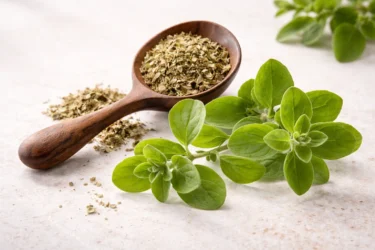
When compared to others, oregano might exhibit a greater antioxidant property. In studies, it was seen that oregano might have phytochemicals which neutralize the free radicals to safeguard the cells, tissues, and DNA. This might help in reducing the oxidative stress in the body which is the leading cause of many metabolic diseases. This activity of oregano might be due to the presence of various phytochemicals in it. However, the composition of different oregano species and their antioxidant property varies3.

Oregano might have potential effects on diabetes. It was seen in studies that oregano might interfere with and inhibit alpha-glucosidase which is involved in glucose metabolism. Further, it is observed that when oregano is given orally to mice might help in lowering the blood glucose levels. However, such claims need to be proved by more research. Moreover, diabetes is a serious condition and must be diagnosed and treated by a doctor. Do not self medicate3.
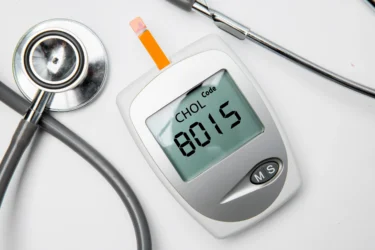
Studies have shown that the bioactive components present in oregano, such as carvacrol and gamma-terpinene might be effective in reducing the cholesterol levels in the blood. It might be effective in reducing cholesterol and triglyceride levels. Therefore, it might be helpful against heart diseases also and more research is required to prove these potential effects3.

Some studies have shown that oregano might have potential uses against cancer. Carvacrol and rosmarinic acid present in oregano may avoid DNA damage and may also suppress the cancer cells. Thymol and carvacrol in the oregano may help in eliminating melanoma (Skin cancer) cells. However, kindly consult a doctor for the proper diagnosis and treatment of cancer. Do not self-medicate3.
Though there are studies that show the potential uses of oregano in various conditions, these are insufficient and there is a need for further studies to establish the true extent of the benefits of oregano on human health.
In my opinion, oregano might offer a beneficial advantage owing to its natural chemical content. These chemicals found in oregano may possess properties that might provide relief from cough symptoms. Thus, by incorporating oregano into your diet or using it as an herbal remedy, you may experience its cough-suppressing benefits4.
Dr. Siddharth Gupta, B.A.M.S, M.D (Ayu)
As we already know, oregano is one of the key ingredients in pasta and pizza. It is also known as “The Heart and soul of Mediterranean cuisine”. They are used for cooking and as flavouring agents in many dishes all over the world1.
You must consult a qualified doctor before taking oregano or any other herbal supplements. Do not discontinue or replace an ongoing treatment of modern medicine with an ayurvedic/herbal preparation without consulting a qualified doctor.
In this engrossing study I came across, researchers explored the effects of oregano essential oil (OEO) on depression and stress-related genes in rats. They found that OEO might help reduce depressive symptoms caused by chronic stress. These findings suggest that OEO may have potential as an antidepressant, but its impact on stress-related genes requires further investigation5.
Dr. Rajeev Singh, BAMS
Some individuals might be allergic to oregano and should not use them. Make sure that you test for allergy to oregano before consuming it. Pregnant women should also consult a doctor before consuming oregano as it might have some effects1.
However, oregano might have side effects which need to be explored further by research. Until any specific data is found, the specific side effects of oregano cannot be stated. Furthermore, due to insufficient research, oregano cannot be declared to have any side effects as well. Therefore, kindly consult your doctor before using oregano.
From what I have read so far, research has shown that substances found in oregano oil, such as rosmarinic acid and carvacrol, might have protective effects on the liver. In animal studies, these compounds were found to protect liver cells from lead toxicity and safeguard the liver from damage. These findings suggest that oregano oil and its components may have beneficial effects on liver health, but further research is needed to explore their potential as therapeutic agents6.
Dr. Smita Barode, B.A.M.S, M.S.
Also Read: Puffed Rice: Uses, Benefits, Side Effects By Dr. Rajeev Singh
Ensure that you are not allergic to oregano before consuming it1.
Pregnant women should consult a doctor and ensure that it is safe for them to consume oregano, as it might have some effect on them1.
There are no reports regarding the effects of oregano in children, therefore kindly consult a doctor before giving oregano to children.
Also Read: Spring Onion: Uses, Benefits, Side Effects By Dr. Smita Barode
Oregano might interact with certain drugs and may alter their activity. However, no such data has been found. Therefore, there is a need for more research regarding the interaction of oregano with other drugs. Kindly ensure that you discuss the safety of consuming oregano with your doctor before consuming it. Especially if you are on medication and are undergoing treatment for any condition.
Also Read: Thyme (Banajwain): Uses, Benefits, Side Effects and More By Dr. Rajeev Singh
Oregano might have potential uses for human health, due to its antioxidant, anti-microbial, anti-bacterial, antiviral, anti-parasitic, anti-diabetic, and cholesterol-lowering properties. However, these potential uses need to be proved by further research. Kindly consult a doctor and do not self-medicate3.
The various nutrients present in oregano are carbohydrates, fats, proteins, sugars, fibre, minerals (calcium, potassium, zinc), and vitamins (A, D, E, K and B)2.
It is advised to consult a doctor and take prior medical opinion as it is seen in some studies that it might affect pregnant women. Therefore, pregnant women must consult a doctor before consuming oregano1.
There are no reports regarding the effects of oregano on the skin. Therefore, there is a requirement for more research regarding this subject.
There have been a few reports of allergies being caused due to oregano. Therefore, you may have an allergy to oregano. It is advised that you consult a doctor and get tested for allergies1.
Also Read: Raw Banana: Uses, Benefits, Side Effects and More!
Disclaimer: The information provided here is for educational/awareness purposes only and is not intended to be a substitute for medical treatment by a healthcare professional and should not be relied upon to diagnose or treat any medical condition. The reader should consult a registered medical practitioner to determine the appropriateness of the information and before consuming any medication. PharmEasy does not provide any guarantee or warranty (express or implied) regarding the accuracy, adequacy, completeness, legality, reliability or usefulness of the information; and disclaims any liability arising thereof.
Links and product recommendations in the information provided here are advertisements of third-party products available on the website. PharmEasy does not make any representation on the accuracy or suitability of such products/services. Advertisements do not influence the editorial decisions or content. The information in this blog is subject to change without notice. The authors and administrators reserve the right to modify, add, or remove content without notification. It is your responsibility to review this disclaimer regularly for any changes.
3
0Sitopaladi churna is an Ayurvedic preparation used for digestive problems and various respiratory issues. Sitopaladi churna helps balance the kapha and pitta doshas. It is made from ingredients like cardamom (elaichi), cinnamon (twak), bamboo (vanshlochan), long pepper (pippali), and sugar candy (khandasharkara).
All these ingredients are cleaned and crushed to obtain a fine powder. The powder is then filtered to remove any coarse particles. Sitopaladi churna has a madhura (sweet) and katu rasa (bitter taste). This churna may help to eliminate ama (harmful toxins) out of the body1.
The quantity of ingredients in sitopaladi churna is2:
The inorganic elements present in sitopaladi churna are calcium, sodium, potassium, iron, magnesium, sulfate, phosphate, carbonate, nitrate, and chloride. The organic elements present in sitopaladi churna are carbohydrates, proteins, amino acids, steroids, flavonoids, alkaloids, tannins, and phenolic compounds2.
Did you know?
The various beneficial properties of sitopaladi churna may include3:
I would suggest sitopaladi churna in allergic disorders. There’s an important chemical called piperine found in the sitopaladi formulation. Owing to its capacity to stabilise mast cells, sitopaladi churna may be a justified treatment for allergic disorders13.
Dr. Siddharth Gupta, B.A.M.S, M.D (Ayu)

Sitopaladi churna contains expectorant properties that may help expel mucous from the airways. According to Ayurveda, cough is grouped into five categories: vata (dry cough that produces some mucous), pitta (cough that produces moderate and sticky mucous), ksataja (cough that occurs due to chest injury), and ksaya (cough that occurs due to tuberculosis-like chronic diseases).
Sitopaladi churna may be an helpful for all these types of coughs. It may be taken with honey, ghee, water, or other herbal medications. Sitopaladi churna may help with cough by acting on the central nervous system3. However these effects of sitopaladi churna may need further studies.

Sitopaladi churna contains deepan (appetizing) and pachan (digestive) properties that may help to enhance digestion. It also contains carminative properties that might be helpful in gas accumulation and bloating3. The studies seem insufficient to validate these claims, therfore consult an ayurvedic physician before taking sitopaladi churna for its effect on digestion.
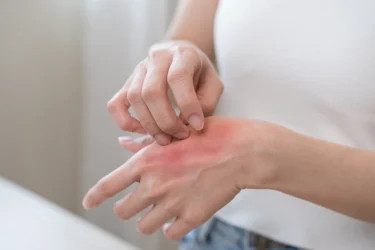
The immune system in people with allergies responds to allergens like dust, pollen, dander, etc. by releasing a substance called histamine. Due to this, the person might experience symptoms like watery eyes or a running nose. Sitopaladi churna contains antihistaminic properties and might protect you from allergies4. You must visit a doctor immediately for relief in case of any allergic reactions.

The digestive enzyme amylase has to break down complex carbohydrates before they are absorbed. Carbohydrates are broken down into simple sugars and enter the blood leading to an increase in blood sugar levels. Sitopaladi churna may show α-amylase inhibition properties. This property might help prevent the body from absorbing these carbohydrates and prevents a spike in blood sugar after meals3. Diabetes is a major health condition and requires appropriate diagnosis and treatment from a professional doctor. Therefore, human trials of Sitopaladi churna are necessary to provide its potential usage for managing blood sugar levels in humans.

Anaemia can lead to shortness of breath, dizziness, tiredness, and irritability. The most common cause of anaemia is iron deficiency. Sitopaladi churna may help increase iron absorption by the body and thus helps in nutritional anaemia3. Further studies are needed to establish the claim of effect of sitopaladi churna for anaemia.

Sitopaladi churna combined with other herbal medications, along with modified diet and lifestyle modifications like 8 hours of proper sleep, 30-60 min of morning or evening walk, and abstaining from smoking and drinking proved to be effective in the management of migraine5. However these claims need further studies, you must consult a doctor for proper advice on migraines.

Sitopaladi churna may be helpful in conditions like fever related to flu, cold, chest congestion, pneumonia, tuberculosis, bronchitis, and other respiratory illnesses. This herbal preparation may help control respiratory infections due to its anti-inflammatory and antioxidant properties2. However, respiratory conditions may need medical supervision and diagnosis. Consult a qualified doctor for treatment of any respiratory condition.

Vocal nodules occur due to abuse or misuse of the vocal cords. Some professions require high-volume speech. This might lead to the formation of vocal nodules. Sitopaladi churna along with other herbal formulations may be used for managing vocal nodules. Studies show that it may give some relief from the symptoms and the person can regain their original voice6. But consult a doctor for advice before consuming sitopaladi churna on your own.
Though there are studies showing the benefits of sitopaladi churna in various conditions, these are insufficient. There is a need for further studies to establish the true extent of the benefits of sitopaladi churna on human health. Furthermore, every person may respond differently to these herbs. Therefore, it is important to consult a doctor before using sitopaladi churna for any medical condition.
In my opinion, when we combine the herbal product from Bambusa arundinacea found in sitopaldi churna with other medicines, it might create a powerful anti-inflammatory drug. It’s like a dream team for treating chronic inflammatory conditions like rheumatoid arthritis with peptic ulcers, which are quite common. This combination may also offer hope for long-term treatment and relief in the said conditions14.
Dr. Rajeev Singh, BAMS
Sitopaladi churna is available in two forms:
Sitopaladi churna can either be taken with honey, water or ghee10. One should always take the advice of an Ayurvedic physician before having sitopaladi churna. In addition, we recommend you do not replace or discontinue your ongoing medications with any ayurvedic or herbal preparations without seeking the medical advice of a qualified doctor. They will guide you with the best form and dosage in which the herb can be used per your health condition.
Also Read: Avipattikar Churna: Uses, Benefits, Side Effects and More!
There is not sufficient evidence for sideeffects of Sitopaladi churna and it may be safe when used by children and pregnant women. It is essential to consult an Ayurvedic physician and take only take prescribed doses3.
Also Read: Multani Mitti: Uses, Benefits, Side Effects & More!
Also Read: Ragi (Finger Millet): Health Benefits and Tasty Recipes for Losing Weight
Due to its kapha and vata dosha balancing qualities, sitopaladi churna might be helpful in the management of asthma symptoms. It helps to breathe easily by clearing the air pathways7,8. Every person may respond differently to these herbs. Therefore, it is important to consult a doctor before using sitopaladi churna for any medical condition.
Intercostal neuralgia is nerve pain right under you’re the ribs. There can be pain in the chest and upper back region. Sitopaladi churna may be helpful in the management of intercostal neuralgia9. It is however, important to consult a doctor before using sitopaladi churna for any medical condition.
The ingredients of sitopaladi churna are taken separately, crushed well to form a powder, and filtered through a clean cotton cloth. The ingredients are then mixed together to form a uniform mixture and then stored in an air-tight container10.
According to a case report Sitopaladi churna might be helpful in post-covid lung complications due to its affinity towards the respiratory system11. This may be followed under supervision and guidance of a qualified doctor.
Sitopaladi churna is also known by the names- sitopaladi choorna, sitopaladi choornam, sitopaladi chooran, etc12.
Yes, Sitopaladi Churna’s soothing properties can help ease the discomfort of a sore throat by reducing inflammation and providing relief from irritation. Mixing it with honey and consuming it may be beneficial for a sore throat.
Sitopaladi Churna is typically taken orally with honey or warm water. The dosage and frequency may vary depending on the individual’s age, condition and the Ayurvedic practitioner’s recommendation.
Sitopaladi Churna contains sugar candy, which may impact blood sugar levels. Individuals with diabetes should consult their healthcare provider or an Ayurvedic practitioner before using it and consider alternatives without sugar candy.
Sitopaladi Churna generally has a pleasant taste due to the combination of sweet and aromatic herbs like sugar candy and cardamom. Mixing it with honey or warm water can enhance its taste.
Ayurvedic practitioners often recommend taking Sitopaladi Churna after meals for better absorption and to avoid any potential discomfort on an empty stomach.
Disclaimer: The information provided here is for educational/awareness purposes only and is not intended to be a substitute for medical treatment by a healthcare professional and should not be relied upon to diagnose or treat any medical condition. The reader should consult a registered medical practitioner to determine the appropriateness of the information and before consuming any medication. PharmEasy does not provide any guarantee or warranty (express or implied) regarding the accuracy, adequacy, completeness, legality, reliability or usefulness of the information; and disclaims any liability arising thereof.
Links and product recommendations in the information provided here are advertisements of third-party products available on the website. PharmEasy does not make any representation on the accuracy or suitability of such products/services. Advertisements do not influence the editorial decisions or content. The information in this blog is subject to change without notice. The authors and administrators reserve the right to modify, add, or remove content without notification. It is your responsibility to review this disclaimer regularly for any changes.
66
1Khadiradi Vati is an ayurvedic formulation made from multiple herbs. Khadira (Acacia catechu) is the major ingredient in the formulation, along with Bhimseni kapoor (Cinnamomum camphora), Kankol (Piper cubeba), Supari (Areca nut), and Javitri (Myristica fragrans)1. The main ingredient Khadira is responsible for most of its therapeutic benefits. Acacia catechu is an important medicinal plant and an economically significant forest tree2.
There are various phytochemicals present in Khadiradi Vati like flavonoids, glycosides, saponins, tannins, alkaloids, and volatile oils1.
Phytochemical screening of Khadiradi Vati shows the presence of carbohydrates and proteins aside from phytochemicals1.
Khadiradi Vati is used for pharyngitis (sore throat), mouth ulcers, and other diseases of teeth, gums, tongue, and sore throat1. It has the following activities that make it a potentially beneficial medicinal formulation:
The major ingredient of Khadiradi Vati, Acacia catechu, is helpful in cough, eruptions on the body and ulcers2.
Khadiradi Vati is beneficial in sore throat, tonsillitis, and pharyngitis.

As per the Ayurvedic Formulary of India11, Khaidradi Vati is useful in Mukha daurgandhya (Halitosis), Mukha Paka (Stomatitis), Danta Roga (Disease of the tooth), Dantasausirya (Dental caries), Gala Roga (Diseases of the throat), Aruci (Tastelessness), Caladanta (Loose tooth), Mukhajadya (Restricted movement of the jaw), and Asya Roga (Diseases of the buccal cavity)3 and cough with expectoration4.
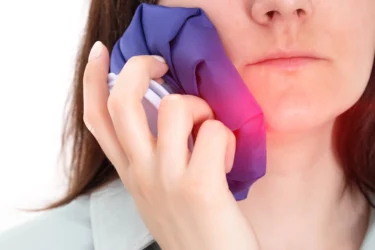
Over the years, I have learned that Khadiradi Vati, along with other Ayurvedic medicines, may potentially provide relief in cases of Lichen Planus. Khadiradi Vati is known for its anti-inflammatory and immunomodulatory properties, which can help alleviate the symptoms associated with Lichen Planus, such as skin lesions and itching10.
Dr. Siddharth Gupta, B.A.M.S, M.D (Ayu)
Also Read: Nirgundi: Benefits, Uses, Side Effects & More!

As per the National Health Portal of India, sucking on Khadiradi Vati might be beneficial in cough with bringing up and spitting out sputum4.
I would advise considering the use of Khadiradi Vati, an Ayurvedic herbal formulation that contains Acacia as a major ingredient, for its potential hepatoprotective activity. Acacia is believed to possess properties that can protect the liver from damage and promote its well-being9.
Dr. Rajeev Singh, BAMS
Khadiradi Vati is available as pills.
The dose of khadiradi Vati pills, to be sucked or swallowed, with water or honey8 should be decided by a qualified ayurvedic doctor. The ayurvedic doctor will prescribe you the dose, based on your diagnosis.
Also Read: Sesame Seeds: Benefits, Uses, Side Effects and More!
Khadiradi Vati has no reported side effects5.
Also Read: Sarpagandha (Indian Snakeroot): Uses, Benefits, Side Effects, Precautions & More!
Khadiradi Vati is a trusted Ayurvedic polyherbal formulation with a wide range of benefits for oral and respiratory health. Its antiseptic, anti-inflammatory, astringent, and expectorant properties make it effective in managing conditions like periodontitis, stomatitis, sore throat, and cough. With no reported side effects and recognition in the Ayurvedic Formulary of India, it remains a reliable traditional remedy. However, it is always advisable to consult a qualified Ayurvedic doctor before use, particularly for pregnant women, breastfeeding mothers, and children.
Also Read: Chironji (Charoli): Uses, Benefits, Precautions, Side Effects & More!
Khadiradi Vati is an ayurvedic polyherbal formulation. Khadira (Acacia catechu) is the major ingredient in the formulation, along with Bhimseni kapoor (Cinnamomum camphora), Kankol (Piper cubeba), Supari (Areca nut), and Javitri (Myristica fragrans)1.
Khadiradi Vati is used for pharyngitis or sore throat, mouth ulcers, and other diseases of teeth, gums, tongue, and sore throat1. Khadiradi vati is used as an oral antiseptic, astringent, anti-inflammatory, and expectorant. Therefore, it is beneficial, especially in sore throat and tonsillitis and pharyngitis1.
Khadiradi Vati has benefits in periodontitis, stomatitis, pharyngitis, and cough.
Khadiradi Vati has no reported side effects5.
There are no safety studies about its usage in children. Consult with a doctor before giving to children.
The chief ingredient of Khadiradi Vati, Acacia catechu, is an excellent antimicrobial and anti-inflammatory agent. It increases the concentration of vitamin C in the cells. It eliminates free radicals and prevents destruction of collagen in tissues. The effect of Khadiradi Vati was found to be superior to chlorhexidine and comparable to Dashansanskar churana in the treatment of chronic Periodontitis5.
Mukhapaka is a commonly occurring disease of the oral cavity. It can occur anywhere in the oral cavity (mouth), gums, lips, pallet and inside of the cheeks. Khadiradi Vati is used in mouth ulcers as it has anti-inflammatory, antiseptic and astringent properties. Khadiradi Vati was found to be highly effective in the management of stomatitis6.
There are no safety studies about its usage in pregnant and breastfeeding women. Therefore, it should be used with the doctor’s advice and supervision.
1. BP A, MC R, SM P, Murthy Dr N. Formulation and standardization of khadiradi vati and comparative study with marketed formulation. Journal of Pharmacognosy and Phytochemistry [Internet]. 2019 [cited 2022 Feb 18];8(3):2299–301. Available from: https://www.phytojournal.com/archives/2019.v8.i3.8353/formulation-and-standardization-of-khadiradi-vati-and-comparative-study-with-marketed-formulation
2. Negi BS, Dave BP. In Vitro Antimicrobial Activity of Acacia catechu and Its Phytochemical Analysis. Indian Journal of Microbiology 2011 50:4 [Internet]. 2011 Feb 2 [cited 2022 Feb 18];50(4):369–74. Available from: https://link.springer.com/article/10.1007/s12088-011-0061-1
3. Pharmacopoeia Commission For Indian Medicine & Homoeopathy. The Ayurvedic Pharmacopoeia Of India Part-I Volume-Ix Government Of India Ministry Of Ayush 2016. 2016. https://www.ayurveda.hu/api/API-Vol-1.pdf
4. Ardra-Kasa(Cough with expectoration) | National Health Portal of India [Internet]. [cited 2022 Feb 18]. Available from: https://jaims.in/jaims/article/view/4207
5. Mittal N, Joshi V, Srivastava R, Singh S. Efficacy of Ayurvedic drugs as compared to chlorhexidine in management of chronic periodontitis: A randomized controlled clinical study. Journal of Indian Society of Periodontology [Internet]. 2018 Jan 1 [cited 2022 Feb 18];22(1):28. Available from: https://pubmed.ncbi.nlm.nih.gov/29568169/
6. Deshmukh R D, Dhakate VG, Pawar N S, Ingle A M, Barde R R. A CLINICAL CASE STUDY-ROLE OF TRIPHALA CHURNA PRATISARANA AND KHADIRADI VATI IN THE MANAGMENT OF MUKHAPAKA WITH SPECIAL REFERENCE TO STOMATITIS. Deshmukh et al World Journal of Pharmaceutical Research [Internet]. 2020;9:1201. https://wjpr.s3.ap-south-1.amazonaws.com/article_issue/1599122413.pdf
7. N V Vidya BEVD. Ayurveda Treatment Protocol in the Management of Galagraha (Pharyngitis)-A Case Study. Journal of Ayurvedic and Herbal Medicine [Internet]. 2020;6(2):63–5. Available from: https://www.researchgate.net/publication/352410387_Ayurveda_Treatment_Protocol_in_the_Management_of_Galagraha_Pharyngitis-A_Case_Study
8. Department of Ayush M of H and FWG of I. Essential Drugs List(EDL)_Ayurveda. http://namayush.gov.in/sites/all/themes/webcms/images/essential_drugs/Ayurveda_EDL_list_final.pdf
9. Lakshmi T, Sri Renukadevi B, Senthilkumar S, Haribalan P, Parameshwari R, Vijayaraghavan R, Rajeshkumar S. Seed and bark extracts of Acacia catechu protects liver from acetaminophen induced hepatotoxicity by modulating oxidative stress, antioxidant enzymes and liver function enzymes in Wistar rat model. Biomed Pharmacother. 2018;108:838-844. doi:10.1016/j.biopha.2018.08.077. https://www.sciencedirect.com/science/article/pii/S0753332218345773
10. Srinivas T, Rashmika K, Rani GS, Rao SB, Laxmi V. A critical review on Khadiradi Vati – an Ayurvedic formulation. J Ayurveda Integr Med Sci. 2024;9(8):146-156. doi:10.21760/jaims.9.8.22. https://jaims.in/index.php/jaims/article/view/3737
11. India. Ayurvedic Pharmacopoeia Committee. The Ayurvedic Formulary of India. 2nd rev ed. New Delhi: Controller of Publications; 2003 https://openlibrary.org/works/OL6053604W/The_Ayurvedic_formulary_of_India
Disclaimer: The information provided here is for educational/awareness purposes only and is not intended to be a substitute for medical treatment by a healthcare professional and should not be relied upon to diagnose or treat any medical condition. The reader should consult a registered medical practitioner to determine the appropriateness of the information and before consuming any medication. PharmEasy does not provide any guarantee or warranty (express or implied) regarding the accuracy, adequacy, completeness, legality, reliability or usefulness of the information; and disclaims any liability arising thereof.
Links and product recommendations in the information provided here are advertisements of third-party products available on the website. PharmEasy does not make any representation on the accuracy or suitability of such products/services. Advertisements do not influence the editorial decisions or content. The information in this blog is subject to change without notice. The authors and administrators reserve the right to modify, add, or remove content without notification. It is your responsibility to review this disclaimer regularly for any changes.
9
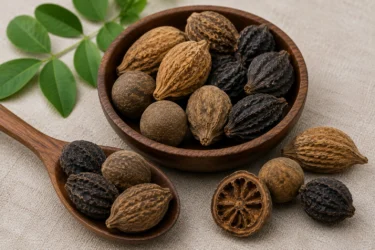
2Three medicinal herbs make up Triphala (in Sanskrit, “tri” means “three” and “phala” means “fruits”). It is an antioxidant-rich herbal preparation described as a Rasayana (rejuvenator) medicine by Ayurvedic practitioners. Combining the three fruits is said to be responsible for Triphala’s numerous health benefits1.
Triphala is made from the dried fruits of:
The spring-harvested fruits of Terminalia chebula are high in tannins such as gallic acid, ellagic acid, chebulic acid, chebulinic acid, chebulagic acid, neochebulinic acid, corilagin, terchebin, punicalagin, terfavin, flavonoids (rutins, luteolin and quercetin), starches, amino acids (glutamic acid, aspartic acid, lysine, arginine and proline), β-sitosterol, succinic acid, fructose and fatty acids2.
The fruits of Terminalia bellerica consist of proteins and oils that include omega-3 and omega-6 fatty acids (linoleic acid). Because of its high fatty acid content, this plant can impact cholesterol levels, increasing high-density lipoprotein levels (good cholesterol) while decreasing low-density lipoprotein levels (bad cholesterol), making it effective in treating coronary artery disease.
Phyllanthus emblica (amla) fruits are high in ascorbic acid, i.e. vitamin C2. The high density of tannins may contribute to the overall bitterness of amla. These fruits also include punicafolin and phyllanemblinin A, phyllemblin, and other polyphenols such as gallic acid, ellagic acid, flavonoids and kaempferol2.
Based on my experience, I have come across evidence suggesting that Amalaki, which is a component of Triphala, may possess properties to manage diseases of the sense organs and enhance memory. It is believed that the active compounds present in Amalaki exert beneficial effects on the central nervous system, potentially improving sensory function and memory.
Dr. Siddharth Gupta, B.A.M.S, M.D (Ayu)
Triphala is described as a tridoshic Rasayana in Ayurveda, capable of balancing and rejuvenating the three doshas that regulate human life: Vata, Pitta and Kapha. It is widely used in several disease conditions owing to its following properties1,3:
Triphala is used to treat fatigue, oxidative stress, and infectious disorders like tuberculosis, pneumonia, AIDS and periodontal disease, among others. It’s also used for headaches, dyspepsia, ascites and leukorrhea3.
In my experience, I have observed that Triphala, a herbal formulation, may have the ability to increase the number of red blood cells and improve haemoglobin content in the body, making it potentially beneficial for managing anaemia. The active compounds in Triphala are believed to stimulate the production of red blood cells, leading to an increase in haemoglobin levels and overall improvement in anaemic conditions.
Dr. Rajeev Singh, BAMS



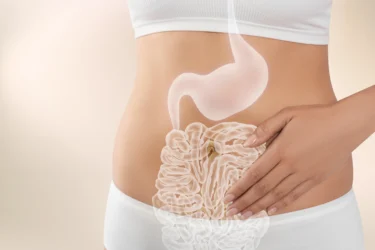
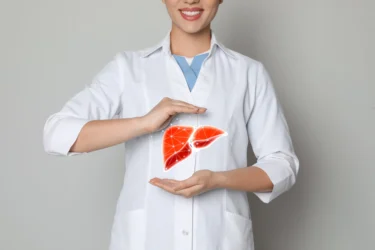




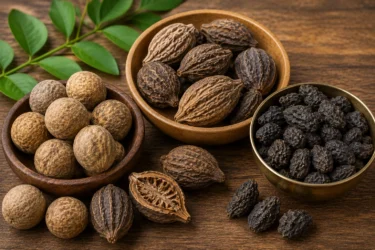



Over the years, I have observed that Triphala, a herbal formulation, might have growth inhibitory activities against certain bacterial strains commonly found in HIV-infected patients. Studies have indicated that the aqueous and ethanolic extracts of Triphala, as well as its individual plant components, have shown potential antibacterial effects against these bacterial isolates.
Dr. Smita Barode, B.A.M.S, M.S.
Also Read: Atibala: Benefits, Side Effects, Precautions & More
Haritaki, bibitaki, and amlaki are powdered to make Triphala churna (powder). As per research, it is advisable to take it with ghee, honey, or milk1.
It is made by combining the powder with water and boiling it. The decoction is then filtered through a clean cloth, and the filtrate can be used to treat skin conditions like erysipelas, eruptions, scrotal enlargement, colic pain, worm infestation, and urinary diseases. It is applied directly to open wounds and eyes, as well as gargled during pharyngitis1.
It is made by boiling Triphala powder with oil. It is used as a gargle, snuff, an enema, and orally to treat obesity and itching1.
It’s made by heating Triphala powder for a long time at a low temperature in a controlled setting. Mashi/Masi is an intermediate product containing organic and inorganic ingredients. The mashi is black and has a high carbon and oxide content. Triphala Mashi, when mixed with honey, can be used to treat soft chancres and wounds1.
It is made by cooking the paste of Triphala, trikatu (a herbal compound of Indian Long Pepper (Piper longum), Black Pepper (Piper nigrum), and Ginger (Zingiber officinale) in ghee and milk, as well as grapes (Vitis vinifera), Yestamadhu (Glycyrrhiza glabra), Kutki (Picrorhiza korroa), and cardamom (Elettaria cardamom). It is frequently used to treat eye conditions like conjunctivitis, blindness, and cataracts. Triphala gritha is also used to treat jaundice, leucorrhoea, tumours, greying, and hair loss1.
Also Read: Jowar: Uses, Benefits, Side Effects By Dr. Smita Barode
Terminalia chebula: It should not be used if you have an acute cough, diarrhoea, or early-stage dysentery5.
Also Read: Dashmularishta: Uses, Benefits, Side Effects & More!
Triphala is an ayurvedic herbal formulation made up of dried fruits from three different plants: Terminalia chebula (black myrobalan), Terminalia bellerica (bastard myrobalan), and Phyllantus emblica (emblic myrobalan)2.
It is suggested that Triphala churna can be taken with ghee, honey, or milk1.
Yes, we can take Triphala churna with milk1.
The Triphala gritha is made by boiling the Triphala paste in ghee and milk. It is frequently used to treat eye conditions like conjunctivitis, blindness, and cataracts1.
Triphala churna has analgesic, antibacterial, anti-arthritic, hypoglycemic, antiaging, antiviral and anti-inflammatory properties. It helps with headaches, dyspepsia, fatigue, oxidative stress reduction, and infectious disorders like tuberculosis and periodontal disease3. It is also used for eye problems such as infections, blindness, myopia, and cataractogenesis1.
Yes, Triphala is good for the liver as it reduces pro-inflammatory chemicals, restores the levels of antioxidant enzymes, and reduces liver damage, as seen by lower serum enzyme values1.
It is made by grinding haritaki, bibitaki, and amlaki1.
Triphala is an ayurvedic herbal formulation made up of dried fruits from three different plants: Terminalia chebula (black myrobalan), Terminalia bellerica (bastard myrobalan), and Phyllantus emblica (emblic myrobalan or Indian gooseberry)2.
Triphala restores antioxidant enzyme levels in experimental animals, resulting in an 80% reduction in cataract formation1. Thus, it might be helpful in improving eyesight in humans, but more studies are needed to prove the same.
Yes, Triphala is good for hair. It is considered to help with hair greying and hair loss1.
Disclaimer: The information provided here is for educational/awareness purposes only and is not intended to be a substitute for medical treatment by a healthcare professional and should not be relied upon to diagnose or treat any medical condition. The reader should consult a registered medical practitioner to determine the appropriateness of the information and before consuming any medication. PharmEasy does not provide any guarantee or warranty (express or implied) regarding the accuracy, adequacy, completeness, legality, reliability or usefulness of the information; and disclaims any liability arising thereof.
204
9Chitrakadi vati is well recognised as an Ayurvedic preparation1. It is a polyherbal formulation containing nine ingredients of herbal origin: Chitraka (Plumbago zeylanica), maricha (Piper nigrum), pippali (Piper longum fruit), pippalimoola (Piper longum root), Chavya (Piper chaba), ginger (Zingiber officinale), hing (Ferula foetida/Ferula asafoetida), ajmoda (Apium leptophyllum), yava ksara (Hordeum vulgare) and panchalavana (Samudra, Sauvarchala, Saindhava, Vida, Audbhida)2.
The uses of Chitrakadi Vati are as follows:
According to Ayurveda, Chitrakadi vati might be useful in decreasing mouth dryness caused due to increased levels of vatta and pitta levels and decreased kapha levels in the body. Chitrakadi vati might stimulate saliva secretion13.
Dr. Siddharth Gupta, MD, B.A.M.S, M.D (Ayu)





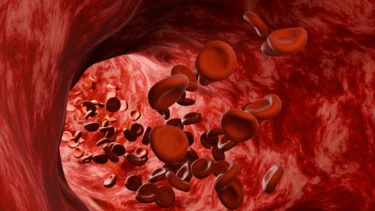
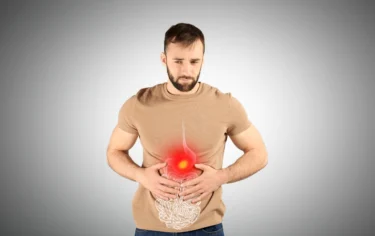

The extracts of chavya considerably boost lymphocyte proliferation, implying an immunomodulatory action, mainly through lymphocyte proliferation and natural killer cell activity activation9.
In Ayurveda, Chitrakadi vati might help in reducing oedema in the legs and hands (extremities) caused due to ama dosha13.
Dr. Rajeev Singh, BAMS
Chitrakadi vati can be used as:
Also Read: Custard Apple: Uses, Benefits, Side Effects and More!
Some side effects are observed due to the following constituents of Chitrakadi vati:
Generally, according to Ayurveda, ama and vatta doshas can create joint pain. In such cases, Chitrakadi vati might be useful in reducing joint pain13.
Dr. Smita Barode, BAMS
Also Read: Green Chilli: Uses, Benefits, Side Effects and More!
You should keep the following points in mind:
Also Read: Abhayarishta: Uses, Benefits & How to Use It
Chitrakadi vati is an Ayurvedic preparation of Chitraka (Plumbago zeylanica), maricha (Piper nigrum), pippali (Piper longum fruit), pippalimoola (Piper longum root), Chavya (Piper chaba), ginger (Zingiber officinale), hing (Ferula foetida), ajmoda (Apium leptophyllum), yava ksara (Hordeum vulgare) and panchalavana (Samudra, Sauvarchala, Saindhava, Vida, Audbhida)1,2.
It is commonly used to manage irritable bowel syndrome, rheumatoid arthritis, and appetite loss. It is also used as a digestive tonic and carminative. Chitrak stimulates digestion and appetite and aids to deal with leprosy, fever, oedema, and scabies1,2.
It is used in the form of Chitrakadi vati extract and Chitrakadi dutika (pills)1,10.
Yes, it is good for the liver. The consumption of Chitrakadi gutika and buttermilk was found to be effective in managing the non-alcoholic fatty liver disease by returning the fatty infiltration of the liver to a normal level4.
Disclaimer: The information provided here is for educational/awareness purposes only and is not intended to be a substitute for medical treatment by a healthcare professional and should not be relied upon to diagnose or treat any medical condition. The reader should consult a registered medical practitioner to determine the appropriateness of the information and before consuming any medication. PharmEasy does not provide any guarantee or warranty (express or implied) regarding the accuracy, adequacy, completeness, legality, reliability or usefulness of the information; and disclaims any liability arising thereof.
Links and product recommendations in the information provided here are advertisements of third-party products available on the website. PharmEasy does not make any representation on the accuracy or suitability of such products/services. Advertisements do not influence the editorial decisions or content. The information in this blog is subject to change without notice. The authors and administrators reserve the right to modify, add, or remove content without notification. It is your responsibility to review this disclaimer regularly for any changes.
14
0


