
Kumaryasava is an Ayurvedic formulation, which has aloe vera as the main ingredient. Asavas are medicinal preparations prepared by soaking the drugs (decoction or powder) in a solution of jaggery or sugar for a definite period. It undergoes the fermentation process by producing alcohol, which facilitates the extraction of active constituents of drugs. Kumaryasava is composed of Aloe barbadensis, Terminalia chebula, Ricinus communis, Myristica fragrans, Syzygium aromaticum, Woodfordia fruticosa, Piper cubeba, Nardostachys jatamansi, jaggery and water2. As per the Ayurvedic Pharmacopoeia of India, Kumaryasava should comprise not less than 5% v/v and not more than 10% v/v of self-generated alcohol3. Phytochemical analysis of Kumaryasava showed the presence of saponins, phenolic compounds, tannins, and anthraquinone glycosides1.
The phytochemical screening of Kumaryasava showed the presence of carbohydrates in addition to phytochemicals1.
In my clinical experience, Kumaryasava may help provide relief and support in managing discomfort associated with urinary tract stones. It’s sometimes considered as part of a natural approach to urinary tract health11.
Dr. Siddharth Gupta, B.A.M.S, M.D (Ayu)
As per Ayurvedic Pharmacopoeia of India, Kumaryasava is beneficial in managing various conditions like digestive impairment, duodenal ulcers, urinary disorders, bleeding disorders, epilepsy, worm infestation, loss of memory, weakness, diseases of the abdomen, and tastelessness4.

In clinical practice, Kumaryasava is sometimes considered helpful in managing issues like reduced appetite and supporting patients with diabetes. It is believed to stimulate digestive enzymes, which may aid in improving digestion13.
Dr. Anuja Bodhare, B.A.M.S, M.D (Ayu)

From a clinical point of view, Kumaryasava may help patients who experience painful or difficult urination (dysuria). Its main ingredient, Aloe vera, is known for its anti-inflammatory properties, which might help reduce discomfort11.
Dr. Rajeev Singh, BAMS
As per the Ayurvedic Formulary of India, Kumaryasava should be taken after meals and with water8. It can be taken with water for managing indigestion and constipation9,10. The Ayurvedic Physician will prescribe you the form and dosage as per your health condition.
Did you know Kumaryasava is believed to aid in menopausal problems? This effect can be attributed to aloe vera as the major ingredient that helps to soothe the pain and difficulties associated with menopause12.
Dr. Smita Barode, B.A.M.S, M.S.
Also Read: Amaltas (Golden Shower Tree): Uses, Benefits, Side Effects & More!
Patients with ongoing medication for chronic diseases should consult a doctor before using Kumaryasava. Keep the following points in mind:
Also Read: Pippali (Long Pepper): Uses, Benefits, Side Effects & More!
As per the Essential drug list of Ayurveda, there are no specific contraindications associated with Kumarysava8. However, notify your doctor regarding all the medicines and health supplements that you take before taking Kumaryasava.
Also Read: Babool (Acacia Nilotica): Uses, Benefits, Side Effects and More!
There is a lack of data related to safety in pregnant women. Therefore, use this medicine only after consulting your physician.
There is not enough data to support its safe usage during breastfeeding. Therefore, kindly follow the doctor’s advice before using it.
Kumaryasava can relieve discomfort due to gas and acidity, stimulate digestive enzymes, and relieve constipation6. Kindly consult your ayurvedic physician before using it.
There is no information available related to the side effects of Kumaryasava. This Ayurvedic formulation should be taken under the supervision of a physician.
According to a study, administration of Kumaryasava was found to be safe and effective in relieving the signs and symptoms associated with dysmenorrhea. Kumaryasava is found to reduce the overall pain associated with dysmenorrhea7. Though there are reported benefits of Kumaryasava in relieving some symptoms of dysmenorrhea, it should not be used as a stand-alone treatment or as a way to replace conventional medicines.
Kumaryasava has been widely used because of its health benefits in managing liver disorders5. Though there are reported benefits of Kumaryasava in liver ailments, it should not be used as a stand-alone treatment or as a way to replace conventional medicines. You should consult your Ayurvedic physician for guidance.
Asavas, such as Kumaryasava, are Ayurvedic formulations, which are prepared by soaking the drugs (powder or decoction) in a solution of sugar or jaggery for a certain period till it ferments. Through the fermentation process, alcohol is produced, which facilitates the extraction of active constituents present in the drugs1. So, it does not contain added alcohol, but alcohol is self-generated during the manufacturing process.
Consult an Ayurvedic physician before using Kumaryasava. They will guide you about the possible uses of Kumaryasava based on the diagnosis made. Kumaryasava cannot treat PCOS. It might provide relief from the pain associated with menstruation7 but it should not be used as an alternative to conventional medicine. Consult a gynaecologist for advice on PCOS. They will tell you the best course of action. Always avoid self-medication as it might worsen the condition.
Disclaimer: The information provided here is for educational/awareness purposes only and is not intended to be a substitute for medical treatment by a healthcare professional and should not be relied upon to diagnose or treat any medical condition. The reader should consult a registered medical practitioner to determine the appropriateness of the information and before consuming any medication. PharmEasy does not provide any guarantee or warranty (express or implied) regarding the accuracy, adequacy, completeness, legality, reliability or usefulness of the information; and disclaims any liability arising thereof.
Links and product recommendations in the information provided here are advertisements of third-party products available on the website. PharmEasy does not make any representation on the accuracy or suitability of such products/services. Advertisements do not influence the editorial decisions or content. The information in this blog is subject to change without notice. The authors and administrators reserve the right to modify, add, or remove content without notification. It is your responsibility to review this disclaimer regularly for any changes.
 11
11 
Khadiradi Vati is an ayurvedic formulation made from multiple herbs. Khadira (Acacia catechu) is the major ingredient in the formulation, along with Bhimseni kapoor (Cinnamomum camphora), Kankol (Piper cubeba), Supari (Areca nut), and Javitri (Myristica fragrans)1. The main ingredient Khadira is responsible for most of its therapeutic benefits. Acacia catechu is an important medicinal plant and an economically significant forest tree2.
There are various phytochemicals present in Khadiradi Vati like flavonoids, glycosides, saponins, tannins, alkaloids, and volatile oils1.
Phytochemical screening of Khadiradi Vati shows the presence of carbohydrates and proteins aside from phytochemicals1.
Khadiradi Vati is used for pharyngitis (sore throat), mouth ulcers, and other diseases of teeth, gums, tongue, and sore throat1. It has the following activities that make it a potentially beneficial medicinal formulation:
The major ingredient of Khadiradi Vati, Acacia catechu, is helpful in cough, eruptions on the body and ulcers2.
Khadiradi Vati is beneficial in sore throat, tonsillitis, and pharyngitis.

As per the Ayurvedic Formulary of India11, Khaidradi Vati is useful in Mukha daurgandhya (Halitosis), Mukha Paka (Stomatitis), Danta Roga (Disease of the tooth), Dantasausirya (Dental caries), Gala Roga (Diseases of the throat), Aruci (Tastelessness), Caladanta (Loose tooth), Mukhajadya (Restricted movement of the jaw), and Asya Roga (Diseases of the buccal cavity)3 and cough with expectoration4.
Over the years, I have learned that Khadiradi Vati, along with other Ayurvedic medicines, may potentially provide relief in cases of Lichen Planus. Khadiradi Vati is known for its anti-inflammatory and immunomodulatory properties, which can help alleviate the symptoms associated with Lichen Planus, such as skin lesions and itching10.
Dr. Siddharth Gupta, B.A.M.S, M.D (Ayu)
Also Read: Nirgundi: Benefits, Uses, Side Effects & More!



As per the National Health Portal of India, sucking on Khadiradi Vati might be beneficial in cough with bringing up and spitting out sputum4.
I would advise considering the use of Khadiradi Vati, an Ayurvedic herbal formulation that contains Acacia as a major ingredient, for its potential hepatoprotective activity. Acacia is believed to possess properties that can protect the liver from damage and promote its well-being9.
Dr. Rajeev Singh, BAMS
Khadiradi Vati is available as pills.
The dose of khadiradi Vati pills, to be sucked or swallowed, with water or honey8 should be decided by a qualified ayurvedic doctor. The ayurvedic doctor will prescribe you the dose, based on your diagnosis.
Also Read: Sesame Seeds: Benefits, Uses, Side Effects and More!
Khadiradi Vati has no reported side effects5.
Also Read: Sarpagandha (Indian Snakeroot): Uses, Benefits, Side Effects, Precautions & More!
Khadiradi Vati is a trusted Ayurvedic polyherbal formulation with a wide range of benefits for oral and respiratory health. Its antiseptic, anti-inflammatory, astringent, and expectorant properties make it effective in managing conditions like periodontitis, stomatitis, sore throat, and cough. With no reported side effects and recognition in the Ayurvedic Formulary of India, it remains a reliable traditional remedy. However, it is always advisable to consult a qualified Ayurvedic doctor before use, particularly for pregnant women, breastfeeding mothers, and children.
Also Read: Chironji (Charoli): Uses, Benefits, Precautions, Side Effects & More!
Khadiradi Vati is an ayurvedic polyherbal formulation. Khadira (Acacia catechu) is the major ingredient in the formulation, along with Bhimseni kapoor (Cinnamomum camphora), Kankol (Piper cubeba), Supari (Areca nut), and Javitri (Myristica fragrans)1.
Khadiradi Vati is used for pharyngitis or sore throat, mouth ulcers, and other diseases of teeth, gums, tongue, and sore throat1. Khadiradi vati is used as an oral antiseptic, astringent, anti-inflammatory, and expectorant. Therefore, it is beneficial, especially in sore throat and tonsillitis and pharyngitis1.
Khadiradi Vati has benefits in periodontitis, stomatitis, pharyngitis, and cough.
Khadiradi Vati has no reported side effects5.
There are no safety studies about its usage in children. Consult with a doctor before giving to children.
The chief ingredient of Khadiradi Vati, Acacia catechu, is an excellent antimicrobial and anti-inflammatory agent. It increases the concentration of vitamin C in the cells. It eliminates free radicals and prevents destruction of collagen in tissues. The effect of Khadiradi Vati was found to be superior to chlorhexidine and comparable to Dashansanskar churana in the treatment of chronic Periodontitis5.
Mukhapaka is a commonly occurring disease of the oral cavity. It can occur anywhere in the oral cavity (mouth), gums, lips, pallet and inside of the cheeks. Khadiradi Vati is used in mouth ulcers as it has anti-inflammatory, antiseptic and astringent properties. Khadiradi Vati was found to be highly effective in the management of stomatitis6.
There are no safety studies about its usage in pregnant and breastfeeding women. Therefore, it should be used with the doctor’s advice and supervision.
1. BP A, MC R, SM P, Murthy Dr N. Formulation and standardization of khadiradi vati and comparative study with marketed formulation. Journal of Pharmacognosy and Phytochemistry [Internet]. 2019 [cited 2022 Feb 18];8(3):2299–301. Available from: https://www.phytojournal.com/archives/2019.v8.i3.8353/formulation-and-standardization-of-khadiradi-vati-and-comparative-study-with-marketed-formulation
2. Negi BS, Dave BP. In Vitro Antimicrobial Activity of Acacia catechu and Its Phytochemical Analysis. Indian Journal of Microbiology 2011 50:4 [Internet]. 2011 Feb 2 [cited 2022 Feb 18];50(4):369–74. Available from: https://link.springer.com/article/10.1007/s12088-011-0061-1
3. Pharmacopoeia Commission For Indian Medicine & Homoeopathy. The Ayurvedic Pharmacopoeia Of India Part-I Volume-Ix Government Of India Ministry Of Ayush 2016. 2016. https://www.ayurveda.hu/api/API-Vol-1.pdf
4. Ardra-Kasa(Cough with expectoration) | National Health Portal of India [Internet]. [cited 2022 Feb 18]. Available from: https://jaims.in/jaims/article/view/4207
5. Mittal N, Joshi V, Srivastava R, Singh S. Efficacy of Ayurvedic drugs as compared to chlorhexidine in management of chronic periodontitis: A randomized controlled clinical study. Journal of Indian Society of Periodontology [Internet]. 2018 Jan 1 [cited 2022 Feb 18];22(1):28. Available from: https://pubmed.ncbi.nlm.nih.gov/29568169/
6. Deshmukh R D, Dhakate VG, Pawar N S, Ingle A M, Barde R R. A CLINICAL CASE STUDY-ROLE OF TRIPHALA CHURNA PRATISARANA AND KHADIRADI VATI IN THE MANAGMENT OF MUKHAPAKA WITH SPECIAL REFERENCE TO STOMATITIS. Deshmukh et al World Journal of Pharmaceutical Research [Internet]. 2020;9:1201. https://wjpr.s3.ap-south-1.amazonaws.com/article_issue/1599122413.pdf
7. N V Vidya BEVD. Ayurveda Treatment Protocol in the Management of Galagraha (Pharyngitis)-A Case Study. Journal of Ayurvedic and Herbal Medicine [Internet]. 2020;6(2):63–5. Available from: https://www.researchgate.net/publication/352410387_Ayurveda_Treatment_Protocol_in_the_Management_of_Galagraha_Pharyngitis-A_Case_Study
8. Department of Ayush M of H and FWG of I. Essential Drugs List(EDL)_Ayurveda. http://namayush.gov.in/sites/all/themes/webcms/images/essential_drugs/Ayurveda_EDL_list_final.pdf
9. Lakshmi T, Sri Renukadevi B, Senthilkumar S, Haribalan P, Parameshwari R, Vijayaraghavan R, Rajeshkumar S. Seed and bark extracts of Acacia catechu protects liver from acetaminophen induced hepatotoxicity by modulating oxidative stress, antioxidant enzymes and liver function enzymes in Wistar rat model. Biomed Pharmacother. 2018;108:838-844. doi:10.1016/j.biopha.2018.08.077. https://www.sciencedirect.com/science/article/pii/S0753332218345773
10. Srinivas T, Rashmika K, Rani GS, Rao SB, Laxmi V. A critical review on Khadiradi Vati – an Ayurvedic formulation. J Ayurveda Integr Med Sci. 2024;9(8):146-156. doi:10.21760/jaims.9.8.22. https://jaims.in/index.php/jaims/article/view/3737
11. India. Ayurvedic Pharmacopoeia Committee. The Ayurvedic Formulary of India. 2nd rev ed. New Delhi: Controller of Publications; 2003 https://openlibrary.org/works/OL6053604W/The_Ayurvedic_formulary_of_India
Disclaimer: The information provided here is for educational/awareness purposes only and is not intended to be a substitute for medical treatment by a healthcare professional and should not be relied upon to diagnose or treat any medical condition. The reader should consult a registered medical practitioner to determine the appropriateness of the information and before consuming any medication. PharmEasy does not provide any guarantee or warranty (express or implied) regarding the accuracy, adequacy, completeness, legality, reliability or usefulness of the information; and disclaims any liability arising thereof.
Links and product recommendations in the information provided here are advertisements of third-party products available on the website. PharmEasy does not make any representation on the accuracy or suitability of such products/services. Advertisements do not influence the editorial decisions or content. The information in this blog is subject to change without notice. The authors and administrators reserve the right to modify, add, or remove content without notification. It is your responsibility to review this disclaimer regularly for any changes.
9
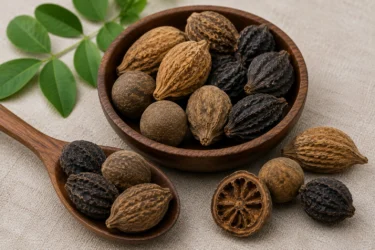
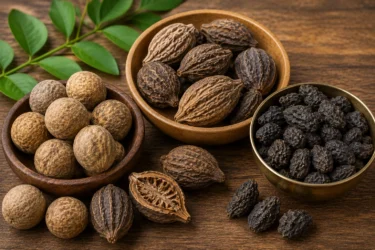
2Three medicinal herbs make up Triphala (in Sanskrit, “tri” means “three” and “phala” means “fruits”). It is an antioxidant-rich herbal preparation described as a Rasayana (rejuvenator) medicine by Ayurvedic practitioners. Combining the three fruits is said to be responsible for Triphala’s numerous health benefits1.
Triphala is made from the dried fruits of:
The spring-harvested fruits of Terminalia chebula are high in tannins such as gallic acid, ellagic acid, chebulic acid, chebulinic acid, chebulagic acid, neochebulinic acid, corilagin, terchebin, punicalagin, terfavin, flavonoids (rutins, luteolin and quercetin), starches, amino acids (glutamic acid, aspartic acid, lysine, arginine and proline), β-sitosterol, succinic acid, fructose and fatty acids2.
The fruits of Terminalia bellerica consist of proteins and oils that include omega-3 and omega-6 fatty acids (linoleic acid). Because of its high fatty acid content, this plant can impact cholesterol levels, increasing high-density lipoprotein levels (good cholesterol) while decreasing low-density lipoprotein levels (bad cholesterol), making it effective in treating coronary artery disease.
Phyllanthus emblica (amla) fruits are high in ascorbic acid, i.e. vitamin C2. The high density of tannins may contribute to the overall bitterness of amla. These fruits also include punicafolin and phyllanemblinin A, phyllemblin, and other polyphenols such as gallic acid, ellagic acid, flavonoids and kaempferol2.
Based on my experience, I have come across evidence suggesting that Amalaki, which is a component of Triphala, may possess properties to manage diseases of the sense organs and enhance memory. It is believed that the active compounds present in Amalaki exert beneficial effects on the central nervous system, potentially improving sensory function and memory.
Dr. Siddharth Gupta, B.A.M.S, M.D (Ayu)
Triphala is described as a tridoshic Rasayana in Ayurveda, capable of balancing and rejuvenating the three doshas that regulate human life: Vata, Pitta and Kapha. It is widely used in several disease conditions owing to its following properties1,3:
Triphala is used to treat fatigue, oxidative stress, and infectious disorders like tuberculosis, pneumonia, AIDS and periodontal disease, among others. It’s also used for headaches, dyspepsia, ascites and leukorrhea3.
In my experience, I have observed that Triphala, a herbal formulation, may have the ability to increase the number of red blood cells and improve haemoglobin content in the body, making it potentially beneficial for managing anaemia. The active compounds in Triphala are believed to stimulate the production of red blood cells, leading to an increase in haemoglobin levels and overall improvement in anaemic conditions.
Dr. Rajeev Singh, BAMS











Over the years, I have observed that Triphala, a herbal formulation, might have growth inhibitory activities against certain bacterial strains commonly found in HIV-infected patients. Studies have indicated that the aqueous and ethanolic extracts of Triphala, as well as its individual plant components, have shown potential antibacterial effects against these bacterial isolates.
Dr. Smita Barode, B.A.M.S, M.S.
Also Read: Atibala: Benefits, Side Effects, Precautions & More
Haritaki, bibitaki, and amlaki are powdered to make Triphala churna (powder). As per research, it is advisable to take it with ghee, honey, or milk1.
It is made by combining the powder with water and boiling it. The decoction is then filtered through a clean cloth, and the filtrate can be used to treat skin conditions like erysipelas, eruptions, scrotal enlargement, colic pain, worm infestation, and urinary diseases. It is applied directly to open wounds and eyes, as well as gargled during pharyngitis1.
It is made by boiling Triphala powder with oil. It is used as a gargle, snuff, an enema, and orally to treat obesity and itching1.
It’s made by heating Triphala powder for a long time at a low temperature in a controlled setting. Mashi/Masi is an intermediate product containing organic and inorganic ingredients. The mashi is black and has a high carbon and oxide content. Triphala Mashi, when mixed with honey, can be used to treat soft chancres and wounds1.
It is made by cooking the paste of Triphala, trikatu (a herbal compound of Indian Long Pepper (Piper longum), Black Pepper (Piper nigrum), and Ginger (Zingiber officinale) in ghee and milk, as well as grapes (Vitis vinifera), Yestamadhu (Glycyrrhiza glabra), Kutki (Picrorhiza korroa), and cardamom (Elettaria cardamom). It is frequently used to treat eye conditions like conjunctivitis, blindness, and cataracts. Triphala gritha is also used to treat jaundice, leucorrhoea, tumours, greying, and hair loss1.
Also Read: Jowar: Uses, Benefits, Side Effects By Dr. Smita Barode
Terminalia chebula: It should not be used if you have an acute cough, diarrhoea, or early-stage dysentery5.
Also Read: Dashmularishta: Uses, Benefits, Side Effects & More!
Triphala is an ayurvedic herbal formulation made up of dried fruits from three different plants: Terminalia chebula (black myrobalan), Terminalia bellerica (bastard myrobalan), and Phyllantus emblica (emblic myrobalan)2.
It is suggested that Triphala churna can be taken with ghee, honey, or milk1.
Yes, we can take Triphala churna with milk1.
The Triphala gritha is made by boiling the Triphala paste in ghee and milk. It is frequently used to treat eye conditions like conjunctivitis, blindness, and cataracts1.
Triphala churna has analgesic, antibacterial, anti-arthritic, hypoglycemic, antiaging, antiviral and anti-inflammatory properties. It helps with headaches, dyspepsia, fatigue, oxidative stress reduction, and infectious disorders like tuberculosis and periodontal disease3. It is also used for eye problems such as infections, blindness, myopia, and cataractogenesis1.
Yes, Triphala is good for the liver as it reduces pro-inflammatory chemicals, restores the levels of antioxidant enzymes, and reduces liver damage, as seen by lower serum enzyme values1.
It is made by grinding haritaki, bibitaki, and amlaki1.
Triphala is an ayurvedic herbal formulation made up of dried fruits from three different plants: Terminalia chebula (black myrobalan), Terminalia bellerica (bastard myrobalan), and Phyllantus emblica (emblic myrobalan or Indian gooseberry)2.
Triphala restores antioxidant enzyme levels in experimental animals, resulting in an 80% reduction in cataract formation1. Thus, it might be helpful in improving eyesight in humans, but more studies are needed to prove the same.
Yes, Triphala is good for hair. It is considered to help with hair greying and hair loss1.
Disclaimer: The information provided here is for educational/awareness purposes only and is not intended to be a substitute for medical treatment by a healthcare professional and should not be relied upon to diagnose or treat any medical condition. The reader should consult a registered medical practitioner to determine the appropriateness of the information and before consuming any medication. PharmEasy does not provide any guarantee or warranty (express or implied) regarding the accuracy, adequacy, completeness, legality, reliability or usefulness of the information; and disclaims any liability arising thereof.
205
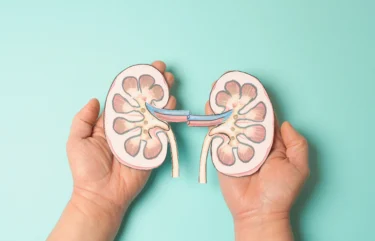
9Pashanbhed or stone breaker is a popular Indian drug. It is also called stonebreaker as it can dissolve kidney stones. Pashanbhed is derived from the plant Bergenia ligulata and is used in the indigenous system of medicine. Bergenia ligulata is a climbing plant that is distributed in moist areas of the Himalayas, Bhutan, Afghanistan, Meghalaya, Arunachal Pradesh, Sikkim, and south Tibet. The flowers of Bergenia ligulata are pink, purple, or white. According to the Ayurvedic system of medicine, Pashanbhed is used for various medicinal purposes. The rhizome, root, and leaves of Bergenia ligulata are used to treat a variety of ailments1.
The rhizome of Pashanbhed contains many chemical constituents like arbutin, paashaanolactone, afzelechin, bergenin, norbergenin, catechin, minerals, glucose, albumin, vitamins, mucilage, ash, starch, and gallic acid. The constituents present in seeds of pashanbhed include tannic acid, coumarin, minerals, wax, coumarin, and gallic acid. The root of pashanbhed showed the presence of tannins, alkaloids, flavonoids, steroids, terpenoids, carbohydrates, saponins, and glycosides1.
Did you know?
Pashanbhed is used in the management of kidney and bladder stones, urinary problems, and other diseases due to its medicinal properties like:

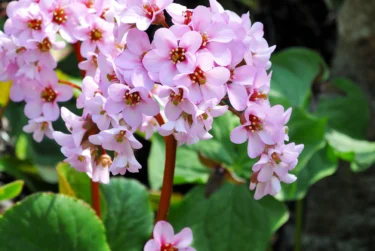
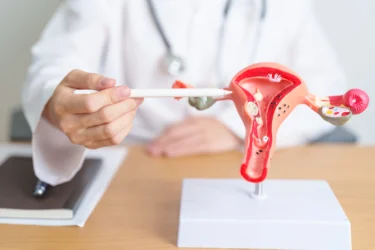

Did you know that Pashanbhed (Bergenia ligulata) contains a significant phenolic compound called ‘bergenin’ comprising approximately 0.9% of its composition? Along with bergenin, it also contains other phenolic compounds in smaller quantities. These compounds contribute to the potential health benefits and therapeutic properties associated with Pashanbhed6.
Dr. Siddharth Gupta, B.A.M.S, M.D (Ayu)
Also Read: Triphala Guggulu: Uses, Benefits, Side Effects & More!
Pashanbhed is available in two forms:
Some important formulations of Pashanbhed include Asmarihara kasaya churna, Mutravircaniya kasaya churna. The main preparations of Pashanbhed include Pashanbhed ghrit and Pashanbhed kwath4,5.
Your Ayurvedic physician will prescribe you the dose and form according to your medical condition.
In my experience, I have observed that Pashanbhed (Bergenia ligulata) has a distinctive aromatic odour and astringent taste. These sensory properties can be attributed to its chemical constituents, which interact with our taste receptors and olfactory receptors6.
Dr. Rajeev Singh, BAMS
Also Read: Manjistha (Indian Madder): Uses, Benefits, Side Effects & More!
Pashanbhed is an important constituent of many formulations used for managing kidney diseases. However, the acetone extract of rhizomes of Pashanbhed is known to be cardiotoxic in large doses and produces a depressing effect on the central nervous system. A large dose of Pashanbhed is known to produce antidiuretic effects too. However, it is unlikely that these effects will be observed with doses in the normal range2.
Also Read: Lohasava: Uses, Benefits, Side Effects and More!
Pashanbhed, also known as stone breaker, is a well-known Indian drug obtained from the plant Bergenia ligulata. This drug is known for its role in dissolving kidney stones1.
The common names of Pashanbhed include Pashana, Pashanbheda, Zakhmehayat, Asmaribheda, Ashmabhid, Ashmabhed, Shilabhed, Upalbhedak, Parwatbhed, and Nagabhid1.
The leaf juice of Pashanbhed is used for treating urinary troubles, haemorrhagic diseases, colds, epilepsy, and distension of the stomach1.
The roots of B.ligulata are used by tribes of Dharchula in Uttar Pradesh for the treatment of cuts, boils, ophthalmia, wounds, urinary complaints, and kidney stones. The root is also used by people in Johari (Jaipur) for the treatment of urinary problems and asthma. The rhizome of Pashanbhed is used by the Kumaoni tribes for managing fever. The root of Pashanbhed is used for the treatment of liver problems and tuberculosis. Pashanbhed plant is used by the tribes of the central Himalayan region for the management of dizziness, vertigo, and headache1.
The medicinal properties of Pashanbhed include antiviral, antiurolithic, free radical scavenging, antidiabetic, hepatoprotective, antipyretic, antitumor, antibacterial, anti-inflammatory, antifungal, and cardioprotective activities2.
The botanical name of pashanbhed is Bergenia ligulata. Some synonyms of Bergenia ligulata include Bergenia ciliata, Saxifraga ciliate, Saxifrage ligulata wall, and Saxifraga thysanodes lindl2.
No, Pashanbhed is also found in Pakistan, Nepal, Afghanistan, and China at greater altitudes3.
Pashanbhed grows well in temperate, humid climates, where the temperature is usually below 20 °C5.
Pashanbhed is cold in potency, bitter in taste, and helps cure prameha (urinary problems), dysuria, diseases of the female genital tract, and ulcers. In Ayurveda, the roots of Pashanbhed are known for their bitter, acid, laxative, and cooling properties, which are effective in the management of tridosha in tumours, calculi, urinary discharges, enlargement of spleen, dysentery, stones, and heart diseases3.
Disclaimer: The information provided here is for educational/awareness purposes only and is not intended to be a substitute for medical treatment by a healthcare professional and should not be relied upon to diagnose or treat any medical condition. The reader should consult a registered medical practitioner to determine the appropriateness of the information and before consuming any medication. PharmEasy does not provide any guarantee or warranty (express or implied) regarding the accuracy, adequacy, completeness, legality, reliability or usefulness of the information; and disclaims any liability arising thereof.
Links and product recommendations in the information provided here are advertisements of third-party products available on the website. PharmEasy does not make any representation on the accuracy or suitability of such products/services. Advertisements do not influence the editorial decisions or content. The information in this blog is subject to change without notice. The authors and administrators reserve the right to modify, add, or remove content without notification. It is your responsibility to review this disclaimer regularly for any changes.
8
Triphala Guggulu is a traditional polyherbal formulation as per the Ayurvedic system of medicine. It is composed of resin of guggul (Commiphora wightii), long pepper (Piper longum), and Triphala (fruits of Phyllanthus emblica L., Terminalia chebula Retz, and Terminalia bellirica)1. Triphala is a well-recognized polyherbal medicine classified as the tridoshic rasayan.
The Triphala formulation contains the fruits Amalaki or the Indian Gooseberry, Bibhitaki, and Haritaki of the three plants2. Triphala Guggulu is one of the most widely used among the other Guggulu formulations3. Phytochemical screening of Triphala Guggulu shows the presence of glycosides, alkaloids, saponins, flavonoids, tannins, and steroids4.
Apart from various phytochemicals, phytochemical screening showed the presence of carbohydrates, proteins, and amino acids in Triphala Guggulu4.
Did you know?
The uses of Triphala Guggulu are as follows:
Did you know Triphala Guggulu might aid in dental problems as well? Due to its anti-bacterial nature, Triphala Guggulu may be used for dental diseases such as swollen gums, cavities, and bleeding gums9.
Dr. Siddharth Gupta, B.A.M.S, M.D (Ayu)

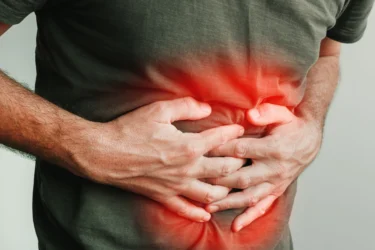
Triphala found in Triphala Guggulu helps in facilitating bowel movements and relieving constipation7.


Triphala Guggulu might be used as an useful remedy of choice for cancer! This herbal medicine might offer a natural solution for cancer with its antioxidant nature10.
Dr. Rajeev Singh, BAMS
Triphala Guggulu can be taken with warm water. However, it should be used on the advice of an Ayurvedic doctor. The Ayurvedic doctor will prescribe you the dose and form based on the diagnosis.
Also Read: Ashwagandha – Uses, Benefits, Side Effects & Precautions
You should keep the following points in mind:
Other than its anti-inflammatory nature, Triphala Guggulu has anti-oxidant characteristics as well. This makes Triphala Guggulu a potential medicine of choice for diseases like Atherosclerosis, Alzheimer’s disease, stroke and diabetes10.
Dr. Smita Barode, B.A.M.S, M.S.
Also Read: Cardamom (Elaichi): Uses, Benefits, Side Effects and More!
There is a lack of sufficient data regarding the interaction of Triphala Guggulu with other drugs. Therefore, you must talk to a doctor about its usage if you are using any other medication or supplement.
Exploring the Potential of Triphala Guggulu in ear discharge treatment. It is believed that due to its anti-inflammatory properties, Triphala Guggulu may aid in the treatment of ear discharge (medically known as Chronic Suppurative Otitis Media)11.
Dr. Anuja Bodhare, B.A.M.S, M.D (Ayu)
Also Read: Chitrakadi Vati – Benefits, Precautions & Side Effects
Triphala Guggulu is an Ayurvedic formulation composed of Triphala and Guggulu1.
Triphala Guggulu is composed of resin of guggulu (Commiphora wightii), long pepper (Piper longum) and Triphala (fruits of Phyllanthus emblica L., Terminalia chebula Retz, and Terminalia bellirica)1.
Triphala Guggulu has uses in managing inflammatory conditions, oxidative stress hyperglycemia, and hypolipidemia5. Triphala Guggulu is widely used to manage Vatarakta (gout), Bhagandar (fistula), Gandamala (goitre), Vranaropana (wound healing), Kushtha (leprosy), Pakvavidradhi (abscess), and Asthibhagna (fractures)4.
Triphala Guggulu is beneficial in piles as it has anti-inflammatory properties. It helps in healing the inflammation of the fistula. Triphala is beneficial in relieving constipation, a problem associated with haemorrhoids. Piper longum aids in the digestion and assimilation of food nutrients7. Though there are benefits associated with the use of Triphala Guggulu, it should not be used as an alternative to conventional therapy.
Triphala Guggulu is not to be used during pregnancy. Consult your doctor if you feel the need to use Triphala Guggulu. They will suggest an alternative based on your condition.
Triphala Guggulu is not to be used during pregnancy and in chronic and recurrent diarrhoea. There is a lack of sufficient data to support the use of Triphala Guggulu during the breastfeeding period, so it should be avoided. Use it after consulting an Ayurvedic physician.
Triphala Guggulu can be used with warm water. However, it should be used on the advice of an Ayurvedic doctor. The Ayurvedic doctor will prescribe you the form and dose based on the diagnosis.
Yes, the consumption of Triphala Guggulu is beneficial in wound healing. It also helps by reducing the pain associated with the wound6. It can be used as an aid in wound healing, not as a replacement for conventional treatment.
Triphala Guggulu is a Guggulu-based formulation beneficial in managing acute arthritis. The anti-arthritic benefit of Triphala Guggulu is attributed to its anti-inflammatory activity. It also acts by inhibiting the enzymes that get activated in arthritis, which are hyaluronidase and collagenase8. Triphala Guggulu is not to be used as a means to replace the conventional treatment for arthritis.
Triphala Guggulu can be beneficial in managing hyperglycemia, but it should not be used to treat diabetes5. There are no studies proving its efficacy in managing diabetes. Consult your doctor before starting any new medicines, as self-medication might worsen the situation.
1. Babu Ks, Muguli G, Rao Vadaparthi P, Ramesh B, Gowda V, Paramesh R, et al. A novel high-performance liquid chromatography-electron spray ionization-mass spectrometry method for simultaneous determination of guggulsterones, piperine and gallic acid in Triphala guggulu. Pharmacognosy magazine [Internet]. 2015 [cited 2022 Feb 17];11(Suppl 1):66. Available from: https://pubmed.ncbi.nlm.nih.gov/26109777/
2. Peterson CT, Denniston K, Chopra D. Therapeutic Uses of Triphala in Ayurvedic Medicine. Journal of alternative and complementary medicine (New York, NY) [Internet]. 2017 [cited 2022 Feb 17];23(8):607–14. Available from: https://pubmed.ncbi.nlm.nih.gov/28696777/
3. CLINICAL EFFECTS OF TRIPHALA GUGGULU ON DIABETIC MACULAR EDEMA | Semantic Scholar [Internet]. [cited 2022 Feb 21]. Available from: https://www.semanticscholar.org/paper/CLINICAL-EFFECTS-OF-TRIPHALA-GUGGULU-ON-DIABETIC-Gautam-Chaurasiya/ac7e53abe58490244727071328d8490a4e13ae01
4. Bhushan D Mhaiskar BPCB. Management of non-healing infected wound by external application of and Hinsradya Taila Triphala Guggulu Case Report [Internet]. 2017 [cited 2022 Feb 21]. p. 132–4. Available from: https://www.researchgate.net/publication/320111273_Management_of_non-healing_infected_wound_by_external_application_of_and_Hinsradya_Taila_Triphala_Guggulu_Case_Report
5. Mehra R, Vyas N, Makhija R. A clinical study on the role of Ksara Vasti and Triphala Guggulu in Raktarsha (Bleeding piles). Ayu [Internet]. 2011 [cited 2022 Feb 21];32(2):192. Available from: https://pubmed.ncbi.nlm.nih.gov/22408301/
6. Sumantran VN, Kulkarni AA, Harsulkar A, Wele A, Koppikar SJ, Chandwaskar R, et al. Hyaluronidase and collagenase inhibitory activities of the herbal formulation Triphala guggulu. Journal of Biosciences 2007 32:4 [Internet]. 2007 Jul 9 [cited 2022 Feb 21];32(4):755–61. Available from: https://link.springer.com/article/10.1007/s12038-007-0075-3
7. Essential Drugs List(EDL)_Ayurveda. Department of Ayush Ministry of Health and Family Welfare. Government of India. Available from: https://namayush.gov.in/sites/all/themes/webcms/images/essential_drugs/Ayurveda_EDL_list_final.pdf
8. Sumantran VN, Kulkarni AA, Harsulkar A, Wele A, Koppikar SJ, Chandwaskar R, Gaire V, Dalvi M, Wagh UV. Hyaluronidase and collagenase inhibitory activities of the herbal formulation Triphala guggulu. J Biosci. 2007 Jun;32(4):755-61. doi: 10.1007/s12038-007-0075-3. PMID: 17762148. Available from: https://pubmed.ncbi.nlm.nih.gov/17762148/
9. Prakash S, Shelke AU. Role of Triphala in dentistry. J Indian Soc Periodontol. 2014 Mar;18(2):132-5. doi: 10.4103/0972-124X.131299. PMID: 24872616; PMCID: PMC4033874. Available from: https://pmc.ncbi.nlm.nih.gov/articles/PMC4033874/
10. Verma P, Singh B, Kumar A, Sharma R, Kumar V. In-vitro anti-inflammatory and antioxidant potential of Triphala guggul tablets. J Med Herbs Ethnomedicine. 2020;6:45–47. doi:10.25081/jmhe.2020.v6.6238. Available from: https://pdfs.semanticscholar.org/180b/2dd40e458eac41ebaaa155ee02ab51e7583d.pdf
11. Nath S, Jadhav S, Mulik S, Nangare N, Mulik S, Lathwal N. A conceptual study of Triphala Guggul in Karnasrava (C.S.O.M). J Pharm Negative Results. 2023;14(Suppl 01):367–370. doi:10.47750/pnr.2023.14.S01.40. Available from: https://www.pnrjournal.com/index.php/home/article/view/6469
Disclaimer: The information provided here is for educational/awareness purposes only and is not intended to be a substitute for medical treatment by a healthcare professional and should not be relied upon to diagnose or treat any medical condition. The reader should consult a registered medical practitioner to determine the appropriateness of the information before consuming any medication. PharmEasy does not provide any guarantee or warranty (express or implied) regarding the accuracy, adequacy, completeness, legality, reliability or usefulness of the information; and disclaims any liability arising thereof.
Links and product recommendations in the information provided here are advertisements of third-party products available on the website. PharmEasy does not make any representation on the accuracy or suitability of such products/services. Advertisements do not influence the editorial decisions or content. The information in this blog is subject to change without notice. The authors and administrators reserve the right to modify, add, or remove content without notification. It is your responsibility to review this disclaimer regularly for any changes.
24
Chitrakadi vati is well recognised as an Ayurvedic preparation1. It is a polyherbal formulation containing nine ingredients of herbal origin: Chitraka (Plumbago zeylanica), maricha (Piper nigrum), pippali (Piper longum fruit), pippalimoola (Piper longum root), Chavya (Piper chaba), ginger (Zingiber officinale), hing (Ferula foetida/Ferula asafoetida), ajmoda (Apium leptophyllum), yava ksara (Hordeum vulgare) and panchalavana (Samudra, Sauvarchala, Saindhava, Vida, Audbhida)2.
The uses of Chitrakadi Vati are as follows:
According to Ayurveda, Chitrakadi vati might be useful in decreasing mouth dryness caused due to increased levels of vatta and pitta levels and decreased kapha levels in the body. Chitrakadi vati might stimulate saliva secretion13.
Dr. Siddharth Gupta, MD, B.A.M.S, M.D (Ayu)



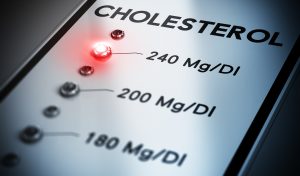
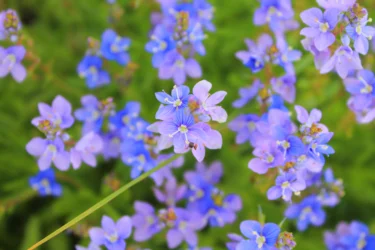

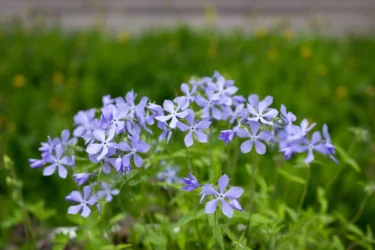
The extracts of chavya considerably boost lymphocyte proliferation, implying an immunomodulatory action, mainly through lymphocyte proliferation and natural killer cell activity activation9.
In Ayurveda, Chitrakadi vati might help in reducing oedema in the legs and hands (extremities) caused due to ama dosha13.
Dr. Rajeev Singh, BAMS
Chitrakadi vati can be used as:
Also Read: Custard Apple: Uses, Benefits, Side Effects and More!
Some side effects are observed due to the following constituents of Chitrakadi vati:
Generally, according to Ayurveda, ama and vatta doshas can create joint pain. In such cases, Chitrakadi vati might be useful in reducing joint pain13.
Dr. Smita Barode, BAMS
Also Read: Green Chilli: Uses, Benefits, Side Effects and More!
You should keep the following points in mind:
Also Read: Abhayarishta: Uses, Benefits & How to Use It
Chitrakadi vati is an Ayurvedic preparation of Chitraka (Plumbago zeylanica), maricha (Piper nigrum), pippali (Piper longum fruit), pippalimoola (Piper longum root), Chavya (Piper chaba), ginger (Zingiber officinale), hing (Ferula foetida), ajmoda (Apium leptophyllum), yava ksara (Hordeum vulgare) and panchalavana (Samudra, Sauvarchala, Saindhava, Vida, Audbhida)1,2.
It is commonly used to manage irritable bowel syndrome, rheumatoid arthritis, and appetite loss. It is also used as a digestive tonic and carminative. Chitrak stimulates digestion and appetite and aids to deal with leprosy, fever, oedema, and scabies1,2.
It is used in the form of Chitrakadi vati extract and Chitrakadi dutika (pills)1,10.
Yes, it is good for the liver. The consumption of Chitrakadi gutika and buttermilk was found to be effective in managing the non-alcoholic fatty liver disease by returning the fatty infiltration of the liver to a normal level4.
Disclaimer: The information provided here is for educational/awareness purposes only and is not intended to be a substitute for medical treatment by a healthcare professional and should not be relied upon to diagnose or treat any medical condition. The reader should consult a registered medical practitioner to determine the appropriateness of the information and before consuming any medication. PharmEasy does not provide any guarantee or warranty (express or implied) regarding the accuracy, adequacy, completeness, legality, reliability or usefulness of the information; and disclaims any liability arising thereof.
Links and product recommendations in the information provided here are advertisements of third-party products available on the website. PharmEasy does not make any representation on the accuracy or suitability of such products/services. Advertisements do not influence the editorial decisions or content. The information in this blog is subject to change without notice. The authors and administrators reserve the right to modify, add, or remove content without notification. It is your responsibility to review this disclaimer regularly for any changes.
14
0Nirgundi is an Ayurvedic medicine made from the dried leaves of Vitex negundo (Family Verbenaceae), a large aromatic shrub or small tree up to 4.5 m in height, common throughout the country to an altitude of 1500 m in the outer Himalayas1. It is commonly known as Five-leaved chaste trees, which is a large family of herbs, shrubs, and trees, comprising about 75 genera and nearly 2500 species2.
Common names of Vitex Negundo include Nirgundi and Sindhuvara in Sanskrit. Nirgundi is already in clinical use in traditional systems of medicine including Ayurveda, Unani, and Siddha for the management of pain, headache, inflammation, leukoderma, enlargement of spleen, rheumatoid arthritis, gonorrhoea, bronchitis, fever, cold and cough2. The leaves of V.negundo have been reported to possess pesticidal and antifungal properties2.
The Sanskrit word for Vitex negundo, a plant commonly known as nirgundi, carries a meaningful translation. ‘Nirgundi’ literally translates to ‘that which protects the body from diseases.’ This herb holds significance in Ayurvedic medicine, as it is mentioned in all of the Ayurvedic Samhitas, which are ancient texts that form the foundation of Ayurveda5.
Dr. Siddharth Gupta, B.A.M.S M.D (Ayu)
Nirgundi contains at least 0.25 percent of negundoside and 1.0 percent of agnuside when assayed1. The following table contains the chemical components present in the Nirgundi plant:
The leaves of nirgundi have antibacterial, laxative, antioxidant, anticonvulsant, hypoglycaemic, and anti-inflammatory properties2. The roots, barks, and fruits too have medicinal properties. Roots of nirgundi are one of the ingredients of the herbal formulation called ‘Dashamularishta’, used in the management of colitis, dysentery, diarrhoea, flatulence, fever, vomiting, and colic2. The leaves contain alkaloid nisindine, flavonoids like flavones, luteolin-7-glycoside an essential oil, and constituents like vitamin C, and carotene that account for different biological actions2.
Did you know?
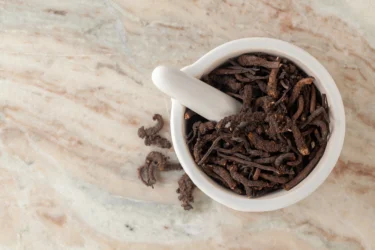

Nirgundi root decoction can be used for managing bronchitis and asthma2,3.

The leaf extracts of Vitex Negundo were reported for their anti-hyperglycemic activity in animals2,3.
Washing the wounds with nirgundi leaves extract can aid in cleaning infected ulcers3.

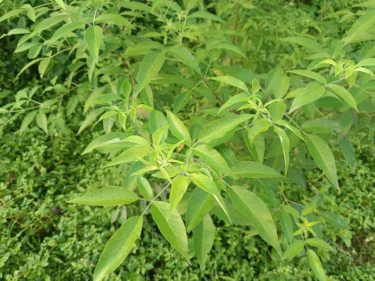
Nirgundi, a versatile plant, has an amazing mosquito-repellent quality! During the rainy season, the leaves of nirgundi are burned in a fire, that may create a smoky shield that keeps mosquitoes and insects away from both animals and humans5.
Dr. Rajeev Singh, BAMS
Also Read: Nutmeg (Jaiphal): Uses, Benefits, Precautions & More!
The following parts of the Nirgundi plant can be used:
Your Ayurvedic physician will prescribe you the form and dose as per your needs.
Dry nirgundi leaves have a traditional use of being placed with stored woollen garments. This is because the leaves have properties that repel insects and worms, which may help protect the woollen items from damage5.
Dr. Smita Barode, B.A.M.S, M.S.
Also Read: Suhaga: Uses, Benefits, Precautions & More!
Keep the following points in mind:
Also Read: Kaunch Beej – Uses, Benefits & Side Effects
Nirgundi leaves can be used as powder, juice, extract, and paste. The primary process involves boiling or crushing the leaves for chemical extractions2.
The ethanolic extract of V. negundo showed antiallergic activity against mast cells and inhibited oedema (swelling)2,3. Thus, may be useful in dealing with skin allergies once large-scale human studies are done.
Nirgundi has shown and thus, may be used for its protective action on the liver as it prevents inflammation. The extract of seeds can be used to lower elevated liver enzymes and prevent liver damage2,4.
Nirgundi leaf extracts show high fever-reducing and pain-relieving activities. They may be useful for managing chronic fever and body pain once more human studies are available2,4.
Nirgundi has carminative action, which can help deal with gas and digestive problems. In addition, the decoction of juice from the leaves may aid in managing digestive issues2,4.
Nirgundi leaves should be stored in a dry airtight container, and they should be kept away from direct sunlight1.
Disclaimer: The information provided here is for educational/awareness purposes only and is not intended to be a substitute for medical treatment by a healthcare professional and should not be relied upon to diagnose or treat any medical condition. The reader should consult a registered medical practitioner to determine the appropriateness of the information and before consuming any medication. PharmEasy does not provide any guarantee or warranty (express or implied) regarding the accuracy, adequacy, completeness, legality, reliability or usefulness of the information; and disclaims any liability arising thereof.
Links and product recommendations in the information provided here are advertisements of third-party products available on the website. PharmEasy does not make any representation on the accuracy or suitability of such products/services. Advertisements do not influence the editorial decisions or content. The information in this blog is subject to change without notice. The authors and administrators reserve the right to modify, add, or remove content without notification. It is your responsibility to review this disclaimer regularly for any changes.
21
1The liver is one of the most hardworking but undervalued organs in the body. While much attention is given to heart health, weight loss, and glowing skin, it is the liver that performs approximately hundreds of essential functions. These include storing nutrients like sugar, minerals, and vitamins to fuel the body; controlling the production and excretion of cholesterol; producing bile, which is stored in the gallbladder and helps break down fats1; and filtering out harmful substances, such as alcohol, medicines, and environmental factors2.
Just like the heart, the liver can also be stressed; however, unlike heart problems that may show early signs, the symptoms of a distressed liver show up very late. The liver is stressed when it is overworked and becomes sluggish.
So, how do you understand if the liver is in distress? Here are 17 symptoms that may indicate your liver is under stress:

Skin discolouration may sometimes be linked to liver problems. If your skin colour changes to jaundice yellow or pale with a blue tinge, your nails or fingertips turn yellow, or you have yellowing of the eyes, it is advisable to visit a doctor. This change in colour occurs because the body is unable to flush out the toxins, which leads to bilirubin accumulating under the skin, causing skin discolouration3.

Feel bloated frequently and have constipation too? Frequent indigestion may be associated with liver issues. With bloating, you may experience stomach pain as well4. This happens because the bile is unable to break down the food during digestion.
Another important sign is Spider naevi. Spider naevi or angiomas are small clusters of blood vessels that form just beneath the skin, often spreading outward like a spider’s legs. Angiomas typically appear red or purple in colour. These are often present in excessive numbers in people with liver disease.
Dr. M.G. Kartheeka, MBBS, MD (Pediatrics)

The liver plays an essential role in filtering blood and supports the synthesis of many nutrients needed for good health. However, when the liver is stressed, it may affect the synthesis and delivery of nutrients to muscles, tissues and tendons. This may lead to symptoms such as muscle cramps, weakness, and fatigue5.

Do you feel tired all the time? Persistent fatigue may occur when the liver isn’t functioning efficiently. When the body is under continuous strain, it may place additional pressure on the liver and other organs, leading to persistent tiredness. It is best to get your liver checked at this point5.
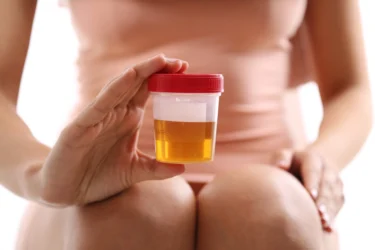
Is your urine darker than usual? It is possible that this may be due to inadequate water intake, which may cause your stools to be darker too. If you start drinking enough water and the colour of your urine and stool lightens, all may be well. However, if your urine and stool colour are still dark, you should seek medical help as this may be caused by liver problems5.
The culture of fast foods these days is slowly damaging the liver due to non-alcoholic fatty liver disease. Avoiding refined sugar and fast foods and eating before dusk helps a lot in prevention of fat accumulation in the liver, which can allay liver stress symptoms (by promoting weight loss).
Dr. Nikhil Yadav, MBBS MD, CCEBDM

When the liver is stressed, some individuals may experience mood changes or emotional disturbances, such as irritability, anxiety, mood swings, and depression, and some may even experience cognitive impairment, meaning their memory, attention span, and decision-making may be affected6.

Another potential liver distress symptom is little-to-no interest in food. A reduced desire to eat is often caused by an underlying health issue and should be taken seriously5.

Although irregular sleep pattern is a common occurrence amongst millennials due to a stressed lifestyle, a study7 found that liver cirrhosis was responsible for unusual sleep patterns in many patients.

When you have liver problems, the liver may not be able to purify your blood adequately. When toxins are not removed from the blood, it may lead to symptoms like memory loss, difficulty thinking, and confusion5.

Abnormal skin itchiness may be a symptom of liver cirrhosis3.

Liver disease tends to develop over time, slowly replacing healthy liver tissue with scarred or damaged tissue. This affects liver function and changes the metabolism, hormonal balance, and many other factors, which may lead to weight gain8.
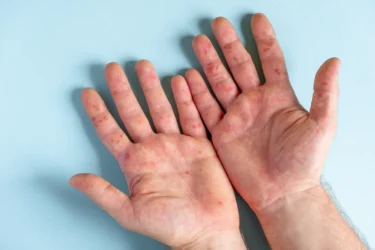
Experts believe that when you develop nonalcoholic fatty liver disease (liver disease not associated with alcohol), your palms start to turn reddish, an outward indicator of liver dysfunction3.

Another probable symptom of nonalcoholic fatty liver disease is the enlargement of breasts in men. Although the exact cause of this is unclear, it is speculated that this may occur due to excess production of the female hormone, oestrogen, in this condition9.

Liver damage also manifests in the form of easy and sudden skin bruises and even bleeding5.

Swelling in the ankles and feet may also be associated with liver dysfunction. There may also be abdominal swelling due to the accumulation of fluid in the abdomen5.
Liver function tests are commonly recommended blood tests for measuring different enzymes, proteins and other substances made by the liver. Changes noticed in liver function tests should be reviewed by a physician to find the cause and manage the condition.
Dr. Ashish Bajaj, M.B.B.S., M.D., in Clinical Pharmacology and Toxicology
Also Read: Liver Fibrosis: What Is It, Causes, Symptoms & Treatment

Experiencing chills is often a natural response of the body when the mercury drops or when you are developing a fever. However, if none of this fits the bill, it could indicate cholestasis (blocked or reduced bile flow) associated with liver disease10.

When the liver is under stress, it can disrupt many bodily functions and may be associated with symptoms such as ringing in the ears, sleep disturbances, dizziness, blurry vision, allergic reactions, gastrointestinal bleeding, reduced sex drive, unexplained weight changes, sensitivity to chemicals, and the appearance of spider veins11,5.
Also Read: Natural Home Remedies for Fatty Liver
A healthy liver is important for overall well-being, as it supports many essential functions like the storage of nutrients, digestion, and filtering blood. If you are experiencing any of these symptoms mentioned in this article, it is advisable to consult your doctor or a liver specialist today to identify the cause of your symptoms and support the timely management of liver issues.
Also Read: What is Hepatitis A? Causes, Symptoms, and How It Spreads
Disclaimer: The information provided here is for educational/awareness purposes only and is not intended to be a substitute for medical treatment by a healthcare professional and should not be relied upon to diagnose or treat any medical condition. The reader should consult a registered medical practitioner to determine the appropriateness of the information and before consuming any medication. PharmEasy does not provide any guarantee or warranty (express or implied) regarding the accuracy, adequacy, completeness, legality, reliability or usefulness of the information; and disclaims any liability arising thereof.
Links and product recommendations in the information provided here are advertisements of third-party products available on the website. PharmEasy does not make any representation on the accuracy or suitability of such products/services. Advertisements do not influence the editorial decisions or content. The information in this blog is subject to change without notice. The authors and administrators reserve the right to modify, add, or remove content without notification. It is your responsibility to review this disclaimer regularly for any changes.
339
10No other food element has received as much negative press as ghee. However, research1 conducted over the years has revealed that, rather than harming the body, ghee is actually beneficial.
It turns out our grandmothers were right to cook ghee with steaming bowls of dal and rice. In ancient scriptures, ghee is even equated with gold. Given its impressive benefits, our ancestors truly understood the value of ghee!
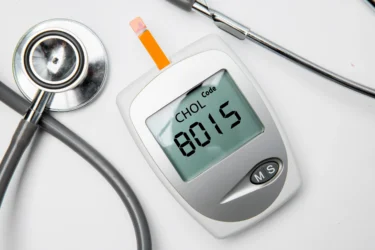
Research suggests11 that ghee is low in harmful fats. It contains healthy fats that help increase good cholesterol (HDL) in the body. Unlike other fats, ghee does not contribute to heart disease1.

Ghee is closely linked to a healthy gut. Traditionally, a spoonful of ghee was consumed before meals to line the digestive tract and reduce the risk of ulcers and even cancer1.

Ghee is rich in butyric acid, which helps the body in producing T-cells that fight diseases1.
Ghee is a reliable source of fat-soluble vitamins A and E, which support liver function, hormonal balance, and fertility2.
Butyric acid in ghee is known for its anti-cancer properties. Its antioxidants also give it anti-inflammatory benefits3.

Ghee is lactose-free. It doesn’t cause allergies in those who have dairy or casein intolerance4.
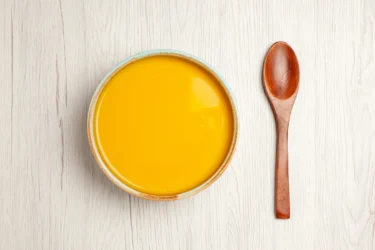
Ghee is one of the safest dermatological cosmetics. It is skin friendly and helps treat burns1.

Rich in antioxidants, fatty acids and a natural emollient, ghee helps maintain healthy skin by locking in moisture, improving skin repair, treating cracks and softening the skin. This is also one of the popular traditional benefits of ghee1,5.

Ghee is rich in vitamin K, which helps in calcium absorption. It helps in the prevention of tooth decay and atherosclerosis6.

Since the usage of ghee results in balancing the hormones, it is instrumental in managing thyroid disorders7.

Ghee boosts metabolism, making it an ideal medium for weight loss1. It helps the body burn other stored fats more effectively.
Ghee remains stable and does not break into free radicals at a high temperature. Free radicals may contribute to cancer, amongst other diseases. This makes it an ideal medium and a stable fat to cook and fry food in1.

Ghee supports hormonal balance in the body, which can help alleviate menstrual issues such as PMS and irregular periods8.
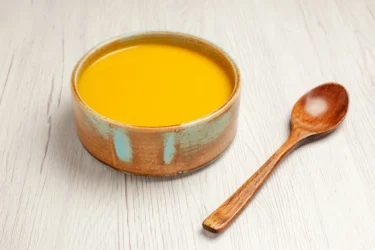
Ghee significantly enhances the taste of any dish that it is added to, for example, a bowl of dal becomes tastier with a spoonful of ghee.
Ghee is considered a sattvic (pure) food in Ayurveda5. It attracts toxins and helps cleanse the body, contributing to reduced stress and anxiety when consume1.
Ghee may enhance your memory. According to a study1, desi ghee is a good source of vitamins A, D, E, and K and essential fatty acids (omega 3 and omega 9) which may help with memory.
Dr. Rajeev Singh, BAMS
Delicious and healthy ghee can be prepared using full fat or heavy cream. You can either buy it from the store or collect the thick cream that settles on top of the milk.
Ghee, once misunderstood, is now recognised for its potential wellness benefits when used in moderation. Rich in essential fats and vitamins, it can be a nourishing addition to a balanced diet. Traditional practices and modern insights alike support its role in promoting overall health and well-being.
Ghee is an excellent source of fatty acids, (such as linolenic and arachidonic acid) as well as fat-soluble vitamins (A, D, E, and K) that may help maintain optimal health. I read an article that suggests the regular intake of ghee may help in maintaining good vision as a result of its rich antioxidant content10.
Dr. Siddharth Gupta, B.A.M.S, M.D (Ayu)
Ghee, once misunderstood, is now recognised for its potential wellness benefits when used in moderation. Rich in essential fats and vitamins, it can be a nourishing addition to a balanced diet. Traditional practices and modern insights alike support its role in promoting overall health and well-being.
Also Read: Mustard Oil: Health Benefits, Nutrition, Uses & Side Effects
Disclaimer: The information provided here is for educational/awareness purposes only and is not intended to be a substitute for medical treatment by a healthcare professional and should not be relied upon to diagnose or treat any medical condition. The reader should consult a registered medical practitioner to determine the appropriateness of the information and before consuming any medication. PharmEasy does not provide any guarantee or warranty (express or implied) regarding the accuracy, adequacy, completeness, legality, reliability or usefulness of the information; and disclaims any liability arising thereof.
196
11Castor oil has been used since ancient times as a traditional medicine for a range of health problems. Today, castor oil is used in dietary supplementation, industrial applications, and the production of medicines. Made from the castor bean, also called Ricinus communis, castor oil is commonly used as a home remedy. It is important to know that the outer covering of castor beans contains Ricin – a substance with poisonous qualities, hence the beans should never be eaten raw or whole1. Castor oil can be used for its multiple benefits.
But what are the true castor oil benefits and limitations? How much castor oil do you need? And can it really help with your medical issues? All these questions and more are answered below.
Castor oil is used in industrial processes for the production of lubricants, hydraulic fluid, soaps, paints, dyes, wax, nylon, and more. Today, however, we’ll focus on the medicinal uses of castor oil. It is used:
Let’s take a look at whether castor oil benefits you and what is considered a safe dosage for castor oil.
From what I have observed, castor bean seeds come in various types and they contain a significant amount of oil, ranging from 45% to 55%. This oil is extracted from the seeds of the plant and is known as castor oil. Castor oil has various uses, including in medicine, cosmetics, and industrial applications9.
Dr. Siddharth Gupta, B.A.M.S, M.D (Ayu)

Castor oil is said to have a nourishing effect on hair. It may also benefit itchy, dry scalp since it helps to lock in moisture and may help protect the scalp and hair from microbial and fungal infections. The ricinoleic acid it contains, along with vitamin E and fatty acids, means that it can aid in keeping your scalp clean, healthy, and moisturised4.
Castor oil also has anti-microbial and anti-inflammatory properties. Therefore, it may be able to improve the overall health of your scalp and hair5. Healthier hair may result in better hair volume, but this may not be clearly visible in the short term. In general, castor oil application to the hair and scalp should be seen as part of healthy hair maintenance rather than a magical growth serum. Castor oil is sometimes linked to hair growth, but evidence does not support a direct effect.
Apart from providing sheen and moisture, castor oil is also thought to have anti-inflammatory properties. It may help to curb scalp itchiness in some people. Its anti-inflammatory properties may also be the reason castor oil is used traditionally for skin issues.

Since castor oil contains primarily fatty acids (it is 90% ricinoleic acid), it acts as a humectant (a substance that helps lock in moisture and avoid water loss on the skin)5. This makes castor oil a good moisturiser, although people with allergies or hypersensitive skin may experience a reaction.
Additionally, a recent clinical study suggested that the topical use of castor oil cream may help manage under-eye dark circles, melanin levels, wrinkles, and skin laxity, showing potential as a safe and effective natural management option6. However, larger randomised trials are needed to confirm these benefits. Castor oil benefits for skin may also extend to an improved healing process for wounds and cuts since it has antimicrobial properties and also improves local blood flow7.
Castor oil (in small amounts) is generally considered safe, however, you should use it with caution, especially if you have sensitive skin.
Castor oil is known for its laxative properties and uses in constipation but its long-term use is not recommended8. Always speak with your doctor before taking castor oil for constipation. Since this involves ingesting it, we should quickly take a look at some potential castor oil side effects. When taken in large amounts or if consumed too often, it can result in:
Of all castor oil benefits, its laxative uses are commonly recognised, but overdosing or allergic reaction can be a real risk.
Based on my understanding, ricinoleic acid, the major fatty acid in castor oil, can have various effects on the gastrointestinal tract. It may inhibit the absorption of water and electrolytes, stimulate the secretion of water into the intestines, and reduce the contractile activity of the small bowel. These mechanisms may be beneficial in patients with gastrointestinal conditions9.
Dr. Rajeev Singh, BAMS
Also Read: The Truth about Sunflower Oil: Is it Really Bad for You?
Castor oil is not regulated as a medicine; therefore, there are no standardised medical guidelines on dosage. It is best to check with your doctor on the right dose for you, since even the manufacturer’s recommendations may be too much for some people. Particular caution is needed when considering its use in children, the dosage will be different based on their age.
Also Read: Health Benefits of Coconut Oil for Skin and Hair
While the science behind castor oil is still being studied, castor oil has been shown to have some positive effects. Castor oil benefits for hair and skin issues could potentially work for many people. It may be tried cautiously, with a patch test recommended first. If you have existing medical conditions, you may want to avoid using anything new without first speaking to your primary doctor.
Also Read: Castor Oil: Uses, Benefits, Precautions & More!
Disclaimer: The information provided here is for educational/awareness purposes only and is not intended to be a substitute for medical treatment by a healthcare professional and should not be relied upon to diagnose or treat any medical condition. The reader should consult a registered medical practitioner to determine the appropriateness of the information and before consuming any medication. PharmEasy does not provide any guarantee or warranty (express or implied) regarding the accuracy, adequacy, completeness, legality, reliability or usefulness of the information; and disclaims any liability arising thereof.
Links and product recommendations in the information provided here are advertisements of third-party products available on the website. PharmEasy does not make any representation on the accuracy or suitability of such products/services. Advertisements do not influence the editorial decisions or content. The information in this blog is subject to change without notice. The authors and administrators reserve the right to modify, add, or remove content without notification. It is your responsibility to review this disclaimer regularly for any changes.
11


