
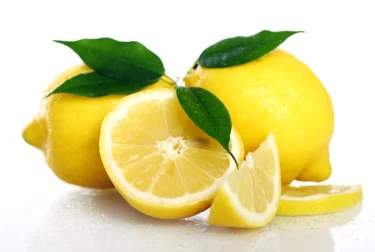
“When life gives you lemons, make lemonade” is a famous proverbial phrase that tells us to look at the bright side and keep moving forward in life. Just like the saying, lemons or Citrus limon are bright yellow, oval-shaped edible fruits with a pronounced bulge on one end. Lemons are available in different sizes, with the raw ones being green in colour and the ripe ones turning a beautiful bright yellow. Lemons are native to the Himalayan foothills of Thailand, Indonesia, the Philippines and North India. In India, they are the third largest crop after bananas and mangoes and thus, they have become an economically important crop.
This flavoured fruit has a juicy yellow flesh that is sour in taste. Their tartness and citric fragrance make them a kitchen favourite. James Lind, the pioneer of clinical research, carried out the very first clinical trial in history with lemons as his focus. The findings of this trial supported the use of lemons for treating scurvy. Let’s find out more about this lovely fruit1,2!
Lemons are packed with the goodness of minerals and vitamins, especially Vitamin C and polyphenols like polymethoxyflavones. The nutritional components of lemons are mentioned in the table below.
Scientifically proven properties of C.limon include:
Some of the potential benefits of lemons are described below.

Plant constituents like polyphenols may help manage obesity. Fukuchi et al. conducted a study6 in 2008 to assess the effect of lemon polyphenols on obesity in white mice. Polyphenols in lemons might be responsible for suppressing fat accumulation and weight gain in the body. This indicates that the consumption of lemon may help in managing obesity. However, scientific evidence supporting this claim is limited, and this warrants the need for conducting further research.

Cancer is the leading cause of death, and literature reviews have shown a clear positive relationship between dietary polyphenols (which are strong antioxidants) and cancer. Al-Ataby conducted a study7 in 2022 to assess the effect of lemon and ginger administration on breast cancer tumour growth in mouse models. The findings of this study11 support that 50% of mice consuming the lemon-ginger combination did not develop tumours due to the presence of alpha-pinene and alpha-terpineol. This indicates that the consumption of lemon may show anti-cancer properties. However, we need more studies to support these claims.

Along with antihypertensive medications, herbs and CAM (complementary and alternative medicines) have increased to manage hypertension. A literature review conducted by Zuhal et al. in 2012 suggests8 that lemon juice may help reduce systolic blood pressure. Tezel et al. conducted a study in 2003 in turkey to assess the therapeutic potential of lemon juice on blood pressure maintenance. The findings of this study support the use of lemon juice as an alternative therapy for decreasing blood pressure. This indicates that consuming lemon juice may help manage blood pressure. However, scientific evidence supporting these claims is limited, and this warrants the need for more clinical studies to support these claims.

Asthma is a chronic inflammatory disorder of the airways known to impair normal breathing. The use of natural products as a complementary or alternative treatment for asthma has increased. For almost 5000 years, the use of plant-based products as traditional medicine for the treatment of asthma has been reported. Costa et al. conducted a study9 in 2010 to identify plant-based natural products for managing asthma. This study identified lemon as a potent anti-asthmatic agent. Additionally, lemons may help reduce cough (anti-tussive property). This indicates that lemons may have the potential to manage asthma and may provide symptomatic relief, but we need more scientific evidence to support these claims3.
Scurvy is a disease caused by a deficiency of Vitamin C and is characterised by generalised weakness, bleeding and bruising gums, etc. Dr. James Lind was the first physician to conduct a controlled clinical10 trial in 1796. Due to the high mortality from scurvy amongst the sailors, he planned a comparative trial to assess the effect of citrus fruits like lemons and oranges on scurvy. To his surprise, Lind found that citrus fruits (lemons and oranges) were better than other treatments for scurvy. Additionally, Vitamin C is required to form collagen, which plays an important role in stopping bleeding. Therefore, lemons may help in healing wounds. This indicates that lemons, a rich source of Vitamin C, may help manage scurvy. However, more studies should be conducted to increase the reliability of these results.

Though there are studies that show the benefits of Lemons in various conditions, these are insufficient, and there is a need for further studies to establish the true extent of the benefits of Lemons on human health.
You must consult a qualified doctor before taking any herbal supplements. Do not discontinue or replace an ongoing treatment of modern medicine with an ayurvedic/herbal preparation without consulting a qualified doctor.
Likewise, a few side effects related to the consumption of lemons include:
However, if you experience any adverse reactions to lemons, it is advised to discontinue its intake and immediately contact a doctor or your Ayurvedic physician who has prescribed it. They will be able to guide you appropriately for your symptoms.
Eating lemons is okay if taken in moderate amounts. However, general precautions must be followed in the following conditions:
Also Read: Warm Water with Honey & Lemon – Is It the Amrit for Your Health?
There is no significant interaction of lemons with other drugs. However, you must always seek the advice of your Ayurvedic physician about the possible interaction of lemons with other drugs and follow the prescription thoroughly, as they will know your health condition and other medications you are taking.
The scientific name of lemons is Citrus limon1.
Yes, studies show that lemons may help in managing obesity and promoting weight loss. However, scientific evidence to support this claim is limited. Therefore, you should consult a doctor if you have any weight-related issues6.
Yes, lemons may help manage blood pressure. This effect is attributed to the presence of Vitamin C. However, the exact mechanism is unclear and more research is needed to support these claims. Therefore, it is advised to consult a doctor for proper treatment in case you have abnormal blood pressure7.
Kidney stones are formed when citric acid salt citrate binds to calcium. Consumption of lemon juice increases the urinary excretion of citrate and, thus, may reduce the risk of kidney stones. However, there is a need to conduct more studies to support these claims. It is recommended to consult a doctor for proper treatment in case you have kidney stones1.
Consumption of lemons in excess can increase the risk of gastric reflux disease. Lemons are acidic and can cause dental erosion over a long period. They can also increase the risk of migraines due to the presence of tyramine.
Disclaimer: The information provided here is for educational/awareness purposes only and is not intended to be a substitute for medical treatment by a healthcare professional and should not be relied upon to diagnose or treat any medical condition. The reader should consult a registered medical practitioner to determine the appropriateness of the information and before consuming any medication. PharmEasy does not provide any guarantee or warranty (express or implied) regarding the accuracy, adequacy, completeness, legality, reliability or usefulness of the information; and disclaims any liability arising thereof.
Links and product recommendations in the information provided here are advertisements of third-party products available on the website. PharmEasy does not make any representation on the accuracy or suitability of such products/services. Advertisements do not influence the editorial decisions or content. The information in this blog is subject to change without notice. The authors and administrators reserve the right to modify, add, or remove content without notification. It is your responsibility to review this disclaimer regularly for any change
 3
3  1
1A hot summer day can take a toll on your body. But a glass of fresh lemonade is the most refreshing drink one can have in summers. Lemonade instantly refreshes and calms your body. The easiest go to drink, that can be made in a few minutes.
Lemon is a flavoured fruit. A small quantity of lemon juice can make its remarkable presence in foods and beverages. Adding few drops of lemon juice to curries, soup or drinks, instantly elevates their taste.
Lemons have been around for years. This round, vibrant fruit from the flowering plant family named Rutaceae is scientifically known as a citrus lemon. This bright yellow coloured citrus fruit has a tangy sour taste due to its richness in citric acid. Though they are available in different shapes and sizes across the planet, lemon has its origin in Assam and other parts of Myanmar and China.
An interesting fact about lemon is that it is a very rich source of Vitamin C. And in 1700s, James Lind found that lemons were very useful in treating a medical condition called scurvy (scurvy is a condition caused by low levels of vitamin C in the body)1.
Lemon is a rich source of vitamin C and is also enriched with Vitamin B6, copper, potassium, magnesium, zinc, flavonoids, antioxidants and phosphorus. It is low in calories and fat. Vitamin C present in the lemon also helps in the process of iron absorption in the body.
Lemon is a versatile fruit which has several potential health benefits. These include:

Lemons are the best source of vitamin C and antioxidants. Research suggests that these two nutrients are beneficial for heart health and help prevent heart disease and stroke. However, certain fibres present in lemon can also help lower some risk factors for heart diseases.
Consuming lemon juice may help reduce high blood pressure. Moreover, lemon contains two plant compounds, hesperidin and diosmin, known to lower cholesterol2. These factors suggest its positive effect for heart health.

We all know that lemon is an immunity-boosting fruit as it contains a high amount of vitamin C and antioxidants. It helps to build the immune system and to fight against the germs that causes common cold and the flu. Patients are often advised to consume lemon cough drops when they are suffering from a throat infection. This is because lemons are naturally endowed with antibacterial properties which will lessen the bacterial effects and bring about relief3,4.

Lemon contains a high amount of soluble fibres that helps in regular bowel movements and also helps improve digestion. The main fibre present in lemon is pectin which helps to improve gut health by increasing the digestion rate of starch and sugar5.
Ayurveda medicine believes that drinking a glass of water with lemon juice with its pulp in the morning can kick-start your digestion process. It also helps you have a healthy digestive system.
In my experience, your body will be able to absorb more iron from your diet’s plant-based foods if you use lemon. Anaemia, which is characterized by the deficiency of iron in the red blood cells. Among many reasons responsible for it, it is frequently associated with an iron shortage in your diet that may be corrected by maintaining adequate iron levels. So, apart from taking an iron-rich diet, you should include good amount of vitamin C in your diet for better absorption of iron.
Dr. Siddharth Gupta, B.A.M.S, M.D (Ayu)

Fully squeezed lemon in a glass of lukewarm water with a tablespoon of honey may help support healthy weight in many. Lemon contains a compound called pectin. It is a fibre that expands after ingestion, making you feel full sooner and longer. It will prevent you from snacking on unhealthy foods that will lead to weight gain. Pectin is present in the lemon pulp, so consuming lemon as a whole is essential5,6.
Vitamin C, which supports immune system defence and may aid in the body’s ability to fight illness, can be found in one lemon, providing around half of the daily required dose. Lemons have citrus flavonoids as well. From my perspective, you may lessen your chance of developing brain illness and other degenerative diseases by consuming antioxidants that combat free radicals and have anti-inflammatory properties.
Dr. Rajeev Singh, BAMS

Lemon and lemon juice are a rich source of vitamin C and antioxidants that help fight against free radicles that can cause deadly diseases like cancer. Animal studies suggest that compounds present in the lemon, limonene and naringenin, have anti-cancer properties. However, human studies are required to observe these effects7.

We all know that vitamin C is an essential vitamin for teeth and gums. And, being a rich source of vitamin C, lemon is beneficial for certain mouth conditions. For instance, in scurvy, which is a type of collagen fibre disease resulting from a lack of vitamin C leading to swollen and gums, lemon is said to be helpful. Also, lemon juice may have painkilling effects when applied locally to areas where there is a toothache. It may also help in reducing inflammation1.
Although believed to be healthy for gum issues, lemon juice contains an acid that, when consumed in large quantities, may erode tooth enamel and result in cavities. I strongly recommend making sure you take lemon juice with enough water to offset the acidity.
Dr. Smita Barode, B.A.M.S, M.S.

As per a study published in the Journal of Nutrition and Metabolism, daily intake of lemon along with 30-60 minutes of brisk walking can keep your high blood pressure in check. Those who consumed lemons, showed reduced signs of hypertension as opposed to those who did not8. Thus, lemon can be used as an adjunct along with medical treatment for high blood pressure.
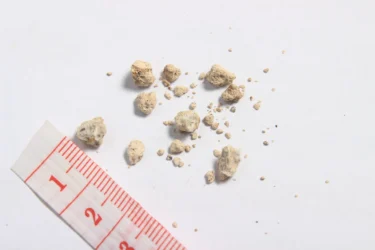
High levels of citric acid present in the fresh fruit as well as the lemon juice concentrate can improve urinary citrate levels two-fold without altering the total urinary volume. Studies have revealed that lemonade or lemon juice concentrate can prevent kidney stones by forming urinary citrate which acts as a preventive method for crystal development9.

Lemons contain high amount of vitamin C, which is required to generate collagen. Collagen gives our skin a plump and youthful look. It helps to reduce the fine lines on the face and make your skin clear. Moreover, vitamin C also inhibits melanin production in skin cells thus avoiding pigmentation. It also aids in faster recovery of wounds and avoids easy bruising of skin10.

Lemon is high in vitamin C which boosts collagen and improves hair growth by stimulating hair follicles10,11. If you have been suffering from hair loss you can mix two tablespoons of lemon juice with aloe vera gel and apply this to your scalp 30 minutes before your bath and then wash it off with a gentle hair cleanser.
Although studies have shown beneficial effects of lemon for overall health, further large-scale human trials are needed to confirm these benefits. Nonetheless, this tiny nutrition-packed fruit has been used for centuries in ayurvedic practise and when consumed in moderation, can be a great addition to your diet. However, if you have any medical conditions, it’s best to consult your doctor before including anything new into your routine diet.
Anything consumed in excess can have a negative impact on your health. Although it’s very nutritious, excessive lemon juice intake may result in the following adverse effects:
Also Read: Tangerine: Uses, Benefits & Side Effects
Lemon is a small yet power-packed fruit with all nutrients. It is a rich source of Vitamin C which can help keep infections at bay and be great for your skin and hair. It can also help support your heart, kidney and digestive health and aid in weight management. Consuming lemon juice as part of a balanced diet will not just add to taste but also prove to be nutritious and healthful.
1. Maxfield L, Crane JS, Daley SF. Vitamin C Deficiency (Scurvy) [Internet]. National Library of Medicine. StatPearls Publishing; 2023. Available from: https://www.ncbi.nlm.nih.gov/books/NBK493187/
2. Mahmoud AM, Hernández Bautista RJ, Sandhu MA, Hussein OE. Beneficial Effects of Citrus Flavonoids on Cardiovascular and Metabolic Health. Oxidative Medicine and Cellular Longevity [Internet]. 2019 Mar 10;2019:1–19. Available from: https://www.hindawi.com/journals/omcl/2019/5484138/
3. Texas.gov. 2025 [cited 2025 Nov 5]. Available from: https://www.trs.texas.gov/learning-resources/publications/pulse/7-immune-boosting-foods-flu-season
4. Farhat G, Cheng L, Emad A. S. Al-Dujaili, Zubko M. Antimicrobial Potential of Pomegranate and Lemon Extracts Alone or in Combination with Antibiotics against Pathogens. International Journal of Molecular Sciences [Internet]. 2024 Jun 25;25(13):6943–3. Available from: https://www.mdpi.com/1422-0067/25/13/6943
5. Pascale N, Gu F, Larsen N, Jespersen L, Respondek F. The Potential of Pectins to Modulate the Human Gut Microbiota Evaluated by In Vitro Fermentation: A Systematic Review. Nutrients. 2022 Sep 2;14(17):3629. Available from: https://pmc.ncbi.nlm.nih.gov/articles/PMC9460662/
6. Village of Twin Lakes, WI [Internet]. Village of Twin Lakes, WI. 2025 The-ultimate-guide-choosing-the-best-fruit-for-weight [cited 2025 Nov 5]. Available from: https://www.twinlakeswi.gov/support/the-ultimate-guide-choosing-the-best-fruit-for-weight-2304d570-loss-2/
7. Song JK, Bae JM. Citrus Fruit Intake and Breast Cancer Risk: A Quantitative Systematic Review. Journal of Breast Cancer. 2013;16(1):72. Available from: https://pmc.ncbi.nlm.nih.gov/articles/PMC3625773/
8. Kato Y, Domoto T, Hiramitsu M, Katagiri T, Sato K, Miyake Y, et al. Effect on Blood Pressure of Daily Lemon Ingestion and Walking. Journal of Nutrition and Metabolism [Internet]. 2014;2014:1–6. Available from: https://www.ncbi.nlm.nih.gov/pmc/articles/PMC4003767/
9. Ruggenenti P, Caruso MR, Cortinovis M, Perna A, Peracchi T, Giuliano GA, et al. Fresh lemon juice supplementation for the prevention of recurrent stones in calcium oxalate nephrolithiasis: A pragmatic, prospective, randomised, open, blinded endpoint (PROBE) trial. eClinicalMedicine [Internet]. 2022 Jan 1;43:101227. Available from: https://www.sciencedirect.com/science/article/pii/S2589537021005083?via%3Dihub
10. Pullar JM, Carr AC, Vissers MCM. The Roles of Vitamin C in Skin Health. Nutrients. 2017 Aug 12;9(8):866. Available from: https://pmc.ncbi.nlm.nih.gov/articles/PMC5579659/
11. Almohanna HM, Ahmed AA, Tsatalis JP, Tosti A. The Role of Vitamins and Minerals in Hair Loss: A Review. Dermatology and therapy [Internet]. 2019;9(1):51–70. Available from: https://www.ncbi.nlm.nih.gov/pubmed/30547302
12. Gastroesophageal reflux – discharge: MedlinePlus Medical Encyclopedia [Internet]. Medlineplus.gov. 2019. Available from: https://medlineplus.gov/ency/patientinstructions/000197.htm
13. Mouth sores: MedlinePlus Medical Encyclopedia [Internet]. medlineplus.gov. Available from: https://medlineplus.gov/ency/article/003059.htm
14. Migraine: MedlinePlus Medical Encyclopedia [Internet]. Medlineplus.gov. 2015. Available from: https://medlineplus.gov/ency/article/000709.htm
Disclaimer: The information provided here is for educational/awareness purposes only and is not intended to be a substitute for medical treatment by a healthcare professional and should not be relied upon to diagnose or treat any medical condition. The reader should consult a registered medical practitioner to determine the appropriateness of the information and before consuming any medication. PharmEasy does not provide any guarantee or warranty (express or implied) regarding the accuracy, adequacy, completeness, legality, reliability or usefulness of the information; and disclaims any liability arising thereof.
Links and product recommendations in the information provided here are advertisements of third-party products available on the website. PharmEasy does not make any representation on the accuracy or suitability of such products/services. Advertisements do not influence the editorial decisions or content. The information in this blog is subject to change without notice. The authors and administrators reserve the right to modify, add, or remove content without notification. It is your responsibility to review this disclaimer regularly for any changes.
103
7


