
If someone has been diagnosed with diabetes, it doesn’t mean that they have to give up carbohydrates forever. It is only refined and processed carbohydrates that are not suitable for people with diabetes. The complex carbohydrates, consumed in moderation, are an essential constituent of a diabetic’s meal plan. The key is to choose carbs that are rich in fibre and nutrients so that they are digested slowly and the energy released is gradual1.
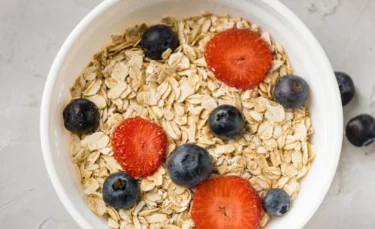
Eating oats for breakfast could be a very healthy choice. Oats are a complex carbohydrate, so they provide nourishment without compromising on blood sugar levels2. And they are rich in proteins as well. Instead of having a sweeter version, opt for a savoury recipe. Add vegetables of your choice.

Whole grains take longer to be digested and release their energy slowly. This leads to a gradual spike in blood sugar. Choose whole-wheat bread, pasta, oats, barley, and quinoa for best results1.

Sweet potato is a healthier option. It has more nutritious value and is digested gradually, thus proving to be suitable for people with diabetes. Sweel potato has shown to improve glycosylated haemoglobin levels in individuals with diabetes3. Eating boiled, roasted or baked forms can show better calorie control.

Pears have high fibre content and they can be combined with apples. The density of these fruits helps balance energy levels in the body4. Plus, they are rich in vitamins, minerals and antioxidants that have several other health benefits. But these fruits should be consumed whole and not in the form of juices as the drinks are devoid of fibre1.
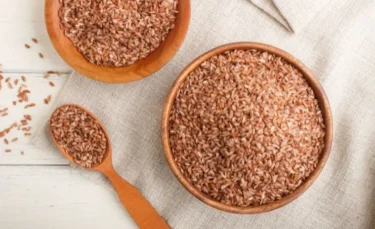
Whole brown rice is a better meal option than white rice, which is a refined variety lacking the fiber1. It has more fibre and more nutrients intact in its kernel, which helps better manage blood sugar levels2.

Lentils and beans are low in calories and rich in protein and fibre which keeps you feel full long and helps lower blood sugar levels. Plus, they provide Potassium, a mineral needed for efficient blood pressure control. Most diabetics have associated high blood pressure too, and lentils are a great way to control it through diet5.
Want to manage your diabetes effectively? Book free diabetes consultation for you from our experts!

Rich in probiotics, calcium, and protein, yoghurt is easy on the stomach and has a very less quantity of carbohydrates. It balances gut microbiota and may help improve insulin resistance, thereby helping control blood sugar levels. Also, it boosts immunity and helps strengthen bones6.

Berries are rich in essential vitamins and minerals and are low in sugar. They are rich in phenols, anthocyanin, and flavonoids that help in boosting immunity. They reduce inflammation, an important factor that contributes to susceptibility to diabetes. They are also proposed to have anti-cancer properties7.

Pumpkin, butternut squash, and other varieties are some of the best vegetables for people with diabetes. They are rich sources of fibre and essential nutrients like beta-carotene that the body converts to vitamin A which contributes to healthy vision and skin, and vitamin C which boosts immunity8.

Do not skip dairy just because you have diabetes. Dairy products are nutritionally rich food while being low in carbohydrate content. Studies have shown that daily consumption of low-fat dairy products can help improve blood sugar levels and prevent the risk of Type 2 diabetes9,10.
While all food items are low in calorie and can provide sustained energy, consumption is moderation is key. Its best to discuss with your doctor before including any food item in your routine diet if you have diabetes or any other medical condition.
Also Read: How to Increase Your Metabolism Naturally
Having diabetes does not mean that you must always sacrifice on carbohydrates. You have to make smarter choices and do portion control to keep your blood sugar in check and eat the right carbs for diabetes. Opting for cereals like oats, legumes and beans, whole fruits like pears and apples, vegetables like squash and pumpkin, and consuming low-fairy dairy can all help keep your blood sugar levels in check. However, if you have diabetes, it is ideal to consult a certified nutritionist for a customised diet plan based on your specific needs.
Also Read: Insulin Resistance: What You Need To Know
Disclaimer: The information provided here is for educational/awareness purposes only and is not intended to be a substitute for medical treatment by a healthcare professional and should not be relied upon to diagnose or treat any medical condition. The reader should consult a registered medical practitioner to determine the appropriateness of the information and before consuming any medication. PharmEasy does not provide any guarantee or warranty (express or implied) regarding the accuracy, adequacy, completeness, legality, reliability or usefulness of the information; and disclaims any liability arising thereof.
Links and product recommendations in the information provided here are advertisements of third-party products available on the website. PharmEasy does not make any representation on the accuracy or suitability of such products/services. Advertisements do not influence the editorial decisions or content. The information in this blog is subject to change without notice. The authors and administrators reserve the right to modify, add, or remove content without notification. It is your responsibility to review this disclaimer regularly for any changes.
 30
30 


