




11 Foods to Avoid Before Sleeping!
By Dr. Malavika Athavale +2 more

Medically reviewed by Dr. Malavika Athavale
Last updated: Mar 2, 2026 Published on: Mar 23, 2022


Get,

to manage your symptom
Get your,

4 Cr+ families
benefitted

OTP sent to 9988776655



You’ve successfully subscribed to receive
doctor-approved tips on
Whatsapp

Get ready to feel your best.


Register to Avail the Offer
Send OTPBy continuing, you agree with our Privacy Policy and Terms and Conditions
Hi There,
Sign up on PharmEasy now!!


Trusted by 4 crore+ families

OTP sent to 9988776655
You have unlocked 25% off on medicines


Code: NU25

By Dr. Malavika Athavale +2 more
Table of Contents
As winter starts, late-night cravings often become harder to ignore, and changes in weather can also disturb your sleep. However, many people do not realise that the food you eat can affect how well you sleep. Some foods may negatively affect sleep quality, especially if eaten close to bedtime.

A busy lifestyle can affect your body, which in turn, affects how well you sleep. What you eat also plays a key role in your overall health and sleep quality.
Most research suggests that a night of disturbed sleep can increase cravings for unhealthy snacks and junk food the next day1. Therefore, be mindful of what you eat before bedtime, as it may interfere with your sleep and your health in the long term.
These foods may affect your sleep and are best avoided before bedtime.
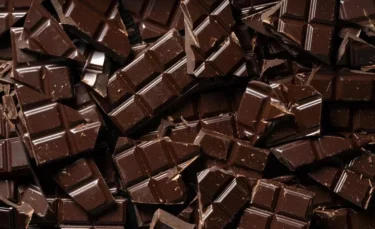
Dark chocolate may not be a good food choice before bedtime as it contains caffeine and amino acids2. Both caffeine and amino acids can keep you up at night, leaving you tired the next day. Dark chocolate may give you an energy boost, which makes it an ideal afternoon snack rather than a late-night one. It also contains theobromine, which is a cardiac stimulant that might interfere with sleep2.

Ice cream is a popular dessert that many people love to eat as an after-dinner treat. A bowl full of ice cream can be tempting, but the sugar in it may interfere with your sleep3. Ice cream is high in both fat and sugar, which, when consumed frequently, may lead to unhealthy cholesterol levels and increase the chance of heart conditions4. Although gelatos are believed to be a lighter version of ice cream, they can also contain a high amount of sugar. Therefore, it is important to check their sugar content before consuming them.
Sugary treats, like candy bars, ice creams, and cakes are all best avoided at night as they may lead to poor sleep.
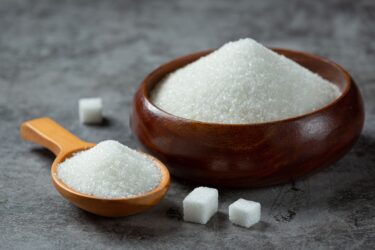
Sugar is the main culprit in most foods that may interfere with your sleep. It can increase your energy levels, making it harder to fall asleep quickly3. Foods high in sugar are more likely to disrupt sleep rather than support restful sleep.

It is common knowledge that coffee can keep you awake for a longer time at night. Caffeine can remain in your system for hours, so it’s best to avoid it for several hours before going to bed. Caffeine can stimulate the central nervous system, and its effects may last up to 12 hours. So keep your sleep in mind when you’re thinking about having a cup of coffee in the latter half of the day5,6.
I may advise you to avoid consuming certain foods before sleep, such as fast food, instant noodles, and confectionaries. Research suggests that individuals who have shorter sleep durations or poor sleep quality tend to consume more of these unhealthy food options. So, to promote better sleep and overall health, it’s recommended to avoid these food choices before bedtime.
Dr. Rajeev Singh, BAMS
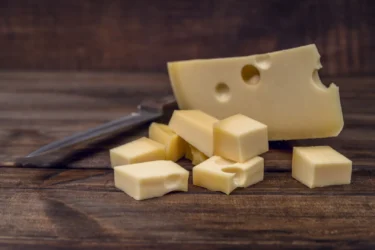
Have you heard that you may get weird dreams after eating cheese at night? Yes, it might be possible7. Cheese is rich in the amino acid tyramine that might keep your brain alert for a longer time. It also has saturated fats that might contribute to reduced sleep8. So despite the fondness for a post-dinner cheese-board, remember that eating cheese at night may only make it harder for you to fall asleep.

Both red meat and chicken are rich in animal-based proteins that take a lot of energy to digest. These proteins contain tyrosine, an amino acid that may help promote brain activity and improve dopamine (hormone) synthesis. Therefore, foods containing tyrosine may make falling asleep increasingly difficult, especially in the elderly. Think twice before eating any of these foods close to your bedtime as they could disrupt your sleep schedule9.

Yes, you may feel drowsy after drinking a glass of wine or beer, but it may harm your sleep patterns. Drinking alcohol right before bed can make your sleep quality suffer. Research shows that drinking alcohol before bed can make you more likely to wake up throughout the night. Alcohol may also lead to snoring since it is a potent muscle relaxer.
Beer drinkers also tend to get up every 2 to 3 hours after going to bed to go to the bathroom due to the excess of liquids consumed after dinner10.

One of the classic midnight foods you crave should now be off your list! Eating pizza before bedtime is not advisable, no matter how much you like it. Cheese is rich in fat and tomato sauce is acidic, making this popular late-night dish harder to digest and potentially disruptive to sleep8,11.
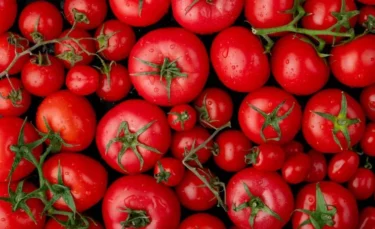
Tomatoes may interfere with sleep because their acidity may cause heartburn or indigestion11. They also contain tyramine, an amino acid that can stimulate the brain and make it harder to fall asleep.

Diuretic foods mean foods that induce excess urination. Celery, carrots, cucumber, ginger, watermelons, caffeinated drinks, and alcohol have diuretic effects. Consuming these foods close to bedtime may make you wake up frequently to use the washroom12, which can affect your sleep quality.

Drinking too much water close to bedtime can interrupt your sleep significantly as you will have to wake up frequently to use the washroom13. Instead, start reducing your fluid intake around 3 hours before going to bed.
I would suggest avoiding consuming red pepper before sleep. Research has shown that red pepper might increase your body temperature, which may make it harder for your body to cool down naturally during sleep. When you’re too hot, it might interfere with the body’s ability to transition to a comfortable sleeping temperature.
Dr. Siddharth Gupta, B.A.M.S, M.D (Ayu)
Now, you have a better idea of how even simple food can affect your sleep. So, be mindful of what you eat before bedtime. Another habit that could help you sleep better is having dinner at the right time! It is advisable to have your meals at least 3 hours before bedtime.
Foods high in caffeine, sugar, fat, acidity, or stimulant amino acids like tyramine and tyrosine may delay sleep onset and disturb sleep patterns. Additionally, diuretic foods and excess fluid intake might also increase nighttime urination and interrupt sleep. Therefore, avoiding heavy, spicy, sugary, and stimulant-rich foods at night and having dinner early may help you by promoting better and uninterrupted sleep.
Also Read: Natural Home Remedies For Good Sleep
Disclaimer: The information provided here is for educational/awareness purposes only and is not intended to be a substitute for medical treatment by a healthcare professional and should not be relied upon to diagnose or treat any medical condition. The reader should consult a registered medical practitioner to determine the appropriateness of the information and before consuming any medication. PharmEasy does not provide any guarantee or warranty (express or implied) regarding the accuracy, adequacy, completeness, legality, reliability or usefulness of the information; and disclaims any liability arising thereof.
Links and product recommendations in the information provided here are advertisements of third-party products available on the website. PharmEasy does not make any representation on the accuracy or suitability of such products/services. Advertisements do not influence the editorial decisions or content. The information in this blog is subject to change without notice. The authors and administrators reserve the right to modify, add, or remove content without notification. It is your responsibility to review this disclaimer regularly for any changes.
 47
47  1
1Comments

Leave your comment...
You may also like






















Comments