
Most women of reproductive age menstruate unless they are pregnant, breastfeeding, or have underlying medical conditions. On average, a normal menstrual cycle lasts about 28 days (with a variation of roughly 7 days more or less), though it can range from 21 to 35 days in adults and 21 to 45 days in young teens1.
You might wonder whether there are ways that may help your period start sooner. Before we get into that, let’s first understand what a normal menstrual cycle looks like and how it differs from an irregular one. We’ll also explore common reasons why periods may be delayed.
Next, we’ll discuss safe ways to manage delayed periods, including lifestyle adjustments, natural approaches, and medical options, while highlighting what is safe and what should be avoided. Then we’ll check the risks and safety tips to keep in mind. Ready? We will also answer some common questions about periods in the end!
Friendly Reminder: The information shared here is for educational purposes only and the reader should consult a registered medical practitioner before implementing any changes to their health routine.
First, let’s get the basics right. Knowing what a healthy menstrual cycle is and what causes delays is important.
The menstrual cycle prepares your body for pregnancy and is influenced by certain reproductive hormones. These hormones thicken the inner lining of the uterus, preparing it for implantation of a fertilised egg. If an egg is not fertilised during this cycle, hormone levels drop. This starts a “period” as the lining sheds1.
There are several reasons why your period may be delayed, including the following2:
Lifestyle or food changes may be made should you wish to get your periods faster for just one cycle. However, if your “how to get periods immediately or faster” is a more recurring query, you need medical guidance as frequently delayed periods might need some medical intervention.
Dr Ashish Bajaj, M.B.B.S., M.D. in Clinical Pharmacology and Toxicology
Also Read: PCOS Belly Fat: Why It Happens and How to Manage It the Right Way
Still searching for how to make your period start sooner over the internet? If your periods are late and you’re not pregnant or suffering from a medical condition, there are some approaches that may help your periods start sooner.
Many people use natural remedies and supplements to get their period started. It is important to remember that these traditional approaches lack strong scientific support and may work differently for different people.
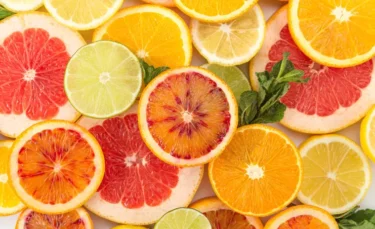
Although it is said that vitamin C supplementation can possibly start periods, there is no scientific data to support this claim3. In fact, this is not a recommended method as high vitamin C doses may lead to kidney stones4.
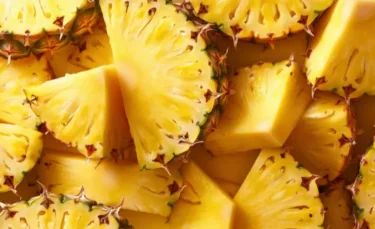
Bromelain, an enzyme in pineapple, may affect menstrual hormones5.
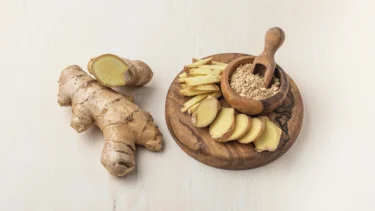
Traditional wisdom believes that ginger can start menstruation by causing uterine contractions, even though there’s no solid proof of this6.
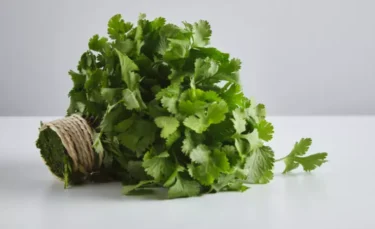
Parsley helps with balancing hormones in women and enhances oestrogen secretion7. Thus, it may help in getting the period sooner.
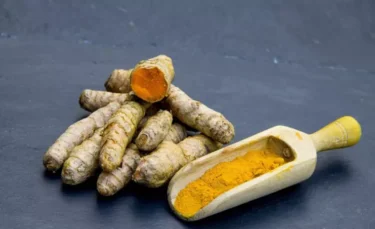
Some people believe turmeric can affect hormone levels and help induce periods, but there’s no scientific proof of this8.
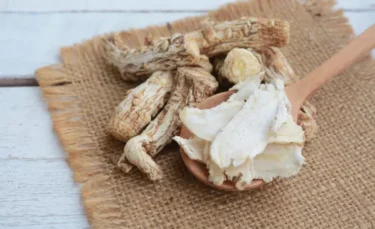
These herbs may increase blood flow to the uterus or help shed the uterine lining, which may lead to periods9.
Caution: Periods cannot be reliably induced or hastened by foods, herbs, or home remedies. Traditional remedies, although believed to influence menstruation, are not proven to be effective and may carry health risks. These methods should be considered traditional beliefs, not evidence-based solutions. Therefore, always consult a gynaecologist before trying to manage or alter your menstrual cycle.
Ideally, one must not disturb body’s natural cycles. If your periods make your daily routine tasks difficult to carry out, consult a gynaecologist for evaluation.
Dr. Arpit Verma, MBBS, MD (Pharmacology)
Changing your lifestyle and being active might help start periods. However, remember, the effectiveness of these methods may vary from person to person.
High doses of vitamin C may induce menses by increasing the levels of oestrogen in the body. Increased levels of this hormone stimulate uterine contractions, which in turn, stimulates bleeding.
Dr. M.G. Kartheeka, MBBS, MD(Pediatrics)
While lifestyle changes may help some individuals, hormonal treatments provided by a healthcare professional are the most reliable way to regulate periods. Always consult your gynaecologist before starting any treatment.
Important caution: Hormonal contraceptives are intended for cycle regulation, not for immediately inducing a period. Any changes to dosage, timing, or method should only be done under a doctor’s supervision.
Also Read: PCOS Diet: How to Use Food to Help Manage Your PCOS
Any attempt to alter normal body function carries risks, and trying to induce a period is no different.
Never attempt to induce your period if there is any possibility of pregnancy, as this can lead to serious complications. Always consult a healthcare provider/doctor before trying any method to manage or regulate your cycle.
While attempting to induce periods can be beneficial sometimes, it has its own set of risks. You might face hormonal imbalances, disturbed period patterns, or side effects from medicines.
It’s important not to try and start your period if there’s a chance you might be pregnant. Substances that induce menstruation can also cause miscarriages.
Repeated irregular cycles may signal underlying health conditions such as PCOS, thyroid disorders, or premature ovarian insufficiency. Therefore, such cases require proper evaluation and workup by a doctor before attempting any intervention.
Get professional help if your period is consistently irregular, you miss three periods in a row, your periods stop before the age of 45, or you bleed between periods or after sex, or postmenopausal bleeding is noted.
Also Read: How To Know If You’re Pregnant?
We’ve covered what affects menstrual cycles, safe ways to manage delays, and the role of both natural and medical approaches. Remember, your body is unique, and variations in periods are normal. However, if your cycles are irregular or you miss three or more periods, consult a gynaecologist to rule out conditions like PCOS, thyroid disorders, or premature ovarian insufficiency. Avoid unproven or unsafe remedies, and rely on a healthcare provider for guidance on period-related concerns.
Also Read: Why is My Period Blood Black? Understanding the Underlying Health Facts
You could feel bloated or moody or have headaches, back pain, tender breasts, and cravings before your period arrives.
The substances used to induce periods can lead to a miscarriage. If you suspect you may be pregnant, do not attempt to induce your period. Instead, speak to a healthcare provider.
It’s important to note that attempting to induce your period artificially can have health risks. Menstrual cycles vary, and it’s best to let them occur naturally. If you have concerns about menstrual cycle irregularities, consult a healthcare professional for personalised advice.
While the chances are low, it is still possible to get pregnant during your period, especially if you have a shorter menstrual cycle. It’s crucial to use contraception consistently if you want to avoid pregnancy, as fertility varies among individuals.
Yes, a menstrual period may be delayed by 10 days due to various factors such as stress, hormonal changes, or underlying health conditions. If concerns persist, it is advisable to consult a healthcare professional for personalised guidance. Your period can be late due to stress.
No, a typical menstrual period does not occur during pregnancy. However, some pregnant individuals may experience light bleeding or spotting, often mistaken for a period. If there’s any uncertainty or concern, it’s essential to seek advice from a healthcare professional.
Yes, occasional period delays are normal and may be influenced by factors such as stress, hormonal fluctuations, or lifestyle changes. However, persistent or significant delays may warrant consultation with a healthcare professional to rule out underlying issues.
It is not possible to induce your period overnight. Menstrual cycles are natural processes influenced by hormonal changes. It’s crucial to maintain a healthy lifestyle, including regular exercise, balanced nutrition, and adequate sleep, for overall reproductive health. If you have concerns about your menstrual cycle, consult a healthcare professional for personalised advice.
Disclaimer: The information provided here is for educational/awareness purposes only and is not intended to be a substitute for medical treatment by a healthcare professional and should not be relied upon to diagnose or treat any medical condition. The reader should consult a registered medical practitioner to determine the appropriateness of the information and before consuming any medication. PharmEasy does not provide any guarantee or warranty (express or implied) regarding the accuracy, adequacy, completeness, legality, reliability or usefulness of the information; and disclaims any liability arising thereof.
Links and product recommendations in the information provided here are advertisements of third-party products available on the website. PharmEasy does not make any representation on the accuracy or suitability of such products/services. Advertisements do not influence the editorial decisions or content. The information in this blog is subject to change without notice. The authors and administrators reserve the right to modify, add, or remove content without notification. It is your responsibility to review this disclaimer regularly for any changes.
 28
28  1
1Periods are a monthly affair for women. Although regular periods are a sign of good health, factors like flow pattern, pain, and hormonal balance are also important. Even women who meet these criteria might experience 3 – 5 days of the flow that causes great discomfort, inconvenience, and pain. Sometimes the pain can become intolerable, making it difficult for women to perform their daily chores. But the good news is that there are some simple no-hassle ways to deal with period pain (dysmenorrhea). This includes a healthy diet. There are a few food items that can help to reduce period pain and associated discomfort in women1. Including these foods in your diet can make your next period a little less agonizing. Below is a list of 7 of them.
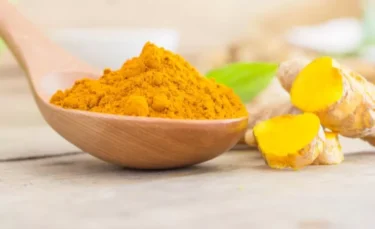
Turmeric is a commonly used spice with medicinal properties. It is well established that turmeric reduces inflammation in the body and hence plays a role in reducing the pain and discomfort due to periods2. Curcumin supplementation shows emerging evidence for this benefit; however, current findings are limited and more research is needed.
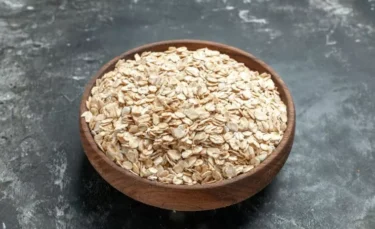
Oats are an excellent breakfast choice as they are easy to cook and extremely nutritious. They are full of fibre thereby keeping you feeling full for longer and eliminating the need to munch on snacks before your next big meal3. Oats also happen to be a good source of zinc and magnesium, which relax blood vessels4,5. If you are wondering what to eat to reduce period pain, a tasty oats poha, oats idli or even some delicious overnight oats or oats porridge with generous toppings of berries should do the trick.

Ginger is a common ingredient found across Indian households in their kitchens. Ginger has natural anti-inflammatory properties that may help relieve period-related muscle aches6. According to a study7 conducted by The Journal of Maternal-Foetal & Neonatal Medicine in 2017, ginger was effectively found to reduce feelings of nausea and vomiting. Whether you want to enjoy some crystallised/candied ginger post your lunch or dinner or want to soothe your mind and bodily senses with some warm ginger tea, ginger is one of those items which will make you feel rejuvenated along with reducing the period pain.
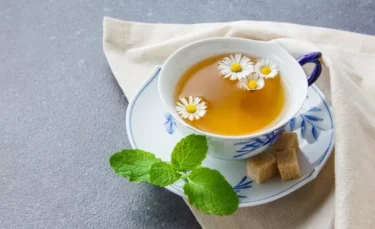
If you are thinking about how to relieve yourself of period cramps fast, chamomile tea is another food item that comes with anti-inflammatory properties8. More of a drink than food, chamomile tea is easy to make and helps ease muscle spasms along with lifting your mood by soothing your nervous system.
As per a study9 conducted by the Iranian Journal of Nursing and Midwifery Research, magnesium was found to reduce severe symptoms of PMS. Chocolate lovers will be delighted to know that not only is dark chocolate a healthy snack option, but it is also recommended as food that help with easing period- related symptoms.
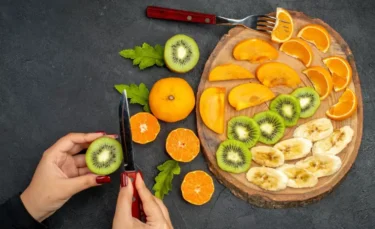
Vitamin C-enriched food items top the chart as foods that help with period cramps. During your menstrual cycle, you end up losing a more significant amount of red blood cells than your body can make up for. This might cause anaemia in some. Iron and vitamin C help reduce this risk in women. A daily dose of vitamin C, such as oranges, can be highly beneficial for better iron absorption into your body from the foods you eat10. Therefore, consuming them regularly while on periods can help in meeting the increased iron needs of the body. Moreover, due to its antioxidant effect Vitamin C supplementation can help in alleviating period pain11.
If you’re looking for natural remedies to ease menstrual pain, I may endorse soy milk. Some women have reported finding possible relief by adding soy milk to their diet. However, it is important to consult with your doctor before making any dietary changes24.
Dr. Anuja Bodhare, B.A.M.S, M.D (Ayu)
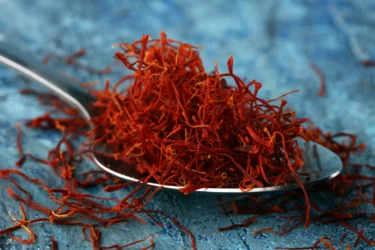
Developing a habit of consuming raisin-soaked (overnight) water and Kesar water (saffron soaked in a glass of water overnight) has been found to reduce period pain, mood swings and the bloating linked to it12. Raisins are rich in iron, which might help in reducing heavy bleeding13.

Although it may seem water is the answer to most things, chugging some water prevents your body from retaining water. Some of your period-related bloating might be reduced by consuming a glass full of water. Consuming some water during periods might also help in reducing bleeding and the severity of the pain14. If you are not a fan of drinking water by itself, try eating water-based foods such as lettuce, celery, cucumbers, watermelon, or berries. You can soothe your cramps by keeping your body hydrated with warm or hot liquids.
Note: Adequate hydration helps in reducing period related bloating, but drinking excessive water does not directly prevent fluid retention.
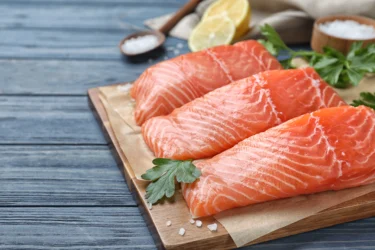
Salmon and other cold-water fish are rich in fatty acids known as omega-3s. Omega-3s supplements also help to reduce inflammation, which makes them good for general pain relief, including the pain of menstrual cramps, according to one small trial15.
While initial studies have shown the benefits of these food items in dealing with period pain, further large-scale trials are needed to confirm these. Also, remember that severe or persistent period pain may indicate underlying medical conditions which need medical evaluation, and only dietary changes may not help.
I would recommend including lean meats like red meat or chicken in your diet if you experience painful periods. These meats might be a great source of iron and protein, which are important nutrients for menstrual health23.
Dr. Siddharth Gupta, B.A.M.S, M.D (Ayu)
While we are most often focused on what things to do or eat during our periods, we often ignore what food items we definitely must avoid. Here are a couple of foods you should be refraining from to keep yourself feeling healthy and happy.
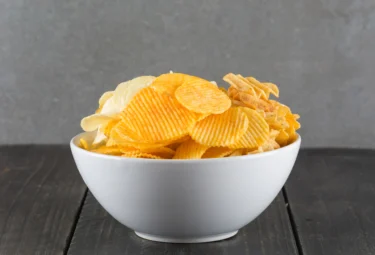
High on preservatives and salt, canned foods make your bloating worse than ever16.
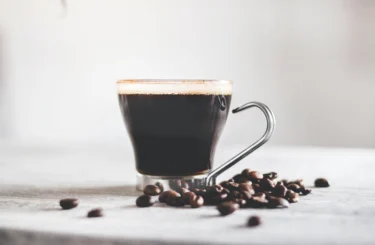
Coffee connoisseurs would be grieved to know that caffeine intake during your periods can trigger stress and anxiety, making you feel irritable and disturbed throughout the day17. In addition, coffee increases water retention in the body thereby promoting bloating, which can be discomforting and counteractive if you are looking for foods that reduce period pain. Although cutting out coffee can cause withdrawal symptoms leading to headaches and migraines, sticking to just one or two cups can be the next best solution.
I would advocate incorporating foods rich in calcium into your diet if you want to manage pain during your period. Some great options may include beans, almonds, and dark green leafy vegetables like spinach and kale. These foods are not only delicious but might also provide a good amount of calcium. By including these calcium-rich foods in your diet, you will possibly be supporting your overall well-being, including your menstrual health.
Dr. Smita Barode, B.A.M.S, M.S.

Spicy foods cause stomach upset and acidity18. This can even lead to nausea and diarrhoea. During your periods, it is best to opt for fresh, healthy, unprocessed, less salty, and lightly spiced foods19.
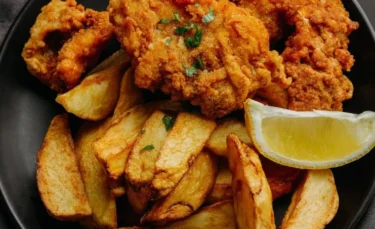
Excess of oily, fried, and fatty food can heighten cramping, and so fatty foods (such as bacon) may not be the right period pain relief food20.

Abstaining from indulging your sweet tooth with candies is recommended during your period as they contain a high amount of sugar that can worsen period pain. Go for fruits and dairy products, which might help you in reducing period pain20.
If you’re looking for other sweet treats during your period, I might have a delicious suggestion for you. How about stocking up on dark berries like blueberries, blackberries, strawberries, raspberries, and cherries? Not only are they naturally sweet and satisfying, but they may also be packed with antioxidants. Antioxidants may support your overall health as well as help you through your period by giving you the energy boost you need24!
Dr. Rajeev Singh, BAMS
Seek immediate medical attention if you have the following:
If you get sudden worse pain21. Severe pain and discomfort might be a sign of underlying conditions such as fibroids, endometriosis, or secondary dysmenorrhea. (Secondary dysmenorrhea is a condition of intensely painful periods caused by underlying health problems such as endometriosis, fibroids, or pelvic inflammatory disease22.)
Also Read: Bilateral PCOD: Causes, Symptoms, Diagnosis & Treatment
The best way to get relief from cramps and bloating when you are on your period is to have nutritious and lightly spiced foods. Eat regular healthy meals throughout the day to keep yourself full and free from cramps. Additionally, drink lots of water to avoid dehydration that can increase the intensity of cramping. Along with foods that help with period cramps, engaging in light exercises that are focused on your core and lower half of the body such as yoga and walking might be beneficial for making your periods less painful. But severe pain and discomfort might be a sign of underlying conditions such as fibroids or endometriosis. Such cases just will not heal by dietary changes, but medical attention is needed. Seek your doctor’s help immediately. They can offer proper guidance and may consider prescribing antispasmodic medication for your specific needs.
Also Read: Are Blood Clots During Your Period Normal? Causes and Treatment Options
Disclaimer: The information provided here is for educational/awareness purposes only and is not intended to be a substitute for medical treatment by a healthcare professional and should not be relied upon to diagnose or treat any medical condition. The reader should consult a registered medical practitioner to determine the appropriateness of the information and before consuming any medication. PharmEasy does not provide any guarantee or warranty (express or implied) regarding the accuracy, adequacy, completeness, legality, reliability or usefulness of the information; and disclaims any liability arising thereof.
Links and product recommendations in the information provided here are advertisements of third-party products available on the website. PharmEasy does not make any representation on the accuracy or suitability of such products/services. Advertisements do not influence the editorial decisions or content. The information in this blog is subject to change without notice. The authors and administrators reserve the right to modify, add, or remove content without notification. It is your responsibility to review this disclaimer regularly for any changes.
41
15


